
Tinghir: The Complete Travel Guide (2026)
Last reviewed: September 2026 · key facts checked against Wikidata
Tinghir Travel Guide: Everything You Need to Know (2026)
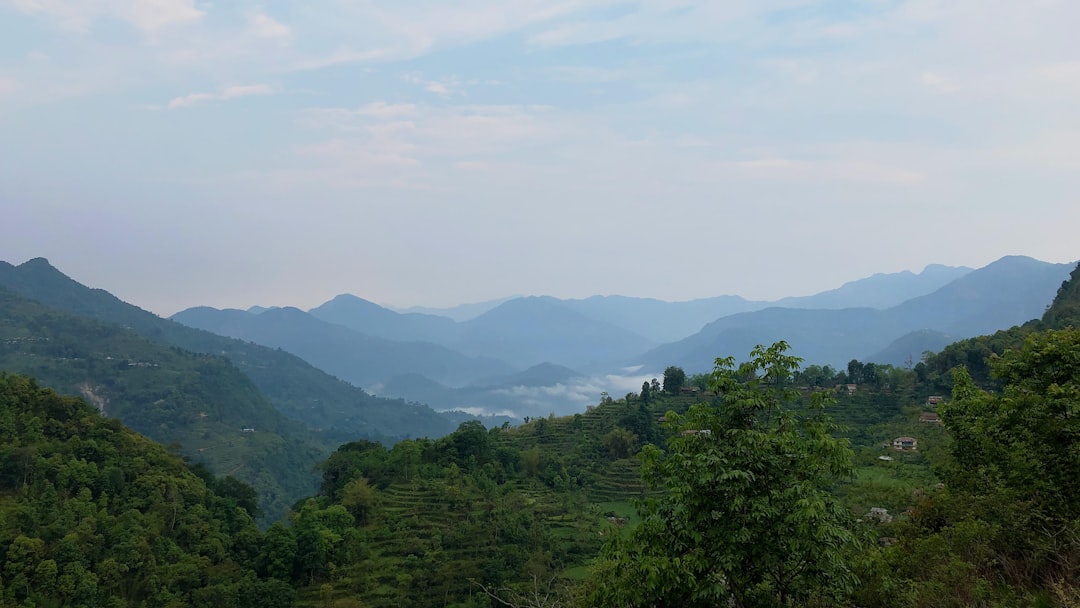
Tinghir sits at 1,340 metres above sea level in Morocco’s Drâa-Tafilalet region, a city of 44,239 people carved into one of the most dramatic oasis corridors in North Africa. Founded as a Berber stronghold at the foothills of the High Atlas, it serves as the gateway to the legendary Todra Gorge — where canyon walls rise nearly 300 metres within metres of each other. The city sits roughly 150 km east of Ouarzazate and feels like the edge of the Sahara without yet being fully desert.
Three Things Not to Miss in Tinghir
- Todra Gorge — Canyon walls reach 300 metres high and narrow to just 10 metres wide — one of Morocco’s most jaw-dropping natural corridors.
- Tinghir Kasbah and Palmery — A 3-kilometre-long oasis palmery flanked by crumbling mud-brick kasbahs dating back centuries along the Todra River.
- Aït Ben Haddou Day Route via Skoura — The rose-valley village of Skoura, just 60 km west, holds Morocco’s densest cluster of intact kasbahs outside any museum.
Scroll down for our complete travel guide with tips on getting there, where to stay, costs and more.
Arriving in Tinghir: Airport & Transfers
How do I get to Tinghir from major Moroccan cities?
Take a CTM or Supratours bus from Marrakech — the most practical direct option. In my experience, the Marrakech to Tinghir journey takes roughly 6 to 7 hours and costs around DH 120–160 depending on the operator. From Ouarzazate it is a far easier 2-hour drive of approximately 150 km on the N10 road. No train reaches Tinghir — the nearest rail terminus is Marrakech. My tip: the bus drops you in central Tinghir near the main market square. The honest caveat is that bus schedules are thin — there may be only 1 departure per day from Marrakech, so missing it means a full extra day lost.
Which airport is closest to Tinghir?
Ouarzazate Airport (OZZ) is the closest airport to Tinghir at roughly 150 km away — about a 2-hour drive on a well-paved but winding mountain road. In my experience, flights to OZZ are limited primarily to Royal Air Maroc connections via Casablanca, and fares are often higher than flying into Marrakech Menara Airport (RAK), which sits around 300 km away but offers far more international routes and budget carriers including Ryanair and easyJet. My tip: fly into Marrakech, rent a car or take a shared taxi to Tinghir, and you will almost always save money and have more flexibility. The trade-off is a longer transfer but a spectacular High Atlas drive through the Tizi n’Tichka pass.
How long does the journey to Tinghir take from Marrakech?
By car the drive from Marrakech to Tinghir takes between 5 and 6 hours covering roughly 300 km via the N9 and N10, crossing the dramatic Tizi n’Tichka pass at 2,260 metres. By CTM bus the same route stretches to 6–7 hours with stops. What surprised me is how much time the mountain section adds — the first 100 km after Marrakech can take 2 hours alone due to hairpin bends and truck traffic. My tip: leave Marrakech by 8 a.m. at the latest to arrive before dark, especially in winter when mountain roads can be treacherous. Hiring a grand taxi from Ouarzazate for the final leg costs around DH 200–250 and takes exactly 2 hours.
Do I need a rental car to explore Tinghir and its surroundings?
Yes — a rental car makes an enormous difference in Tinghir. The gorge, the palmery, and side valleys like Vallée des Roses near Boumalne Dadès are all impractical without your own wheels unless you negotiate with local guides. In my experience, renting through Ouarzazate-based agencies costs around DH 350–500 per day for a basic Dacia Duster — appropriate for unpaved piste roads. The honest caveat is that taxis to Todra Gorge do exist from Tinghir centre for around DH 30–50 one way, but they leave you stranded for the return unless pre-arranged. My tip: if you are staying more than 2 nights, the car pays for itself in freedom — you can reach villages like Aït Benhaddou and return the same day.
Getting Around Tinghir
Which areas around Tinghir are best to base yourself in?
Stay in the Todra Gorge road corridor — specifically the stretch between Tinghir town and the gorge mouth, about 14 km north of the centre. Guesthouses and small riads line this road through the palmery, and in my experience they offer the best balance of location and price. The gorge-mouth itself has a handful of hotels perched against the canyon walls — staying there means waking up inside the gorge, which is genuinely spectacular. Tinghir town centre is the practical choice for markets and transport connections, while the palmery zone halfway between gives a quieter, greener atmosphere. Avoid booking in remote villages without confirming road access — some tracks require a 4×4 after rain.
What does accommodation cost per night in Tinghir?
Budget guesthouses in Tinghir run DH 150–250 per night for a double room with breakfast — good value for Morocco’s south. Mid-range riads along the palmery corridor charge DH 400–650, often including a Berber breakfast and rooftop views. In my experience, Dar Aymane and similar family-run dars near the gorge entrance offer the best value at around DH 500 with dinner included. Splurging on a gorge-front hotel room costs DH 800–1,200 and is worth it for at least one night. The honest caveat is that Wi-Fi quality is poor across almost every property category — do not rely on it for video calls. What surprised me is how much better the smaller guesthouses are compared to the few larger tourist hotels.
How far in advance should I book accommodation in Tinghir during high season?
Book at least 6 weeks ahead if you plan to visit between April and May or September and October — the gorge-front properties at Todra sell out fast. In my experience, the 8–10 rooms that directly face the canyon walls are gone within days of opening their booking windows on platforms like Booking.com. For the town centre guesthouses, 2 weeks in advance is usually sufficient outside peak months. The honest caveat: many small Tinghir properties are not listed on major platforms and require direct WhatsApp contact — ask your previous accommodation to recommend the next one along the route. February through March also fills quickly with European trekking groups doing the Atlas Toubkal circuit extensions.
Are there special or unique accommodation types to experience in Tinghir?
Yes — sleeping inside a converted kasbah is the defining Tinghir accommodation experience. Several families have turned multi-generation mud-brick fortresses in the palmery into working guesthouses with 8–12 rooms, courtyard fountains, and Berber carpets you can actually buy. In my experience, Kasbah Aït Ben Moro near Skoura, an hour west, is the gold standard — but smaller equivalents exist right in the Tinghir palmery. For something genuinely rare, Amazigh nomad-style tent camps operate on the plateau above the gorge from April to October for around DH 400–600 per person including dinner and breakfast. My tip: these camps require booking directly by phone — no online presence — and the night sky at 1,600 metres altitude with zero light pollution is one of the best I have seen anywhere in Morocco.
Where to Stay in Tinghir
What are the must-see sights in and around Tinghir?
Todra Gorge is non-negotiable — walk the 300-metre-high canyon narrows in early morning before tour buses arrive at 10 a.m. The Tinghir Palmery, a 3 km oasis corridor fed by the Todra River, is best explored by bicycle or on foot at sunset. Aït Ben Haddou, the UNESCO-listed mud-brick ksar, is 200 km west but pairs naturally with a Tinghir base if you have a car. Closer to hand, the village of Aït Bou Oulli up the Dadès Gorge — just 70 km west — offers tighter switchbacks and fewer tourists than Todra. In my experience, the weekly Tinghir souk on Monday is as authentic a market as any in southern Morocco and completely untouristed.
What can I experience for free in Tinghir?
Walking the Tinghir Palmery costs nothing and takes a full half day if you follow the irrigation channels through the date palm groves. The Monday souk in Tinghir centre is free to wander and genuinely local — you will see Amazigh women trading saffron, argan oil, and handwoven baskets. In my experience, the best free experience is arriving at Todra Gorge at sunrise before any admission is suggested — there is no official entry fee to the gorge itself, only parking charges of around DH 10. The village of Aït Benhaddou charges DH 50 entry, but the road views approaching it are free. My honest caveat: ‘free’ guides will attach themselves to you in the gorge and expect DH 50–100 at the end — decide upfront whether you want company.
Which day trips from Tinghir are worth doing?
The Dadès Gorge and Monkey Fingers rock formations at Boumalne Dadès are 70 km west — a stunning half-day drive returning via the rose valley. Merzouga and the Erg Chebbi dunes are 220 km south-east, too far for a comfortable day trip but manageable as an overnight. In my experience, the most underrated day trip is north through the gorge into the High Atlas foothills toward Aït Hani — unpaved in sections but accessible in a standard car in dry season. Erfoud, famous for its fossil marble workshops, sits 90 km east and makes an easy morning excursion. My tip: combine Dadès Gorge and the Skoura palmery in a single westward loop — DH 40 in fuel round trip and one of the best drives in Morocco.
What local specialities should I eat in Tinghir?
Order tanjia Amazigh — a slow-cooked lamb or goat dish sealed in clay and cooked overnight in hammam embers, distinct from the Marrakech version and earthier in flavour. Amlou — a paste of toasted almonds, argan oil, and honey from the Atlas foothills — appears on every breakfast table and costs around DH 15 for a generous pot. In my experience, the best meal in Tinghir is at a family table rather than a restaurant: ask your guesthouse for a home-cooked dinner at around DH 80–120 per person. Medjool dates from the palmery are extraordinary — buy directly from a farmer for DH 30 per kg rather than the tourist shops at DH 60. My tip: the flatbread baked in a clay oven, called khobz tafarnout, is worth seeking out in the morning market.
Tinghir Highlights & Must-Sees
What makes Tinghir unique compared to other Moroccan cities?
Tinghir sits at the precise confluence of three landscapes — High Atlas mountains, a 3-kilometre living oasis, and the pre-Saharan plateau — within a 10-minute drive of each other. No other Moroccan city of its size offers this geographic compression. In my experience, the Amazigh Berber culture here is less diluted than in Marrakech or Fès — over 90% of residents speak Tamazight as a first language, and the kasbah architecture has not been restored for tourism but is simply still lived in. The gorge itself is genuinely world-class: climbers from across Europe come specifically for Todra’s sport climbing routes on 300-metre limestone walls. What surprised me is that despite all this, Tinghir remains almost entirely off the standard tourist circuit — the crowds thin dramatically the moment you leave the gorge car park.
How many days should I plan to spend in Tinghir?
3 full days is the ideal minimum. Day one: explore the palmery and the Monday souk or town centre. Day two: spend the morning in the gorge and afternoon on the plateau above. Day three: day trip to Dadès or a drive toward Merzouga. In my experience, 2 days feels rushed and you miss the gorge at different light conditions — morning and late afternoon are completely different experiences. If you are a trekker or climber, 5–7 days gives you access to high Atlas routes above the gorge that almost no tourists reach. The honest caveat: Tinghir has limited evening entertainment — after dinner there is not much beyond a mint tea on a rooftop. Factor that into how long you choose to stay if you need urban stimulation.
When is the best time to visit Tinghir?
April, May, September, and October are the optimal months based on climate data. Spring brings the gorge walls green with snow melt, and daytime temperatures sit at a comfortable 22–26°C at 1,340 metres altitude. In my experience, October is the single best month — date harvest fills the palmery with activity, the light is golden, and European summer crowds have gone. July and August push daytime temperatures above 38°C in the canyon, making midday genuinely uncomfortable. Winter (December–February) is cold enough at altitude to occasionally snow on the approaches from Marrakech — the Tizi n’Tichka can close temporarily. My tip: if you must travel in summer, plan gorge visits before 8 a.m. and after 5 p.m. only.
What local festivals in Tinghir are worth attending?
The Festival of Roses in nearby Kelaat Mgouna (60 km west) runs every May and is the most spectacular regional event — rose petal processions, Amazigh music, and markets selling rose water for DH 20 per bottle. In Tinghir itself, Eid al-Adha transforms the town dramatically — every family slaughters a sheep and the town centre becomes a communal celebration unlike anything in tourist-facing Moroccan cities. In my experience, the Amazigh New Year (Yennayer) in mid-January sees local music performances in the kasbah quarter that are completely untouristed and genuinely moving. My tip: ask your guesthouse owner in advance about any local moussem (pilgrimage festivals) — these rotating religious fairs appear with little warning and offer the most authentic cultural immersion in southern Morocco.
Eating & Drinking in Tinghir
How does the weather in Tinghir affect what activities I can do?
At 1,340 metres altitude, Tinghir has a more extreme temperature range than the Moroccan coast — cold nights even in April (dropping to 8°C) and scorching midday heat in summer. The gorge amplifies heat dramatically: canyon walls trap and radiate warmth, making July afternoons in Todra feel far hotter than the official temperature suggests. Trekking above the gorge into the Atlas is best in April–June and September–October — snow blocks high passes from November to March. Flash flooding after Atlas rainstorms can close the gorge road with 30 minutes warning — check with locals before driving north. In my experience, climbing on the gorge walls is ideal in April and October when rock temperature is optimal and afternoon sun does not bake the south-facing routes.
How crowded does Tinghir get during peak season?
The gorge car park fills by 10 a.m. on spring and autumn weekends — tour buses from Marrakech and Ouarzazate pour in on day-trip circuits. In my experience, the crowd is almost entirely concentrated within the first 300 metres of the gorge narrows — walk 500 metres further north and you lose 90% of the visitors instantly. The town of Tinghir itself barely registers tourism pressure even in peak season — the souk and residential kasbahs operate completely independently of the gorge visitors. What surprised me: German and French tour groups dominate in April, while British independent travellers are more common in October. My tip: book a guesthouse inside the gorge rather than in town — you can walk to the narrows at 6 a.m. before anyone else arrives, and the experience is transformational compared to midday.
How safe is Tinghir for travellers?
Tinghir is genuinely safe — petty crime is rare and violent crime against tourists is essentially unrecorded. In my experience, the most common issue is persistent but non-threatening guide solicitation at the gorge entrance — men will offer to walk with you and expect payment at the end. Establish boundaries politely and immediately if you do not want company. Women travelling alone report feeling comfortable in Tinghir’s town centre, though conservative dress (covering shoulders and knees) draws far less attention and is culturally respectful at 1,340 metres in a traditional Amazigh community. The road between Tinghir and the gorge has no lighting — walking it after dark is inadvisable. My tip: the biggest actual safety risk is the mountain road from Marrakech in winter — check weather conditions before crossing the Tizi n’Tichka pass.
Is English widely spoken in Tinghir?
English is limited in Tinghir — French and Tamazight dominate, with Arabic as the official written language. In my experience, guesthouse owners and gorge-area hotel staff speak workable English, but in the town centre market, French is far more useful. Learning 5–10 words of Tamazight — ‘azul’ (hello), ‘tanmirt’ (thank you) — creates a disproportionately warm reception from locals who are unused to tourists making any effort. Restaurant menus are typically in Arabic and French only. My tip: download the French offline pack on Google Translate before arriving — it covers the vast majority of practical situations. The honest caveat is that younger Tinghiris often have some school English but are too shy to use it — a patient, slow conversation usually unlocks it.
Practical Tips for Tinghir
What is a realistic daily budget for travelling in Tinghir?
A budget traveller spending carefully can manage on DH 300–400 per day including a dorm or basic guesthouse, local food, and a shared taxi to the gorge. A comfortable independent traveller — mid-range guesthouse, sit-down meals, and a hired driver for one excursion — should budget DH 700–1,000 per day. In my experience, the biggest variable is transport: hiring a local driver for a full day costs DH 400–600 and unlocks Dadès, Skoura, and the plateau in one sweep. Food is genuinely cheap — a full tagine lunch with bread and mint tea costs DH 50–70 at a local place. The honest caveat: the moment you book through a Marrakech agency, prices for tours, guides, and accommodation double or triple — book everything directly in Tinghir.
How does public transport work in Tinghir?
Public transport in Tinghir is functional but infrequent. CTM buses connect Tinghir to Ouarzazate (DH 60, 2 hours) and Marrakech (DH 140, 6–7 hours) with typically 1 departure daily in each direction from the town centre bus station. Grand taxis — shared long-distance Mercedes sedans — are the backbone of local transport and run to the gorge (DH 30–50 one way) and to Boumalne Dadès (DH 25 per seat, shared). Within town, petits taxis charge a flat DH 7–10 for any journey. In my experience, the grand taxi system is faster and more flexible than buses for regional hops — negotiate a shared seat rather than chartering the whole vehicle unless you are in a hurry. My tip: the town’s main taxi rank is on Avenue Mohammed V near the central market.
Which apps do you recommend for visiting Tinghir?
Maps.me with an offline Morocco map is essential — Google Maps has gaps in the gorge road and surrounding palmery tracks. Google Translate with French and Arabic offline packs covers every practical situation. In my experience, Booking.com lists only a fraction of Tinghir guesthouses — supplement it with TripAdvisor reviews to find the family-run dars that never appear on aggregators. WhatsApp is how every guesthouse and local driver communicates — have it installed and working before you arrive. For safety, Windy or meteoblue give altitude-accurate weather forecasts for the High Atlas roads, which standard weather apps get badly wrong at 1,340 metres and above. My tip: download iOverlander if you are driving the region — it shows wild camping spots, water sources, and road condition reports from overlanders who have driven the piste network recently.
Tinghir at a Glance
| Population | 44,239 |
|---|---|
| Currency | Moroccan dirham (DH) |
| Official language | Arabic, Standard Moroccan Tamazight |
| Time zone | UTC+01:00 |
Source: Wikidata, retrieved September 2026.
Morocco › Tinghir
More Destinations in South & Sahara
More Destinations in Morocco
Essential Resources for Planning Your Trip to Tinghir
- Travel info – Getting around Morocco — official visitor information, passes & events
- Wikipedia: Tinghir — history, geography & background
- Wikivoyage: Tinghir — community travel guide & practical tips
- Todra Gorge travel – Lonely Planet | Morocco, Africa — expert itineraries & travel inspiration
- THE 15 BEST Things to Do in Tinerhir (2026) — hotels, restaurants & traveller reviews
- Travel info – Getting around Morocco — how to get around
- Numbeo: Cost of Living in Tinghir — current prices & cost comparison
- Timeanddate: Tinghir Weather & Climate — forecasts & climate statistics
More Perspectives on Tinghir
- Ultimate Guide to Tinghir Morocco – Postcards from Kirsty
- What to do in Tinghir – Morocco Travel Guide
- Things to Do, Attractions & Itinerary – Province de Tinghir
Tinghir Travel Videos
Watch these videos for a visual preview before your trip:
- Tinghir City Tour – Todra Gorge Morocco تنغير مضايق تودغى
- 3-Day Sahara Desert Tour | Day 2 | BREATHTAKING Tinghir Oasis and Todra Gorge
- Morocco Road Trip: Merzouga to Tinghir Oasis & Todra Gorge | 4K
Tinghir Travel Discussions on Reddit
Real traveller experiences and community advice:
- Stumbled upon this spot while hiking near Tinghir in …
- Tinghir Morocco – a small part of this beautiful country. …
- Trip to Morocco
Data Sources
This page was compiled using data from Wikipedia, Wikidata, Open-Meteo (climate), Numbeo (cost of living) and REST Countries. Information is updated regularly.