
Andorra: The Complete Travel Guide (2026)
Last reviewed: August 2026 · key facts checked against Wikidata
Andorra Travel Guide: Everything You Need to Know (2026)
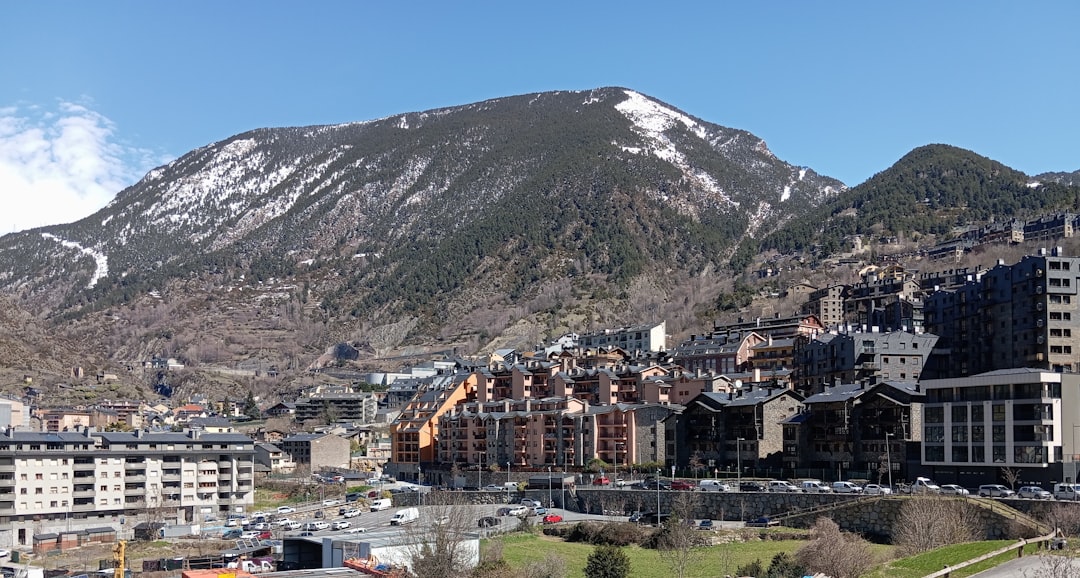
Andorra is a landlocked microstate of 13,414 residents tucked into the eastern Pyrenees at elevations ranging from 840m to 2,942m, making it one of Europe’s highest-altitude countries. Founded under Carolingian rule and formally established as a co-principality in 1278, it covers just 468 square kilometres between France and Spain. What surprises most first-timers is that this tiny nation is one of Europe’s top ski destinations and a legendary duty-free shopping hub — all packed into a single mountain valley.
Top 3 Highlights at a Glance
- Grandvalira Ski Resort — Europe’s largest Pyrenean ski area with 210km of pistes, all reachable without leaving Andorra.
- Casa de la Vall — Andorra’s historic parliament building, a 16th-century manor house open for guided tours in Andorra la Vella.
- Madriu-Perafita-Claror Valley — A UNESCO World Heritage glacial valley covering 10% of Andorra’s territory, completely untouched by development.
Scroll down for our complete travel guide with tips on getting there, where to stay, costs and more.
Getting There & Transport
Which airports are the best entry points into Andorra?
Barcelona El Prat (BCN) is the most practical airport, roughly 3 hours by road. Toulouse-Blagnac (TLS) is the northern alternative at about 3 hours from the French side. In my experience, BCN wins on flight frequency and price — you’ll find far more international connections. My tip: book a direct coach with Andorra by Bus or Flixbus straight from Barcelona airport arrivals hall to Andorra la Vella; it’s seamless and costs around €30. The caveat most guides skip: there is no airport in Andorra itself, and the mountain roads can add 30–60 minutes in winter due to snow or border queues.
How do I get from the airport to my first accommodation in Andorra?
The easiest option is the Andorra by Bus direct coach from Barcelona El Prat (BCN), which drops you at the Andorra la Vella bus station. Journey time is approximately 3 hours and tickets cost around €30 one-way. I recommend booking online 48 hours ahead — the bus fills up on Friday afternoons. From Toulouse-Blagnac (TLS), you’ll need a connecting bus to Toulouse city centre, then an onward coach via L’Hospitalet-près-l’Andorre. What most guides omit: a private taxi from Barcelona airport to Andorra costs roughly €150–200 and is only worth it if you’re 4+ people splitting the fare or travelling with heavy ski gear.
What transport options are there within Andorra?
Andorra operates a free public bus network called L’1 covering all major parishes. In my experience, the buses connecting Andorra la Vella, Escaldes-Engordany, Encamp, and El Pas de la Casa are reliable and run every 20–30 minutes. Yes — they are completely free of charge. Taxis exist but are expensive; a 10km ride can cost €20–30. Rental cars are available in the capital and give you flexibility for hiking trailheads. The honest trade-off: the free bus system covers main towns well, but if you want to reach remote valleys like Madriu or ski villages like Pal-Arinsal, a car or ski shuttle is essentially non-negotiable.
Do I need a rental car in Andorra?
For a standard 3–4 day visit focused on Andorra la Vella shopping and Grandvalira skiing, you do not need a car. The free L’1 bus network handles those routes. However, if you plan hiking in Sorteny Valley Natural Park, cycling in Pal-Arinsal, or exploring the northern parishes of Ordino and La Massana, I strongly recommend renting one. Expect to pay €35–55 per day from agencies like Europcar or Avis based in Andorra la Vella. The caveat: Andorra’s mountain roads are steep and narrow; winter driving requires snow chains or a 4WD vehicle, and rental companies will enforce this — budget an extra €10–15/day for chain hire.
How good is the public transport network between regions in Andorra?
Frankly, it’s excellent for such a tiny country. The free L’1 bus system connects all 7 parishes with regular departures. The Andorra la Vella to Ordino route takes about 25 minutes; Andorra la Vella to El Pas de la Casa (the French border village) takes about 50 minutes. In my experience, the buses are clean, punctual, and uncrowded outside ski season. What surprised me: ski resort shuttle buses from key towns to Grandvalira and Vallnord lifts are also free with a lift pass — an enormous perk that mainland ski resorts rarely offer. The only weak spot is frequency after 9pm, when service drops sharply.
Accommodation
Which regions of Andorra should I stay in?
Andorra la Vella is the default choice — central, walkable, and packed with restaurants and shops. For skiers, El Pas de la Casa sits directly at the Grandvalira ski area at 2,085m and saves you 45 minutes of daily transit. Encamp offers mid-mountain access to Grandvalira’s gondola and noticeably cheaper hotel prices — I’d peg it at 20–30% less than the capital. Ordino is my personal favourite for hikers: a quiet medieval village at 1,300m with zero tourist-trap feel. The honest caveat: Escaldes-Engordany, adjacent to the capital, looks appealing on maps but is essentially the same urban zone — don’t pay extra for the address.
What does good accommodation cost per night in Andorra?
A solid 3-star hotel in Andorra la Vella runs €80–120 per night for a double room outside ski season. Ski season (December–March) pushes those same rooms to €130–200, especially weekends when Spanish day-trippers flood in. My tip: the Hotel Plaza in the capital offers reliable 4-star quality at around €110–140 in mid-season. Budget options like guesthouses in Ordino parish start at €50–65. What most guides omit: Andorra has no Airbnb market worth mentioning — the government restricts short-term rentals aggressively, so hotels dominate entirely. Book directly with hotels to avoid OTA fees, which can add €15–25 per night unnecessarily.
When should I book hotels in Andorra — how far in advance?
For ski weekends in January and February, book 8–10 weeks ahead minimum — Andorra is hammered by Spanish and French weekend skiers, and mid-range properties sell out completely. For summer hiking season (June–September), 3–4 weeks is generally sufficient. The Christmas–New Year period needs 3–4 months advance booking; I’ve seen the entire capital sold out by mid-October for that window. My tip: midweek stays (Monday–Thursday) in ski season are dramatically easier to book and typically 20–30% cheaper than weekend rates. What surprised me: many Andorran hotels have strict 2-night minimum stay policies on ski weekends, so single-night bookings are often simply unavailable.
When is the best time to travel to Andorra?
Based on verified climate data, June, July, August, and September are the best months. Summer brings warm valley temperatures, clear skies for hiking, and the country’s stunning alpine scenery without ski-crowd chaos. July and August are peak hiking months — the Madriu-Perafita-Claror Valley trails are fully accessible and wildflower-covered. For skiing, January and February offer the most reliable snow at Grandvalira above 2,000m. In my experience, late June and September are the sweet spot: mild weather, minimal crowds, lower prices, and every trail open. The honest trade-off: September can see afternoon thunderstorms above 2,000m, so start hikes before 11am and plan to be off exposed ridges by 2pm.
How does peak season affect prices in Andorra?
Ski season (December–March) inflates accommodation prices by 30–60% versus summer rates. A hotel room at €90 in August can cost €160 in February. Ski lift passes at Grandvalira run €45–55 per day in high season — not cheap. Restaurant meal prices stay relatively stable year-round since Andorra’s tax structure suppresses VAT costs. What most guides skip: the real price shock isn’t hotels — it’s that Spanish shoppers pour in on weekends year-round for duty-free fuel and tobacco, causing traffic jams on the CG-1 road through Sant Julià de Lòria that add 45–60 minutes to any southern border crossing. Factor this into your schedule.
Best Time to Visit
Which regions of Andorra have different climate zones?
Andorra compresses remarkable climate variation into 468 square kilometres. Andorra la Vella at 1,023m sits in a protected valley with milder winters and warm summers reaching 24–26°C. The Encamp and Canillo parishes at 1,300–1,500m experience more snowfall and cooler summers. The high mountain zone above 2,000m — including El Pas de la Casa and the Port d’Envalira pass at 2,408m (the highest paved road in the Pyrenees) — has an alpine climate with snow possible from October to May. In my experience, the temperature difference between the capital and the ski stations can be 8–12°C on the same day, so always carry an extra layer even in August.
What are the rainy seasons in Andorra?
Andorra has no defined single rainy season — precipitation is spread across the year, with May, June, and October seeing the most rainfall in the valleys. Summer afternoons bring frequent thunderstorms above 2,000m, typically between 1pm and 4pm. Winter precipitation falls predominantly as snow above 1,500m. In my experience, November is the greyest and most unpredictable month — not cold enough for good skiing, not warm enough for hiking, and frequently overcast. My tip: if you’re planning high-altitude hikes, check Meteociel.fr or Meteored Andorra the morning of your hike — mountain forecasts can change within 2 hours in the Pyrenees, and lightning above the treeline is a serious risk.
What does a trip to Andorra cost per person per day?
A realistic budget traveller spending moderately in Andorra should plan for €80–110 per day covering accommodation in a guesthouse in Ordino or Encamp, meals mixing local restaurants and supermarkets, and public transport (free). Mid-range travellers in Andorra la Vella hotels with two sit-down meals spend €130–180 per day. Skiers add €45–55 per day for lift passes, making ski weeks expensive quickly. What most guides skip: duty-free shopping can blow your daily budget completely — Andorra’s alcohol prices are roughly 40% below EU rates, and it’s dangerously easy to spend €100 on a single supermarket run at Punt de Trobada or El Corte Inglés Andorra.
How expensive is food in Andorra?
Andorra’s food prices are noticeably lower than France and slightly below Spain for sit-down meals, partly due to low VAT at 4.5%. A three-course lunch menu (menú del día) at a local restaurant in Andorra la Vella costs €12–16 including wine. A pizza or burger at a mid-range spot runs €10–14. Dinner at a good restaurant like Borda Estevet — a traditional Andorran borda serving local mountain cuisine — costs €30–45 per person with wine. Supermarket prices at Punt de Trobada or Dia are genuinely cheap — a quality bottle of wine for €4–6, a litre of spirits for €10–14. My tip: eat lunch out, self-cater dinner with local produce, and your food costs drop to €25–35 per day.
What hidden costs should I expect in Andorra?
The biggest surprise is the tourist tax of €1–3 per person per night added to hotel bills — minor per night, but worth budgeting. Ski equipment rental at Grandvalira adds €25–35 per day on top of your lift pass. Parking in Andorra la Vella runs €1.50–2.50 per hour in the central car parks — it adds up fast over 3–4 days. The caveat most guides completely ignore: Andorra has strict customs allowances for goods you export — EU residents can only take €430 in duty-free goods duty-free, and Spanish customs at the Sant Julià de Lòria border do check. I’ve seen travellers hit with unexpected duties on excess alcohol and tobacco purchased during shopping sprees.
Budget & Costs
How much cash should I bring to Andorra?
Andorra uses the euro (€) despite not being an EU member, and card payment is widely accepted in hotels, supermarkets, and most restaurants. I’d recommend carrying €50–100 cash for small purchases, mountain refuges, and the occasional market stall. The Valira river market in Andorra la Vella and some trailhead parking meters are cash-only. ATMs are plentiful in the capital; Crèdit Andorrà and Banca Privada d’Andorra machines are the most common. What surprised me: some smaller mountain restaurants in Ordino parish and the high-altitude refugis (mountain huts) still operate cash-only, so don’t arrive at dinner on the Borda de Sorteny trail expecting to tap your card.
Which credit cards are accepted in Andorra?
Visa and Mastercard are accepted virtually everywhere in Andorra — hotels, restaurants, ski resorts, and duty-free shops. American Express is hit-or-miss; major chains like El Corte Inglés Andorra take it, but smaller establishments often don’t. Contactless payment is standard in the capital and ski resorts. My tip: use a no-foreign-transaction-fee card like Revolut or Wise — while Andorra uses euros, your home bank may still charge a 1.5–3% foreign transaction fee on purchases. The honest caveat: some duty-free shops impose a €10–20 minimum for card payments, so keep a small amount of cash on hand, especially in tobacconists along Avinguda Meritxell in the capital.
Which regions of Andorra must I not miss?
Andorra la Vella is non-negotiable as your base — the old quarter around Barri Antic and the 11th-century Casa de la Vall parliament take half a day and ground you in the country’s history. Ordino parish is my personal essential: a beautifully preserved village at 1,300m with the Museu Casa d’Areny-Plandolit (an intact 17th-century manor house) and access to the Sorteny Valley Natural Park. Canillo parish gives you the medieval Romanesque church of Sant Joan de Caselles and easy access to Grandvalira’s best terrain. What most visitors miss entirely: the southern parish of Sant Julià de Lòria, which has genuine Andorran village character and the Juberri outdoor sculpture garden — completely free and utterly uncrowded.
What are the tourist highlights of Andorra?
Grandvalira ski area with 210km of runs is the headline act in winter. The Caldea Spa in Escaldes-Engordany — Europe’s largest mountain thermal spa complex at 6,000 square metres — is genuinely spectacular and costs €35–45 for a 3-hour session. The Madriu-Perafita-Claror Valley UNESCO World Heritage site is unmissable for hikers. The Casa de la Vall parliament building in the capital offers free guided tours and is one of the most distinctive small-state curiosities in Europe. Duty-free shopping along Avinguda Meritxell draws millions of visitors annually. My honest take: the shopping is wildly overhyped for non-Europeans — if you’re not saving on tobacco or fuel, the price differences are modest and not worth making a trip for.
What experiences in Andorra are found nowhere else in the world?
Skiing a co-principality governed simultaneously by the President of France and the Bishop of Urgell is a genuinely unique political novelty — and Grandvalira at 2,350m elevation offers that context with excellent snow. The Caldea thermal spa fed by natural hot springs at 1,100m altitude inside a glass tower above the Valira River is an experience with no real equivalent in the Pyrenees. Hiking the GRP Circular Route (110km trail circling the entire country) lets you literally walk around a sovereign nation in 5–6 days — I know of nowhere else on Earth where that’s possible. The combination of Catalan language, French and Spanish cultural overlap, and zero-VAT economy creates a societal texture you won’t find anywhere else.
Regions & Highlights
Which areas of Andorra are overcrowded — and what are the quieter alternatives?
Avinguda Meritxell in Andorra la Vella is genuinely unbearable on winter weekends — shopping tourists shoulder-to-shoulder for 800 metres. El Pas de la Casa gets overwhelmed every Friday afternoon from December to March. My recommended alternatives: base yourself in Ordino (population under 5,000 in the parish), which has excellent restaurants, Romanesque churches, and trail access without the crush. For skiing, the Vallnord-Pal Arinsal circuit on the western side of the country handles roughly half the visitor numbers of Grandvalira with comparable terrain above 2,000m. What surprised me: even in August, the eastern valleys of Pessons above Encamp see almost no visitors — a 90-minute hike from the Encamp gondola top station delivers total solitude.
How many days do I need to see Andorra properly?
4 days is the minimum to experience Andorra beyond a shopping day trip. Day 1: Andorra la Vella old town, Casa de la Vall, and Caldea Spa. Day 2: Ordino village and Sorteny Valley hike. Day 3: Grandvalira skiing or high-altitude hiking via the Encamp gondola. Day 4: Sant Joan de Caselles church in Canillo, then the southern parishes. For serious hikers, 6–7 days opens up multi-day trekking on the GRP. For a dedicated ski holiday, 5–6 days at Grandvalira is ideal. The honest caveat: many people treat Andorra as a 1-day shopping excursion from Barcelona — that’s fine for duty-free, but you’ll leave without understanding why this extraordinary mountain country deserves far more of your time.
Do I need a visa to visit Andorra?
Andorra is not a Schengen Area member, but it applies Schengen-equivalent border rules in practice. EU, UK, US, Canadian, and Australian citizens do not need a visa and can stay up to 90 days. However, entering Andorra requires crossing either France or Spain, both Schengen members — so your Schengen entry stamp counts even if you spend time in Andorra. My critical warning most guides omit: if you’re a non-EU traveller on a 90-day Schengen visa, time spent in Andorra does NOT pause your Schengen clock — the EU courts have ruled ambiguously on this and Spanish border officers have rejected re-entry for travellers who assumed Andorra was a Schengen reset. Check current rules with your embassy before travelling.
What languages are spoken in Andorra?
Catalan is the sole official language of Andorra — the only country in the world where Catalan holds that status. In practice, Spanish and French are spoken fluently by virtually the entire population, and English is widely understood in hotels, ski resorts, and tourist-facing businesses in Andorra la Vella and Grandvalira. In my experience, greeting locals with a simple ”Bon dia” (Good day in Catalan) earns genuine warmth and better service. The honest caveat: in smaller villages like Llorts in Ordino parish or rural restaurants, you may encounter older residents who prefer Catalan or Spanish exclusively — having Google Translate on your phone bridges any gap immediately.
What cultural rules do I need to know before visiting Andorra?
Andorra is a conservative Catholic microstate with deep Catalan cultural roots — respectful behaviour in churches is expected, and Sant Esteve church in the capital is an active place of worship. Tipping is not mandatory but rounding up to 5–10% is appreciated. Andorrans are fiercely proud of their independence and the co-principality system — don’t casually refer to the country as “part of Spain” or “like France.” The duty-free customs rules are strict on export: EU visitors are legally limited to 1 litre of spirits, 2 litres of wine, and 200 cigarettes duty-free. What surprised me: Andorra has its own unique festive calendar — the Meritxell National Day on September 8 is the most important holiday, when the entire country closes and locals make a pilgrimage to the Sanctuary of Meritxell in Canillo.
Practical Tips
How safe is Andorra?
Andorra is one of the safest countries in Europe — full stop. The country records fewer than 100 serious crimes per year and has no significant organised crime or political instability. The Cos de Policia (national police) maintain a visible, professional presence. Mountain safety is the real risk: in winter, avalanche danger on off-piste terrain around Grandvalira and Vallnord is genuine and several skiers die annually in the Pyrenees. In summer, afternoon lightning storms above 2,000m are dangerous for hikers caught on open ridgelines. My tip: check Andorra’s official avalanche bulletin at bpa.ad before any off-piste adventure, and always register your hiking route at the Comú (local council office) of the parish you’re hiking in if going into remote terrain.
What health precautions should I take before visiting Andorra?
No vaccinations are required for Andorra. The main health consideration is altitude: Andorra la Vella sits at 1,023m and ski resorts operate above 2,000m — mild altitude headaches are common on the first day, especially if you fly in and drive up immediately. Drink 3 litres of water daily for your first 48 hours. Mountain rescue is handled by the excellent Servei de Protecció Civil d’Andorra, but helicopter evacuation from remote terrain costs €1,500–3,000 — travel insurance covering mountain rescue is non-negotiable. In my experience, the main pharmacy in Andorra la Vella near Plaça del Poble stocks everything you’d need. The caveat: Andorra’s healthcare system is for residents; as a visitor, you pay out of pocket and claim on insurance later.
What SIM card or eSIM options are available in Andorra?
Andorra has its own mobile network — Andorra Telecom — which is the sole domestic provider. EU roaming rules do NOT apply in Andorra, so European SIM cards will be charged international rates or roaming fees. In my experience, the cleanest solution is a global eSIM from providers like Airalo or Holafly before you travel — a 1GB Andorra data plan runs approximately €3–5. Alternatively, buy an Andorra Telecom prepaid SIM at their shop on Avinguda Meritxell in the capital for around €10 including data. The honest trade-off: coverage is excellent in all valleys and ski resorts, but drops to zero in remote hiking areas like the Pessons lakes circuit above 2,400m — download offline maps on Maps.me or Wikiloc before you set off.
Which apps do you recommend for travelling in Andorra?
Wikiloc is essential for hiking — Andorra has hundreds of community-uploaded GPS tracks for every difficulty level, including the full GRP Circular Route. Andorra Telecom’s official app gives real-time bus schedules for the free L’1 network. Grandvalira and Vallnord resort apps show live piste and lift status during ski season. Meteored gives the most accurate local mountain forecasts — more reliable than standard weather apps for Pyrenean conditions. Google Maps works fine in the capital but struggles on trail navigation above 1,800m; download Maps.me offline maps as backup. My tip: download the Boletín de Peligro de Aludes avalanche app if you’re skiing off-piste — it’s Andorra’s official avalanche risk bulletin and potentially life-saving.
What are the most common traveller mistakes in Andorra?
The biggest mistake: treating Andorra as a 1-day shopping stop and missing the mountains entirely. The second: arriving in ski season without booking accommodation 8+ weeks ahead and finding everything sold out or triple the price. Third: assuming EU roaming applies — it doesn’t, and your data bill from one day can hit €30–50 without an Andorra-specific plan. Fourth: ignoring customs limits and getting stopped at the Spanish border at Sant Julià with €600 of duty-free spirits — officers do check and fines are real. In my experience, the most avoidable mistake is underestimating the mountain weather: I’ve seen tourists in summer sandals at the Port d’Envalira at 2,408m in a snowstorm in July. Always carry a waterproof layer regardless of valley conditions.
Andorra at a Glance
| Population | 89,752 |
|---|---|
| Currency | EUR (€) |
| Official language | Catalan |
| Time zone | UTC+01:00 |
Source: Wikidata, retrieved August 2026.
Essential Resources for Planning Your Trip to Andorra
- Wikipedia: Andorra — history, geography & background
- Wikivoyage: Andorra — community travel guide & practical tips
- A guide to Andorra — expert itineraries & travel inspiration
- THE 15 BEST Things to Do in Andorra (2026) — hotels, restaurants & traveller reviews
- Explore Historic Andorra! – Travel4history.com — how to get around
- Numbeo: Cost of Living in Andorra — current prices & cost comparison
- Timeanddate: Andorra Weather & Climate — forecasts & climate statistics
More Perspectives on Andorra
- Andorra Travel Guide 2026: What to See & Do, Costs …
- Andorra Travel Guide
- Frugal Traveler’s Guide to Visit Andorra: A One Day Trip
Andorra Travel Videos
Watch these videos for a visual preview before your trip:
- Little Europe: Andorra – Rick Steves’ Europe Travel Guide – Travel Bite
- Andorra Travel Guide: 10 BEST Things To Do In Andorra
- Andorra – The Don’ts of Andorra (Oddest Placed Country in Europe)
Andorra Travel Discussions on Reddit
Real traveller experiences and community advice:
- Is Andorra a good travel destination?
- A trip to the 17th smallest country in the world, Andorra
- 2 Days in Andorra🇦🇩 : r/travel
Data Sources
This page was compiled using data from Wikipedia, Wikidata, Open-Meteo (climate), Numbeo (cost of living) and REST Countries. Information is updated regularly.