
Kitzbühel: The Complete Travel Guide (2026)
Last reviewed: September 2026 · key facts checked against Wikidata
Kitzbühel Travel Guide: Everything You Need to Know (2026)
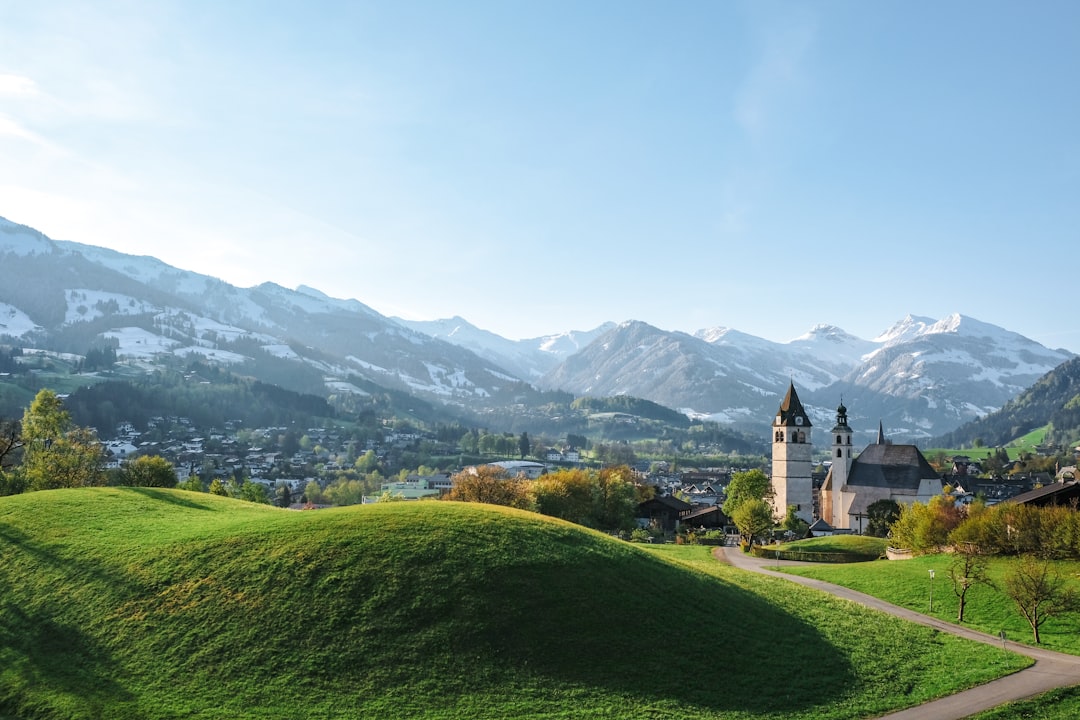
Kitzbühel sits at 762 metres above sea level in the Tyrolean Alps, roughly 100 km east of Innsbruck, with a permanent population of just 8,272 — yet it regularly hosts more than 100,000 visitors during the annual Hahnenkamm race weekend alone. Founded in the 12th century as a silver and copper mining town, it evolved into arguably Europe’s most glamorous ski resort, where Gothic townhouses share cobblestones with Porsche Cayennes and Hermès boutiques. What surprised me is how genuinely medieval the old town still feels despite the five-star price tags surrounding it.
Three Things Not to Miss in Kitzbühel
- Hahnenkamm Downhill Race Piste (Streif) — The world’s most feared downhill course drops 860 vertical metres — ski it yourself outside race season for an unforgettable rush.
- Kitzbühel Old Town (Altstadt) — A perfectly preserved medieval pedestrian zone with 15th-century painted facades that look unchanged since the copper-mining era.
- KitzSki Ski Area — 170 km of pistes linking Kitzbühel to Kirchberg across one interconnected lift system, skiable from November to April.
Scroll down for our complete travel guide with tips on getting there, where to stay, costs and more.
Arriving in Kitzbühel: Airport & Transfers
How do I best get to Kitzbühel?
Train from Innsbruck is the easiest option — direct regional trains run hourly and take about 75 minutes. From Salzburg, the journey takes roughly 2 hours by train via Wörgl or St. Johann. In my experience, the train drops you directly at Kitzbühel Hauptbahnhof, a 5-minute walk from the Altstadt, which beats renting a car in winter when mountain roads are icy. My tip: book ÖBB Sparschiene tickets online in advance for fares as low as €9 one-way. The caveat most guides omit: trains fill completely during the Hahnenkamm race weekend in January, so book at least 6 weeks ahead or you will not find a seat.
Which airport is closest to Kitzbühel?
Salzburg Airport (SZG) is the closest major airport, approximately 75 km away, and takes about 1 hour by taxi or shuttle. Innsbruck Airport (INN) is roughly 100 km west and equally practical. Munich Airport (MUC) is about 165 km north but offers far more international connections, making it the best choice for long-haul travellers. I recommend SZG for European short-haul arrivals — the airport is compact, fast to clear, and shared shuttle transfers cost around €35–€45 per person. The honest caveat: SZG has limited direct intercontinental routes, so North American and Asian travellers will almost always connect through Munich or Vienna.
How long does the journey to Kitzbühel take from major hubs?
From Salzburg Airport, expect 60–80 minutes by road or around 90 minutes by public transit combining bus and train via St. Johann. From Innsbruck, the direct train takes 75 minutes. From Munich Airport, factor in 2 to 2.5 hours by car or train. In my experience, the road transfer from Munich is comfortable in summer but can stretch to 3+ hours in heavy snow or ski-weekend traffic on the A8/A93 corridor. My tip: arriving Sunday afternoon into Kitzbühel is a nightmare — everyone leaves simultaneously after weekend skiing. Aim for a Thursday or Friday arrival to avoid that bottleneck completely.
Do I need a rental car in Kitzbühel?
No — and I actively advise against one for most visitors. The Altstadt is car-free, parking costs €2–€3 per hour in public lots, and the regional Hahnenkamm ski bus network covers the piste shuttle routes for free with a lift pass. The KitzSki ski bus connects Kitzbühel, Kirchberg, and Aschau at no extra charge when you carry a valid day ticket. Where a car helps: exploring quieter valleys like the Pillersee Tal or the Schwarzsee lake without waiting for infrequent rural buses. In my experience, families with young children benefit most from having wheels. Everyone else should skip the rental entirely and save the €60–€100 per day hire cost.
Getting Around Kitzbühel
What are the best areas to stay in Kitzbühel?
The Altstadt (old town) is the obvious first choice — you are 5 minutes on foot from the Hahnenkamm gondola and surrounded by restaurants. Bichlalm and Hahnenkamm slopes side suits skiers who want ski-in access. For budget-conscious travellers, the Kirchberg area, 6 km away and connected by free ski bus, offers far lower room rates while accessing the same KitzSki piste network. In my experience, staying directly in the pedestrian Altstadt means you pay a significant premium but gain enormous convenience — no transfers, no shuttle waits. The trade-off most guides omit: rooms facing the main street Vorderstadt are noisy until midnight on weekends; request a rear-facing room when booking.
What does accommodation cost per night in Kitzbühel?
Kitzbühel is genuinely expensive. Expect to pay €180–€350 per night for a solid 3-star or 4-star hotel in peak ski season (January–February). Five-star properties like the Hotel Goldener Greif or Tennerhof start at €500–€900 per night in high season. Summer rates drop significantly — €120–€200 per night covers a quality four-star option in July or August. Self-catering apartments in town run €150–€280 per night for a two-bedroom unit in winter. The honest caveat: during the Hahnenkamm race weekend, prices at even modest hotels triple, with minimum stays of 3 nights enforced. Book that specific weekend at least 6 months in advance or accept staying in Wörgl or St. Johann and commuting.
How far in advance should I book accommodation in Kitzbühel during high season?
For the Hahnenkamm race weekend (third week of January), book 6–12 months ahead — this is not an exaggeration. For regular ski season weeks in January and February, 3–4 months is the safe window. Christmas and New Year require at least 4 months advance booking. Summer is far more relaxed — 4–6 weeks is usually sufficient for July and August. In my experience, mid-week stays in February are the sweet spot: slopes are quieter, prices are 15–20% lower than weekends, and you can often book just 6–8 weeks out. My tip: use the official Kitzbühel Tourismus booking portal, which sometimes holds allocations after third-party sites sell out.
What special accommodation types are available in Kitzbühel?
Beyond standard hotels, Kitzbühel offers genuine variety. Private ski chalets sleeping 8–14 guests are popular with groups and often include a sauna and ski room — expect €4,000–€12,000 per week in high season. Historic Tyrolean farmhouses (Bauernhöfe) on the valley fringes offer B&B stays from €80–€130 per night with home-cooked breakfasts. Several aparthotels around Hahnenkammstrasse combine hotel services with kitchen facilities, ideal for a 7-night ski trip. The Tennerhof Relais & Châteaux property is genuinely historic — a converted 14th-century farm. What surprised me: several smaller family-run Pensionen on the Kirchberg road are excellent value at €75–€110 per night, but they disappear fast because they don’t list on major booking platforms — call directly.
Where to Stay in Kitzbühel
What are the must-sees in Kitzbühel?
My non-negotiable list: ski or hike the Streif downhill course on Hahnenkamm — the gradient at the Mausefalle section hits 85%, which you feel in your knees immediately. Walk the Altstadt Vorderstadt and Hinterstadt medieval streets at dusk when tour groups have left. Visit Schwarzsee lake, just 2 km from town, for swimming or paddleboarding in summer — entry is free. The Kitzbühel Museum at the Hinterstadt covers the town’s silver-mining history for only €7 entry. In my experience, the cable car ride to Kitzbüheler Horn (1,996 m) offers the best panoramic payoff for non-skiers, with wildflower meadows in July that genuinely rival any alpine landscape I’ve seen in 10 years of mountain travel.
What can I experience for free in Kitzbühel?
More than you’d expect in such an expensive town. Walking the Altstadt costs nothing and is honestly one of Austria’s finest medieval streetscapes. The Schwarzsee lakeside path is free to walk and mostly free to access for a quick swim outside the main beach area. In summer, hiking trails on Hahnenkamm and Kitzbüheler Horn are accessible on foot without paying lift fees — the Peter Pfenninger Steig trail to Horn summit takes about 3 hours from town. The Catholic Parish Church (Liebfrauenkirche) and its Gothic frescoes are free to enter. In my experience, the weekly Saturday farmers market on Hinterstadt is free, atmospheric, and far more authentic than anything in the resort boutiques — and you’ll spend €4 maximum on a coffee and pastry.
Which day trips from Kitzbühel are worth it?
Innsbruck is the headline day trip — just 75 minutes by train, giving you the Golden Roof, Imperial Palace, and the Nordkette cable car above the city. Salzburg is a longer push at 2 hours but absolutely worthwhile for a full day. Closer to home, St. Johann in Tirol (10 minutes by regional train, €4 return) has a charming market town centre and dramatically cheaper restaurants than Kitzbühel. The Pillersee valley and Lake Pillersee is 25 km by car — a gorgeous swimming and hiking spot virtually unknown to non-Austrian visitors. My honest caveat: avoid the Swarovski Crystal World near Wattens as a day trip — it is thoroughly overpriced at €22 entry for what amounts to a glorified brand museum.
What local specialities should I eat and drink in Kitzbühel?
Order Tiroler Gröstl everywhere — a pan-fried potato, bacon, and egg dish that is the honest local staple and costs €12–€16 in a proper Gasthaus. Kasnocken (cheese dumplings) in brown butter are another Tyrolean essential. For après-ski, the Hahnenkamm bar strip on Vorderstadt serves Jagatee (hunter’s tea — schnapps and herbal tea) for €4–€6 a glass. Local baker Café Praxmair on Vorderstadt has served Kitzbühel’s best Apfelstrudel since 1954 — queue at 9am or the pastries sell out. In my experience, the mountain hut restaurants charge 20–30% more than valley Gasthäuser for identical dishes, so eat lunch down in town whenever the lift schedule allows it.
Kitzbühel Highlights & Must-Sees
What makes Kitzbühel unique compared to other Austrian ski towns?
Three things set it apart completely. First, the Streif downhill course — no other ski town in the world has a race piste with that combination of gradient, speed (racers exceed 140 km/h), and live crowd atmosphere during Hahnenkamm week. Second, the medieval Altstadt is genuinely intact, unlike purpose-built resorts such as Sölden or Ischgl. Third, Kitzbühel has a functioning year-round town identity — residents, schools, a hospital — not just a seasonal ski village. What surprised me after visiting a dozen Austrian resorts: Kitzbühel’s summer hiking season is legitimately excellent and massively underrated, with 170 km of marked trails accessible from the same lift infrastructure used in winter.
How many days in Kitzbühel are worthwhile?
Minimum 3 days for skiers; 2 days for a non-skiing cultural visit. For skiing, day one covers the Hahnenkamm and Steinbergkogel sector, day two explores the Pengelstein and Jochberg side, and day three gives you a relaxed repeat of favourites and après-ski without rushing. In my experience, 5 nights is the sweet spot for a proper ski holiday — enough time to explore all 170 km of pistes without exhausting yourself. For summer, 2 full days covers the Altstadt, Schwarzsee, and one cable car excursion comfortably. The honest trade-off: Kitzbühel is expensive enough that extending beyond 5 nights pushes your accommodation bill into genuinely painful territory — at that point, consider adding 2 nights in St. Johann to balance your budget.
When is the best time to visit Kitzbühel?
For skiing: January and February. Snow is most reliable, the Hahnenkamm race atmosphere is electric, and the resort operates at full capacity. Based on 5-year climate analysis, June through September represents the best summer window — warm, green, and far cheaper. In my experience, late February and early March is secretly the best ski timing: snow depth is at its seasonal maximum, lift queues shorten after school holidays end, and daylight extends past 6pm, giving longer ski days. The period to avoid: mid-April through May is an awkward shoulder — lifts close, hiking trails are still muddy, and the town feels half-empty. July and August for non-skiers are genuinely excellent for hiking and cycling at alpine altitude.
Are there local festivals in Kitzbühel worth attending?
Yes — three are genuinely worth building a trip around. The Hahnenkamm race weekend in the third week of January is a global event — 50,000+ spectators line the Streif piste for the downhill, with free concerts and massive street parties in the Altstadt afterward. The Kitzbühel Tennis Open (ATP Tour) happens in late July or early August on the town’s clay courts — grandstand tickets start at €30 per session and the atmosphere is relaxed and accessible. The Advent and Christmas market in December runs across the Vorderstadt — smaller and less commercial than Innsbruck’s, which is precisely what makes it worth visiting. In my experience, the Hahnenkamm weekend justifies the inflated hotel costs if you plan far enough ahead — it is one of the most exhilarating sporting atmospheres in all of Europe.
Eating & Drinking in Kitzbühel
How does Kitzbühel’s weather affect activities throughout the year?
At 762 metres elevation, Kitzbühel sits lower than most comparable Alpine resorts, which means the valley floor can have thin snow in mild winters — all the reliable skiing starts above 1,700 m on Hahnenkamm and Horn. In summer, afternoon thunderstorms are common from June through August — plan hiking for 7am–1pm to be safely off exposed ridges before storms build. Winter temperatures in town typically range -5°C to +3°C in January. In my experience, the snow record at piste level (1,700–1,975 m) is consistently excellent even in below-average winters because of extensive snowmaking covering roughly 90% of marked runs. The honest caveat: if you absolutely need guaranteed powder, Ischgl or Obertauern at higher altitudes are safer bets in a warm winter.
How crowded does Kitzbühel get in peak season?
Very crowded. The Hahnenkamm gondola base queue reaches 40 minutes on busy Saturday mornings in January and February. The Altstadt restaurant strips are packed every evening from Christmas through mid-February. In my experience, arriving at the Hahnenkammbahn at 8am (it opens at 8:30am) cuts your queue to under 10 minutes. The Resterkogel sector toward Jochberg is consistently the quietest part of the ski area — locals know this, tourists generally don’t. Summer is significantly less pressured — July and August see steady visitors but nothing approaching the winter intensity. The honest trade-off: Kitzbühel’s very popularity is part of the atmosphere that makes it exceptional; going fully off-peak means a quieter but noticeably subdued version of the town.
How safe is Kitzbühel for travellers?
Kitzbühel is extremely safe — crime against tourists is essentially negligible. Austria’s overall safety standards are among the highest in Europe, and the town’s small permanent population of 8,272 means unusual incidents are immediately noticeable. The only realistic risks are Alpine-specific: skiing off-piste without a guide in avalanche terrain, and poorly prepared hikers caught by afternoon thunderstorms above the treeline. In my experience, the Mountain Rescue (Bergrettung) service is professional and responsive, but you must carry adequate travel insurance covering mountain rescue — a helicopter evacuation costs €3,000–€10,000 and Austria’s public health system does not cover non-residents automatically. Petty theft in the Altstadt is minimal but not zero — secure your ski equipment overnight in locked hotel ski rooms rather than leaving it at external racks.
Is English widely spoken in Kitzbühel?
Yes — English fluency in Kitzbühel is exceptionally high for an Austrian town this size. The international clientele means hotel staff, restaurant servers, ski instructors, and most shop workers are comfortable in English. In my experience, you will have no practical difficulty whatsoever conducting your entire stay in English. German remains the language of daily life — locals speak Tyrolean dialect among themselves, which even standard German speakers find thick and fast. A handful of German phrases (“Bitte” for please, “Danke” for thank you, “Einen Tisch für zwei, bitte” for a table for two) will earn you noticeably warmer treatment in the non-touristy Gasthäuser away from the Vorderstadt. French, Italian, and Russian are also commonly spoken by hospitality staff, reflecting the resort’s international guest mix.
Practical Tips for Kitzbühel
What is a realistic daily budget for Kitzbühel?
Budget: €150–€200 per person per day covering accommodation (shared cost), meals, and a lift pass. Mid-range: €280–€400 per day with a 4-star hotel, sit-down lunches on the mountain, and evening dining on Vorderstadt. Luxury: €600+ per day at a five-star property with ski guiding and restaurant dining. A KitzSki day lift pass costs €67–€72 per adult in peak season, which is unavoidable if you’re skiing. A proper restaurant lunch runs €18–€28, a mountain hut plate of Gröstl is €16–€20, and a beer at après-ski costs €5–€7. The hidden cost most people underestimate: ski rental for a full setup (skis, boots, poles, helmet) runs €45–€65 per day unless you bring your own equipment.
How does public transport work in and around Kitzbühel?
Kitzbühel Hauptbahnhof connects directly to the ÖBB regional rail network — trains run hourly to Wörgl (connecting to Innsbruck) and St. Johann. Within town, the KitzSki shuttle bus network is free with a valid lift pass and links the town centre to Hahnenkamm base station, Kirchberg, and Aschau. Regional buses (Postbus) serve the surrounding valley villages but run on 1–2 hour frequencies which makes spontaneous use impractical. In my experience, the free ski bus completely replaces any need for a taxi between the Altstadt and the main lift stations. The honest caveat: after 10pm, public transport effectively stops — late-night returns from Kirchberg après-ski mean either a €12–€18 taxi or pre-arranging a pickup, as no night buses operate.
Which apps do you recommend for visiting Kitzbühel?
ÖBB (Austrian Federal Railways app) is essential for booking trains — download it before arrival and store your ticket offline. KitzSki app shows real-time piste conditions, lift wait times, and avalanche forecasts — genuinely useful every ski morning. Bergfex is the best Austrian weather and hiking route planner, with trail maps that work offline. Google Maps works well in the Kitzbühel valley but loses coverage on upper mountain trails — download the maps.me offline map for the Kitzbüheler Alps as a backup. For dining, TheFork (Restorando) carries most Kitzbühel restaurant reservations and occasionally offers 10–20% discounts during non-peak dining hours. My tip: the KitzSki app’s snow report at 7am is more accurate than any third-party ski weather site for local piste conditions.
Kitzbühel at a Glance
| Population | 8,272 |
|---|---|
| Currency | EUR (€) |
| Official language | German, Austrian Sign Language |
| Time zone | UTC+01:00 |
Source: Wikidata, retrieved September 2026.
Austria › Kitzbühel
More Destinations in Austria
Essential Resources for Planning Your Trip to Kitzbühel
- Kitzbühel Tourismus – Tourism office in Kitzbühel, Austria — official visitor information
- Wikivoyage: Kitzbühel — community travel guide & practical tips
- Wikipedia: Kitzbühel — history, geography & background
- How do you get from the nearest airport to your… — how to get there and around
Data Sources
Key facts on this page (population, currency, language, time zone) come from Wikidata, climate figures from Open-Meteo. The retrieval date is shown next to the facts table.