
Toulouse: The Complete Travel Guide (2026)
Last reviewed: September 2026 · key facts checked against Wikidata
Toulouse Travel Guide: Everything You Need to Know (2026)
Toulouse, the fourth-largest city in France with a population of 514,819, sits on the Garonne River at 156 metres above sea level, just 150 km from the Mediterranean. Founded by the Romans as Tolosa, it earned the nickname ‘La Ville Rose’ for its distinctive pink terracotta brick architecture that glows at sunset. Home to Airbus headquarters and a student population exceeding 130,000, it is one of Europe’s most dynamic mid-sized cities.
Top 3 Highlights at a Glance
- Basilique Saint-Sernin — The largest intact Romanesque church in Europe, consecrated in 1096, with a perfectly preserved octagonal bell tower.
- Cité de l’Espace — A full-scale Ariane 5 rocket stands outside this space museum, reflecting Toulouse’s role as Europe’s aerospace capital.
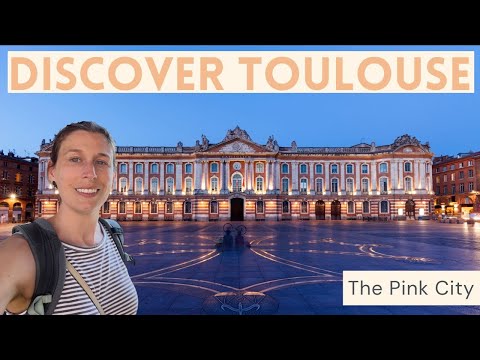
- Place du Capitole at Dusk — The 128-metre-wide neoclassical façade of the Capitole turns deep rose-gold at sunset — one of France’s great urban spectacles.
Scroll down for our complete travel guide with tips on getting there, where to stay, costs and more.
Arrival & Airport
How do I get to Toulouse?
Fly directly into Toulouse-Blagnac Airport (TLS), or take the TGV train from Paris Montparnasse in under 4 hours 20 minutes. In my experience, the TGV is the superior choice if you’re coming from Paris — tickets booked 6–8 weeks ahead cost as little as €29 on SNCF. Ryanair, easyJet, and Volotea connect Toulouse to over 60 European cities. The caveat most travellers miss: TLS is a mid-sized airport with limited long-haul connections, so intercontinental travellers will almost always transit through Paris CDG first, adding 2–3 hours to any journey.
Which airport is closest to Toulouse?
Toulouse-Blagnac Airport (TLS) is the only airport, located 8 km northwest of the city centre. I recommend taking the Navette Aéroport shuttle bus (Line 30), which runs every 20 minutes and costs €8 one-way, dropping you at Compans-Caffarelli or Jean-Jaurès metro station in about 20–25 minutes. A taxi costs roughly €25–€35. The honest warning: do not attempt to walk — the route is a dual carriageway with no pedestrian infrastructure. The Uber app works well here if the shuttle queues are long during summer peak.
How long does the journey into central Toulouse take from the airport?
From Toulouse-Blagnac Airport (TLS) to the city centre takes 20 minutes by shuttle or 25–35 minutes by car depending on traffic. In my experience, the Line 30 Navette bus is the fastest stress-free option — it deposits you directly at Jean-Jaurès, the main interchange for the metro network. The trade-off: the bus runs until around 00:30, so very late arrivals will need a taxi. Uber is cheaper than a metered cab by around €5–€8 on this route. Morning rush hour (08:00–09:00) can push taxi times to 45 minutes.
Do I need a rental car to explore Toulouse?
No — Toulouse’s city centre is entirely navigable without a car. In my experience, the Métro lines A and B, the tram network, and the VélôToulouse bike-share system (150+ stations) cover everything a visitor needs. I recommend skipping the car entirely for a city-only stay. The caveat: if you plan day trips to Carcassonne (90 km away) or the Pyrenees foothills, a car cuts journey time dramatically. Rental prices at TLS Airport start around €35/day for a compact car — book at least 2 weeks ahead to avoid weekend surge pricing.
City Transport
What are the best areas to stay in Toulouse?
Stay in Le Capitole/Centre Historique for maximum walkability — you’re within 10 minutes on foot of every major sight. Saint-Aubin suits younger travellers wanting independent restaurants and wine bars over tourist traps. Carmes is quieter and slightly cheaper while still being central. I recommend avoiding hotels directly on Place Wilson unless you’re a light sleeper — the terrace bars generate noise until 02:00 on weekends. For first-time visitors, the streets between Rue Saint-Rome and Rue d’Alsace-Lorraine offer the most convenient base with the best restaurant density.
What does accommodation cost per night in Toulouse?
An economy hotel in Toulouse runs around €75/night based on current Numbeo data. Mid-range three-star hotels in Centre Historique average €110–€140/night. A well-located four-star property like those near Place du Capitole hits €180–€220/night. In my experience, apartment rentals via Airbnb in Saint-Aubin or Minimes deliver better value than hotels at the €90–€120 price point — you get a kitchen which cuts food costs meaningfully. The honest warning: during the Toulouse Marathon weekend (October) and major Airbus supplier conferences, every price bracket jumps 30–50% with almost zero availability.
How far in advance should I book accommodation in Toulouse during high season?
Book 6–8 weeks ahead for July and August stays in central Toulouse. The city’s 514,819-strong student population mostly leaves for summer, which paradoxically makes July the peak tourist month — hotels fill fast. For the Toulouse les Orgues festival (October) or rugby Top 14 home fixtures at Stade Ernest-Wallon, book 3–4 months ahead. In my experience, last-minute bookings in Toulouse are riskier than in comparable French cities because the Airbus/aerospace industry keeps a constant floor demand on hotel rooms year-round. Booking.com offers free cancellation options that give useful flexibility here.
Are there special or unique accommodation types in Toulouse?
Yes — Toulouse has a handful of hôtels particuliers (private mansions) converted into boutique hotels, unique to this region’s Renaissance merchant heritage. Hôtel de Brienne near the canal district is a standout example, with 17th-century courtyards. Several péniches (canal boats) on the Canal du Midi offer overnight mooring-stays within cycling distance of the centre — genuinely unlike anything in Paris. I also recommend looking at chambres d’hôtes (B&Bs) in the Côte Pavée neighbourhood, a leafy early-20th-century residential district that most tourists never discover. Prices for these special options range from €95–€160/night.
Accommodation & Neighbourhoods
What are the must-see sights in Toulouse?
Top of every list is Basilique Saint-Sernin, the largest Romanesque church in Europe — free entry to the nave. Les Abattoirs, a contemporary art museum housed in a converted 19th-century slaughterhouse, holds over 4,000 works including a Picasso curtain. Cité de l’Espace is obligatory for anyone with even passing interest in aerospace — budget 3–4 hours. The Musée des Augustins houses French Gothic sculpture in a medieval convent and costs just €6. My tip: walk the full length of Rue du Taur from Capitole to Saint-Sernin at golden hour — this 700-metre stretch captures the pink-brick character of the city better than anywhere else.
What can I experience for free in Toulouse?
Toulouse offers a surprising amount at zero cost. The Musée des Augustins is free on the first Sunday of every month. Jardin des Plantes and Grand Rond park are both free and genuinely beautiful. Walking Canal du Midi — a UNESCO World Heritage Site — costs nothing and stretches 240 km in total. The exterior and nave of Saint-Sernin are free. In my experience, the most underrated free experience is the Place de la Daurade at sunset — locals gather on the steps by the Garonne for an informal aperitif scene with no commercial pressure. The honest caveat: most major museums charge €6–€12, so ‘free Toulouse’ still requires a budget for the interiors.
Which day trips from Toulouse are most worthwhile?
Carcassonne at 90 km is the obvious choice — the medieval walled citadel is one of Europe’s best-preserved, and direct trains run in 50 minutes from Toulouse Matabiau station for around €15. Albi (77 km, 1 hour by train) is less visited and arguably more rewarding — its massive brick cathedral is a UNESCO site and the Toulouse-Lautrec Museum there is world-class. For nature, the Pyrenees foothills start just 75 km south — Saint-Bertrand-de-Comminges is a stunning Roman and medieval site almost no tourists reach. The trade-off: without a car, Albi and Carcassonne are easy but the Pyrenees villages require either a rental or an organised tour.
What are the local food specialities of Toulouse?
Toulouse is the home of cassoulet — the slow-cooked white bean and meat stew that every serious food traveller must eat here at least once. The city also gave the world the Saucisse de Toulouse, a coarse-ground pork sausage available at every butcher and market. Violette de Toulouse products (violet-flavoured candy, liqueur, and syrup) are a local obsession with a 200-year history. In my experience, the best cassoulet I’ve eaten in the city was at Le Bibent on Place du Capitole — expect €22–€28 for a proper portion. Avoid the cassoulet sold in cans at tourist shops near Saint-Sernin — it’s a pale imitation.
Highlights & Must-Sees
What makes Toulouse unique compared to other French cities?
Toulouse is the only major French city whose identity is built entirely around aerospace and space technology — Airbus employs over 50,000 people in the metropolitan area, and the Cité de l’Espace is a direct expression of that culture. The pink terracotta brick architecture is unique in France — no other city uses it at this scale, creating a visual warmth that distinguishes Toulouse from grey-stone Paris or cream-stone Bordeaux. The Occitan cultural undercurrent — in street names, local pride, and the rugby culture around Stade Ernest-Wallon — gives Toulouse an identity that feels genuinely regional rather than generic French. What surprised me: this city has more students per capita than any French city except Paris.
How many days are worthwhile in Toulouse?
3 full days covers the city thoroughly. Day 1: Capitole district, Saint-Sernin, Musée des Augustins. Day 2: Cité de l’Espace (half a day minimum), Canal du Midi walk, evening in Saint-Aubin. Day 3: Les Abattoirs, Garonne riverbank, Marché Victor Hugo for lunch. A 4th day works well for a day trip to Carcassonne or Albi. In my experience, one day is too rushed to do Toulouse justice — the pink-brick streets reward slow exploration. The caveat: Toulouse is not a city with an overwhelming 7-day itinerary like Paris; after day 4 you’re firmly in day-trip territory.
When is the best time to visit Toulouse?
July, August, and September are the best months based on climate analysis. July and August deliver reliably warm temperatures and long evenings perfect for the café and bar culture on Place Saint-Pierre and Quai de la Daurade. September is my personal favourite — the heat softens, the student population hasn’t yet overwhelmed the city, and the Toulouse Game Show and harvest festivals add local colour. The honest caveat: August means many local-run restaurants close for 2–3 weeks as owners take their own holidays — always check opening dates. January and February are mild by northern European standards but can see cold rain for days at a stretch.
What local festivals in Toulouse are worth attending?
Rio Loco music festival in June draws 100,000+ attendees to the Prairie des Filtres park along the Garonne — free access to many areas. Toulouse les Orgues in October is a world-class organ music festival using Saint-Sernin Basilica as its main venue — acoustically extraordinary. The Fête de la Violette in February celebrates the city’s historic violet culture with market stalls and tastings in the Marché Victor Hugo area. In my experience, catching a Stade Toulousain rugby home game at Ernest-Wallon (capacity 20,000) is the most viscerally local experience available — tickets from €15 and the atmosphere is ferocious.
Food & Drink
How does the weather in Toulouse affect what activities I can do?
Toulouse averages 2,050 sunshine hours per year, making outdoor activities viable for most of the year. Summer heat regularly hits 35°C+ in July and August — morning visits to Cité de l’Espace and Saint-Sernin before 11:00 are essential strategy. Canal du Midi cycling is best in April–June and September–October when temperatures sit around 18–24°C. Winter (December–February) is mild enough for walking tours but expect 8–10 hours of daylight maximum. The caveat most guides skip: Toulouse sits in the Garonne floodplain and spring rains (March–April) can cause river levels to rise, occasionally closing the Quai de la Daurade riverside walk.
How crowded does Toulouse get in peak season?
Toulouse in July and August is busy but not overwhelmed on the Paris or Barcelona scale. Saint-Sernin Basilica sees queues of 20–30 minutes on Saturday mornings in high summer. Cité de l’Espace is the single most crowded attraction — arrive at opening (09:30) or buy timed tickets online. The Marché Victor Hugo on Saturday mornings is genuinely packed but that’s part of the experience. In my experience, crowding in Toulouse is manageable because it lacks a single ‘blockbuster’ attraction that creates bottleneck tourism. The surprise: August weekday afternoons are actually quieter than June, because local Toulousains evacuate to the coast or mountains.
How safe is Toulouse for travellers?
Toulouse is safe for tourists by any objective measure. The Centre Historique and areas around Place du Capitole are well-lit and active until late. Exercise standard urban vigilance around Toulouse Matabiau train station after 22:00 — bag snatching occurs there as at most European major stations. The Mirail/Reynerie western suburbs should be avoided after dark — these are socially deprived areas with elevated petty crime. In my experience, the biggest real risk in Toulouse is pickpocketing on Métro Line A during rush hour between Basso Cambo and Jean-Jaurès. The city has no specific danger for solo female travellers or LGBTQ+ visitors.
Is English widely spoken in Toulouse?
English is spoken at a functional level in most tourist-facing contexts. Hotel staff, major museum desks, and restaurant staff in the Centre Historique handle English competently. What surprised me: Toulouse is far less anglophone than Paris — in neighbourhood bakeries, local markets, and the Marché des Carmes, French is the clear expectation. My tip: learn five key French phrases before arriving — locals respond with noticeably more warmth when you attempt French first. The 514,819-student population means you’ll encounter English-speaking locals easily in the Saint-Aubin and Carmes bar districts. Staff at SNCF Matabiau ticket desks vary wildly in English ability — use the self-service machines to avoid frustration.
Practical Tips
What is the daily budget for travelling in Toulouse?
Budget travellers can manage €80–€95/day covering economy accommodation (€75), a cheap meal (~€15), and public transport (€1.80/ride). A comfortable mid-range day — three-star hotel, sit-down lunch, museum entry, and dinner for two — runs €150–€180 per person. A splurge day with a quality hotel, Le Bibent dinner, and Cité de l’Espace entry (€24) reaches €250+. In my experience, food is the best value lever in Toulouse — a formule (set lunch) at a proper restaurant in Carmes delivers two courses and a glass of wine for €14–€17, which is exceptional value for a French city of this calibre.
How does public transport work in Toulouse?
Toulouse runs an integrated network called Tisséo covering 2 metro lines, 2 tram lines, and a bus network. A single ticket costs €1.80 and is valid for 1 hour with transfers. A 24-hour pass costs €6 — worth it if you make 4+ journeys. Métro Line A runs east-west and Line B runs north-south; they intersect at Jean-Jaurès, the central hub. In my experience, the metro is clean, frequent (every 3–4 minutes at peak), and covers all tourist priorities. The honest caveat: Cité de l’Espace requires a bus connection after the metro — allow 35 minutes total from Capitole. VélôToulouse bike-share costs €1.20/hour and is excellent for flat central routes.
Which apps do you recommend for visiting Toulouse?
Tisséo app is non-negotiable — real-time metro, tram, and bus tracking for the entire Toulouse network, with ticket purchase built in. SNCF Connect handles all train bookings including day trips to Carcassonne and Albi. VélôToulouse app manages bike-share across 150+ stations. For food, TheFork (LaFourchette) lists essentially every restaurant in the city with real-time availability and occasional 50% discount offers on slower weeknights. My tip: download Google Maps offline for the Toulouse metropolitan area before you arrive — mobile data in French underground stations is patchy on the deeper Line B sections. Météo-France app gives the most accurate local forecasts for the Garonne basin microclimate.
More Destinations in Europe
Explore our complete travel guides for more Europe destinations: Nice Travel Guide (2026), Strasbourg Travel Guide (2026), Amiens Travel Guide (2026), Chania Travel Guide (2026), Ardèche Travel Guide (2026).
Toulouse at a Glance
| Population | 514,819 |
|---|---|
| Currency | EUR (€) |
| Official language | French |
| Time zone | UTC+01:00 |
Source: Wikidata, retrieved September 2026.
Useful Resources for Planning Your Trip to Toulouse
- Wikipedia: Toulouse — history, geography and background
- Lonely Planet: Toulouse — itineraries and travel inspiration
- TripAdvisor: Toulouse — hotels, restaurants and traveller reviews
🎥 Toulouse Travel Videos

What to do in TOULOUSE France I 15 Unique Things to EAT …
People Places Palates
What To Do In Toulouse, France
Growing Global Citizens
You are currently viewing a placeholder content from Vimeo. To access the actual content, click the button below. Please note that doing so will share data with third-party providers.
More InformationYou are currently viewing a placeholder content from YouTube. To access the actual content, click the button below. Please note that doing so will share data with third-party providers.
More InformationYou need to load content from reCAPTCHA to submit the form. Please note that doing so will share data with third-party providers.
More InformationYou are currently viewing a placeholder content from GetYourGuide. To access the actual content, click the button below. Please note that doing so will share data with third-party providers.
More Information