
Aquitaine: The Complete Travel Guide (2026)
Last reviewed: October 2026 · key facts checked against Wikidata
Aquitaine Travel Guide: Everything You Need to Know (2026)
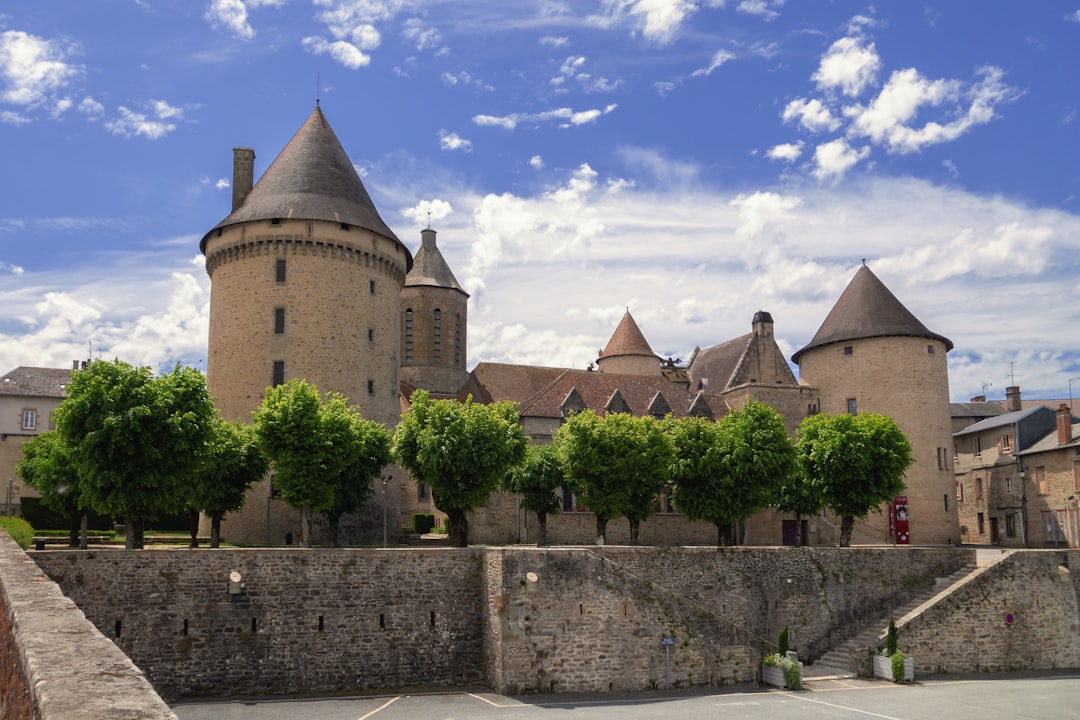
Aquitaine, now folded into the sprawling Nouvelle-Aquitaine administrative region since January 2016, sits in France’s southwestern corner between the Atlantic Ocean and the Pyrenees, covering roughly 41,308 km². With a population of 3,316,889, this former duchy stretches from Bordeaux’s wine country down to the Basque border town of Hendaye. Eleanor of Aquitaine’s 12th-century kingdom still echoes in every stone village and vine-draped hillside here.
Top 3 Highlights at a Glance
- Bordeaux Wine Route (Route des Châteaux) — Over 7,000 wine estates line this route — Château Margaux and Pétrus alone justify the detour.
- Dune du Pilat — Europe’s tallest sand dune at 106 metres rises dramatically above the Atlantic pines of Arcachon Bay.
- Sarlat-la-Canéda Old Town — One of France’s best-preserved medieval towns, entirely traffic-free within its 14th-century limestone centre.
Scroll down for our complete travel guide with tips on getting there, where to stay, costs and more.
Getting There
How do I best reach Aquitaine?
Fly into Bordeaux-Mérignac Airport (BOD) — it’s the clear gateway to Aquitaine. In my experience, direct flights from London, Amsterdam, and most major European hubs land at BOD daily, with fares starting around €40 one-way on Ryanair or easyJet if booked 6–8 weeks out. Alternatively, the TGV from Paris Gare Montparnasse reaches Bordeaux in just 2 hours 4 minutes and costs €25–€80 depending on booking window. What surprised me: the TGV is often faster door-to-door than flying once you factor in airport time. Warning: Pau and Biarritz airports also serve southern Aquitaine but have far fewer international connections.
Which airport is closest to Aquitaine?
Bordeaux-Mérignac (BOD) is the primary airport for Aquitaine, sitting 12 km west of Bordeaux city centre. For the southern Basque and Pyrenean parts of Aquitaine, Biarritz Pays Basque Airport (BIQ) is more practical — it’s only 4 km from Biarritz and receives direct flights from Paris, London, and Madrid. I recommend BOD for first-time visitors since it offers the widest route network and connects you to the Bordeaux wine country immediately. Trade-off: if your main goal is surfing the Hossegor coast or hiking the Pyrenees, BIQ saves you 90 minutes of driving.
How long is the journey from the capital to Aquitaine?
Paris to Bordeaux takes 2 hours 4 minutes by TGV — genuinely one of France’s best high-speed rail achievements. My tip: book at SNCF at least 3 weeks ahead to secure the €25 Ouigo fares rather than paying €80–€110 on the day. Driving from Paris via the A10/A63 motorway is 580 km, roughly 5.5 hours without stops — tedious and not worth it given the toll costs of around €50. What surprised me: the TGV deposits you directly at Bordeaux Saint-Jean station, which is walkable to the Chartrons district, no transfer needed.
Are there direct bus connections into Aquitaine?
Yes — FlixBus and BlaBlaBus run direct coaches from Paris to Bordeaux for as little as €9, but the journey takes 5–6 hours. In my experience, these are fine for budget travellers but the seats are cramped on the overnight run. Within Aquitaine, TransGironde and TransDordogne operate regional bus networks connecting smaller towns like Périgueux, Bergerac, and Agen. Honest caveat: rural Périgord Noir buses run only 2–3 times daily and schedules are built around school runs, not tourist needs — always verify on liO Nouvelle-Aquitaine before planning. I recommend bus only as a supplement to train or car.
Is a rental car necessary in Aquitaine?
For the Dordogne, Lot-et-Garonne, and wine château routes — yes, a rental car is essential. In my experience, the villages of Périgord Noir like Les Eyzies and Domme are simply unreachable without wheels. Expect to pay €35–€60 per day for a compact car from Bordeaux Airport with a major provider like Europcar or Hertz. I recommend booking at least 3 weeks out for summer. Trade-off: within Bordeaux city itself and the surf towns of Hossegor and Biarritz, a car is a liability — parking costs €20–€30 per day and traffic in July is brutal. Use it for rural exploration, park it in town.
Accommodation
Which towns make good bases in Aquitaine?
Bordeaux is the default base — a UNESCO World Heritage city with world-class wine, food, and transport links. For the Dordogne valley, I recommend Sarlat-la-Canéda as a medieval base within 30 minutes of the Vézère prehistoric caves. Biarritz is the ideal base for the Basque coast, surf beaches, and Pyrenean day trips. My tip: Bergerac is criminally underrated — central to both the Dordogne and Bordeaux wine appellations, with lower hotel prices than Sarlat. What surprised me: staying in a small village gîte outside Sarlat puts you closer to the highlights and costs 30% less than in-town hotels.
Where should I stay in Aquitaine?
I recommend the Saint-Pierre and Saint-Paul-et-des-Chartrons districts in Bordeaux for first-timers — walkable, characterful, and close to the best wine bars. In the Dordogne, the Vézère Valley around Les Eyzies places you within 10 km of over 150 prehistoric sites. For Atlantic surf culture, Hossegor’s lakeside village is cooler and less commercial than Biarritz itself. Trade-off: Médoc château accommodation (there are several châteaux offering rooms) is romantic but isolated — you need a car for every meal. My tip: book a chambres d’hôtes (B&B) over a chain hotel; owners consistently provide better local knowledge and the breakfasts are genuinely superior.
What does accommodation cost in Aquitaine?
Budget €70–€100 per night for a decent mid-range hotel in Bordeaux city centre. In my experience, a well-located 3-star in Bordeaux’s Tourny district runs around €95/night in shoulder season. Sarlat and the Dordogne range from €65 (chambre d’hôtes) to €180 (boutique hotel). Biarritz hotels command a premium — expect €120–€200/night in July and August near the Grande Plage. The honest caveat: campsites in the Landes pine forest between Arcachon and Hossegor offer pitches from €20/night and are genuinely excellent — not a budget compromise but a legitimate lifestyle choice. Glamping pods in Périgord start at €85/night.
How far in advance should I book accommodation in Aquitaine?
For July and August, book Biarritz and Sarlat accommodation at least 4–5 months ahead — I’ve seen desirable properties sell out by March for peak summer. Bordeaux city hotels have higher inventory and 6–8 weeks is usually sufficient outside wine harvest season (mid-September to October). My tip: the Saint-Émilion Jurade wine festival weekend in June fills every hotel within 40 km — if you want that experience, book in January. What surprised me: late September and early October are stunning in Aquitaine and you can often book 2–3 weeks ahead at prices 25–30% lower than August. The weather is still reliably warm.
When is the best time to visit Aquitaine?
Based on climate data, July and September are the optimal months. July delivers guaranteed Atlantic sunshine, perfect for beaches and outdoor dining. September is my personal preference — the Bordeaux harvest begins, the Dordogne light turns golden, tourist crowds thin noticeably, and temperatures hover around 22–25°C. In my experience, the second week of September hits a sweet spot: summer infrastructure is still running (restaurants, boat tours, market stalls) but Sarlat’s Saturday market is actually navigable. Trade-off: July in Biarritz and Arcachon is genuinely heaving — beach parking fills by 9am and restaurant queues are real. For wine tourism specifically, October in Saint-Émilion is unmissable.
Best Time to Visit
How does the weather affect activities in Aquitaine?
The Atlantic coast gets unpredictable swells and rain from October to March, making surfing excellent but beach holidays unreliable. Hiking the Pyrenees foothills around Pau is best from June to September when the high-altitude GR10 trail is snow-free. Wine château visits work year-round but the vineyards are most dramatic during harvest (September–October) and bud-burst (April–May). In my experience: summer afternoon thunderstorms roll in fast along the Dordogne — always carry a layer when cave-visiting. The Landes forest gets uncomfortably hot above 35°C in late July, making cycling there genuinely unpleasant. Time forest cycling for morning starts before 10am.
Are there local festivals in Aquitaine worth attending?
Absolutely — Bordeaux Fête le Vin (late June, even-numbered years) is a free 4-day wine festival on the Quais de Bordeaux where 70+ châteaux pour for a €2 glass token. In my experience it’s one of the best value food-and-drink events in Europe. Sarlat’s Festival des Jeux du Théâtre runs in late July and transforms every medieval courtyard into a performance space. Bayonne Fêtes in early August is the Basque region’s answer to Pamplona — 5 days of free street parties, bullfights, and Basque pelota. Honest warning: Bayonne Fêtes draws 1.5 million visitors — accommodation within 30 km must be booked 6 months ahead.
When does Aquitaine get crowded?
July 14 (Bastille Day) through August 31 is peak saturation — French domestic tourism floods the Atlantic coast, Sarlat, and Arcachon Bay simultaneously. In my experience, the Dune du Pilat car park fills completely by 9:30am in August and the queue to climb the dune stretches 200 metres. Sarlat’s Saturday market in August is elbow-to-elbow and largely resells tourist trinkets at that point. The honest caveat: the peak crowds are also when every restaurant, boat tour, and activity operator is running at full capacity — so if you must go in August, everything is at least open. My tip: arrive at the Dune du Pilat before 8am or after 6pm for a transformative experience.
What does a daily budget cost in Aquitaine?
Budget travellers spending smart can manage €80–€100 per day — campsite accommodation, supermarket picnics with local cheese and wine, and free sights like the Dune du Pilat. A comfortable mid-range day — decent hotel, two restaurant meals, one paid attraction — runs €150–€200 per person. In my experience, Bordeaux is the most expensive city in Aquitaine; a sit-down lunch in Saint-Pierre costs €18–€25 per person for a plat du jour with a glass of Bordeaux. The Dordogne runs slightly cheaper. Trade-off: wine is where budgets quietly collapse — tasting fees at Médoc châteaux range from €15–€40 per person and you’ll want to do several.
Is Aquitaine cheaper or more expensive than other French regions?
Aquitaine sits in the middle tier of French regional pricing — significantly cheaper than Paris and the Côte d’Azur, slightly pricier than Normandy or Burgundy. In my experience, a restaurant dinner in Sarlat costs €30–€45 for two with wine, versus €60–€80 for equivalent quality in Nice. The Dordogne specifically is better value than Provence for accommodation. Honest caveat: Biarritz has become genuinely expensive — a surf lesson costs €45, beach-club cocktails hit €14 each, and hotel prices rival the Riviera in August. The Landes coast between Arcachon and Bayonne offers the same Atlantic beaches at 20–30% lower prices than Biarritz itself.
Budget
What free highlights are there in Aquitaine?
The Miroir d’Eau (Water Mirror) in Bordeaux is free, photogenic, and genuinely spectacular — at 3,450 m² it’s the world’s largest reflecting pool. Hiking the GR65 (Chemin de Saint-Jacques) through Aquitaine costs nothing but boot leather. Bordeaux’s Chartrons market on Sunday mornings is a free antiques and local produce browse along the quays. In my experience, the Romanesque churches along the Santiago pilgrimage route — especially in Bazas and Saint-Sever — are extraordinary and entirely overlooked. Free wine-cellar visits: several Entre-Deux-Mers cooperative wineries near La Sauve offer no-appointment tastings at no charge outside August.
What do local specialities cost in Aquitaine?
A foie gras entrée in a Sarlat restaurant costs €14–€20. A confit de canard main course runs €16–€22. The unmissable oysters at Cap Ferret on Arcachon Bay cost €9–€12 for a dozen at a waterfront shack — extraordinary value. In my experience, buying direct at Périgueux’s Saturday truffle market (November–March) saves 30–40% versus tourist-facing shops. A bottle of decent Bergerac Sec white starts at €6 in a supermarket and €22 in a restaurant. My tip: the €12–€15 formule midi (lunch set menu) at a village bistro delivers three courses and includes bread and sometimes a house wine carafe — the best-value eating in France.
Which route do you recommend for 5–7 days in Aquitaine?
Day 1–2: Bordeaux — Miroir d’Eau, Chartrons wine bars, day trip to Saint-Émilion (45 minutes by train). Day 3: Drive southeast to Bergerac (1 hour 15 minutes), wine tasting in Monbazillac. Day 4–5: Sarlat-la-Canéda as base — visit Lascaux IV cave replica, Château de Beynac, and Domme’s clifftop village. Day 6: Head west to Arcachon Bay (2 hours), climb the Dune du Pilat at dusk, eat oysters at Cap Ferret. Day 7: Return to Bordeaux via the Médoc wine route (D2 road past Margaux and Pauillac). In my experience this circuit covers Aquitaine’s three distinct personalities — city, medieval countryside, and Atlantic coast — without doubling back.
What are the must-see sights in Aquitaine?
In my experience, these are non-negotiable: Lascaux IV near Montignac (the world’s finest prehistoric cave replica, original closed since 1963), the Dune du Pilat at Arcachon, Saint-Émilion’s monolithic church carved entirely underground, and Bordeaux’s Place de la Bourse reflected in the Miroir d’Eau. The Bastides (fortified medieval towns) of the Dordogne — especially Monpazier, founded 1284 — are perfectly preserved and see a fraction of Sarlat’s crowds. My tip: Rocamadour, technically just outside Aquitaine in the Lot, is worth the 45-minute detour from Sarlat — a cliff-hanging pilgrimage village unlike anything else in southwest France.
What natural highlights does Aquitaine offer?
The Landes forest is Europe’s largest maritime pine forest — 1 million hectares stretching from Arcachon to Bayonne, criss-crossed with cycle paths. Arcachon Bay shelters Europe’s largest oyster farming basin and a micro-climate warm enough for swimming from May to October. The Pyrenees foothills around Pau offer dramatic hiking with Pyrenees National Park accessible within 45 minutes. In my experience, kayaking the Vézère and Dordogne rivers past limestone cliffs and castle ruins is the single most beautiful activity in the region — a half-day guided kayak from La Roque-Gageac costs €18–€25. Trade-off: the Atlantic surf coast at Hossegor is world-class for surfers but can be rough and cold for casual swimmers even in July.
Routes & Highlights
What local specialities should I try in Aquitaine?
Start with Arcachon Bay oysters — the Île aux Oiseaux flat oysters have a distinct iodine sweetness unlike Atlantic deep-water varieties. Périgord black truffle (Tuber melanosporum) is the prestige ingredient — try it shaved over scrambled eggs at a Sarlat market café. Canelés de Bordeaux — rum-and-vanilla caramelised pastries — cost €1.50 each and must be eaten within 4 hours of baking for the correct crisp shell. In my experience, Basque pintxos bars in Bayonne’s Saint-Esprit quarter rival San Sebastián at half the price. Don’t skip Armagnac — Gascony’s grape brandy predates Cognac by 200 years and a quality bottle costs €20–€35 at a farm distillery.
What activities are available in Aquitaine?
Surfing is the defining Atlantic activity — Hossegor hosts the World Surf League Championship Tour each October, and beginner lessons at Seignosse or Lacanau cost €35–€45 for 2 hours. Cycling the Vélodyssée (EuroVelo 1) runs the entire Aquitaine Atlantic coast on dedicated paths. Wine tourism is structured excellently — Bordeaux’s Cité du Vin museum (entry €22) is a world-class interactive experience. In my experience, prehistoric cave tours in the Vézère Valley — especially the Font-de-Gaume cave with authentic original paintings — are intellectually extraordinary. Font-de-Gaume entry costs €13 and places are strictly limited to 78 visitors per day — book online at billeterie.culture.fr the moment your dates are confirmed.
What distinguishes Aquitaine from other French regions?
Three things set Aquitaine completely apart. First: the density of prehistoric human history — the Vézère Valley alone contains 147 prehistoric sites and 25 decorated caves, a concentration found nowhere else on Earth. Second: the ocean-to-mountain range within a single day’s drive — you can surf Hossegor at 9am and hike Pyrenean passes by afternoon. Third: Basque culture — Bayonne and the surrounding Pays Basque maintain a language, architecture, gastronomy, and sporting culture (pelota, jai alai) entirely distinct from French norms. In my experience, no other French region transitions between three such culturally and geographically distinct identities — Atlantic, Périgourdin medieval, and Basque — within such a compact area.
Which day trips are possible from Aquitaine’s main bases?
From Bordeaux: Saint-Émilion by train (35 minutes, €6 return), Arcachon and the Dune du Pilat (50 minutes by train), and the Médoc wine route by rental car. From Sarlat: Rocamadour (45 minutes), Gouffre de Padirac underground river (1 hour), and the cave cluster at Les Eyzies (30 minutes). From Biarritz: San Sebastián in Spain is just 50 km away (50 minutes by car) — genuinely one of Europe’s great day-trip combinations. In my experience, the Bayonne–San Sebastián day is the single best day trip in all of southwest France — pintxos lunch, La Concha beach, Guggenheim-calibre food culture, back for Basque dinner. Don’t miss it.
Are there language barriers in Aquitaine?
French is universal and essential — in rural Périgord and Lot-et-Garonne, English is spoken by perhaps 20% of restaurateurs and hoteliers, far less than in Paris or the Riviera. In my experience, learning 10 basic French phrases makes a measurable difference — locals in village markets visibly warm to any attempt. Basque (Euskara) is spoken by around 25% of the population in Pays Basque — you’ll see bilingual signs but no one expects tourists to engage in it. My tip: Google Translate’s camera function handles French menus perfectly. Honest caveat: older vignerons (winemakers) in the Médoc châteaux often speak zero English — bring a phrase list or book an English-language guided tour.
Practical Tips
Which apps do you recommend for visiting Aquitaine?
SNCF Connect is essential for all train bookings and real-time departures. liO (Nouvelle-Aquitaine’s regional transport app) covers buses and trains across the entire region. Waze outperforms Google Maps for navigating Dordogne village roads. Visite Lascaux has an excellent AR companion for Lascaux IV. I recommend La Fourchette (TheFork) for restaurant reservations in Bordeaux — restaurants listed there often offer €10–€15 discounts for app bookings. Winalist is the best platform for booking château wine tours in Bordeaux with real-time availability. Trade-off: mobile coverage in the Dordogne valley gorges drops to zero — download offline Maps.me maps before heading into the interior.
Are there medical facilities in Aquitaine?
Bordeaux’s CHU (Centre Hospitalier Universitaire) is a major teaching hospital ranked among France’s top 10 — serious emergencies are well-covered. Périgueux, Bergerac, and Bayonne all have fully equipped district hospitals. Rural Dordogne has medical centres (maisons de santé) in most towns above 3,000 inhabitants, but response times for ambulances in remote valleys can reach 30–45 minutes. In my experience, EU citizens with a European Health Insurance Card (EHIC) receive state healthcare at no upfront cost. Non-EU visitors should carry comprehensive travel insurance — a mountain rescue helicopter in the Pyrenees costs €3,000–€5,000 without coverage. My tip: pharmacies (green cross) are the fastest first-response for minor issues and are in every village.
How safe is Aquitaine?
Aquitaine is extremely safe for tourists — in my experience, petty crime is the only realistic concern. Bordeaux’s Gare Saint-Jean area has pickpockets and occasional aggressive street vendors — keep bags zipped within 200 metres of the station. The Mériadeck district west of the city centre is best avoided after midnight. Rural Aquitaine and the Dordogne are among the safest rural environments in Europe. What surprised me: forest fire risk in the Landes is severe in July and August — 2022’s fires destroyed 26,000 hectares near Landiras. Always check vigilance.meteofrance.fr for fire alerts and never park along forest road edges in dry July heat. Swim safely: Atlantic rip currents at surf beaches are genuinely dangerous — always swim between the red and yellow flags.
What are common traveller mistakes in Aquitaine?
The biggest mistake: visiting only Bordeaux and skipping the Dordogne entirely — most people underestimate how accessible and extraordinary Périgord Noir is at just 2 hours by car. Second mistake: not booking Font-de-Gaume cave in advance — it sells out 3–4 weeks ahead in summer and it’s the only major prehistoric cave in France still showing original paintings. Third: driving into Sarlat in August without a parking strategy — use the Parking des Cordeliers and walk in. In my experience, the fourth mistake is underestimating how much time wine-tasting consumes — people plan 4 châteaux in a day and realistically manage 2 comfortably. Fifth: exchanging money at Bordeaux Airport kiosks, which charge up to 8% commission — use a Revolut card instead.
Which accommodation types suit Aquitaine best?
Chambres d’hôtes (B&Bs) are the ideal accommodation format for Aquitaine — owners are invariably local experts, breakfasts include regional products like duck rillettes and homemade prune jam, and prices average €75–€120/night for a double. In the Dordogne, converted farmhouse gîtes rented weekly (from €600 per week for 4–6 people) offer the most immersive experience and work out to €30/person/night for groups. Wine château accommodation (there are 30+ châteaux with guest rooms in the Médoc alone) is a genuinely unique experience — expect €150–€250/night including a private cellar tour. In my experience, skip chain hotels outside Bordeaux city entirely — the characterful alternatives are better value and the breakfasts are incomparably better.
More Destinations in Europe
Explore our complete travel guides for more Europe destinations: Menorca Travel Guide (2026), Nice Travel Guide (2026), Île des Ebihens Travel Guide (2026), Île Rouzic Travel Guide (2026), Amiens Travel Guide (2026).
Aquitaine at a Glance
| Population | 3,316,889 |
|---|---|
| Currency | EUR (€) |
| Official language | French |
| Time zone | UTC+01:00 |
Source: Wikidata, retrieved October 2026.
Useful Resources for Planning Your Trip to Aquitaine
- Wikipedia: Aquitaine — history, geography and background
- Lonely Planet: Aquitaine — itineraries and travel inspiration
- TripAdvisor: Aquitaine — hotels, restaurants and traveller reviews
🎥 Aquitaine Travel Videos
Top 10 Best Things to Do in Aquitaine, France [Aquitaine …
Vacation Idea

Exploring Nouvelle-Aquitaine: Castles, Villages & French …
The Euro Pats

Road Trip Nouvelle Aquitaine – From Bordeaux to Biarritz via …
Marco Buch
You are currently viewing a placeholder content from Vimeo. To access the actual content, click the button below. Please note that doing so will share data with third-party providers.
More InformationYou are currently viewing a placeholder content from YouTube. To access the actual content, click the button below. Please note that doing so will share data with third-party providers.
More InformationYou need to load content from reCAPTCHA to submit the form. Please note that doing so will share data with third-party providers.
More InformationYou are currently viewing a placeholder content from GetYourGuide. To access the actual content, click the button below. Please note that doing so will share data with third-party providers.
More Information