
Languedoc-Roussillon: The Complete Travel Guide (2026)
Last reviewed: October 2026 · key facts checked against Wikidata
Languedoc-Roussillon Travel Guide: Everything You Need to Know (2026)
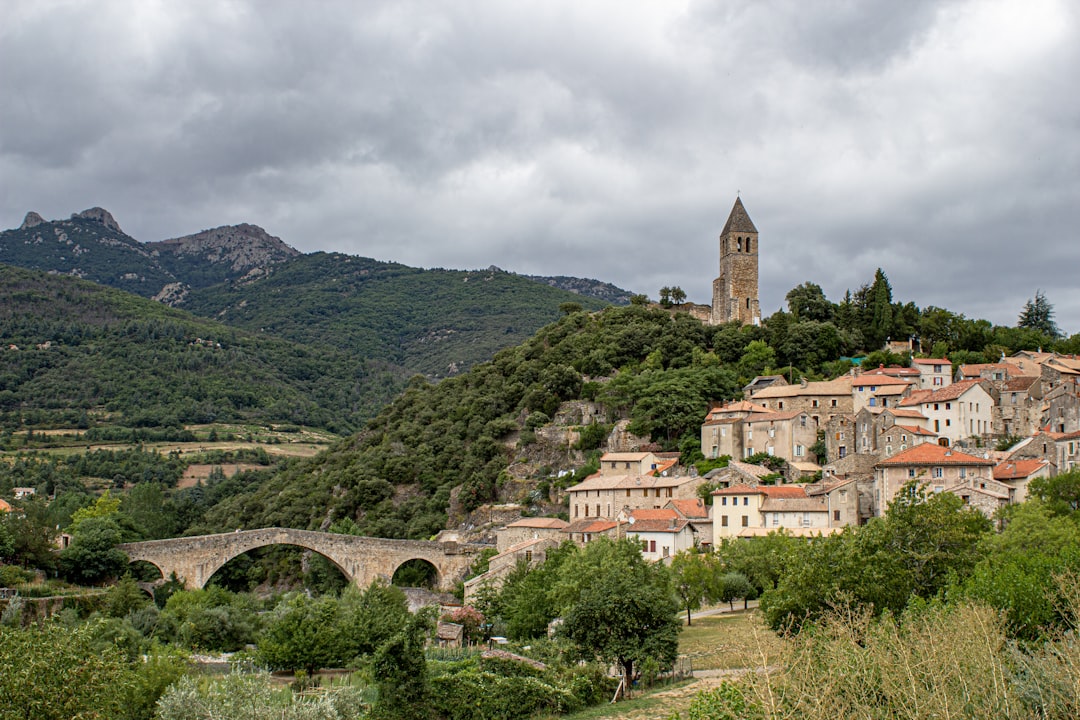
Languedoc-Roussillon, now part of the larger Occitania region since January 1, 2016, stretches along France’s Mediterranean coast for over 220 km from the Rhône delta to the Spanish border near Perpignan. With a combined Occitania population of 5.9 million, this former region packs in Roman aqueducts, Cathar castles, and Europe’s largest lagoon system into five departments. The region sits at the crossroads of French, Catalan, and Occitan cultures, making it one of the most culturally layered destinations in southern France.
Top 3 Highlights at a Glance
- Pont du Gard — A UNESCO-listed Roman aqueduct built in 50 AD standing 49 metres tall — the best-preserved in the world.
- Cité de Carcassonne — A medieval walled citadel with 52 towers, fully intact and visible from 10 km away on a clear day.
- Gorges du Tarn — A 53 km limestone canyon dropping 500 metres, carved by the Tarn River through the Massif Central.
Scroll down for our complete travel guide with tips on getting there, where to stay, costs and more.
Getting There
How do I best reach Languedoc-Roussillon?
Fly into Montpellier (MPL) or Perpignan (PGF) — both give direct Mediterranean access. Montpellier is the largest hub with more international connections; Perpignan suits the Catalan south better. By train, Paris Gare de Lyon to Montpellier takes 3h15min by TGV, costing around €40–90 booked in advance. I recommend flying if you’re coming from outside France, but the TGV from Paris is genuinely fast and deposits you right in the city centre. What surprises most travellers: driving from Barcelona takes just 2.5 hours on the AP-7 motorway, making Spain a realistic entry point too. My tip: avoid peak July arrivals by flying into Nîmes-Alès-Camargue-Cévennes (FNI) airport, which is far less congested.
Which airport is closest to Languedoc-Roussillon?
Montpellier-Méditerranée Airport (MPL) is the region’s main gateway, 8 km southeast of Montpellier city centre. In my experience, it handles the most connections including direct flights from London, Amsterdam, and Paris. Perpignan-Rivesaltes Airport (PGF) sits just 5 km from Perpignan centre and is ideal if you’re targeting the Catalan south, Cathar castles, or the coast near Collioure. Nîmes airport (FNI) works well for the Gard department and Pont du Gard. Caveat most guides omit: Marseille Provence (MRS), though technically outside the region, is only 120 km from Montpellier and often offers far cheaper fares — worth checking before booking MPL.
How long is the journey from the capital to Languedoc-Roussillon?
Paris to Montpellier by TGV takes 3 hours 15 minutes — faster than flying when you factor in airport time. My tip: book via SNCF Connect at least 3 weeks ahead for fares starting at €29. By car from Paris it’s approximately 750 km via the A75 motorway, taking around 7 hours — only worthwhile if you plan to tour the interior regions like the Cévennes or Aveyron. What surprises me: the A75 south of Clermont-Ferrand passes the Millau Viaduct, which is a legitimate highlight in itself. Honest caveat: the Millau Viaduct toll alone costs €12.80 in peak season, and the Paris–Mediterranean drive adds up fast with fuel and péage charges.
Are there direct bus connections into Languedoc-Roussillon?
Yes, FlixBus runs direct services from Barcelona to Montpellier in 3.5 hours for as little as €9. From Paris, BlaBlaBus reaches Montpellier in around 8 hours for €15–25. In my experience, buses are only worth it from Spain or nearby French cities — for anything over 4 hours, the TGV wins on comfort and time. Eurolines also connects Montpellier to major European cities. My tip: for inter-regional travel within Languedoc-Roussillon itself, Hérault Transport and LiO (Lignes en Occitanie) run affordable regional buses, but they are slow and infrequent outside of Montpellier and Perpignan. Never rely on buses to reach isolated villages like Saint-Guilhem-le-Désert — you’ll need a car.
Is a rental car necessary in Languedoc-Roussillon?
Yes — for anything beyond Montpellier or Perpignan city centres, a rental car is essential. The Cathar castles, Gorges du Tarn, Cévennes National Park, and coastal lagoons are simply unreachable by public transport without significant time loss. Expect to pay €35–60 per day for a compact car booked in advance through Europcar or Sixt at Montpellier airport. My tip: book 4 weeks ahead for July and August — cars genuinely sell out. Honest caveat most guides skip: parking in Carcassonne old town costs up to €14 per day in summer, and the narrow medieval lanes require a small car. Petrol prices in France average €1.85 per litre — budget this into your daily costs.
Accommodation
Which towns make good bases in Languedoc-Roussillon?
Montpellier is the best all-round base — a university city with tram links, restaurants, and day-trip access within 150 km. Carcassonne works perfectly if your focus is Cathar history and the Aude department. Collioure, a small port town 25 km south of Perpignan, suits coast-and-culture travellers beautifully. For nature lovers, Florac inside the Cévennes National Park is outstanding. In my experience, Montpellier’s Écusson (old quarter) neighbourhood gives the best balance of authenticity and convenience. Honest warning: Béziers is central and cheap but lacks the charm of the other bases — I’d use it only as a budget stopover, not a destination in itself.
Where should I stay in Languedoc-Roussillon?
Stay in Montpellier’s Écusson district for city culture or along the Canal du Midi corridor for wine country ambiance. Boutique hotels in Pézenas — a Renaissance town of just 9,000 residents — offer exceptional value and zero tourist crowds. For the coast, the villages around Gruissan and Leucate are far less overrun than Cap d’Agde. In my experience, gîtes (self-catering rural cottages) scattered through the Hérault and Gard departments offer the most authentic experience at €70–120 per night for a full property. Caveat: luxury wine estate stays in Saint-Chinian or Faugères sound romantic but often require 2-night minimums and book out by March for summer.
What does accommodation cost in Languedoc-Roussillon?
Budget travellers can find clean hostels in Montpellier for €22–30 per night. A solid mid-range hotel in Carcassonne or Montpellier costs €75–120 per night. Charming chambres d’hôtes (B&Bs) in villages like Minerve or Saint-Pons-de-Thomières run €65–95 per night including breakfast. Boutique hotels within Carcassonne’s Cité walls charge a premium — expect €180–250 in July. In my experience, the best value sits in the Hérault department towns like Lodève or Clermont-l’Hérault, where a quality gîte runs €80 per night. Hidden cost most guides omit: tourist tax (taxe de séjour) of €0.50–3.00 per person per night is added at checkout — not included in online prices.
How far in advance should I book accommodation in Languedoc-Roussillon?
For July and August, book at least 3–4 months ahead — properties inside Carcassonne’s Cité and beachfront places near La Grande-Motte fill by April. For shoulder season (May, June, September), 4–6 weeks ahead is usually sufficient. In my experience, the Canal du Midi barge rentals and wine estate stays sell out fastest — book those 6 months in advance. Honest caveat: last-minute deals do exist in October through April, when rates drop 30–40%. My tip: use Gîtes de France directly at gites.fr for rural properties — they often list availability not shown on major booking platforms, and there’s no third-party commission.
When is the best time to visit Languedoc-Roussillon?
June and September are the sweet spots — warm, sunny, and 40% less crowded than August. July and August are officially the best weather months, but the coast becomes overwhelmingly busy and prices spike. I personally return every September when the vineyards turn gold and the harvest festivals in Frontignan and Béziers are in full swing. For hiking the Cévennes or Pyrenees foothills, May and October offer comfortable temperatures around 18–22°C. Honest warning: the Mistral and Tramontane winds can arrive without warning in spring, making coastal days unpleasant. Winter (December–February) is quiet and cheap but many coastal restaurants and hotels simply close — particularly around Leucate and Gruissan.
Best Time to Visit
How does the weather affect activities in Languedoc-Roussillon?
Summer heat in the interior regularly hits 38–42°C in July — hiking the Gorges du Tarn or cycling the Canal du Midi before 9am or after 5pm is non-negotiable. Beach and watersports along the Golfe du Lion are perfect from June through September. The Cévennes receive more rainfall than the coast — up to 800mm annually — so pack a layer for inland hikes even in summer. Wine tasting in Pic Saint-Loup or Saint-Chinian works year-round. In my experience, the most underrated activity window is October to early November: the light is extraordinary, mushroom foraging season opens, and the gorges are crowd-free. The Tramontane wind dominates winter and spring — it clears skies but makes outdoor dining miserable.
Are there local festivals in Languedoc-Roussillon worth attending?
Absolutely — Feria de Nîmes in May and September is one of France’s great bullfighting and flamenco festivals, drawing 200,000 visitors over 5 days. Festival de Carcassonne (July) stages world-class opera and theatre inside the illuminated medieval Cité for tickets starting at €20. The Fête de Saint-Louis in Sète every August is an extraordinary water jousting tournament on the Étang de Thau that locals take deadly seriously. My tip: the Fête des Vendanges (grape harvest festival) in Frontignan in late September is free entry and wonderfully authentic. Honest warning: book accommodation for Nîmes Feria 6 months in advance — the city’s 170,000 hotel beds fill completely.
When does Languedoc-Roussillon get crowded?
August is peak chaos — coastal resorts like Cap d’Agde, La Grande-Motte, and Palavas-les-Flots become genuinely overwhelming, with beach parking lots filling by 8am. The Pont du Gard receives over 1 million visitors annually and queues hit 45 minutes in August. Carcassonne’s Cité becomes a slow shuffle in late July. In my experience, even 2 km inland from the coast, crowds vanish almost entirely — Maguelone island versus Carnon Plage is a perfect example. My tip: visit the Pont du Gard at 7:30am — the light is magical and you’ll have it nearly to yourself for 1 hour. September sees crowds drop by roughly 50% while temperatures remain beach-worthy at 25–28°C.
What does a daily budget cost in Languedoc-Roussillon?
Budget travellers can get by on €65–80 per day including hostel, meals, and entry fees. A comfortable mid-range day — decent hotel, two restaurant meals, one paid attraction — costs €130–180 per person. Luxury wine estate dinners, private tours, and boutique stays push the daily spend past €300. In my experience, the biggest variable is accommodation: a gîte split between 4 people drops the per-person cost dramatically. My tip: the LiO bus network charges a flat €2 per journey across Occitania, which slashes transport costs for non-drivers. Honest caveat: the Pont du Gard entry costs €10 per person (parking €18 per car) — families should budget this carefully as it adds up fast.
Is Languedoc-Roussillon cheaper or more expensive than other French regions?
It is noticeably cheaper than Provence and the Côte d’Azur — a restaurant meal that costs €35 in Nice runs €20–25 in Montpellier for equivalent quality. Wine is dramatically cheaper at source: a bottle of excellent Pic Saint-Loup rouge costs €8–12 from a domaine versus €22 in a Paris wine bar. Accommodation runs 20–30% cheaper than equivalent Provence properties. Honest caveat: the coast around Cap d’Agde inflates to near-Riviera prices in August — it’s the exception, not the rule. In my experience, Béziers and the Hérault wine villages offer the best value in all of southern France, with €12 three-course lunches (formule) a genuine reality, not a tourist trap claim.
Budget
What free highlights are there in Languedoc-Roussillon?
Walking the ramparts of Aigues-Mortes is free and takes 45 minutes with views over the salt flats. The beaches of the Golfe du Lion — including Sète’s Corniche beaches — charge nothing for entry. Montpellier’s Place de la Comédie and the Promenade du Peyrou with its aqueduct are free and genuinely beautiful. The Cathar village of Minerve, carved into a dramatic gorge, costs nothing to wander. In my experience, the Cirque de Mourèze — a natural amphitheatre of dolomite formations near Clermont-l’Hérault — is one of the most spectacular free landscapes in France, visited by a fraction of the people who queue for the Pont du Gard. My tip: most Montpellier city museums offer free entry on the first Sunday of each month.
What do local specialities cost in Languedoc-Roussillon?
A bowl of tielle sétoise (octopus pie from Sète) costs €4–6 at a market stall. A plate of huîtres de Bouzigues (oysters from the Étang de Thau) — 6 pieces — runs €8–10 at a waterfront shack in Bouzigues village. A glass of local Faugères or Saint-Chinian wine in a bar costs €3–5. The classic brandade de morue (salt cod puree from Nîmes) as a starter in a brasserie is €9–12. In my experience, the single best food spend in the region is lunch at a cave coopérative (wine cooperative) in the Minervois — a three-course meal with wine pairing costs under €20 and the quality is genuinely outstanding. Never pay tourist-zone prices for cassoulet when you can get it for €14 inland.
Which route do you recommend for 5-7 days in Languedoc-Roussillon?
Day 1–2: Montpellier — explore the Écusson, visit the Fabre Museum, eat oysters at Bouzigues (30 min drive). Day 3: Pont du Gard and Nîmes — arrive at Pont du Gard by 8am, then Nîmes Arenas (€10 entry). Day 4: Canal du Midi and Carcassonne — drive the canal through Capestang, arrive Carcassonne for sunset. Day 5: Cathar castles — Peyrepertuse and Quéribus are 45 minutes apart and cost €8–9 each. Day 6: Collioure and Perpignan — coastal Catalan culture, then end in Perpignan. Day 7: buffer or Gorges du Tarn detour north from Montpellier. In my experience, this loop is perfectly manageable with a rental car and covers the region’s greatest hits without feeling rushed.
What are the must-see sights in Languedoc-Roussillon?
Pont du Gard — the Roman aqueduct is genuinely awe-inspiring and nothing like photos suggest. Cité de Carcassonne — walk the ramparts at dawn before tour buses arrive. Cathédrale Saint-Just-et-Saint-Pasteur in Nîmes — the unfinished Gothic cathedral tells the story of the Wars of Religion better than any museum. Étang de Thau — a 75 km² lagoon where Bouzigues oysters are farmed and flamingos feed. The Cathar castle of Peyrepertuse at 800m altitude above the Fenouillèdes valley is the most dramatic fortress I’ve seen in France. In my experience, the Cirque de Navacelles — a UNESCO-listed meander canyon near Ganges — is criminally undervisited and rivals the Grand Canyon in its geological drama.
What natural highlights does Languedoc-Roussillon offer?
The Cévennes National Park — France’s largest national park at 929,300 hectares — covers the northern interior with granite plateaux, chestnut forests, and wolf territory. Gorges du Tarn drops 500 metres through limestone cliffs over 53 km. The Camargue wetlands in the east harbour 360 bird species including pink flamingos year-round. The Pyrenean foothills around Font Romeu reach 1,800m altitude and offer skiing in winter and hiking in summer. In my experience, the Salagou lake near Clermont-l’Hérault — surrounded by rust-red volcanic rock — is the most photogenic natural spot in the region and almost entirely unknown outside France. My tip: the Gorges de la Vis is a wilder, crowd-free alternative to the Tarn gorges.
Routes & Highlights
What local specialities should I try in Languedoc-Roussillon?
Tielle sétoise — a spiced octopus pie from Sète — is the region’s most distinctive street food and unavailable anywhere else in France. Brandade de morue (whipped salt cod with olive oil from Nîmes) is the local staple. Huîtres de Bouzigues from the Étang de Thau are among France’s finest oysters, harvested within sight of your restaurant table. Catalan dishes like escudella (meat stew) appear south of Perpignan. Wines: Picpoul de Pinet white (perfect with oysters), Pic Saint-Loup red, and Banyuls fortified wine from the Catalan coast. In my experience, the best food discovery in the region is Pélardon — a tiny raw goat’s cheese from the Cévennes that costs €2 at a farm market and tastes extraordinary.
What activities are available in Languedoc-Roussillon?
Canal du Midi cycling — the UNESCO-listed canal runs 240 km from Toulouse to Sète with a flat towpath perfect for all fitness levels. Kayaking the Gorges du Tarn from La Malène is €25–35 per person for a half-day trip. Flamingo watching in the Camargue lagoons near Aigues-Mortes costs nothing. Wine tastings at domaines in Pic Saint-Loup are typically free or €10–15 with a purchase. Rock climbing above Thaurac near Montpellier suits intermediate climbers. In my experience, a barge holiday on the Canal du Midi — renting a boat for €1,200–1,800 per week for a 4-person vessel — is the single most memorable way to experience the region. No licence required for canal boats under 15 metres.
What distinguishes Languedoc-Roussillon from other French regions?
The layering of cultures is unlike anywhere else in France — Roman, Visigoth, Cathar, Catalan, and Occitan identities coexist within a 2-hour drive. The Cathar history specifically — the 13th-century crusade that massacred the local population — gives castles like Montségur and Peyrepertuse a weight that purely decorative châteaux lack. The wine culture is less prestigious than Bordeaux or Burgundy, meaning domaines are accessible and unpretentious. What surprised me most: the Mediterranean beaches here are undeveloped compared to the Riviera — wide, sandy, backed by lagoons, with almost no high-rise development along most of the Golfe du Lion. The Occitan language and street signage south of Nîmes genuinely feels like a different country from Paris.
Which day trips are possible from Languedoc-Roussillon?
From Montpellier: Pont du Gard is 45 minutes by car, Sète is 30 minutes, and Nîmes is 50 minutes by TGV (€10–15). From Carcassonne: Peyrepertuse castle is 1 hour and Narbonne with its extraordinary Roman museum is 30 minutes. From Perpignan: Collioure is 25 minutes, and crossing into Spanish Catalonia to visit Figueres (Dalí Theatre-Museum) is just 1 hour. In my experience, the most overlooked day trip is to Millau Viaduct — the world’s tallest vehicular bridge at 270m — which sits 90 minutes north of Montpellier on the A75. My honest caveat: the Gorges du Tarn is technically a day trip from Montpellier but the drive back is exhausting — stay overnight in Florac instead.
Are there language barriers in Languedoc-Roussillon?
French is universal and essential — English is spoken in Montpellier and Carcassonne tourist zones but disappears in rural villages. In my experience, basic French in the Cévennes and Minervois is not optional — staff at rural gîtes and cave coopératives genuinely don’t speak English and won’t pretend to. South of Perpignan in Catalan-speaking communities, Catalan appears on signs and menus — a fun cultural detail but not a barrier. Occitan phrases on street signs in Montpellier are decorative. My tip: download Google Translate’s offline French pack before arrival — restaurant menus in villages are handwritten and untranslated. Honest observation: the French in this region are markedly warmer than Parisian stereotypes suggest — a genuine effort at French is always rewarded.
Practical Tips
Which apps do you recommend for visiting Languedoc-Roussillon?
SNCF Connect for all train bookings — set up an account before arrival to access cheapest fares. LiO Occitanie app for regional buses with real-time schedules. Komoot for cycling and hiking routes along the Canal du Midi and Cévennes trails. Vigneron Indépendant app to find domaine wine tastings off the beaten path. Park4Night for motorhome and campervan overnight spots — the region has exceptional wild camping options near Lac du Salagou. In my experience, Météo-France beats all other weather apps for accuracy in the south of France, particularly for predicting Tramontane wind events. My tip: AccèsBus Hérault is the specific app for the Hérault department buses — separate from LiO and essential if you’re based in Montpellier.
Are there medical facilities in Languedoc-Roussillon?
Montpellier has one of France’s top teaching hospitals — CHU de Montpellier — with full emergency services and English-speaking staff in the international department. Nîmes and Perpignan both have well-equipped general hospitals. Rural areas are a different story: the nearest hospital to the Cévennes high plateau near Le Bleymard can be 45 minutes away on mountain roads. Pharmacies are exceptionally well distributed — even villages of 500 people typically have one, and French pharmacists are trained to treat minor ailments directly. In my experience, EU citizens should carry their EHIC card — treatment at French public hospitals is covered. Non-EU travellers need travel insurance with at least €100,000 medical coverage. My tip: bring any prescription medication with its original packaging and a doctor’s letter.
How safe is Languedoc-Roussillon?
The region is very safe for tourists overall. Montpellier’s Écusson and the Figuerolles neighbourhood see occasional petty theft targeting distracted tourists — keep bags zipped in the Saturday market at Place de la Comédie. Carcassonne and smaller towns present minimal risk. Natural hazards are the real concern: the Cévennes receives Europe’s most intense flash floods — in September 2002, 24 hours of rainfall dropped 687mm near Nîmes, killing 23 people. Check local weather alerts before hiking inland gorges in autumn. In my experience, the only genuinely uncomfortable area is the banlieue north of Montpellier’s Croix d’Argent tram terminus after dark — stay in the centre and you’ll encounter no issues. Forest fire risk in July–August is serious — follow all restrictions near the Garrigue scrubland.
What are common traveller mistakes in Languedoc-Roussillon?
The biggest mistake: spending all your time on the coast and missing the interior entirely. The Minervois, Cévennes, and Cathar country are where the region’s soul lives. Second mistake: visiting Carcassonne at midday in August without pre-booked entry — the Cité queues hit 1 hour and the heat inside the walls is brutal. Third: underestimating driving distances — Perpignan to Florac looks close on a map but takes 3 hours on winding N-roads. In my experience, the worst mistake is dismissing Languedocian wines as inferior to Bordeaux — producers in Pic Saint-Loup, Terrasses du Larzac, and Banyuls are making bottles that beat Burgundy at half the price. My tip: never book a Canal du Midi barge in peak August without checking flood lock closures — the canal occasionally closes for 2–3 days after heavy rain.
Which accommodation types suit Languedoc-Roussillon best?
Gîtes ruraux are the ideal match for this region — self-catering stone farmhouses that let you base yourself in wine country or national park territory for €80–150 per night for a full property. Book through Gîtes de France for vetted quality. Chambres d’hôtes (B&Bs) in villages like Pézenas or Saint-Guilhem-le-Désert offer personal hosts who share genuine local knowledge. Canal du Midi barge rentals from companies like Le Boat or Nicols are uniquely suited to the region — €1,400–2,000 per week for a 4-person boat. In my experience, the least appreciated option is camping with a lodge tent at sites like Camping La Sérane near the Cirque de Navacelles — full facilities, extraordinary natural setting, from €45 per night. Honest caveat: Airbnb quality in rural areas is inconsistent — use Gîtes de France ratings instead.
More Destinations in Europe
Explore our complete travel guides for more Europe destinations: Saint-Denis Travel Guide (2026), Île de Tombelaine Travel Guide (2026), Rhône-Alpes Travel Guide (2026), Île de Sein Travel Guide (2026), Nice Travel Guide (2026).
Languedoc-Roussillon at a Glance
| Population | 2,729,721 |
|---|---|
| Currency | EUR (€) |
| Official language | French |
| Time zone | UTC+01:00 |
Source: Wikidata, retrieved October 2026.
Useful Resources for Planning Your Trip to Languedoc-Roussillon
- Wikipedia: Languedoc-Roussillon — history, geography and background
- Lonely Planet: Languedoc-Roussillon — itineraries and travel inspiration
- TripAdvisor: Languedoc-Roussillon — hotels, restaurants and traveller reviews
💬 Travelers Ask About Languedoc on Reddit
Sete, France- the “Venice of the Languedoc” : r/travel
It’s a port city with a major main canal that’s of major flow of goods into the country. There were miles and miles of waterfront and sandy ……
One week in the Languedoc Roussillon/Midi-Pyrénées …
Depending on how far you want to travel! If you go down there I highly suggest going to Monserrat it is by Barcelona. It is awesome hiking and ……
Occitanie/Languedoc region in November : r/FranceTravel
Occitanie/Languedoc region in November. We like to do a mix of wandering, site-seeing, history/architecture, and shopping.…
Community discussions from Reddit travel communities
🌍 More Destinations to Explore



🎥 Languedoc Travel Videos

Moving to France: Why Languedoc Was the Best Decision Ever!
Simple Life in the South of France
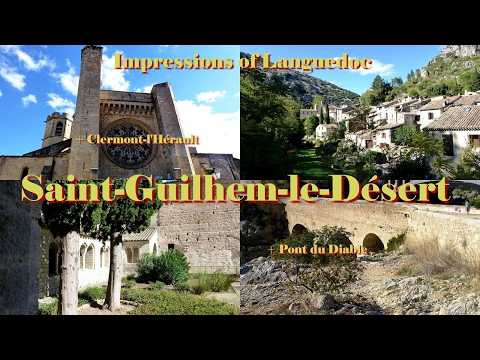
Impressions of the Languedoc: Lovely Places of Hérault
Pardon my German
You are currently viewing a placeholder content from Vimeo. To access the actual content, click the button below. Please note that doing so will share data with third-party providers.
More InformationYou are currently viewing a placeholder content from YouTube. To access the actual content, click the button below. Please note that doing so will share data with third-party providers.
More InformationYou need to load content from reCAPTCHA to submit the form. Please note that doing so will share data with third-party providers.
More InformationYou are currently viewing a placeholder content from GetYourGuide. To access the actual content, click the button below. Please note that doing so will share data with third-party providers.
More Information