
Pakistan: The Complete Travel Guide (2026)
Last reviewed: August 2026 · key facts checked against Wikidata
Pakistan Travel Guide: Everything You Need to Know (2026)
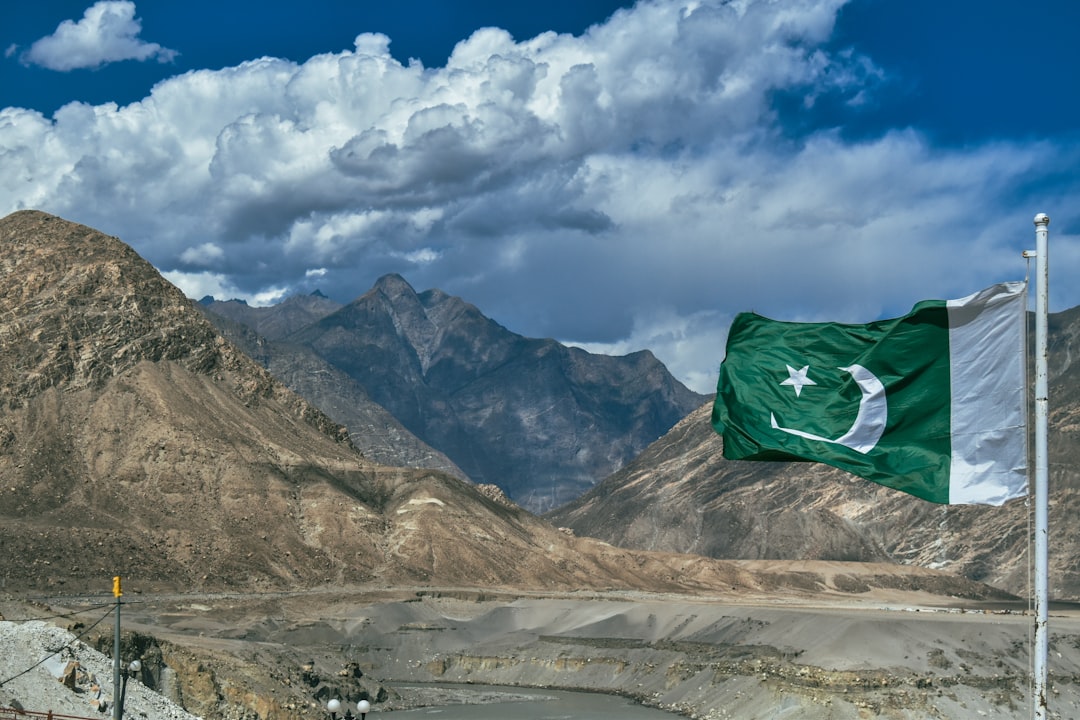
Pakistan, home to over 241.5 million people, is one of the most geographically dramatic countries on Earth — it contains five of the world’s 14 eight-thousanders, including K2 at 8,611 meters. Founded as an independent nation in 1947, it stretches from the Arabian Sea coastline near Karachi all the way to the glaciated peaks of Gilgit-Baltistan, covering 881,913 square kilometers. In my decade of travel experience, few countries reward the adventurous traveler as generously as Pakistan does.
Top 3 Highlights at a Glance
- Karakoram Highway & Hunza Valley — The world’s highest paved international road at 4,693m passes emerald lakes and ancient forts in Hunza.
- Lahore’s Walled City & Badshahi Mosque — The Badshahi Mosque, completed in 1673, is one of the largest mosques in the world and an unmissable Mughal masterpiece.
- Mohenjo-daro Archaeological Site — A 5,000-year-old Indus Valley civilization city, one of the world’s earliest urban settlements and a UNESCO World Heritage Site.
Scroll down for our complete travel guide with tips on getting there, where to stay, costs and more.
Getting There & Transport
Which airports are the best entry points into Pakistan?
Islamabad’s Islamabad International Airport (ISB) and Karachi’s Jinnah International Airport (KHI) are your two best entry points. In my experience, ISB is the superior gateway for northern adventures — it puts you 2 hours by road from Lahore and is the launch pad for Gilgit-Baltistan. KHI handles more international traffic and suits travelers focused on Sindh, Balochistan, or connecting south. Lahore’s Allama Iqbal Airport (LHE) is my tip for cultural-route travelers entering directly into Punjab. What most guides omit: KHI’s terminal gets genuinely chaotic during Eid travel windows, so build in at least 3 extra hours for check-in during those periods.
How do I get from the airport to my first accommodation in Pakistan?
Skip the unofficial taxi touts entirely — use Careem or inDrive apps, which are widely available at all three major airports. From Islamabad International Airport (ISB) to the Blue Area or F-7 hotel zones, a Careem ride costs roughly PKR 800–1,200 (around $3–4 USD) and takes 35–50 minutes depending on traffic. From KHI airport to Clifton or Defence, expect PKR 600–900 and 20–35 minutes. My tip: download and set up Careem before you land using a foreign card — it works. The honest caveat most guides skip: airport Wi-Fi is unreliable at ISB, so screenshot your booking address in Roman Urdu script beforehand to show drivers.
What transport options are there within Pakistan?
Pakistan offers four practical layers of transport. Daewoo Express and Faisal Movers buses connect major Punjab and KPK cities with comfortable air-conditioned coaches for as little as PKR 1,500–2,500 ($5–9 USD) one way. PIA domestic flights link Islamabad to Gilgit in 55 minutes — a route that otherwise takes 18 hours by road. Ride-hailing apps (Careem, Bykea, inDrive) dominate urban movement in Karachi, Lahore, and Islamabad. For the Karakoram Highway, shared Suzuki vans run between Chilas and Gilgit. My honest warning: Pakistan Railways is scenic but chronically delayed — I once sat 4 hours late on the Lahore–Karachi route, so never book a tight onward connection after a train journey.
Do I need a rental car in Pakistan?
For most of Pakistan, no — you do not need your own rental car. In my experience, hiring a driver with a vehicle for PKR 8,000–15,000 ($28–53 USD) per day is far smarter than self-driving. Road signage is inconsistent, traffic in Lahore and Karachi is aggressive, and mountain roads in Gilgit-Baltistan demand experienced local knowledge. However, if you are based in Islamabad and want flexibility around the Margalla Hills or Taxila, a self-drive rental from Pak Wheels rental partners near Jinnah Avenue costs roughly PKR 5,000–8,000 daily. The caveat nobody warns you about: international driving licenses are technically required but rarely checked — what matters more is your nerve on the Karakoram Highway’s blind corners.
How good is the public transport network between regions in Pakistan?
The inter-city public transport between Lahore, Islamabad, Peshawar, and Multan is genuinely good — Daewoo Express terminals are clean, punctual, and affordable at PKR 1,200–2,000 ($4–7 USD). The Lahore Metro and Islamabad-Rawalpindi Metro Bus handle urban transit competently. What collapses is connectivity beyond those corridors: reaching Skardu, Hunza, or Chitral requires either a domestic flight or a multi-day shared-van journey on mountain roads. In my experience, the NATCO (Northern Areas Transport Corporation) buses from Rawalpindi to Gilgit take 20 hours but cost only PKR 1,800. My honest trade-off: Pakistan’s inter-regional transport is a patchwork — excellent in the Punjab corridor, primitive everywhere north of Chilas.
Accommodation
Which regions should I stay in when visiting Pakistan?
Match your region to your goal. Lahore (Punjab) is mandatory for Mughal history — stay near Liberty Market or Gulberg for central access. Islamabad’s F-7 or F-6 sectors are your cleanest, safest base for the capital. Gilgit or Karimabad (Hunza) are the non-negotiable gateways to the mountains — I recommend basing in Karimabad for at least 3 nights to absorb Baltit Fort and the Eagle’s Nest viewpoint. Fairy Meadows requires a jeep transfer and a hike but rewards with the closest ground-level view of Nanga Parbat. The region most guides ignore: Chitral and the Kalash Valleys in KPK, where a unique pre-Islamic culture survives — budget 4 days minimum there.
What does good accommodation cost per night in Pakistan?
Good accommodation in Pakistan costs far less than you expect. In Lahore or Islamabad, a solid mid-range hotel — think Pearl Continental affiliates or Ramada — runs PKR 12,000–22,000 ($43–79 USD) per night including breakfast. In Hunza’s Karimabad, excellent guesthouses like Hunza Serena Inn or Hidden Paradise Hotel charge PKR 6,000–10,000 ($21–36 USD). Budget backpacker dorms in Gilgit drop to PKR 1,500–2,500 ($5–9 USD). My honest warning: the gap between a PKR 8,000 and a PKR 25,000 hotel in Karachi is enormous — cheap Karachi hotels near Saddar can be genuinely grim, so do not economize in that city specifically. Always verify hot water availability in northern guesthouses before booking.
When should I book hotels in Pakistan — how far in advance?
For Lahore and Islamabad year-round, booking 2–3 weeks ahead is sufficient except during major events. For Hunza, Skardu, and Fairy Meadows between June and August, book 2–3 months in advance — quality beds in Karimabad sell out completely by May for the peak summer window. The absolute pinch-point nobody warns about: Eid al-Fitr and Eid al-Adha trigger a domestic tourism surge that fills every decent northern guesthouse 6–8 weeks out. I recommend using Booking.com for larger hotels and direct WhatsApp contact for family guesthouses in the north — most Hunza guesthouses have WhatsApp numbers on Google Maps listings and will hold a room with a voice message.
When is the best time to travel to Pakistan?
Based on verified climate analysis, the best months are May, June, August, September, and October. My specific breakdown: April–June is ideal for the north — Hunza’s cherry blossoms peak in mid-April, and the Karakoram Highway is clear. September–October delivers stable skies, post-monsoon greenery in Swat and Kaghan, and cooler temperatures in the plains. December–February works beautifully for Lahore’s cultural circuit — daytime temperatures sit at a pleasant 18–22°C. What surprises most travelers: July and August are actually viable in the extreme north (above 2,500m) because the monsoon barely penetrates Gilgit-Baltistan, making those months a legitimate window for Karakoram trekking while the rest of Pakistan swelters.
How does peak season affect prices in Pakistan?
Peak season in Hunza and the northern areas (June–August) inflates guesthouse prices by 40–70% compared to shoulder season. A room at Karimabad’s Eagle’s Nest Hotel that costs PKR 7,000 in October can reach PKR 12,000 in July. Domestic flight prices on PIA’s Islamabad–Skardu route jump from roughly PKR 12,000 to PKR 25,000+ in summer due to limited capacity — that 20-seat ATR fills fast. In Lahore and Karachi, peak pricing aligns with November–February for business travel and wedding season. My honest caveat: Pakistan’s tourism infrastructure is still developing, so ‘peak season’ price surges are inconsistent — the same guesthouse owner may quote you a wildly different price than their neighbor charges for an identical room.
Best Time to Visit
Which regions in Pakistan have different climate zones?
Pakistan contains at least four distinct climate zones within its borders. Karachi and the Sindh coast run a hot semi-arid regime — temperatures hit 42°C in June with minimal rainfall. Punjab’s plains (Lahore, Multan) experience a monsoon-influenced continental climate with cold winters around 5°C and brutal summer peaks of 45°C. KPK and Swat Valley receive heavy monsoon rains July–August, making those roads hazardous. Gilgit-Baltistan and the Karakoram operate in a rain-shadow zone — Gilgit city averages under 150mm of annual rainfall, making it one of the driest mountain regions globally. What most guides miss: Quetta in Balochistan sits at 1,680m and actually receives snowfall December–February, feeling nothing like the scorching lowland Pakistan most visitors imagine.
What are the rainy seasons in Pakistan?
Pakistan’s primary monsoon hits the eastern and central regions from late June through September. Lahore receives 70–80% of its annual rainfall in July–August, turning streets into rivers during heavy spells. Karachi gets a secondary Arabian Sea monsoon in July, shorter but occasionally severe — the 2020 floods killed over 90 people in the city alone, so check forecasts carefully. The northern mountains (Gilgit-Baltistan) largely escape the monsoon but face glacial lake outburst floods (GLOFs) from July–August — roads near Attabad Lake can close for days. My honest warning most guides omit: traveling by road through KPK’s Kaghan Valley or Neelum Valley in late July carries real landslide risk — always ask locals about road conditions the morning you plan to travel, not just the night before.
What does a trip to Pakistan cost per person per day?
A realistic daily budget for Pakistan breaks into three tiers. Budget travelers staying in dorms, eating local dhabas, and using public buses can manage on $20–28 USD (PKR 5,500–7,700) per day. Mid-range travelers — comfortable guesthouses, private transport hire, occasional restaurant meals — should budget $55–85 USD (PKR 15,000–23,000) per day. Comfort travelers using hotels like the Avari or Serena group with private drivers will spend $130–200 USD daily. What surprises every traveler: the far north is not necessarily cheap once you factor in jeep hire to Fairy Meadows (PKR 8,000–12,000 round trip) and permit fees for restricted zones. My tip: carry a larger daily cash buffer in Gilgit-Baltistan specifically — ATMs there are scarce and often empty.
How expensive is food in Pakistan?
Food in Pakistan is extraordinarily affordable by any global standard. A full meal at a local dhaba (roadside eatery) — think biryani, daal, and naan — costs PKR 300–600 ($1–2 USD). A sit-down meal at a mid-range restaurant in Lahore’s MM Alam Road runs PKR 1,500–3,000 ($5–11 USD) per person. A coffee and pastry at a Espresso or Gloria Jean’s in Islamabad’s F-7 costs PKR 600–900. Fresh Hunza dried apricots and walnut bags at local markets cost PKR 200–400 per 250g. My honest caveat: international cuisine in Karachi’s Zamzama restaurant strip is priced at near-European rates — a pizza at a trendy spot can hit PKR 2,500–3,500. Stick to Pakistani food and you will eat like royalty for under $10 a day.
What hidden costs should I expect when traveling Pakistan?
Several costs blindside first-time visitors to Pakistan. Restricted area permits for places like the Khunjerab Pass border zone cost PKR 1,000–2,500 per person and require a registered guide in some sectors. Jeep hire on unmaintained mountain tracks — essential for Deosai Plains or Shimshal Valley — runs PKR 15,000–25,000 per day and is non-negotiable. Domestic flight reschedules are common on PIA northern routes, and rebooking fees catch travelers off guard. My honest warning most guides skip: photography permits are sometimes demanded at archaeological sites like Mohenjo-daro (PKR 500), and local fixers near tourist sites in Lahore’s Anarkali Bazaar can extract unofficial ‘guiding fees’ if you follow them even briefly. Always agree prices explicitly before accepting any service.
Budget & Costs
How much cash should I bring to Pakistan?
Carry more cash than you think you need, especially for the north. In Islamabad, Lahore, and Karachi, ATMs accepting foreign Visa/Mastercard are functional at HBL, UBL, and Meezan Bank branches — withdrawal limits sit at PKR 25,000–50,000 per transaction. Once you pass Chilas heading north on the KKH, ATMs become genuinely unreliable — I went 5 days without a working ATM in Hunza in 2023. My firm recommendation: carry at least $200–300 USD in cash converted to PKR before leaving Islamabad or Gilgit. USD is accepted at major Karimabad guesthouses as a fallback. The exchange rate at authorized money changers in Islamabad’s Blue Area consistently beats any hotel or airport rate by 5–8% — never exchange at the airport.
Which credit cards are accepted in Pakistan?
Visa and Mastercard are accepted at upscale hotels (Serena, Pearl Continental, Marriott properties), major supermarkets like Carrefour in Karachi and Islamabad, and airline ticket counters. However, card acceptance outside these contexts is patchy — I would estimate fewer than 20% of mid-range restaurants in Lahore take cards, and virtually no guesthouses in the north do. American Express is nearly useless outside five-star hotel lobbies. UnionPay has growing acceptance due to Chinese infrastructure projects but is still niche. My practical tip: treat Pakistan as a cash-first economy and view card payment as a bonus when it works, not a plan. The honest caveat: card skimming at standalone ATMs has been reported — use bank-branch ATMs during business hours rather than street machines at night.
Which regions of Pakistan must I not miss?
Four regions are non-negotiable. Lahore (Punjab) — the cultural heartbeat, with the Walled City, Lahore Fort, and Shalimar Gardens combining into a 2-day immersion. Hunza Valley (Gilgit-Baltistan) — the mountain scenery rivals anything in Nepal or Switzerland at a fraction of the cost; spend 3–4 nights in Karimabad. Swat Valley (KPK) — ‘the Switzerland of Pakistan’ is a cliché, but the green terraced hills above Malam Jabba are genuinely stunning. Sindh’s Mohenjo-daro — a 5,000-year-old city that most Western travelers have never heard of, flying in from Karachi to Mohenjo-daro Airport (MJD) takes just 50 minutes. The honest omission most itineraries make: Chitral and the Kalash Valleys in KPK offer a completely unique cultural experience unavailable anywhere else on Earth.
What are the tourist highlights of Pakistan?
Pakistan’s highlights span civilizations and altitudes. Badshahi Mosque in Lahore — built in 1673 and capable of holding 100,000 worshippers — is architecturally overwhelming. K2 Base Camp trek in the Karakoram takes 18–21 days round trip from Skardu but delivers the most dramatic mountain scenery on Earth. Lahore’s Food Street in Gawalmandi is a sensory explosion of Pakistani cuisine under Mughal-era facades. Rohtas Fort near Jhelum is a UNESCO World Heritage Site that sees fewer than 500 foreign visitors per year — walk its 4km walls almost alone. Attabad Lake — formed by a 2010 landslide and now an electric-blue turquoise gem at 2,600m altitude — is one of the most photogenic accidental landscapes I have ever seen.
What experiences in Pakistan are found nowhere else on Earth?
Three experiences exist only in Pakistan. First: polo at Shandur Pass — the world’s highest polo ground at 3,700m altitude, where the annual Shandur Polo Festival in July draws players from Chitral and Gilgit in a centuries-old rivalry. No other polo event happens at this altitude or in this cultural context. Second: staying with the Kalash people in Bumburet Valley — a pre-Islamic, polytheistic community of roughly 4,000 people maintaining colorful festivals and dress traditions that have no parallel in South Asia. Third: walking the Baltoro Glacier toward Concordia — the confluence point where four of the world’s tallest mountain faces converge in a single panorama, including K2 and Broad Peak. This view simply does not exist anywhere else on the planet.
Regions & Highlights
Which areas of Pakistan are overcrowded — and what are the quieter alternatives?
Naran and Kaghan Valley in August are severely overcrowded — traffic jams of 8–10 hours on the single-lane road are routine during Pakistani school holidays. My alternative: Ushu and Gabral valleys above Kalam in Swat offer identical pine-forested mountain scenery with 90% fewer visitors. Hunza’s Karimabad main bazaar gets congested July–August — escape to Gulmit or Passu villages, 45 minutes north, where the Passu Cones backdrop is more dramatic and accommodation costs 30% less. Lahore’s Badshahi Mosque courtyard on Fridays is genuinely packed — visit on a Tuesday morning and you may have it nearly to yourself. The honest reality: Pakistan’s ‘overcrowding’ is still modest by Southeast Asian standards — even busy sites feel manageable compared to Angkor Wat or Bali in peak season.
How many days do I need for Pakistan?
A meaningful Pakistan trip requires a minimum of 14 days; 21 days is the sweet spot. My recommended split: 3 days Lahore, 2 days Islamabad and Taxila, 7 days Gilgit-Baltistan (flying Islamabad–Gilgit, road through Hunza to Passu), 2 days Swat or Chitral, and 2 days Karachi plus Mohenjo-daro. Attempting Pakistan in under 10 days means you will spend most of your time in transit and see only Lahore and Islamabad — perfectly valid, but you will miss the defining landscapes. The honest caveat: PIA flight delays on the Gilgit and Skardu routes are notoriously frequent due to mountain weather — always build 1 buffer day at each end of any northern flight booking, or you will miss your international connection.
Do I need a visa for Pakistan?
Most nationalities need a visa for Pakistan, but the process has improved dramatically. Citizens of 50+ countries — including the USA, UK, EU member states, Australia, and Canada — can apply for an e-Visa online at the official Pakistan Online Visa System (POVS) portal, with processing taking 5–10 business days and fees around $35–75 USD depending on nationality. Citizens of China, Malaysia, Turkey, and several others receive visa-on-arrival. My honest warning: the e-Visa system has occasional technical outages — apply at least 3 weeks before departure and screenshot every confirmation page. Note that Azad Kashmir and some tribal border areas require separate travel permits beyond the standard visa, issued by the Ministry of Interior in Islamabad — factor in 3–5 additional business days for those.
What languages are spoken in Pakistan?
Urdu is the national language and understood almost everywhere, though it is the native tongue of only about 7% of the population. English is the official language of government, courts, and higher education — in Islamabad, Lahore, and Karachi, English-medium conversation with educated Pakistanis is smooth. Regional languages matter in travel: Punjabi dominates in Punjab, Pashto in KPK and parts of Balochistan, Sindhi in rural Sindh, and Shina and Burushaski in Gilgit-Baltistan. In my experience, English gets you through every hotel, restaurant, and tourist site in major cities with zero friction. The honest caveat: in remote Balochistan villages or deep KPK valleys, you will encounter zero English — a Urdu phrasebook and a local guide become essential, not optional.
What cultural rules do I need to know before visiting Pakistan?
Five rules matter most. Dress modestly across the country: for men, long trousers and covered shoulders are appreciated; for women, loose clothing covering arms, legs, and having a scarf available for mosques is mandatory — not optional. Remove shoes before entering any mosque or shrine, and check if non-Muslims are permitted inside before entering (most allow respectful visitors, Badshahi Mosque welcomes non-Muslims freely). Accept tea and hospitality offers: refusing chai when a local invites you is a genuine social slight. Ramadan schedules: eating, drinking, or smoking publicly during daylight hours in Ramadan is deeply disrespectful — use hotel dining rooms. My honest warning: public displays of affection between couples draw unwanted attention even in Islamabad — not illegal for tourists but genuinely uncomfortable. Pakistan is one of the most hospitable countries I have visited; matching that hospitality with cultural awareness makes every interaction warmer.
Practical Tips
How safe is Pakistan for travelers?
Pakistan is safer for tourists than its international reputation suggests, but nuance is essential. Lahore, Islamabad, Hunza, and Swat are genuinely low-risk for foreign travelers — I have walked Lahore’s Anarkali Bazaar alone at 10pm without incident. Karachi’s Defence and Clifton neighborhoods are safe; Lyari and Orangi are not. Balochistan’s Quetta city and the entire Pak-Afghan border belt carry real security risks and require registered guides plus security briefings — I do not recommend independent travel there. KPK’s Peshawar has improved significantly since 2018 but still warrants checking your government’s current travel advisory the week before departure. My tip: register with your embassy on arrival, use a local fixer/guide for any non-standard route, and check the FCDO or US State Department website for the most current district-level advisories — they are updated frequently and are more granular than general Pakistan travel guides.
What health precautions should I take before visiting Pakistan?
Start health preparations at least 6–8 weeks before departure. Recommended vaccinations include Typhoid, Hepatitis A, Hepatitis B, and Tetanus — all standard for South Asia. Rabies pre-exposure vaccination is worth considering if you plan extended time in rural areas, as stray dogs are common. Malaria prophylaxis is recommended for travel below 2,500m — consult your GP about Doxycycline or Malarone. Water safety is critical: drink only bottled or purified water — I use a Sawyer Squeeze filter in the north where plastic bottle waste is an ecological problem. Altitude sickness is a real risk above 3,000m in Gilgit-Baltistan — ascend slowly and carry Diamox (acetazolamide) if you are flying directly to Skardu at 2,228m. The honest warning most health advisories understate: heat stroke risk in Punjab and Sindh in May–June is severe — temperatures reach 48°C in Jacobabad and hydration discipline can literally save your life.
What SIM card or eSIM options are available in Pakistan?
Jazz (formerly Mobilink) and Telenor are the two networks I recommend for coverage depth. At Islamabad or Lahore airports, buy a Jazz SIM from the official Jazz desk — registration requires your passport, and activation takes 10–30 minutes. A 30-day data package with 15GB costs approximately PKR 600–900 ($2–3 USD) — astonishing value. eSIM options: Airalo and Nomad both offer Pakistan eSIMs pre-purchase from home, costing around $8–12 USD for 5GB — convenient but 3x pricier than local. The honest reality: 4G coverage disappears north of Chilas on the Karakoram Highway. Between Chilas and Gilgit, expect 2G at best and full dead zones. Telenor historically has marginally better northern coverage, but neither network is reliable above Gulmit in Hunza. Download offline maps.me or Google Maps for the entire northern route before you lose signal.
Which apps do you recommend for traveling Pakistan?
My essential Pakistan app stack: Careem — non-negotiable for urban transport in Karachi, Lahore, and Islamabad, far safer than hailing street taxis. maps.me with offline Pakistan maps downloaded before entering the north — OpenStreetMap data for Pakistan’s mountain tracks is surprisingly detailed. Jazz World or Telenor My App to manage your local SIM data balance. Pakistan Tourism Development Corporation (PTDC) website (not an app, but mobile-optimized) for permit requirements and registered guide listings. WhatsApp — every hotel, guesthouse, and local contact communicates via WhatsApp; it is Pakistan’s de facto business communication platform. The honest caveat: Google Maps offline for Pakistan is patchy in rural Balochistan and upper KPK — maps.me is more reliable there. Also install XE Currency for live PKR rates since the rupee has been historically volatile.
What are the most common traveler mistakes in Pakistan?
I have seen five mistakes repeat constantly. Underestimating distances: Islamabad to Hunza is 600km but takes 14–18 hours by road on the KKH — travelers who schedule it as a day trip arrive exhausted at midnight. Flying into Skardu without buffer days: the flight is weather-dependent and cancels 3–4 times per week in unsettled conditions — I was stranded in Rawalpindi for 2 extra days on one trip. Ignoring Ramadan timing: visiting major cities during Ramadan without understanding the shifted schedule means closed restaurants until 7pm and subdued sightseeing. Exchanging money at hotels: you lose 8–12% versus licensed money changers in Islamabad’s Aabpara Market. Skipping Lahore’s Old City in favor of just the fort: the Walled City’s inner lanes — Gali Surjan Singh, Mohalla Maulian — contain the real human texture of Mughal urban life and take only 2 hours to explore on foot with a local guide.
Pakistan at a Glance
| Population | 223,773,700 |
|---|---|
| Currency | Pakistani rupee (₨) |
| Official language | English, Urdu |
| Time zone | UTC+05:00 |
Source: Wikidata, retrieved August 2026.
Essential Resources for Planning Your Trip to Pakistan
- 10 Reasons to Visit Pakistan for Travelers — official visitor information, passes & events
- Wikipedia: Pakistan — history, geography & background
- Wikivoyage: Pakistan — community travel guide & practical tips
- Pakistan travel – Lonely Planet | Asia — expert itineraries & travel inspiration
- THE 15 BEST Things to Do in Pakistan (2026) — hotels, restaurants & traveller reviews
- UNESCO World Heritage Sites of Pakistan Tour | 12 Days — how to get around
- Numbeo: Cost of Living in Pakistan — current prices & cost comparison
- Timeanddate: Pakistan Weather & Climate — forecasts & climate statistics
More Perspectives on Pakistan
- 30 Pakistan Travel Tips You NEED to Know!
- Useful tips for traveling to Pakistan in 2026
- Pakistan Travel Advisory | Travel.State.gov
Pakistan Travel Videos
Watch these videos for a visual preview before your trip:
- Things you MUST KNOW before visiting PAKISTAN | Pakistan travel guide 2025
- Pakistan Travel Guide – 10 Things you should know
- Wonders of Pakistan | Climbing Towards the Sky | Most Amazing Places in Pakistan | 4K Travel Guide
Pakistan Travel Discussions on Reddit
Real traveller experiences and community advice:
- My Experience Traveling to Pakistan (April 2025)
- Is Pakistan a realistic destination for a first-time solo …
- Is it safe to travel to Pakistan right now? : r/Hunza
Data Sources
This page was compiled using data from Wikipedia, Wikidata, Open-Meteo (climate), Numbeo (cost of living) and REST Countries. Information is updated regularly.