
Celje: The Complete Travel Guide (2026)
Last reviewed: September 2026 · key facts checked against Wikidata
Celje Travel Guide: Everything You Need to Know (2026)
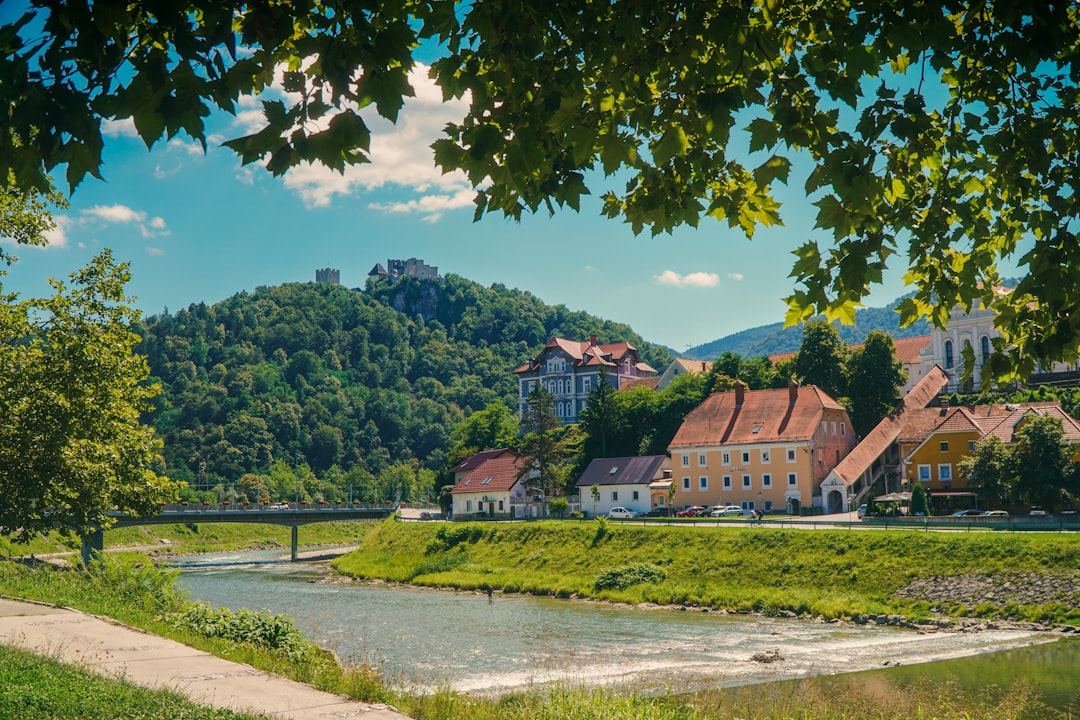
Celje is Slovenia’s third-largest city with a population of 37,122, sitting at 238 metres above sea level where four rivers — the Savinja, Hudinja, Ložnica, and Voglajna — converge beneath the dramatic ruins of Upper Celje Castle. Founded as the Roman settlement Celeia over 2,000 years ago, it punches well above its weight as a cultural and historical hub in the Styria region. Most travellers skip it entirely in favour of Ljubljana or Bled, which means you get a genuinely lived-in Slovenian city almost to yourself.
Three Things Not to Miss in Celje
- Upper Celje Castle — One of the largest and best-preserved medieval castles in Slovenia, perched 407 metres above the city with panoramic Savinja Valley views.
- Museum of Recent History Celje — Houses the original Celje Ceiling — a rare 16th-century Renaissance fresco cycle discovered beneath layers of plaster in 1926.
- Celje Regional Museum (Knežji dvor) — Slovenia’s oldest museum, founded in 1882, displaying Roman-era Celeia artefacts including the famous Noreia goddess relief.
Scroll down for our complete travel guide with tips on getting there, where to stay, costs and more.
Getting to Celje from the Airport
How do I get to Celje?
By train from Ljubljana, Celje is your fastest and easiest option. Direct trains run roughly every hour and take 1 hour 15 minutes, costing around €8–€12 one way from Ljubljana’s central station. From Vienna, direct or one-change trains reach Celje in approximately 3.5 hours. Buses also connect Celje to Ljubljana in under 90 minutes via the AP Ljubljana bus terminal. In my experience, the train wins every time — Celje’s railway station sits right in the city centre, so you step off and you’re already there. The honest caveat: evening trains thin out significantly after 21:00, so plan your return if you’re day-tripping.
Which airport is closest to Celje?
Ljubljana Jože Pučnik Airport (LJU) is your primary gateway, sitting roughly 80 km from Celje. From LJU, take the airport shuttle bus to Ljubljana’s main bus terminal (€4.10, 45 minutes), then catch a direct train to Celje (€8–€12, 75 minutes). The total door-to-door transfer takes about 2.5 hours. My tip: don’t count on a direct airport-to-Celje shuttle — none exists in 2026. Graz Airport (GRZ) in Austria is an underrated alternative at around 90 km, especially if you’re flying from northern Europe, with good bus connections via Maribor. Avoid booking Trieste Airport unless you enjoy complicated connections.
How long does the journey to Celje take from major hubs?
From Ljubljana city centre, the direct train covers the journey in 75 minutes flat — that’s the benchmark. From Maribor, Slovenia’s second city, it’s just 45 minutes by train, making Celje an easy stop on a Ljubljana–Maribor corridor trip. From Zagreb, Croatia, budget about 2.5 hours with one change in Ljubljana. From Vienna, the fastest route via Graz clocks in at 3 hours 20 minutes by rail. What surprised me is how central Celje sits on the main Slovenian rail line — there’s genuinely no need to rent a car if your base is Ljubljana, Maribor, or even Graz.
Do I need a car to explore Celje?
No — for the city itself, a car is a burden, not a help. Celje’s compact historic core is entirely walkable within 20 minutes end to end, and the railway station drops you at the edge of the old town. I recommend skipping the car unless you plan to explore the surrounding Savinja Valley villages like Laško (beer spa country, 10 km away) or the Logarska Valley (80 km). If you do hire, expect €35–€55 per day from local agencies near the station. The honest trade-off: parking in the centre is paid and genuinely confusing — the Gledališki trg parking zone fills fast on weekday mornings.
Moving Around Celje
What are the best areas to stay in Celje?
Stay in or immediately around the Stari trg (Old Town) area — it puts you within walking distance of Upper Celje Castle, the Roman ruins, and the best restaurants on Stanetova ulica. The area around Krekov trg is slightly quieter but still central, better suited if you want a slower pace. I’d avoid booking anything near the industrial outskirts off Dečkova cesta — it saves roughly €10 per night but adds a dull 25-minute walk each morning. For budget travellers, guesthouses in the Gaberje neighbourhood offer solid value at under €50 per night with easy bus access to the centre.
What does accommodation cost per night in Celje?
Celje is genuinely affordable by Slovenian standards. A solid mid-range hotel in the old town runs €65–€95 per night for a double room in 2026. The well-regarded Hotel Celeia sits in this bracket and includes breakfast. Budget guesthouses and private rooms on Booking.com start at €35–€50. There are no luxury five-star hotels in Celje — the ceiling is comfortably four-star. In my experience, the best value sits around €70–€80, where you get a central location, parking if needed, and breakfast included. The caveat: availability is limited — the city has fewer than 15 bookable hotels citywide, so options fill faster than you’d expect for a city this size.
How far in advance should I book accommodation in Celje during high season?
Book at least 6–8 weeks ahead for July and August, and 4 weeks ahead for the shoulder months of May, June, and September. Celje hosts the Celje Fair (Celjski sejem) — one of Slovenia’s largest trade exhibitions — which runs multiple events between April and October and blocks out the limited hotel stock almost entirely. I’ve seen the handful of central hotels sell out 3 months in advance around fair weekends. My tip: check the official Celjski sejem event calendar before you book any dates — if your trip overlaps, either book immediately or shift dates by a single weekend. Prices spike by 30–40% during fair events.
Are there special or unique accommodation types in Celje?
Celje itself keeps it conventional — hotels and private rooms dominate. But within 15 km, the options get genuinely interesting. The Laško spa region offers thermal wellness hotels where room rates of €90–€130 per night include unlimited pool access at complexes like Thermana Laško — outstanding value for couples. Agritourism farmstays dot the Savinja Valley from €45 per night, giving you fresh local produce at breakfast and silence at night. What surprised me is that nobody packages a castle-stay in Celje itself — Upper Celje Castle has no accommodation — but a farmstay in the hills above town comes remarkably close in atmosphere for a fraction of any boutique hotel price.
Choosing a Neighbourhood in Celje
What are the must-sees in Celje?
Three things I would never skip: Upper Celje Castle (entry €4–€6, the largest medieval castle complex in Slovenia), the Celje Regional Museum at Knežji dvor (entry €4, home to Roman Celeia artefacts and the Noreia relief), and the Museum of Recent History featuring the extraordinary 16th-century Celje Ceiling frescoes. Walk the Miklošičeva ulica pedestrian zone for Roman-era ruins embedded directly into the street — there’s a visible section of ancient Celeia walls right in the town centre. In my experience, most visitors rush the castle and skip the Roman ruins entirely, which is a genuine mistake — the Roman town was actually larger and more significant than most people realise.
What can I experience for free in Celje?
Celje rewards walkers who refuse to pay for everything. The Savinja riverside promenade from the city bridge toward Glazija is completely free and genuinely beautiful. The exterior of Upper Celje Castle and the hilltop views cost nothing if you hike up and don’t enter the inner halls. The Roman ruins on Dušanova ulica are visible from the street at zero cost. Celje’s weekly market at Krekov trg runs Saturday mornings from roughly 07:00 to 12:00 — free to browse and the best place to buy local Styrian honey and pumpkin seed oil for under €5. My tip: the riverside path continues for 8 km toward Laško and makes a perfect free half-day walk.
Which day trips from Celje are worth it?
Laško is my first recommendation — 10 km south, home to the Union/Laško brewery and Thermana spa, reachable in 12 minutes by local train for under €3. Žička kartuzija (Žiče Charterhouse), one of the oldest Carthusian monasteries in Central Europe, sits 25 km west and deserves 2 hours. Rogaška Slatina, Slovenia’s grandest spa town, is 25 km northeast — day-use thermal pools cost €15–€20. For nature, the Logarska Valley is a stunning glacial valley 80 km north, best reached by car in 75 minutes. The caveat: public transport to Logarska Valley is impractical — this day trip genuinely requires a rental car or organised tour.
What local specialities should I eat and drink in Celje?
Celje sits in Slovenian Styria, so the food leans hearty Central European with distinct local character. Order bujta repa (turnip and pork stew) at any traditional gostilna — Gostilna Cesar on Stanetova serves a proper version for around €10. Štajerska jota (bean and sauerkraut soup) is the region’s soul food. For something lighter, local Styrian pumpkin seed oil drizzled over salads transforms an ordinary dish — buy a bottle at the Saturday market for €6–€8. Drink Laško Zlatorog beer brewed just 10 km away — ordering anything else in a local bar gets you a raised eyebrow. Finish with potica (walnut roll) from any local bakery for under €2.
Top Sights in Celje
What makes Celje unique compared to other Slovenian cities?
Celje is the only Slovenian city where you can trace 2,000 years of continuous urban history in a single afternoon walk — Roman Celeia ruins sit literally beneath your feet on the pedestrian street, medieval Counts of Celje towers rise above, and Habsburg-era architecture lines the main square. The Counts of Celje were once among the most powerful noble dynasties in 15th-century Central Europe, controlling territory from the Adriatic to Hungary. That history is almost entirely absent from international travel writing. What surprised me most: Celje functions as a real Slovenian city — not a tourist stage set — so you eat where locals eat, pay local prices, and don’t fight tour groups for a restaurant table.
How many days in Celje are worthwhile?
2 full days is the sweet spot for Celje itself. Day 1: Upper Celje Castle, Celje Regional Museum, and the Roman ruins by afternoon, dinner on Stanetova. Day 2: Museum of Recent History in the morning, Savinja riverside walk, then a half-day trip to Laško. If you add the Logarska Valley or Rogaška Slatina, extend to 3 days. As a standalone destination, Celje rarely justifies more than 3 days unless you’re doing a deep Slovenian Styria itinerary. My recommendation for most travellers: build Celje as a 2-night stop on a Ljubljana–Maribor rail journey — it adds almost zero transport complexity and enormous historical depth that most Slovenia itineraries completely miss.
When is the best time to visit Celje?
September is the single best month — the climate data confirms it, and my experience agrees. Temperatures sit comfortably in the low-to-mid 20s Celsius, the crowds of July and August have evaporated, and the Savinja Valley turns golden. Late May and June are my second choice — long daylight hours and the castle grounds at their greenest. Avoid July and August if you dislike crowds and premium prices — the Celje Fair events cluster here and compress hotel availability. December and January have genuine charm if you enjoy Christmas markets at Glavni trg (the main square), but the castle is partly closed for winter maintenance. The honest caveat: Celje at 238m elevation can get sharp overnight frosts from November through March.
Are there local festivals in Celje worth attending?
The Celje Fair (Celjski sejem) is Slovenia’s largest multi-sector trade and consumer fair, drawing over 60,000 visitors across its spring and autumn editions — impressive for a city of 37,122. It’s worth experiencing for the spectacle alone, though hotels triple in price. The Medieval Days at Celje Castle (Grajski dnevi) typically run in July and transform Upper Celje Castle into a living history event with jousting, craft markets, and period costumes — entry around €8–€12. Celje’s Christmas Market at Glavni trg operates through December and is genuinely charming without the commercial scale of Ljubljana’s version. My tip: Medieval Days is the one event I’d specifically time a visit around — it elevates an already impressive castle into something theatrical.
Where to Eat in Celje
How does Celje’s weather affect activities?
Upper Celje Castle is the activity most affected by weather — the 45-minute uphill walk to the castle becomes unpleasant in heavy rain and the castle grounds close early in winter storms. Indoor alternatives are strong: the Regional Museum and Museum of Recent History are fully enclosed and genuinely substantial — budget 2–3 hours each, not the 45 minutes most visitors allocate. The Savinja riverside path is accessible year-round but becomes muddy after sustained autumn rain. Summer afternoons in Celje can reach 32°C — the castle visit is significantly more comfortable before 10:00 or after 17:00 in July. In my experience, the city’s four converging rivers make it slightly more humid than inland towns at similar elevations.
How crowded does Celje get in peak season?
Compared to Ljubljana or Bled, Celje stays remarkably uncrowded even in peak July and August. Upper Celje Castle sees its busiest days on summer weekends, when Slovenian domestic tourists arrive in force — queues at the castle ticket office can reach 20–30 minutes. The medieval town centre never approaches the shoulder-to-shoulder density of Ljubljana’s Prešernov trg. The honest trade-off: the low crowd level also means fewer services — some smaller restaurants close on Mondays year-round, and tourist infrastructure like multilingual signage is thinner than you’d expect. Celje Fair event weekends are the true peak — the city feels completely overwhelmed, hotels are full, and restaurant waits stretch to 45+ minutes. Check fair dates at celjski-sejem.si before finalising your trip.
How safe is Celje?
Celje is very safe — petty crime rates are low even by Slovenian standards, and violent crime is genuinely rare. I’ve walked the old town and riverside path after midnight without concern. The area around the train station on Kosovelova ulica is the one zone where I’d stay alert at night — standard precautions apply near any railway station in a mid-sized European city. Celje scores well on the Numbeo safety index for Slovenia. The caveat most guides omit: river flooding is a real seasonal risk — the Savinja and Voglajna have flooded the lower city historically, including significant floods in 2023. Check local forecasts if visiting after heavy autumn rainfall and avoid the lowest riverside areas during warnings.
Is English widely spoken in Celje?
English is functional in hotels, the castle ticket office, and tourist-facing restaurants — you will not struggle with the basics. However, Celje is emphatically a local city, not a tourist destination engineered for English speakers. At local gostilnas like Gostilna Cesar, the menu may exist only in Slovenian and German. In my experience, German is often more useful than English in Celje — the city’s Styrian heritage and proximity to Austria means older locals frequently switch to German rather than English when a conversation stalls. My tip: download the Google Translate app with the Slovenian offline pack before arrival — a handful of phrases (dober dan, hvala, prosim) goes a long way and visibly pleases local restaurant owners.
Before You Go to Celje
What is the daily budget for visiting Celje?
A realistic mid-range daily budget in Celje runs €70–€100 per person, including accommodation. Broken down: accommodation €35–€50 per person sharing a double, breakfast €5–€8 at a local café, lunch at a gostilna €10–€14, castle entry €5, afternoon coffee and cake €4–€6, and a sit-down dinner with wine €20–€28. Budget travellers staying in private rooms and eating at market stalls can survive on €45–€55 per day. Celje is measurably cheaper than Ljubljana — a restaurant main course averages €2–€4 less for equivalent quality. The hidden cost: transport for day trips adds €15–€40 per day if you’re hiring a car to reach the Logarska Valley or nearby spa towns.
What public transport is available within Celje?
Within the city, local buses (Avrigo) cover Celje’s neighbourhoods with fares around €1.20–€1.80 per journey — fully adequate for reaching the Gaberje residential area or the sports centre from the old town. In practice, the historic core is so compact that locals walk everywhere and buses serve the outer suburbs. For regional connections, Slovenian Railways (SŽ) trains depart Celje station frequently toward Ljubljana (hourly, €8–€12), Maribor (every 30–60 minutes, €4–€6), and Laško (€2–€3). The taxi and ride-hail scene is thin — Bolt operates in Celje but driver availability drops sharply after 22:00. My tip: the SŽ app handles train tickets cleanly and accepts international credit cards without a Slovenian account.
Which apps do you recommend for visiting Celje?
Five apps that genuinely earn space on your phone for a Celje trip: SŽ Vlaki for real-time Slovenian train schedules and tickets (essential, fully functional in English). Bolt for the rare moments you need a taxi in Celje — pre-register before arrival since local driver supply is limited. Google Maps works reliably for walking navigation and bus routes throughout the city. Google Translate with the Slovenian offline language pack downloaded — restaurant menus and local signage frequently appear only in Slovenian. Booking.com for last-minute room checks, though I strongly recommend booking central Celje hotels at least 4–6 weeks ahead. Avoid relying on Uber — it doesn’t operate in Slovenia as of 2026.
Celje at a Glance
| Population | 37,122 |
|---|---|
| Currency | EUR (€) |
| Official language | Slovene |
| Time zone | UTC+01:00 |
Source: Wikidata, retrieved September 2026.
Slovenia › Celje
Essential Resources for Planning Your Trip to Celje
- Find out about visiting Celje in #Slovenia on my # … — official visitor information, passes & events
- Wikipedia: Celje — history, geography & background
- Wikivoyage: Celje — community travel guide & practical tips
- Celje Castle | Slovenia | Attractions — expert itineraries & travel inspiration
- THE 15 BEST Things to Do in Celje (2026) — hotels, restaurants & traveller reviews
- Find out about visiting Celje in #Slovenia on my # … — how to get around
- Numbeo: Cost of Living in Celje — current prices & cost comparison
- Timeanddate: Celje Weather & Climate — forecasts & climate statistics
More Perspectives on Celje
- Find out about visiting Celje in #Slovenia on my # …
- Ultimate Quick Trip to Celje: Highlights for First-Time Visitors
- 2026 Celje Travel Guide: must-see attractions, popular food, …
Celje Travel Videos
Watch these videos for a visual preview before your trip:
- Walking Through Celje | Europe’s Most Underrated Secret | 4K
- Walking Tour: Celje, Slovenia – 4K UHD Virtual Travel
- Mysterious Secrets of Celje Slovenia
Celje Travel Discussions on Reddit
Real traveller experiences and community advice:
- Is 2 days enough for Celje? : r/Slovenia
- Tips for Celje/Kozjanski Park/Rogaska Slatina area?
- Why not Celje? : r/Slovenia
Data Sources
This page was compiled using data from Wikipedia, Wikidata, Open-Meteo (climate), Numbeo (cost of living) and REST Countries. Information is updated regularly.