
Ljubljana: The Complete Travel Guide (2026)
Last reviewed: September 2026 · key facts checked against Wikidata
Ljubljana Travel Guide: Everything You Need to Know (2026)
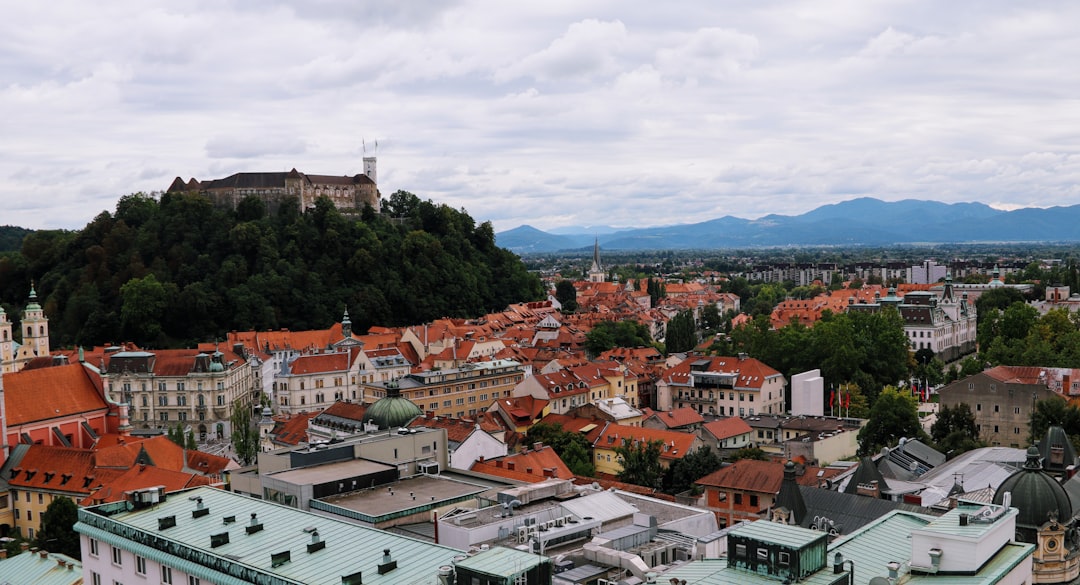
Ljubljana, Slovenia’s capital of 284,293 residents, sits at 309m above sea level in the Ljubljana Basin, squeezed between the Alps and the Pannonian Plain. Founded as the Roman settlement Emona around 14 AD, it controls the historic trade corridor between the Adriatic Sea and the Danube — a geography that shaped its remarkably compact, walkable old town. What surprised me most: this is one of Europe’s few capitals where you can genuinely cover the historic core on foot in a single afternoon, yet still find corners that feel entirely undiscovered.
Three Things Not to Miss in Ljubljana
- Ljubljana Castle — A medieval fortress perched 375m above the city offering panoramic Alpine views, reachable by funicular in 70 seconds.
- Triple Bridge (Tromostovje) — Jože Plečnik’s iconic 1931 three-bridge cluster is the beating heart of Ljubljana’s pedestrian old town.
- Central Market & Covered Arcade — Plečnik-designed riverside arcade hosting Slovenia’s freshest local produce daily, free to wander and utterly alive.
Scroll down for our complete travel guide with tips on getting there, where to stay, costs and more.
How to Reach Ljubljana
How do I get to Ljubljana — by plane, train, or bus?
Fly into Ljubljana Jože Pučnik Airport (LJU), 26km north of the city centre. In my experience, direct flights from major European hubs like London, Amsterdam, and Frankfurt make this the easiest entry point. Alternatively, trains from Vienna take around 6 hours and drop you centrally at Ljubljana Railway Station. Budget buses from Zagreb arrive in under 2.5 hours for roughly €10. The honest caveat: LJU is a small airport with limited long-haul connections, so travellers from outside Europe often route through Vienna or Frankfurt first, adding significant transfer time.
Which airport is closest to Ljubljana?
Ljubljana Jože Pučnik Airport (LJU) is the closest airport, sitting 26km north of Ljubljana’s city centre near the town of Brnik. In my experience, it handles all major European carriers including Adria’s successors and budget airlines like Wizz Air and Ryanair. The trade-off: LJU is a genuinely small regional airport with a single terminal, which means fast baggage claim and no endless corridors — but also very limited duty-free shopping and no premium lounges worth mentioning. My tip: always check Trieste Airport (TRS) in Italy, about 100km away, for occasional cheaper fares via budget carriers.
How long does the journey from the airport to Ljubljana city centre take?
The airport-to-centre journey takes 45 minutes by bus or 30 minutes by taxi. The Airport Shuttle (Markun) costs around €9 and runs regularly, dropping you at Ljubljana Bus Station in the city centre. A taxi or rideshare costs €25–€35 depending on traffic. What surprised me: there is no direct train between LJU airport and the city — a gap that frustrates many first-timers expecting a rail link. I recommend the shuttle bus for budget travellers and pre-booked private transfers for anyone arriving late at night, since bus frequency drops significantly after 9 PM.
Do I need a car in Ljubljana?
Absolutely not for the city itself — Ljubljana’s historic core is almost entirely pedestrianised, and the centre is walkable end-to-end in under 20 minutes. In my experience, a car becomes genuinely useful only if you plan day trips to Lake Bled (55km), the Soča Valley, or Postojna Cave (50km). Parking in the city centre costs €1.20–€2 per hour, and most historic-area streets are permit-only. My tip: if you want to explore rural Slovenia beyond the capital, rent a car for 2–3 days at the end of your Ljubljana stay rather than dragging it through the city unnecessarily.
Ljubljana Public Transport Explained
What are the best areas to stay in Ljubljana?
Stay in the Old Town (Staro Mesto) or along the Ljubljanica riverbank for the most atmospheric base — you’re within a 5-minute walk of every major sight. The Krakovo district, a quiet 10-minute walk from the centre, offers charming guesthouses at lower prices and feels genuinely residential. Avoid booking accommodation on the far side of Tivoli Park unless you specifically want distance from the bustle — it’s peaceful but adds a 25-minute walk to everything. In my experience, the best value-to-location balance is the riverbank strip between Triple Bridge and the Dragon Bridge, where mid-range hotels cluster.
What does accommodation cost per night in Ljubljana?
Expect to pay around €65/night for a clean economy hotel, while solid mid-range options with river views run €100–€140/night. Boutique hotels in the Old Town start at €120 and can reach €220 in peak summer. Hostels in Metelkova — Ljubljana’s alternative arts district — offer dormitory beds from €22/night. What surprised me: Airbnb prices in the centre have surged since 2023, making budget private apartments nearly on par with economy hotels. My tip: the neighbourhood around Šiška offers 3-star hotels at roughly 30% cheaper than Old Town equivalents, with easy tram access to the centre.
How far in advance should I book accommodation in Ljubljana during high season?
Book at least 6–8 weeks ahead for summer visits between June and September, especially for riverfront properties and boutique Old Town hotels. In my experience, Ljubljana fills up fast during the Ljubljana Festival (July–August) and the Ana Desetnica street theatre festival (early July) — both pull thousands of visitors into an already compact accommodation market. The caveat most guides skip: Ljubljana is also a popular conference destination, and a single EU summit or tech conference can wipe out every mid-range hotel in the city overnight. Always check the city’s event calendar before assuming shoulder-season availability is safe.
Are there special or unique accommodation types in Ljubljana?
Yes — Ljubljana has a handful of genuinely distinctive stays. Celica Hostel in Metelkova is a converted 1882 military prison with 20 artist-designed cells as rooms, costing around €35/night for a private cell — one of Europe’s most memorable hostels. Antiq Palace Hotel & Spa occupies a 16th-century palace in the Old Town, with rooms from €180/night. In my experience, the most underrated option is renting a self-catering apartment in the Trnovo neighbourhood — Plečnik’s own neighbourhood — for a local feel at €70–€90/night. Skip the generic chain hotels near the bus station; they offer nothing Ljubljana can’t do better elsewhere.
Neighbourhoods of Ljubljana
What are the must-see sights in Ljubljana?
Three non-negotiables: Ljubljana Castle on Castle Hill (funicular €6 return), the Triple Bridge plaza at the heart of the old town, and the National and University Library — Jože Plečnik’s 1941 masterpiece where you’re encouraged to run your hand along the black marble banister in complete darkness before entering the reading room. In my experience, the Dragon Bridge (Zmajski most) at dawn, when the city is empty, is one of the most quietly spectacular urban moments in Central Europe. What tourists typically miss: the Plečnik House museum in Trnovo, open Tuesday–Sunday, entry €6, gives an intimate portrait of the architect who redesigned the entire city.
What can I experience for free in Ljubljana?
Genuinely free highlights are abundant here. The entire pedestrian Old Town, the Ljubljanica riverside promenade, and Tivoli Park — Ljubljana’s 5km² green lung — cost nothing to explore. The Central Market arcade along the river is free to wander daily. In my experience, the best free experience is simply walking the Plečnik trail from the Triple Bridge through the market, past the Šentjakob Church, to the Trnovo footbridge — a self-guided architectural tour that takes 90 minutes and costs zero. The honest caveat: the castle viewpoint is free to access on foot via the castle path, but the funicular, exhibitions, and virtual history show all require paid tickets.
Which day trips from Ljubljana are most worthwhile?
Lake Bled is the obvious first choice — 55km northwest, driveable in 50 minutes or reachable by direct bus in 1.5 hours for €7 each way. My tip: go on a weekday in June or September; summer weekends are genuinely overwhelming. Postojna Cave, 50km southwest, is one of Europe’s largest cave systems with 24km of passages — entry costs €29 and the train ride inside alone is worth the trip. What surprised me: Škofja Loka, just 25km away and reachable by bus in 30 minutes for €3, is a perfectly preserved medieval town that 90% of Ljubljana visitors never bother with, making it a genuinely crowd-free alternative.
What local specialities should I try in Ljubljana?
Order kranjska klobasa (Carniolan sausage) at Gostilna pri Škofu in Krakovo — it’s served with mustard and horseradish for around €8 and is the single most honest expression of Slovenian food culture. Štruklji (rolled dumplings, either savoury or sweet) appear on almost every traditional menu and cost €6–€9. In my experience, the standout culinary experience is a wine bar tasting of Rebula or Teran — indigenous Slovenian grape varieties — at Vinoteka Movia near the market, where a 3-glass flight costs around €15. Avoid tourist-trap menus on the main Prešeren Square strip; prices inflate by 30–40% with no quality gain.
What to See in Ljubljana
What makes Ljubljana unique compared to other Central European capitals?
Ljubljana is the only Central European capital comprehensively reshaped by a single architect — Jože Plečnik transformed the city between the 1920s and 1950s with bridges, markets, lamp posts, and libraries that give it an unmistakable visual identity you won’t find in Prague, Vienna, or Budapest. It’s also among the smallest EU capitals at 284,293 residents, which means zero anonymous crowds in the historic core. In my experience, the combination of the pedestrianised riverbank café culture, the approachability of locals (nearly universal English fluency under 45), and the 30-minute access to Alpine scenery makes Ljubljana uniquely liveable for travellers — not just visitable.
How many days in Ljubljana are genuinely worthwhile?
2 full days covers the essential city thoroughly; 3 days is the sweet spot if you add one serious day trip. Day 1: Old Town, Castle, Central Market, Plečnik architecture trail. Day 2: Metelkova arts district, Tivoli Park, evening jazz along the river. Day 3: Lake Bled or Postojna Cave. In my experience, Ljubljana is one of the rare cities where staying 4+ days without a car actually backfires — you’ll exhaust the walkable centre by day 3 and need the surrounding countryside to sustain the experience. The honest caveat: first-time Slovenia visitors who limit themselves to Ljubljana alone miss the country’s greatest landscapes entirely.
When is the best time to visit Ljubljana?
June, July, August, and September are the peak travel months based on climate data, offering warmest temperatures and the city’s richest festival calendar. My personal preference is early June or September — the riverside café terraces are open, days are long, and the city hasn’t yet filled with the July–August coach-tour wave. What surprised me: December in Ljubljana is genuinely magical — the city consistently wins European Christmas market awards, temperatures hover around 0–5°C, and hotel prices drop 25–35% below summer peaks. Spring (April–May) brings frequent afternoon rain but also empty streets and competitive accommodation pricing around €55–€80/night.
What local festivals in Ljubljana are worth planning around?
The Ljubljana Festival (July–August) fills Congress Square and Ljubljana Castle with classical concerts, opera, and theatre — tickets range from €15 to €80. Ana Desetnica in early July is a free international street theatre festival that takes over the old town completely — no tickets, no barriers, genuinely unmissable. In my experience, the Dragon Carnival in February is wildly underrated by foreign visitors — Ljubljana’s own take on Mardi Gras with costume parades through the Old Town. The caveat: the Ljubljana Marathon in late October causes hotel prices to spike unexpectedly — book 8 weeks ahead if your dates overlap with it.
Ljubljana Food Scene
How does Ljubljana’s weather affect activities throughout the year?
Ljubljana’s position at 309m elevation in an Alpine basin means weather shifts fast. Summer afternoons (July–August) bring temperatures of 28–33°C with occasional thunderstorms that clear within an hour — outdoor activities are best planned for mornings. Winter temperatures drop to −2°C to 5°C, and the Ljubljana Marshes (Ljubljansko barje) south of the city create persistent fog that can smother the city for days. In my experience, the fog season (November–February) is the biggest underestimated weather hazard — it’s not cold enough for dramatic snow scenery but grey enough to genuinely dampen mood. Always carry a light layer even in August; evenings cool quickly at this altitude.
How crowded does Ljubljana get in peak season?
July and August bring the highest visitor pressure, but Ljubljana’s pedestrian core is genuinely small — roughly 800m by 400m — which means even moderate tourism volumes feel concentrated. The Triple Bridge, Dragon Bridge, and castle funicular queue visibly by 10 AM on summer weekends. In my experience, the city never reaches the suffocating density of Dubrovnik or Prague’s Charles Bridge — but the riverside restaurant terraces fill completely by 7 PM every summer evening and require reservations. My tip: visit the castle on weekday mornings (before 9:30 AM) and explore the market (open until 2 PM daily) while the coach tours are still at breakfast.
How safe is Ljubljana for travellers?
Ljubljana is one of the safest capitals in Europe — petty crime is low, violent crime against tourists is effectively negligible. In my experience, I’ve walked Metelkova at 2 AM without any concern, which is not something I’d say about equivalent arts districts in larger European cities. The honest caveat: bicycle theft is the most common crime affecting visitors — never leave a rental bike unlocked, even briefly. Tivoli Park at night is calm and well-lit. The city’s main risk for travellers is uneven cobblestones in the Old Town causing twisted ankles — wear proper footwear, not flip-flops, especially after rain when stones become slippery.
Is English widely spoken in Ljubljana?
Yes — English fluency in Ljubljana is exceptionally high by European standards. In my experience, virtually 100% of restaurant, hotel, and tourism staff under 50 speak confident English. University students (Ljubljana has a large student population) communicate fluently, and menu translations are near-universal in the city centre. The caveat: venture into suburban supermarkets or traditional gostilnas (local inns) outside the tourist zone and you’ll encounter older locals who speak only Slovene or German. My tip: learning hvala (thank you) and prosim (please) in Slovene takes 30 seconds and earns genuine warmth — Slovenians notice and appreciate the effort in a way that feels personal, not performative.
Local Know-How for Ljubljana
What does a daily budget cost in Ljubljana in 2026?
Budget travellers spending €45–€60/day can cover a hostel bed (from €22), self-catered meals from the market, and free sights like Tivoli Park and the riverside. Mid-range travellers should plan €120–€160/day covering a 3-star hotel (around €65–€100), a local lunch for ~€16 and a sit-down dinner for ~€30 for two at a gostilna. Comfortable travel with boutique accommodation and one paid attraction runs €200–€250/day. In my experience, Ljubljana undercuts Prague and Vienna by roughly 20–30% for equivalent quality — it’s the most affordable Central European capital that still feels genuinely cosmopolitan. Hidden cost to watch: guided tours to Lake Bled add €35–€55 per person on top of your daily spend.
How does public transport work in Ljubljana?
Ljubljana’s city bus network (operated by LPP) covers the wider urban area with a flat fare of €1.30 per ride using a rechargeable Urbana card, available at kiosks for a €2 deposit. The historic centre itself is fully pedestrianised, making buses largely unnecessary for sightseeing — you’ll use them mainly to reach Šiška, BTC shopping centre, or outlying accommodation. In my experience, the most useful service is Bus 27 connecting the train station, Old Town, and Trnovo. The caveat: after 10:30 PM, frequency drops sharply and night services are limited — budget for the occasional €8–€12 taxi via the Hopin or Bolt apps rather than walking long distances in the dark.
Which apps do you recommend for getting around Ljubljana?
My non-negotiable list: Bolt for affordable taxi rides (consistently cheaper than street taxis), Google Maps which has reliable Ljubljana bus routing, and the LPP app for real-time bus schedules and Urbana card top-ups. For day trips, Prevoz.org is the Slovenian rideshare platform — invaluable for cheap shared rides to Lake Bled or Maribor when buses aren’t convenient. In my experience, iOverlander and Visit Ljubljana (official tourism app) are useful for locating the Plečnik architectural highlights with offline maps. The caveat: Uber does not operate in Slovenia — stick with Bolt or local taxi apps like Taxi Ljubljana to avoid being overcharged at the airport rank.
Ljubljana at a Glance
| Population | 284,293 |
|---|---|
| Currency | EUR (€) |
| Official language | Slovene |
| Time zone | UTC+01:00 |
Source: Wikidata, retrieved September 2026.
Slovenia › Ljubljana
Essential Resources for Planning Your Trip to Ljubljana
- Ljubljana Card — official visitor information, passes & events
- Wikipedia: Ljubljana — history, geography & background
- Wikivoyage: Ljubljana — community travel guide & practical tips
- Ljubljana travel – Lonely Planet | Slovenia, Europe — expert itineraries & travel inspiration
- THE 15 BEST Things to Do in Ljubljana (2026) — hotels, restaurants & traveller reviews
- How to Plan a Trip to LJUBLJANA • SLOVENIA TRAVEL GUIDE — how to get around
- Numbeo: Cost of Living in Ljubljana — current prices & cost comparison
- Timeanddate: Ljubljana Weather & Climate — forecasts & climate statistics
More Perspectives on Ljubljana
- Your Ultimate Guide: What To Do In Ljubljana
- The Ultimate Ljubljana Travel Guide: Things to Do and See
- Is Ljubljana Worth Visiting? Europe’s Real ‘Hidden Gem’ 😉
Ljubljana Travel Videos
Watch these videos for a visual preview before your trip:
- 23 Tips I Wish I Knew Before Visiting Ljubljana, Slovenia
- Ljubljana Travel Guide – Slovenia
- Ljubljana, Slovenia: Happy Hodgepodge – Rick Steves Europe Travel Guide – Travel Bite
Ljubljana Travel Discussions on Reddit
Real traveller experiences and community advice:
- Ljubljana, May 2023. One of the most beautiful places I’ve …
- I liked the vibes of Ljubljana, Slovenia : r/travel
- 3 days in Ljubljana, Slovenia : r/travel
Data Sources
This page was compiled using data from Wikipedia, Wikidata, Open-Meteo (climate), Numbeo (cost of living) and REST Countries. Information is updated regularly.