
Chamonix: The Complete Travel Guide (2026)
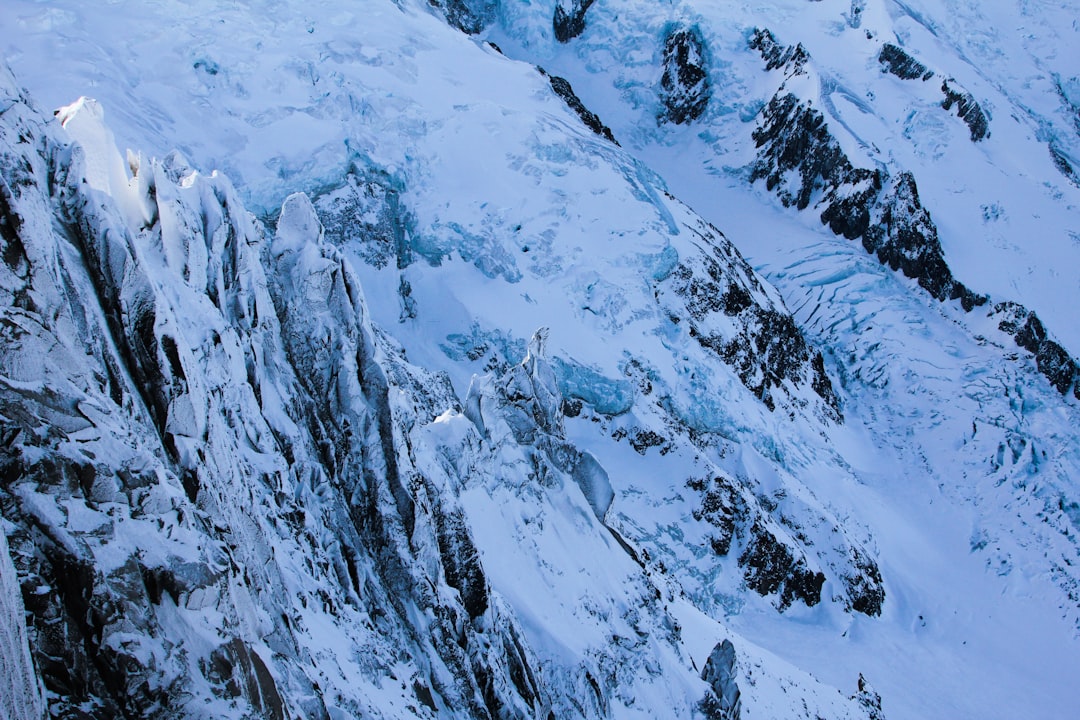
Last reviewed: September 2026 · key facts checked against Wikidata
Chamonix Travel Guide: Everything You Need to Know (2026)
Chamonix-Mont-Blanc sits at 1,030m elevation in the French Alps, home to just 8,897 permanent residents yet hosting millions of visitors annually as the self-proclaimed ‘capital of mountaineering.’ It hosted the very first Winter Olympics in 1924 and sits at the base of Mont Blanc, Western Europe’s highest peak at 4,808m. The town is one of France’s most internationally recognised mountain destinations, straddling the borders of France, Italy, and Switzerland.
Top 3 Highlights at a Glance
- Aiguille du Midi Cable Car — The world’s highest vertical ascent cable car lifts you to 3,842m in under 20 minutes for jaw-dropping Mont Blanc views.
- Mer de Glace Glacier — France’s largest glacier at 7km long, accessible by a historic 1908 rack-and-pinion railway from Montenvers station.
- Chamonix Town Centre & Rue du Docteur Paccard — The pedestrianised heart of Chamonix delivers Alpine atmosphere with a 1924 Olympic heritage museum steps from legendary boulangeries.
Scroll down for our complete travel guide with tips on getting there, where to stay, costs and more.
Arrival & Airport
How do I get to Chamonix?
Fly into Geneva Airport (GVA), then take a direct bus or shared transfer — it’s the single best option. FlixBus and Ouibus connect Geneva to Chamonix in roughly 1 hour 30 minutes for around €20–€35 one-way. Private transfers cost €60–€90 per person with companies like Chamonix Transfer or Mountain Drop-Offs. Train access via Saint-Gervais-Les-Bains is scenic but adds 45 minutes. My tip: book the Bus Mont-Blanc direct service — it departs from Geneva Airport’s arrivals hall every 2 hours in winter and summer. What surprised me: the road through the Mont Blanc Tunnel from Italy is a seriously underrated entry point if you’re combining a Dolomites trip.
Which airport is closest to Chamonix?
Geneva Airport (GVA) is the closest and most practical airport, sitting approximately 90km from Chamonix. It handles the bulk of Alpine ski traffic and has purpose-built transfer services directly to the valley. Lyon-Saint Exupéry (LYS) is a secondary option at roughly 220km away, taking about 2 hours 30 minutes by car — only worth it if you find a significantly cheaper flight. In my experience, Geneva is so well-connected that paying €50 more for a Geneva flight versus Lyon almost always saves time and stress. Caveat: Geneva is in Switzerland, so watch for Swiss franc pricing at the airport before you cross into France and spend euros.
How long does the journey to Chamonix take from Geneva?
By direct bus it’s 1 hour 30 minutes in clear conditions, but budget 2 hours in winter when border checks and road conditions slow things down. By car it’s the same timing — the A40 motorway runs directly to the valley. The Mont Blanc Express train from Saint-Gervais is gorgeous but takes closer to 2 hours 15 minutes door-to-door from Geneva Airport. My tip: if you’re arriving in ski season between December and March, book the earliest available transfer slot — afternoon buses fill up fast on Saturdays, which is the universal changeover day for chalets. What surprised me: the French border control at the Chamonix valley entrance can add 20–30 minutes during peak weekend arrivals.
Do I need a car in Chamonix?
No — Chamonix’s Mont Blanc Express bus system (Chamonix Bus) is free with most accommodation lift passes and covers the entire valley from Vallorcine to Les Houches every 15–20 minutes. I did not rent a car on my last three visits and never needed one. Parking in the town centre costs €2–€4 per hour, and in winter it’s a genuine nightmare — narrow streets freeze overnight. The honest trade-off: if you want to explore beyond the valley into the Aosta Valley (Italy) or Martigny (Switzerland) independently, a car earns its keep. Otherwise, skip the rental cost entirely and walk or bus everywhere.
City Transport
What are the best areas to stay in Chamonix?
Stay in Chamonix Centre if this is your first visit — you’ll walk to the Aiguille du Midi cable car, the Arve riverfront, and the best restaurants within 5 minutes. Argentière, 10km up the valley, suits serious off-piste skiers and hikers who want quieter, less expensive accommodation near the Grands Montets ski area. Les Houches, at the valley’s southern end, is ideal for families — lift queues are shorter and it has a gentler, village feel. My tip: avoid booking on the main Avenue Michel Croz strip if you value sleep — apres-ski bars run until 2am. What surprised me: Le Lavancher hamlet between Chamonix and Argentière offers stunning seclusion just 5km from the centre.
What does accommodation cost in Chamonix?
A solid mid-range hotel in Chamonix Centre costs €120–€200 per night for a double room in summer and €180–€320 per night in peak ski season (Christmas, February half-term, Easter). Budget hostels like Chamonix Lodge or Frat House run €35–€55 per dorm bed. Self-catered apartments — the most common option for ski holidays — average €90–€150 per person per night in a shared chalet. Luxury options like Hôtel Mont-Blanc exceed €500 per night in winter. The honest caveat: Chamonix is one of France’s most expensive mountain resorts — comparable in price to Verbier or Zermatt across the border, not a budget Alpine destination.
How far in advance should I book accommodation in Chamonix during high season?
For Christmas and New Year, book 9–12 months in advance — this is non-negotiable. Peak ski weeks like February half-term (especially the French school holiday coinciding with British half-term) sell out 6–8 months ahead. Summer hiking season in July and August requires 3–4 months lead time for good-value central apartments. In my experience, anything less than 2 months’ notice in high season means you’re choosing between overpriced last-minute chalets and accommodation in neighbouring Servoz (10km out) with a commute. The one exception: shoulder weeks in early December or late April sometimes appear on last-minute booking platforms at 30–40% discounts.
Are there special or unique accommodation types in Chamonix?
Yes — mountain refuges (refuges de montagne) are the most uniquely Alpine experience available. The Refuge du Couvercle at 2,687m and the Refuge de la Mer de Glace sit above the valley and cost €50–€80 per person including half-board. You hike up, sleep in bunks, and wake to glacial silence. For summer luxury, glamping tents at Camping Mont-Blanc combine forest setting with heated beds from €80 per night. Historic chalets converted into boutique hotels — like Hôtel Alpina built in 1908 — give genuine Belle Époque Alpine character. My honest warning: refuge bookings through the CAF (Club Alpin Français) website go live in spring and fill within days for the busiest summer weekends.
Accommodation & Neighbourhoods
What are the absolute must-sees in Chamonix?
Three experiences define a Chamonix visit. First: ride the Aiguille du Midi cable car to 3,842m — at €67 return in 2025, it’s expensive but genuinely unlike anything else in Europe. Second: take the Montenvers rack railway to the Mer de Glace glacier (€35 return) — the ice cave carved into the glacier is surreal and changes every year as the glacier retreats. Third: walk a section of the Tour du Mont Blanc trail — even just the Plan de l’Aiguille to Montenvers traverse (3 hours, no technical skills required) delivers world-class scenery for free. My tip: combine Aiguille du Midi and Montenvers into one full day with the Mont Blanc Multipass for savings.
What can I experience for free in Chamonix?
Genuinely free highlights in Chamonix are plentiful. The Arve River walk through town is beautiful year-round and costs nothing. The Chamonix Alpine Museum (Musée Alpin) charges only €7 and covers the 1924 Olympics history in detail. Walking the lower sections of the GR Tour du Mont Blanc from town toward Les Bossons glacier is free and takes you past the lowest hanging glacier in the Alps. The Tuesday and Saturday morning market on Place du Mont-Blanc is free to browse and excellent for local cheese. In my experience, watching paragliders launch from Planpraz at sunset — visible from any café terrace in town — is the best free show Chamonix offers.
What day trips are possible from Chamonix?
Courmayeur (Italy) via the Mont Blanc Tunnel is just 30 minutes away and feels like a completely different world — Italian coffee, pasta, and a quieter ski resort atmosphere. The cable car Skyway Monte Bianco on the Italian side offers a different perspective on the massif for €43 return. Geneva is 1 hour 30 minutes by bus and worth a half-day for the Jet d’Eau and lakeside. Annecy, arguably France’s most beautiful lakeside town, is 1 hour by car and pairs perfectly with a Chamonix stay. My tip: cross into Switzerland via the Col des Montets pass to Martigny — it’s 45 minutes by car and connects to the Swiss train network for onward journeys.
What are the local specialities to eat in Chamonix?
Chamonix is firmly in Savoyard cuisine territory — this means cheese, cheese, and more cheese. Fondue Savoyarde (€22–€28 per person) made with Beaufort and Comté is the defining dish. Tartiflette — potato, Reblochon cheese, lardons, and cream — is the après-ski staple and costs €16–€20 at most mountain brasseries. Raclette scraped tableside is another non-negotiable. For something lighter, Beaufort cheese from the Beaufort Valley nearby is among France’s finest — buy it at the Covée market stall on Saturdays. My honest warning: steer away from restaurants directly on Rue du Docteur Paccard — they serve decent but overpriced versions of these dishes to tourists; walk one block to Rue Whymper for better value.
Highlights & Must-Sees
What makes Chamonix unique compared to other Alpine towns?
Chamonix is the birthplace of modern alpinism — Mont Blanc was first summited in 1786 from this valley, and that obsession with vertical ambition still defines the town’s DNA. Unlike Courchevel or Méribel, which are purpose-built ski resorts, Chamonix is a genuine year-round town with a permanent community, a functioning high street, and a history stretching back centuries. The Aiguille du Midi delivers 4,000m-altitude access to non-climbers that no other Alpine village matches. In my experience, the mix of elite alpinists, trail runners competing in the UTMB (Ultra-Trail du Mont Blanc) in late August, ski legends, and first-time visitors creates an electric, unpretentious atmosphere that polished resorts like Megève simply can’t replicate.
How many days do I need in Chamonix?
4 full days is the minimum to see Chamonix properly without rushing. Day 1: Aiguille du Midi. Day 2: Montenvers and Mer de Glace plus town exploration. Day 3: a hiking day on the Grand Balcon Nord trail with views across the entire massif. Day 4: day trip to Courmayeur or a ski day (winter) or paragliding (summer). For skiers, 7 days covers the full Chamonix ski area including Grands Montets, Brévent-Flégère, and Les Houches without repeating runs. My honest caveat: bad weather in Chamonix is serious — cloud can shut the Aiguille du Midi cable car for 2–3 consecutive days, so always build in a buffer day. Don’t plan Chamonix as a 2-night stop; you’ll spend one of those in clouds.
When is the best time to visit Chamonix?
June through September offers the best overall conditions — trails open fully by mid-June, the Aiguille du Midi runs consistently, and the valley is lush and dramatic. July and August are peak summer with long days, warm temperatures around 22–25°C in the valley, and the UTMB trail running festival in late August. For skiing, late January through mid-March delivers the most reliable snow at altitude. My tip: September is my personal favourite month — crowds thin out after mid-August, trails are still open, prices drop 15–25%, and the light on the granite needles (aiguilles) is extraordinary. What surprised me: Chamonix in December before Christmas is beautiful and half-empty if you’re not skiing — a genuinely underrated visit.
Are there local festivals in Chamonix worth attending?
The UTMB (Ultra-Trail du Mont Blanc) in the last week of August is the world’s most prestigious trail running race — 10,000 runners circle the Mont Blanc massif across France, Italy, and Switzerland. Even if you’re not running, the finish line atmosphere on Place du Triangle de l’Amitié at 2am is electric and free to watch. The Fête des Guides in mid-August celebrates Chamonix’s mountaineering heritage with parades and mountain ceremonies. The Cham’ Film Fest (International Mountain Film Festival) runs in November when the resort is quiet — a genuinely local event. My tip: book accommodation 12 months ahead for UTMB week — it’s the single hardest week to find a room in the entire French Alps.
Food & Drink
How does weather in Chamonix affect outdoor activities?
Weather at 1,030m in the valley is often different to conditions at 3,842m on the Aiguille du Midi — the mountain creates its own microclimate. In summer, afternoon thunderstorms build rapidly after 2pm from mid-July onward, so start all hiking by 7am and aim to be below the treeline by early afternoon. The cable car to Aiguille du Midi closes in high winds, sometimes for 24–48 hours — I’ve seen it shut 3 days straight in July. In winter, heavy snowfall events of 50–100cm can trigger avalanche closures on off-piste terrain for 2–3 days. My recommendation: always check MeteoBlue’s Chamonix-specific mountain forecast (free app) the night before — it’s accurate to within 2 hours on storm timing.
How crowded does Chamonix get in peak season?
The Aiguille du Midi cable car queue in August can reach 2–3 hours without pre-booked tickets — I’ve seen the line stretch past the roundabout on busy summer Saturdays. The first tram of the day at 7:10am has the shortest queues regardless of season. February ski season is similarly intense, particularly the week when French school holidays coincide with British half-term — usually mid-February. The Montenvers rack railway is less crowded than the cable car but still queues 45–60 minutes at peak times. My honest advice: book all cable cars and mountain transport online at least 3 days ahead via the Compagnie du Mont Blanc website, which allows time-slot booking that bypasses the worst queues entirely.
How safe is Chamonix for tourists?
Chamonix town is very safe — petty crime is extremely rare in a community this size with 8,897 permanent residents. The genuine safety concern is mountain hazard, not crime. Every year, climbers and hikers die in the Mont Blanc massif — around 100 fatalities annually across the entire massif according to rescue service statistics. Trails beyond the marked lower routes require proper equipment and mountain experience. The PGHM (Peloton de Gendarmerie de Haute Montagne) mountain rescue operates 24/7 and is exceptional, but helicopter rescue costs can exceed €3,000 without adequate travel insurance. My non-negotiable tip: buy mountain-specific travel insurance that explicitly covers helicopter rescue before you arrive — standard travel insurance often excludes it.
Is English widely spoken in Chamonix?
Yes — English is effectively the second language of Chamonix, spoken fluently in virtually every hotel, restaurant, ski shop, and mountain guide office. The town has a permanent British expat community and attracts a heavily English-speaking international crowd. In my experience, you can navigate the entire town, book guided climbs, and negotiate gear rentals entirely in English without difficulty. The one area where French helps: at the Saturday market with local vendors and at the Office de Haute Montagne (OHM) where the mountain conditions briefings are posted primarily in French. Learning basic French courtesy phrases — ’Bonjour’, ‘Merci’, ‘s’il vous plaît’ — earns immediate goodwill from locals even if you switch to English immediately afterward.
Practical Tips
What is the daily budget for visiting Chamonix?
Budget €120–€150 per person per day for a mid-range Chamonix experience. That breaks down roughly as: accommodation €60–€80 (sharing a room), food €35–€45 (café breakfast, brasserie lunch, self-cooked dinner), and one paid activity €20–€40. A budget backpacker staying in a dorm and cooking every meal can manage €70–€85 per day. A comfortable traveller doing the Aiguille du Midi, eating out twice, and enjoying après-ski drinks will spend €180–€220 per day easily. The honest trade-off: alcohol is expensive — a €7–€9 beer at an après-ski bar is standard, and evenings in Chamonix add up fast. Self-catering groceries from Chamonix’s Spar or Super U supermarket cuts food costs significantly.
How does Chamonix’s public transport work within the valley?
The Chamonix Bus (Munizip) network covers the full valley from Les Houches to Vallorcine with regular services every 15–20 minutes during summer and ski season. The system is free with a valid ski lift pass or free with accommodation in Chamonix (hosts provide a guest card). Without either, individual tickets cost €2.50 or a day pass €8. Line 1 (Les Houches–Chamonix–Argentière) is the most useful. The Mont Blanc Express train — a narrow-gauge railway — covers the same valley route and connects to Martigny in Switzerland, running roughly every 30 minutes. My tip: the train is slower but more scenic, and the Argentière to Chamonix segment at dusk with Mont Blanc lit by alpenglow is genuinely one of the best train rides in Europe.
Which apps do you recommend for visiting Chamonix?
MeteoBlue is essential — it offers Chamonix-specific mountain altitude forecasts that are significantly more accurate than generic weather apps for planning cable car days. Compagnie du Mont Blanc (official app) handles all lift pass purchases, Aiguille du Midi time-slot bookings, and real-time cable car status — download it before arrival. Komoot or AllTrails covers the 300km+ of hiking trails in the Mont Blanc massif with offline maps. SNCF Connect is needed for Mont Blanc Express train tickets. For après-ski and restaurant bookings, TheFork (LaFourchette) lists most Chamonix restaurants with online booking. My honest warning: mobile signal is patchy above 2,500m — always download offline maps before heading onto the mountain, and don’t rely on real-time navigation above the treeline.
More Destinations in Europe
Explore our complete travel guides for more Europe destinations: Avignon Travel Guide (2026), Huelva Travel Guide (2026), Caen Travel Guide (2026), Mallorca Travel Guide (2026), A Coruña Travel Guide (2026).
Chamonix at a Glance
| Population | 8,705 |
|---|---|
| Currency | EUR (€) |
| Official language | French |
| Time zone | UTC+01:00 |
Source: Wikidata, retrieved September 2026.
Useful Resources for Planning Your Trip to Chamonix
- Wikipedia: Chamonix — history, geography and background
- Lonely Planet: Chamonix — itineraries and travel inspiration
- TripAdvisor: Chamonix — hotels, restaurants and traveller reviews
🎥 Chamonix Travel Videos
2025 NEW Top Travel Tips You Must Know Before Travelling …
Charlie Kodak
What To Do in Chamonix | Alpenwild
Alpenwild
Watch Before You Travel To Chamonix France!
BensbergFilms
You are currently viewing a placeholder content from Vimeo. To access the actual content, click the button below. Please note that doing so will share data with third-party providers.
More InformationYou are currently viewing a placeholder content from YouTube. To access the actual content, click the button below. Please note that doing so will share data with third-party providers.
More InformationYou need to load content from reCAPTCHA to submit the form. Please note that doing so will share data with third-party providers.
More InformationYou are currently viewing a placeholder content from GetYourGuide. To access the actual content, click the button below. Please note that doing so will share data with third-party providers.
More Information