
Metz: The Complete Travel Guide (2026)

Last reviewed: September 2026 · key facts checked against Wikidata
Metz Travel Guide: Everything You Need to Know (2026)
Metz is a 3,000-year-old city in northeast France, sitting at the confluence of the Moselle and Seille rivers at 179m elevation, with a population of 122,572. Located just 50km from Luxembourg City and within striking distance of Germany, it’s one of France’s most underrated destinations. Its Gothic cathedral — taller than Notre-Dame in Paris — alone justifies the trip.
Top 3 Highlights at a Glance
- Cathédrale Saint-Étienne — Its 6,500 square metres of stained glass, including Chagall windows, make it the ‘Lantern of God’.
- Centre Pompidou-Metz — This satellite of the Paris Pompidou opened in 2010 and holds rotating world-class modern art exhibitions.
- La Moselle Riverside Promenade — A 5km walkable loop past golden sandstone temples, islands, and Roman ruins unlike anywhere else in France.
Scroll down for our complete travel guide with tips on getting there, where to stay, costs and more.
Arrival & Airport
How do I get to Metz?
Metz is best reached by TGV from Paris in 1h20 from Gare de l’Est, costing €20–€75 depending on booking date. In my experience, booking via SNCF Connect at least 3 weeks ahead locks in the cheapest fares. From Luxembourg City, regional trains run in 45 minutes for around €10. Driving from Strasbourg takes 1h30 via the A4 motorway. What surprised me: Metz has its own small airport — Metz-Nancy-Lorraine (ETZ), 25km south — but flight options are severely limited, so the train is overwhelmingly the smarter choice for almost all visitors.
Which airport is closest to Metz?
Metz-Nancy-Lorraine Airport (ETZ) is the closest, 25km south of the city centre, but it serves only a handful of routes — primarily connecting to Paris-Orly and a few seasonal destinations. My tip: fly into Luxembourg Airport (LUX), just 60km away, which has far superior international connections including direct flights from the UK, Germany, and beyond. A taxi from LUX to Metz costs roughly €80–€100, or take a train from Luxembourg City for €10. The honest trade-off: LUX adds a transfer step, but ETZ’s limited schedule makes it unreliable for most international itineraries.
How long does the journey to Metz take from major hubs?
From Paris Gare de l’Est by TGV, you’re in Metz in 1h20 — one of the fastest intercity connections in France. From Strasbourg, the regional train takes 1h30. From Luxembourg City, it’s just 45 minutes by regional train. Driving from Frankfurt takes roughly 2h30 via the A31/A6 corridor. In my experience, arriving by train into Metz-Ville station is ideal — it deposits you within 10 minutes’ walk of the cathedral and old town. The caveat most guides omit: weekend and holiday TGVs sell out fast, especially in summer, so book at least 2–3 weeks ahead.
Do I need a car in Metz?
No — Metz’s compact old town means you absolutely do not need a car. Every major sight within the historic core — the cathedral, Centre Pompidou-Metz, the Temple Neuf, and the covered market — is reachable on foot within 20 minutes from the train station. The city’s METTIS BRT network (articulated bus rapid transit) covers wider neighbourhoods efficiently. My honest caveat: if you plan day trips to Verdun (75km west) or the Moselle wine valley, a rental car from Europcar on Rue de Coëtlosquet becomes genuinely useful. Budget €40–€60/day for a compact rental including insurance.
City Transport
What are the best areas to stay in Metz?
Stay in the Centre Historique around the cathedral — you’re within 5 minutes’ walk of the city’s best restaurants, the covered market, and the riverbanks. The Quartier Impérial, built under German annexation in the late 1800s, is a quieter alternative with grand Wilhelminian architecture and slightly lower hotel rates. I recommend avoiding the Gare area for leisure stays — it’s convenient but characterless. What surprised me: the Île du Saulcy area, ringed by the Moselle, feels like a hidden residential gem with peaceful riverside walks and is only 10 minutes on foot from the cathedral.
What does accommodation cost per night in Metz?
A solid mid-range hotel in the Centre Historique costs €80–€130/night for a double room. Budget options in the Quartier Impérial or near the station start around €55–€70. For something special, La Citadelle Metz MGallery charges €150–€220 and occupies a stunning 16th-century citadel building. Apartments on Airbnb average €65–€95/night for a one-bedroom. My tip: Metz is genuinely cheaper than Strasbourg for comparable quality. The honest trade-off: the luxury hotel stock is thin — if you want a truly high-end experience, options are limited and book up fast during the Christmas market season in December.
How far in advance should I book accommodation in Metz during high season?
For June and September — the best travel months — book at least 4–6 weeks ahead. During the Metz Christmas Market (late November through December), rooms fill up 2–3 months in advance and prices jump 30–50% above normal rates. In my experience, the Centre Historique hotels sell out first; if you miss those, Quartier Impérial properties offer comparable access for less. What most guides omit: Metz also hosts major European Parliament sessions since it’s the seat of the Grand Est regional parliament, meaning unexpected mid-week corporate demand can spike prices at short notice — always check dates before assuming availability.
What special accommodation types can I find in Metz?
La Citadelle Metz MGallery is the standout — a converted 16th-century military citadel with a spa, priced from €150/night. For character on a budget, look at chambres d’hôtes (B&Bs) in the Moselle villages within 20km of the city, where stone farmhouses offer doubles from €60/night with breakfast included. Several apartments in restored Quartier Impérial Wilhelminian buildings are available on Booking.com from €70/night. In my experience, these apartments are ideal for stays of 3+ nights. The honest trade-off: boutique hotel options in the city centre are fewer than you’d expect for a city of Metz’s architectural prestige.
Accommodation & Neighbourhoods
What are the must-sees in Metz?
Cathédrale Saint-Étienne is non-negotiable — its 6,500m² of stained glass, including panels by Marc Chagall, earn it the nickname ‘Lantern of God’. Centre Pompidou-Metz on Rue de la Citadelle is a world-class modern art venue that has drawn over 5 million visitors since opening in 2010. The Temple Neuf on an island in the Moselle is one of the most photogenic Protestant churches in France. Don’t skip the Cour d’Or Museum, which houses Gallo-Roman mosaics from excavations directly beneath the city. My tip: combine all four in a single full day — they’re all within 15 minutes’ walk of each other.
What can I experience for free in Metz?
Metz punches far above its weight for free experiences. The Esplanade gardens above the Moselle offer sweeping views at zero cost. Entering Cathédrale Saint-Étienne is free (paid audio guide optional at €5). The Quartier Impérial is an open-air architectural museum — a self-guided walk through Wilhelminian Germany-era buildings costs nothing. The Moselle riverside promenade past the Île Chambière is a superb free afternoon. In my experience, the free Thursday evening openings at Centre Pompidou-Metz (select dates) are genuinely excellent value. The caveat: the Cour d’Or Museum charges €7 entry — skip it only if ancient Roman history truly bores you.
Which day trips are possible from Metz?
Verdun (75km west, 1h by car) is the most historically significant day trip — the WWI battlefield and ossuary are deeply moving and unlike anything else in the region. Luxembourg City is 60km north, reachable by train in 45 minutes for €10, and worth it for the Bock Casemates alone. Nancy is just 55km south (30 minutes by TGV, from €10) and offers the stunning Place Stanislas, a UNESCO World Heritage site. In my experience, the Moselle wine road through villages like Ancy-sur-Moselle is best done by rental car. The honest trade-off: Verdun requires a full day — don’t try to combine it with anything else.
What local specialities should I try in Metz?
Metz sits in Lorraine, so quiche Lorraine here is the real thing — proper lardons, real cream, no cheese. Mirabelle plum dishes appear everywhere from August: tarts, jams, eau-de-vie, and even mirabelle beer. Potée Lorraine (smoked pork and vegetable stew) is the winter comfort food of the region. In my experience, the best places to try these are the covered market (Les Halles de Metz) on Place de la Cathédrale and the brasseries around Place Saint-Louis. Don’t leave without trying a madeleines de Commercy — the original version, from a patisserie, not a supermarket packet. Budget €3–€5 for pastries, €14–€20 for a full Lorraine lunch.
Highlights & Must-Sees
What makes Metz unique compared to other French cities?
Metz has been German, French, and in-between more than almost any other French city — annexed by the German Empire from 1871 to 1918, which left an entire district of Wilhelminian architecture unlike anything in France. Its cathedral has the largest stained-glass surface of any Gothic cathedral in the world — a fact most visitors don’t know until they’re standing inside it. The city sits at the junction of France, Germany, and Luxembourg, giving it a genuinely trilingual, cross-border energy. What surprised me most: Metz has almost no tourist crowds relative to its cultural density, meaning you can stand alone in front of a Marc Chagall window in the cathedral even in July.
How many days are worthwhile in Metz?
2 full days covers the essential Metz thoroughly. Day 1: cathedral, Centre Pompidou-Metz, riverfront walk, dinner near Place Saint-Louis. Day 2: Cour d’Or Museum, Quartier Impérial, market at Les Halles, evening at a Moselle-side bar. A 3rd day opens up a day trip to Nancy or Verdun. In my experience, Metz rewards slow walkers — the city reveals details (Roman archways embedded in medieval walls, Chagall windows in unexpected chapels) that rush visits completely miss. The honest caveat: trying to add both Verdun and Luxembourg as day trips in a 2-day stay is a mistake — each deserves 4–5 hours minimum on-site.
When is the best time to visit Metz?
June and September are the best months based on climate data — comfortable temperatures, longer daylight, and lower crowds than July–August. June sees the city’s parks and riverside at their most vibrant before the summer rush. September brings the grape harvest in the Moselle wine valley and festival season. In my experience, December is also remarkable for the Christmas market on Place Saint-Louis — one of the oldest and least-commercialised in France — but accommodation prices jump sharply. Avoid mid-July to mid-August if you dislike crowds; the cathedral and Pompidou-Metz are noticeably busier and hotel rates rise 20–35% above shoulder-season prices.
Are there local festivals in Metz worth attending?
Festival de la Mirabelle in late August is the signature local event — a week celebrating the golden plum with parades, tastings, and a mirabelle queen coronation that’s gloriously French and genuinely festive. The Constellations festival transforms Metz into a city-wide light installation every June–September, using the architecture as canvas; admission is free and it runs nightly. The Christmas market on Place Saint-Louis (late November–December) is one of France’s most atmospheric, dating back centuries. In my experience, booking accommodation 8–10 weeks ahead for the Constellations period is essential — it draws visitors from Luxembourg and Germany as well as across France.
Food & Drink
How does the weather affect activities in Metz?
Metz has a continental climate — summers reach 25–28°C, winters can drop below 0°C with occasional snow. The riverside promenade and outdoor dining at Place de la Comédie are genuinely pleasant June–September. Rain is spread fairly evenly across the year, so pack a layer regardless of season. What surprised me: winter Metz is underrated — the golden sandstone cathedral glows in low winter light, and the Christmas market crowds are far thinner on weekday mornings than weekend evenings. The honest trade-off: cycling the Moselle valley is only enjoyable May–October; outside those months, wind and cold make it genuinely unpleasant.
How crowded does Metz get in peak season?
Compared to Strasbourg or Colmar, Metz barely registers as crowded. Even in July and August, the cathedral rarely has queues longer than 5–10 minutes. Centre Pompidou-Metz is the exception — major exhibitions can draw 45-minute waits on weekends; I recommend arriving at opening time (11:00) and booking tickets online at €12 to skip the line. The Christmas market period (late November–December) is the single most congested time, especially weekends. In my experience, the city’s relatively low international tourism profile — surprising given its 3,000-year history — means you can explore Place Saint-Louis at a genuine local pace even in peak summer.
How safe is Metz?
Metz is safe for tourists by all standard measures. The Centre Historique, Quartier Impérial, and riverfront areas are all low-risk day and night. In my experience, the only area requiring moderate awareness is the immediate surroundings of Gare de Metz late at night — standard urban caution applies. Pickpocketing is rare but not unknown at the Christmas market. The city has a visible police presence around the cathedral and major squares. What most guides omit: Metz has some socially deprived outer suburbs — Borny and Bellecroix — that tourists have zero reason to visit; stick to the central districts and you’ll encounter no issues whatsoever.
Is English widely spoken in Metz?
English is spoken adequately at hotels, Centre Pompidou-Metz, the cathedral, and tourist-facing restaurants, but Metz is not an anglophone-friendly city in the way Paris or Bordeaux are. In my experience, staff at Les Halles market and local brasseries often speak minimal English — a few words of French go a long way and are warmly received. What surprised me: German is often a more useful second language here than English, given the city’s location and cross-border workforce from Germany and Luxembourg. Download Google Translate with French offline before you arrive — you’ll use it at menus and signage more than you’d expect for a major French regional capital.
Practical Tips
What is the daily budget for travelling in Metz?
A realistic mid-range daily budget in Metz is €90–€130 per person, covering accommodation share (€50–€65), lunch at a local brasserie (€15–€20), one museum entry (€7–€12), dinner with wine (€25–€35), and transport (€2–€5). Budget travellers staying in hostels (from €25/night at HI Metz) and eating at the market can manage €55–€70/day. In my experience, Metz is noticeably cheaper than Strasbourg for food and accommodation at equivalent quality. The honest caveat: if you add a rental car for Verdun or the wine valley, budget an additional €50–€60 for that day — it shifts costs significantly.
How does public transport work in Metz?
Metz runs the METTIS system — two BRT (Bus Rapid Transit) lines, A and B, that function like trams with dedicated lanes and run every 4–6 minutes during peak hours. A single ticket costs €1.40; a day pass is €3.50. The historic centre is compact enough that most visitors walk everywhere within the core. In my experience, the METTIS is primarily useful for reaching Centre Pompidou-Metz from the station (3 stops on line B) or exploring outer neighbourhoods. Regional trains connect Metz to Nancy in 30 minutes and Luxembourg in 45 minutes. My tip: validate your ticket every time — inspectors are active and fines start at €50.
Which apps do you recommend for visiting Metz?
SNCF Connect is essential for booking trains to and from Metz — always book at least 3 weeks ahead for best fares. LE MET’ is the official Metz transport app for METTIS real-time schedules and ticket info. Google Maps works reliably for walking navigation throughout the city. PompidouMobile is the Centre Pompidou-Metz’s own app with exhibition guides and audio content. For restaurant bookings, TheFork (LaFourchette) has the widest local coverage. In my experience, Navigo or Tricount apps are useful if you’re crossing into Luxembourg or Germany for day trips and tracking multi-currency spending. Download Google Translate offline in French before arriving.
More Destinations in Europe
Explore our complete travel guides for more Europe destinations: Chania Travel Guide (2026), Île Molène Travel Guide (2026), Nîmes Travel Guide (2026), Île de Batz Travel Guide (2026), Île de Frioul Travel Guide (2026).
Metz at a Glance
| Population | 122,572 |
|---|---|
| Currency | EUR (€) |
| Official language | French |
| Time zone | UTC+01:00 |
Source: Wikidata, retrieved September 2026.
Useful Resources for Planning Your Trip to Metz
- Wikipedia: Metz — history, geography and background
- Lonely Planet: Metz — itineraries and travel inspiration
- TripAdvisor: Metz — hotels, restaurants and traveller reviews
🎥 Metz Travel Videos
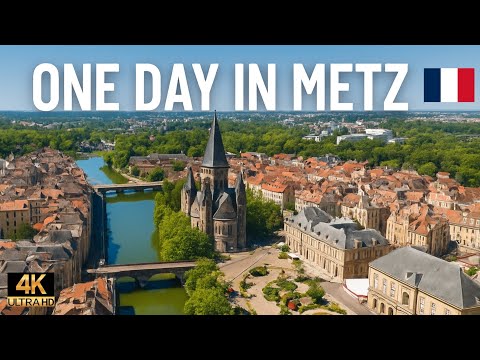
One Day In Metz FRANCE | Top Things to Do & See in Metz …
AMAZINGCITIES2023

One day in Metz, France | Best Things to Do & See (4K travel …
Travel2Places
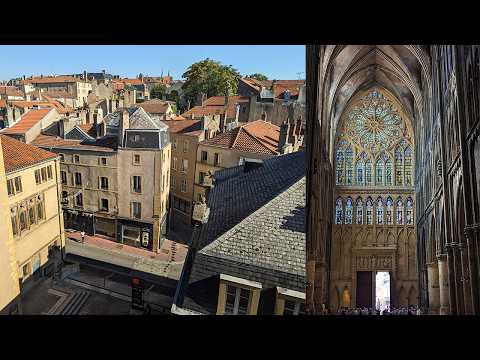
I Spent 24 Hours in Metz France and Discovered the …
Veronica Winters Artist
You are currently viewing a placeholder content from Vimeo. To access the actual content, click the button below. Please note that doing so will share data with third-party providers.
More InformationYou are currently viewing a placeholder content from YouTube. To access the actual content, click the button below. Please note that doing so will share data with third-party providers.
More InformationYou need to load content from reCAPTCHA to submit the form. Please note that doing so will share data with third-party providers.
More InformationYou are currently viewing a placeholder content from GetYourGuide. To access the actual content, click the button below. Please note that doing so will share data with third-party providers.
More Information