
Villeurbanne: The Complete Travel Guide (2026)
Last reviewed: September 2026 · key facts checked against Wikidata
Villeurbanne Travel Guide: Everything You Need to Know (2026)
Villeurbanne is a city of 163,684 residents directly bordering Lyon, sitting at 181 metres above sea level in the Auvergne-Rhône-Alpes region — making it the third-largest city in the region yet consistently overlooked by international visitors. Founded as an independent commune, it shares a metro network with Lyon but maintains a distinct identity anchored by the iconic Gratte-Ciel district, built in the 1930s as one of France’s first large-scale social housing projects. In 2026, it offers a genuine alternative to Lyon’s tourist-heavy centre with lower prices, authentic neighbourhood life, and direct access to everything Lyon offers.
Top 3 Highlights at a Glance
- Gratte-Ciel District — France’s pioneering 1930s Art Deco social housing district, with two 60-metre towers dominating a grand boulevard — unlike anything else in the region.
- TNP — Théâtre National Populaire — One of France’s most respected national theatres, staging world-class productions in a landmark 1930s modernist building year-round.
- Parc de la Feyssine — A 110-hectare ecological reserve along the Rhône, with cycling trails and birdwatching just 15 minutes from the city centre — completely crowd-free.
Scroll down for our complete travel guide with tips on getting there, where to stay, costs and more.
Arrival & Airport
How do I get to Villeurbanne?
Fly into Lyon-Saint-Exupéry Airport (LYS) and take the Rhônexpress tram directly to Part-Dieu station in under 30 minutes, then switch to metro Line A eastbound to reach Villeurbanne’s Gratte-Ciel in 8 minutes more. In my experience, this is seamless and costs around €16.90 for the Rhônexpress plus a €1.90 metro ticket. By train from Paris, TGV arrives at Part-Dieu in under 2 hours. What most guides omit: Villeurbanne has no intercity train station of its own, so all rail arrivals funnel through Lyon first — budget an extra 15–20 minutes for the final metro leg.
Which airport is closest to Villeurbanne?
Lyon-Saint-Exupéry (LYS) is the only practical option, located approximately 27 km east of Villeurbanne. In my experience, the Rhônexpress tram is by far the most reliable connection — it runs every 15 minutes from 6:00 to 23:00 and costs €16.90 one way. Taxis from LYS run €50–70 depending on traffic, and traffic on the A43 motorway during morning rush hour can double journey time to 60+ minutes. My tip: avoid ride-hailing apps at the airport arrivals level — the designated taxi rank at Terminal 1 is faster and legally metered.
How long does the journey to Villeurbanne take from Lyon centre?
From Lyon Part-Dieu, Villeurbanne’s Gratte-Ciel neighbourhood is 8 minutes by metro Line A (direction Vaulx-en-Velin La Soie). From Bellecour in central Lyon, add another 5 minutes. In my experience, the journey is so short that Villeurbanne functions essentially as an urban extension of Lyon rather than a separate destination requiring real travel planning. What surprised me: the metro runs until midnight on weekdays and 1:00 AM on weekends, so evening dining or theatre in Villeurbanne never creates a stranded-traveller problem. A single ticket costs €1.90 and is valid for 1 hour across all connections.
Do I need a car in Villeurbanne?
Absolutely not — skip the rental car entirely. Villeurbanne is fully covered by Lyon’s TCL network: metro Line A bisects it east-west, tram T3 runs north, and 20+ bus lines fill the gaps. In my experience, the only reason to hire a car is for day trips to the Beaujolais vineyards or Dombes wetlands, both over 40 km away with poor public transport links. Parking in Villeurbanne near the Gratte-Ciel costs €2–3/hour, and street parking is aggressively enforced Mon–Sat. My tip: a TCL day pass costs €6.10 and makes a car completely redundant within the metropolitan area.
City Transport
What are the best areas to stay in Villeurbanne?
Gratte-Ciel is the obvious first choice — it’s the architectural heart of the city, walkable, well-served by metro Line A at Gratte-Ciel station, and surrounded by cafés and independent restaurants on Cours Émile Zola. For a quieter, more residential feel, Cusset neighbourhood offers lower prices and a genuinely local atmosphere with tram T3 access. What most guides omit: staying near Charpennes station (the Lyon–Villeurbanne border) gives you the best of both cities — 3 minutes to Lyon’s Parc de la Tête d’Or and direct metro access west into Lyon centre. I recommend avoiding the eastern Bron-adjacent fringe — it’s poorly connected and adds unnecessary commute time.
What does accommodation cost per night in Villeurbanne?
Budget €70–95/night for a clean 3-star hotel or well-rated apartment in the Gratte-Ciel area. A solid mid-range option lands at €100–140/night with breakfast included. What surprised me: Villeurbanne is consistently 20–30% cheaper than equivalent accommodation inside Lyon’s prestige districts like Vieux-Lyon or Croix-Rousse, despite being just 8 minutes away by metro. Airbnb apartments in Cours Émile Zola run €65–90/night for a one-bedroom. The honest caveat: some budget hotels near Charpennes are dated and poorly soundproofed — read recent reviews specifically mentioning noise levels before booking.
How far in advance should I book accommodation in Villeurbanne during high season?
Book 6–8 weeks ahead for July and August, which are the best travel months based on climate data. When major Lyon events overlap — particularly Nuits de Fourvière (June–August) and Les Fêtes des Lumières (December) — Villeurbanne hotels fill up as overflow from Lyon within 48 hours of availability appearing. In my experience, the Gratte-Ciel area sells out faster than it appears on booking engines because many properties are small independent hotels with limited online inventory. My tip: set a price alert on Booking.com for the Charpennes–Gratte-Ciel corridor 3 months out and lock in at first availability — prices jump 35–40% in the final 2 weeks.
Are there special accommodation types worth considering in Villeurbanne?
The Gratte-Ciel district’s 1930s Art Deco apartment buildings occasionally appear as short-term rentals, and staying in one is a genuine architectural experience — high ceilings, original tiling, and the iconic boulevard view — for roughly €80–100/night. In my experience, these book out fast and rarely appear on major platforms; check Abritel (France’s dominant vacation rental site) directly. Villeurbanne also has student-district apartments near INSA Lyon and Université Claude Bernard that rent at €50–65/night in summer when students vacate. The honest trade-off: these are basic and rarely air-conditioned, which matters in a July heatwave when temperatures can hit 35°C.
Accommodation & Neighbourhoods
What are the must-sees in Villeurbanne?
The Gratte-Ciel district is the non-negotiable starting point — walk the full length of Cours Émile Zola and look up at the twin towers built in 1934 under Mayor Lazare Goujon’s ambitious social housing vision. The Musée d’Art Contemporain (MAC) on the Lyon border hosts rotating international exhibitions in a striking brutalist building — entry costs €8. The TNP theatre façade and lobby are worth seeing even without a performance ticket. What tourists miss: the Marché de la Feyssine (Tuesday and Friday mornings) is an authentic local market where zero tourists shop, selling regional produce at 30–40% less than Lyon’s covered Halles de Lyon market.
What can I experience for free in Villeurbanne?
Walking the Gratte-Ciel boulevard costs nothing and is architecturally unmissable. Parc de la Feyssine, a 110-hectare ecological reserve along the Rhône, is free and almost entirely unknown to visitors — bring binoculars for the wetland birdlife. The Institut d’Art Contemporain (IAC) in Villeurbanne offers free entry on the first Sunday of every month. In my experience, the best free activity is simply sitting at a table outside a Cours Émile Zola café, ordering a €3.50 coffee, and watching the architectural streetscape — something Lyon’s tourist-clogged Vieux-Lyon simply cannot replicate. The riverside Parc de Miribel-Jonage (€5 car entry, free on foot or bike) is 10 minutes away.
Which day trips are possible from Villeurbanne?
Lyon city centre is the obvious non-trip — it’s 8 minutes away and barely counts as leaving. For genuine day trips: Pérouges (a medieval walled village) is 35 km northeast and reachable by regional train from Part-Dieu in 35 minutes — one of France’s best-preserved medieval villages. Beaujolais wine country around Villefranche-sur-Saône is 35 km north and worth a half-day by train. Vienne (Roman amphitheatre and exceptional Rhône wines) is 30 km south, 20 minutes by TER train, and dramatically undervisited compared to its quality. In my experience, the Dombes lakes plateau north of Lyon is best by rental car — public transport there is genuinely inadequate.
What local specialities should I try in Villeurbanne?
Villeurbanne sits inside Lyon’s gastronomic orbit, so bouchon cuisine dominates: quenelles de brochet (pike dumplings in Nantua crayfish sauce), tablier de sapeur (marinated tripe in breadcrumbs), and tarte à la praline (pink praline tart). In my experience, Villeurbanne’s Cours Émile Zola restaurants serve these at 10–15% less than equivalent spots in Lyon’s tourist zones. My specific recommendation: La Meunière-style bouchons in the Gratte-Ciel area charge around €18–24 for a full three-course lunch including carafe wine. What surprised me: Villeurbanne also has a strong North African food scene around the Buers neighbourhood — the lamb merguez sandwiches for €5–6 are outstanding and completely off tourist radars.
Highlights & Must-Sees
What makes Villeurbanne unique compared to other French cities?
Villeurbanne is France’s largest city with no arrondissement system that consistently gets mistaken for part of another city — yet it has been administratively independent since 1307. The Gratte-Ciel district built in 1934 was a radical socialist urban experiment that predated comparable European social housing projects by decades, making it genuinely historically significant, not just architecturally interesting. In my experience, what makes it truly distinctive is this dual identity: it shares a metro system, a football club (LDLC ASVEL basketball plays here), and a skyline with Lyon, yet maintains fiercely independent civic pride. The honest caveat: if you’re hoping for the postcard-France of cobblestones and medieval churches, Villeurbanne delivers modernism and concrete instead — that’s the point.
How many days in Villeurbanne are worthwhile?
2 nights is the ideal stay for Villeurbanne itself — enough to walk the Gratte-Ciel thoroughly, visit the MAC or IAC, catch a market morning, and eat properly at a local bouchon. In my experience, most travellers combine Villeurbanne with Lyon as part of a 4–5 day regional stay, using Villeurbanne accommodation as a cheaper base for Lyon sightseeing. If you’re attending a TNP production or a major LDLC ASVEL basketball game at the Astroballe arena (capacity 5,000), build the itinerary around that and add 1 extra day for recovery and neighbourhood wandering. More than 3 standalone days in Villeurbanne without venturing into Lyon would be hard to fill meaningfully.
When is the best time to visit Villeurbanne?
July and August are the best months based on verified climate data — long days, warm temperatures, and Lyon’s summer festival calendar running in parallel. The Nuits de Fourvière festival (June–August) is reason alone to time a visit in this window. In my experience, June and September are equally attractive and significantly less crowded, with accommodation 15–20% cheaper than August peak. Avoid February — Villeurbanne and Lyon both feel grey and closed-in, with many independent restaurants taking winter breaks. December is worth considering specifically for Lyon’s Fête des Lumières (first weekend of December), when the entire metro area — including Villeurbanne’s Gratte-Ciel — is illuminated with large-scale light installations.
Are there local festivals in Villeurbanne worth attending?
The Biennale de la Danse de Lyon (even years, September) uses Villeurbanne’s public spaces as performance venues — free outdoor events fill Cours Émile Zola and the Gratte-Ciel plaza, drawing tens of thousands of spectators. The TNP runs a full season from October to June, with ticket prices from €10 for under-30s to €38 for full-price seats. In my experience, the Villeurbanne Jazz Festival (spring, dates vary) is consistently underattended relative to its quality — I’ve walked into ticketed performances with €12 entry that would cost triple in Paris. What most guides omit: the Foire de Lyon (March, at Eurexpo near LYS airport) is France’s fourth-largest trade fair and causes hotel prices across Villeurbanne to spike 40–50% for its 10-day run.
Food & Drink
How does the weather in Villeurbanne affect what I can do?
Villeurbanne sits at 181 metres elevation with a continental climate — summers hit 30–35°C in July–August, winters drop to 0–5°C with occasional frost. In my experience, the summer heat makes midday outdoor sightseeing uncomfortable; I plan Gratte-Ciel walks before 10:00 AM or after 18:00. The Parc de la Feyssine and riverside cycling to Miribel-Jonage are ideal morning activities in summer heat. Rain falls year-round without a true dry season, so pack a compact rain jacket regardless of month. The honest caveat: Villeurbanne sits in Lyon’s urban heat island — July nights rarely drop below 20°C, and budget accommodation without air conditioning becomes genuinely uncomfortable during heatwave weeks.
How crowded does Villeurbanne get in peak season?
Villeurbanne itself never gets the oppressive tourist density of Lyon’s Vieux-Lyon or Presqu’île. In August, the Gratte-Ciel boulevard sees increased foot traffic but remains navigable. The real crowding issue is indirect: Lyon’s tourist overflow drives up accommodation prices across Villeurbanne by 25–35% in late July and August without delivering the attractions that justify staying in Lyon proper. In my experience, the MAC museum and TNP remain uncrowded even in peak weeks — I’ve visited both in August without queuing once. The Fête des Lumières weekend in December is the exception — the entire Part-Dieu–Gratte-Ciel metro corridor is jammed, and walking between stops is faster than waiting for trains.
How safe is Villeurbanne?
Villeurbanne is safe for tourists in all areas I recommend staying. The Gratte-Ciel and Charpennes zones have normal French urban risk levels — petty theft and pickpocketing exist but are uncommon. In my experience, the areas around Cours Émile Zola at night feel comfortable and well-lit. The honest caveat: the northern Buers neighbourhood and far-eastern edges toward Vaulx-en-Velin have higher-than-average social tension and are occasionally mentioned in French crime statistics — I would not recommend staying there, though walking through in daylight is fine. Standard urban precautions apply: keep phones out of sight on metro Line A during evening rush hours, particularly around Charpennes station.
Is English widely spoken in Villeurbanne?
English is less prevalent here than in Paris — budget for some French. In the Gratte-Ciel restaurant and hotel zone, most staff under 40 handle basic English comfortably. The MAC and IAC museums have English-language materials. In my experience, Villeurbanne’s more authentic local character means staff at the Cours Émile Zola bouchons and the Tuesday market speak primarily French — a Google Translate screenshot of your order goes a long way. My tip: download the French–English offline pack on Google Translate before arriving; Villeurbanne’s patchy data coverage in some underground metro sections means online translation fails when you need it most. Learning bonjour, une table pour deux, l’addition gets you 80% of the way through a restaurant visit.
Practical Tips
What is a realistic daily budget for Villeurbanne?
Budget travellers spending carefully: €65–80/day covering a hostel or basic hotel (Villeurbanne has limited hostel options — €30–40/night for a dorm in nearby Lyon’s Confluence district is more realistic), market lunch (€8–12), dinner at a local bouchon (€20–25), and metro day pass (€6.10). Mid-range: €130–170/day for a Gratte-Ciel hotel (€85–100/night), sit-down lunch (€15–20), museum entry (€8), and evening meal with wine (€35–45). In my experience, Villeurbanne saves you a genuine €20–30/day versus staying inside central Lyon at equivalent quality. The hidden cost most people miss: Lyon airport’s Rhônexpress at €16.90 each way adds €33.80 per person round-trip before you’ve done anything else.
How does Villeurbanne’s public transport work?
Villeurbanne is fully integrated into TCL (Transports en Commun Lyonnais) — the same network, same tickets, same app as Lyon. Metro Line A runs east-west through the city with stops at Charpennes, Gratte-Ciel, Flachet, and Cusset — trains every 3–4 minutes at peak hours. Tram T3 covers the northern corridor. A single ticket costs €1.90, a day pass €6.10, and a 10-trip carnet €17.30. In my experience, the TCL app (available on iOS and Android) handles journey planning and mobile ticketing without needing a physical card. The honest caveat: metro Line A runs only until midnight weekdays — late-night events at the TNP or dinner running past 23:30 may require a €12–15 taxi home if you miss the last train.
Which apps do you recommend for visiting Villeurbanne?
TCL Official App — non-negotiable for real-time metro and tram schedules and mobile ticketing across the entire Lyon–Villeurbanne network. Google Maps works reliably for walking navigation in Villeurbanne, including metro routing. TheFork (LaFourchette) lists Villeurbanne restaurants with English reviews and often offers 50% discounts on off-peak lunch bookings — I’ve eaten at €14 what would cost €28 at dinner. Citymapper handles Lyon’s transport better than Google in my experience, especially for last-kilometre connections. For the MAC and TNP, check their individual websites directly — neither has a standalone app but both offer online booking. Download offline Google Maps for the Villeurbanne–Gratte-Ciel area before arrival; street-level GPS occasionally lags inside the Art Deco block grid.
More Destinations in Europe
Explore our complete travel guides for more Europe destinations: Dubrovnik Travel Guide (2026), Dijon Travel Guide (2026), Alcalá de Henares Travel Guide (2026), Chartres Travel Guide (2026), Nîmes Travel Guide (2026).
Villeurbanne at a Glance
| Population | 163,684 |
|---|---|
| Currency | EUR (€) |
| Official language | French |
| Time zone | UTC+01:00 |
Source: Wikidata, retrieved September 2026.
Useful Resources for Planning Your Trip to Villeurbanne
- Wikipedia: Villeurbanne — history, geography and background
- Lonely Planet: Villeurbanne — itineraries and travel inspiration
- TripAdvisor: Villeurbanne — hotels, restaurants and traveller reviews
🎥 Villeurbanne Travel Videos
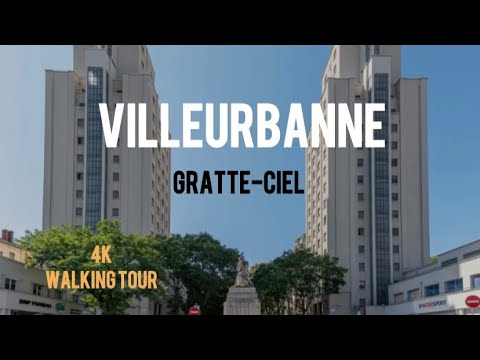
Villeurbanne 4K walking tour France
Je visite l Albanie

Top 10 Tourist Places in Villeurbanne | Villeurbanne Best …
Wiki Peaks
You are currently viewing a placeholder content from Vimeo. To access the actual content, click the button below. Please note that doing so will share data with third-party providers.
More InformationYou are currently viewing a placeholder content from YouTube. To access the actual content, click the button below. Please note that doing so will share data with third-party providers.
More InformationYou need to load content from reCAPTCHA to submit the form. Please note that doing so will share data with third-party providers.
More InformationYou are currently viewing a placeholder content from GetYourGuide. To access the actual content, click the button below. Please note that doing so will share data with third-party providers.
More Information