
Arles: The Complete Travel Guide (2026)
Last reviewed: September 2026 · key facts checked against Wikidata
Arles Travel Guide: Everything You Need to Know (2026)
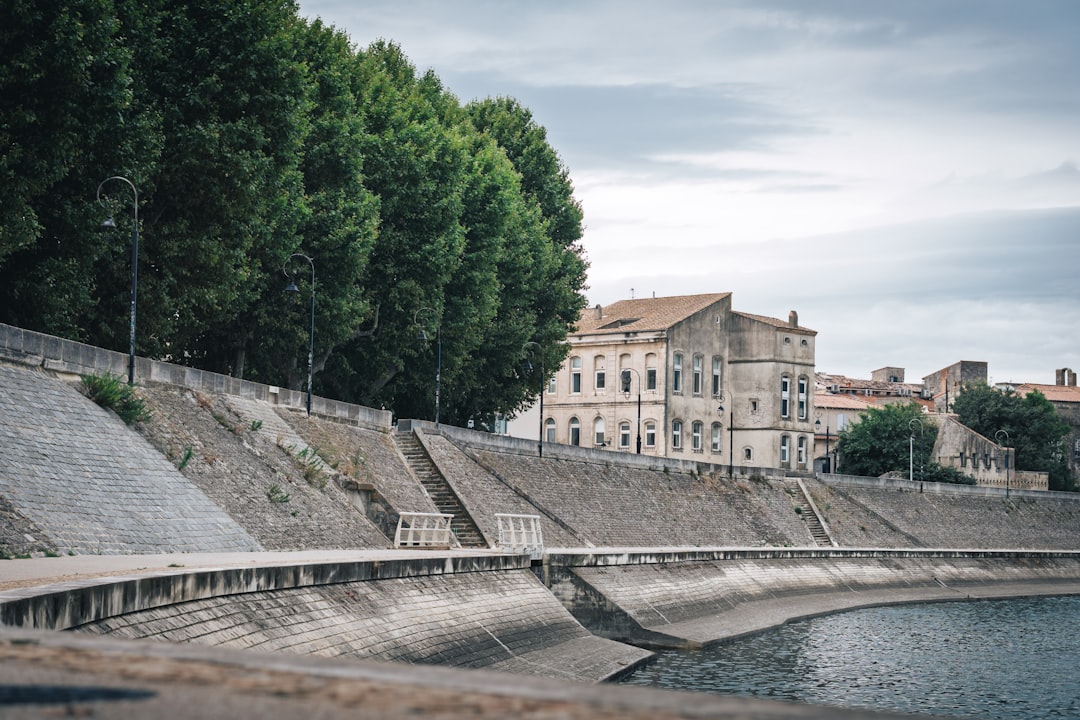
Arles sits at the gateway to the Camargue wetlands in southern France, home to 53,058 residents and one of the densest concentrations of Roman monuments outside Rome itself — the amphitheatre alone seats 20,000. Founded by the Greeks around 640 BC and later a Roman imperial capital under Constantine, this compact Provençal city rewards visitors with world-class archaeology, Van Gogh history, and a thriving contemporary photography scene.
Top 3 Highlights at a Glance
- Les Arènes d’Arles — A 2,000-year-old Roman amphitheatre still hosting bullfights and concerts for 20,000 spectators — unmissable.
- Fondation Vincent van Gogh — The only Arles museum dedicated to Van Gogh, who painted over 300 works here in just 15 months.
- Les Alyscamps — A UNESCO-listed Roman necropolis lining a cypress avenue — painted by both Van Gogh and Gauguin in 1888.
Scroll down for our complete travel guide with tips on getting there, where to stay, costs and more.
Arrival & Airport
How do I get to Arles?
Take the TGV directly to Arles station, or fly into Marseille Provence Airport (MRS) and connect by train. In my experience, the train is the superior choice: Marseille Saint-Charles to Arles takes just 45 minutes by TGV or regional TER, costing as little as €10–€20 booked in advance on SNCF. From Paris Gare de Lyon, direct TGV services reach Arles in approximately 3 hours 40 minutes. What surprised me: many visitors rent a car from Marseille airport without realising that parking inside Arles’ historic centre is genuinely difficult and expensive. The train eliminates that headache entirely.
Which airport is closest to Arles?
Marseille Provence Airport (MRS) is the closest major airport, approximately 80 km east of Arles. My tip: a shuttle bus runs from MRS to Marseille Saint-Charles station, then a regional TER train connects directly to Arles — total door-to-door time around 1 hour 30 minutes for roughly €25–€30 combined. Montpellier Airport (MPL) sits 75 km to the west and is a viable alternative if you’re flying budget carriers like Ryanair. The honest caveat: there is no direct airport bus to Arles itself, so you always need a train or taxi transfer as the final leg.
How long does the journey to Arles take from major hubs?
Journey times vary sharply depending on your origin. From Paris Gare de Lyon, the direct TGV takes 3 hours 40 minutes. From Marseille Saint-Charles, the TER regional train covers the route in 45 minutes. From Avignon TGV station, it’s just 20 minutes by TER — making Avignon a practical base if you want to combine both cities. I recommend booking SNCF tickets at least 3 weeks ahead to secure the cheapest fares. The trade-off: the cheapest advance tickets are non-refundable, so factor that risk into your planning if your dates might shift.
Do I need a rental car to explore Arles?
No — Arles’ historic centre is entirely walkable within a 20-minute radius. In my experience, a car becomes useful only for day trips into the Camargue Natural Park or the Alpilles hills, where public transport is sparse. If you plan those excursions, hire a car for 1–2 specific days rather than keeping it the whole trip — expect to pay around €40–€60 per day from local agencies near the station. The honest warning most guides omit: parking in the old town is metered and often full in July and August, making driving into Arles centre more frustrating than rewarding.
City Transport
What are the best areas to stay in Arles?
Stay in the Vieille Ville (old town) for maximum walkability to the amphitheatre, Roman theatre, and Van Gogh trail — it’s compact enough that no sight takes more than 10 minutes on foot. The Rue du 4 Septembre and Place du Forum axis puts you at the social heart of the city. My tip: avoid hotels directly on Boulevard des Lices if you’re a light sleeper — it’s the main boulevard and street noise starts early. For quieter nights with the same access, look for accommodation on the side streets behind Place de la République.
What does accommodation cost per night in Arles?
Expect to pay €80–€130 per night for a solid mid-range hotel in the old town. Budget options — basic doubles near the train station — start around €55. Design boutique hotels like Hôtel Particulier or upscale renovated maisons in the Vieille Ville charge €180–€280. In my experience, the sweet spot for value is a 3-star hotel within the Roman walls at around €95–€115 — comfortable, central, and rarely sold out outside July. The caveat: during the Les Rencontres d’Arles photography festival in July, prices jump 30–50% and the best rooms sell out months in advance.
How far in advance should I book accommodation in Arles during high season?
For July, book at least 3–4 months ahead — Les Rencontres d’Arles photography festival runs the entire month and draws international crowds that fill the city. For August and the Feria du Riz in September, book 6–8 weeks ahead minimum. What surprised me: the Easter Feria in April is equally chaotic for accommodation despite being off the radar for most foreign tourists — if you’re visiting in April, treat it like peak summer. For October through May outside festival dates, 2 weeks’ notice is usually sufficient and prices are meaningfully lower.
Are there special or unique accommodation types in Arles?
Yes — mas farmhouses in the surrounding Camargue offer a genuinely different experience from city hotels. Several working horse ranches (manades) within 15 km of Arles rent rooms or gîtes where you wake to flamingos and white Camargue horses rather than cobblestones. Inside the city, a handful of hôtels particuliers — historic townhouses converted into boutique hotels — give you Roman stonework and courtyard gardens impossible to replicate elsewhere. My tip: the tourist office on Esplanade Charles de Gaulle maintains a vetted gîte list for the Camargue fringe; it’s far more reliable than general booking platforms for rural properties.
Accommodation & Neighbourhoods
What are the must-see sights in Arles?
Les Arènes (the Roman amphitheatre) is non-negotiable — still active, still thrilling, and €9 entry includes the tower view over the entire city. Les Alyscamps necropolis, painted by Van Gogh and Gauguin in the same autumn of 1888, costs €5.50 and is largely overlooked by day-trippers. The Musée Départemental Arles Antique holds the finest collection of Roman sarcophagi in France, plus a reconstructed Julius Caesar river barge. My honest trade-off: the Fondation Van Gogh is excellent but small — allow 1 hour, not a half-day. Save your energy for walking the actual streets where Van Gogh painted, which costs nothing.
What can I experience for free in Arles?
The Place du Forum — the Roman forum site and later Van Gogh’s ‘Café Terrace at Night’ location — costs nothing and is best at dusk. Walking the Van Gogh trail (marked by reproductions of his paintings at the exact spots he painted them) is entirely free and covers the whole old town in 90 minutes. The Cryptoportiques — underground Roman granary galleries beneath the forum — charge just €3.50. In my experience, the best free hour in Arles is the Sunday morning market on Boulevard des Lices, one of Provence’s largest and most authentic, running until 12:30.
Which day trips from Arles are worth it?
The Camargue Natural Park is Arles’ most compelling day trip — flamingos gather at Étang de Vaccarès year-round and the white horse herds roam freely within 20 km of the city centre. Les Baux-de-Provence, a ruined hilltop village in the Alpilles, is 30 km northeast and pairs well with the immersive Carrières de Lumières light show inside ancient quarries (€14 entry). Nîmes is just 30 minutes by train and holds its own Roman amphitheatre, arguably even better preserved than Arles’. My tip: combine Nîmes with the Pont du Gard Roman aqueduct (€9 parking, pedestrian entry free) in a single day — they’re only 25 km apart.
What local specialities should I try in Arles?
Saucisson d’Arles — a cured pork and donkey meat salami with protected regional status — is the one food you cannot skip. Find it at the Sunday Boulevard des Lices market or at Maison Genin near the amphitheatre. Gardiane de taureau (slow-braised Camargue bull stew with black olives and red Camargue rice) is the defining local main course, available at most traditional restaurants for €16–€22. What surprised me: the local Camargue red rice — nutty, chewy, and grown in the delta paddies — is sold in bags as an excellent edible souvenir and costs around €4–€6 per kilo at the market.
Highlights & Must-Sees
What makes Arles unique compared to other Provençal cities?
Arles is the only city in France where Roman, medieval, and living Provençal culture physically overlap in a space you can cross on foot in 20 minutes. The bullfighting tradition — both Spanish-style corridas and the bloodless course camarguaise — remains genuinely alive here, not performed for tourists. The annual Les Rencontres d’Arles photography festival, running since 1970, has made this city of 53,058 a serious node in the international contemporary art world. In my experience, what separates Arles from Avignon or Aix is that the locals use the Roman monuments as shortcuts and park benches — the history is lived, not museum-ified.
How many days are worthwhile in Arles?
2 full days cover all the major Roman monuments, the Van Gogh trail, the markets, and a good dinner. 3 days is my recommendation — it adds a half-day Camargue excursion and lets you absorb the city without rushing. I’ve met travellers who budget half a day as a stopover from Avignon and leave deeply regretting it; the city earns at least one overnight. The honest caveat: if you’re arriving during Les Rencontres d’Arles in July, add an extra day just for the photography exhibitions, which are spread across 30+ venues citywide and require serious walking.
When is the best time to visit Arles?
July, August, and September are the best months based on climate data — warm, dry, and long days ideal for outdoor monuments. My personal preference is late September to early October: the summer crowds thin, the Camargue rice harvest is underway, and the light turns golden in a way that makes Van Gogh’s colour palette suddenly obvious. April and May are excellent for wildflower Camargue visits and mild temperatures, but the Easter Feria in April sends hotel prices surging. Avoid January and February if you dislike the Mistral wind — it can blow at 90 km/h through the Rhône valley and makes outdoor sightseeing genuinely unpleasant.
Are there local festivals in Arles worth attending?
Les Rencontres d’Arles photography festival (July 1 – September, with most openings in the first week) is internationally significant and transforms the city into an outdoor gallery. The Feria de Pâques (Easter weekend) is Arles’ biggest street party — 4 days of bullfights, music, and public drinking that locals take extremely seriously. The Feria du Riz in mid-September celebrates the Camargue rice harvest with corridas and free concerts on Place de la République. My tip: the Feria du Riz is the most authentically local of the three and far less crowded with foreign tourists — if you can align your visit, prioritise it.
Food & Drink
How does the weather in Arles affect what activities you can do?
Summer heat peaks at 32–36°C in July and August, making early morning (before 10:00) and late afternoon (after 17:00) the only comfortable windows for outdoor monuments. The Mistral wind is the defining weather variable — it can drop temperatures 8–10°C overnight and arrives without much warning, particularly December through March. In my experience, the Mistral is actually welcome in July as it prevents the humid mugginess you get in coastal Provence. For Camargue birdwatching, March through May delivers the most species, while flamingo numbers peak between April and August at Pont de Gau Ornithological Park.
How crowded does Arles get in peak season?
July is the worst month for crowds, compounded by the photography festival adding thousands of art tourists to normal summer volumes. The Les Arènes queue can stretch 45 minutes on peak July mornings without advance tickets. August is marginally calmer as French tourists favour the coast. In my experience, arriving at the amphitheatre at 09:00 (opening time) cuts queue time to under 5 minutes. The honest warning: Place du Forum restaurant terraces become so packed in July that you’ll wait 30+ minutes for a table at any sit-down restaurant without a reservation. Book dinner before 19:00 or after 21:30 to eat without a wait.
How safe is Arles?
Arles is safe by any reasonable standard — petty theft is the main concern, not violent crime. Pickpockets operate around Les Arènes and the Sunday market on Boulevard des Lices, targeting distracted tourists. In my experience, the train station area after dark warrants the same low-level caution you’d apply in any French provincial city. The Trébon neighbourhood north of the train station is the most socioeconomically deprived area and feels different in character from the old town, though it poses no serious danger. My tip: keep your phone in a front pocket at the market and you’ll have zero problems.
Is English widely spoken in Arles?
English is spoken at most tourist-facing businesses — museum staff, hotel receptions, and many restaurant servers manage comfortable English. Outside the tourist zone, however, Arles is genuinely a French-speaking provincial city. In my experience, attempting even basic French (’Bonjour’, ‘s’il vous plaît’, ‘merci’) produces a noticeably warmer reception than opening in English. Market vendors and smaller tabacs or boulangeries will typically respond only in French. The Musée Départemental Arles Antique offers excellent English audioguides for €3 — worth every cent given how dense the Roman content is.
Practical Tips
What is the daily budget for travelling in Arles?
A realistic mid-range daily budget is €120–€160 per person, covering a mid-range hotel (split double), 2 restaurant meals, 2 museum entries, and transport. Budget travellers staying in a hostel or cheap hotel, eating at the market and one sit-down lunch, can manage €60–€75 per day. The unavoidable costs: accommodation is the biggest variable — a decent central double room alone runs €80–€130. My tip: buy the Arles City Pass for €15 (covers the main Roman monuments) rather than paying individual entry fees of €9 each, which saves money from the second monument onward.
How does public transport work within Arles?
Within the historic centre, public transport is irrelevant — everything is walkable within 20 minutes on foot. The city operates a local bus network (Envia), but tourists rarely need it for in-city movement. For the Camargue, a seasonal bus (line ZADOR) runs from Arles bus station to Saintes-Maries-de-la-Mer (40 minutes, approximately €3) from April through October — it’s the only public transport link into the delta and genuinely useful. My honest caveat: outside summer, this service runs only 2–3 times daily, so check the Zou! regional transport app for exact schedules before planning a day trip.
Which apps do you recommend for visiting Arles?
SNCF Connect is essential for booking trains to and from Arles — download it before you travel and save tickets offline. Zou! is the regional public transport app for Provence-Alpes-Côte d’Azur and covers the Camargue bus schedules accurately. Google Maps works reliably for walking navigation inside the old town. For the Van Gogh trail, the Arles Tourism official app maps all painting sites with the original canvases overlaid — it’s free and genuinely useful. My tip: download Citymapper as a backup for Marseille connections; it handles multimodal routing better than Google when combining train and shuttle.
More Destinations in Europe
Explore our complete travel guides for more Europe destinations: Athens Travel Guide (2026), Alcalá de Henares Travel Guide (2026), Caen Travel Guide (2026), Picardie Travel Guide (2026), Cannes Travel Guide (2026).
Arles at a Glance
| Population | 51,811 |
|---|---|
| Currency | EUR (€) |
| Official language | French |
| Time zone | UTC+01:00 |
Source: Wikidata, retrieved September 2026.
Useful Resources for Planning Your Trip to Arles
- Wikipedia: Arles — history, geography and background
- Lonely Planet: Arles — itineraries and travel inspiration
- TripAdvisor: Arles — hotels, restaurants and traveller reviews
🎥 Arles Travel Videos

What to see in Arles, Southern France
scott of the road.
One Day in Arles France
Brainy Backpackers

Arles, Saint-Rémy & Les Baux de Provence Travel Guide: Van …
Travel with Will
You are currently viewing a placeholder content from Vimeo. To access the actual content, click the button below. Please note that doing so will share data with third-party providers.
More InformationYou are currently viewing a placeholder content from YouTube. To access the actual content, click the button below. Please note that doing so will share data with third-party providers.
More InformationYou need to load content from reCAPTCHA to submit the form. Please note that doing so will share data with third-party providers.
More InformationYou are currently viewing a placeholder content from GetYourGuide. To access the actual content, click the button below. Please note that doing so will share data with third-party providers.
More Information