
Durmitor: The Complete Travel Guide (2026)
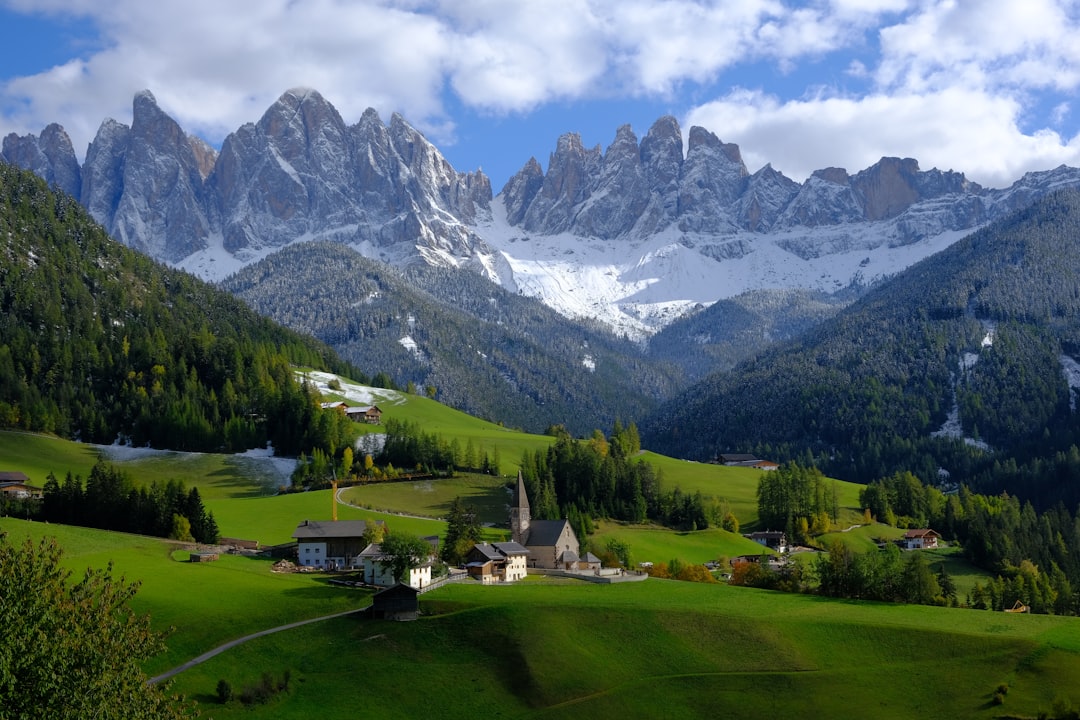
Last reviewed: August 2026 · key facts checked against Wikidata
Durmitor Travel Guide: Everything You Need to Know (2026)
Durmitor is a dramatic massif in northwestern Montenegro, crowned by Bobotov Kuk at 2,523 metres — the highest point in Montenegro and a magnet for serious hikers and winter skiers alike. The national park, established in 1952, covers 390 square kilometres of glacial lakes, karst canyons, and dense black pine forest. The Tara River Canyon slicing its southern edge is the deepest canyon in Europe at 1,300 metres, making Durmitor one of the continent’s most geographically spectacular corners.
Three Things Not to Miss in Durmitor
- Bobotov Kuk Summit — Montenegro’s highest peak at 2,523 m rewards a 5-hour return hike with panoramic views of 48 glacial lakes.
- Tara River Canyon Rafting — Europe’s deepest canyon at 1,300 m offers a 2-day white-water rafting adventure through untouched wilderness.
- Black Lake (Crno Jezero) — Durmitor’s most iconic glacial lake sits just 3 km from Žabljak and is encircled by a 3.6 km walking trail.
Scroll down for our complete travel guide with tips on getting there, where to stay, costs and more.
How to Reach Durmitor
How do I best reach Durmitor National Park?
Fly into Podgorica or Tivat, then drive or take a bus to Žabljak. In my experience, driving is by far the fastest option — the road from Podgorica takes roughly 3 hours via the Mojkovac route. I recommend renting a car in Podgorica rather than Tivat, as the northern mountain road is more direct. What surprised me was how few direct bus connections exist from the coast — most routes require a change in Mojkovac or Podgorica. The road through Tara Canyon itself is stunning but adds 30–40 minutes to your journey. Avoid trying to drive the Trsa pass road in early spring — snow closures are common through April.
Which airport is closest to Durmitor?
Podgorica Airport (TGD) is the closest practical gateway to Durmitor, sitting roughly 145 km south of Žabljak — about a 2.5–3 hour drive. Tivat Airport (TIV) on the coast is a viable alternative at around 180 km, though the coastal mountain roads add complexity. In my experience, TGD has better car rental availability and more reliable year-round connections from European hubs including Wizz Air and Air Montenegro routes. My tip: book your rental car well in advance during July and August — Podgorica airport stock runs out fast and prices spike to €70–€90 per day.
How long is the journey from Podgorica or the coast to Durmitor?
From Podgorica, expect 2.5–3 hours by car under normal conditions. From Kotor or Budva on the coast, budget 3.5–4 hours depending on traffic at the coastal bottleneck. The bus from Podgorica’s main station runs twice daily and takes approximately 4 hours, stopping in Mojkovac before reaching Žabljak. What most guides omit: the final stretch of road into Žabljak from the Tara Canyon bridge is steep and narrow, so if you’re arriving after dark or in wet weather, take it slowly. I recommend arriving before 6pm to navigate this section in daylight.
Are there direct bus connections to Durmitor’s main town Žabljak?
Yes, but they are limited. 2 direct buses daily connect Podgorica to Žabljak, operated primarily by Globtour and AD Prevoz. The journey costs around €10–€12 one way. From the coast — Budva or Kotor — there is no direct service; you must change in Podgorica. In peak summer, a seasonal bus sometimes runs from Bar, but don’t rely on it. My honest caveat: bus schedules shift year to year in Montenegro and are rarely updated online accurately. I recommend confirming departure times at the Podgorica bus station in person or calling the operator directly the day before travel.
Do I need a rental car to explore Durmitor properly?
Yes — a rental car is essentially mandatory for Durmitor. The national park’s trailheads, canyon viewpoints, and the rafting launch at Šćepan Polje are scattered across 30+ km of mountain roads with no public transport. In my experience, even guests staying in Žabljak need a car to reach Dobrilovina, the Piva Lake viewpoints, or the upper plateau walks efficiently. A compact car handles most routes, but I recommend a small SUV or 4WD if you plan to visit between October and May. Budget €35–€55 per day from local operators in Žabljak — cheaper than airport rates, but book ahead.
Sleeping in Durmitor
Which towns make good bases for exploring Durmitor?
Žabljak is the only real base — it’s the park’s gateway town at 1,450 metres elevation, with the highest density of accommodation, restaurants, and gear shops. It sits just 3 km from Black Lake and has direct access to most trailheads. For a quieter experience, the village of Šavnik, 35 km south, offers a handful of guesthouses and almost zero tourist crowds — but you’ll drive to every attraction. In my experience, staying in Žabljak itself on or near the main square gives you the best balance of convenience and atmosphere. Avoid remote mountain cabins unless you have serious hiking experience and your own vehicle.
Where should I stay in the Durmitor area?
I recommend the central area of Žabljak, within walking distance of the national park entrance. The Hotel Soa and guesthouses along Njegoševa Street offer solid mid-range comfort. For a more local feel, family-run pansions (guesthouses) on the outskirts of Žabljak — like those in the Tepca neighbourhood — offer home-cooked meals and personal service. What surprised me was the quality of privately rented apartments here — fully equipped, often with mountain views, and significantly cheaper than hotels. For hikers planning early starts, staying at one of the park’s mountain huts — Štrbačko Oko hut near Bobotov Kuk base — is a memorable option during summer.
What does accommodation cost in Durmitor?
Accommodation in Durmitor is genuinely affordable by European standards. Budget €20–€35 per night for a guesthouse double room with breakfast in Žabljak. Mid-range hotels like Hotel Soa run €55–€85 per night in July and August. Private apartments (booked via Booking.com or local contact) cost €30–€60 per night depending on size and view. Mountain hut dormitory beds inside the national park cost around €12–€18 per person. My honest caveat: the cheapest guesthouses in Žabljak can be noisy on weekends when domestic tourists party late into the night — ask for a room at the back if you’re a light sleeper.
How far in advance should I book accommodation in Durmitor?
Book at least 6–8 weeks ahead for July and August stays in Žabljak. The town has limited quality accommodation stock — fewer than 30 hotels and guesthouses in total — and domestic Montenegrin and Serbian tourists fill rooms fast, especially around the Žabljak summer festival in late July. In my experience, the sweet spot for last-minute availability is late June or early September — shoulder weeks where you can often book 3–5 days ahead. Winter ski season (January–February) also books up quickly with Serbian ski groups. My tip: contact guesthouses directly by phone or WhatsApp — you’ll often get 10–15% off versus online booking platforms.
When is the best time to visit Durmitor National Park?
June through September offers the best conditions for hiking, rafting, and lake swimming. July and August deliver the warmest temperatures at altitude — around 22–25°C at Žabljak level — with stable weather windows of 5–7 days common. June is my personal favourite: wildflowers cover the plateau, trails are quiet, and the Tara River is still running fast from snowmelt for exciting rafting. September brings golden light, fewer crowds, and crisp air ideal for summit attempts on Bobotov Kuk. Avoid October through May unless you’re specifically coming for skiing — trails above 1,800 m can be snow-covered and dangerous without crampons.
When to Travel to Durmitor
How does the weather affect activities in Durmitor throughout the year?
Durmitor’s high altitude at 1,450 m in Žabljak means weather changes fast and dramatically. Summer afternoons frequently bring thunderstorms between 2pm and 5pm — I always start summit hikes by 6am to clear exposed ridges before lightning risk increases. Winter snowfall can exceed 3 metres on the plateau, making Žabljak one of Montenegro’s top ski destinations at the Savin Kuk ski resort (runs to 2,010 m). Spring (April–May) is genuinely treacherous for hiking — trails are icy, rivers flood, and the canyon road can close without warning. Autumn is underrated: October gives stable mornings and dramatic cloud inversions over the lakes.
Are there local festivals in Durmitor worth attending?
Yes — the Žabljak Summer Festival in late July is the main event, featuring folk music, mountain sports competitions, and outdoor cinema screenings in the town square. It draws a lively crowd of domestic tourists and is completely free to attend. The Rafting Regatta on the Tara River, usually held in early June, is a more niche but spectacular event — teams race through the canyon and locals line the riverbanks for a genuine party atmosphere. What most guides skip: Montenegro’s Orthodox Christmas (January 7th) sees Žabljak host bonfire celebrations and sleigh rides that offer an authentic, uncrowded cultural experience.
When does Durmitor get most crowded, and how can I avoid it?
July 15th to August 20th is peak chaos — Žabljak’s population of roughly 3,000 swells massively with Serbian, Montenegrin, and Bosnian domestic tourists. Black Lake trail becomes genuinely congested by 10am, and restaurants have hour-long waits by 7pm. My tip: visit Black Lake before 7:30am during peak weeks — it’s completely peaceful and the morning light on Prutas peak is extraordinary. The canyon viewpoints are always less crowded than the lake loop. For hiking, trails beyond Škriljevo and towards the Dobri Do plateau see a fraction of the Black Lake traffic even in August. Shoulder weeks in late June and September are my strong recommendation.
What does a daily budget cost for visiting Durmitor?
Budget €55–€80 per person per day covering accommodation, 3 meals, park entry, and one activity. Breakdown: guesthouse €25–€35, meals €15–€20, national park daily pass €3, activity (rafting, guided hike) €10–€30. A comfortable mid-range traveller spending on a hotel, restaurant dinners, and organised tours should budget €100–€130 per day. In my experience, Durmitor is one of the most affordable mountain destinations in Europe for this calibre of scenery. The hidden cost most people underestimate is petrol — filling up in Žabljak costs significantly more than in Podgorica, so I recommend arriving with a full tank.
Is Durmitor cheaper or more expensive than other Montenegrin regions?
Durmitor is noticeably cheaper than the coast — Kotor and Budva restaurants charge 40–60% more for equivalent meals, and Adriatic hotel rates in August easily reach €150–€200 per night for what costs €60 in Žabljak. Compared to other Balkan mountain regions like Kopaonik in Serbia or Bovec in Slovenia, Durmitor sits comfortably in the budget-to-mid-range bracket. My honest caveat: rafting packages marketed to foreigners can carry a tourist premium — a 1-day Tara rafting trip runs €35–€50 through local operators versus €70–€90 through coastal Kotor-based tour agencies. Always book rafting directly with Žabljak-based operators.
Daily Costs in Durmitor
What free highlights does Durmitor offer?
The Black Lake circular trail (3.6 km) is free to walk and one of the most beautiful lake walks in the Balkans. Canyon viewpoints on the road between Žabljak and Šćepan Polje — particularly the Tara Bridge overlook — cost nothing and are staggeringly dramatic. Sunset from the Curevac viewpoint above Žabljak is genuinely world-class and completely free. The national park does charge a daily entry fee of €3 per person, but this covers unlimited access to trails. In my experience, the free elements of Durmitor — the light, the scale, the silence — rival anything you’ll pay for. Even a simple walk from Žabljak toward the Savin Kuk ridge at dusk is unforgettable.
What do local specialities cost in Durmitor’s restaurants?
Eating local in Žabljak is excellent value. A plate of kajmak (clotted cream) with mountain bread costs €3–€4. Grilled lamb or veal — the regional staple — runs €8–€12 per portion at a traditional konoba. A full 3-course dinner with local beer costs €14–€20 per person at mid-range restaurants like Konoba Jablan near the park entrance. Breakfast at a guesthouse typically costs €5–€8 extra. What surprised me: the local Nikšićko beer (Montenegro’s national brew) is €2 everywhere in town, and the homemade fruit brandy (rakija) offered free as a welcome drink in most guesthouses is genuinely superb.
Which route do you recommend for 5–7 days in Durmitor?
Day 1: Arrive Žabljak, walk Black Lake loop at dusk (3.6 km). Day 2: Hike to Bobotov Kuk summit — start by 6am, allow 7–8 hours return, pack layers. Day 3: Drive the Tara Canyon road to Šćepan Polje, do a half-day rafting section (€25–€35). Day 4: Explore the plateau towards Dobri Do and Škrčka jezera — a quieter glacial lake cluster almost nobody visits. Day 5: Drive to Piva Lake and Monastery (60 km southwest) for an architectural contrast to the wilderness. Days 6–7: Rest day in Žabljak, visit local market, evening bonfire at a mountain hut. My tip: keep Day 2 flexible — summit weather windows close fast.
What are the must-see sights in Durmitor?
Black Lake (Crno Jezero) is non-negotiable — the double glacial lake framed by black pine forest is Durmitor’s iconic image. Bobotov Kuk at 2,523 m is the summit goal for serious hikers. The Tara River Canyon, at 1,300 m deep, is Europe’s deepest gorge and best seen by rafting or from the Đurđevića Tara Bridge — a dramatic 172-metre-high arched bridge built in 1940. The 48 glacial lakes scattered across the plateau are extraordinary in aggregate — Škrčko jezero and Barno jezero are my personal favourites for solitude. Don’t overlook Prutas peak (2,393 m) — a shorter hike than Bobotov Kuk with equally dramatic views.
What natural highlights does Durmitor offer that are hard to find elsewhere?
Durmitor’s glacial karst landscape is genuinely rare — 48 glacial lakes within one national park is extraordinary even by Alpine standards. The Tara Canyon at 1,300 m depth is the deepest in Europe and second deepest globally after the Grand Canyon. The park’s black pine (Pinus nigra) forest, some trees over 400 years old, creates a primeval atmosphere unlike any managed European forest. In my experience, the sound of complete silence above 2,000 m here — no aircraft, no roads, just wind and alpine choughs — is something increasingly hard to find on this continent. The Ledena Pećina (Ice Cave) near Šareni Pasovi is permanently frozen inside and eerie to explore.
What Not to Miss in Durmitor
What local specialities should I try in Durmitor?
Cicvara is the essential Durmitor dish — a dense, rich polenta stirred with kajmak (clotted cream) and cheese, traditionally eaten for breakfast by shepherds. It costs €4–€6 and is intensely filling. Jagnjećina ispod sača (lamb slow-cooked under a bell lid in embers) is the regional celebration dish — order it the night before as it needs 4–5 hours preparation. Fresh Skadar Lake carp occasionally appears on menus even inland. The local honey from Durmitor’s wildflower meadows, sold at roadside stalls for €5–€8 per jar, is genuinely exceptional — my tip is to buy 2 jars because you’ll regret buying one.
What activities are available in Durmitor beyond hiking?
Tara River rafting is the headline — 2-day full canyon trips run €80–€120 per person including camping, while half-day sections cost €30–€45. In winter, Savin Kuk ski resort offers 4 km of runs to 2,010 m — a day ski pass costs €20–€25, extraordinarily cheap by Alpine standards. Via Ferrata routes on Sljeme ridge are growing in popularity and require basic climbing gear. Mountain biking on the plateau trails is spectacular in summer — rental shops in Žabljak charge €15–€20 per day. Paragliding launches from Curevac give a 20-minute aerial view of the canyon — tandem flights cost around €60.
What distinguishes Durmitor from other Balkan mountain regions?
Durmitor combines UNESCO World Heritage status (awarded 1980), the deepest canyon in Europe, 48 glacial lakes, and Montenegro’s highest summit in a single compact park you can genuinely explore in 5–7 days without a guide. Unlike Pirin in Bulgaria or Prokletije further south, Durmitor has excellent trailhead access from a real town with restaurants, gear hire, and accommodation. What surprised me most: the near-total absence of English-language tourist infrastructure compared to equivalent parks in Slovenia or Croatia — it keeps the atmosphere raw and unpolished in a way that feels increasingly rare in Europe. You’re sharing trails with Serbian families, not Instagram tour groups.
Which day trips from Durmitor are worth doing?
Piva Monastery and Piva Lake (60 km southwest) is my top recommendation — the 16th-century monastery was physically relocated stone by stone to avoid flooding when Piva dam was built in the 1970s. The lake itself is an electric turquoise colour. Biogradska Gora National Park (90 km east near Kolašin) holds one of Europe’s last three primeval forests — a 90-minute drive for a completely different ecosystem. Ostrog Monastery, carved into a cliff face 80 m above the Zeta Valley, is 120 km south and one of the most visited pilgrimage sites in the Balkans — eerie and architecturally extraordinary. All three are doable as single-day returns from Žabljak.
Are there language barriers for English speakers in Durmitor?
Basic English is spoken at most hotels, outdoor activity operators, and the national park information centre in Žabljak. Younger Montenegrins under 35 generally communicate well in English. The language barrier appears at local restaurants and grocery shops — menus may be Montenegrin-only and staff will gesture rather than translate. In my experience, a translation app with offline Montenegrin/Serbian loaded is genuinely useful here — Google Translate works, but download the language pack before arriving as mobile data in the park is patchy. Knowing 5 words — hvala (thank you), molim (please), koliko (how much), voda (water), račun (bill) — goes a very long way with locals.
Before You Go to Durmitor
Which apps do you recommend for visiting Durmitor?
Maps.me with offline Montenegro maps is my non-negotiable first download — GPS works without signal and trails are marked with reasonable accuracy. Komoot has good Durmitor hiking route data with elevation profiles, essential for planning Bobotov Kuk. Windy.com for mountain weather — check it every morning; afternoon thunderstorms are common and it predicts lightning windows accurately. WhatsApp is how every local guesthouse, rafting operator, and taxi driver communicates — have it ready. For payments, Revolut saves on currency fees at ATMs. What surprised me: iOverlander has useful campsite and mountain hut location pins that Google Maps completely misses in the Durmitor backcountry.
Are there medical facilities near Durmitor if something goes wrong?
Žabljak has a small health centre (Dom zdravlja) on the main road, open weekdays 7am–3pm, capable of handling minor injuries, altitude sickness, and basic emergencies. For anything serious — a broken bone, cardiac event, severe head injury — the nearest hospital is in Bijelo Polje, 60 km east, with a journey time of approximately 1 hour. Full hospital facilities are in Podgorica, 145 km south — 2.5–3 hours by road. Mountain rescue operates via the national park office — their emergency number is +382 52 361 400. My honest warning: hiking alone above 2,000 m without informing your accommodation is genuinely dangerous; mobile signal disappears completely on the upper plateau.
How safe is Durmitor for solo travellers and families?
Durmitor is very safe for personal security — petty crime is extremely rare and the local community is welcoming. The real safety risks are environmental: mountain weather that changes in under 30 minutes, unmarked trail sections above 1,800 m, and Tara River currents that are genuinely dangerous without a guide and proper equipment. Families with children do very well here — the Black Lake loop, Žabljak market, and beginner rafting sections are all suitable for kids aged 8 and above. In my experience, solo hikers should always leave a written route plan with their accommodation and carry a whistle, emergency foil blanket, and first aid kit on any summit attempt.
What are the most common traveller mistakes when visiting Durmitor?
Starting Bobotov Kuk too late is mistake number one — I’ve seen hikers begin at 10am and get caught in lightning at the exposed summit ridge at 2pm. Always start by 6am. Second mistake: not downloading offline maps before losing signal on the plateau — the trail beyond Štuoc hut is poorly marked. Third: booking rafting through coastal agencies and paying €70 instead of €35 for the identical trip. Fourth: underestimating cold at altitude — even in July, temperatures on the summit can drop to 5–8°C with wind, and I’ve seen T-shirt hikers turned back by hypothermia risk. Fifth: arriving without cash — most guesthouses and the park entrance accept cash (€) only.
Which accommodation types suit Durmitor best?
Family-run guesthouses (pansions) are the ideal Durmitor accommodation type — they offer home-cooked meals, local knowledge, packed lunch preparation for hikes, and genuine hospitality for €25–€40 per person half-board. Private apartments work well for groups of 3–4 splitting costs. The national park’s mountain huts — Štrbačko Oko and Savin Kuk huts — are basic but atmospheric, costing €12–€15 per dormitory bed, and put you perfectly positioned for early summit starts. Hotels in Žabljak are functional but impersonal compared to the pansion experience. My honest tip: avoid the cheapest rooms in Žabljak’s centre during July weekends — noise from outdoor bars runs until 2am and earplugs won’t save you.
Durmitor at a Glance
| Currency | EUR (€) |
|---|---|
| Official language | Montenegrin |
| Time zone | UTC+01:00 |
Source: Wikidata, retrieved August 2026.
Montenegro › Durmitor
Essential Resources for Planning Your Trip to Durmitor
- Durmitor National Park — official visitor information, passes & events
- Wikipedia: Durmitor — history, geography & background
- Wikivoyage: Durmitor — community travel guide & practical tips
- Durmitor National Park travel – Montenegro — expert itineraries & travel inspiration
- THE 15 BEST Things to Do in Durmitor National Park (2026) — hotels, restaurants & traveller reviews
- Getting to Durmitor National Park from Podgorica … — how to get around
- Numbeo: Cost of Living in Durmitor — current prices & cost comparison
- Timeanddate: Durmitor Weather & Climate — forecasts & climate statistics
- Durmitor National Park
More Perspectives on Durmitor
- The perfect 3 days in Durmitor National Park, Montenegro
- Best things to do in Durmitor National Park, Montenegro
- Durmitor National Park: travel guide to the most beautiful …
Durmitor Travel Videos
Watch these videos for a visual preview before your trip:
- The Perfect Durmitor Road Trip | North Montenegro
- DURMITOR NATIONAL PARK, MONTENEGRO | The Epic Prutaš Peak Hike Overview
- The BEST Hike In Durmitor National Park, Montenegro 🇲🇪
Durmitor Travel Discussions on Reddit
Real traveller experiences and community advice:
- Questions about Durmitor National Park/Montenegro In …
- Visiting Durmitor without a car, help! : r/solotravel
- Best way to enjoy durmitor National Park, Montenegro
Data Sources
This page was compiled using data from Wikipedia, Wikidata, Open-Meteo (climate), Numbeo (cost of living) and REST Countries. Information is updated regularly.