
Zabljak: The Complete Travel Guide (2026)
Last reviewed: September 2026 · key facts checked against Wikidata
Zabljak Travel Guide: Everything You Need to Know (2026)
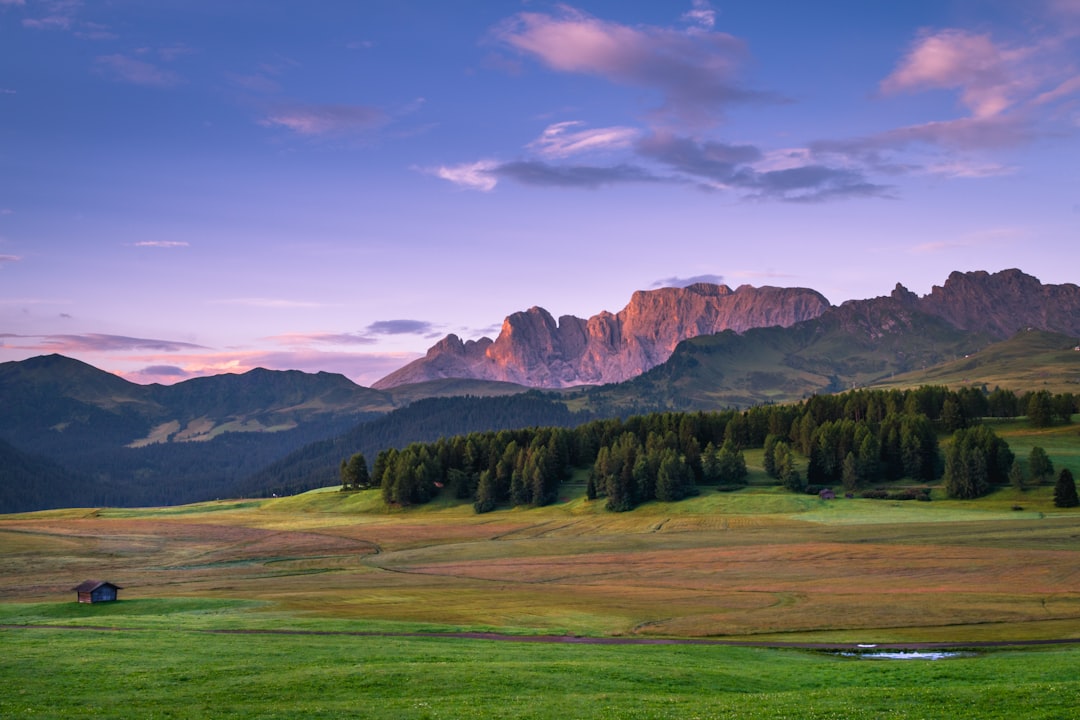
Žabljak sits at 1,456 metres above sea level in northern Montenegro, making it the highest-altitude town in the entire Balkans. With a population of 3,569, this compact mountain hub is the gateway to Durmitor National Park, a UNESCO World Heritage Site established in 1980. The town sits just 5 kilometres from Crno Jezero (Black Lake), one of the most photographed glacial lakes in southeastern Europe.
Three Things Not to Miss in Zabljak
- Crno Jezero (Black Lake) — A glacial twin lake at 1,416 m altitude, encircled by a 3.5 km walking trail through ancient black pine forest.
- Tara River Canyon — Europe’s deepest canyon at 1,300 m, offering world-class white-water rafting through 82 km of protected gorge.
- Bobotov Kuk Summit — Durmitor’s highest peak at 2,523 m rewards hikers with a 360-degree panorama stretching to the Adriatic coast.
Scroll down for our complete travel guide with tips on getting there, where to stay, costs and more.
Getting to Zabljak from the Airport
How do I get to Žabljak?
Fly into Podgorica Airport (TGD), then drive or take a bus north. In my experience, the drive from Podgorica covers roughly 150 km and takes about 2.5 hours via the E762 highway through Mojkovac. A direct bus from Podgorica’s main station departs once daily and costs around €8–€10. What surprised me is that no train reaches Žabljak — the nearest rail stop is Mojkovac, still 40 km away by road. Renting a car in Podgorica gives you far more flexibility for reaching canyon viewpoints and remote trailheads that buses simply don’t serve.
Which airport is closest to Žabljak?
Podgorica Airport (TGD) is the primary gateway, approximately 150 km south of Žabljak. My tip: Tivat Airport (TIV) on the coast is technically closer to Montenegro’s tourist circuit but adds roughly 30 minutes extra driving time to Žabljak compared to Podgorica, and the mountain road approach from Tivat via Nikšić is significantly narrower and more demanding in poor weather. For summer 2026, I recommend booking TGD for straightforward mountain access. Neither airport has a direct shuttle to Žabljak — car rental at the terminal is the most practical solution, with prices starting around €25 per day.
How long does the journey to Žabljak take from Podgorica?
The drive from Podgorica takes 2.5 to 3 hours under normal summer conditions. In my experience, the final 30 km from Mojkovac into Žabljak involves switchbacks and a notable elevation gain of over 800 metres — slow down and enjoy the scenery rather than rush it. The daily bus takes closer to 3.5 hours due to stops in smaller villages. What most guides omit: in winter and early spring, the road above 1,200 metres can close without warning after snowfall, so always check road conditions at AMSCG (the Montenegrin automobile association) before departing if you’re travelling outside June–September.
Do I need a car to explore Žabljak properly?
Yes — a rental car is strongly recommended for Žabljak. The town centre itself is walkable in 20 minutes, but the best experiences — Tara Canyon overlooks, the Sedlo Pass at 1,907 m, and the Piva Lake viewpoint — are each 15–50 km away on roads with zero public transport. In my experience, trying to explore Durmitor without a car means you’re limited to the Black Lake loop and whatever organised tour you can book locally. Budget around €30–€40 per day for a compact 4×4 or SUV, which I strongly recommend over a standard saloon given the unpaved forest tracks inside the national park.
Moving Around Zabljak
What are the best areas to stay in Žabljak?
Žabljak’s centre around Njegoševa Street puts you within a 10-minute walk of the national park entrance, the main supermarkets, and the best restaurants. My tip: staying on the eastern edge of town near the Durmitor Hotel cluster gives slightly better sunrise views over the peaks but adds a 15-minute walk to evening dining. For complete quiet, small guesthouses on the road toward Crno Jezero (the Black Lake access road) offer forest-edge settings. Avoid booking apartments on the western bypass road — the lorry traffic from the sawmill is audible at night and most guides never mention this.
What does accommodation cost per night in Žabljak?
Budget rooms in family-run guesthouses start at €20–€30 per night. Mid-range hotels with en-suite bathrooms and mountain views — such as those near the park entrance — run €50–€80 per night in July and August. The upper end tops out around €120 at the best-positioned lodges. What surprised me is the gap between online booking platforms and direct negotiation: calling a guesthouse directly in shoulder season (May or September) can cut the listed price by 20–30%. I recommend Booking.com for comparing options but always follow up by phone for Žabljak properties.
How far in advance should I book accommodation in Žabljak during high season?
Book at least 8–10 weeks ahead for July and August. Žabljak has a limited total accommodation stock for a national park gateway — the town has fewer than 50 registered guesthouses and hotels combined. July weekends fill first, especially the last two weeks of July when Montenegrin domestic tourists combine with Bosnian, Serbian, and Croatian visitors. In my experience, waiting until 4 weeks before in peak season means you’ll either pay a premium for the few remaining rooms or end up in Mojkovac, 40 km away, and commuting daily. For September, 3–4 weeks is usually sufficient and the prices drop noticeably.
Are there special or unique accommodation types in Žabljak?
Žabljak offers genuine mountain eco-lodges and traditional katun (highland shepherd hut) experiences that are hard to find elsewhere in the Balkans. Several farms on the plateau above town, particularly around Štitarička Gora, rent converted shepherd huts with wood-burning stoves for €40–€60 per night. In my experience, these katun stays are the single most memorable overnight option in northern Montenegro — you wake to zero light pollution and temperatures that drop to near 5°C even in August. The honest caveat: bathroom facilities in authentic katuns are basic, and the access tracks require a vehicle with decent ground clearance.
Choosing a Neighbourhood in Zabljak
What are the must-see sights in and around Žabljak?
The non-negotiables are Crno Jezero (Black Lake), the Tara River Canyon viewpoint at Ćurevac (1,625 m), and the Ice Cave (Ledena Pećina) near Dobri Do village. The Black Lake trail takes 1.5 hours to complete and is genuinely stunning at golden hour. What surprised me is how few visitors walk the extra 2 km beyond the main Black Lake viewpoint to the upper Malo Jezero — the crowds thin immediately. The Tara Canyon is 1,300 m deep, the second deepest canyon in the world, and the view from Ćurevac is free and takes 20 minutes from the road. Don’t skip it chasing the rafting downstream.
What can I experience for free in and around Žabljak?
The Crno Jezero trail itself is free — the national park day pass (€3 per person) covers most of the plateau and is one of the cheapest park fees in Europe. All canyon overlooks, including the spectacular Ćurevac viewpoint, cost nothing beyond your time and fuel. The town’s small ethnographic display outside the Durmitor National Park Visitor Centre is free, and the Saturday morning market on Njegoševa Street is a free window into local mountain culture — cheese, rakija, and wild honey sold directly by producers. My tip: the best free experience is the sunrise hike to Međed (2,287 m), which requires no permit and takes about 3 hours round trip from the Sedlo car park.
Which day trips are possible from Žabljak?
The Tara River white-water rafting section from Splavište to Šćepan Polje covers 18 km and takes 3–4 hours on the water — operators in town charge €35–€50 per person including transport and lunch. Biogradska Gora National Park, one of the last three primeval forests in Europe, is 80 km east and easily combined with a stop in Kolašin. Piva Monastery and the turquoise Piva Lake are 70 km southwest and worth a full day. In my experience, the Tara rafting day trip is the single best excursion from Žabljak — book through guesthouses rather than street touts to get the better operators.
What local specialities should I try in Žabljak?
Order kačamak — a cornmeal and potato mash stirred with local kajmak cream cheese — at any traditional konoba. It costs €4–€6 and is the defining mountain dish of northern Montenegro. Cicvara (a similar but richer variation cooked in butter and kajmak) appears on most menus and shouldn’t be confused with kačamak by first-timers. The local lamb, grazed above 1,400 m, is noticeably different from coastal varieties — try it slow-roasted at Restoran Planinka on Njegoševa Street. What most guides omit: the wild blueberries sold by roadside vendors in August for about €2 per litre are extraordinary and worth buying in quantity.
Top Sights in Zabljak
What makes Žabljak unique compared to other mountain towns?
Žabljak is the highest-altitude town in the Balkans at 1,456 m, and that single fact shapes everything — the light quality, the temperature swings, the flora, and the pace. Unlike Alpine resort towns that have been commercialised for decades, Žabljak retains a raw, unpolished character: no ski chairlifts running all summer, no chain hotels, no pretence. What surprised me is the density of world-class natural features within 30 km of the town centre — a UNESCO canyon, glacial lakes, a 2,500 m summit, and a cave system. No comparable mountain hub in the western Balkans packs that concentration of dramatic geography into such a small radius.
How many days are worthwhile to spend in Žabljak?
I recommend a minimum of 4 nights to do Žabljak justice. Day one: Black Lake trail and town orientation. Day two: full-day Tara Canyon rafting. Day three: drive the Sedlo Pass and hike toward Bobotov Kuk (the summit push takes 5–6 hours round trip and requires reasonable fitness). Day four: Piva Lake or Biogradska Gora day trip. In my experience, 3 nights feels rushed and leaves you wishing you’d stayed longer — particularly because the weather at 1,456 m changes fast and you may lose half a day to cloud cover. 6 nights is ideal for hikers who want to tackle multiple peaks without time pressure.
When is the best time to visit Žabljak?
June, July, August, and September are the optimal months based on reliable climate data. Late June and early September are my personal preference — temperatures hover around a pleasant 18–22°C during the day, the light is exceptional, and crowds are noticeably thinner than the July–August core. July and August guarantee the most stable weather but also the most domestic visitors. Avoid May unless you’re experienced with mountain conditions — snow can persist above 1,800 m into early June and several trails remain treacherous. Winter (December–February) brings skiing on Savin Kuk but requires serious cold-weather gear and an understanding that some restaurants and guesthouses close entirely.
Are there local festivals worth attending in Žabljak?
The Durmitor Winter Games, held in late January or early February, bring ski racing and outdoor competitions to Savin Kuk ski resort — accommodation books out fast during this weekend. In summer, the informal Mountaineers’ Fair in mid-August draws local producers selling honey, cheese, and smoked meats in the town square and runs for roughly 3 days. What surprised me is the lack of large-scale tourist festivals compared to coastal Montenegro — Žabljak’s event calendar is modest and authentic rather than staged for visitors. I recommend checking the National Tourist Organisation of Montenegro website in spring 2026 for updated dates, as events here shift year to year without much advance notice.
Where to Eat in Zabljak
How does the weather in Žabljak affect activities?
Afternoon thunderstorms are common in July and August — they typically build between 2pm and 5pm and can be severe above the treeline. My rule: start any summit hike by 7am and be below 2,000 m before noon. The altitude means temperatures drop 8–10°C after sunset even in August — bring a fleece regardless of forecast. Rafting on the Tara is possible from April through October, but water levels are highest and most exciting in May and June when snowmelt feeds the river. Winter skiing at Savin Kuk (top elevation 2,010 m) runs roughly December through March, though snow reliability has decreased in recent years — check current conditions before booking a dedicated ski trip.
How crowded does Žabljak get in peak season?
The Black Lake trail gets visibly crowded between 10am and 3pm in July and August, with tour buses arriving from the coast daily. The car park fills completely by 9:30am on summer weekends. What most guides won’t tell you: if you arrive at 7am, you will have the lake largely to yourself for at least 90 minutes — the morning mist over the water is extraordinary. The town’s restaurants and guesthouse lanes feel busy but never overwhelmed in the way Kotor’s old town does. Overall, Žabljak handles summer tourism with far more grace than coastal Montenegro, and I’ve never felt the destination was ruined by crowds — just the main Black Lake car park.
How safe is Žabljak for travellers?
Žabljak is very safe for travellers. Petty crime is essentially non-existent in this small mountain town of 3,569 people. The honest risk here is entirely environmental: mountain weather at 1,456 m changes without warning, and each year a small number of hikers require rescue from Durmitor’s peaks after underestimating conditions. Always carry a paper map of the national park (available at the visitor centre for €3) alongside any GPS app — mobile signal disappears entirely above 1,800 m on most Montenegrin networks. I recommend registering your planned route with your guesthouse owner before any serious summit attempt. Medical facilities are limited to a small health centre — the nearest hospital is in Pljevlja, 55 km north.
Is English widely spoken in Žabljak?
English is functional but limited in Žabljak. Staff at the national park visitor centre and the main guesthouses catering to foreign tourists speak adequate English, but smaller konobas, the market vendors, and the older local population predominantly speak only Montenegrin or Serbian. In my experience, having 10–15 basic phrases in Montenegrin (or Serbian, which is mutually intelligible) transforms interactions dramatically — locals genuinely appreciate the effort. Google Translate’s offline mode covers Montenegrin reasonably well — download it before leaving cellular coverage. The younger generation working in tourism (20–35 years old) typically speaks English with enough confidence for standard travel needs.
Before You Go to Zabljak
What is a realistic daily budget for Žabljak?
Budget travellers sharing a dorm or cheap guesthouse can manage on €35–€45 per day covering accommodation, meals, and the national park pass. A comfortable mid-range day — private room, two restaurant meals, a beer, and one activity — costs €65–€90 per person. The honest caveat: activities spike the budget fast — rafting adds €35–€50, a guided Bobotov Kuk ascent runs €40–€60, and a full-day jeep tour costs €50–€70. I budget €80 per day as a realistic mid-range figure for active travellers doing one paid activity every other day. Žabljak is noticeably cheaper than coastal Montenegro — Kotor or Budva cost roughly 30–40% more for equivalent food and accommodation.
What public transport options exist within Žabljak and its surroundings?
Public transport within Žabljak is minimal. The one daily bus from Podgorica arrives in the afternoon and departs early morning — it is not useful for day trips or flexible itineraries. There is no local bus network within the national park. Taxis exist in town but are informal — ask your guesthouse to call one rather than waiting on the street, and agree the fare before departure (€10–€15 for most park access points). In my experience, a rental car is not optional if you want to reach more than 20% of what makes Žabljak exceptional. A shared minibus transfer service operates between Žabljak and Podgorica in summer — check with local agencies as this changes seasonally.
Which apps do you recommend for visiting Žabljak?
Download Maps.me or OsmAnd with the Montenegro offline map before leaving cellular coverage — both use OpenStreetMap data and show national park trails accurately, which Google Maps does not. Windy.com is essential for checking mountain weather at specific altitudes — it gives hour-by-hour forecasts at 1,500 m, 2,000 m, and above, which standard weather apps miss. iOverlander has useful community posts about road conditions on the unpaved tracks inside Durmitor. For accommodation, Booking.com has the widest Žabljak inventory. My tip: screenshot key maps and restaurant locations before entering the park — mobile data at 1,456 m and above is unreliable on all three Montenegrin networks (Telenor, T-Mobile, m:tel).
What SIM card or eSIM options are available for staying connected in Žabljak?
Buy a SIM card at Podgorica Airport or the city centre before heading north — all three Montenegrin operators (Telenor, T-Mobile, m:tel) sell tourist SIMs for €5–€10 including data. In my experience, Telenor had the strongest signal in Žabljak town itself, though all networks drop to zero inside the deeper sections of Durmitor. EU roaming rules apply for European travellers, so an EU SIM works fine in town but expect patchy coverage. For eSIM users, Airalo offers a Montenegro data eSIM from around €4 for 1 GB — workable for a short trip. The honest reality: plan to be offline for significant portions of each hiking day and treat it as a feature, not a flaw.
Zabljak at a Glance
| Population | 3,569 |
|---|---|
| Currency | EUR (€) |
| Official language | Montenegrin |
| Time zone | UTC+01:00 |
Source: Wikidata, retrieved September 2026.
Montenegro › Durmitor › Zabljak
More Destinations in Montenegro
Essential Resources for Planning Your Trip to Zabljak
- Discover Žabljak – ultimate guide to tourism in Žabljak … — official visitor information, passes & events
- Wikipedia: Zabljak — history, geography & background
- Wikivoyage: Zabljak — community travel guide & practical tips
- Žabljak Crnojevića | Lake Skadar National Park, Montenegro — expert itineraries & travel inspiration
- THE 15 BEST Things to Do in Zabljak (2026) — hotels, restaurants & traveller reviews
- Getting around Zabljak without a car using public … — how to get around
- Numbeo: Cost of Living in Zabljak — current prices & cost comparison
- Timeanddate: Zabljak Weather & Climate — forecasts & climate statistics
More Perspectives on Zabljak
- The 10 Best Things To Do in Zabljak, Montenegro
- 2026 Zabljak Travel Guide: must-see attractions, popular food, …
- Discover Žabljak – ultimate guide to tourism in Žabljak …
Zabljak Travel Videos
Watch these videos for a visual preview before your trip:
- Top Reasons Zabljak in Montenegro Should be on Your Bucket List
- Montenegro’s Hidden Gem – Zabljak Durmitor
- Žabljak, Montenegro: The Mountain Town You’ve Never Heard Of (But Should Visit)
Zabljak Travel Discussions on Reddit
Real traveller experiences and community advice:
- Solo Trip to Montenegro (Aug 24–29) without a driver’s …
- The town of Žabljak, Montenegro : r/europe
- Border crossing question – Split to Zabljak, Montenegro
Data Sources
This page was compiled using data from Wikipedia, Wikidata, Open-Meteo (climate), Numbeo (cost of living) and REST Countries. Information is updated regularly.