
Kuressaare: The Complete Travel Guide (2026)
Last reviewed: September 2026 · key facts checked against Wikidata
Kuressaare Travel Guide: Everything You Need to Know (2026)
Kuressaare is the westernmost town in Estonia, sitting on the island of Saaremaa with a population of 13,185 as of January 2024. Founded around a medieval bishop’s castle in the 13th century, it sits roughly 200 km southwest of Tallinn by road and ferry combined. What surprised me most: this compact Baltic gem packs medieval architecture, wild juniper meadows, and some of Estonia’s best spa culture into a single island escape.
Three Things Not to Miss in Kuressaare
- Kuressaare Episcopal Castle — Estonia’s best-preserved medieval castle, built in the 14th century and still fully intact with dry moat and towers.
- Kaali Meteorite Crater — A 110-metre-wide crater lake formed by a meteorite impact roughly 7,500 years ago — unique in Northern Europe.
- Mändjala Beach — A 3-km sweep of white sand just 10 km from Kuressaare town centre, consistently the island’s most beloved beach.
Scroll down for our complete travel guide with tips on getting there, where to stay, costs and more.
Reaching Kuressaare
How do I get to Kuressaare — by flight or ferry?
Both options work, but the ferry from Virtsu to Kuivastu (30 minutes, running year-round) combined with a 2.5-hour drive from Tallinn is the most popular approach. In my experience, the ferry is the better choice for first-timers — it’s atmospheric, affordable at around €5–€8 per person foot passenger, and the drive across Saaremaa afterward gives you an immediate taste of the island’s landscape. Flying with Transavia/NyxAir into Kuressaare Airport is faster but pricier and only viable if you’re skipping mainland Estonia entirely. The honest caveat: ferry sailings fill up fast in July and August, especially for cars.
Which airport or port is the best starting point for Kuressaare?
Kuressaare Airport (URE) is the obvious answer if convenience is your priority — it’s literally inside the town, less than 3 km from the castle. However, seasonal flight schedules are thin outside summer, and ticket prices from Tallinn or Riga can spike to €80–€150 one-way. My recommendation for most travelers: fly into Tallinn Airport (TLL), take the bus to Virtsu ferry terminal, cross to Saaremaa, and drive or take a bus to Kuressaare. This route is more reliable year-round. The trade-off: total journey time stretches to 4–5 hours, but you see real Estonian countryside.
How long does the ferry crossing to Kuressaare’s island take?
The Virtsu–Kuivastu crossing takes exactly 30 minutes on the state-operated TS Laevad ferries. Ferries run frequently — roughly every 60–90 minutes during peak season, less often in winter. Once you land in Kuivastu on Saaremaa, Kuressaare town is still 75 km away, about a 50-minute drive. I recommend booking your car-ferry slot online at least 2–3 weeks ahead in July, because peak-season morning sailings sell out. Foot passengers can almost always walk on without a reservation, which is a useful backup if your car booking fails.
What does a flight or ferry to Kuressaare cost?
The Virtsu–Kuivastu ferry costs approximately €5–€8 per foot passenger and €15–€20 per car each way with TS Laevad — genuinely affordable. Flying into Kuressaare Airport (URE) from Tallinn with smaller carriers typically costs €50–€120 one-way depending on season and booking lead time. In my experience, the ferry-plus-drive combo is the best value by a wide margin. The hidden cost most guides skip: if you’re renting a car on the mainland and taking it onto the ferry, add the car surcharge and factor in the extra fuel for the 400+ km round trip from Tallinn.
Are overnight ferries to Kuressaare worth it?
There are no overnight ferries directly to Saaremaa — the Virtsu–Kuivastu crossing is only 30 minutes, making an overnight service impractical. The closest overnight ferry option is the Tallinn–Helsinki or Tallinn–Stockholm routes, which are unrelated to Kuressaare. My tip: if you’re coming from Stockholm or Helsinki, take the overnight ship to Tallinn, then travel overland and cross to Saaremaa the next morning. This saves a hotel night in Tallinn. The honest trade-off: you arrive in Kuressaare slightly tired but with a full day ahead of you.
Transport on Kuressaare
Do I need a rental car or scooter to explore Kuressaare and Saaremaa?
Yes — a rental car is strongly recommended for Saaremaa beyond Kuressaare town. The island is 2,673 km², and the best sights — Kaali crater, Angla windmills, Vilsandi National Park — are scattered 20–60 km apart with no practical bus links between them. In my experience, without a car you’ll miss 70% of what makes Saaremaa special. Rental cars are available from Sixt and local operator Europcar at Kuressaare Airport from around €35–€55 per day in shoulder season, rising to €70+ in July. Scooters can work for day trips from town but aren’t ideal for longer distances on gravel roads.
Are there buses between towns on Saaremaa near Kuressaare?
Regional buses exist but are limited. Kuressaare Bus Station connects to larger villages like Leisi, Orissaare, and Mustjala, but services run only 2–4 times daily on most routes. In my experience, buses work fine for getting into Kuressaare from the ferry terminal at Kuivastu if you’re a foot passenger — that route runs reliably. But for spontaneous island exploration, buses are frustrating: you’ll spend hours waiting at rural stops. My tip: if you’re committed to going car-free, rent a bike in Kuressaare for short-radius trips and accept you won’t reach the island’s far west.
What does a rental car cost in Kuressaare — and where do I hire one?
Expect €35–€55 per day in May, June, and September, jumping to €65–€80 per day in peak July. The most reliable pickup points are Kuressaare Airport (URE) and the town centre, where Europcar, Avis, and local agency Saaremaa Rent all operate. Book at least 3–4 weeks ahead for July travel — island rental fleets are small and run out fast. The trade-off most guides ignore: many of Saaremaa’s most scenic coastal roads are unsealed gravel, so a compact SUV is worth the modest upgrade over a base-model city car, and some rental contracts exclude gravel road coverage — read the fine print.
Which parts of Kuressaare and Saaremaa are accessible by public transport?
Kuressaare town centre is fully walkable and needs no transport at all — the castle, spa district, and main square are within 15 minutes on foot of each other. The Kuivastu–Kuressaare bus (operated by Saaremaa Liinid) runs 5–7 times daily and covers the main island spine road reliably. Beyond that, public transport reaches Orissaare in the east and Kihelkonna in the west but with long gaps between departures. Vilsandi National Park, the island’s ecological crown jewel, has zero public bus access — you need your own wheels or a guided tour departing from Kuressaare.
Can I cycle around Kuressaare and Saaremaa?
Cycling is genuinely excellent here — Saaremaa is flat, has dedicated cycling paths near Kuressaare, and the island’s quiet roads make it one of Estonia’s best cycling destinations. Kuressaare to Mändjala Beach is a pleasant 10 km ride on a well-marked path. For a full island loop, plan on 300+ km over 5–7 days — doable for fit cyclists. Bike rental in Kuressaare costs around €12–€18 per day from shops near the town centre. The honest caveat: some coastal routes involve gravel and sand paths that require at least a hybrid bike, and summer headwinds from the Baltic can be punishing on exposed stretches.
Accommodation on Kuressaare
Which town should I base myself in when visiting Kuressaare?
Base yourself in Kuressaare town — it’s the only real urban centre on Saaremaa and concentrates all the restaurants, spa hotels, and evening activity. The castle neighbourhood and Lossi Street area are my top picks for accommodation, putting you within walking distance of everything. If you crave seclusion, the hamlet of Mändjala (10 km west) has beachfront guesthouses and a slower pace. For families, Nasva (5 km south) sits on a bay with good sailing and calmer waters. My tip: use Kuressaare as your base for the first half of your stay, then relocate to a rural guesthouse for the second half.
What does accommodation cost per night in Kuressaare?
Budget guesthouses run €35–€55 per night, mid-range hotels land at €80–€120, and the top spa hotel — Grand Rose Spa Hotel — costs €130–€200 in peak season. Self-catering cottages outside town average €60–€90 per night and often sleep 4–6 people, making them excellent value for groups. In my experience, the sweet spot is a mid-range spa hotel in Kuressaare at around €95–€110 — you get the famous Saaremaa mud-bath and sauna treatments included or discounted. The trade-off: the most affordable rooms book out 6–8 weeks before peak summer weekends, especially Estonian national holidays.
Which area of Kuressaare suits which travel style?
Town centre and castle district: ideal for history lovers and couples who want restaurants, cafes, and evening walks within steps of their door. Mändjala beach area: best for families and beach-focused travellers — quieter, more space, direct sea access. Nasva harbour: perfect for sailing enthusiasts, with a marina and classic wooden-boat culture. Rural eastern Saaremaa near Orissaare: suits nature lovers and cyclists wanting total quiet and off-grid guesthouses. In my experience, solo travellers do best staying centrally in Kuressaare — the island is peaceful enough that you’ll want the social energy of the town in the evenings.
How far in advance do I need to book accommodation in Kuressaare?
For July and early August, book at least 8–10 weeks ahead — this is non-negotiable for the better spa hotels and beach cottages. Estonian domestic tourism drives enormous demand during these weeks, and Saaremaa is a national favourite. June and September need 3–4 weeks advance booking. In my experience, the biggest mistake is assuming a small Estonian island won’t sell out — it absolutely does. For Jaanipäev (Midsummer, late June), Kuressaare fills to capacity and prices spike 20–30% above the normal summer rate. Outside peak season, same-week bookings are usually fine.
Are there good apartments or villas with sea views near Kuressaare?
Yes, genuinely excellent ones. The Mändjala and Järve beach coastline southwest of Kuressaare has a cluster of self-catering wooden cottages and apartments with direct sea views, typically priced €70–€110 per night for a 2-bedroom unit. Airbnb and local platform Booking.com both list strong options. My tip: search specifically for properties near Mändjala Camping Resort — the surrounding private cottages benefit from the same beachfront location at lower prices. The honest caveat: sea-view properties on Saaremaa are rarely high-rise glamour — they’re modest, pine-wood Baltic cottages, which is exactly what makes them charming but worth knowing in advance.
Kuressaare Season by Season
When is the best time to visit Kuressaare?
June through September is the verified best window based on climate data. July is the warmest month with long daylight hours — sunset after 10 pm at midsummer — and the island buzzes with life. My personal preference is early June or September: the juniper meadows are fragrant, beaches are uncrowded, and the light over the Baltic is extraordinary. What most guides skip: August can be surprisingly rainy on the island’s western coast — pack a waterproof layer regardless of the forecast. Spring (April–May) is cold but beautiful for birdwatching, as Saaremaa sits on a major migratory flyway with over 200 species passing through.
What is the weather like in Kuressaare throughout the year?
Kuressaare has a cool maritime climate. Winters are grey and damp with temperatures hovering around 0°C to -3°C in January and February — snow is possible but not guaranteed. Spring arrives slowly; April feels chilly at 5–9°C. Summer delivers genuine warmth: July averages 17–20°C with occasional spikes to 25°C+. The Baltic Sea reaches a swimmable 18–22°C in late July and August. Autumn comes early — by October, temperatures drop to 8–10°C and storms pick up. In my experience, always bring a windproof layer even in July; the open coastline funnels Baltic wind in a way that feels colder than the thermometer suggests.
When does Kuressaare get overcrowded?
The last two weeks of July are the peak — Kuressaare’s population of 13,185 swells dramatically with Estonian and Finnish tourists. The castle grounds, Mändjala beach, and the town’s handful of restaurants all feel noticeably packed. Jaanipäev (Midsummer weekend, around June 23–24) is the single most crowded day of the year — expect queues everywhere and double the usual accommodation prices. My honest advice: if you hate crowds, avoid those two specific windows entirely. Early June and September give you 80% of the experience with roughly 40% fewer visitors and meaningfully lower prices.
Is there a worthwhile shoulder season in Kuressaare?
Absolutely — May and September are my favourite times to visit. In September, sea temperatures still hit 17–18°C (warm enough for a brave swim), the forests turn amber, and accommodation drops to shoulder rates of €55–€90 per night at mid-range hotels. May brings the island’s famous juniper bloom and migratory birds, and you’ll have the castle essentially to yourself on weekday mornings. The trade-off: some smaller beach-focused restaurants and kiosk bars close after August 31, so your dining options in September narrow slightly. But Kuressaare’s core restaurants stay open year-round.
When does the beach and watersports season begin in Kuressaare?
The official beach season runs mid-June through August, with the Baltic Sea reaching swimmable temperatures of 18–22°C by late July at Mändjala Beach. Watersports operators — offering kitesurfing, windsurfing, and SUP — typically open their rental huts around June 10 and close by September 15. In my experience, June swimming is for the brave: water temperatures are still 13–15°C in early June, which most visitors find uncomfortably cold. Kitesurfing is the island’s standout watersport — Saaremaa’s consistent westerly winds make spots like Järve Beach genuinely world-class for the discipline from June onward.
Budgeting for Kuressaare
What does a daily budget cost in Kuressaare?
A realistic daily budget on a mid-range trip runs €80–€120 per person, covering accommodation share, meals, and activities. Budget travellers staying in guesthouses and eating at local lunch spots can manage €45–€60 per day. A comfortable day — spa hotel, two restaurant meals, one paid attraction — sits at €100–€140. The single biggest daily variable is spa treatments at hotels like Grand Rose: a 60-minute mud bath or massage costs €50–€80 alone. My tip: book spa treatments as a package when you book your hotel room — the bundled rate typically saves €20–€30 compared to walk-in pricing.
Is Kuressaare more expensive than the Estonian mainland?
Yes, noticeably so in summer. Groceries at the Kuressaare Rimi supermarket cost roughly 10–15% more than in Tallinn due to island logistics. Restaurant meals in peak season run €14–€22 for a main course at mid-range places, compared to €10–€16 in Tallinn’s non-tourist districts. Ferry and car costs add another €30–€50 to your overall trip versus a mainland destination. The honest trade-off: the island experience is worth the premium, but don’t come expecting mainland prices. Accommodation is the one area where Kuressaare can actually be cheaper than Tallinn’s Old Town hotels at equivalent quality levels.
What expenses are unavoidable when visiting Kuressaare?
Three costs you simply cannot dodge: ferry crossing (€5–€20 per person/car each way), a rental car at €35–€80 per day if you want to see the island properly, and accommodation during a period when prices are structurally higher than the mainland. Entry to Kuressaare Castle Museum costs €7 per adult — small but non-negotiable if you’re here for history. In my experience, the most overlooked unavoidable cost is fuel: Saaremaa’s petrol stations are limited and prices run €0.10–€0.15 per litre higher than on the mainland. Fill up in Kuressaare before heading to remote parts of the island.
What does food cost in Kuressaare — local vs tourist prices?
A lunch special (päevapraad) at a local café in Kuressaare runs €7–€10 including soup, main, and sometimes a drink — excellent value. Tourist-facing restaurants around the castle charge €14–€22 for a main course. A beer at a bar costs €4–€5.50, coffee €2.50–€3.50. The local supermarket (Rimi on Tallinna Street) lets you self-cater affordably — a full picnic for two costs under €12. My tip: the best value dining is at Saaremaa Veinivilla or local farm restaurants slightly outside town, where you eat the island’s famous lamb and smoked fish for €12–€16 in a setting no tourist-centre restaurant can match.
What are the best beaches near Kuressaare?
Mändjala Beach (10 km west of town) is the island’s finest — 3 km of clean white sand with calm, shallow water ideal for families. Järve Beach (15 km west) is narrower but famous among kitesurfers for consistent wind. Nasva Beach (5 km south) is quieter and rockier, better for solitude than swimming. Pärsamaa Beach on the island’s north coast is genuinely off the beaten track at 50 km from Kuressaare but rewards the drive with near-total solitude even in August. In my experience, Mändjala is the benchmark — but arrive before 10 am in late July to claim a decent spot.
What to Do on Kuressaare
What are the top sights in Kuressaare beyond the beaches?
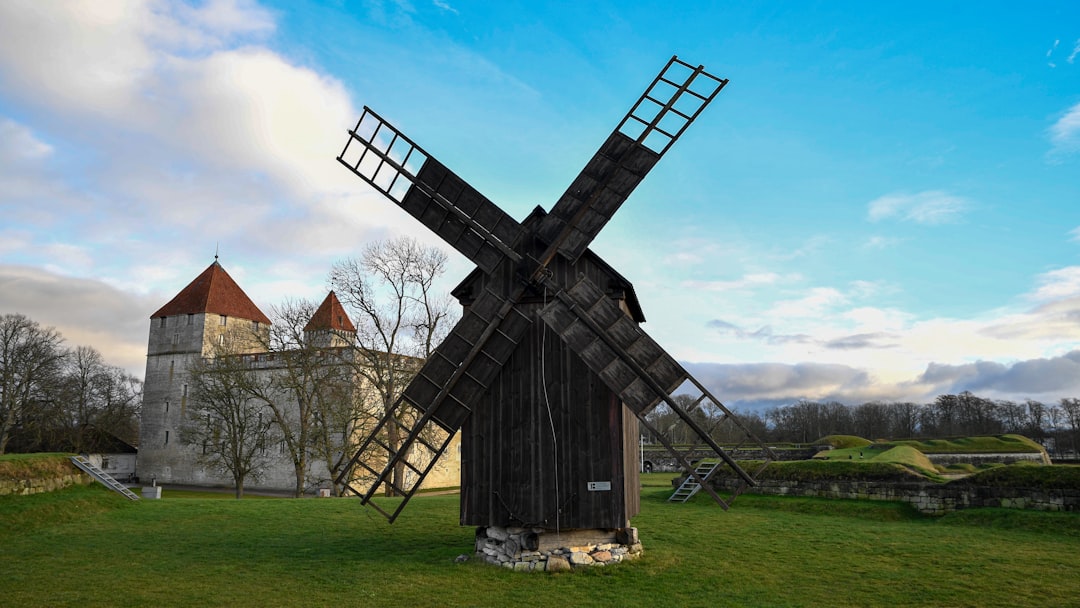
Kuressaare Episcopal Castle is the undisputed centrepiece — a 14th-century limestone fortress with a functioning moat, one of the best-preserved in the entire Baltic region. Kaali Meteorite Crater (18 km north of Kuressaare) is a sacred lake in a 110-metre-wide impact crater — genuinely eerie and unmissable. Angla Windmill Hill (55 km northeast) clusters 5 traditional wooden windmills against the sky, iconic for Saaremaa. Vilsandi National Park on the island’s west coast protects rare orchid meadows and grey seal colonies. In town, the elegant Art Nouveau spa promenade along Tori Street reflects Kuressaare’s 19th-century resort heritage.
What watersports activities are available near Kuressaare?
Kitesurfing and windsurfing are the standout activities, centred on Järve Beach where rental and lessons start at €40–€60 per hour with instructors. SUP (stand-up paddleboarding) is available at Mändjala from €15 per hour. Sea kayaking along Saaremaa’s deeply indented coastline is one of the island’s most underrated experiences — guided full-day tours from Kuressaare cost around €55–€75 per person. Sailing charters operate from Nasva Marina for half-day trips at roughly €80–€120 per person. The honest caveat: watersports operators depend on wind and weather, and same-day cancellations do happen — build flexibility into your itinerary.
What is the culinary highlight of Kuressaare?
Saaremaa lamb (Saaremaa lammas) is the definitive culinary experience — the island’s free-ranging sheep graze on salt-meadow grasses that give the meat a distinctly mineral, complex flavour found nowhere else in Estonia. Try it at Ku-Ku Kuressaare or Kolm Õde restaurant in town. Smoked sprats and locally brewed Saaremaa beer (especially the dark variety from Saaremaa Õlletehas) complete the island food trinity. In my experience, the most memorable meal is a farm-table dinner at a rural guesthouse 20–30 km outside Kuressaare where lamb, rye bread, and local juniper spirits are served together — book ahead, as seats are limited.
Which parts of Kuressaare and Saaremaa are still off the beaten track?
The Kihelkonna–Lümanda area in western Saaremaa sees a fraction of the tourist traffic that Kuressaare and Angla receive, yet it harbours Saaremaa’s most dramatic coastal cliffs at Panga cliff, 21 m above the sea, and the haunting Mihkli Farm Museum. The Muhu island (connected to Saaremaa by causeway, 30 km from Kuressaare) is almost entirely undiscovered by non-Estonian visitors — its traditional thatched farmsteads and Muhu embroidery workshops feel genuinely untouched. In my experience, driving northwest from Kuressaare past Tagamõisa Peninsula on a weekday in September gives you Estonian island scenery with zero other tourists in sight.
How many days do I need to properly see Kuressaare and Saaremaa?
5 days is my minimum recommendation to do the island justice without rushing. Day 1: arrive, walk Kuressaare castle and spa promenade. Day 2: Kaali crater and Angla windmills. Day 3: drive to Vilsandi National Park. Day 4: beach day at Mändjala plus watersports. Day 5: explore Muhu island on your way back to the mainland ferry. A 3-day trip covers Kuressaare town and the two big sights but leaves the island’s wilder west and north entirely unseen. The honest caveat: 7 days feels indulgent but never boring — Saaremaa rewards slow travel in a way few Baltic destinations match.
Kuressaare at a Glance
| Population | 13,185 |
|---|---|
| Currency | EUR (€) |
| Official language | Estonian |
| Time zone | UTC+02:00 |
Source: Wikidata, retrieved September 2026.
Estonia › Saaremaa › Kuressaare
Essential Resources for Planning Your Trip to Kuressaare
- Transport — official visitor information, passes & events
- Wikipedia: Kuressaare — history, geography & background
- Wikivoyage: Kuressaare — community travel guide & practical tips
- Kuressaare Episcopal Castle | Estonia | Attractions — expert itineraries & travel inspiration
- THE 15 BEST Things to Do in Kuressaare (2026) — hotels, restaurants & traveller reviews
- Saaremaa, Estonia travel & vacation packages — how to get around
- Numbeo: Cost of Living in Kuressaare — current prices & cost comparison
- Timeanddate: Kuressaare Weather & Climate — forecasts & climate statistics
- Kuressaare Fortress
More Perspectives on Kuressaare
Kuressaare Travel Videos
Watch these videos for a visual preview before your trip:
- Top 10 Best Tourist Places to Visit in Kuressaare | Estonia – English
- Why SAAREMAA FAIL as a TOURIST SPOT? (A Modern Tourist’s Perspective!) (Saaremaa Travel Guide) 🇪🇪
- Exploring Estonia – There is more to Estonia than just Tallinn – Travel Guide
Kuressaare Travel Discussions on Reddit
Real traveller experiences and community advice:
- Visiting Kuressaare : r/Eesti
- Kuressaare worth it? : r/travel
- Kuressaare (Saaremaa) or Tartu in the Summer : r/Eesti
Data Sources
This page was compiled using data from Wikipedia, Wikidata, Open-Meteo (climate), Numbeo (cost of living) and REST Countries. Information is updated regularly.