
Gambia: The Complete Travel Guide (2026)
Last reviewed: August 2026 · key facts checked against Wikidata
Gambia Travel Guide: Everything You Need to Know (2026)
The Gambia, Africa’s smallest mainland country at just 10,689 km², squeezes an extraordinary diversity of birdlife, river culture, and Atlantic beaches into a nation of 367,929 people. It sits entirely surrounded by Senegal except for its 80 km Atlantic coastline, earning it the nickname ‘The Smiling Coast of Africa.’ The Gambia River bisects the country for its entire 480 km length, defining virtually every aspect of life here.
Top 3 Highlights at a Glance
- Abuko Nature Reserve — West Africa’s smallest nature reserve packs over 270 bird species and resident crocodiles into just 105 hectares.
- Kunta Kinteh Island (James Island) — A UNESCO World Heritage slave fort sitting in the Gambia River, linked directly to Alex Haley’s ‘Roots’ ancestry narrative.
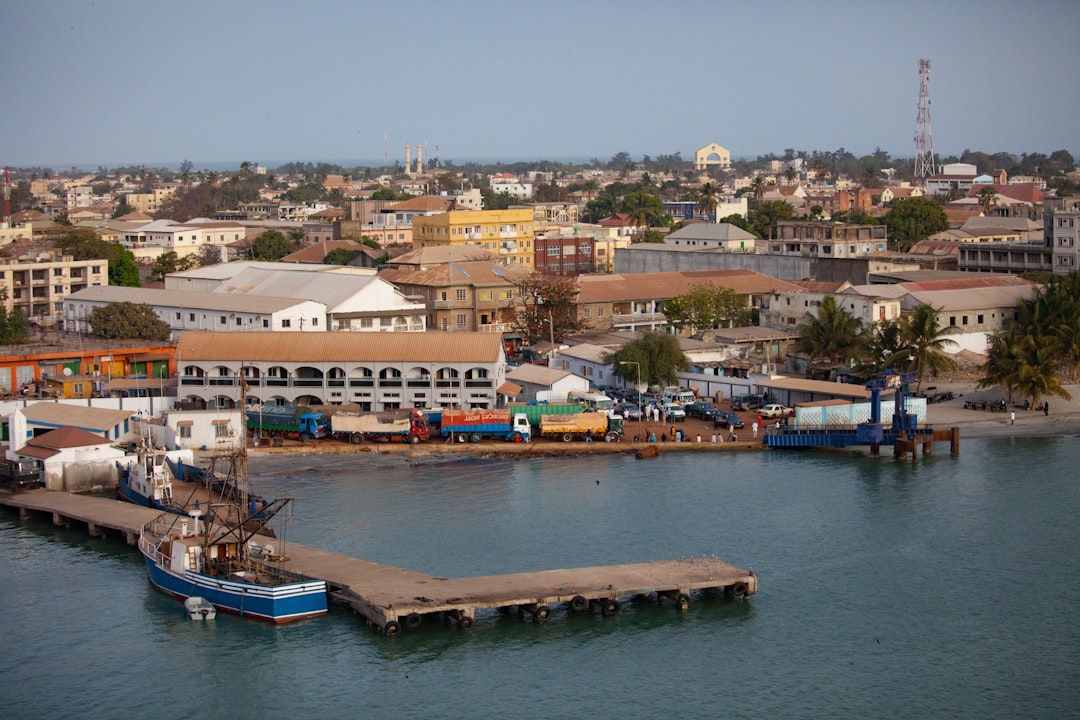
- Banjul Fish Market (Albert Market) — Chaotic, vivid, and completely unfiltered — pirogues unload fresh barracuda at dawn daily, just 10 minutes from the capital centre.
Scroll down for our complete travel guide with tips on getting there, where to stay, costs and more.
Getting There & Transport
Which airports are the best entry points into The Gambia?
Banjul International Airport (BJL) is The Gambia’s only international airport — full stop. In my experience, this is actually refreshingly straightforward: there’s no confusing choice between hubs. BJL sits 24 km from central Banjul and handles direct charter flights from London Gatwick, Brussels, and Amsterdam, plus connections via Casablanca (Royal Air Maroc) and Dakar. My tip: British tourists benefit most, as TUI and Jet2 operate seasonal direct routes from multiple UK regional airports. The honest caveat most guides skip: BJL has limited flight frequency outside European winter charter season (November–April), so if you’re travelling mid-year, budget for a connection through Casablanca or Dakar adding 4–6 hours to your journey.
How do I get from Banjul International Airport to my first accommodation in The Gambia?
Take a pre-arranged hotel transfer or negotiate a fixed-price taxi before leaving arrivals — expect to pay $15–25 USD to the Senegambia hotel strip in Kololi, roughly 30 minutes by road. In my experience, the taxi touts inside BJL quote inflated prices; walk past them to the official rank outside and agree the fare before entering the car. My tip: if your hotel is in the Kololi or Kotu tourist corridor, many mid-range and upmarket properties offer airport pickup for $20 USD flat. What surprised me: there is no reliable metered taxi system or app-based ride service at BJL in 2026. The honest warning — avoid unlicensed ‘tourist taxis’ that approach you inside the terminal, as overcharging by 3x is common with first-time visitors.
What transport options are there within The Gambia?
Yellow taxis, shared bush taxis (sept-place), and river ferries cover most of The Gambia — but comfort varies wildly. In my experience, yellow tourist taxis are the most practical for short coastal hops between Kololi, Kotu, Bakau, and Fajara, costing $3–8 USD per trip. For upcountry travel, sept-place shared taxis depart from Serrekunda Transport Hub and cost roughly $5–12 USD depending on distance. The Banjul–Barra vehicle ferry crosses the river in 45 minutes and costs under $2 USD per passenger. My tip: tuk-tuks (benneh-benneh) are great for short distances under 3 km at $1–2 USD. The caveat most guides omit: bush taxi departures only happen when the vehicle is full, meaning wait times of 1–3 hours upcountry are normal — build this into your itinerary ruthlessly.
Do I need a rental car in The Gambia?
No, for the coastal strip — yes, if you’re exploring upcountry seriously. In my experience, within the Kololi–Bakau–Banjul triangle, taxis are cheap and plentiful enough that a rental car adds cost without benefit. However, if you want to reach Janjanbureh (Georgetown), Basse Santa Su, or the eastern river communities independently on your own schedule, a 4WD rental is essential — upcountry roads are unpaved laterite tracks, especially after the rainy season. Expect to pay $50–80 USD per day for a basic 4WD from operators in Kololi. My honest warning: international rental chains barely exist here — you’ll be dealing with local operators whose insurance terms are vague. Get everything in writing, photograph the vehicle thoroughly, and confirm you have a valid international driving permit.
How good is the public transport network between regions in The Gambia?
It functions but requires patience — reliable for the coast, genuinely slow upcountry. The main artery is the Trans-Gambia Highway running from Banjul east to Basse Santa Su, served by shared taxis and minibuses from Serrekunda. In my experience, reaching Brikama from the coast takes 45 minutes by shared taxi for under $2 USD, which is excellent value. But travelling all the way to Janjanbureh — roughly 290 km from Banjul — takes 6–8 hours by shared transport due to stops, border-adjacent delays, and road conditions. What surprised me: the river ferry network between north and south banks is far more useful than most itineraries acknowledge, with regular crossings at Banjul–Barra and Farafenni. The caveat: no reliable intercity bus company operates timetabled services — it’s all demand-led.
Accommodation
Which regions should I stay in when visiting The Gambia?
Stay in Kololi for convenience, Bakau for authenticity, or upcountry for real Gambian life. In my experience, Kololi (Senegambia area) is where most first-timers land — it has the highest concentration of hotels, restaurants, and beach access, and it works. But Bakau, just 5 km north, feels more lived-in with the Kachikally Crocodile Pool and local market right on the doorstep. For a completely different experience, Janjanbureh on an island in the Gambia River is where birdwatchers and cultural travellers belong — think river lodges rather than beach hotels. My tip: don’t sleep only on the coast — even one or two nights upcountry transforms your understanding of the country. The honest caveat: Kololi’s Senegambia Strip can feel like a package-holiday bubble that barely resembles real Gambian daily life.
What does good accommodation cost per night in The Gambia?
Expect to pay $40–80 USD per night for a solid mid-range hotel in The Gambia. In my experience, the Coco Ocean Resort in Bijilo (around $120–160 USD) represents genuine luxury by local standards — beach access, good pool, reliable AC. Mid-range guesthouses in Kololi and Kotu like The Ngala Lodge charge $50–75 USD for clean rooms with breakfast included. Budget travellers can find basic but decent guesthouses in Bakau or Serrekunda for $15–30 USD, though AC is not guaranteed at that price. My tip: the all-inclusive packages sold by UK charter operators often deliver better value than booking à la carte — I’ve seen full-week packages from London land at £450–600 GBP including flights. The caveat most guides skip: water pressure and power cuts are real at budget properties — invest the extra $15 USD if a reliable shower matters to you.
When should I book hotels in The Gambia — how far in advance?
Book at least 3 months ahead for December–February travel; 4–6 weeks suffices for off-season. The Gambia runs on a predictable European charter tourism calendar — British, Dutch, and Belgian visitors flood the Kololi–Kotu strip from late November through February, and the better beach hotels fill fast. In my experience, the Coco Ocean, Sheraton Gambia, and Ngala Lodge are booked out weeks in advance for the Christmas and New Year window — I’ve seen New Year’s Eve availability disappear 6 months ahead. My tip: if you’re flexible on dates, late January and early February offer full availability with lower walk-in rates and thinner crowds. The honest caveat: last-minute deals at charter all-inclusives through UK operators can actually undercut direct booking rates in shoulder season — worth checking TUI.co.uk close to travel dates.
When is the best time to travel to The Gambia?
November through April is the classic sweet spot — dry, sunny, and 27–32°C daily. Based on verified climate data, January, February, March, April, May, June, and December are the best travel months. In my experience, February is the single best month: the harmattan dust haze has usually cleared, temperatures are comfortable rather than scorching, and birds are at peak activity for the birding crowd. December is festive and busy. May and June are surprisingly enjoyable — hot, dry, uncrowded, and cheap — though the heat hits 38°C at the coast some days. My honest warning: July through October is the wet season — daily downpours, high humidity, many hotels close or run skeleton staff, and malaria risk rises significantly. Unless you’re chasing green-season photography or rock-bottom prices, I’d avoid this window entirely.
How does peak season affect prices in The Gambia?
Peak season (December–February) lifts hotel prices by 40–60% and kills negotiating power. In my experience, a guesthouse room in Kololi that costs $30 USD in October will comfortably run $50–60 USD in January without any upgrade in quality. Restaurant prices on the Senegambia Strip edge up slightly but the bigger hit is tour operator rates — a half-day pirogue trip on the Gambia River that costs $25 USD per person in May may hit $45 USD in December. What surprised me: local transport costs don’t change — a Serrekunda shared taxi is $1–2 USD year-round. My tip: the Easter window (late March–April) offers a genuine sweet spot — dry season weather, meaningful price reductions versus Christmas peak, and noticeably fewer package tourists crowding Senegambia Beach.
Best Time to Visit
Which regions of The Gambia have different climate zones?
The coast is milder; the eastern interior is hotter and more extreme in every season. The Gambia is small enough that dramatic climate variation seems impossible — but the difference between Banjul at the Atlantic and Basse Santa Su in the east is real. In my experience, the Atlantic coast benefits from sea breezes that cap afternoon temperatures around 30–32°C during dry season, while the eastern interior around Janjanbureh and Basse regularly exceeds 38°C in April and May. During the rainy season, the eastern regions receive heavier rainfall than the coast, turning laterite roads into genuine obstacles. My honest caveat: The Gambia is so narrow (max 48 km north-to-south) that it never truly develops the altitude-driven climate diversity you see in larger African nations — the temperature gradient is about longitude, not latitude or elevation.
What are the rainy seasons in The Gambia?
The single rainy season runs from June through October, peaking in August. In my experience, August is the wettest month by a wide margin — expect heavy afternoon downpours lasting 1–3 hours daily, with overnight humidity that makes sleep uncomfortable without AC. June and October are transitional months where you’ll get occasional rain but still manageable days. What surprised me: the rains are rarely all-day events — mornings are often clear and bright even in August. My honest warning that most guides skip: the rainy season dramatically raises malaria transmission risk across the country, not just in rural areas — the Anopheles mosquito breeds in standing water in Serrekunda and Kololi too. If you travel June–October, prophylactic medication (Malarone or Doxycycline), DEET repellent, and a mosquito net are non-negotiable, not optional.
What does a trip to The Gambia cost per person per day?
Budget $40–50 USD/day backpacker style; $80–120 USD/day for mid-range comfort. In my experience, a realistic mid-range day in Kololi breaks down as: accommodation $55 USD, three meals $20 USD, taxis $8 USD, one activity $20 USD — roughly $103 USD total. Budget travellers staying in Bakau guesthouses, eating at local chop houses, and using shared transport can legitimately hit $40–45 USD/day. Luxury all-inclusive packages at the Sheraton Gambia Hotel & Spa in Brufut flip this calculation entirely — you’re pre-paying a fixed daily rate of $150–200 USD covering almost everything. My tip: food and transport are genuinely cheap by global standards — it’s accommodation that drives daily costs up. The honest caveat: single travellers pay a premium on twin-room rates that substantially lifts per-person costs versus couples sharing.
How expensive is food in The Gambia?
Local food is extraordinarily cheap; tourist-facing restaurants charge European-adjacent prices. In my experience, a bowl of domoda (peanut stew with rice) at a local chop house in Serrekunda costs $1.50–3 USD and is genuinely filling. Fresh grilled barracuda at a beachside shack in Kololi runs $5–8 USD with chips. Sit-down restaurants on the Senegambia Strip targeting tourists charge $12–20 USD for a main course — reasonable by Western standards but a 6x markup over local equivalents. My tip: Wullington’s restaurant in Kololi and similar mid-tier local-facing places hit the sweet spot at $6–10 USD for excellent grilled fish with salad. What surprised me: fresh juice bars are everywhere and cost $0.50–1 USD for a glass of hibiscus, ginger, or baobab juice — this is one of the genuine daily pleasures of eating in The Gambia.
What hidden costs should I expect when visiting The Gambia?
Budget guides routinely forget: bumsters, unofficial guides, and ‘tourist tax’ add up to $15–25 USD daily. In my experience, the biggest hidden cost in The Gambia is the informal economy around tourism — persistent young men (‘bumsters’) in Kololi and Senegambia Beach who offer unsolicited guiding services and expect payment. Refusing gracefully takes practice; accepting without agreeing a price upfront guarantees a dispute. Beyond that: airport departure tax is $20 USD if not included in your ticket (check); national park entry fees at Abuko Nature Reserve cost $5 USD per visit; pirogue trips are rarely the price first quoted. My honest warning: ATMs in Kololi and Banjul charge dispensing fees of $3–5 USD per transaction — withdraw larger amounts less frequently. Also, hotel Wi-Fi is sometimes charged separately at budget properties, adding $3–5 USD/day.
Budget & Costs
How much cash should I bring to The Gambia?
Bring $200–300 USD cash as backup; the local Dalasi (GMD) is what you’ll spend daily. In my experience, arriving with $150–200 USD cash to convert at the airport gives you a strong float while you locate better exchange rates in town. The official rate at bureau de change offices in Serrekunda and Banjul consistently beats hotel front-desk rates by 8–12% — always exchange there. In 2026, roughly $1 USD = 67–70 GMD (check live rates before travel). My tip: carry enough GMD cash for 3–4 days at a time since ATMs in smaller towns and upcountry regions are unreliable or nonexistent — I found no functioning ATM in Janjanbureh on my last visit. The honest caveat: counterfeit GMD notes exist — check large denomination notes (200 and 500 GMD) by holding them to light when receiving change.
Which credit cards are accepted in The Gambia?
**Visa is your only reliable card — Mastercard works at a handful of upscale hotels, American Express is essentially useless. In my experience, card acceptance in The Gambia is strictly limited: Sheraton Gambia, Coco Ocean Resort, and a few Senegambia Strip restaurants take Visa reliably. Beyond the top-tier tourist zone, it’s a cash economy without exception — local restaurants, transport, markets, guesthouses under $50/night, and all upcountry services. ATMs are concentrated in Kololi, Kotu, and Banjul — specifically the Trust Bank and GTBank branches are the most reliable for international cards. My honest warning: card skimming at ATMs has been reported at freestanding machines outside banks — use only in-branch ATMs during opening hours**. Notify your bank before travel that you’ll be using your card in Gambia to prevent automatic fraud blocks.
Which regions of The Gambia must I not miss?
**The Atlantic Coast, the Gambia River’s central island at Janjanbureh, and the North Bank Road corridor are the three essential zones. In my experience, most tourists never leave the Atlantic Coast strip between Banjul and Kololi, which is a mistake. The Central River Division around Janjanbureh is where The Gambia’s history, birdlife, and authentic village culture converge — the stone circles at Wassu, a UNESCO site, are 15 km north of Janjanbureh. The North Bank Road from Barra east is almost tourist-free and runs through Juffureh** (the village central to Alex Haley’s Roots research) — an emotionally powerful half-day. My honest caveat: upcountry travel requires committing to rough roads and basic lodging — anyone expecting coastal comfort will be disappointed. But those willing to adapt will experience a completely different Gambia.
What are the tourist highlights of The Gambia?
Abuko Nature Reserve, Kunta Kinteh Island, Bijilo Forest Park, the Wassu Stone Circles, and Banjul’s markets. In my experience, Abuko (just 13 km from Kololi) is the single best value half-day in the country — you’ll see monitor lizards, three crocodile species, and over 100 bird species in 2 hours for a $5 USD entry fee. Kunta Kinteh Island (formerly James Island) requires a boat from Juffureh and delivers a raw, unvarnished encounter with slave trade history that no museum replication can match. Bijilo Forest Park in Kololi is a 52-hectare coastal nature reserve within walking distance of resort hotels — remarkable for how wild it feels. The Wassu Stone Circles predate European contact and remain deeply undervisited. My tip: Banjul’s Albert Market is chaotic but fascinating and costs nothing to walk.
What experiences in The Gambia are found nowhere else on earth?
Birding The Gambia is a genuinely world-class experience found nowhere else at this price point. The Gambia is among the top 3 birding destinations in Africa relative to its size — over 570 species in a country you can drive end-to-end in 4 hours. Specialist lodges like Mandina Lodges near Tendaba position you directly over the river for dawn and dusk sightings of kingfishers, bee-eaters, and hornbills that birders fly from Europe specifically to see. Beyond birds: the experience of taking a pirogue upstream through papyrus channels at sunset while locals fish from dugout canoes is something that belongs specifically to the Gambia River. In my experience, the Roots pilgrimage trail — tracing the journey of Kunta Kinte from Juffureh to Kunta Kinteh Island — is emotionally unlike any other heritage site in West Africa.
Regions & Highlights
Which areas of The Gambia are overcrowded — and what are the quieter alternatives?
Senegambia Beach in Kololi is the undisputed tourist bottleneck — head 3 km north to Kotu or Bijilo instead. In my experience, Senegambia Beach and the hotel strip around it concentrate roughly 70% of The Gambia’s package tourists into an area less than 1.5 km long — the result is persistent touts, inflated prices, and an atmosphere that feels more like a British seaside resort than West Africa. Kotu Beach, just 3 km north, has the same sand and better birdwatching (the creek mouth attracts wading birds at low tide) with a fraction of the crowds. Bijilo Beach further north is nearly deserted on weekdays. For the full escape: Sanyang Beach (nicknamed ‘Paradise Beach’), 35 km south of Kololi, is where local families swim on weekends and tourist infrastructure is minimal. The honest trade-off: fewer services means you need to bring your own food and water.
How many days do I need in The Gambia?
7 days is the minimum to do The Gambia justice; 10–12 days if you’re going upcountry. In my experience, most UK charter packages run 7 or 14 nights — the 7-night option leaves you feeling you’ve barely scratched the surface if you spend all of it on the beach. A smart 10-day itinerary runs: days 1–4 on the Atlantic Coast (Kololi, Bakau, Abuko, Banjul); days 5–7 upcountry via the North Bank Road through Juffureh and Kunta Kinteh Island to Janjanbureh; days 8–10 back via the South Bank Highway with a night at Tendaba Camp for birding. My honest caveat: upcountry travel days are long and tiring — a 5-hour bush taxi ride requires a recovery day built in. If you only have 5 days, stay coastal and do Abuko, Bijilo, and a North Bank day trip from Barra.
Do I need a visa to visit The Gambia?
Citizens of the UK, EU, and USA do not need a visa for stays up to 90 days — entry is stamp-and-go. In my experience, arriving at BJL as a British or American passport holder means clearing immigration in under 20 minutes with no paperwork beyond your passport. The Gambia operates a remarkably open visa policy for Western tourists — over 50 nationalities arrive visa-free. My tip: ensure your passport has at least 6 months validity beyond your departure date — immigration officers in Banjul strictly enforce this and I’ve seen travellers refused boarding at UK airports. The honest caveats worth knowing: yellow fever vaccination proof is required if you’re arriving from a yellow fever endemic country (including Senegal); and while there’s no fee for entry, keep your immigration card — you’ll need to surrender it on departure. Check your specific nationality on the Gambian Immigration Department website before travel.
What languages are spoken in The Gambia?
English is the official language and genuinely functional across tourist areas and government services. In my experience, navigating The Gambia as an English speaker is easier than almost anywhere else in West Africa — colonial legacy means English is taught in all schools and used in commerce, hospitality, and administration. That said, daily life runs on Mandinka, Wolof, Fula, and Jola — the four dominant local languages. In Serrekunda markets and upcountry villages, transactions and conversations happen primarily in Mandinka or Wolof. My tip: learning five words of Mandinka (‘I nying domong’ = ‘good morning’; ‘Jërejëf’ = ‘thank you’ in Wolof) opens remarkable warmth from locals who appreciate the effort from tourists. The honest caveat: upcountry English fluency drops significantly beyond Brikama — having a guide or phrasebook genuinely helps east of Farafenni.
What cultural rules do I need to know before visiting The Gambia?
The Gambia is approximately 95% Muslim — dress modestly outside the beach, and respect prayer times. In my experience, the single most important rule is covering shoulders and knees when entering any town, market, mosque, or village — this applies to both men and women. On Senegambia Beach or hotel pool areas, normal beach attire is fine; the moment you step into Serrekunda, Banjul, or any local community, cover up. Friday midday prayers temporarily close many local shops and services — plan around it. My tip: never eat, drink, or smoke in public during Ramadan daytime hours out of respect — the dates shift annually, so check in advance. The honest cultural caveat most guides sanitise: LGBTQ+ relationships are illegal in The Gambia under existing law and carry serious legal consequences — this is a genuine safety concern, not a minor cultural note.
Practical Tips
How safe is The Gambia for tourists?
**The Gambia is one of West Africa’s safest tourist destinations — petty theft and scams are the primary risks, not violence. In my experience, walking the Senegambia Strip and Kololi Beach** at night feels genuinely relaxed by African standards — I’ve done it repeatedly without incident. The main irritant is persistent bumsters (informal young male hustlers) around tourist beaches who can follow you for 10–15 minutes if you engage even briefly. My tip: a firm, cheerful ‘No thank you’ repeated twice, then ignoring completely, works better than engaging or explaining yourself. The concrete safety warnings: don’t walk deserted beaches after dark east of Kololi; don’t carry your passport to the beach (leave it in the hotel safe); bag snatching from motorbikes has occurred on the road between Banjul and Serrekunda. Upcountry travel is genuinely safe — locals are extraordinarily hospitable.
What health precautions should I take before visiting The Gambia?
Malaria prophylaxis is mandatory — this is not optional in The Gambia regardless of season. In my experience, Malarone (atovaquone-proguanil) is the most practical option — start 1–2 days before arrival, take daily, and continue 7 days after departure. Expect to pay $60–90 USD for a 2-week supply privately. Beyond malaria: ensure you’re up-to-date on hepatitis A, typhoid, and yellow fever vaccines — the latter is required for entry if coming from endemic countries. Tap water is unsafe to drink anywhere in The Gambia — budget $1–2 USD/day for bottled water. My honest warning: stomach bugs from street food are common in the first 2–3 days as your gut adjusts — carry oral rehydration sachets and loperamide. The caveat most travellers ignore: bilharzia (schistosomiasis) risk exists in the Gambia River — avoid freshwater swimming anywhere except designated pools.
What SIM card or eSIM options are available in The Gambia?
Buy a local SIM from Africell or QCell at Banjul Airport arrivals — it takes under 10 minutes and costs under $3 USD. In my experience, Africell has the strongest data coverage across the coastal tourist corridor and reasonable signal as far east as Farafenni. A starter SIM with 5 GB of data runs approximately $3–5 USD and top-ups are sold at kiosks everywhere in Kololi and Serrekunda. QCell is the main competitor and covers similar ground. My honest caveat: 4G data speeds drop to 2G/3G upcountry beyond Brikama — streaming is impractical in Janjanbureh or Basse. For travellers wanting zero hassle: international eSIMs from Airalo or Holafly targeting West Africa work at BJL from the moment you land, costing roughly $15–20 USD for 5 GB — worth it if you need connectivity immediately and don’t want to queue at the SIM counter post-flight.
Which apps do you recommend for travelling in The Gambia?
Download Maps.me offline maps before you board — it’s your single most critical app in The Gambia. In my experience, Google Maps has patchy offline coverage for Gambian roads, especially the North Bank and upcountry routes. Maps.me downloads detailed offline maps including footpaths and village tracks that saved me multiple wrong turns near Tendaba. Beyond navigation: XE Currency for live GMD/USD/GBP exchange rate checks at bureaux de change; iNaturalist for identifying the extraordinary bird and reptile life (genuinely useful at Abuko); and WhatsApp — it’s the universal communication tool in The Gambia, used by hotels, guides, taxi drivers, and tour operators for everything from booking confirmations to directions. My tip: save your hotel’s WhatsApp number before arrival — emailing Gambian guesthouses often gets slow or no response, but a WhatsApp message gets replied to within 30 minutes.
What are common traveller mistakes when visiting The Gambia?
**The biggest mistake is staying in the Kololi resort bubble for the entire trip and flying home thinking you’ve seen The Gambia. In my experience, travellers who never venture beyond the Senegambia hotel strip** leave having experienced a manufactured tourist environment rather than an actual country. The second most common error: engaging bumsters without establishing that no money will change hands — even saying ‘I’m not interested today’ is interpreted as an opening. My concrete list of avoidable mistakes: (1) Exchanging currency at hotel front desks — lose 10–15% versus bureau de change offices in Serrekunda. (2) Booking ‘official’ guided tours through your hotel — the same trip costs 40–50% less arranged directly with a local guide via WhatsApp. (3) Underestimating journey times upcountry — the road between Serrekunda and Janjanbureh looks short on a map but realistically takes 6–7 hours by shared transport. (4) Skipping Abuko Nature Reserve in favour of an extra beach day — genuinely the most egregious waste of a half-day in the country.
Gambia at a Glance
| Population | 2,639,916 |
|---|---|
| Currency | dalasi (D) |
| Official language | English |
| Time zone | UTC±00:00 |
Source: Wikidata, retrieved August 2026.
Essential Resources for Planning Your Trip to Gambia
- Everything You Need To Know About Visiting The Gambia — official visitor information, passes & events
- Wikipedia: Gambia — history, geography & background
- Wikivoyage: Gambia — community travel guide & practical tips
- The Gambia travel – Africa — expert itineraries & travel inspiration
- THE 15 BEST Things to Do in Gambia (2026) — hotels, restaurants & traveller reviews
- Getting Around Gambia: Transport Guide for Travellers — how to get around
- Numbeo: Cost of Living in Gambia — current prices & cost comparison
- Timeanddate: Gambia Weather & Climate — forecasts & climate statistics
More Perspectives on Gambia
- Backpacking The Gambia: Your Full Travel Guide!
- Gambia travel guide and information
- Gambia Travel Guide & Information
Gambia Travel Videos
Watch these videos for a visual preview before your trip:
- 1 Week in Gambia with TUI and a local guide in under 5 minutes
- Serekunda, The Gambia Travel Guide 2025 | Top Attractions & Hidden Gems Unlocked
- Entering The Gambia (Africa’s Smallest Country)
Gambia Travel Discussions on Reddit
Real traveller experiences and community advice:
- Anybody been to The Gambia? : r/solotravel
- Senegal and the Gambia : r/solotravel
- Thinking of going to Gambia . Never been to Africa before
Data Sources
This page was compiled using data from Wikipedia, Wikidata, Open-Meteo (climate), Numbeo (cost of living) and REST Countries. Information is updated regularly.