
India: The Complete Travel Guide (2026)
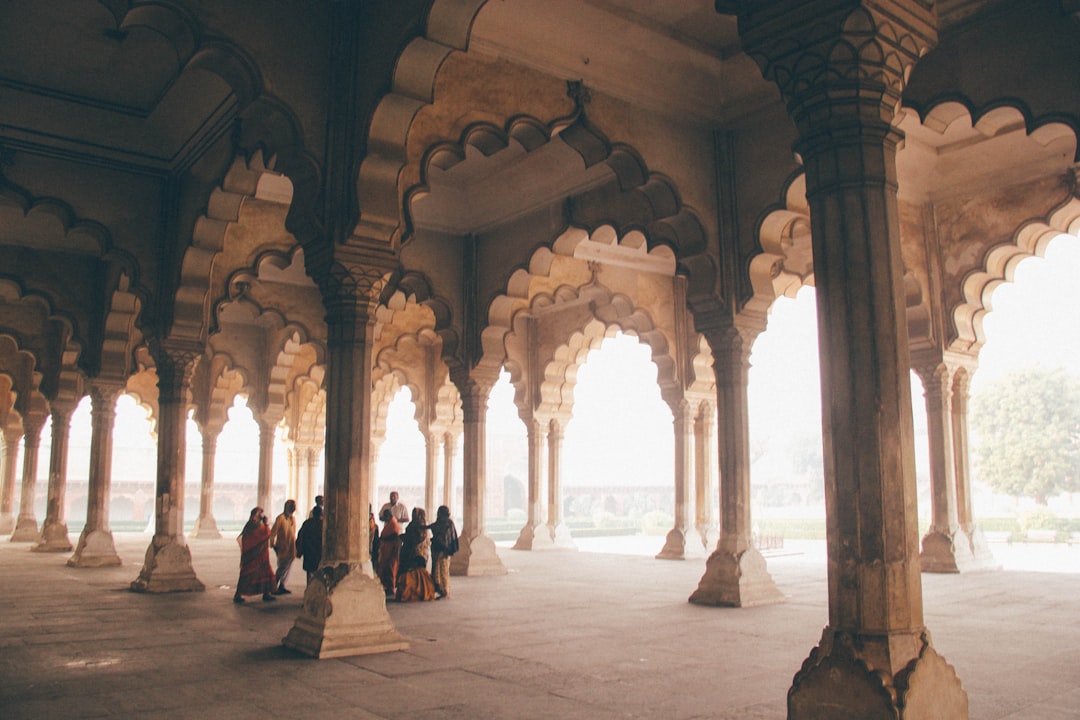
Last reviewed: October 2026 · key facts checked against Wikidata
India Travel Guide: Everything You Need to Know (2026)
India, the world’s most populous country with 1,326,093,247 people, spans 3.29 million square kilometres from the Himalayan peaks at over 8,500 metres to the tropical tip of Kanyakumari. Founded as a republic on 26 January 1950, it packs 28 states, 8 union territories, and at least 22 officially recognised languages into one staggering subcontinent. In my experience, nowhere else on Earth delivers such violent contrasts — Mughal marble next to autorickshaw chaos, and Rajasthani desert within a two-hour flight of Kerala backwaters.
Three Things Not to Miss in India
- Taj Mahal, Agra — The world’s most recognised monument, built 1632–1653, glows pink at sunrise before crowds arrive.
- Kerala Backwaters Houseboat — 900 km of interconnected lagoons navigable only by traditional kettuvallam rice boats.
- Varanasi Ganga Aarti — A 3,000-year-old fire ceremony on the Ganges performed nightly at Dashashwamedh Ghat.
Scroll down for our complete travel guide with tips on getting there, where to stay, costs and more.
Arriving in India: Airports & Transport
Which airports are the best entry points into India?
Delhi Indira Gandhi International (DEL) and Mumbai Chhatrapati Shivaji Maharaj International (BOM) are India’s two dominant international gateways. In my experience, DEL suits anyone starting in the north — Rajasthan, the Himalayas, Agra — while BOM is ideal for the Deccan, Goa, or a southern loop. Bengaluru (BLR), Chennai (MAA), and Kochi (COK) handle significant international traffic and are worth considering if your itinerary centres on South India. My tip: avoid connecting through DEL on a tight schedule — Terminal 3 is enormous and immigration queues at peak hours can consume 90+ minutes. Hyderabad’s Rajiv Gandhi International (HYD) is a genuinely underrated entry point for Central and South India, with far shorter queues.
How do I get from the airport to my first accommodation in India?
Pre-paid taxis and app-based cabs are your safest bets — always book at the official prepaid counter inside arrivals before exiting, or open Ola or Uber before you clear customs. In Delhi, the Airport Express Metro Line runs from Terminal 3 to New Delhi station in 20 minutes for ₹60 — the single best-value airport transfer in India. In Mumbai, the Western Railway from Andheri station (a ₹150 auto-ride from T1) serves the suburbs, but for South Mumbai take a metered cab — budget ₹600–900. What surprised me: surge pricing on Ola/Uber at midnight arrivals can hit 3× the base fare. I recommend downloading Ola before you land and having a local SIM ready — without a local number, some airport pickup bays won’t allow driver access.
What transport options are there within India?
India’s domestic network is genuinely world-class in variety. IndiGo and Air India dominate budget flights — a Delhi–Goa flight costs as little as ₹2,500 booked 6 weeks out. The Indian Railways network covers 67,000 km and remains the backbone of long-distance travel; second-class AC (2AC) sleepers between major cities cost ₹800–2,000. For short intercity hops, AC Volvo buses (booked via RedBus app) cover routes like Bangalore–Mysore or Jaipur–Udaipur for ₹200–500. Within cities, Ola and Uber work reliably in all tier-1 cities. The caveat most guides omit: trains require booking 60–90 days in advance on the IRCTC website — popular routes like Mumbai–Goa or Delhi–Jaipur sell out weeks ahead, especially in October–March peak season.
Do I need a rental car in India?
I strongly advise against self-driving in India as a first-time visitor. Traffic follows its own logic — lane markings are suggestions, and India records over 150,000 road fatalities annually. The practical alternative is a hired car with driver, which costs ₹2,500–4,500 per day including fuel for AC sedans in states like Rajasthan or Kerala. This unlocks remote temples and village markets that buses never reach. My tip: hire through your hotel or a recommended local agency — not through unmarked touts at the railway station. The honest caveat: in destinations like Coorg or Spiti Valley, a self-drive or hired jeep is genuinely the only practical option, since public buses run once daily at best. For cities, never bother with a rental — congestion makes it pointless.
How good is the public transport network between regions of India?
Between major cities, Indian Railways is excellent — punctual on Vande Bharat Express and Rajdhani Express corridors, affordable, and genuinely comfortable in 1AC or 2AC class. The Rajdhani Express Delhi–Mumbai covers 1,386 km in 15 hours 55 minutes. Between tier-2 cities, connectivity drops sharply — expect slower Passenger or Express trains that stop at every small town. State bus corporations like KSRTC (Karnataka) and HRTC (Himachal Pradesh) fill gaps trains miss, but comfort varies wildly. What most guides omit: the northeast states — Meghalaya, Nagaland, Arunachal Pradesh — have almost no rail coverage; you need shared jeeps or flights. I recommend booking train tickets via IRCTC Rail Connect app as a foreign tourist using the Tourist Quota, which reserves seats even when the regular quota is full.
Accommodation Across India
Which regions of India should I stay in?
This depends entirely on your travel style, but here are my honest picks. Rajasthan (Jaipur, Jodhpur, Udaipur, Jaisalmer) is the classic — forts, palaces, desert, and the best heritage hotel experience in Asia. Kerala suits slower travellers — backwaters, ayurvedic retreats, and spice-scented hill stations in Munnar. Himachal Pradesh (Manali, Spiti) is for altitude chasers — Spiti Valley sits at 4,270 metres. Goa delivers beaches plus Portuguese architecture, best between November and February. For culture and history without tourist crowds, Madhya Pradesh — specifically Khajuraho and Orchha — is criminally undervisited. The caveat: spreading yourself across too many regions on a 2-week trip destroys the experience. I recommend picking one primary region plus one secondary and going deeper rather than wider.
What does good accommodation cost per night in India?
India’s range is extraordinary. A well-reviewed 3-star hotel in Delhi or Jaipur costs ₹3,500–6,000 ($42–72) per night. Heritage havelis and boutique riads in Udaipur or Jodhpur run ₹7,000–15,000. At the top, Oberoi, Taj, and AMANTARA properties charge $300–600 per night and genuinely earn it. Budget travellers can find clean guesthouses in Paharganj (Delhi) or Pushkar for ₹800–1,500. In my experience, the sweet spot for value is the ₹4,500–8,000 bracket in smaller cities — you get heritage rooms, rooftop breakfasts, and genuine character that a generic business hotel in the same city charges triple for. The honest warning: always read recent reviews on Booking.com — Indian star ratings are self-certified and a 4-star can mean almost anything.
When should I book hotels in India — how far in advance?
For October to March travel — India’s peak season — book 3–4 months ahead for popular destinations like Jaipur, Udaipur, Varanasi, and Goa. During Diwali (October/November) and Christmas–New Year, premium properties in Rajasthan and Goa sell out 6 months in advance with prices jumping 40–80%. Budget guesthouses and mid-range city hotels can usually be booked 2–3 weeks out outside peak periods. My tip: the Golden Triangle (Delhi–Agra–Jaipur) during October half-term is brutally competitive — the Taj Hotel & Convention Centre Agra books out before July for October dates. What most guides omit: Holi weekend (March) in Vrindavan and Mathura requires hotel booking 4–5 months ahead — rooms near the festival venues are genuinely scarce.
When is the best time to travel to India?
Based on verified climate analysis, the best months to visit India are January, February, March, October, and December. In my experience, October–November is the single finest window — post-monsoon landscapes are vivid green, temperatures are manageable at 22–30°C across most of the country, and the festival calendar (Navratri, Diwali, Pushkar Camel Fair) is at its richest. February is ideal for Rajasthan — clear skies, cool nights around 10°C, and no crowds. For the Himalayas, May–June and September–October are the trekking sweet spots. The honest caveat: India is a continent-scale country — October is perfect for Rajasthan and simultaneously the tail end of monsoon in Tamil Nadu, which gets its own northeast monsoon from October–December. There is no single answer; match your month to your region.
How does peak season affect prices in India?
Peak season in India (roughly October–March) inflates accommodation costs by 30–60% compared to shoulder months. Goa beach shacks that charge ₹1,500 per night in September ask ₹4,500–6,000 in December. Rajasthan heritage hotels routinely double their published rack rates over Christmas and New Year. Domestic flights spike too — a Delhi–Goa fare can jump from ₹2,500 to ₹9,000 during Diwali or Christmas week. What most guides omit: Holi in March causes the second-largest price spike of the year, specifically in Rajasthan and UP destinations. My recommendation: travel mid-October or the first two weeks of November — post-monsoon freshness, good weather, and prices are still 20–25% below the Christmas peak. Booking domestic flights 8–10 weeks out is the single biggest lever for saving money.
India Season by Season
Which regions of India have different climate zones?
India contains six official climate zones in one country, which is what makes planning complex. Rajasthan and Gujarat are arid-desert — summer temperatures hit 48°C in May. Kerala and coastal Karnataka are tropical monsoon, with heavy rainfall June–September and year-round warmth. The Western Himalayas (Manali, Leh, Spiti) are alpine — Leh sits at 3,524 metres and sees snowfall from November to April that closes Rohtang Pass. The Northeast (Meghalaya’s Cherrapunji) receives the world’s highest rainfall — over 11,000 mm annually. The Deccan Plateau (Hyderabad, Pune) is semi-arid with a shorter monsoon. Tamil Nadu and coastal Andhra Pradesh receive a reverse northeast monsoon October–December. My tip: if you’re combining North and South India in one trip, October hits the sweet spot where both regions are simultaneously agreeable.
What are the rainy seasons in India?
The Southwest Monsoon hits Kerala around 1 June, sweeps northward, and covers most of the country by July, retreating by late September. This is India’s primary rainy season — Mumbai receives 2,200 mm in just 4 months, and Rajasthan gets 90% of its annual rain in July–August. The honest truth most guides skip: the monsoon is not universally bad for travel. Rajasthan forts look dramatic against dark skies, prices drop 30–50%, and the landscape turns green. However, Goa becomes rough and beach-swimming dangerous from June–August. The Northeast Monsoon affects Tamil Nadu and Sri Lanka separately, running October–December. The Himalayas experience monsoon differently — valleys like Spiti are rain-shadow desert and are actually best visited July–September when main routes are open.
What does a trip to India cost per person per day?
India offers three clearly distinct budget levels. Budget traveller: $25–35 per day — dorm beds or cheap guesthouses, local thali meals at ₹80–150, state buses, and free entry sights. Mid-range traveller: $60–100 per day — 3-star hotels, restaurant meals at ₹500–1,200, occasional Ola/Uber, domestic flight legs. Comfortable traveller: $150–250 per day — heritage hotels, guided tours, spa treatments, and business-class train seats. What surprised me: the hidden costs — Taj Mahal entry alone is $17 for foreigners vs ₹50 ($0.60) for Indians, and most major archaeological sites have differential pricing. International visitors typically spend 3–5× more on entry fees than locals. My honest assessment: India is extraordinary value at every budget tier, but the mid-range delivers the best experience-to-cost ratio in the world.
How expensive is food in India?
Food in India is genuinely among the world’s great travel values. A local thali (full meal with dal, sabzi, rice, roti, pickle) at a dhaba costs ₹80–200 ($1–2.40). A sit-down restaurant meal in a mid-range place in Colaba (Mumbai) or Connaught Place (Delhi) runs ₹400–900 per person. A full dinner with cocktails at a rooftop restaurant in Udaipur costs ₹1,500–2,500. Street food is the revelation — Mumbai’s vada pav costs ₹15–25, a masala dosa in Bengaluru’s Mavalli Tiffin Rooms (MTR) costs ₹120. The caveat most guides skip: tourist-zone restaurants in Agra and Jaipur near major sights often charge 3–4× local prices for mediocre food. My tip: walk 10 minutes from any major attraction and the price-quality ratio transforms completely.
What hidden costs should I expect when travelling India?
The differential entry fee system is the biggest shock — ASI (Archaeological Survey of India) sites charge foreigners 15–25× the Indian citizen price. The Taj Mahal costs ₹1,300 ($15.60) for foreigners vs ₹50 for Indians. A 7-sight Rajasthan circuit can cost $70+ in entry fees alone. Other surprises: bottled water adds up fast at ₹20–40 per bottle — I budget ₹200 daily for water and carry a SteriPen. Baggage fees on Indian budget airlines are aggressive — IndiGo charges ₹600–2,500 for checked bags booked at the airport. AC train upgrades at the last minute carry premiums. Tipping culture is growing — 10% in restaurants and ₹200–300 per day for drivers is now standard. GST at 18% is added to restaurant bills above a certain threshold, which surprises many travellers expecting menu prices to be final.
Budgeting Your India Trip
How much cash should I bring to India?
Keep ₹5,000–8,000 ($60–95) in cash accessible at all times. Most tier-1 city hotels, restaurants, and shops accept UPI (Unified Payments Interface) or cards, but markets, auto-rickshaw drivers, dhaba food stalls, rural guesthouses, and temple donation boxes are strictly cash. ATMs from HDFC, ICICI, and SBI are reliable in cities and tourist towns — withdraw ₹10,000–20,000 per transaction to minimise fees. The warning most guides omit: ATMs in smaller Rajasthan towns like Jaisalmer and Himalayan villages frequently run dry during peak season and post-festival weekends. I recommend carrying USD 100–200 in cash as emergency backup — Thomas Cook and Forex outlets at major airports and Connaught Place give competitive exchange rates. Never exchange at hotel desks — they routinely offer 8–12% below market rate.
Which credit cards are accepted in India?
Visa and Mastercard are accepted at virtually all hotels rated 3-star and above, established restaurants, and larger shops. American Express works in upscale hotels and Amex-affiliated restaurants, but coverage drops sharply outside Delhi, Mumbai, and Bengaluru. Diners Club is near-useless — I would not rely on it. The practical reality: outside major cities, India still runs substantially on cash and UPI mobile payments. International travellers cannot use UPI without an Indian bank account, which puts you at a disadvantage in street markets and local transport. My tip: carry a Wise Mastercard or Revolut card — both offer near-spot-rate currency conversion and no foreign transaction fee, saving 2–3.5% per transaction versus a standard UK or US bank card. Always choose to pay in INR, never your home currency — dynamic currency conversion adds 4–6% extra.
Which regions of India must I not miss?
Rajasthan is non-negotiable for first-timers — the Jaipur–Jodhpur–Udaipur triangle alone justifies a 2-week trip. Kerala offers a completely different India — houseboat days on Alleppey backwaters, Kathakali performances in Fort Kochi, and tea estates in Munnar at 1,600 metres. Varanasi is India’s spiritual epicentre and unlike any city on Earth — 3,000 years of continuous habitation on the Ganges. Hampi in Karnataka is a UNESCO World Heritage boulder landscape with the ruins of the Vijayanagara Empire — completely spectacular and still undercrowded. Spiti Valley in Himachal Pradesh is India’s answer to Tibet — Key Monastery at 4,166 metres is one of Asia’s great high-altitude sights. The honest caveat: the Golden Triangle (Delhi–Agra–Jaipur) is essential but heavily touristed — combine it with at least one less-visited destination to get a truer picture of India.
What are the tourist highlights of India?
The Taj Mahal in Agra remains the undisputed headline — built between 1632 and 1653, it draws over 6–8 million visitors annually. Jaipur’s Amber Fort is architecturally rival to anything in Europe. Varanasi’s Dashashwamedh Ghat Aarti at sunset is the most visceral spiritual spectacle I have witnessed anywhere. Kerala’s houseboat network on 900 km of backwaters is genuinely unique. Ranthambore National Park in Rajasthan gives the best odds of wild tiger sightings in India — with roughly 70 tigers in 1,334 sq km. Ajanta and Ellora caves in Maharashtra contain Buddhist and Hindu rock-cut art dating back to the 2nd century BCE. Leh-Ladakh for high-altitude Himalayan drama. What most guides underplay: Madhya Pradesh’s Khajuraho temples (10th–11th century erotic carvings) are as impressive as Angkor Wat with a fraction of the tourist traffic.
What experiences in India are found nowhere else on Earth?
Three come to mind immediately. First: sleeping on a traditional kettuvallam houseboat on Kerala’s backwaters — drifting through palm-fringed canals at dawn with breakfast cooked to order is a specifically Indian experience with no equivalent elsewhere. Second: attending a Pushkar Camel Fair (November) — 50,000+ camels converge in the Thar Desert for trading, acrobatics, and Hindu pilgrimage simultaneously — nothing else blends commerce, spectacle, and devotion at this scale. Third: joining the Varanasi cremation ghats as a respectful witness at Manikarnika Ghat, where cremations have run continuously for over 3,000 years — death treated as public, sacred theatre. My tip: the Holi festival in Mathura and Vrindavan is the original version, far more intense and participatory than the packaged Holi events that have proliferated globally. Budget ₹500–800 for quality colours and old clothes you will discard.
Which Part of India to Choose
Which areas of India are overcrowded — and what are quieter alternatives?
Agra around the Taj Mahal is suffocating October–March — the site receives 20,000+ visitors on peak days. Alternative: visit at opening time (30 minutes before sunrise) and exit by 9 am before tour buses arrive. Goa’s Calangute and Baga beaches are genuinely overcrowded December–January — head instead to Agonda or Patnem beach in South Goa, where crowds are 70% thinner and restaurants are half the price. Manali in peak summer (June–July) is gridlocked — Kasol or Tirthan Valley in Himachal Pradesh offer comparable Himalayan scenery with a fraction of the footfall. In Rajasthan, Pushkar is a far more atmospheric base than Jaipur. And Hampi gives you a UNESCO Heritage Site with almost no crowds compared to the Golden Triangle — I counted more stone monkeys than tourists on a Monday in February.
How many days do I need for India?
The honest answer: 21 days is the minimum to experience India without feeling like you are in a race. A focused 10–12 day trip works only if you commit to one region — the Golden Triangle plus Varanasi, or Kerala end-to-end. What most itinerary guides fail to account for: travel time is enormous. A Delhi–Varanasi overnight train takes 13 hours, a Jaipur–Jaisalmer journey takes 6 hours by bus. I recommend building in at least one do-nothing day per 4 days — India is intense and beautiful, but sensory overload is real. First-timers tend to over-schedule. For a comprehensive sweep — Rajasthan, Kerala, one Himalayan destination, one cultural city — budget 28–35 days. Two weeks in Rajasthan alone, done slowly, will teach you more about India than a rushed 3-week Pan-India sprint.
Do I need a visa for India?
Most nationalities — including US, UK, EU, Australian, and Canadian passport holders — can apply for an e-Visa online at indianvisaonline.gov.in. The tourist e-Visa costs $25 for a 30-day single-entry or $40 for a 1-year multi-entry, processed in 3–5 business days. Apply at least 4 days before departure — the system occasionally delays. The honest warning most guides skip: the e-Visa system frequently crashes or rejects applications due to photo specification issues (white background, specific pixel dimensions). I have had mine rejected twice for marginal photo issues. Download the exact spec sheet and use a professional photo service. Citizens of Pakistan, Bangladesh, and a handful of other countries have restricted visa pathways — check the official portal. Nepal and Bhutan nationals do not require a visa for India.
What languages are spoken in India?
India recognises 22 official languages under its constitution, with Hindi as the primary official language of the central government and English as an associate official language. In practice, English functions as the language of educated urban India — it is spoken fluently in business, government, tourism, and across the educated middle class in all major cities. The practical reality: in Tamil Nadu and Karnataka, locals often resist Hindi (historical political tensions) but English works perfectly. In rural Rajasthan and UP villages, English coverage drops to near-zero — a few Hindi phrases make a transformative difference. Learn: ”kitna hai?” (how much?), “shukriya/dhanyavaad” (thank you), “namaskar” (hello) — even bad pronunciation is met with warmth. My tip: the Google Translate app with downloaded Hindi and Tamil packs has saved me countless times in markets and train stations.
What cultural rules do I need to know before visiting India?
Remove shoes before entering all temples, mosques, and many homes — this is mandatory, not optional. Carry thin socks for hygiene at temple stone floors that can hit 50°C in summer sun. Dress modestly at religious sites — shoulders and knees covered; women should carry a dupatta (scarf) to cover the head at Sikh gurudwaras and some mosques. Never touch religious idols or enter inner sanctums uninvited — signs will indicate restrictions. Physical affection between couples in public is frowned upon outside major metros. Eat with your right hand — the left hand is considered unclean. The caveat most guides omit: photography of military installations, border areas, and some tribal areas in the Northeast is prohibited and policed seriously. At cremation ghats like Manikarnika in Varanasi, photography requires explicit permission — refusing this rule has caused serious incidents involving tourists and locals.
Before You Go to India
How safe is India for travellers?
India is safe for most travellers in most regions — the vast majority of visits pass without incident. The genuine risks worth flagging: petty scams targeting new arrivals are endemic at Delhi railway station, Agra taxi stands, and around major tourist monuments — the classic is the ”closed for today, I know better place” scam used against Taj Mahal visitors. Solo women travellers face elevated risk of harassment, particularly in Delhi, Agra, and rural UP — Goa, Kerala, and Rajasthan’s tourist circuit are safer environments. The Northeast states bordering Myanmar and some parts of Jammu & Kashmir require permits and carry genuine security considerations. My honest tip: register with your country’s embassy travel advisory system, download BSafe app, share your itinerary with someone back home, and always pre-book your first night’s accommodation so you arrive knowing exactly where you’re going.
What health precautions should I take before visiting India?
Start vaccinations 6–8 weeks before departure — recommended jabs include Hepatitis A, Typhoid, Tetanus-Diphtheria, and for longer trips, Hepatitis B and Rabies (essential if you plan village or wildlife areas). Malaria prophylaxis (Malarone or Doxycycline) is recommended for rural Rajasthan, Madhya Pradesh, and the Northeast — urban Delhi and Mumbai carry negligible malaria risk. The single biggest health issue for India travellers: Delhi belly (traveller’s diarrhoea) — pack Ciprofloxacin 500mg and Loperamide and carry oral rehydration salts (ORS). Never drink tap water — even in 5-star hotels. I carry a SteriPen UV water purifier which paid for itself in 3 days. Air quality in Delhi, Mumbai, and Agra from November–February can hit AQI 300–500 (hazardous) — pack N95 masks if you are asthmatic or visiting during winter smog season. Travel insurance with medical evacuation cover is non-negotiable.
What SIM card or eSIM options are available in India?
Airtel and Jio are the two networks worth considering — both offer excellent 4G coverage across cities and major tourist routes. A Jio Tourist SIM with 1.5 GB/day + unlimited calls costs ₹299 ($3.60) for 28 days — extraordinary value. Purchase at the Airtel or Jio store inside arrivals at major international airports (DEL, BOM, BLR) with your passport and visa — activation takes 15–30 minutes. The honest caveat: SIM activation requires biometric verification (fingerprint) in some states, and foreign passport holders occasionally face delays of 2–6 hours or rare outright refusals at smaller outlets. Buy at the airport store, not a street vendor, to avoid this. For eSIM users, Airalo’s Holafly India eSIM works from landing but costs $15–25 for 10 GB — more expensive but zero activation stress. Coverage in Spiti Valley and parts of the Northeast drops to zero regardless of network.
Which apps do you recommend for travelling India?
My essential India travel app stack: IRCTC Rail Connect — book train tickets with Tourist Quota access; Ola — more reliable than Uber in smaller cities and better surge pricing; RedBus — intercity bus booking covering 2,000+ routes; Google Maps — offline download is essential, works even without signal in most cities; Zomato — restaurant discovery and delivery across 500+ Indian cities; Paytm — though foreigners can’t use UPI directly, Paytm wallet accepts international Visa for some transactions; Practo — find verified doctors and clinics if you fall sick; and IndiGo or Air India apps for domestic flights. What surprised me: WhatsApp is universal in India — hotel managers, drivers, tour guides, and restaurants all communicate and confirm bookings via WhatsApp. Save your driver’s number and your hotel’s number in WhatsApp before you leave your room each morning — it has rescued me from confusion on a dozen occasions.
What are the most common traveller mistakes made in India?
The number one mistake: over-scheduling. Travellers book 12 destinations in 14 days, spend their entire trip on trains and buses, and see nothing properly. Pick 4–5 destinations maximum per 2-week trip. Second: trusting unsolicited advice near major tourist sites — the “closed today” Taj Mahal scam alone has redirected thousands of tourists to commission-paying shops for 40 years. Third: ignoring train booking windows — the 60-day advance booking window opens at 8 am IST; popular routes fill in hours. Fourth: packing for a fashion shoot — India in peak season means dust, heat, and open-fire smoke. Pack light, pack washable. Fifth: not carrying small change — ₹10 and ₹20 notes are essential for auto-rickshaws, market vendors, and temple donations, and change is routinely “unavailable” in a negotiating tactic. My most useful tip: photograph your hotel business card on check-in — showing it to an auto driver eliminates address translation problems in any city.
India at a Glance
| Population | 1,326,093,247 |
|---|---|
| Currency | Indian rupee (₹) |
| Official language | Hindi, English |
Source: Wikidata, retrieved October 2026.
Essential Resources for Planning Your Trip to India
- Discover Incredible India: Travel Guide & Tourism Info … — official visitor information, passes & events
- Wikipedia: India — history, geography & background
- Wikivoyage: India — community travel guide & practical tips
- India Travel 2026 – Lonely Planet | Asia — expert itineraries & travel inspiration
- THE 15 BEST Things to Do in India (2026) — hotels, restaurants & traveller reviews
- UNESCO New Delhi | “Heritage must sustain itself. The … — how to get around
- Numbeo: Cost of Living in India — current prices & cost comparison
- Timeanddate: India Weather & Climate — forecasts & climate statistics
- World Heritage and Sustainable Tourism Programme
More Perspectives on India
- India Travel Tips for First-Time Visitors (Updated 2026)
- What I Wish I Knew Before Visiting India
- 16 India Travel Tips You NEED to Know!
India Travel Videos
Watch these videos for a visual preview before your trip:
- Everything You NEED TO KNOW Before Visiting India | India Travel Guide
- INDIA travel guide | EVERYTHING to know before you go
- India (Asia) Vacation Travel Video Guide
India Travel Discussions on Reddit
Real traveller experiences and community advice:
- Are there any positives to traveling to India? I’m interested …
- r/indiatravel
- What to do before visiting India for the first time?
Data Sources
This page was compiled using data from Wikipedia, Wikidata, Open-Meteo (climate), Numbeo (cost of living) and REST Countries. Information is updated regularly.