
Brazil: The Complete Travel Guide (2026)
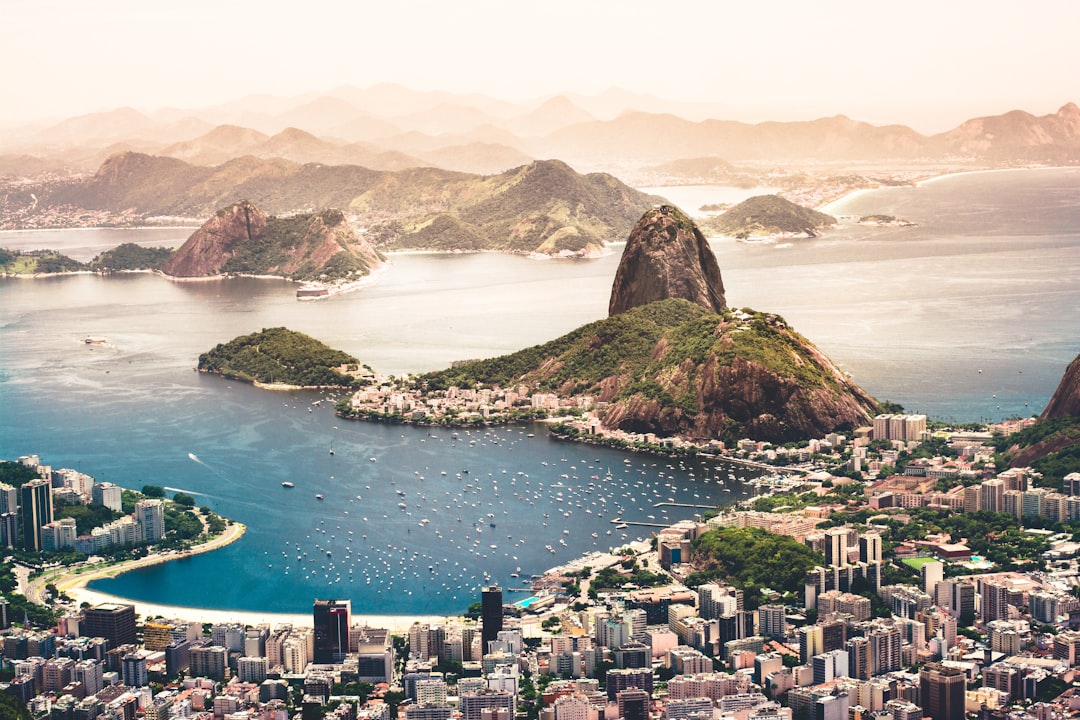
Last reviewed: August 2026 · key facts checked against Wikidata
Brazil Travel Guide: Everything You Need to Know (2026)
Brazil is the largest country in South America, covering 8.5 million km² and home to 213,421,037 people — the world’s sixth most populous nation. Founded as a Portuguese colony in 1500, it spans five distinct climate zones from the equatorial Amazon to the subtropical south. Its coastline stretches 7,491 km, making it one of the longest in the world, and its biodiversity accounts for roughly 10% of all species on Earth.
Three Things Not to Miss in Brazil
- Iguazu Falls — The world’s widest waterfall system at 2.7 km wide dwarfs Niagara Falls by nearly double — nothing prepares you for the scale.
- Rio de Janeiro’s Carnaval — The Sambadrome parade draws 90,000 spectators nightly — a choreographed spectacle of 80,000 performers that has no equal anywhere on Earth.
- Amazon Rainforest Lodge Stay — Spending nights in a floating lodge near Manaus puts you inside the world’s largest tropical rainforest covering 5.5 million km².
Scroll down for our complete travel guide with tips on getting there, where to stay, costs and more.
How to Reach Brazil
Which airports are the best entry points into Brazil?
São Paulo’s Guarulhos International (GRU) and Rio de Janeiro’s Galeão (GIG) are Brazil’s two main international gateways — GRU handles the highest volume of long-haul flights. In my experience, GRU is the smarter entry point: it connects to 45+ countries and sits 25 km from São Paulo’s city centre, while GIG is 40 km from Rio’s centre. For the northeast, Recife (REC) and Fortaleza (FOR) accept direct European charter flights. For the Amazon, fly into Manaus (MAO). Caveat most guides skip: GIG has been partially underutilised since 2019 — some airlines shifted long-haul flights permanently to GRU, so always double-check routing before assuming Rio is a direct option.
How do I get from the airport to my first accommodation in Brazil?
Take the CPTM Line 13 express train from GRU to Luz station for BRL 4.30 — it runs every 30 minutes and reaches the city centre in 55 minutes. In my experience, this beats taxis completely during rush hour. From GIG in Rio, the BRT Transcarioca bus reaches Alvorada terminal in Barra da Tijuca in 60 minutes for about BRL 5. My tip: avoid unmarked taxis at both airports — use only the licensed yellow-and-black Táxi Comum booths or apps like 99 or Uber. Fixed-rate taxis from GRU to Paulista Avenue run approximately BRL 100–130. What surprised me: at GIG, terminal 2 arrivals have significantly fewer legitimate taxi queues than terminal 1, so walk across.
What transport options are there within Brazil?
Domestic flights are the backbone of Brazilian travel — LATAM, Gol, and Azul connect over 100 cities, with fares sometimes as low as BRL 150 if booked 6 weeks ahead. In my experience, flying between regions is non-negotiable for trips over 1,000 km. Long-distance buses operated by Comfortbus and Itapemirim are excellent for shorter hops — São Paulo to Rio costs BRL 80–120 and takes 6 hours on a comfortable sleeper coach. Trains barely exist for intercity travel — Brazil’s rail network is freight-focused. My honest caveat: driving between cities looks attractive on a map but highways like the BR-116 have serious safety records after dark — I never recommend night driving outside cities.
Do I need a rental car to travel around Brazil?
Only in specific regions — renting a car is essential for exploring the Chapada Diamantina highlands or the Lençóis Maranhenses dune fields, where no public transport reaches key trailheads. In my experience, within major cities like São Paulo or Rio you absolutely do not need one — traffic is brutal and parking costs BRL 20–50 per hour in Paulista or Ipanema. Daily rental rates start at BRL 150 for a compact from Localiza or Movida at airports. My tip: rent only at airports where insurers are regulated. The overlooked warning: Brazil requires an International Driving Permit alongside your home licence — police checkpoints on state highways do check, and fines start at BRL 293.
How good is the public transport network between regions of Brazil?
Between major cities it is functional but slow — buses are reliable and affordable, flights are fast but add cost. In my experience, the northeast corridor between Fortaleza, Natal, Recife, and Salvador is well-served by both Azul flights and overnight buses. The Amazon region has almost no roads between cities — river boats on the Rio Solimões between Manaus and Belém take 4–5 days but are a genuine adventure for BRL 200–350 in a hammock berth. The south — Curitiba, Florianópolis, Porto Alegre — has frequent bus connections. The honest caveat: Brazil’s size means public transport always involves long travel times; a bus from São Paulo to Salvador takes 28 hours even on an executive-class coach.
Finding a Base in Brazil
Which regions of Brazil should I stay in?
Base yourself based on what you want: Rio de Janeiro’s Ipanema and Santa Teresa for beach-meets-culture; São Paulo’s Pinheiros or Vila Madalena for food and nightlife; Salvador’s Pelourinho for Afro-Brazilian heritage; Manaus as the only practical Amazon gateway; Florianópolis for Brazil’s best value beach scene; Fortaleza for kitesurfing and low-cost northeast beaches. In my experience, first-timers should split time between Rio (beaches, Christ the Redeemer) and one other region — either Salvador for culture or Foz do Iguaçu for nature. The overlooked warning: Brasília is architecturally stunning but has almost no tourism infrastructure beyond a day or two — don’t base your whole trip there.
What does good accommodation cost per night in Brazil?
A clean mid-range hotel in Rio’s Ipanema or São Paulo’s Jardins neighbourhood runs BRL 350–600 (approximately USD 65–110) per night. In my experience, pousadas (guesthouses) in the northeast — Jericoacoara or Trancoso — offer exceptional quality for BRL 200–350. Budget hostels in Lapa, Rio cost BRL 60–90 for a dorm bed. Luxury options at properties like Belmond Copacabana Palace start at BRL 1,800 per night. My tip: Airbnb in Santa Teresa, Rio gives a neighbourhood feel at BRL 180–280 per night for a private apartment. The caveat most guides skip: hotel prices in Rio during Carnaval week (February 2026) typically triple or quadruple from published rack rates — book by September 2025.
When should I book hotels in Brazil — how far in advance?
Book Rio de Janeiro during Carnaval (late February 2026) at minimum 6 months ahead — I have seen entire Ipanema inventory disappear by October the previous year. For Iguazu Falls any time of year, 4–6 weeks is sufficient. In my experience, the northeast beach towns of Jericoacoara and Porto de Galinhas during July school holidays (the Brazilian peak domestic season) require 8–10 weeks advance booking. The Amazon lodges near Manaus — especially Anavilhanas Jungle Lodge — have limited rooms and book out 3 months ahead year-round. Honest caveat: Brazilian domestic travel spikes sharply during Semana Santa (Holy Week) in April — many guides focus only on Carnaval but Easter weekend creates the same accommodation squeeze in coastal resorts.
When is the best time to travel to Brazil?
May through August is the best window — confirmed by climate analysis and my own visits across multiple regions. In my experience, this dry season covers Rio, São Paulo, and the northeast simultaneously, with temperatures of 22–28°C and minimal rain. The south is cooler in July but still pleasant. June and July are Brazil’s domestic peak school-holiday months, so prices rise but the weather pays off. For the Amazon, June–September is the low-water season — riverbanks are exposed, wildlife concentrates, and jungle hikes are possible. The overlooked caveat: August is peak fire and smoke season in the Pantanal and Amazon — air quality near Cuiabá or Porto Velho can be genuinely poor, so avoid those specific destinations in August despite the otherwise good timing.
How does peak season affect prices in Brazil?
Peak season in Brazil has two distinct drivers: Carnaval (February) inflates Rio prices by 200–400%, and July school holidays push up coastal resort rates by 50–80%. In my experience, a hotel in Florianópolis that costs BRL 250 in May will hit BRL 450 in the first two weeks of July. Domestic flight prices on routes like São Paulo–Fortaleza can jump from BRL 200 to BRL 600 during these windows. My tip: book flights on Azul or Gol’s app 6–8 weeks out for the best fares. The honest trade-off: visiting during low season (March–April or October–November) saves real money but means navigating the rainy season in Rio and the Amazon simultaneously — choose one or the other.
When to Travel to Brazil
Which regions of Brazil have different climate zones?
Brazil splits across five official climate zones. The Amazon basin (Manaus, Belém) is equatorial — hot and wet year-round with temperatures of 26–32°C. The northeast sertão (interior of Ceará and Piauí) is semi-arid with less than 500 mm of annual rainfall. The coastal northeast (Fortaleza, Recife, Salvador) is tropical with a defined rainy season. The southeast (Rio, São Paulo) is subtropical with hot, humid summers and drier, mild winters. The south (Curitiba, Porto Alegre) experiences genuine winters with temperatures dropping below 5°C in June–July and occasional frost. In my experience, travelling between Rio in winter (18°C, sunny) and Manaus (30°C, humid) in the same week requires packing for both extremes — a fact most Brazil packing guides understate.
What are the rainy seasons in Brazil?
Brazil’s rainy seasons vary dramatically by region. Rio de Janeiro and São Paulo see heavy rainfall from December through March — Rio averages 180 mm in January alone, and flash floods in hillside favela communities cause real disruption. The Amazon has its main flood season from January–May, with rivers rising up to 15 metres — this is not ideal for jungle trekking but is spectacular for riverboat travel. The northeast coast (Fortaleza) gets its heaviest rain in March–April. The Pantanal wetlands flood between November and March, making overland wildlife safaris near-impossible but boat wildlife watching exceptional. My honest warning: Rio’s December–February rains are not just inconvenient — landslides in the Tijuca hillside neighbourhoods have caused fatalities; check weather alerts if staying in hillside pousadas.
What does a trip to Brazil cost per person per day?
Budget travellers staying in hostel dorms in Lapa or Santa Teresa can manage on BRL 150–200 (roughly USD 28–38) per day including food and local transport. In my experience, a comfortable mid-range trip — private guesthouse, sit-down meals, one paid activity — runs BRL 350–550 (USD 65–100) per day. A full comfort level with Ipanema hotels, guided Amazon tours, and domestic flights pushes past BRL 900 (USD 170) daily. The overlooked cost: domestic flights between regions add BRL 300–700 per leg and are almost always necessary for trips covering more than two regions — budget for at least two internal flights in any 10-day itinerary.
How expensive is food in Brazil?
Food in Brazil is genuinely affordable at the local level. A prato feito (set plate of rice, beans, meat, salad) at a neighbourhood self-service restaurant in Belo Horizonte or Salvador costs BRL 20–35. A fresh açaí bowl in Belém — where it originates — costs BRL 12–18. Restaurant meals in Ipanema or Jardins, São Paulo run BRL 80–150 per person. Street food like coxinha or pão de queijo costs BRL 5–8 per piece. In my experience, the best eating in Brazil happens in non-tourist neighbourhoods — lunch at a quilo restaurant in Pinheiros (pay by weight) gives you extraordinary quality for BRL 35–50. The honest caveat: tourist-facing restaurants in Copacabana charge BRL 20–35 for a caipirinha that costs BRL 8 three blocks inland.
What hidden costs should I expect in Brazil?
Airport departure taxes at GRU and GIG are included in ticket prices now, but the tourist card/arrival fee for some nationalities was reinstated in 2024 — check your country’s current status. In my experience, the sneaky costs are: service charges (taxa de serviço) of 10–15% automatically added to restaurant bills in tourist areas of Rio; mandatory national park entrance fees at Chapada dos Veadeiros (BRL 48) and Iguazu Brazilian side (BRL 97.40); and luggage fees on Gol and Azul domestic flights — a checked bag adds BRL 60–120 per segment if not included. My tip: the Uber surge pricing during Rio Carnaval nights near Cinelândia is brutal — budget BRL 80–150 for short rides that normally cost BRL 15.
Daily Costs in Brazil
How much cash should I bring to Brazil?
Carry enough for BRL 200–300 on arrival to cover transport from the airport and the first meal — then withdraw from Banco do Brasil or Bradesco ATMs inside shopping centres like Shopping Ibirapuera in São Paulo. In my experience, Cirrus/Maestro-linked ATMs at Itaú branches work reliably for foreign cards and dispense up to BRL 1,000 per transaction. Cash remains essential in smaller towns, markets, and street food stalls — Trancoso, Jericoacoara, and Alter do Chão are still largely cash economies. The honest warning: street ATMs in Lapa (Rio) and Luz (São Paulo) after dark are cloning hotspots — use only bank-branch ATMs during business hours, and cover your PIN religiously.
Which credit cards are accepted in Brazil?
Visa and Mastercard are accepted at virtually all hotels, larger restaurants, and supermarkets in urban Brazil. In my experience, American Express is accepted at upscale establishments in São Paulo’s Jardins and Rio’s Leblon but refused at mid-range restaurants and most pousadas. Contactless payments (NFC) via Apple Pay and Google Pay work at major chains and pharmacies like Droga Raia. Brazil’s domestic payment revolution means Pix (instant bank transfer) is now ubiquitous — even street vendors accept it via QR code, but it requires a Brazilian bank account. The overlooked caveat: many Brazilian point-of-sale terminals ask if your card is crédito or débito — always say crédito for foreign cards to avoid local debit routing that often declines international cards.
Which regions of Brazil must I not miss?
Do not skip these four distinct Brazil experiences: Rio de Janeiro for the iconic urban-beach-mountain combination unique on Earth; the Brazilian Amazon accessed through Manaus for a nature scale that rewires your brain; Salvador, Bahia for the most vibrant Afro-Brazilian culture, music, and cuisine on the continent; and Foz do Iguaçu in Paraná state for Iguazu Falls — the single most visually overwhelming natural sight in South America. In my experience, the northeast beaches between Fortaleza and São Luís — including Jericoacoara and the Lençóis Maranhenses — form a fifth non-negotiable for beach and landscape lovers. The overlooked destination most guides underrate: Ouro Preto in Minas Gerais, a preserved 18th-century gold rush city at 1,179 m altitude.
What are the tourist highlights of Brazil?
The undisputed headline sights are: Christ the Redeemer (Cristo Redentor) at 710 m on Corcovado mountain in Rio; Iguazu Falls on the Argentina–Brazil border (the Brazilian side offers the panoramic view, the Argentine side offers immersion); the Pantanal — the world’s largest tropical wetland at 150,000 km² and the best wildlife viewing in South America outside East Africa; the Lençóis Maranhenses — white sand dunes filled with emerald lagoons, photographed but never adequately described; and Pelourinho in Salvador — a UNESCO-listed colonial centre where live capoeira happens on street corners. In my experience, the Rio Carnival Sambadrome rehearsals in January are free to watch and give you 80% of the spectacle without the peak-week cost.
What experiences in Brazil are found nowhere else on Earth?
Three experiences exist only in Brazil. First: a piranha-fishing and alligator-spotting boat trip in the Pantanal near Cuiabá at dawn — the density of wildlife visible from a small boat has no parallel outside the Serengeti. Second: dancing to axé music in a blocos street parade during Salvador Carnaval — not the Sambadrome version but the unscripted neighbourhood street parties of Barra-Ondina that go for 6 consecutive nights. Third: arriving at the Encontro das Águas near Manaus where the dark Rio Negro meets the sandy-coloured Amazon and the two rivers run side-by-side for 6 km without mixing — a result of differing temperature, speed, and density. In my experience, none of these can be replicated or approximated anywhere else.
Brazil Region by Region
Which areas of Brazil are overcrowded — and what are the quieter alternatives?
Copacabana and Ipanema beaches in Rio are genuinely packed from December through February — Prainha beach (35 km west) or Grumari offer identical water quality with a fraction of the crowds. Iguazu Falls Brazilian side sees peak queues between 10 am and 3 pm — arrive at 8 am at opening to walk the cataratas trail before tour buses arrive. Arraial do Cabo in Rio de Janeiro state is becoming Brazil’s new overcrowded Instagram-beach destination — instead, go to Praia dos Carneiros in Pernambuco or Praia da Pipa in Rio Grande do Norte. In my experience, Ilha Grande is genuinely quieter than Búzios despite being closer to Rio — car-free, beautiful, and overlooked by most international itineraries.
How many days do I need for Brazil?
A minimum of 14 days is needed to do justice to two regions — anything less means you spend your trip in airports. In my experience, a well-structured 21-day trip covers Rio (4 nights), Iguazu Falls (2 nights), Salvador (3 nights), the northeast coast or Lençóis Maranhenses (4 nights), and a Pantanal or Amazon stay (3–4 nights). A 10-day first trip should focus purely on Rio and one additional destination — either Iguazu or Salvador — and not try to do more. The honest caveat most ‘Brazil in 2 weeks’ guides ignore: internal flight connections through Guarulhos add half-day travel windows each time — Brazil’s hub-and-spoke system means nearly every domestic route connects through São Paulo.
Do I need a visa to visit Brazil?
As of 2025, US, Canadian, and Australian citizens have visa-free access to Brazil for up to 90 days — a policy reinstated after years of reciprocal visa requirements. EU citizens have never needed a visa. In my experience, entry at GRU for most Western passports is now genuinely straightforward — present your passport, show a return ticket, and clear immigration in 20–40 minutes. The caveat: Brazil reinstated a fee-based e-visa requirement for citizens of Australia and Canada briefly in 2024 before reversing it — always verify your nationality’s current status on the Polícia Federal website within 30 days of departure, as policy has changed multiple times. Yellow fever vaccination proof may be required if arriving from endemic countries.
What languages are spoken in Brazil?
Portuguese is the sole official language — and it is Brazilian Portuguese, which sounds noticeably different from European Portuguese. In my experience, English is spoken in upscale hotels in São Paulo and Rio, major tourist attractions, and by Uber drivers in large cities, but drops off sharply outside these contexts. In smaller towns, the Amazon interior, and rural Bahia, you will need basic Portuguese to function. Spanish helps slightly but Brazilians often find Spanish-speakers frustrating rather than helpful — the languages are close enough to cause misunderstandings. My tip: download Google Translate’s offline Portuguese package before arrival and learn these four phrases: Quanto custa? (How much?), Cadê o banheiro? (Where is the bathroom?), Sem picância, por favor (Not spicy please), and Me ajuda! (Help me!).
What cultural rules do I need to know before visiting Brazil?
Brazilians greet with one or two cheek kisses depending on the region — Rio uses one, São Paulo uses two, and getting it wrong is endlessly amusing to them but causes no offence. In my experience, being on time is culturally flexible — a dinner invitation for 8 pm means 9 pm is fine. Tipping is appreciated but not mandatory: 10% service charge is usually already on restaurant bills. Beachwear stays on the beach — walking into a pharmacy or shop in Ipanema in just a bikini is considered rude despite being common. The cultural rule most guides miss entirely: never discuss Argentina as anything other than Brazil’s rival — the football rivalry is genuine and goes deep. In religious spaces like Salvador’s Igreja do Bonfim, covered shoulders and knees are required.
Local Know-How for Brazil
How safe is Brazil for travellers?
Brazil requires genuine situational awareness — it is not uniformly dangerous, but specific areas and situations carry real risk. In my experience, Copacabana beach after midnight, Lapa during Carnaval nights, and the bus stations in Salvador and Recife are the highest-risk environments for tourists. Petty theft — phone snatches from café tables and taxi-door grabs at traffic lights — is the main threat, not violent crime targeted at tourists. Santa Teresa in Rio, Pinheiros in São Paulo, and the Pelourinho in Salvador are perfectly safe during daylight. My concrete advice: use a cheap secondary phone with local SIM for navigation, keep your good phone in your pocket not your hand, and never resist if someone demands your bag — insurance replaces things, hospitals are slower. Register with your embassy before arrival.
What health precautions should I take before visiting Brazil?
Get a yellow fever vaccination at least 10 days before departure — it is mandatory for entry from some countries and strongly recommended for the Amazon and Pantanal. In my experience, hepatitis A and typhoid vaccinations are also worth having before eating street food widely. Malaria prophylaxis is recommended for travel in Acre, Rondônia, Amazonas states — consult a travel clinic 6 weeks before departure since some prophylactics like doxycycline require advance prescription. Dengue fever is a genuine urban risk in Rio and São Paulo — use DEET repellent consistently, especially in the evening. Tap water is treated in major cities but I always drank bottled — a 1.5-litre bottle costs BRL 3–5. Travel health insurance covering helicopter evacuation from remote Amazon areas is non-negotiable.
What SIM card or eSIM options are available in Brazil?
Buy a Claro or Vivo prepaid SIM at any airport arrival hall or supermarket for BRL 20–30 including an initial data package. In my experience, Claro has the best 4G coverage in the Amazon and northeast — critical if you are visiting Manaus or Fortaleza. A 15 GB data package from Claro costs approximately BRL 45–55 and lasts 30 days. For eSIM users, Airalo Brazil eSIM (10 GB for around USD 15) works well in cities but I found its Amazon coverage weaker than a local physical Claro SIM. My tip: TIM Brazil offers the best unlimited WhatsApp plans which matters because WhatsApp is the universal communication tool in Brazil — every hotel, guide, and restaurant uses it for bookings. Roaming from a home plan is usually 3–5x more expensive than a local SIM.
Which apps do you recommend for travelling in Brazil?
These 6 apps are non-negotiable for Brazil travel in 2026: 99 Taxi (the Brazilian equivalent of Uber, often cheaper and more widely accepted by drivers in São Paulo); Uber (better in Rio); Google Maps offline (download offline maps for each city before you lose wifi); WhatsApp (Brazilians use nothing else for communication — book every activity and pousada through it); Esfera or Smiles for tracking domestic flight prices on Star Alliance and Gol respectively; and Guia de Rodas for finding restaurants in smaller cities that Google Maps misses. In my experience, Booking.com outperforms Airbnb for last-minute pousada deals in the northeast, while Airbnb wins in São Paulo and Rio for apartments. Download everything before leaving home — airport wifi at GRU is inconsistent.
What are the most common traveller mistakes in Brazil?
The 5 mistakes I see constantly: First, underestimating distances — São Paulo to Manaus is 2,700 km and travellers plan it as a day trip equivalent. Second, visiting Rio’s favela communities without a registered guide — not because all favelas are dangerous but because territorial boundaries shift and a local guide is your safety guarantee. Third, booking accommodation in Centro (downtown Rio) thinking it is central — it empties after 7 pm and has no tourist amenity. Fourth, ignoring the Brazilian summer (December–February) heat in Rio — temperatures hit 40°C with 90% humidity and outdoor sightseeing between 11 am and 3 pm is genuinely unpleasant. Fifth: assuming Spanish works fine — it creates friction that Portuguese even at beginner level avoids entirely. In my experience, one week of Duolingo Portuguese before arrival transforms the trip.
Brazil at a Glance
| Population | 213,421,037 |
|---|---|
| Currency | Brazilian real (R$) |
| Official language | Portuguese |
| Time zone | UTC−02:00 |
Source: Wikidata, retrieved August 2026.
Essential Resources for Planning Your Trip to Brazil
- The essential guide to visiting Brazil — official visitor information, passes & events
- Wikipedia: Brazil — history, geography & background
- Wikivoyage: Brazil — community travel guide & practical tips
- Brazil travel – Lonely Planet | South America — expert itineraries & travel inspiration
- THE 15 BEST Things to Do in Brazil (2026) — hotels, restaurants & traveller reviews
- How you can Travel by Land in all of Brazil — how to get around
- Numbeo: Cost of Living in Brazil — current prices & cost comparison
- Timeanddate: Brazil Weather & Climate — forecasts & climate statistics
- UNESCO Brasilia
More Perspectives on Brazil
- Traveling to Brazil for the first time, what do I NEED to know?
- Brazil Travel Guide for First-Time Visitors
- 21 Dos and Don’ts to Travel Safe in Brazil
Brazil Travel Videos
Watch these videos for a visual preview before your trip:
- Top 10 Places To Visit in Brazil – Travel Guide
- Ultimate Brazil Travel Q&A | Everything You Need To Know before Traveling to Rio de Janeiro 🇧🇷
- Brazil: What Tourists Should Know about Brazil
Brazil Travel Discussions on Reddit
Real traveller experiences and community advice:
- Traveling to Brazil for the first time, what do I NEED to know?
- I’m an American traveling to the beautiful country of Brazil …
- First time traveling – is Brazil a good choice?
Data Sources
This page was compiled using data from Wikipedia, Wikidata, Open-Meteo (climate), Numbeo (cost of living) and REST Countries. Information is updated regularly.