
Ioannina: The Complete Travel Guide (2026)
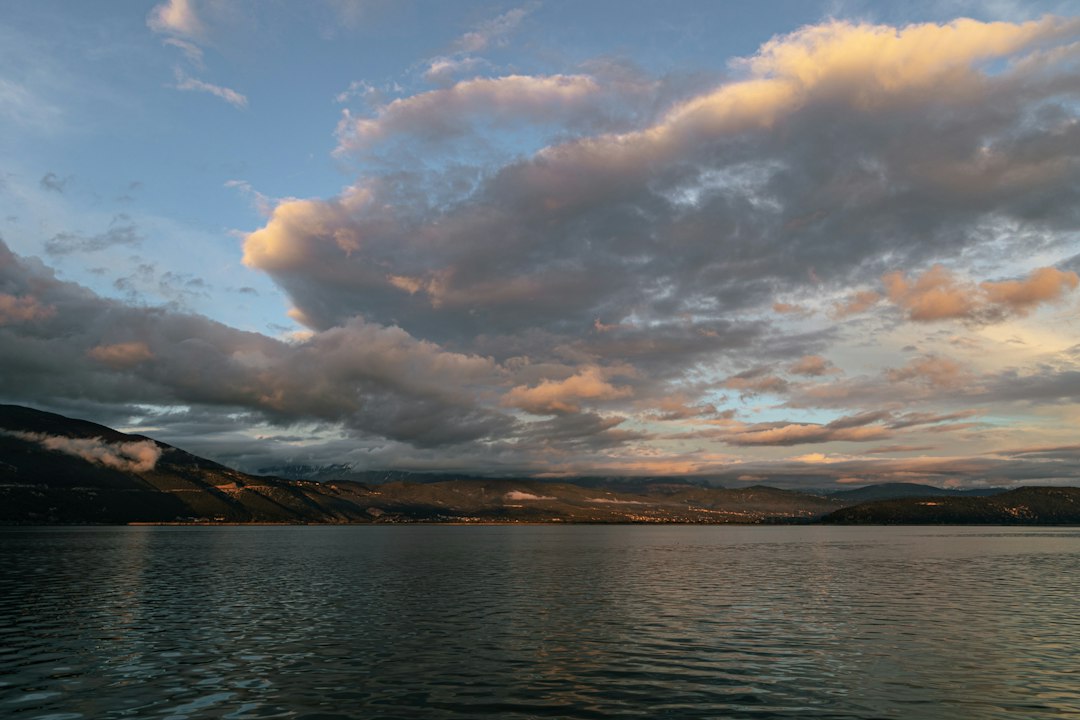
Last reviewed: September 2026 · key facts checked against Wikidata
Ioannina Travel Guide: Everything You Need to Know (2026)
Ioannina sits at 490 metres above sea level on the western shore of Lake Pamvotis in northwestern Greece, home to 64,896 residents and over 2,500 years of layered history stretching from Byzantine emperors to Ottoman pashas. The city served as the capital of Ali Pasha’s vast 19th-century realm, a fact that shaped its architecture, cuisine, and soul in ways no other Greek city can match. Most visitors flying into Ioannina are stunned to find a fully functioning lakeside castle island still inhabited today — one of Greece’s most underrated urban experiences.
Three Things Not to Miss in Ioannina
- Nissi Island (The Castle Island) — A 5-minute boat ride reaches a living monastery island where Ali Pasha was assassinated in 1822.
- Its Kale Byzantine Citadel — The inner fortress at 490m elevation holds the Municipal Ethnographic Museum inside a former Ottoman mosque.
- Perama Cave — One of Greece’s largest cave systems at 1,100 metres of lit passages, just 4km from the city centre.
Scroll down for our complete travel guide with tips on getting there, where to stay, costs and more.
Getting to Ioannina from the Airport
How do I get to Ioannina?
Fly directly into Ioannina Airport (IOA) — that is the simplest answer. In my experience, Athens connections via Olympic Air take roughly 55 minutes, and there are seasonal direct flights from select European cities. Overland from Athens, the KTEL intercity bus takes approximately 5.5 hours and departs from Kifissos station, costing around €25–€35. From Thessaloniki, expect 4 hours by bus. My tip: the bus terminal in Ioannina is conveniently central. What surprised me is how few travellers consider the scenic mountain drive — the Egnatia Odos motorway makes the Athens-Ioannina route genuinely comfortable. Warning: winter snow can occasionally delay mountain road access via alternative scenic routes.
Which airport is closest to Ioannina?
Ioannina Airport (IOA) is the obvious answer — it sits just 3km northwest of the city centre, making it one of Greece’s most conveniently located regional airports. In my experience, a taxi from IOA to your hotel costs roughly €10–€15 and takes under 10 minutes. There is no airport bus, which most guides fail to mention — taxis are your only realistic option at arrival. The airport handles a limited number of daily flights, so connection times through Athens can add hours. My tip: if IOA flights are sold out or overpriced, Aktio Airport (PVK) near Preveza is roughly 95km south and offers more frequent seasonal connections, though it adds a 1.5-hour bus or taxi transfer.
How long does the journey to Ioannina take from Athens?
Flying takes 55 minutes; driving takes roughly 4.5 hours via the Egnatia Odos. The KTEL bus from Athens Kifissos terminal runs 5–6 departures daily and covers the route in approximately 5.5 hours for €25–€35. In my experience, the bus is genuinely comfortable with reclining seats and rest stops. The honest caveat: budget airlines do not serve IOA, so flight prices through Olympic Air or Sky Express can spike to €80–€150 one way on short notice. My recommendation is to book flights at least 3 weeks ahead or simply take the bus — the Egnatia motorway scenery through the Pindus mountains is spectacular and worth the extra hours on the road.
Do I need a rental car in Ioannina?
No — for the city itself, you absolutely do not need a car. The old town, castle, lake, and Nissi Island are all reachable on foot within a 20-minute walk from the central Mavili Square. In my experience, the lakeside promenade and Its Kale citadel are best explored without a vehicle. However, if you want to visit Vikos Gorge (75km north), the Zagori villages (60km northeast), or Dodona ancient theatre (22km south), a rental car becomes essential — those destinations have near-zero public transport. Car rental at IOA costs roughly €35–€55 per day for a compact. My tip: pick up a car for 2 days specifically for Zagori and return it before exploring Ioannina’s urban core.
Moving Around Ioannina
What are the best areas to stay in Ioannina?
Stay inside or immediately adjacent to the Kastro (old castle district) — that is my direct recommendation. The Kastro neighbourhood puts you within the Byzantine walls, surrounded by Ottoman mosques, stone lanes, and lake views. Litharitsia park area is the second-best zone, offering quieter streets a 10-minute walk from the citadel. For budget travellers, Mavili Square and the new town centre have mid-range hotels with easy access to restaurants and the KTEL bus station. I strongly advise avoiding generic hotels along the Dodonis Avenue ring road — they are car-dependent and soulless. What surprised me is how affordable Kastro-adjacent guesthouses are compared to equivalent boutique stays in Athens — genuinely charming stone-built rooms at a fraction of the price.
What does accommodation cost per night in Ioannina?
**Budget guesthouses start at €35–€50 per night; mid-range hotels run €60–€100; boutique options in the Kastro reach €110–€160. In my experience, the sweet spot is a traditional stone guesthouse near the castle for around €70–€90**, which includes lake or citadel views and a Greek breakfast. The honest trade-off: Ioannina has limited true luxury options — there is no five-star international chain here, which keeps prices grounded. Camping near Lake Pamvotis is available from roughly €12–€18 per person in summer. My tip: the Kastro neighbourhood guesthouses book out fast during August and during the Epirus International Film Festival, so do not assume availability just because Ioannina is not a mainstream destination.
How far in advance should I book accommodation in Ioannina during high season?
Book at least 6–8 weeks ahead for July and August — that is the direct answer. Ioannina draws Greek domestic tourists in force during summer, and quality Kastro guesthouses have only 10–20 rooms each, meaning they fill rapidly. In my experience, weekends in June and September also sell out faster than logic suggests because Ioannina is a popular short-break destination for Greeks from Thessaloniki and Athens. The caveat most guides omit: university event weeks and the Epirus Film Festival (usually September) cause a secondary spike — check dates before assuming shoulder season means easy availability. My tip: if you find the Kastro fully booked, the Litharitsia area is a worthy backup, 8 minutes’ walk from the citadel walls.
Are there special or unique accommodation types in Ioannina?
Yes — traditional stone-built archontika (mansion guesthouses) inside the Kastro walls are genuinely unique to Ioannina and nowhere else in Greece offers this combination of Ottoman-Byzantine architecture with lake-facing terraces. In my experience, staying in one of these centuries-old converted mansions with wooden ceilings and stone fireplaces is the single best accommodation decision you can make here. A secondary option is lakeside apartments along the Pamvotis shore outside the walls, which offer morning mist views over the water for around €55–€80 per night. The honest warning: some Kastro guesthouses have steep internal stairs and no elevator — check accessibility carefully if that matters to your group. My tip: ask explicitly for a lake-view room when booking; not every room has the view despite the property’s position.
Choosing a Neighbourhood in Ioannina
What are the must-see sights in Ioannina?
Three sights are non-negotiable. First, Nissi Island — reached by a €2 return boat ride from the lakeside dock, this inhabited island hosts the monastery where Ali Pasha was shot dead in 1822; the bullet holes in the floor are still visible. Second, Its Kale inner citadel contains the Byzantine Museum and the restored Fethiye Mosque, offering panoramic lake views at no charge to wander. Third, Perama Cave, 4km from the centre, is a 1,100-metre lit cave system discovered during World War II and one of the most impressive in the Balkans. Beyond those three, the Archaeological Museum on 25th Martiou Street houses artefacts from Dodona Oracle dating to 3,500 years ago and costs only €4 entry.
What can I experience for free in Ioannina?
Walking the Kastro walls, the lakeside promenade, and the Its Kale grounds costs nothing — that is the direct answer. In my experience, the most memorable free hour in Ioannina is sitting at the northern rampart of Its Kale at sunset, watching the light fade over Lake Pamvotis with the Pindus mountains behind. The Litharitsia Park is free and perfect for a morning walk. The municipal market area (Agora) around Averof Street is free to explore and buzzes with local life. What most guides omit: the lakeside boat dock area at dusk is a gathering point for locals — grab a €2 coffee from a kiosk and watch the evening unfold exactly as Ioannina residents do. No tourist performance, just genuine Greek urban life.
Which day trips are possible from Ioannina?
Vikos Gorge and the Zagori villages are the unmissable day trip — the gorge is listed in the Guinness Book as one of the world’s deepest relative to width, and the 46 stone-arched Zagori villages sit within 60–80km of Ioannina. The Ancient Oracle of Dodona is only 22km south and takes 2 hours to explore, with a remarkably preserved theatre seating 14,000. Metsovo, the mountain village at 1,160m, sits 60km east on the Egnatia and offers cheese, wine, and Vlach culture in under 2 hours. My honest caveat: all these destinations require a rental car or a guided tour — public buses serve Zagori only once daily and are unreliable. Budget €40–€60 for a half-day car hire to visit Dodona and return comfortably.
What local specialities should I try in Ioannina?
Eat bougatsa at a lakeside café first thing in the morning — Ioannina’s version, filled with creamy custard inside crisp filo, is considered among Greece’s finest for roughly €2.50 per portion. The city is also famous for baklava and silver-crafted sweets influenced by Ottoman confectionery traditions. For main meals, try freshwater eel (χέλι) and carp from Lake Pamvotis — served grilled at the Nissi Island tavernas for €12–€18 per plate. Epirus-style pie (pita) with wild greens and local feta is another regional staple at €3–€5 per slice in the market. What surprised me: Ioannina’s silverwork tradition means the best souvenir is a hand-engraved silver piece from the craftsmen near Averof Street, not food — but the food helps you linger long enough to find them.
Top Sights in Ioannina
What makes Ioannina unique compared to other Greek cities?
**No other Greek city combines a Byzantine castle, an Ottoman lake island, and a living local culture this unaffected by mass tourism — that is the genuine differentiator. Ioannina was the seat of the infamous Ali Pasha of Ioannina**, whose 19th-century court rivalled European capitals in intrigue and opulence, drawing Lord Byron himself as a visitor in 1809. The lake is not a backdrop — it is a functioning part of daily life, with residents rowing to Nissi Island for Sunday lunch. The city also hosts a major university of 15,000+ students, giving it an intellectual energy unusual for a city of 64,896. My experience: walking Its Kale at dawn before any tourists arrive, with mist rising off Lake Pamvotis, is one of the most genuinely atmospheric moments I have had in all of Greece.
How many days are worthwhile in Ioannina?
3 full days is the ideal stay — enough to absorb the city and make 2 regional excursions without rushing. Day 1: Kastro, Its Kale, Nissi Island boat trip, lakeside dinner. Day 2: Perama Cave morning, Archaeological Museum afternoon, evening in the old bazaar. Day 3: Full day in Zagori or Vikos Gorge with a rental car. In my experience, visitors who allocate only 1 day leave frustrated — they scratch the surface but miss the atmospheric depth. The honest caveat: 5 days is ideal if you add Dodona and Metsovo, but 3 days covers every essential. What surprised me is how much there is to simply sit and observe — the lakeside promenade alone rewards 2–3 hours of unhurried walking that no itinerary can quantify.
When is the best time to visit Ioannina?
July is the peak month based on climate data, but late May and September are my personal recommendations. July delivers reliably warm, dry days at 490m altitude — noticeably cooler than coastal Greece in August heat — making outdoor exploration genuinely comfortable. September combines post-summer clarity with thinner crowds and tavernas still fully operational. In my experience, May is exceptional: wildflowers blanket the Zagori hills, Vikos Gorge trails are uncrowded, and accommodation rates are 20–30% lower than peak. The honest warning: November through March brings cold, fog, and occasional snow — Ioannina’s basin geography traps moisture and the city can feel damp and grey for weeks. I would not recommend a winter visit unless you specifically want to see the Pindus mountains snow-covered from a warm lakeside café.
Are there local festivals in Ioannina worth attending?
The Epirus International Film Festival in September is the flagship event — screening independent films in outdoor venues including the Kastro walls, it draws a cultured Greek and international crowd and transforms the city’s atmosphere for 5–7 days. In my experience, attending an outdoor screening with the lit citadel behind you and Lake Pamvotis below is surreal. Carnival (Apokries) in February or March is loudly celebrated in Ioannina with street parades centred around Mavili Square — one of Greece’s more authentic mainland carnivals, unpolished and genuinely local. The feast of Agios Georgios (April 23) sees the Nissi Island monastery fill with pilgrims. My tip: the August 15th Assumption of Mary celebrations include candlelit processions through the Kastro that are genuinely moving and completely free to witness.
Where to Eat in Ioannina
How does weather in Ioannina affect activities?
The 490m altitude means Ioannina runs 3–5°C cooler than coastal Greece at the same season — a major advantage in summer and a genuine consideration in winter. July and August allow full outdoor exploration: boat trips to Nissi, cave visits, gorge hikes — all comfortable. Spring (April–May) brings rain showers but also the most dramatic green landscapes for Zagori hiking. Winter fog is the biggest activity disruptor — the lake basin fills with thick mist from November to February, limiting photography and making driving mountain roads cautious. In my experience, even a rainy autumn day in Ioannina rewards exploration because the covered bazaar streets and café culture are genuinely absorbing. My tip: always pack a light jacket even in July — evening temperatures at 490m drop noticeably after 9pm.
How crowded does Ioannina get in peak season?
Compared to Santorini or Mykonos, Ioannina never feels truly overcrowded — but August brings enough Greek domestic tourists to fill restaurants by 9pm and make Nissi Island boat queues 20 minutes long. In my experience, the Kastro area and lakeside promenade feel busy but not oppressive even in peak August. The honest caveat most guides omit: Greek university students return in October, and this adds a lively energy rather than tourist pressure. Weekends in July–August see Athens day-trippers arrive by car, making parking near the lakefront genuinely difficult. My tip: visit Nissi Island before 10am or after 5pm in summer — the midday boat crowds thin considerably and the island atmosphere is far more peaceful. The city’s size of 64,896 keeps it from ever feeling like a tourist funnel.
How safe is Ioannina?
Ioannina is one of Greece’s safest cities — petty crime is genuinely low. In my experience walking the Kastro at midnight and the lakeside at dawn, I never felt unsafe or uncomfortable. Pickpocketing is not the concern it is in Athens’ Monastiraki or Thessaloniki’s market areas. The honest caveat: traffic around the lake road can be fast and pedestrian crossings are occasionally ignored by drivers — standard Greek driving culture applies. The university population keeps the city youthful and well-lit at night around Kavvadias Street and the bar district. Emergency services: the Ioannina University Hospital is one of the best-equipped in northwestern Greece, located on Stavros Niarchos Avenue, which is reassuring if you are venturing into mountain terrain nearby.
Is English widely spoken in Ioannina?
In tourist zones, hotels, and restaurants, English is reliably spoken — outside those zones, Greek dominates. In my experience, younger residents and university students speak very good English, making casual interaction easy in cafés and the Kastro area. Taxi drivers range from fluent to zero English — have your destination written in Greek script on your phone as backup. The honest reality: Ioannina is a genuine Greek city, not a tourist construct, so in the central market and older neighbourhoods, Greek is the working language and locals appreciate even basic attempts at ”efharisto” (thank you) and ”parakalo” (please). My tip: the Google Translate camera function handles Greek menus and signs perfectly — download the Greek language pack offline before arrival.
Before You Go to Ioannina
What is a realistic daily budget for Ioannina?
Budget travellers can manage €45–€65 per day; mid-range visitors spend €85–€130; comfortable travel runs €150–€200. Budget breakdown for mid-range: accommodation €70, lunch at a local taverna €12–€15, dinner with wine €20–€28, coffee and snacks €6, boat to Nissi €2, museum entry €4. In my experience, Ioannina is noticeably cheaper than Athens or Thessaloniki for equivalent quality — a sit-down grilled fish lunch with salad and wine costs €18–€22 where Athens would charge €30+. The hidden cost most guides omit: car rental for Zagori day trips adds €40–€55 and is essentially unavoidable if you want to see the region’s best landscapes. Factor that into your daily average across a 3-day stay.
What public transport options exist within Ioannina?
City buses cover the urban area but the old town is best navigated on foot. The KTEL regional bus station on Zosimadion Street is the hub for intercity connections — buses depart to Athens, Thessaloniki, Preveza, and Metsovo from here. Within the city, local buses cost €1.20 per ride and cover routes to the university and outer neighbourhoods, but the Kastro, Nissi dock, and Archaeological Museum are all within a 15-minute walk of each other — making city buses largely unnecessary for tourists. Taxis are metered, starting at €3.50 flag fall, and a cross-town ride rarely exceeds €7–€9. What surprised me: there is no Uber or Bolt in Ioannina — traditional radio taxis are the only option, bookable via the Taxi Ioannina app or by calling +30 26510 46777.
Which apps do you recommend for visiting Ioannina?
Google Maps is essential and works accurately for Ioannina’s street network — download the offline map before arrival for mountain areas where data signal drops. For transport, KTEL Ipirou’s website (no dedicated app) has the bus schedule but I recommend screenshotting times in advance. Google Translate with offline Greek is non-negotiable for menus and signs outside the tourist belt. Windy.com is genuinely useful for planning Zagori hikes — mountain weather changes fast at 1,500m+ in the Pindus range. My tip: Komoot has crowd-sourced trail maps for Vikos Gorge and Zagori walking routes that are far more detailed than Google Maps for off-road navigation. For dining, e-food.gr (Greece’s dominant delivery app) doubles as a local restaurant discovery tool even if you eat in rather than order delivery.
Ioannina at a Glance
| Population | 64,896 |
|---|---|
| Currency | EUR (€) |
| Official language | Greek |
| Time zone | UTC+02:00 |
Source: Wikidata, retrieved September 2026.
Greece › Ioannina
More Destinations in Greece
Essential Resources for Planning Your Trip to Ioannina
- Visit Greece: Home — official visitor information, passes & events
- Wikipedia: Ioannina — history, geography & background
- Wikivoyage: Ioannina — community travel guide & practical tips
- Ioannina travel – Lonely Planet | Greece, Europe — expert itineraries & travel inspiration
- THE 15 BEST Things to Do in Ioannina (2026) — hotels, restaurants & traveller reviews
- Ioannina Travel Guide 2026: Top Attractions & Things to Do — how to get around
- Numbeo: Cost of Living in Ioannina — current prices & cost comparison
- Timeanddate: Ioannina Weather & Climate — forecasts & climate statistics
More Perspectives on Ioannina
- Visit Ioannina – a beautiful gem of Northern Greece
- Ioannina Travel Guide 2026: Everything You Need to Know …
- Ioannina travel tips and recommendations
Ioannina Travel Videos
Watch these videos for a visual preview before your trip:
- TOP 10 Things to do in Ioannina, Greece!
- 🇬🇷 Ioannina Greece | Stunning traditional villages | Top places | Epirus travel guide
- Top Things to Do in Ioannina, Greece (Why You Should Visit in 2025!)
Ioannina Travel Discussions on Reddit
Real traveller experiences and community advice:
- Ioannina for 2 days? : r/GreeceTravel
- Ioannina, Greece : r/travel
- How easy is it to travel around Zagori without a car?
Data Sources
This page was compiled using data from Wikipedia, Wikidata, Open-Meteo (climate), Numbeo (cost of living) and REST Countries. Information is updated regularly.