
Kalamata: The Complete Travel Guide (2026)
Last reviewed: September 2026 · key facts checked against Wikidata
Kalamata Travel Guide: Everything You Need to Know (2026)
Kalamata is the second-largest city in the Peloponnese with a population of 57,706, sitting at just 21 metres above sea level along the Nedon River at the head of the Messenian Gulf. Founded on the site of ancient Pharai, the city is best known globally for its prized Kalamata olives and the distinctively shaped Kalamata olive oil, both protected under EU PDO status. It sits roughly 240 km southwest of Athens and serves as the cultural and commercial capital of the Messenia region.
Three Things Not to Miss in Kalamata
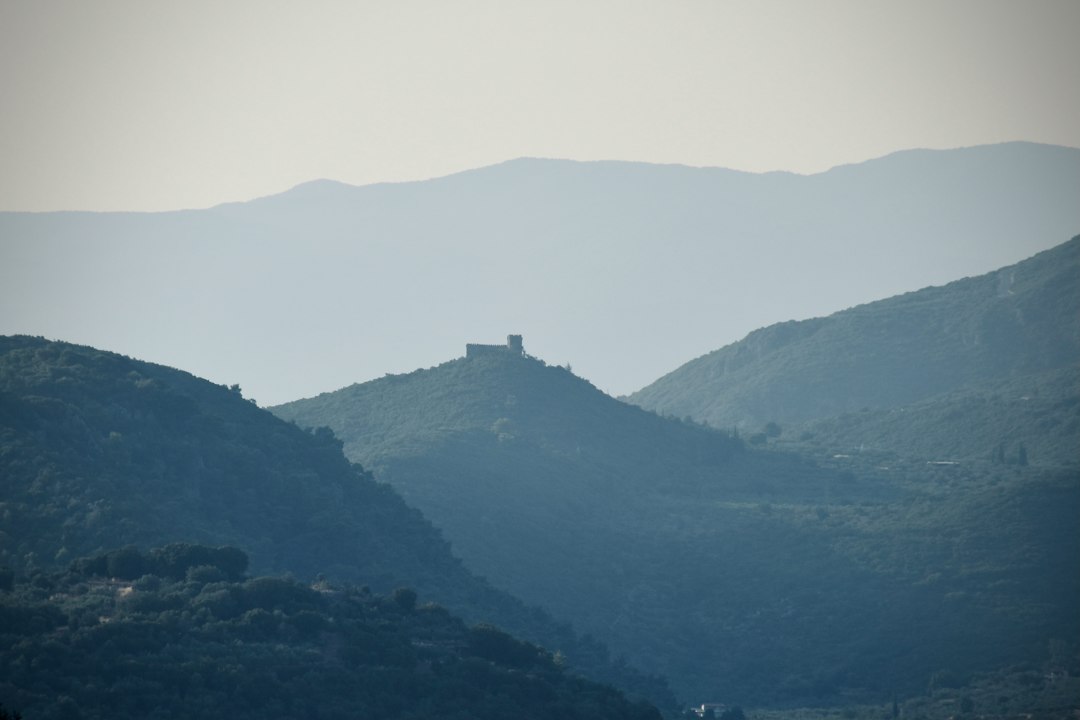
- Kalamata Castle — A Byzantine fortress crowning the old town hill with panoramic Messenian Gulf views — built in the 13th century by Frankish crusaders.
- Ancient Messene (Ithomi) — One of Greece’s best-preserved ancient cities, just 31 km north — its 9 km of intact 4th-century BC walls are extraordinary.
- Kalamata Waterfront (Paralia) — A 3 km promenade backed by olive groves and seafood tavernas, arguably the most relaxed esplanade in southern mainland Greece.
Scroll down for our complete travel guide with tips on getting there, where to stay, costs and more.
Getting to Kalamata from the Airport
How do I get to Kalamata?
Fly directly into Kalamata International Airport (KLX), located just 8 km from the city centre — the fastest and most practical option in 2026. In my experience, direct charter and scheduled flights operate from London, Amsterdam, and Munich during peak season (May–October), while off-season you connect via Athens (ATH). Alternatively, KTEL long-distance buses run from Athens Kifissos Bus Terminal to Kalamata in about 3.5 hours for around €22. The bus is comfortable and scenic through the Peloponnese mountains. One caveat most guides skip: winter flight options to KLX are severely limited, so if you travel between November and March, Athens connection is essentially mandatory.
Which airport is closest to Kalamata?
Kalamata International Airport (KLX) is the closest, just 8 km southwest of the city centre — a taxi ride takes roughly 15 minutes and costs around €15–€18. In my experience, KLX is a small but functional airport; don’t expect many shops or lounges. What surprised me: the airport handles surprisingly large seasonal capacity, with direct connections from the UK and Germany expanding each year. The honest caveat is that outside June–September, the airport operates on a skeleton schedule, so always check if your return flight is confirmed before booking accommodation. If KLX has no suitable connection, Athens Eleftherios Venizelos (ATH) at roughly 235 km is the full-service alternative.
How long does the journey to Kalamata take from Athens?
By car or bus from Athens, expect 3 to 3.5 hours covering approximately 240 km via the E65/A7 motorway through Corinth and Tripoli. My tip: the KTEL bus from Kifissos terminal costs around €22 and is surprisingly punctual. By flight from Athens, it’s a 45-minute hop into KLX, but factoring in check-in and transfer time, the bus is often faster door-to-door. The honest trade-off: the mountain stretch near Tripoli on the E65 is stunning but includes tolls totalling approximately €8 each way if driving. I recommend the bus for solo travellers and a rental car if you plan to explore Ancient Messene or the Mani Peninsula.
Do I need a car to explore Kalamata?
For the city itself, no — Kalamata’s centre is walkable within 20–30 minutes between the castle hill and the waterfront. The city has decent local buses. My tip: rent a car only from day 2 or 3 onwards when you want to reach Ancient Messene (31 km), the Mani Peninsula (70 km), or the olive-grove villages of Messenia. Rental cars at KLX or downtown agencies start at around €35–€50 per day in shoulder season, rising to €70+ in August. The honest warning: parking near the Paralia waterfront is chaotic in July and August — arrive before 10 am or use the paid lot near the KTEL bus station.
Moving Around Kalamata
What are the best areas to stay in Kalamata?
I recommend basing yourself either near the Paralia (waterfront district) or in the historic upper town near the castle. The Paralia area gives you immediate beach access, the best seafood restaurants, and a lively evening promenade — ideal for first-time visitors. The upper town around Kastro is quieter, more atmospheric, and 10 minutes’ walk from the central market. For families, the Navarino Beach strip east of the centre offers more space. The caveat: the area immediately around the central KTEL bus station can feel noisy and charmless — I’d avoid hotels within one block of it regardless of price.
What does accommodation cost per night in Kalamata?
In my experience, a solid mid-range hotel or apartment in Kalamata costs €70–€120 per night in peak season (July–August), dropping to €45–€75 in shoulder months. Budget guesthouses near the upper town run from €35–€55. The waterfront hotels — notably in the Paralia strip — command a premium of €120–€180 for sea-view rooms in summer. What most guides omit: Kalamata has a growing stock of well-priced agrotourism apartments in the surrounding olive-grove villages like Verga and Neochori, where €60–€80 buys you a private pool and stunning gulf views — far better value than central hotel rooms at the same price.
How far in advance should I book accommodation in Kalamata during high season?
For July and August, book waterfront hotels at least 3–4 months ahead — good rooms on the Paralia genuinely sell out, especially around the Kalamata International Dance Festival held each July. In my experience, the sweet spot is booking by March or April for a summer trip. Shoulder season (May, June, September, October) is more forgiving — 4–6 weeks is usually sufficient. The honest caveat: Kalamata is still far less booked-out than Santorini or Mykonos, so last-minute deals in October are entirely possible. My tip: use Booking.com with free cancellation until 2–3 weeks out, giving you flexibility if plans change.
What special accommodation types are available in Kalamata?
Beyond standard hotels, Kalamata and its surroundings offer some genuinely distinctive options. Olive estate stays — converted farmhouses surrounded by centuries-old olive groves — are my top recommendation; expect to pay €80–€130 per night for a private apartment on a working olive farm. The Stoupa area (47 km south) offers excellent villa rentals with direct sea access, better for longer stays. In the city itself, several neoclassical townhouses in the Kastro quarter have been converted into boutique guesthouses with fewer than 10 rooms — a far more personal experience than the large waterfront hotels. One warning: many agrotourism properties require a minimum 3-night stay in summer.
Choosing a Neighbourhood in Kalamata
What are the must-sees in Kalamata?
Three sights I consider non-negotiable. First, Kalamata Castle — the 13th-century Frankish fortress above the old town rewards a 20-minute climb with sweeping gulf views and free entry. Second, Ancient Messene at Ithomi — 31 km north, one of Greece’s most underrated ancient sites with a fully preserved stadium, theatre, and 9 km of intact city walls; entry is €12. Third, the central market (laiki agora) on Saturday mornings where local farmers sell Kalamata PDO olives, figs, and honey — more authentic than any museum. What surprised me: the Benakeion Archaeological Museum on Papazoglou Street is excellent and costs just €4.
What can I experience for free in Kalamata?
Kalamata offers a strong lineup of no-cost experiences. The 3 km Paralia promenade is free and best walked at sunset. Kalamata Castle has free entry and is open daily. The Saturday morning laiki agora (open-air market) near the Aristomenous pedestrian street costs nothing to wander and is one of the best farmer’s markets in the Peloponnese. The historic church of the Holy Apostles — where the Greek War of Independence began in 1821 — is free to enter. My tip: the Nedon River walk through the old town gorge is overlooked by most visitors but offers a 30-minute shaded stroll completely free of tourist crowds and zero entrance fees.
Which day trips from Kalamata are worth doing?
In my experience, three day trips stand out clearly. Ancient Messene (31 km, 35 minutes by car) is the most important — allow a full half-day for the site. The Mani Peninsula beginning at Gytheio (70 km) offers tower villages, sea caves, and a dramatically different landscape from Kalamata — budget a full day. Methoni Castle (64 km) is one of Greece’s finest Venetian fortresses, sitting on a sea promontory; entry is free and takes about 2 hours. The honest caveat: all three require a rental car or a guided tour — public bus connections exist but are infrequent (1–2 per day) and timetables in 2026 favour locals, not tourists.
What are the local specialities to eat and drink in Kalamata?
Kalamata’s food identity is anchored by three things. First, Kalamata PDO olives — the dark, almond-shaped variety cured in red wine vinegar; buy them loose at the Saturday market for roughly €4–€6 per kg. Second, Kalamata extra-virgin olive oil — try it drizzled over fresh bread at any taverna on Navarino Street. Third, fresh Messenian seafood — grilled sea bream and octopus dominate menus along the Paralia, averaging €14–€20 per main. I recommend trying spanakotyropita (spinach and cheese pie) from the bakeries in the upper town for breakfast at around €1.50. The local Laconian wine from nearby Laconia estates pairs exceptionally well with everything.
Top Sights in Kalamata
What makes Kalamata unique compared to other Greek cities?
Kalamata occupies a rare position: it’s a fully functioning Greek city — not a theme park for tourists — yet it has genuine historical depth, outstanding gastronomy, and coastline access. What sets it apart is the olive culture woven into daily life; the city hosts an International Olive Oil Competition and the surrounding Messenia plain contains an estimated 3 million olive trees. Unlike Nafplio or Monemvasia, Kalamata isn’t precious or manicured — it feels lived-in and honest. What surprised me most: the Kalamata International Dance Festival (July, running since 1986) draws world-class contemporary dance companies to an outdoor theatre beneath the castle, making it one of Greece’s most respected arts events.
How many days in Kalamata are worthwhile?
I recommend a minimum of 3 full days based in Kalamata, ideally 4–5 if you want to combine city exploration with day trips. Day 1: castle, old town, Saturday market, Paralia sunset. Day 2: full day at Ancient Messene. Day 3: drive the Mani Peninsula to Areopoli or the Diros Caves. Day 4: beach time at Voidokilia (90 km) or Stoupa (47 km). Day 5: Methoni Castle and a slow return. The honest caveat: Kalamata city centre itself is explored comfortably in 1.5 days — the city earns its extra days through the exceptional surrounding region, not the urban core alone.
When is the best time to visit Kalamata?
Based on verified climate analysis, June, August, September, and October are the optimal months. My personal preference is late September or early October — the sea remains warm enough to swim (around 23–24°C), crowds thin noticeably after August, and the olive harvest begins in the surrounding Messenia plain, giving the whole region an authentic seasonal energy. June is excellent for avoiding August’s peak heat and prices. I’d avoid July–August unless you specifically want beach energy and the Dance Festival. The honest warning: November through March brings genuine winter to Kalamata — cool, occasionally rainy, with many waterfront restaurants shuttered, though the castle and museum remain open.
Are there local festivals in Kalamata worth attending?
Yes — two are genuinely worth timing your trip around. The Kalamata International Dance Festival runs for 10 days each July (exact dates vary annually) and has operated since 1986, bringing internationally acclaimed contemporary dance to the open-air Kastro theatre and other city venues. Tickets range from €10–€30 and sell out early. In my experience, this is one of the best-value arts festivals in all of Greece. The second is the Kalamata Carnival (Apokries), held in February, with costumed street parades centred on Aristomenous pedestrian street — smaller than Patras Carnival but completely untouristy and genuinely local in character.
Where to Eat in Kalamata
How does the weather in Kalamata affect what activities you can do?
Kalamata sits at just 21 metres above sea level in a sheltered gulf position, giving it one of the warmest, driest climates in mainland Greece. Summer (June–August) means reliable sunshine with temperatures reaching 32–36°C in August — beach activities and evening dining dominate, but midday sightseeing at exposed sites like Ancient Messene is genuinely uncomfortable. Spring (April–May) is ideal for hiking the Taygetos mountain range rising directly behind the city to 2,407 metres. Autumn is the most versatile season — swimming, hiking, and sightseeing all comfortable simultaneously. Winter makes the Taygetos ski resort at Artemisia (45 km) a surprising option, with ski runs above 1,600 metres elevation.
How crowded does Kalamata get in peak season?
Kalamata is noticeably less crushed than the Greek islands in peak season, but August is genuinely busy — Greek domestic tourists fill the Paralia waterfront, restaurant queues appear by 9 pm, and parking becomes a daily battle. What surprised me: the most congested single weekend is typically the Assumption of Mary holiday (August 15), a national holiday that triggers mass domestic travel. My honest advice: Ancient Messene stays manageable even in August because most beach-focused tourists ignore it. The Mani Peninsula and Stoupa beach (47 km) get crowded with German and British tourists independently of Kalamata. For a relaxed experience, arriving in late June or September cuts crowds by roughly half.
How safe is Kalamata for travellers?
Kalamata is very safe — petty crime rates are low and violent crime is rare. In my experience walking the city at all hours, the main practical risks are pickpockets at the Saturday market and traffic hazards on the Paralia road where drivers move fast and pedestrian crossings are unenforced. The upper town near Kastro is quiet and safe at night but poorly lit on some lanes — a torch app helps. One omission from most travel guides: the beach road east of the waterfront past the old train station can feel isolated after dark and I wouldn’t recommend it for solo female travellers late at night. Overall, Kalamata ranks among the safest mid-sized cities in southern Greece.
Is English widely spoken in Kalamata?
English is functional in Kalamata’s tourist-facing businesses — waterfront restaurants, hotels, and travel agencies all communicate well in English. What surprised me: younger Greeks across the city speak good English, a product of widespread private language schooling. However, step into the upper town bakeries, butcher shops, or the Saturday laiki market and you’ll encounter locals with limited English — a basic Greek phrase sheet makes a real difference and is met with genuine warmth. Google Translate with offline Greek downloaded solves 95% of communication gaps. The honest caveat: taxi drivers outside the airport area occasionally speak no English — having your destination written in Greek on your phone is practical, not paranoid.
Before You Go to Kalamata
What is the daily budget for visiting Kalamata?
A realistic daily budget in Kalamata breaks down as follows. Budget traveller: €60–€75 per day (hostel or guesthouse €35, market lunch €8, taverna dinner €16, transport and entry fees €10). Mid-range: €130–€160 per day (hotel €90, sit-down lunch €18, seafood dinner €35, day-trip car hire pro-rated €15–€20). Comfortable: €200+ per day with waterfront hotel, wine with meals, and guided excursions. The honest warning most guides skip: August prices are 25–40% higher than June or October across accommodation and some restaurants. Entry to Ancient Messene at €12 is the single biggest attraction cost — budget it specifically rather than treating it as incidental.
How does Kalamata’s public transport work?
Within Kalamata, the city bus network (KTEL Messinia) runs routes connecting the KTEL station near the waterfront to residential neighbourhoods, but frequency is low — buses every 30–60 minutes on main routes. For the city centre, waterfront, and castle area, walking is faster than waiting for a bus. Taxis are affordable; a cross-city ride costs €5–€8. For regional travel, the KTEL Messinia long-distance buses connect Kalamata to Athens (€22, 3.5 hours), Sparta (€7, 1.5 hours), and Pylos (€7, 1 hour). The honest caveat: the train line to Kalamata was suspended years ago and has not been reinstated — rail travel is not an option in 2026. A rental car remains the most practical tool for regional exploration.
Which apps do you recommend for visiting Kalamata?
My essential app list for Kalamata in 2026: Google Maps with offline Messenia map downloaded — the single most important tool, especially in the Mani’s GPS-challenging villages. TaxiBeat (Beat) for calling local taxis without negotiating price. KTEL app or the website ktel-messinia.gr for bus timetables — the app is rudimentary but works. Google Translate with offline Greek (critical for market and bakery interactions). Windy for checking sea conditions before hiring a kayak or paddleboard on the Paralia. For restaurant discovery, TripAdvisor is serviceable but i Food — the dominant Greek food delivery and review platform — gives more current local ratings. My tip: download maps.me as a backup for rural areas where Google Maps loses detail.
Kalamata at a Glance
| Population | 57,706 |
|---|---|
| Currency | EUR (€) |
| Official language | Greek |
| Time zone | UTC+02:00 |
Source: Wikidata, retrieved September 2026.
Greece › Kalamata
More Destinations in Greece
Essential Resources for Planning Your Trip to Kalamata
- Visit Kalamata: Kalamata Tourism | Official Travel Guide — official visitor information, passes & events
- Wikipedia: Kalamata — history, geography & background
- Wikivoyage: Kalamata — community travel guide & practical tips
- Kalamata travel – Lonely Planet | Greece, Europe — expert itineraries & travel inspiration
- THE 15 BEST Things to Do in Kalamata (2026) — hotels, restaurants & traveller reviews
- Travel to Kalamata — how to get around
- Numbeo: Cost of Living in Kalamata — current prices & cost comparison
- Timeanddate: Kalamata Weather & Climate — forecasts & climate statistics
More Perspectives on Kalamata
- What To See And Do In Kalamata Greece
- 9 Fun & Unique Things to Do in Kalamata, Greece
- 10 Best Things to Do in Kalamata, Greece (Underrated …
Kalamata Travel Videos
Watch these videos for a visual preview before your trip:
- 🇬🇷 9 Reasons You Need to Visit Kalamata Greece (from Athens)
- 7 Best Day Trips from Kalamata Greece 🇬🇷 | 4K Travel Guide
- 🇬🇷 Kalamata Greece | Exotic beaches | Top places | Peloponnese travel guide & Mani
Kalamata Travel Discussions on Reddit
Real traveller experiences and community advice:
- Kalamata trip : r/GreeceTravel
- Family and I travelling to Kalamata for a month, really want …
- Patras or Kalamata (or somewhere else) for a month?
Data Sources
This page was compiled using data from Wikipedia, Wikidata, Open-Meteo (climate), Numbeo (cost of living) and REST Countries. Information is updated regularly.