
Karditsa: The Complete Travel Guide (2026)
Last reviewed: September 2026 · key facts checked against Wikidata
Karditsa Travel Guide: Everything You Need to Know (2026)
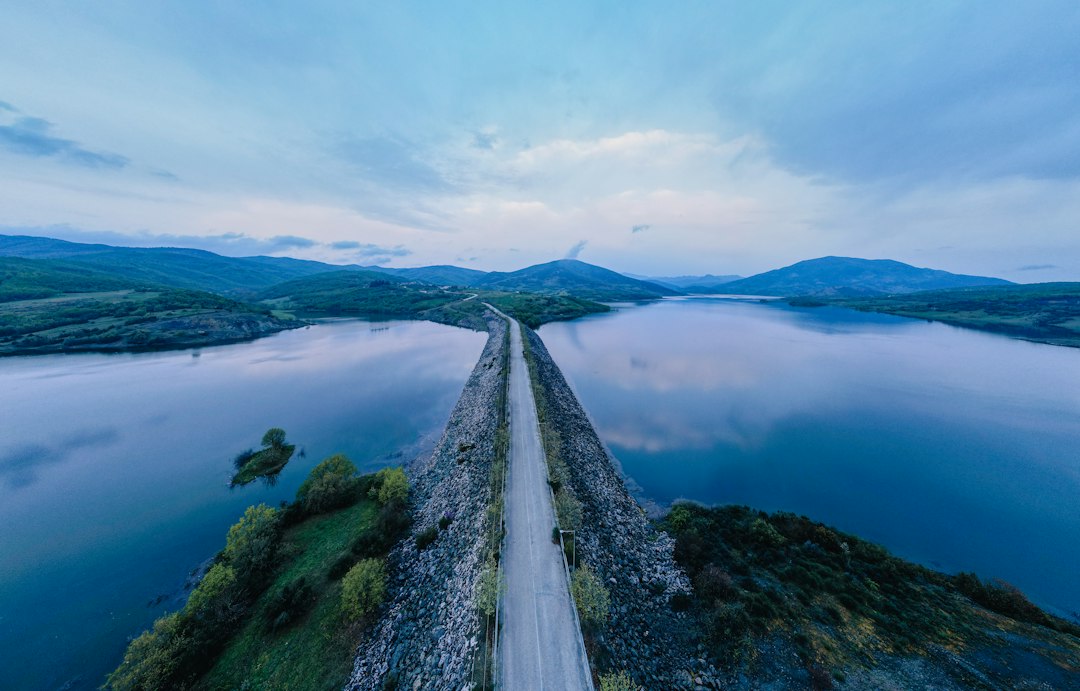
Karditsa is a mid-sized Greek city in western Thessaly with a municipal population of 55,979, sitting at just 67 metres above sea level on the Thessalian plain. Founded as a planned Ottoman-era settlement, it is one of Greece’s most bike-friendly cities, with over 200 km of dedicated cycling paths — a genuine rarity in provincial Greece. The city serves as the gateway to Lake Plastiras, one of the most scenic artificial lakes in the Balkans, located just 30 km to the west.
Three Things Not to Miss in Karditsa
- Lake Plastiras — A stunning artificial lake at 800 m altitude, ringed by pine forests and traditional stone villages — 30 km from Karditsa.
- Karditsa Cycling Network — Over 200 km of urban bike lanes make this one of Greece’s only truly cycle-friendly cities — rent a bike for €5 a day.
- Central Municipal Market (Laiki Agora) — A lively daily market selling Thessalian cheeses, local honey, and fresh produce at prices tourists rarely find in Athens.
Scroll down for our complete travel guide with tips on getting there, where to stay, costs and more.
How to Reach Karditsa
How do I get to Karditsa?
Take the train or intercity bus — both are reliable and affordable. KTEL buses from Athens depart from Liosion Terminal and reach Karditsa in approximately 3.5 hours for around €22. The train from Athens (Larissa Station) via the OSE rail network takes closer to 4 hours with a change in Larissa, costing roughly €15–18. I recommend the KTEL bus for its directness. My tip: book bus tickets online at ktel-karditsas.gr at least a day ahead on weekends, as seats sell out. What surprised me is how smooth and punctual these routes are compared to smaller Greek towns.
Which airport is closest to Karditsa?
Thessaloniki Airport (SKG) is the most practical international gateway, roughly 170 km north of Karditsa. However, Volos Airport (VOL), only about 90 km east, handles some seasonal flights. In my experience, most travellers fly into Athens Eleftherios Venizelos (ATH) and connect by bus or train — it adds travel time but opens far more flight options, including budget carriers like Ryanair and Wizz Air. The honest caveat: Karditsa has no commercial airport of its own, so any arrival requires a ground leg of at least 1.5 hours.
How long does the journey to Karditsa take from Athens?
By KTEL bus, the journey from Athens to Karditsa takes 3.5 to 4 hours. By car via the E75 motorway through Lamia, it is approximately 310 km and takes around 3 hours depending on traffic. The train option via Larissa takes closer to 4.5 hours total including the connection, which is the one honest trade-off versus the bus. I recommend the bus if you are not renting a car, and driving if you plan to explore Lake Plastiras independently — the lake’s mountain roads are impractical without your own vehicle.
Do I need a car in Karditsa?
Within Karditsa city, absolutely not — the 200+ km cycling network makes it one of Greece’s most navigable provincial cities by bike. I explored the entire centre and reached outlying neighbourhoods like Fanari without once needing a taxi. However, for the surrounding region — especially Lake Plastiras, the Agrafa mountains, and the village of Neochori — a rental car is essential. Roads above the lake are narrow and poorly served by buses. My tip: rent from Europcar or Sixt in Larissa (70 km north) and drive in, or arrange a local rental through the Karditsa KTEL office for around €35–45 per day.
Karditsa Public Transport Explained
What are the best areas to stay in Karditsa?
Stay in the city centre around Plateia Plastira — this is walkable, café-lined, and puts you within 10 minutes on foot of the market, restaurants, and the main bus terminal. The neighbourhood around Odos Karaiskou has the highest density of good tavernas and is quiet at night without being dull. What surprised me is how safe and clean the central streets feel even late at night. I would avoid booking on the industrial eastern outskirts near the Karditsa ring road — it saves nothing meaningful and adds 20 minutes of walking to everything worth seeing.
What does accommodation cost per night in Karditsa?
A solid 3-star hotel in the centre costs €55–75 per night. The best-positioned mid-range option is Hotel Astron, centrally located and consistently reviewed well by Greek business travellers. Budget guesthouses around the bus terminal run €30–40. Airbnb apartments, which are genuinely common here, average €40–55 for a private flat. The honest caveat: Karditsa is not a major tourist hub, so luxury properties are essentially absent — if you need a 4-star experience, Larissa (70 km) has better options. My tip: book directly with hotels by phone for a 5–10% discount — most owners appreciate it.
How far in advance should I book accommodation in Karditsa during high season?
For summer months (July–August) and the Lake Plastiras autumn season in October, book at least 3–4 weeks ahead. Karditsa itself is not overrun by international tourists, but Greek domestic travellers — particularly from Athens — flood the region in August and during the Plastiras Lake Festival in late September. In my experience, last-minute availability in October dropped sharply because that month draws serious hikers and cyclists. For spring or winter visits, 48 hours’ notice is usually plenty. My tip: Booking.com has the best local inventory here; it outperforms Expedia for small Greek provincial towns by a wide margin.
Are there special or unusual accommodation types near Karditsa?
Yes — and this is where Karditsa genuinely surprises. The villages ringing Lake Plastiras, such as Neochori, Kastania, and Morfovouni, offer stone-built guesthouses and agritourism stays that cost €60–90 per night including breakfast with lake views. These are hands-down the most atmospheric places to sleep within the region. In Karditsa city itself, options are conventional. I recommend spending at least 2 nights at a lake-village guesthouse — the morning mist over the water at 800 m altitude is genuinely unforgettable. Book directly with properties in Neochori; most do not appear on major platforms.
Neighbourhoods of Karditsa
What are the must-sees in Karditsa?
Lake Plastiras is non-negotiable — a 30 km drive west leads to one of Greece’s most beautiful landscapes. In the city, the Municipal Market (Laiki Agora) on Odos Irodotou delivers an authentic Thessalian market experience. The Church of Agios Konstantinos, a 19th-century landmark in the city centre, is worth 20 minutes. The Karditsa Cycling Route along the old railway line to Mouzaki is 13 km each way and passes through flat farmland and small villages. What surprised me was how few tourists I encountered at any of these — Karditsa remains genuinely off the international radar.
What can I experience for free in Karditsa?
Cycling the urban network costs nothing if you bring or rent a bike for €5. The Plateia Plastira central square is a living social hub — sitting here with a coffee at Kafeneio Thessalia and watching Greek daily life costs nothing beyond your drink. The lakeside trail around Lake Plastiras is fully free to walk or cycle. The Municipal Park on the northern edge of the centre is clean, well-maintained, and entirely free. In my experience, wandering the old covered market arcade off Odos Karaiskou during morning trading hours is one of the most rewarding free activities in any Greek provincial town I have visited.
Which day trips are possible from Karditsa?
Lake Plastiras is the premier day trip — allow a full day to drive the perimeter road (40 km loop) with stops at Neochori and Kastania. Trikala, a well-preserved Ottoman-Greek city, is 45 km north and pairs perfectly with Karditsa for a regional loop. Meteora is reachable in 90 minutes (95 km via Trikala) — an absolute must if you have not visited. Karpenisi, deep in the Evrytania mountains, is 80 km south through dramatic scenery. My honest caveat: all of these require a car or a pre-arranged local taxi — KTEL connections to these destinations exist but are infrequent and poorly timed for day returns.
What are the local specialities to eat in Karditsa?
Thessalian xinomyzithra cheese and local thyme honey from the Agrafa mountains are the standout food souvenirs. For cooked food, order lamb fricassee (arni fricase) at any traditional taverna — the lamb here is grazed on Thessalian plains and tastes markedly better than in Athens. Tsipouro, the local grape spirit, is served free with mezedes in old-school kafeneions. My tip: eat lunch at Taverna To Petrino near Plateia Plastira — a plate of slow-roasted goat with greens costs around €9–11 and is outstanding. Skip the tourist-facing restaurants on the main square; they overcharge by 30% for identical food.
What to See in Karditsa
What makes Karditsa unique compared to other Greek cities?
Karditsa is the only Greek city of its size that has built a genuine, functioning cycling culture — 200+ km of bike lanes in a city of 40,272 people is extraordinary by any European standard, let alone Greek. It is also one of the few medium-sized Greek cities with direct access to both mountain wilderness (Agrafa) and a major alpine lake (Plastiras) within 30 km. In my experience, it attracts almost zero international package tourists, which means prices, service, and authenticity are calibrated for locals. The trade-off: English is less widely spoken here than in Athens or Thessaloniki, and infrastructure for tourists is minimal.
How many days should I spend in Karditsa?
3 full days is the sweet spot. Day 1: explore the city — market, cycling route to Mouzaki (26 km round trip), evening at a central taverna. Day 2: full day at Lake Plastiras — drive or cycle the perimeter, lunch in Neochori. Day 3: day trip to Trikala or Meteora. If you extend to 5 days, add Agrafa mountain hiking and an overnight at a lake guesthouse. The honest caveat: Karditsa city alone exhausts its main sights in a single day — the region is the real draw. Do not plan 5 days in the city itself without regional excursions.
When is the best time to visit Karditsa?
October is the optimal month based on climate analysis — temperatures are mild (typically 17–22°C), the lake fills to capacity after summer, and the forests around Lake Plastiras turn amber and gold. Spring (April–May) is the second-best window: wildflowers blanket the Thessalian plain and hiking trails open. Summer (July–August) brings intense heat to the flat city — frequently exceeding 37°C — which is manageable but uncomfortable without air conditioning. My honest warning: August brings heavy Greek domestic tourism to the lake, crowding the village guesthouses. Winter is mild but many lake-area businesses close from November through February.
Are there local festivals worth attending in Karditsa?
The Plastiras Lake Festival in late September is the standout event — a multi-day outdoor celebration combining music, local food markets, and hiking events around the lake perimeter. It draws visitors from across Thessaly and is genuinely well-organized. In Karditsa city, the Apokries (Greek Carnival) celebrations in February are lively and very local in character — this is not a tourist event but a community one, which makes it more interesting. The Municipal Cultural Summer programme runs July through August with free open-air cinema and concerts in Plateia Plastira. My tip: check the Karditsa Municipality website (karditsa.gr) for exact dates as they shift annually.
Karditsa Food Scene
How does weather affect activities in Karditsa throughout the year?
Summer heat on the flat Thessalian plain limits outdoor city activities to early morning (before 10:00) and evening — the siesta culture is genuinely functional here, not decorative. Cycling the urban network is best done before 09:30 in July and August. Lake Plastiras at 800 m altitude is reliably 6–8°C cooler than the city, making it a logical refuge in summer. Winter is mild in the city but the lake-area roads can ice over above 600 m from December through February, occasionally requiring chains. Spring and autumn allow all-day outdoor activity without restriction — these are the seasons where you get maximum value from the region.
How crowded does Karditsa get in peak season?
The city itself never feels overcrowded — even in August, Plateia Plastira is busy but not saturated. The pressure point is Lake Plastiras in August, where the perimeter road becomes congested on weekends and guesthouses in Neochori and Morfovouni sell out 6–8 weeks ahead. International tourist presence remains minimal year-round. In my experience, visiting the lake on a Tuesday or Wednesday in August is dramatically calmer than a Saturday. The city’s restaurants and cafes absorb the August influx without notable queuing. Karditsa is not a destination that gets unpleasantly overcrowded — that is one of its genuine advantages over Meteora or Thessaloniki.
How safe is Karditsa for travellers?
Karditsa is very safe — petty crime rates are among the lowest of any Greek city of comparable size. In my experience walking the centre at midnight, it felt entirely relaxed. The main practical risk is road safety on the Lake Plastiras mountain roads — the perimeter road has sharp bends and local drivers move fast; rent a car with good tyres and never rush it. Standard European travel precautions apply: watch your bag in the central market during busy mornings. There are no areas of the city I would tell any traveller to avoid. Emergency services reach 112, which operates in English.
Is English widely spoken in Karditsa?
Less so than in Athens or Thessaloniki — that is the honest answer. In hotels, younger staff (under 35) almost universally speak functional English. In tavernas catering to locals rather than tourists, you may encounter menus only in Greek. The central market vendors speak little to no English. My tip: download Google Translate with the Greek offline language pack before arriving — the camera translation function decodes Greek menus in seconds. Learning five Greek phrases (kalimera, parakalo, efharisto, ena kafe, to logariasmo parakalo) opens doors noticeably. What surprised me: locals were exceptionally warm and patient with non-Greek speakers — communication barriers never became actual problems.
Local Know-How for Karditsa
What is the daily budget for travelling in Karditsa?
A comfortable mid-range day costs €70–90 per person including accommodation, meals, and activities. Breakdown: hotel €55–70, breakfast at a café €4–6, lunch at a local taverna €9–12, dinner with wine €18–25, bike rental €5, incidentals €5–10. Budget travellers staying in guesthouses and eating at the market can manage €45–55 per day. The honest caveat: renting a car adds €35–45 to your daily cost but is essentially non-negotiable for reaching Lake Plastiras and surrounding villages. Karditsa is notably cheaper than Athens or Thessaloniki — your euro stretches further here than anywhere in coastal Greece.
How does public transport work in Karditsa?
Within the city, there is no metro — Karditsa uses local buses (urban KTEL lines) and taxis, but the city is compact enough that cycling or walking covers everything. A local bus ticket costs approximately €1.20. For intercity connections, the KTEL Karditsas terminal on Odos Trikala is well-organized with daily departures to Athens (€22), Larissa (€7), Trikala (€4), and Volos (€10). The honest trade-off: bus frequency to Lake Plastiras villages is just 1–2 departures daily and schedules do not suit day-trip timing. My tip: use ktel-karditsas.gr to check live schedules rather than relying on third-party aggregators, which are frequently outdated.
Which apps do you recommend for visiting Karditsa?
Google Maps works reliably for navigation and includes cycling route options relevant to Karditsa’s bike network. ktel-karditsas.gr (website rather than app) is the authoritative source for bus schedules. Google Translate with Greek offline pack is essential — download it before you arrive. Booking.com covers the local accommodation inventory better than any competitor. Komoot or Wikiloc are genuinely useful for mapping the Lake Plastiras perimeter trail and Agrafa hiking routes. For restaurant discovery, TripAdvisor has thin local coverage — I found better recommendations by asking hotel owners directly. e-food.gr covers food delivery if you are self-catering, though coverage in Karditsa is patchier than in Athens.
Karditsa at a Glance
| Population | 40,272 |
|---|---|
| Currency | EUR (€) |
| Official language | Greek |
| Time zone | UTC+02:00 |
Source: Wikidata, retrieved September 2026.
Greece › Karditsa
More Destinations in Greece
Essential Resources for Planning Your Trip to Karditsa
- travel — official visitor information, passes & events
- Wikipedia: Karditsa — history, geography & background
- Wikivoyage: Karditsa — community travel guide & practical tips
- Karditsa — Lonely Planet — expert itineraries & travel inspiration
- THE 15 BEST Things to Do in Karditsa (2026) – Greece — hotels, restaurants & traveller reviews
- NERAIDA (Village) KARDITSA — how to get around
- Numbeo: Cost of Living in Karditsa — current prices & cost comparison
- Timeanddate: Karditsa Weather & Climate — forecasts & climate statistics
More Perspectives on Karditsa
- Complete Travel Guide to Karditsa
- Karditsa | Holidays in Thessaly & Sporades
- Exploring the Karditsa Area | Greek Destinations
Karditsa Travel Videos
Watch these videos for a visual preview before your trip:
- Top 10 Places To Visit in Crete – Greece Travel Guide
- VLOG: VILLAGE VIBES in Karditsa
- Dreams 1 | Karditsa, Greece | Hotel Review 🌟
Karditsa Travel Discussions on Reddit
Real traveller experiences and community advice:
- Bus from Athens to Karditsa : r/GreeceTravel
- Itinerary opinion and transportation questions
- Trikala Mill of the Elves during Christmas : r/GreeceTravel
Data Sources
This page was compiled using data from Wikipedia, Wikidata, Open-Meteo (climate), Numbeo (cost of living) and REST Countries. Information is updated regularly.