
Lake Ohrid Region: The Complete Travel Guide (2026)
Last reviewed: September 2026 · key facts checked against Wikidata
Lake Ohrid Region Travel Guide: Everything You Need to Know (2026)
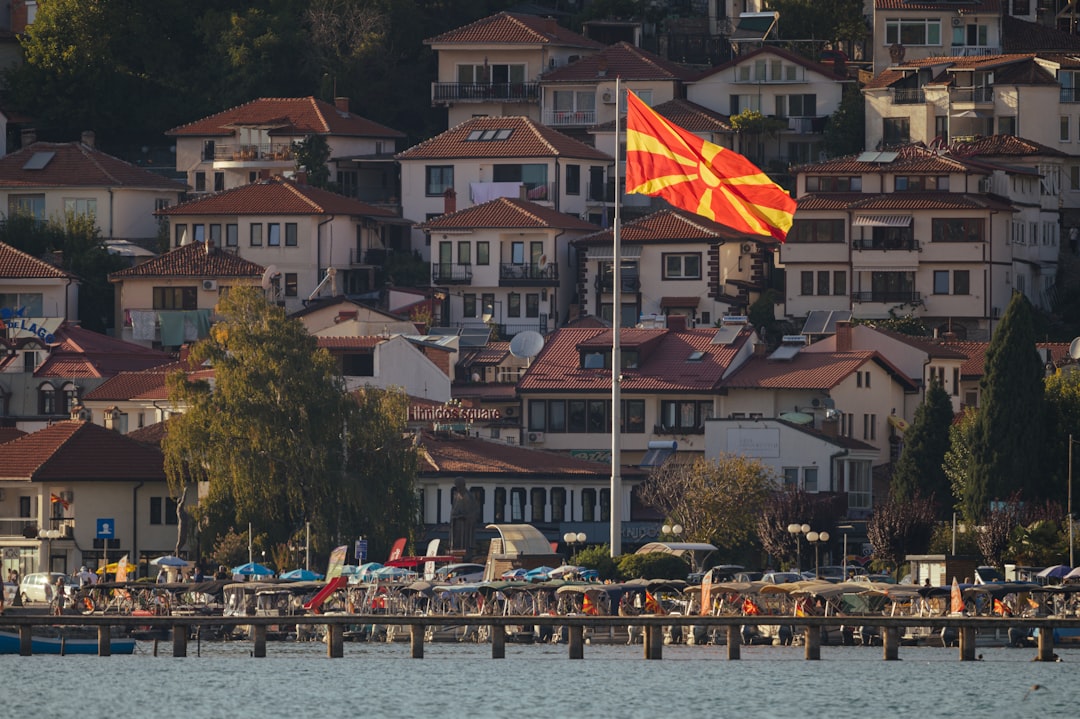
The Albanian side of Lake Ohrid sits at an altitude of 693 metres above sea level, sharing one of Europe’s oldest and deepest lakes — over 3 million years old — with North Macedonia across the water. The lakeside town of Pogradec, founded in the 19th century, serves as the main hub on the Albanian shore, offering dramatically fewer crowds than the Macedonian side despite the same crystalline water. Lake Ohrid holds UNESCO Biosphere Reserve status, and its endemic trout species, the Koran, has been swimming these waters for millennia.
Three Things Not to Miss in Lake Ohrid Region
- Drilon National Park — A spring-fed river delta just 3 km from Pogradec where eels and Koran trout swim beneath ancient plane trees.
- Lin Peninsula — A remote headland jutting into the lake containing a 6th-century Byzantine mosaic floor hidden inside a modest village church.
- Koran Trout Lunch on the Lakefront — The endemic Ohrid trout, found nowhere else on Earth, served grilled at waterfront restaurants for under L1,500.
Scroll down for our complete travel guide with tips on getting there, where to stay, costs and more.
Arriving in Lake Ohrid Region
How do I best reach the Lake Ohrid Region?
Fly into Tirana and drive or take a bus — it is the most practical entry point. In my experience, the 3.5-hour road journey from Tirana along the SH3 highway via Elbasan is straightforward and scenic through the mountains. Alternatively, crossing from Ohrid city in North Macedonia by road via the Cafasan border crossing takes under 30 minutes from the Macedonian side, making it perfect if you are already touring the region. The honest caveat: the mountain road sections around Elbasan have tight bends and occasional truck traffic, so night driving is not advisable.
Which airport is closest to the Lake Ohrid Region?
Tirana International Airport Nënë Tereza (TIA) is the closest and only practical international airport, approximately 145 km northwest of Pogradec. In my experience, no budget airline serves Ohrid Airport (OHD) in North Macedonia from Western Europe as reliably as TIA does. Wizz Air, Ryanair, and Turkish Airlines all serve Tirana with competitive fares. The honest warning: Ohrid Airport (OHD) is technically closer at roughly 60 km, but it sits on the North Macedonian side — crossing adds a border stop. My tip: fly into TIA, rent a car, and enjoy the mountain drive.
How long is the journey from Tirana to the Lake Ohrid Region?
The drive from Tirana to Pogradec takes approximately 3.5 hours under normal conditions. The route via Elbasan covers around 145 km on a mix of dual carriageway and mountain road. By furgon (shared minibus) from Tirana’s Linza terminal, the journey costs roughly L600 and takes 4 hours including stops. What surprised me is how dramatically the landscape changes — you descend from pine-forested mountain passes directly to the glittering lake surface. The caveat: road works between Elbasan and Librazhd occasionally add 45 minutes to the journey, so check current conditions before departing.
Are there direct bus connections to the Lake Ohrid Region?
Yes — furgons (shared minibuses) run directly from Tirana to Pogradec daily, departing from Linza terminal in the southeast of Tirana. Tickets cost approximately L600 and the journey takes 4 hours. I recommend arriving at the terminal by 7:00 AM to secure a seat, as there is no advance booking system. The honest caveat: furgons depart when full, not on a fixed timetable — early morning is reliable, afternoon departures are sporadic. There is no direct bus from Tirana airport to Pogradec; you must transit through the city first. My tip: book a private transfer for L6,000–L8,000 if you want door-to-door comfort.
Is a rental car necessary in the Lake Ohrid Region?
For reaching Lin Peninsula, Tushemisht, and the southern lake villages, a rental car is strongly recommended. Without one, you are largely confined to Pogradec town and Drilon Park. Car hire in Tirana starts at approximately L4,500 per day for a compact vehicle with major brokers like Europcar or Sixt at the airport. In my experience, a car unlocks the entire Albanian lakeside — tiny fishing villages, Byzantine ruins, and the road to the Macedonian border crossing at Lin. The honest warning: some lakeside tracks are unpaved and benefit from a small SUV rather than a standard saloon car.
Bases & Accommodation in Lake Ohrid Region
Which towns make good bases in the Lake Ohrid Region?
Pogradec is the obvious and best base — it has the fullest range of accommodation, restaurants, and the lakefront promenade. For a quieter, more local experience, Tushemisht village, located 7 km south of Pogradec, sits directly on the water and has a handful of guesthouses. Lin, a further 25 km south, is the most remote option — stunning but with only basic facilities. In my experience, basing yourself in Pogradec and day-tripping to Lin and Drilon gives the best balance. The honest caveat: Tushemisht fills up fast in July and August, so book at least 6 weeks in advance for summer visits.
Where should I stay in the Lake Ohrid Region?
Stay on the Pogradec lakefront promenade (Bulevardi Reshit Çollaku) for walking distance to restaurants and lake access. The Hotel Pogradeci and smaller family-run guesthouses along this strip offer the best value. For a boutique experience, Tushemisht has guesthouses built right on the water’s edge with private jetties. I recommend avoiding the inland streets of Pogradec if lake views matter to you — the town spreads away from the shore quickly. What surprised me is the quality of family-run accommodation relative to the price: rooms are clean, breakfasts include local honey and cheese, and hosts often speak basic English.
What does accommodation cost in the Lake Ohrid Region?
Expect to pay L3,500–L6,000 per night for a comfortable double room with lake views at a mid-range guesthouse. Budget rooms in shared guesthouses start at L1,800 per night. A well-appointed hotel on the Pogradec promenade runs L6,000–L9,000 in peak summer. Apartments rented directly from locals via Facebook groups — still common here — can drop to L2,500 per night for a self-catering unit. My tip: negotiate directly with guesthouses in Tushemisht outside peak season; a 20% discount is often possible for stays of 3 or more nights. The honest caveat: very few properties are listed on Booking.com, so online reviews are limited.
How far in advance should I book accommodation in the Lake Ohrid Region?
Book at least 6–8 weeks ahead for July and August visits — lakefront rooms sell out entirely. Outside peak summer, 1–2 weeks is sufficient and you will find better prices. In my experience, the best waterfront guesthouses in Tushemisht are booked by Albanian and Kosovar families by May for the school-holiday period. The honest warning that most guides omit: Albanian domestic tourism dominates this lake in summer — it is not primarily an international tourist circuit, meaning local connections and Facebook group posts fill rooms faster than any international booking platform. My tip: email properties directly and confirm with WhatsApp.
When is the best time to visit the Lake Ohrid Region?
June and September are the optimal months — warm enough to swim, uncrowded, and with lower prices. July and August bring reliable sunshine but also the peak of Albanian domestic tourism, which crowds the Pogradec promenade significantly. Based on verified climate data, June through September are the best travel months. In my experience, mid-September is the sweet spot: water temperature stays around 22°C, crowds thin by 70%, and lakefront restaurants are still fully open. The honest caveat: October brings unpredictable rain and many guesthouses in Tushemisht close for the season after late September.
Lake Ohrid Region Through the Year
How does the weather affect activities in the Lake Ohrid Region?
Summer heat — reaching 35°C in July and August — makes midday hiking inadvisable; plan walks before 9:00 AM or after 5:00 PM. The lake itself moderates temperatures, making evenings pleasant even at peak summer. Spring (April–May) brings lush green hillsides ideal for hiking to Mali i Thatë National Park, but water temperatures of 14–16°C are too cold for comfortable swimming. Winter is mild but grey, with many lakeside businesses shuttered. My tip: bring a light rain jacket for spring and autumn — afternoon thunderstorms can arrive quickly from the mountains without much warning.
Are there local festivals worth attending in the Lake Ohrid Region?
Pogradec Summer Festival runs throughout July and August with free open-air concerts on the lakefront promenade — a genuinely authentic experience rather than a tourist production. The Koran Fish Festival, typically held in late August, celebrates the endemic trout with cook-offs and music; exact dates shift annually so check with local hotels. In my experience, the atmosphere during the Albanian national holiday on November 28 (Independence Day) is worth catching if you are in the area — Pogradec hosts a small parade and communal meal events. The honest warning: international information about these festivals is scarce — ask your guesthouse host directly for current-year dates.
When does the Lake Ohrid Region get crowded?
Peak crowds hit mid-July through mid-August when Albanian and Kosovar families take their main holidays simultaneously. The Pogradec promenade can feel genuinely packed on weekend evenings during this window, with traffic queues on the main road into town. In my experience, the lake itself never feels overcrowded because it is so large — but beachside spots and restaurants fill by noon. The honest caveat most guides miss: this is Albanian domestic tourism at its peak, meaning the crowd experience is vibrant and local rather than international-package-tour sterile — which I personally find adds character. Avoid the last week of July if you dislike noise.
What does a daily budget cost in the Lake Ohrid Region?
A realistic daily budget runs L4,000–L6,000 per person covering accommodation, meals, and local transport. Budget travellers sharing a room and eating at local qebaptore (grill restaurants) can manage L2,500 per day. Mid-range comfort — lakeside guesthouse, Koran trout lunch, a boat trip — costs around L7,000–L9,000 per person per day. In my experience, this region is one of the cheapest lake destinations in Europe. The honest caveat: a rental car adds approximately L4,500 per day split between passengers — factor this in if travelling solo. Local rakia and beer rarely exceed L150–L250 per glass.
Is the Lake Ohrid Region cheaper or more expensive than other Albanian regions?
Slightly more expensive than inland Albanian cities like Korçë but 30–40% cheaper than the Albanian Riviera in peak season. Restaurant prices on the Pogradec promenade are higher than off-street locals-only spots — a Koran trout at a lakefront terrace costs L1,200–L1,800 versus L800 two streets back. Accommodation is comparable to Berat but cheaper than Sarandë in July. In my experience, the real saving is that you are not tempted into expensive boat charters, beach clubs, or overpriced cocktail bars — the lake lifestyle here is refreshingly simple. Entrance fees to most sights are minimal or free.
Budgeting for Lake Ohrid Region
What free highlights are there in the Lake Ohrid Region?
Walking the Pogradec lakefront promenade at sunset costs nothing and is genuinely one of the most pleasant evening walks in the Balkans. The Byzantine mosaic floor in Lin village church is free to enter (a small donation is appreciated). Drilon National Park entrance costs L200 — effectively free. Swimming from the public beach at Tushemisht is free. Hiking the trails above Pogradec into Mali i Thatë National Park has no entrance fee. In my experience, the most memorable moment — watching fishermen bring in their morning catch at the Pogradec harbour just after dawn — costs absolutely nothing and almost no tourist witnesses it.
What do local specialities cost in the Lake Ohrid Region?
A full portion of grilled Koran trout costs L1,200–L1,800 at a lakefront restaurant — the unmissable dish of the region. A plate of tavë kosi (baked lamb with yoghurt) at a local restaurant runs L600–L900. Fresh bread from a furrë (bakery) is L50. A strong Albanian coffee costs L80–L120. Local Skënderbeu cognac (a bottle) from a supermarket is approximately L1,200. In my experience, the best value meal is a grilled fish plate with salad and house wine at the market-side restaurants two blocks back from the Pogradec waterfront, where the same quality food costs 30% less than the tourist-facing terraces.
Which route do you recommend for 5–7 days in the Lake Ohrid Region?
Day 1: Arrive Pogradec, walk the promenade, dinner at a lakefront restaurant. Day 2: Morning at Drilon National Park, afternoon boat trip on the lake. Day 3: Full day at Lin Peninsula — visit the Byzantine mosaic, swim, picnic. Day 4: Drive to Tushemisht, kayak or paddleboard, evening in the village. Day 5: Cross the border to Ohrid city in North Macedonia as a day trip — the old town and Church of Saint John at Kaneo are unmissable. Days 6–7: Hike into Mali i Thatë, visit Korçë (45 minutes away) for the bazaar and raki culture. In my experience this circuit hits every major highlight without backtracking.
What are the must-see sights in the Lake Ohrid Region?
Drilon National Park — spring-fed channels, plane trees, and endemic fish in a natural park 3 km from Pogradec. Lin Peninsula — a remote headland with a 6th-century Byzantine mosaic floor inside the village church, reachable by a 25 km lakeside road. Tushemisht village — the most picturesque settlement on the Albanian shore with traditional stone houses and crystal-clear swimming coves. The Pogradec waterfront market at dawn where local fishermen sell overnight catches. And for context, a day trip across to Ohrid old town in North Macedonia rounds out the cultural picture with its medieval fortress and Ottoman-era architecture.
What natural highlights does the Lake Ohrid Region offer?
The lake itself — 358 square kilometres, over 288 metres deep in places, and over 3 million years old — is the centrepiece. Mali i Thatë National Park rises directly above the western shore, with trails reaching 2,286 metres at Galicica Peak on the Macedonian side. The Drilon springs create a river delta of extraordinary clarity where you can watch Koran trout and eels from a footbridge. Migratory birds, including pelicans and cormorants, use the lake as a stopover — best observed at dawn from the northern shore. In my experience, the underwater visibility in the lake reaches 20–22 metres on calm days, rivalling many Mediterranean dive sites.
Driving & Walking Routes in Lake Ohrid Region
What local specialities should I try in the Lake Ohrid Region?
Koran trout (Salmo letnica) is non-negotiable — it exists nowhere else on Earth and tastes subtly different from river trout, richer and firmer. Order it grilled with lemon and local olive oil. Tavë kosi (slow-baked lamb in egg-and-yoghurt sauce) is Albania’s national comfort dish and excellent in Pogradec. Flia — a layered crêpe baked under an iron lid — is found at local family restaurants. Raki distilled from local grapes is drunk before meals as an aperitif. My tip: ask specifically for home-produced raki (rakia shtëpie) at guesthouses — the quality difference from commercial bottles is significant and it is usually offered free with dinner.
What activities are available in the Lake Ohrid Region?
Swimming and paddleboarding from Tushemisht beach are the most popular activities — equipment rental costs L500–L800 per hour. Boat trips across the lake can be arranged from Pogradec harbour for approximately L3,000–L5,000 for a private 2-hour charter. Hiking trails in Mali i Thatë National Park range from easy lakeside walks to full-day ridge hikes. Cycling along the flat lakefront road between Pogradec and Tushemisht takes under 45 minutes. Fishing trips with local boatmen can be arranged informally at the harbour for L2,000–L3,000 per morning. In my experience, kayaking at dawn on a glassy lake with mist rising off the water is the single best activity here.
What distinguishes the Lake Ohrid Region from other Albanian regions?
This region offers something no other part of Albania delivers: a UNESCO Biosphere lake with 3-million-year-old ecology, an endemic fish species, and a Byzantine cultural layer — all without the mass-tourism infrastructure of the Riviera. Pogradec has a genuine working-town character that Sarandë and Ksamil have largely lost to beach tourism. The lake’s extraordinary water clarity and depth create a visual drama that mountain regions and coastal resorts simply cannot match. In my experience, the Albanian side of Ohrid feels like a discovery rather than a destination — the Macedonian side gets the international tourists, while this shore remains largely Albanian family territory, which preserves its authenticity completely.
Which day trips are possible from the Lake Ohrid Region?
Korçë is the finest day trip — 45 minutes by car, this city of 51,000 has the best bazaar in eastern Albania, a strong raki culture, and the excellent National Museum of Medieval Art. Ohrid old town in North Macedonia is 40 minutes from Pogradec via the Lin border crossing — a UNESCO World Heritage Site with genuine medieval architecture. Prespa Lakes (Great and Small Prespa) sit 2 hours south and form a tri-country nature reserve at the borders of Albania, North Macedonia, and Greece. In my experience, Korçë is the most rewarding day trip for cultural depth and should not be skipped under any circumstances.
Are there language barriers in the Lake Ohrid Region?
Albanian is the sole official language and English proficiency outside Pogradec town is limited. In my experience, younger restaurant and hotel staff in Pogradec speak basic English, but in Lin village or smaller settlements you will rely on gestures, Google Translate, or Italian (widely understood among older Albanians due to television influence). Learning 5 key phrases — mirëdita (hello), faleminderit (thank you), sa kushton (how much), ujë (water), and llogari (the bill) — opens doors dramatically. The honest caveat: menu translation apps struggle with handwritten Albanian menus, which are common at family restaurants. My tip: download the Albanian language pack in Google Translate offline before arriving.
Local Know-How for Lake Ohrid Region
Which apps do you recommend for the Lake Ohrid Region?
Maps.me with the Albania offline map downloaded is essential — Google Maps has gaps on smaller lakeside tracks. Google Translate with Albanian offline pack for restaurant menus and conversations. WhatsApp for communicating with guesthouses, which universally prefer it over email. Windy for real-time lake and mountain weather — afternoon thunderstorms build quickly and Windy gives 3-hour advance warning that standard weather apps miss. In my experience, there is no dedicated Albanian regional tourism app worth recommending — the best local information comes from Facebook groups like “Visit Pogradec” where locals post current conditions, festival dates, and accommodation tips in real time.
Are there medical facilities in the Lake Ohrid Region?
Pogradec Regional Hospital on Rruga Budi handles emergencies and basic care — it is functional but limited. For anything serious, Tirana’s American Hospital (+355 4 2234105) is the realistic destination, approximately 3.5 hours away. In my experience, pharmacies (farmaci) in Pogradec are well stocked with common medications and English-labelled European brands. Travel insurance covering emergency evacuation to Tirana is not optional here — it is essential. The honest caveat: do not count on the regional hospital for complex procedures. My tip: carry a basic first-aid kit and any prescription medications in sufficient supply, as specific brands may not be available locally.
How safe is the Lake Ohrid Region?
Very safe for tourists by any Balkan standard. Petty theft is rare in Pogradec and the surrounding villages. In my experience, walking the lakefront alone after midnight feels entirely comfortable — locals do it routinely. The primary risks are road safety (mountain roads with limited barriers) and swimming in unmarked deep water without a local guide’s knowledge of currents. The honest caveat that most guides omit: driving in Albania carries genuine risk from aggressive overtaking habits on mountain roads — maintain a defensive, unhurried driving style particularly on the Elbasan–Pogradec mountain section. Solo female travellers report no specific issues in this region.
What are common traveller mistakes in the Lake Ohrid Region?
Mistake 1: Visiting only Pogradec and skipping Lin and Tushemisht — the lakeside villages are the real highlight. Mistake 2: Not bringing cash in Albanian lek (L) — card machines are absent at village restaurants and entrance points. Withdraw from the ATM on Bulevardi Reshit Çollaku in Pogradec before heading south. Mistake 3: Eating only at promenade restaurants instead of walking two streets inland for 30–40% lower prices. Mistake 4: Underestimating driving time on the Lin road — 25 km takes 45 minutes on the winding lakeside track. Mistake 5: Booking nothing in advance for July and then arriving to find all lakefront accommodation full. In my experience, mistake 1 is the costliest — Lin alone justifies the entire trip.
Which accommodation types suit the Lake Ohrid Region best?
Family-run guesthouses (bujtina) are the defining accommodation type here and genuinely the best choice — they include breakfast, local knowledge, and personal service that no hotel matches. Lakefront apartments rented directly from owners in Tushemisht suit self-caterers and families — expect L2,500–L4,000 per night for a full apartment. Mid-range hotels on the Pogradec promenade suit business-minded travellers wanting reliable Wi-Fi and air conditioning. Camping is possible but unofficial — pull off near Lin Peninsula with a tent and nobody will object, but there are no formal facilities. In my experience, a bujtina in Tushemisht with a host who cooks dinner on request is the single most rewarding accommodation experience on the Albanian lake shore.
Lake Ohrid Region at a Glance
| Currency | Albanian lek (L) |
|---|---|
| Official language | Albanian |
| Time zone | UTC+01:00 |
Source: Wikidata, retrieved September 2026.
Albania › Lake Ohrid Region
Destinations in Lake Ohrid Region
Essential Resources for Planning Your Trip to Lake Ohrid Region
- Ohrid, Struga: Lake Ohrid Draws More Travelers as … — official visitor information, passes & events
- Wikipedia: Lake Ohrid Region — history, geography & background
- Wikivoyage: Lake Ohrid Region — community travel guide & practical tips
- A first-time guide to North Macedonia — expert itineraries & travel inspiration
- THE 15 BEST Things to Do in Ohrid (2026) — hotels, restaurants & traveller reviews
- Macedonia gets UNESCO approval to begin Ohrid Airport … — how to get around
- Numbeo: Cost of Living in Lake Ohrid Region — current prices & cost comparison
- Timeanddate: Lake Ohrid Region Weather & Climate — forecasts & climate statistics
- Natural and Cultural Heritage of the Ohrid region
More Perspectives on Lake Ohrid Region
- A Detailed Guide To Lake Ohrid: 13 Incredible Things To Do
- 11 Things To Do In Ohrid, North Macedonia
- Everything you need to know about visiting Ohrid, North …
Lake Ohrid Region Travel Videos
Watch these videos for a visual preview before your trip:
- 5 Travel Tips for Ohrid, North Macedonia | Discover Ohrid, the Pearl of the Balkans
- First time in Ohrid Macedonia? | Don’t Visit Ohrid Before Watching This!
- North Macedonia: Travel Guide Hidden Gems, Lake Ohrid Secrets, & Must See Attractions!
Lake Ohrid Region Travel Discussions on Reddit
Real traveller experiences and community advice:
- Ohrid, North Macedonia is really an underrated travel …
- Fell in love with Macedonia during our 6-day trip to Skopje …
- Would you guys take a vacation in Ohrid (Macedonia)? …
Data Sources
This page was compiled using data from Wikipedia, Wikidata, Open-Meteo (climate), Numbeo (cost of living) and REST Countries. Information is updated regularly.