
Historic Albania: The Complete Travel Guide (2026)
Last reviewed: September 2026 · key facts checked against Wikidata
Historic Albania Travel Guide: Everything You Need to Know (2026)
Historic Albania is one of Europe’s oldest continuously inhabited territories, with Butrint founded over 2,500 years ago and Berat’s castle district dating to the 4th century BC. The country stretches 450 km from the Macedonian highlands to the Ionian coast, sitting at a crossroads of Illyrian, Byzantine, Ottoman, and Communist-era history that no other Balkan nation can replicate. With fewer than 6 million tourist arrivals annually, Historic Albania remains dramatically undervisited compared to Croatia or Greece, making 2026 a genuinely privileged window to explore it.
Three Things Not to Miss in Historic Albania
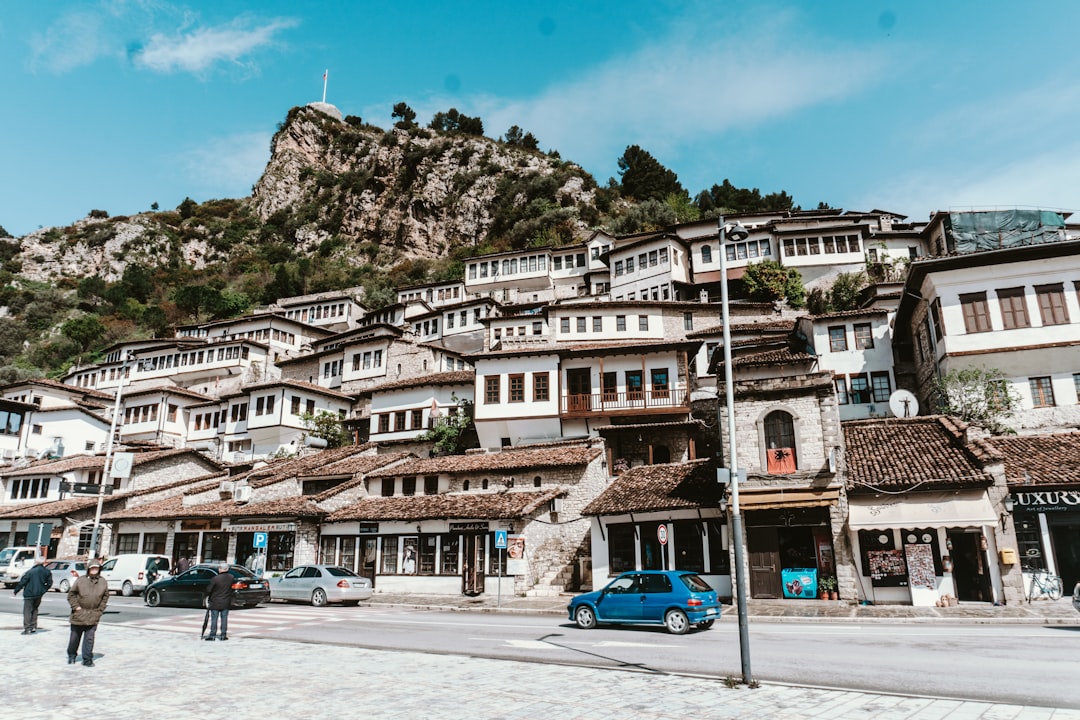
- Berat Castle District (Kalaja) — A UNESCO-listed ‘city of a thousand windows’ where 800-year-old Ottoman houses are still inhabited today.
- Butrint National Park — A Greek, Roman, and Byzantine layered UNESCO site surrounded by lagoon water, entirely walkable in under 3 hours.
- Gjirokastër Old Bazaar — A stone-paved Ottoman bazaar at 300 m altitude, birthplace of Enver Hoxha and author Ismail Kadare.
Scroll down for our complete travel guide with tips on getting there, where to stay, costs and more.
Arriving in Historic Albania
How do I best reach Historic Albania by land or air?
Fly into Tirana International Airport (TIA) — it is the definitive entry point for Historic Albania. From Western Europe, direct flights with Wizz Air and Air Albania take roughly 2.5 hours from London or Rome. Overland, the SH7 highway from North Macedonia via Lake Ohrid is scenic and well-paved. The Montenegrin border crossing at Muriqan is fast outside July–August. In my experience, flying is far more time-efficient than long Balkan bus routes. Warning most guides omit: the Thessaloniki overland route via Kakavia border can add 4–5 hours of unpredictable queue time in summer.
Which airport is closest to Historic Albania’s main sites?
Tirana International Airport Nënë Tereza (TIA) is the only major international airport, located 17 km northwest of central Tirana. For southern Historic Albania sites like Gjirokastër or Butrint, the Greek airport at Corfu (CFU) is actually closer — a ferry from Corfu to Saranda takes just 35 minutes. I recommend this southern entry if your itinerary focuses on the Riviera and antiquity sites. Caveat: Corfu–Saranda ferries run seasonally and peak-season tickets sell out fast — book at least 2 weeks ahead in July.
How long is the journey from Tirana to Historic Albania’s key regions?
From Tirana, driving to Berat takes 1.5 hours on the SH71. Gjirokastër is 3 hours south on the SH4. Butrint near Saranda adds another 30 minutes beyond Gjirokastër. In my experience, the distances look short on a map but Albanian road conditions — especially mountain switchbacks near Llogaraja Pass at 1,027 m — add significant time. My tip: plan no more than 2 major historic sites per day to avoid exhausting driving legs. Bus travel adds roughly 50% to all journey times compared to a rental car.
Are there direct bus connections to Historic Albania’s towns?
Yes — but they are informal. Tirana’s Kombinat bus station runs daily furgons (shared minibuses) to Berat for roughly L400 (~L400) and to Gjirokastër for L800. Departures cluster between 6 AM and 9 AM — miss that window and you wait until the next morning. What surprised me: there is no central timetable website; locals simply show up. I recommend the Albania Transport Facebook group for real-time schedules. Caveat: direct furgon services to Butrint do not exist — you must transfer in Saranda and take a local taxi for L500 each way.
Is a rental car necessary to explore Historic Albania properly?
For seeing Historic Albania thoroughly, yes — a rental car is strongly advisable. Sites like Apollonia archaeological park, the Osumi Canyon, and villages around Voskopoja are completely inaccessible by public transport. Compact cars rent from around L4,500 per day from agencies at TIA airport including basic insurance. In my experience, Europcar and local agency Albania Car Rental are most reliable. Critical warning: Albanian roads have no shoulders in mountain sections, and GPS apps frequently route you onto unpaved tracks — download maps.me offline maps before you leave Tirana. International driving licence is recommended though rarely checked.
Bases & Accommodation in Historic Albania
Which towns make good bases for exploring Historic Albania?
Berat is my top pick for central Historic Albania — you can walk to the castle, the Mangalem quarter, and the Ethnographic Museum all within 20 minutes on foot. Gjirokastër is the ideal base for the deep south, putting Butrint, Saranda, and the Blue Eye spring within 45 minutes. Tirana works if you prioritize logistics over atmosphere. What surprised me: Përmet, a town of just 8,000 people in the Vjosa valley, has emerged as a superb base for hikers targeting the Albanian Riviera hinterland. Avoid Fier as a base — it is industrial with little historic character.
Where should I stay when visiting Historic Albania?
Stay inside the UNESCO-protected old towns wherever possible — the experience of sleeping in a restored Ottoman kulla (tower house) in Gjirokastër or a stone guesthouse in Berat’s Mangalem quarter is irreplaceable. Guesthouses like Hotel Kalemi in Gjirokastër sit literally inside the castle walls. In Berat, the Mangalem district along the Osum River has the highest concentration of authentic accommodation. For Butrint, base in Saranda — a 20-minute drive away — where beachfront hotels exist. My tip: avoid the modern concrete hotels on the outskirts of any historic town; they strip away everything that makes Albania special.
What does accommodation cost in Historic Albania per night?
Budget guesthouses in Berat and Gjirokastër run L2,500–L3,500 per night for a double room with breakfast included. Mid-range boutique hotels in restored Ottoman houses cost L5,000–L8,000. In Saranda, beachfront hotels spike to L9,000–L14,000 in July–August. What surprised me: quality-to-price ratio in Historic Albania is among the best in Europe — a L4,500 room in Berat would cost three times more in Dubrovnik for equivalent charm. Caveat: the cheapest guesthouses often have shared bathrooms and no air conditioning, which matters in August when temperatures exceed 35°C in the southern lowlands.
How far in advance should I book accommodation in Historic Albania?
For July and August, book at least 6 weeks ahead — quality guesthouses in Berat and Gjirokastër have fewer than 15 rooms each and fill completely. The Saranda coast sells out even faster, driven by Albanian diaspora returning from Italy and Greece. Shoulder months (May, June, September) need 2 weeks advance notice at most. In my experience, direct booking via email or phone — not just Booking.com — often unlocks 10–15% discounts at family-run guesthouses. Warning most guides omit: many small Historic Albania guesthouses are not listed on any platform — ask locally in Berat’s Mangalem quarter upon arrival for walk-in options in spring.
When is the best time to visit Historic Albania?
June and September are the optimal months based on climate analysis — warm, dry, and before or after the diaspora summer rush. July and August deliver guaranteed sun but temperatures in the Gjirokastër valley reach 38°C at midday, making castle climbs brutal. May is underrated — wildflowers blanket the Llogaraja Pass and you share Butrint with almost nobody. My tip: pair a June visit with the Gjirokastër National Folklore Festival (held every 4 years — next in 2027) if timing allows. Winter visits to Berat are atmospheric but around 40% of guesthouses close between November and March.
Historic Albania Through the Year
How does the weather in Historic Albania affect activities?
Weather shapes everything in Historic Albania. Castle visits in Berat and Gjirokastër should be done before 10 AM in July–August to avoid punishing heat on exposed stone paths. Butrint National Park becomes mosquito-heavy after rain — pack repellent even in June. The Llogaraja Pass road (SH8) is occasionally closed by snow in January–February, cutting off the Riviera. In my experience, September gives the best all-round conditions: sea still warm at 24°C, sites uncrowded, and afternoon light on the Ottoman architecture is extraordinary. Rain in October–November turns mountain tracks impassable without a 4WD vehicle.
Are there local festivals in Historic Albania worth attending?
Absolutely — Berat’s Mangalem Festival in late July celebrates Ottoman heritage with live iso-polyphony music, a UNESCO-recognized Albanian vocal tradition. The Gjirokastër National Folklore Festival — held every 4 years in the castle courtyard — is unmissable when it occurs; next full edition is 2027. Saranda’s Summer Festival runs through August with nightly concerts on the waterfront. What surprised me: the Apollonia archaeological site near Fier hosts a small summer classical music event inside the ancient odeon — completely unknown to most tourists, free entry, and genuinely moving. Check Albania.al official tourism calendar for exact 2026 dates.
When does Historic Albania get crowded, and how bad is it?
August 1–20 is the absolute peak — Saranda triples in population as the Albanian diaspora arrives from Italy and Greece. Berat Castle sees queues at the main gate between 10 AM and 2 PM daily in summer. Butrint gets genuinely overcrowded on cruise-ship days from Corfu, which happen 3–4 times per week in high summer. My tip: visit Butrint on a Tuesday or Wednesday morning before 9 AM — cruise arrivals peak on weekends and afternoons. In contrast, Gjirokastër’s bazaar remains walkable even in August because most package tourists skip it in favor of the coast.
What does a daily budget cost in Historic Albania?
Historic Albania is genuinely affordable. A budget traveler spending nights in guesthouses, eating at local qebaptore restaurants, and using furgons can manage on L3,500–L4,500 per day (roughly €32–€41). A mid-range traveler with a boutique hotel, restaurant dinners, and car rental averages L8,000–L11,000 per day. Entry fees are minimal — Butrint costs L700, Berat Castle is free. What surprised me: the biggest daily expense is often the rental car, not food or accommodation. Caveat: Saranda in August runs 30–40% more expensive than any other part of Historic Albania for identical services.
Is Historic Albania cheaper or more expensive than other Albanian regions?
Historic Albania’s interior — Berat, Gjirokastër, Përmet — is cheaper than the Albanian Riviera coast by 25–35% on accommodation and food. A sit-down lunch in Gjirokastër’s old bazaar costs L600–L900 including wine. The same meal in Saranda’s waterfront runs L1,400–L1,800. Compared to neighboring Greece or Montenegro, Historic Albania is dramatically cheaper — a comparable UNESCO old-town experience in Dubrovnik costs 3–4 times more. In my experience, the interior towns represent the best value in the entire Western Balkans right now. Warning: ATM fees in small towns like Përmet can add L200–L350 per withdrawal — withdraw larger amounts in Berat.
Budgeting for Historic Albania
What free highlights are there in Historic Albania?
Berat Castle district (Kalaja) has no entry fee — you walk straight through the Byzantine gate into a living neighborhood for free. The Gjirokastër bazaar and its panoramic castle views from outside the walls cost nothing. Apollonia’s exterior ruins are partially visible without paying the L400 full site ticket. The Blue Eye (Syri i Kaltër) spring near Muzina charges only L100 parking. In my experience, wandering Berat’s Gorica quarter across the stone bridge at dusk — watching swallows circle the minarets — is the single most memorable free experience in all of Historic Albania. Bring a good camera rather than a tour guide.
What do local specialities cost in Historic Albania?
Tavë kosi (baked lamb with yogurt, the Albanian national dish) costs L500–L700 at a family restaurant in Berat or Gjirokastër. Qofte (grilled meatballs) run L200–L350 for a generous plate. A half-litre of local Korca beer is L150–L200. Gjizë (fresh white cheese) sold at morning markets in Gjirokastër costs L100 per 100g. What surprised me: Gjirokastër’s byrek (flaky pastry filled with spinach or cheese) from the old bazaar bakeries is arguably the best in Albania and costs just L80–L120 per piece — eat it for breakfast every single morning.
Which route do you recommend for 5–7 days in Historic Albania?
Day 1: Arrive Tirana, drive to Berat (1.5 hrs), evening walk in Mangalem. Day 2: Berat Castle morning, Ethnographic Museum, afternoon Gorica quarter. Day 3: Drive the Llogaraja Pass (SH8) to Saranda (3.5 hrs), stop at Palasa beach. Day 4: Full day at Butrint (arrive before 9 AM), afternoon in Saranda. Day 5: Blue Eye spring at 8 AM, drive to Gjirokastër (45 min), afternoon bazaar. Day 6: Gjirokastër Castle and Cold War tunnel, half-day at Antigonea ruins. Day 7: Return via Përmet and Tepelena to Tirana (4 hrs). In my experience, this loop covers Historic Albania’s UNESCO core without backtracking.
What are the must-see sights in Historic Albania?
Three sites are non-negotiable. Butrint National Park — a Greek theater, Roman forum, and Venetian tower layered across 29 hectares of lagoon peninsula — is Albania’s most important archaeological site. Berat’s Kalaja castle district contains 42 Byzantine churches within a single walled neighborhood still inhabited today. Gjirokastër Castle houses an abandoned American spy plane from the 1957 Cold War incident in its courtyard — a surreal artifact found nowhere else on earth. Beyond these three, Apollonia near Fier (Greek city founded 588 BC) and the Osumi Canyon near Skrapar deserve a day each if your itinerary allows.
What natural highlights does Historic Albania offer?
Vjosa River — Europe’s last wild large river, now a National Park since 2023 — runs through Historic Albania’s Përmet region and offers Class II–III kayaking. The Osumi Canyon near Çorovodë drops 80 meters deep and is hikeable along a 7 km riverside trail. Llogaraja Pass at 1,027 m divides the coastal Riviera from the interior and offers staggering views. The Blue Eye (Syri i Kaltër) is a karst spring pumping 18°C crystal-blue water year-round. What surprised me: the Lengarica Canyon hot springs near Përmet — natural thermal pools at 32°C accessible after a 20-minute walk — are almost entirely unknown to international visitors.
Driving & Walking Routes in Historic Albania
What local specialities should I try in Historic Albania?
Tavë kosi is mandatory — the Berat version uses local mountain lamb slow-baked with eggs and yogurt for 3 hours and is distinctly richer than the Tirana variant. Fergësa Berati (peppers, tomatoes, and cottage cheese baked in a clay pot) is specific to Berat and found nowhere else. In Gjirokastër, try paçe (lamb offal soup) at a morning market stall for L250 — confronting but authentic. Rakia from Përmet — made from wild plums — is the best in the country; buy a 1-liter bottle directly from producers for L500–L800. My tip: ask guesthouse owners for their family recipes — the best food in Historic Albania is always cooked at home.
What activities are available in Historic Albania beyond sightseeing?
Kayaking the Vjosa River from Përmet — guided full-day trips cost L4,000–L5,500 per person including equipment. Paragliding above Llogaraja Pass runs L6,000–L8,000 with a licensed tandem pilot based in Palasa. Hiking the Rruga e Kombit (Road of the Nation) trail network connects Ottoman-era caravanserais across the interior. Canyoning in Osumi costs L3,500 with local guides from Çorovodë. In my experience, Outdoor Albania based in Tirana is the most professional multi-activity operator covering all these regions. Caveat: always check guide certification — unlicensed operators have caused accidents on the Osumi Canyon route.
What distinguishes Historic Albania from other Balkan regions?
Historic Albania is the only place in the Balkans where Greek, Roman, Byzantine, Ottoman, and 20th-century Communist layers exist in direct physical proximity — sometimes within 500 meters of each other. Gjirokastër Castle contains a Cold War spy plane and a 13th-century Byzantine tower simultaneously. The living UNESCO neighborhoods of Berat have no equivalent in Croatia or Greece — residents actually cook, hang laundry, and keep chickens inside a castle. What surprised me most: Albanian iso-polyphony music — a UNESCO intangible heritage vocal tradition — can be heard performed spontaneously at village celebrations, not just on a ticketed stage.
Which day trips are possible from Historic Albania’s base towns?
From Berat: Apollonia archaeological site (1 hr drive), Osumi Canyon (1.5 hrs), and Bogova waterfall (45 min) — all doable in under 8 hours. From Gjirokastër: Blue Eye spring (30 min), Saranda and Butrint (45 min), and the Antigonea Hellenistic ruins (25 min). From Saranda, a 35-minute hydrofoil reaches Corfu, Greece — an international day trip possible with a valid Schengen visa. In my experience, the Corfu day trip is wildly underused by visitors to southern Historic Albania and adds remarkable contrast. Caveat: confirm your visa allows same-day Greece re-entry before booking the ferry.
Are there language barriers in Historic Albania?
Albanian is the sole official language and is linguistically isolated — it shares no mutual intelligibility with any other European language. However, Italian is widely spoken in the south due to decades of Italian TV reception and emigration — in Saranda and Gjirokastër, Italian often works better than English with older locals. Among under-35 Albanians, English proficiency is high, especially in tourism roles. In my experience, learning 5 Albanian phrases — including ‘faleminderit’ (thank you) and ‘sa kushton?’ (how much?) — generates enormous goodwill and often unlocks better prices. Menus in historic town restaurants increasingly offer English translations, but handwritten daily specials almost never do.
Local Know-How for Historic Albania
Which apps do you recommend for navigating Historic Albania?
maps.me with offline Albania maps downloaded before departure is essential — Google Maps has critical gaps on mountain roads near Llogaraja and Osumi Canyon. WhatsApp is how every Albanian guesthouse, taxi driver, and tour guide communicates — install it and share your number when booking. Booking.com covers major towns but misses most family guesthouses. XE Currency handles lek conversions instantly. For the Vjosa National Park, the Outdoor Albania website (not an app) has the best trail maps as downloadable PDFs. My tip: the Waze app works surprisingly well on the SH4 southern highway and flags police speed cameras — useful for rental car drivers.
Are there adequate medical facilities in Historic Albania?
Tirana’s American Hospital (Spitali Amerikan) is the only fully equipped private hospital meeting Western standards — located in the Blloku district and reachable in emergencies via +355 4 2234 105. In Berat, there is a regional public hospital but I would use it only for minor injuries. Gjirokastër has a small public clinic. Saranda has a seasonal private clinic adequate for sunburn and gastric issues. Critical warning: medical evacuation insurance is non-negotiable for anyone hiking the Osumi Canyon, Vjosa backcountry, or Llogaraja trails — helicopter evacuation from those areas costs €8,000–€15,000 without coverage. Bring a full first-aid kit and prescription medications from home.
How safe is Historic Albania for travellers?
Historic Albania is safe for tourists — petty crime rates in Berat and Gjirokastër are extremely low by European standards. The UK Foreign Office rates Albania as broadly safe with standard travel precautions. In my experience, solo female travellers report feeling comfortable walking Gjirokastër’s bazaar at 10 PM. The main risks are practical: treacherous mountain roads with no crash barriers, no mobile signal in the Osumi Canyon, and occasional aggressive driving on the SH4 highway. Avoid leaving valuables visible in rental cars in Saranda’s beach parking areas — opportunistic window smashing occurs in peak season. Blood feud traditions (kanun) affect rural north Albania, not the historic south.
What are common traveller mistakes in Historic Albania?
The biggest mistake: underestimating driving times — the Berat-to-Gjirokastër route looks like 2 hours on maps but takes 3.5 hours due to mountain roads. Second: visiting Butrint between 11 AM and 2 PM in summer — the heat and cruise crowds make it genuinely unpleasant. Third: exchanging currency at Tirana airport — rates are 8–12% worse than exchange offices in Tirana’s Blloku district. Fourth: booking only coastal accommodation and skipping the interior historic towns — the Riviera is pleasant but the Ottoman heritage of Berat and Gjirokastër is what makes Albania genuinely unique. My final warning: never drive the Llogaraja Pass after dark — the hairpin bends have no lighting and concrete barriers are minimal.
Which accommodation types suit Historic Albania best?
Ottoman kulla guesthouses are the defining accommodation of Historic Albania — stone tower houses converted into 4–8 room boutique stays. In Gjirokastër, Hotel Kalemi and Hotel Gjirokastra sit inside the castle perimeter. In Berat, family guesthouses in Mangalem quarter offer breakfast with homemade rakia and gjizë cheese on Ottoman-era terraces. Agriturismos (rural farmstays) near Përmet charge L2,500–L3,500 and include dinner from the family’s own garden. In my experience, agritourism in the Vjosa valley delivers the most authentic contact with Albanian rural life of anywhere in the Balkans. Avoid chain hotels entirely — there is no international hotel brand in Historic Albania worth choosing over a family guesthouse.
Historic Albania at a Glance
| Currency | Albanian lek (L) |
|---|---|
| Official language | Albanian |
| Time zone | UTC+01:00 |
Source: Wikidata, retrieved September 2026.
Albania › Historic Albania
Destinations in Historic Albania
Essential Resources for Planning Your Trip to Historic Albania
- What are the best ways to visit Albania for tourism? — official visitor information, passes & events
- Wikipedia: Historic Albania — history, geography & background
- Wikivoyage: Historic Albania — community travel guide & practical tips
- National History Museum | Tirana, Albania | Attractions — expert itineraries & travel inspiration
- THE 15 BEST Things to Do in Albania (2026) — hotels, restaurants & traveller reviews
- What’s It Like To Travel in Albania? An Honest Guide. — how to get around
- Numbeo: Cost of Living in Historic Albania — current prices & cost comparison
- Timeanddate: Historic Albania Weather & Climate — forecasts & climate statistics
More Perspectives on Historic Albania
- What’s It Like To Travel in Albania? An Honest Guide.
- Albania Travel Guide | Best Places to Visit & Tips
- The Ultimate itinerary in Albania: for 5, 7 or 10 days
Historic Albania Travel Videos
Watch these videos for a visual preview before your trip:
- Albania Travel Guide: How to Travel Europe’s Best Kept Secret
- Top 10 Places To Visit in Albania – Travel Guide
- Albania Travel Guide & Historical Context: Tirana, Berat, Gjirokastër & Ksamil
Historic Albania Travel Discussions on Reddit
Real traveller experiences and community advice:
- My experience of Albania as a tourist : r/travel
- Albania? Where are all the amazing experiences coming …
- r/travel – Albania is criminally underrated 🇦🇱 -Stunning …
Data Sources
This page was compiled using data from Wikipedia, Wikidata, Open-Meteo (climate), Numbeo (cost of living) and REST Countries. Information is updated regularly.