
Korce: The Complete Travel Guide (2026)
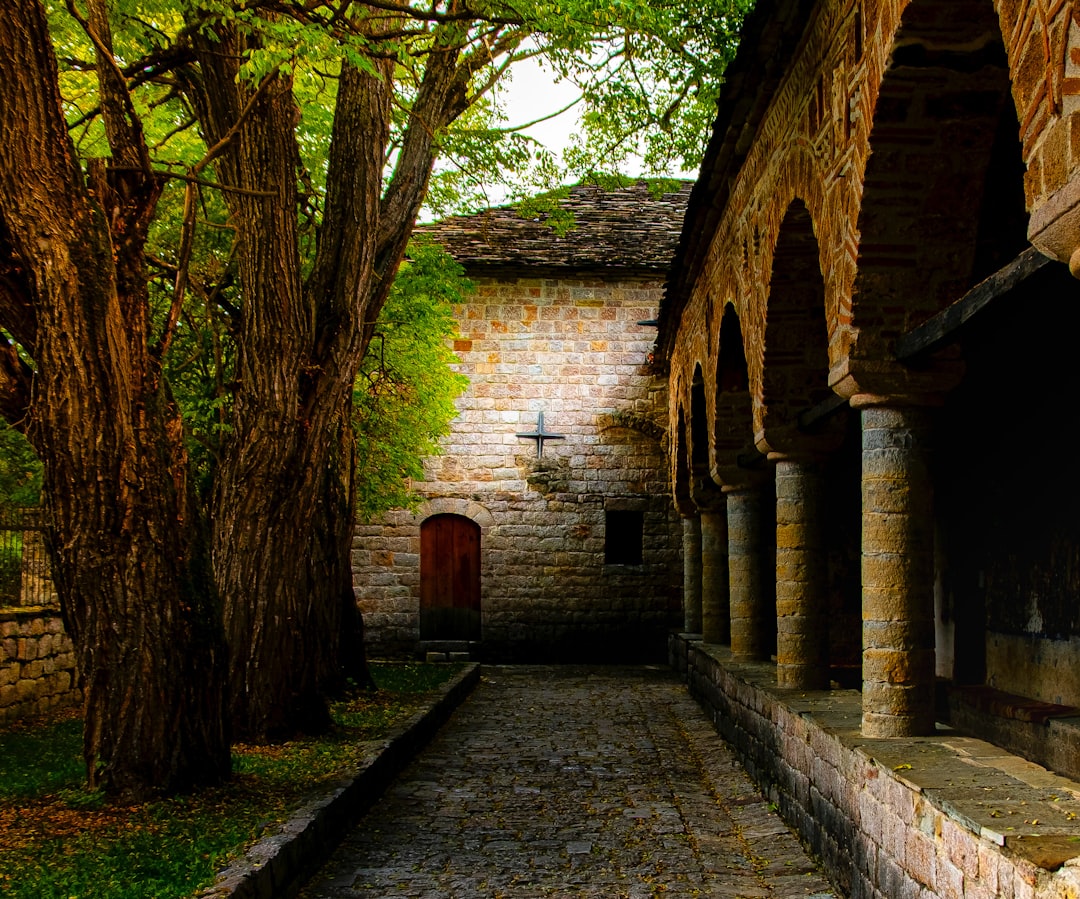
Korce Travel Guide: Everything You Need to Know (2026)
Korçë sits on a plateau at **850 metres** above sea level in southeastern Albania, making it the country’s highest major city and giving it a distinctly cooler, almost Central European atmosphere. With a city population of **51,152** and founded as a significant cultural hub in the 15th century, it earned the nickname ‘City of Serenades’ for its deep musical and artistic traditions. It lies just **35 km** from the North Macedonian border and **170 km** southeast of Tirana, a geographic position that shaped a unique blend of Ottoman, French, and Balkan influences you won’t find anywhere else in Albania.
Three Things Not to Miss in Korce
- Korçë Old Bazaar (Pazari i Vjetër) — Restored Ottoman trading quarter with over 70 artisan workshops — Albania’s finest surviving bazaar complex.
- National Museum of Medieval Art — Houses over 7,000 Orthodox icons, the largest collection of Byzantine art in the entire Balkans.
- Korçë Beer Festival — Albania’s biggest beer festival draws 200,000+ visitors every August to the city’s main boulevard.
Scroll down for our complete travel guide with tips on getting there, where to stay, costs and more.
How to Reach Korce
How do I best get to Korçë?
Fly into **Tirana International Airport (TIA)** then travel onward — there is no airport in Korçë itself. From **Tirana**, shared furgons (minibuses) depart from Fusha e Aviacionit station and cover the **170 km** in roughly **3 hours** for around **L 600–800** per person. My tip: the furgon is the single most practical option — buses also run but stop more frequently. In my experience, departures are most frequent before **10:00 AM**, so arriving at the station early saves waiting time. One caveat most guides skip: the road through the Qafë Thanë mountain pass is spectacular but genuinely winding — if you suffer from motion sickness, sit near the front and take medication beforehand.
Which airport is closest to Korçë?
**Tirana International Airport Nënë Tereza (TIA)** is the closest functional airport, approximately **170 km** northwest of Korçë by road. A second option is **Ohrid ‘St. Paul the Apostle’ Airport (OHD)** in North Macedonia, only **70 km** away, which can be cheaper if you’re flying from Western Europe with carriers serving that route. What surprised me: OHD is genuinely underused by travellers visiting Korçë, yet it cuts transfer time roughly in half. The honest caveat — OHD has far fewer international routes, mainly seasonal flights, so check schedules at least **3 months** in advance before banking on it.
How long does the journey to Korçë take from Tirana?
The furgon journey from **Tirana** takes **2.5 to 3.5 hours** depending on traffic and mountain road conditions. Driving yourself via the **SH3 and SH75 highways** takes roughly the same time — around **3 hours** — because the mountain pass near **Qafë Thanë** limits speed regardless of vehicle. In my experience, Sundays see lighter traffic and smoother crossings of the pass. The honest warning most guides omit: road construction along this corridor is ongoing through **2026**, and delays of **30–45 minutes** are plausible in summer. I recommend building buffer time into your first day’s plans.
Do I need a rental car to explore Korçë?
No — the city itself is walkable and you do not need a car to enjoy **Korçë**. The Old Bazaar, the main boulevard **Bulevardi Republika**, the cathedral, and the museum district are all within a **15-minute walk** of each other. My tip: for day trips to **Lake Prespa** (about **60 km** away) or the village of **Voskopojë** (22 km), a rental car or hired taxi is genuinely useful. Taxis within the city run about **L 200–300** per short trip. The trade-off: renting a car in Korçë itself means using local agencies with limited fleets — book at least **2 weeks** ahead in summer or arrange the rental from Tirana.
Korce Public Transport Explained
What are the best areas to stay in Korçë?
Stay in the **city centre near Bulevardi Republika** — this puts you within walking distance of every major sight, the best restaurants, and the evening promenade culture. The **Old Bazaar neighbourhood** is my top pick for atmosphere: staying here means you wake up inside the historic core. The **Shën Gjin** residential quarter slightly north is quieter and preferred by travellers who want better value guesthouses. I recommend avoiding the outskirts — Korçë’s taxi network is functional but limited late at night, and you’ll regret being **3+ km** from the centre after dinner. The city is compact enough that central accommodation never feels noisy or overwhelming.
What does accommodation cost per night in Korçë?
Budget guesthouses in **Korçë** run **L 3,000–4,500** (roughly **USD 30–45**) per night for a clean double room. Mid-range hotels like **Hotel Iliria** or smaller boutique stays on and near **Bulevardi Republika** cost **L 5,500–8,000** (USD 55–80). I have not found a true luxury hotel in Korçë — the upper ceiling is a well-appointed four-star at around **L 10,000** per night. What surprised me: breakfast is almost always included in Albanian guesthouses, which meaningfully reduces daily costs. The honest caveat: during the **August Beer Festival**, prices spike **40–60%** and availability collapses — this is the one week you absolutely must pre-book.
How far in advance should I book accommodation in Korçë during high season?
For **July and August** in Korçë, book **at least 6 weeks** in advance — and **10–12 weeks** if your dates overlap with the **Korçë Beer Festival** in mid-August, when the city fills with visitors from across Albania and the diaspora. In my experience, the best-value guesthouses near the **Old Bazaar** sell out first. Outside peak summer, booking **1–2 weeks** ahead is sufficient. The trade-off most guides miss: Korçë is increasingly popular with Albanian domestic tourists, meaning local holiday dates — especially the **first week of August** — drive demand more than international travel patterns do. Check Albanian public holiday calendars, not just European school breaks.
Are there special accommodation types worth trying in Korçë?
Yes — traditional Albanian guesthouses called **’bujtina’** are the standout option in Korçë. These are family-run homes converted into small guesthouses, typically offering **4–8 rooms**, home-cooked breakfasts, and direct access to local knowledge that no hotel concierge can match. The **Voskopojë village** area, just **22 km** from the city, has stone-house guesthouses that function as rural retreats — ideal for a night away from the city. In my experience, bujtina owners in the **Old Bazaar quarter** speak enough English or Italian to communicate comfortably. The honest caveat: bathroom standards in older bujtina can be modest — always check photos and reviews on **Booking.com** before committing.
Neighbourhoods of Korce
What are the absolute must-sees in Korçë?
Three sights are non-negotiable. First, the **National Museum of Medieval Art** — its **7,000+ Byzantine icons** represent the finest such collection in the Balkans and charge only around **L 300** entry. Second, **Pazari i Vjetër** (the Old Bazaar) — a UNESCO-listed restoration project with active artisan studios still producing copper work and embroidery. Third, the **Orthodox Cathedral of the Resurrection of Christ**, a striking neo-Byzantine structure completed in **1992** to replace one demolished during communist rule. My tip: visit the cathedral interior on a Sunday morning when the liturgy is in full voice — that acoustic experience is something I still think about years later.
What can I experience for free in Korçë?
Quite a lot. Walking **Bulevardi Republika** during the evening xhiro — the Albanian tradition of the communal evening stroll — costs nothing and is one of the most authentic social rituals in the country. The **Old Bazaar** is free to wander, and watching craftspeople at work in open workshops costs nothing. The **Shën Gjin Park** offers pleasant walking at no charge. In my experience, Korçë’s street life and café culture are entertainment in themselves — locals sit outside **Café Opera** or similar spots on the boulevard for hours. The trade-off: free sights are pedestrian-focused, so if rain hits (possible even in summer at **850 m** altitude), paid indoor options become important fallbacks.
Which day trips are possible from Korçë?
**Lake Prespa** is my top recommendation — the tri-border lake shared by Albania, Greece, and North Macedonia sits about **60 km** south, and its pelican colonies and Byzantine island monastery on **Maligrad Island** are genuinely unmissable. **Voskopojë** village (**22 km**) contains 18th-century frescoed churches from when it was one of the largest cities in the Balkans. **Dardha** village (**20 km**) sits at over **1,200 m** altitude with traditional stone architecture. For longer trips, **Ohrid in North Macedonia** is reachable in **90 minutes** by car. The honest warning: public transport to most of these is unreliable or nonexistent — arrange a local taxi driver for the day (around **L 3,000–4,500**) rather than attempting it by furgon.
What local specialities should I try in Korçë?
Korçë’s culinary identity is distinct from coastal Albania. **Tavë Kosi** — baked lamb with yoghurt and eggs — is the regional signature dish. The city is also famous for its **beer**: **Birra Korça** has been brewed here since **1928** and remains Albania’s most celebrated domestic beer. **Byrek** (flaky pastry with spinach or cheese) from the **Old Bazaar bakeries** is the ideal breakfast. For sweets, try **bakllava** from the pastry shops on **Bulevardi Republika**, which use a recipe with stronger walnut emphasis than Turkish versions. In my experience, the restaurant **Taverna Vasili** near the bazaar area serves the most honest traditional cooking — expect a full meal with beer for around **L 1,200–1,800**.
What to See in Korce
What makes Korçë unique compared to other Albanian cities?
Korçë is the only Albanian city that feels architecturally and culturally Central European while remaining authentically Albanian. Its history as an early centre of Albanian-language education — the **first Albanian-language school opened here in 1887** — gave it an intellectual identity that persists today. The city had a **French military administration from 1916 to 1920**, which left behind neoclassical buildings and a café culture unusually refined for the region. At **850 m** altitude, it also has four genuine seasons — including snowfall in winter — unlike Tirana or the coast. In my experience, Korçë has more civic pride per capita than anywhere else in Albania, and that translates into exceptionally well-maintained public spaces.
How many days are worthwhile in Korçë?
**2 full days** cover the city itself comfortably. **3–4 days** is the sweet spot if you add day trips to **Lake Prespa** and **Voskopojë**. I recommend against rushing Korçë into a single day — the evening boulevard culture and the morning bazaar are experiences separated by hours, and you’ll sacrifice one for the other. In my experience, travellers who stay **3 nights** consistently rate Korçë higher than those who pass through in one night. The trade-off: the city has limited nightlife beyond café culture, so travellers wanting bars and clubs beyond **11 PM** will feel the limitations by night **3**. Pair it with a night in **Pogradec** (40 km north on Lake Ohrid) for variety.
When is the best time to visit Korçë?
**July and August** are the optimal months based on climate data — warm days around **26–28°C**, long daylight hours, and all attractions operating at full capacity. **June and September** are my personal preference: pleasant temperatures, lower accommodation prices, and noticeably smaller crowds. Spring (**April–May**) brings the Morava Mountains into bloom and the city wakes up energetically, but some guesthouses are still in off-season mode. The honest warning: August’s **Beer Festival** is either a highlight or a reason to avoid the city entirely depending on your tolerance for noise and crowds — **200,000+ visitors** descend on a city of **51,152** permanent residents. Winter (November–February) brings snow and a genuinely atmospheric, crowd-free experience but limited tourist infrastructure.
Are there local festivals in Korçë worth attending?
Absolutely. The **Korçë Beer Festival** (mid-August, typically around **August 14–17**) is Albania’s largest such event — **200,000+ attendees**, live music on multiple stages, and wall-to-wall Birra Korça. The **Carnival of Korçë** held in **March** is one of the oldest in Albania with costumed parades dating to the early 20th century. The **Serenata Festival** celebrates the city’s musical heritage with live performances along **Bulevardi Republika** in summer. In my experience, the Carnival is the most underrated — the city fills with costumes and the atmosphere is joyful without the logistical stress of August. Book accommodation **3 months** ahead for any festival week.
Korce Food Scene
How does the weather in Korçë affect activities?
At **850 m** altitude, Korçë’s weather is meaningfully different from Albania’s coast. Summers are warm but rarely oppressive — ideal for walking the bazaar and outdoor dining. Afternoons in **July and August** can bring brief thunderstorms, so carry a light rain layer. Spring hiking in the **Morava Mountains** (trails start within **5 km** of the city centre) requires layers because temperatures can drop to **8–10°C** by evening even in May. In my experience, the altitude means **UV exposure is higher than you expect** — sunscreen is essential even on cloudy days. Winter snow (December–February) transforms the city beautifully but limits the **Lake Prespa** day trip by road — verify conditions before driving.
How crowded does Korçë get in peak season?
Outside the **Beer Festival week in August**, Korçë is never unpleasantly crowded by European standards. The city receives primarily Albanian domestic tourists and diaspora visitors, not mass international tourism, so even in **July** the Old Bazaar feels lively rather than overwhelmed. The **Beer Festival** is the single exception — on festival nights **Bulevardi Republika** becomes genuinely shoulder-to-shoulder packed and restaurant waits exceed **45 minutes**. In my experience, the morning hours (**8–10 AM**) at the **National Museum of Medieval Art** are peaceful even in peak season, with fewer than **20 visitors** at a time. If you dislike crowds, visiting the week before or after the festival gives you peak-summer weather without the chaos.
How safe is Korçë for travellers?
Korçë is genuinely safe — petty crime rates are low and the city has a settled, community-oriented atmosphere. In my experience walking the city at night, including the back streets of the **Old Bazaar** after midnight, I never felt any threat. The main practical risk is **traffic** — Albanian driving culture is assertive, and pedestrian crossings are treated as suggestions rather than rules, especially on **Bulevardi Republika**. Watch for motorcycles on pavements. For women travelling solo, Korçë is more conservative than Tirana — occasional unsolicited attention happens in cafés, but it rarely escalates. The emergency number in Albania is **112**. The nearest hospital with emergency capacity is **Regional Hospital Korçë** on **Rruga e Spitalit**.
Is English widely spoken in Korçë?
English is spoken at a functional level in hotels, the better restaurants, and among people under **35**, but Korçë is not an English-first tourist city. **Italian** is often more useful than English here — decades of Italian television and migration patterns mean many locals have passive Italian comprehension. **Greek** is also widely understood given proximity to the Greek border (**50 km** south). In my experience, carrying a translation app — **Google Translate** with Albanian downloaded offline — bridges almost every gap that arises. The honest caveat: older restaurant owners and market vendors in the bazaar may speak only Albanian. Point-and-gesture combined with a **Google Translate camera scan** of menus works perfectly in practice.
Local Know-How for Korce
What is the daily budget for visiting Korçë?
A realistic budget traveller spends around **L 3,500–5,000 per day** (roughly **USD 35–50**) covering a guesthouse bed, three meals, museum entries, and local transport. A mid-range traveller comfortable with a **L 6,000–7,000** hotel and restaurant meals averages **L 9,000–12,000 per day** (USD 90–120). In my experience, food and drink represent exceptional value — a full traditional lunch with **Birra Korça** rarely exceeds **L 1,500** in the bazaar district. The hidden cost most guides skip: day trips by private taxi to **Lake Prespa** or **Voskopojë** add **L 3,000–4,500** per excursion — budget for these separately. ATMs are available on **Bulevardi Republika** dispensing **Albanian lek (L)**.
How does public transport work within and around Korçë?
Within **Korçë**, the city is compact enough that walking covers **95%** of sights — urban buses exist but are rarely necessary for tourists. Taxis are cheap at **L 200–300** per short trip and can be hailed on the street or called. For regional connections, **furgons** (shared minibuses) depart from the central **Korçë furgon station** near the market area to **Tirana** (L 600–800), **Pogradec** (L 200–300), and **Gjirokastër** (L 800–1,000). The honest trade-off: furgons operate on a fill-up-and-go system with no fixed timetables — arriving at the station by **7:00 AM** maximises your chances of a timely departure. There is no train service to Korçë.
Which apps do you recommend for visiting Korçë?
**Google Maps** works well in Korçë and has solid walking navigation for the Old Bazaar area — download the offline **Albania map** before arrival since mobile data in mountain areas can be patchy. **Google Translate** with Albanian offline pack is essential — the Albanian-English language gap is real outside hotels. **Booking.com** has the widest selection of Korçë guesthouses including bujtina that don’t appear on other platforms. **Uber and Bolt do not operate in Korçë** — this surprises travellers expecting the same infrastructure as Tirana. For weather, **Windy** or **Meteoblue** give more accurate mountain forecasts than generic apps, which matters at **850 m** when afternoon storms roll in from the **Morava Mountains**.
What are common traveller mistakes in Korçë?
The biggest mistake is treating Korçë as a half-day stop between Tirana and the Greek border — the city genuinely rewards **2–3 nights**. Second mistake: arriving without **Albanian lek (L)** in cash. Card acceptance is improving but unreliable in the bazaar, smaller restaurants, and guesthouses — always carry at least **L 5,000** in cash. Third: booking August travel without factoring in the **Beer Festival** dates — prices and crowds spike dramatically that one week. What surprised me most: travellers who skip the **National Museum of Medieval Art** because they assume Byzantine icons sound dull consistently report it as the highlight they almost missed — the collection’s scale at **7,000+ pieces** is staggering. My final tip: learn three words of Albanian — ‘faleminderit’ (thank you), ‘mirëmëngjesi’ (good morning), and ‘ju lutem’ (please) — and watch how warmly Korçë opens up to you.
Korce at a Glance
| Population | 43,254 |
|---|---|
| Currency | Albanian lek (L) |
| Official language | Albanian |
| Time zone | UTC+01:00 |
Source: Wikidata, retrieved September 2026.
Albania › Lake Ohrid Region › Korce
More Destinations in Albania
Essential Resources for Planning Your Trip to Korce
- What are the best ways to visit Albania for tourism? — official visitor information, passes & events
- Wikipedia: Korce — history, geography & background
- Wikivoyage: Korce — community travel guide & practical tips
- 9 Best Places to Visit in Albania — expert itineraries & travel inspiration
- THE 15 BEST Things to Do in Korce (2026) — hotels, restaurants & traveller reviews
- Korçë Albania Travel Guide 2026 – Visit Korca — how to get around
- Numbeo: Cost of Living in Korce — current prices & cost comparison
- Timeanddate: Korce Weather & Climate — forecasts & climate statistics
More Perspectives on Korce
- Korce Travel Guide 2026: Top places, Things to do & Itinerary
- 12 Best Things to Do in Korca: Hidden Gem in Albania
- Korçë Travel Guide: Culture, Coffee & Cobblestones
Korce Travel Videos
Watch these videos for a visual preview before your trip:
- Top 10 Things To Do in Korca Albania 2026-2027
- 100 Hours in Korca, Albania! (Full Documentary) Southern Albania Food and Attractions!
- Korca Albania 🇦🇱 Top 10 Things To Do
Korce Travel Discussions on Reddit
Real traveller experiences and community advice:
- This beautiful church in Korce, Albania : r/travel
- Going to Korçe solo, checking out the Beer Festival
- How is living in Korçë, Albania? : r/howislivingthere
Data Sources
This page was compiled using data from Wikipedia, Wikidata, Open-Meteo (climate), Numbeo (cost of living) and REST Countries. Information is updated regularly.