
Île aux Oiseaux: The Complete Travel Guide (2026)
Île aux Oiseaux Travel Guide: Everything You Need to Know (2026)
Île aux Oiseaux — ‘Bird Island’ — sits inside the Bassin d’Arcachon lagoon in southwestern France, roughly 60 km from Bordeaux, and is one of the few uninhabited tidal islands in metropolitan France that attracts over 1 million lagoon visitors annually. The island is famous for its two iconic tchanquées cabins perched on stilts above the tidal flats, a postcard image reproduced on more French merchandise than almost any other Atlantic coastal scene. No permanent residents live here — the island is accessible only by boat and remains undeveloped, making it genuinely unlike anywhere else on the French Atlantic coast.
Top 3 Highlights at a Glance
- Les Cabanes Tchanquées — Two iconic stilt cabins standing in open tidal water — the most photographed image on France’s entire Atlantic coast.
- Oyster Bed Walk at Low Tide — Walk among active oyster beds producing 8,000 tonnes annually — Arcachon supplies 20% of all French oysters.
- Bird Watching on the Tidal Flats — Over 300 bird species recorded here, including migratory flamingos visible from September through November.
Scroll down for our complete travel guide with tips on getting there, where to stay, costs and more.
Arrival & Airport
How do I get to Île aux Oiseaux?
You reach Île aux Oiseaux exclusively by boat — there is no bridge or road. In my experience, the most practical route is: train from Bordeaux Saint-Jean station to Arcachon (45 minutes, roughly €10 each way), then hire a boat from Arcachon’s port or La Teste-de-Buch. Private boat taxis depart daily in summer; round trips cost approximately €20–€35 per person. My tip: book your boat transfer the evening before in July–August — same-day availability disappears fast. What surprised me is that no public ferry serves the island directly — every operator is private, so prices vary and you must confirm departure times in advance. The honest caveat: tidal windows dictate departure times, so your schedule is not entirely your own.
Which airport is closest to Île aux Oiseaux?
Bordeaux-Mérignac Airport (BOD) is the closest gateway, sitting 95 km from Arcachon by road. In my experience, it handles excellent connections from London, Amsterdam, Dublin, and all major French cities. From BOD, I recommend taking the shuttle bus to Bordeaux Saint-Jean (30 minutes, €10), then the direct regional train to Arcachon. Avoid renting a car at the airport — Arcachon’s summer parking is a genuine nightmare and you cannot drive to the island anyway. The trade-off: Biarritz Airport (BIQ) is technically an alternative at 190 km, but offers far fewer international connections and adds unnecessary travel time.
How long does the journey to Île aux Oiseaux take from Bordeaux?
Bordeaux to the island takes approximately 2.5 hours door-to-water total. The train from Bordeaux Saint-Jean to Arcachon runs in 45 minutes and departs roughly every hour. From Arcachon port, boat transfers to the Île aux Oiseaux take 20–30 minutes depending on tidal conditions. I recommend leaving Bordeaux no later than 9:00 AM to catch the most favorable tide windows for a full morning on the island. The honest warning most guides skip: missing your boat’s return window means waiting up to 3 hours for the next available operator — I’ve seen this ruin afternoons for underprepared visitors.
Do I need a car to visit Île aux Oiseaux?
No — a car is completely unnecessary for visiting Île aux Oiseaux. The train from Bordeaux to Arcachon runs reliably and costs €10 each way. Within Arcachon, the port is a 10-minute walk from the station. My tip: if you plan to explore the Dune du Pilat (the tallest sand dune in Europe at 106 meters) on the same day, a rental car or the local bus line 605 from Arcachon covers that 10 km efficiently. The genuine trade-off: renting a car in summer around Arcachon costs upward of €60/day and parking near the port fills before 9:00 AM — making the train genuinely the smarter, cheaper choice.
City Transport
What are the best areas to stay when visiting Île aux Oiseaux?
Stay in Arcachon itself — the closest and most convenient base. The Ville d’Hiver neighborhood, a 19th-century winter resort district built for tuberculosis patients, offers charming villas and boutique hotels within 15 minutes’ walk of the port. For a quieter alternative, La Teste-de-Buch (5 km east) has lower prices and direct boat access to the island. I recommend avoiding Cap Ferret as a base unless you’re doing multiple lagoon days — the ferry from there adds €12 and 30 extra minutes each way. What surprised me: Arcachon’s southern beach hotels facing the open Atlantic have completely different character from the calm lagoon-side streets near the port.
What does accommodation cost per night near Île aux Oiseaux?
Expect to pay €90–€160/night for a solid mid-range hotel in Arcachon during summer 2026. Budget options in La Teste-de-Buch start around €65/night for a clean two-star. Boutique hotels in Ville d’Hiver reach €180–€250/night in peak July–August. In my experience, self-catering apartments through direct booking platforms offer the best value — a one-bedroom apartment near the port averages €110/night with a kitchen, which cuts food costs significantly. The hidden trade-off: Arcachon has almost no hostel infrastructure, so solo budget travelers have fewer cheap options than in comparable French coastal towns. Camping at La Forêt campsite runs about €35/night for a pitch in high season.
How far in advance should I book accommodation for Île aux Oiseaux in high season?
Book at least 3 months ahead for July and August 2026 — Arcachon is one of the most popular domestic French summer destinations with severe capacity limits. In my experience, the best lagoon-view rooms in Ville d’Hiver and the Arcachon seafront disappear by April for peak weeks. My tip: if you’re visiting in June or September — both excellent months per climate data — you can book 4–6 weeks ahead and still find good availability at lower prices. The honest warning: last-minute July bookings in Arcachon often force you into La Teste-de-Buch or even Bordeaux, adding 45 minutes of daily commute to your island trip.
Are there special or unique accommodation types near Île aux Oiseaux?
Yes — the most memorable option is a cabane ostréicole (oyster farmer’s cabin) converted into overnight accommodation along the lagoon shore near Gujan-Mestras, roughly 12 km from Arcachon. These wooden waterfront cabins rent for €150–€220/night and place you directly on the oyster-farming water’s edge. In my experience, these book out 5–6 months in advance and offer zero tourist-trap atmosphere — your neighbors are working oystermen. A second unique option: houseboats moored in La Teste-de-Buch marina, available from €130/night in July. What surprised me: the French gîte network has several forest-edge properties inside the Landes de Gascogne Regional Park just 20 minutes from Arcachon, combining pine-forest tranquility with easy lagoon access.
Accommodation & Neighbourhoods
What are the absolute must-sees at and around Île aux Oiseaux?
Three non-negotiables: First, the Cabanes Tchanquées — photograph them at sunrise from a hired kayak before tour boats arrive at 9:00 AM. Second, the Dune du Pilat, Europe’s tallest dune at 106 meters, a 10 km drive from Arcachon — go before 8:30 AM to beat the 2 million annual visitors. Third, an oyster tasting directly at a Gujan-Mestras port cabin — €8–€12 buys a dozen Arcachon oysters with bread and butter, eaten standing at a wooden counter above the water. My tip: combine all three in one long day — island boat in the morning, Pilat dune at midday, oyster tasting at 4:00 PM when the afternoon crowds thin out. None of these require advance tickets except the boat transfer.
What can I experience for free at and around Île aux Oiseaux?
The island itself has no entry fee — your only cost is the €20–€35 boat transfer. Once on the island, walking the tidal flats, birdwatching, and photographing the Cabanes Tchanquées are completely free. In Arcachon, the Ville d’Hiver architecture walk costs nothing and takes 90 minutes to cover the 300-villa district. The Plage d’Arcachon beach is free and stretches 2 km along the calm lagoon — far more family-friendly than the exposed Atlantic beaches. What surprised me: the panoramic viewpoint at Eyrac jetty gives the best free view of the island silhouette at sunset. The honest caveat: ‘free’ on the lagoon still assumes you’ve paid to reach Arcachon — budget €20 minimum for transport from Bordeaux.
Which day trips from Île aux Oiseaux or Arcachon are worth it?
Three day trips stand out: Cap Ferret by ferry (€7.50 each way, 25 minutes) gives access to the wild Atlantic surf beach and the village’s famous oyster bars — I rate this the best single day trip from Arcachon. Bordeaux by train (45 minutes, €10) works perfectly for a half-day city fix, especially for the Saint-Pierre neighborhood wine bars. The Landes de Gascogne Regional Park cycling trails begin literally 3 km from Arcachon’s southern edge — rent a bike for €15/day and explore 200 km of flat pine-forest paths. The overlooked option: Biscarrosse Plage (40 km south) has France’s largest freshwater lake for kayaking without the summer Atlantic crowds.
What local specialities should I try near Île aux Oiseaux?
Arcachon oysters are non-negotiable — Huîtres d’Arcachon have a distinct metallic, iodine-rich flavor different from Brittany oysters because of the lagoon’s unique tidal mix. Order them at any Gujan-Mestras port cabin for €8–€12 per dozen. The second essential: canelés bordelaises, the rum-and-vanilla caramelized pastries from Bordeaux, available in every bakery from €1.20 each. For a full meal, pibale (glass eels sautéed in olive oil and garlic) appear on Arcachon restaurant menus from November to February for roughly €25 per portion — genuinely rare even in France. My honest warning: avoid any restaurant on Arcachon’s main promenade in July — prices inflate by 30–40% and quality drops compared to side-street bistros two blocks inland.
Highlights & Must-Sees
What makes Île aux Oiseaux unique compared to other French island destinations?
Île aux Oiseaux is unique because it is entirely uninhabited and undeveloped — no hotels, no restaurants, no permanent infrastructure. This is extraordinary in metropolitan France in 2026. The Cabanes Tchanquées are the only man-made structures, and they’ve stood on stilts in the tidal basin since the early 20th century as oyster fishermen’s shelters. What makes it genuinely unmissable: the island sits inside a 155 km² enclosed lagoon with tidal fluctuations of up to 5 meters, creating a constantly changing landscape — the same spot looks completely different at high and low tide. In my experience, no other accessible French island offers this combination of absolute wilderness and proximity to urban infrastructure — you’re 45 minutes from Bordeaux by train.
How many days should I spend at and around Île aux Oiseaux?
3 full days is the sweet spot for Arcachon and the island. Day 1: Île aux Oiseaux morning boat trip plus afternoon Dune du Pilat. Day 2: Cap Ferret day trip by ferry with oyster lunch. Day 3: Gujan-Mestras oyster port walk, Ville d’Hiver architecture, and evening in Arcachon. Five days allows adding a Bordeaux half-day and a Landes cycling trail. I wouldn’t recommend less than 2 nights — the 45-minute train journey from Bordeaux makes a rushed day trip technically possible but genuinely unsatisfying. What surprised me: most visitors wildly underestimate how much the tidal schedule controls their island visit — you need at least two attempts to see the cabins at both high and low water, which alone justifies an overnight stay.
When is the best time to visit Île aux Oiseaux?
June and September are my top recommendations — confirmed by climate data showing June, July, August, and September as the best travel months. June gives warm weather averaging around 22°C, no school-holiday crowds, and full boat operator schedules. September brings calmer seas, clearer water for the tidal flats, and migrating flamingos and waders arriving on the island. July–August are perfectly fine climatically but Arcachon becomes one of France’s most crowded domestic resorts — boats fill before 8:00 AM and the Dune du Pilat queues stretch 45 minutes. My tip: a September 10–25 visit hits the sweet spot — summer boat schedules still running, temperatures around 21°C, prices 20–25% lower than peak August, and the bird migration spectacle beginning.
What are the local festivals around Île aux Oiseaux worth attending?
La Fête de la Mer in Arcachon runs in mid-August and celebrates the oyster and fishing traditions of the lagoon — free waterfront events, traditional boat races, and oyster-shucking competitions run across 3 days. In my experience, the Saturday boat parade past the Île aux Oiseaux is the festival’s visual highlight and absolutely worth timing your trip around. Cap Ferret’s Fête de la Huître (Oyster Festival) in July draws local producers for tastings at €5 per plate. The overlooked event: Bordeaux Fête du Vin in late June 2026 — a 4-day wine festival in Bordeaux attracting 300,000 visitors, easily combined with an Arcachon trip since the cities are 45 minutes apart by train.
Food & Drink
How does the weather affect activities at Île aux Oiseaux?
Tidal conditions matter more than weather for the island itself — boat operators cancel runs in winds above Force 5 (38 km/h), which happens 8–12 days per month in winter but rarely in June–September. Rain doesn’t cancel boats but dramatically reduces the birdwatching experience and makes the tidal flat walks unpleasant. For the Dune du Pilat, wind is actually an enhancement — the sand patterns are most photogenic after a southwest Atlantic blow. My honest warning: the lagoon looks deceptively calm but afternoon thermal winds build from 2:00–5:00 PM in July and August, making kayak returns to Arcachon harder than outward journeys. I recommend booking morning boat departures before 10:00 AM to avoid chop.
How crowded does Île aux Oiseaux get in peak season?
In July and August, the Arcachon Bassin receives over 1 million visitors — and it shows. The Île aux Oiseaux itself stays relatively unpeopled because access is boat-only and capacity is self-limiting, but the departure points at Arcachon and La Teste are chaotic by 9:30 AM. The Dune du Pilat hits 10,000+ visitors per day in peak August. My tip: book a 7:00 AM departure boat — I’ve had the entire island tidal flat to myself for 90 minutes before the first tour groups arrive. The honest trade-off: June and September are genuinely 40–50% less crowded than August, yet offer nearly identical weather. Going in peak season is fine if you accept early starts as non-negotiable.
How safe is Île aux Oiseaux and the surrounding Arcachon area?
Arcachon and the Bassin are among the safest areas in France — petty crime is low and violent crime is extremely rare. The genuine safety risk on Île aux Oiseaux is environmental: tidal currents around the island reach 4 knots and the tidal drop of up to 5 meters can strand walkers on sandbanks. Every year a small number of tourists require coastguard rescue after ignoring tide table warnings. My firm advice: download the Marees app (free) and never walk more than 500 meters from the boat landing point without checking the next high tide time. Children near the water’s edge require constant supervision — the bottom shelves steeply and unexpectedly in several channels. Everything else about this destination is benign.
Is English widely spoken at Île aux Oiseaux and in Arcachon?
Basic English works in Arcachon’s tourist infrastructure — hotels, boat tour operators, and restaurants on the main promenade all manage English adequately. My honest assessment: outside the tourist strip, French is essential. Boat captains operating the smaller private transfers often speak zero English, and the oyster cabin vendors in Gujan-Mestras typically speak French only. I recommend learning five phrases: ‘À quelle heure?’ (What time?), ‘La marée monte à…’ (The tide rises at…), ‘Une douzaine d’huîtres, s’il vous plaît’ (A dozen oysters, please), ‘Billet aller-retour’ (Return ticket), and ‘C’est compris?’ (Is it included?). These 5 phrases will get you through 90% of island-visit logistics without friction.
Practical Tips
What is the daily budget for visiting Île aux Oiseaux and Arcachon?
Budget €90–€120 per person per day as a realistic mid-range figure for 2026. Breakdown: accommodation €55–€80 (shared), boat transfer to island €25–€35, meals €25–€35 (one sit-down lunch, one oyster tasting, one crêpe), and incidentals €10–€15. A budget traveler staying in La Teste-de-Buch and self-catering can reach €60/day. Splurging at a Ville d’Hiver boutique hotel with restaurant dinners pushes to €200+/day. What surprised me: the island visit itself is remarkably affordable — your biggest daily cost is accommodation, not activities. The honest caveat: transport from Bordeaux (€20 return train + €60 boat) is a fixed cost that makes single-day visits from Bordeaux cost roughly €100 before food or accommodation.
How does public transport work for getting to Île aux Oiseaux and around the Arcachon area?
The TER train from Bordeaux Saint-Jean to Arcachon runs hourly from 5:30 AM to 11:30 PM and costs €10 each way — it is punctual and comfortable. Within the Arcachon Bassin, the Bateliers d’Arcachon boat services run scheduled transfers to Cap Ferret (€7.50) and wildlife tours passing the island. Local bus Line 1 in Arcachon connects the station, port, and main beach in 15 minutes for €1.70. Regional bus 605 runs to the Dune du Pilat in 25 minutes from Arcachon town center. The gap in the network: no public bus connects Arcachon to Gujan-Mestras oyster ports efficiently — you need a bike (rentable at €15/day) or a taxi (€12) for that 12 km stretch.
Which apps do you recommend for visiting Île aux Oiseaux?
Five essential apps for 2026: Marees (free iOS/Android) — gives precise tidal times and heights for the Arcachon Bassin, non-negotiable for island safety. SNCF Connect — buy Bordeaux–Arcachon train tickets and check real-time delays. Navionics — marine chart app showing water depths and sandbank positions around the island for €11.99/year. Google Maps offline (download the Arcachon–Bassin area) — mobile data is patchy on the tidal flats. iNaturalist — photograph birds and plants on the island; it identifies species in real time, turning a walk into a proper naturalist experience. My tip: download Marees the night before your island visit and screenshot the next morning’s tide table — connectivity on the water is unreliable even with a French SIM.
More Destinations in Europe
Explore our complete travel guides for more Europe destinations: Île Saint-Honorat Travel Guide (2026), Amsterdam Travel Guide (2026), Île de Noirmoutier Travel Guide (2026), Barcelona Travel Guide (2026), Île de Kerners Travel Guide (2026).
Useful Resources for Planning Your Trip to Île aux Oiseaux
- Wikipedia: Île aux Oiseaux — history, geography and background
- Lonely Planet: Île aux Oiseaux — itineraries and travel inspiration
- TripAdvisor: Île aux Oiseaux — hotels, restaurants and traveller reviews
🎥 Île aux Oiseaux Travel Videos
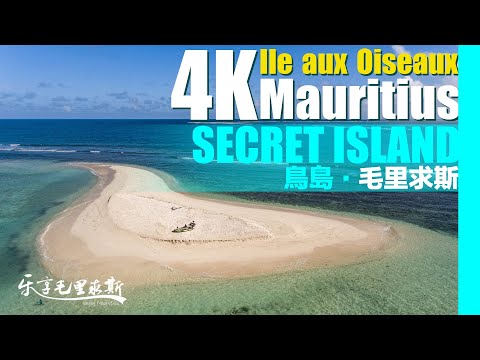
The secret island of Mauritius — Ile aux Oiseaux 毛里求斯的隐 …
Enjoy Mauritius
You are currently viewing a placeholder content from Vimeo. To access the actual content, click the button below. Please note that doing so will share data with third-party providers.
More InformationYou are currently viewing a placeholder content from YouTube. To access the actual content, click the button below. Please note that doing so will share data with third-party providers.
More InformationYou need to load content from reCAPTCHA to submit the form. Please note that doing so will share data with third-party providers.
More InformationYou are currently viewing a placeholder content from GetYourGuide. To access the actual content, click the button below. Please note that doing so will share data with third-party providers.
More Information