
Barcelona: The Complete Travel Guide (2026)
Last reviewed: September 2026 · key facts checked against Wikidata
Barcelona Travel Guide: Everything You Need to Know (2026)
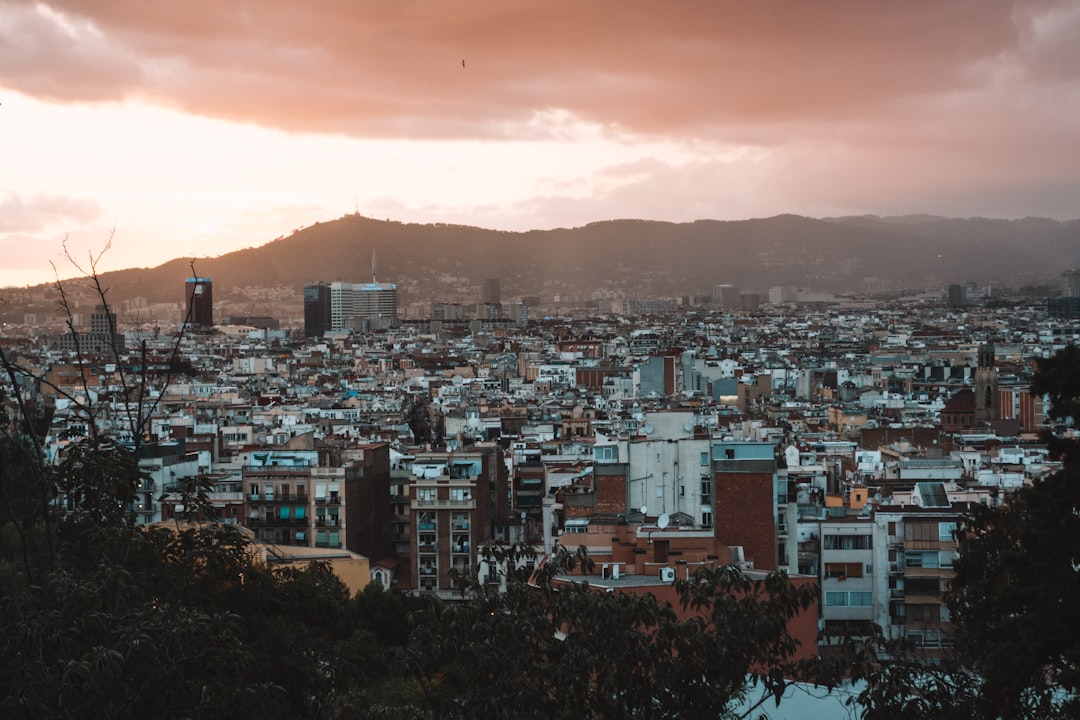
Barcelona, the capital of Catalonia, sits on Spain’s northeastern Mediterranean coast at just 9 metres above sea level and is home to 1,731,649 residents within city limits. Founded as the Roman colony Barcino around 10 BC, it hosted the 1992 Olympic Games — a transformation that reshaped its waterfront entirely. Sandwiched between the Collserola hills and the sea, it packs 5 UNESCO World Heritage Gaudí sites into a single walkable city.
Arrival & Airport
Which airport serves Barcelona and how do I get into the city from there?
Barcelona–El Prat Airport (BCN) is your gateway, located 17 km southwest of the city centre. In my experience, the Aerobus is the fastest door-to-nearly-door option — €6.75 one-way, running every 5 minutes to Plaça de Catalunya in 35 minutes. The R2 Nord Rodalies train from Terminal 2 costs just €4.60 to Passeig de Gràcia but Terminal 1 passengers need a free shuttle bus first, adding 20 minutes. My tip: avoid taxis if you’re alone — metered fares hit €35–€40 before tip. The honest caveat: Aerobus drops you on a busy plaza with luggage, not at your hotel door.
How long does the journey from Barcelona airport to the city centre take?
The Aerobus takes 35 minutes from Terminal 1 to Plaça de Catalunya under normal traffic. The Rodalies R2 Nord train clocks 25 minutes to Passeig de Gràcia but only departs from Terminal 2. In my experience, budget 50–60 minutes door-to-door including walking to your accommodation. What surprised me: during weekday morning rush hour (8–9am), road traffic can push Aerobus journey time past 50 minutes — the train is faster then. A taxi in the same window can take 55 minutes and cost €40.
Which transport options do you recommend from Barcelona airport?
I recommend the Aerobus for most travellers — €6.75 one-way, €11.50 return, frequent, and stops directly at Plaça de Catalunya and Plaça Espanya. For budget travellers staying near Passeig de Gràcia or Sants, the Rodalies R2 Nord train at €4.60 beats everything on price and speed. My tip: buy Aerobus tickets at the machine outside Arrivals — the queue to board moves fast. Honest warning: the metro does NOT directly connect Terminal 1 to the city; the L9 Sud line reaches only Zona Universitària, requiring a transfer, making it slower and not cheaper for most visitors.
Are there direct train connections into Barcelona from other Spanish cities?
Yes — Barcelona Sants is Spain’s busiest high-speed rail hub. AVE trains from Madrid cover the 620 km route in 2 hours 30 minutes, with fares from €35 booked weeks ahead. From Valencia, high-speed Euromed trains arrive in 3 hours 10 minutes from around €25. From Seville, allow 5.5 hours by AVE. In my experience, booking on Renfe.com 60 days out gets the cheapest fares. Honest caveat: last-minute tickets on the Madrid–Barcelona corridor regularly hit €130+, making flying Vueling genuinely competitive on price — but not on city-centre convenience.
Which neighbouring cities are worth a day trip from Barcelona?
Sitges is my top pick — a gorgeous coastal town 40 km south, reachable in 40 minutes on the R2 Sud Rodalies train for €4.60. Tarragona’s Roman ruins (a UNESCO site) sit 100 km away, about 1 hour by AVE for €10–€15. Montserrat monastery is only 60 km inland — take the FGC train from Plaça Espanya plus aerial cable car for €31 combined ticket. What surprised me: Girona, just 37 minutes by AVE for €8–€12, is genuinely beautiful and wildly underrated. Honest warning: Montserrat gets overwhelmingly crowded by 11am — take the first train at 8:36am.
How does Barcelona’s public transport network work?
Barcelona runs one of Europe’s best integrated networks under TMB. The metro has 12 lines covering the entire city, trains run every 4–8 minutes and until midnight on weekdays, 2am Fridays, and 24 hours on Saturdays. The T-Casual card (10 trips, €11.35) covers metro, bus, tram, and Rodalies within Zone 1 — incredible value. In my experience, the L5 line covers Gràcia, Sagrada Família, and the hospital quarter efficiently. Honest caveat: the L9/L10 airport lines are confusing for first-timers and require a separate €5.15 supplement — many visitors waste money buying the wrong ticket.
City Transport
Taxi or public transport in Barcelona — which do you recommend?
Public transport wins for almost every journey in Barcelona. A single metro ride costs €2.40, versus a typical €8–€12 taxi fare across town. In my experience, taxis shine for late-night returns after 2am, heavy luggage trips, and getting to Gràcia’s upper streets that buses skip. Cabify and Uber operate legally and are 10–20% cheaper than taxis for most rides. My tip: download the TMB app — it gives real-time metro arrival times. Honest warning: Barcelona taxi drivers around La Rambla and Barceloneta are notorious for taking unnecessarily long routes to the airport — always confirm the flat rate of €39 before getting in.
Is Barcelona bike-friendly and is there a bike-share scheme?
Barcelona has over 200 km of dedicated bike lanes but the cycling experience is mixed. Bicing is the city’s bike-share system — excellent for residents but requires a local bank account to register, making it inaccessible for tourists. In my experience, Donkey Republic and BICING’s tourist counterpart via third-party apps fill the gap at around €15–€20 per day for e-bike rental. The Eixample grid and seafront promenade are genuinely pleasant. Honest caveat: La Rambla and Gothic Quarter streets are legally off-limits to cyclists and are chaotic with pedestrians — pushing a bike through them wastes 20 minutes.
Which Barcelona neighbourhoods can I explore on foot?
The Gothic Quarter (Barri Gòtic) and El Born are the most walkable — centuries-old streets packed into under 2 km², passable entirely on foot in a focused half-day. Eixample is flatter and more grid-like; walking from Passeig de Gràcia to Sagrada Família takes exactly 18 minutes. In my experience, Gràcia rewards walkers most — charming plazas, zero tourist traps, and authentic neighbourhood bakeries. Honest warning: Barceloneta beach to Tibidabo looks walkable on a map but involves a 200-metre climb — take the Funicular de Tibidabo (€7.70) unless you want a serious hike.
What does a single ticket or day pass cost on Barcelona’s public transport?
A single metro or bus ticket costs €2.40. The T-Casual (10-trip card) costs €11.35 — the smartest buy for stays of 3+ days. A T-Día (unlimited day pass) costs €10.80 and covers all zones within the city. For longer trips, the T-setmana (weekly unlimited) is €21.65. In my experience, the T-Casual card is best for most visitors since attractions are clustered. Honest caveat: none of these cards cover the L9 airport metro line — that requires a separate €5.15 supplement, a detail that catches every first-time visitor off guard.
Which neighbourhood in Barcelona should I stay in?
I recommend Eixample for first-timers — central, safe, full of mid-range hotels, and a 10-minute walk from Sagrada Família. El Born suits travellers who want boutique hotels and Barcelona’s best cocktail bars within steps of the Picasso Museum. Gràcia is my personal favourite — a 15-minute metro ride from everything but genuinely residential, with Plaza del Sol terrace bars packed with locals. Honest warning: La Rambla and surrounding Gothic Quarter hotels command a price premium for the privilege of hearing tourists and pickpockets at 3am — you are paying for location that actively detracts from sleep quality.
Which areas of Barcelona are tourist-friendly?
Eixample, El Born, and the Gothic Quarter are the most tourist-friendly — English is spoken in almost every restaurant and hotel, signage is bilingual in Spanish and Catalan, and transport links are dense. Barceloneta is straightforward for beach days, with sun lounger rentals at €8 and seafood restaurants in every direction. In my experience, Gràcia is tourist-friendly despite its local character — menus exist in English at most spots. Honest caveat: La Rambla is tourist-friendly in the sense that it’s internationally recognisable, but it’s also the single highest-density pickpocketing corridor in Spain — keep your phone in a front pocket the entire time you’re on it.
Accommodation & Neighbourhoods
Which areas of Barcelona should I avoid?
Avoid staying in El Raval’s western blocks — particularly streets west of Carrer de Sant Pau after dark, where drug activity and opportunistic theft are consistent. La Mina in Sant Adrià, roughly 8 km northeast of centre, is a neighbourhood with genuine safety concerns and zero tourist reason to visit. In my experience, the lower Barceloneta side streets behind the beach attract pickpockets targeting beach-goers. Honest truth most guides omit: even Plaça de Catalunya at night has aggressive street scammers running the ‘pea-and-cup’ game — losing €50 takes under 60 seconds if you engage.
What does a good hotel cost per night in Barcelona?
A solid 3-star hotel in Eixample runs €90–€130 per night in shoulder season. Boutique 4-star options in El Born average €160–€220. Luxury properties on Passeig de Gràcia like the Hotel Majestic start at €350. Budget hostels in dorm rooms start at €25–€35. In my experience, aparthotels in Eixample offer the best value — a studio with kitchen for €110–€150 saves €20–€30 per day on breakfast alone. Honest caveat: Barcelona imposes a tourist tax of €2.25–€6.25 per person per night depending on hotel category — this is always added at checkout and rarely mentioned upfront.
How far in advance should I book hotels in Barcelona?
For June through August, book 3–4 months ahead — the city received over 12 million tourists in 2023 and mid-range hotels in Eixample and Born sell out by March for summer. For March (Mobile World Congress) and September (La Mercè festival), book 5–6 months ahead — MWC alone brings 100,000+ delegates and doubles hotel prices city-wide. In my experience, October and November allow booking 3–4 weeks out with decent selection. Honest caveat: ‘free cancellation’ rates on Booking.com are often 15–25% more expensive than non-refundable ones — only choose them if your plans are genuinely uncertain.
Are there cheaper accommodation alternatives to Barcelona’s tourist districts?
Yes — Sants and Les Corts districts offer 3-star hotels at €65–€95 per night, a 20-minute metro ride from Gothic Quarter. Poblenou, Barcelona’s emerging creative neighbourhood along the 22@ tech district, has aparthotels from €85 with newer facilities than equivalents in Born for €40 more. In my experience, renting an apartment on Airbnb in Gràcia or Sarrià for €80–€120 per night beats hotels for groups of 3+. Honest warning: Barcelona aggressively restricts tourist apartment licences — verify the property has a valid HUTB licence number listed on the listing, or you risk eviction mid-stay.
What are the top sights in Barcelona?
Sagrada Família is non-negotiable — Gaudí’s still-unfinished basilica is genuinely unlike anything else on Earth, with the towers now scheduled for completion around 2026. Park Güell (€10 for the monumental zone), Casa Batlló (€35), and Palau de la Música Catalana (€22 guided tour) fill a strong second tier. In my experience, Montjuïc Castle with its 360° city and sea panorama is among the most underrated viewpoints in southern Europe. Honest caveat: Las Ramblas itself is not a sight — it’s a pedestrian boulevard that tourists treat as an attraction while locals treat as a gauntlet.
Which museums in Barcelona are genuinely worth it — and which are overrated?
The Picasso Museum (€14) is worth every cent — 4,251 works in a stunning medieval palace in El Born, best visited on Thursday evenings when entry is free after 6pm. The MNAC (Catalan National Art Museum, €12) on Montjuïc houses Europe’s finest Romanesque art collection and is criminally undervisited. In my experience, the Maritime Museum (€10) is genuinely engaging for non-specialists. Overrated: Museu d’Història de Barcelona (MUHBA) underwhelms most visitors despite its medieval underground ruins unless you have a strong Roman archaeology interest. Honest tip: first Sundays of the month, most municipal museums are free.
Highlights & Must-Sees
What can I experience in Barcelona for free?
The exterior of Sagrada Família is free and photogenic at any hour. Barceloneta beach (4.5 km of free sand), the Boqueria market (free entry, no obligation to buy), and Park Güell’s outer gardens are all cost-free. In my experience, wandering El Born’s medieval streets and finding Santa Maria del Mar basilica (free except guided tours) delivers more authentic Barcelona than any paid attraction. First Sundays of the month: MNAC, Picasso Museum, MACBA all waive admission. Honest caveat: the free Boqueria has become so tourist-saturated that stall owners now openly overcharge — a glass of fresh juice that costs €1.50 in Gràcia market is €4.50 here.
What should I do in Barcelona in the evening?
Barcelona evenings don’t start until 9pm — locals eat dinner at 9–10pm, making pre-8pm restaurants feel foreign and empty. El Born’s cocktail bars (try Bar del Pla or Paradiso, Barcelona’s #1 ranked bar globally) are the best in the city. Flamenco shows at Palau del Flamenco run €30–€50 including a drink. In my experience, the Font Màgica light show on Montjuïc (free, Thursday–Sunday) is genuinely spectacular and completely free. Honest warning: Barcelona’s nightclub scene in Poble Sec and Port Olímpic doesn’t open until 1am — arriving at midnight guarantees an empty dancefloor and confused bouncers.
What experiences in Barcelona are truly unique and found nowhere else?
Attending mass inside Sagrada Família on Sunday at 9am — free for worshippers, no tourist tickets required — is an experience no other city offers. The human towers (castellers) performed at festivals like La Mercè in September are a UNESCO-listed Catalan tradition you’ll see nowhere outside Catalonia. In my experience, eating Sunday vermouth (vermut) on a terrace in Gràcia at noon surrounded by three generations of the same Catalan family is the most authentic Barcelona moment possible. Honest caveat: the flamenco shows sold aggressively near Las Ramblas are not Catalan culture — flamenco is Andalusian, and many Barcelonans find its promotion as local culture faintly irritating.
Which spots in Barcelona are not yet overcrowded?
Bunkers del Carmel — a hilltop anti-aircraft battery 5 km north of centre with the city’s best 360° panorama — is far less crowded than Park Güell and entirely free. Palau Güell on Carrer Nou de la Rambla (€12) sees a fraction of Casa Batlló’s visitors despite being equally stunning Gaudí work. In my experience, Poblenou’s Rambla del Poblenou is a local version of Las Ramblas with authentic cafés and zero tourist hustlers. Honest warning: Bunkers del Carmel has become an Instagram location — go before 8am or after 7pm for the quieter version of the experience.
Which Barcelona neighbourhoods have the best restaurants?
Eixample’s left side (Esquerra de l’Eixample) has the highest concentration of serious restaurants per block — Carrer del Consell de Cent alone has a dozen places worth booking. El Poble Sec below Montjuïc is Barcelona’s most exciting food neighbourhood right now, with Carrer de Blai’s pintxos bars at €1.50–€2 per piece. In my experience, Gràcia has the best neighbourhood restaurants where locals actually eat — try La Pepita for creative Catalan bocadillos. Honest caveat: Barceloneta’s seafront paella restaurants charge €22–€35 per person for food that any local would consider mediocre — the tourist-facing seafood strip is one of the city’s worst value corridors.
What are Barcelona’s local specialities?
Pa amb tomàquet (bread rubbed with tomato and olive oil, €1.50–€3) is the defining Catalan staple — eaten at every meal. Escalivada (roasted aubergine and pepper) and fideuà (paella made with noodles instead of rice, from €14) are distinctly local. In my experience, the best crema catalana (Catalonia’s answer to crème brûlée) costs €5–€6 in a proper restaurant and blows the French version out of the water. Honest caveat: ordering paella in Barcelona gets complicated — it originated in Valencia, many Barcelonans consider tourist paella inferior, and locals will point you to fideuà instead. Both are excellent; neither should be eaten on the Barceloneta tourist strip.
Food & Drink
What does a local lunch cost in Barcelona?
The menú del día (set lunch menu) is Barcelona’s greatest food institution — 3 courses plus bread, wine, and water for €13–€16 at most neighbourhood restaurants. In Gràcia and Eixample, I’ve had outstanding menú del día meals for €14. A basic bocadillo (sandwich) from a bakery costs €3–€5. In my experience, skipping the menú del día and ordering à la carte at lunch is a financial mistake — you’ll pay 2–3 times more for less food. Honest caveat: the menú del día runs strictly 1–3:30pm in most places — arrive at 3:15pm and the kitchen will politely inform you that service has ended, regardless of how empty the restaurant looks.
Where are the best markets and street food spots in Barcelona?
Mercat de l’Abaceria in Gràcia and Mercat de Santa Caterina in El Born are where locals actually shop — better value and less crowded than Boqueria. Carrer de Blai in Poble Sec is Barcelona’s pintxos street — €1.50 per piece for excellent Basque-style bar snacks. In my experience, the Fira de Santa Llúcia Christmas market (December) outside the Cathedral is the most atmospheric free experience in the winter calendar. Honest warning: La Boqueria has transformed into a performance for tourists — permanent stalls are increasingly occupied by vendors catering exclusively to visitors paying €5 for a small fruit cup that locals would buy for €0.80 at any neighbourhood market.
Which bars or cafés in Barcelona do you recommend?
Paradiso on Carrer de Rera Palau in El Born ranked #1 bar in the World’s 50 Best Bars 2022 — enter through a fake pastrami fridge door, and cocktails cost €16–€18 but are worth every cent. For coffee, Nomad Coffee Lab in El Born produces some of Spain’s finest specialty brews from €3. In my experience, Bar Calders in Sant Antoni at 7pm on a weekday shows you exactly how Barcelona residents spend their evenings — vermouth, crisps, zero tourists. Honest caveat: Barcelona’s ‘craft beer’ scene is genuine but expensive — expect €6–€8 for a 33cl craft pour, comparable to London prices, in any El Born or Gràcia tap room.
How many days do I need to properly see Barcelona?
4 full days cover the essential Gaudí circuit, Gothic Quarter, beach, Montjuïc, and El Born without feeling rushed. 6 days lets you add a day trip to Sitges or Montserrat, spend a proper evening in Gràcia, and explore Poblenou. In my experience, 3 days is the minimum to avoid the feeling that you’ve only scratched the surface — the city’s neighbourhoods each deserve half a day minimum. Honest caveat: Barcelona is a city where days disappear — a 2-hour tapas lunch, a lingering coffee, an unplanned meander through El Born — and suddenly it’s 7pm and you’ve covered 1.5 km of your planned 8 km route.
When is the best time to visit Barcelona?
June, July, August, and October deliver the best combination of weather, beach conditions, and festival activity. October is my personal recommendation — temperatures average 22°C, crowds thin by 30% compared to August, and prices drop 20–25%. September brings La Mercè festival (free city-wide events for a full week) and is spectacular. In my experience, July and August are the hottest (regularly 32–35°C) and most crowded — workable but exhausting. Honest caveat: March hosts Mobile World Congress, bringing 100,000 business delegates who fill every hotel and double rack rates — avoid that window unless you’re attending.
How safe is Barcelona for tourists?
Barcelona is physically safe — violent crime against tourists is extremely rare. The real risk is pickpocketing, which ranks among Europe’s worst for a city its size. La Rambla, Barceloneta beach, the Gothic Quarter, and the metro L1 and L3 lines are the highest-risk zones. In my experience, a money belt or cross-body bag with a zipper eliminates 95% of the risk. Honest fact most guides minimise: Barcelona’s pickpocketing gangs are organised, professional, and skilled enough to remove a phone from a secure pocket — I watched it happen to a travel companion in Plaça de Catalunya in broad daylight in under 4 seconds. Leave your backup cards in the hotel safe.
Practical Tips
Is a Barcelona City Card worth it?
The Barcelona Card costs €45 (2 days) to €75 (5 days) and includes unlimited public transport plus free or discounted entry to 25+ museums. In my experience, it pays off if you visit the MNAC, Fundació Joan Miró (€15), MACBA (€14), and Museu d’Història de Catalunya within the card period. My calculation: 5-day card at €75 versus buying T-Casual (€11.35) plus individual museum tickets (easily €60+) — the card wins by roughly €20 for an active museum visitor. Honest caveat: if your priority is Sagrada Família and Casa Batlló, skip the card — those two flagship attractions require separate booking regardless and are not covered by the Barcelona Card.
What are the most common tourist traps in Barcelona?
The La Rambla flower stall change scam — vendors give incorrect change so fast most tourists don’t notice until they’re 50 metres away. ’Free’ walking tours with aggressive tip pressure at the end (guides expect €15–€20 minimum per person — not free). In my experience, the worst trap is paella restaurants near Barceloneta boardwalk charging €25+ per person for frozen, reheated rice that any local would refuse. Second worst: souvenir shops selling ‘handmade’ Gaudí ceramics at €35–€60 that are mass-produced in China and available on Amazon for €8. My tip: if a restaurant has a tout standing outside actively inviting you in, walk past — every time.
What SIM card or eSIM options are available in Barcelona?
Vodafone Spain, Orange, and Movistar all have airport kiosks at BCN Terminal 1 and 2 selling tourist SIMs. A 30-day 20GB SIM from Orange costs €20 and works across all of Spain and EU roaming. In my experience, Airalo eSIM (€11 for 10GB/30 days) is the cleanest option for travellers with eSIM-compatible phones — activate before landing, no physical swap required. EU travellers with an EU-issued SIM: your home plan works in Spain at no extra cost. Honest caveat: Mercadona supermarkets sell cheaper SIMs than airport kiosks (same Movistar network, €10 for 15GB) but you’ll need to wait until you reach one — typically 20 minutes by metro from the airport.
Tours & Activities in Barcelona
More Destinations in Europe
Explore our complete travel guides for more Europe destinations: Rome Travel Guide (2026), Nîmes Travel Guide (2026), Île de Glénan Travel Guide (2026), León Travel Guide (2026), Côte dAzur Travel Guide (2026).
Barcelona at a Glance
| Population | 1,731,649 |
|---|---|
| Currency | EUR (€) |
| Official language | Catalan, Spanish, Occitan |
| Time zone | UTC+01:00 |
Source: Wikidata, retrieved September 2026.
Useful Resources for Planning Your Trip to Barcelona
- Wikipedia: Barcelona — history, geography and background
- Lonely Planet: Barcelona — itineraries and travel inspiration
- TripAdvisor: Barcelona — hotels, restaurants and traveller reviews
🎥 Barcelona Travel Videos
BARCELONA TRAVEL TIPS FOR FIRST TIMERS | 20+ Must …
Happy to Wander (Travel Tips & Inspo)
24 Tourist MISTAKES To Avoid In BARCELONA (must know …
Naick & Kim

24 Tips I Wish I Knew Before Visiting Barcelona
Camden David
You are currently viewing a placeholder content from Vimeo. To access the actual content, click the button below. Please note that doing so will share data with third-party providers.
More InformationYou are currently viewing a placeholder content from YouTube. To access the actual content, click the button below. Please note that doing so will share data with third-party providers.
More InformationYou need to load content from reCAPTCHA to submit the form. Please note that doing so will share data with third-party providers.
More InformationYou are currently viewing a placeholder content from GetYourGuide. To access the actual content, click the button below. Please note that doing so will share data with third-party providers.
More Information