
Île Vierge: The Complete Travel Guide (2026)
Île Vierge Travel Guide: Everything You Need to Know (2026)
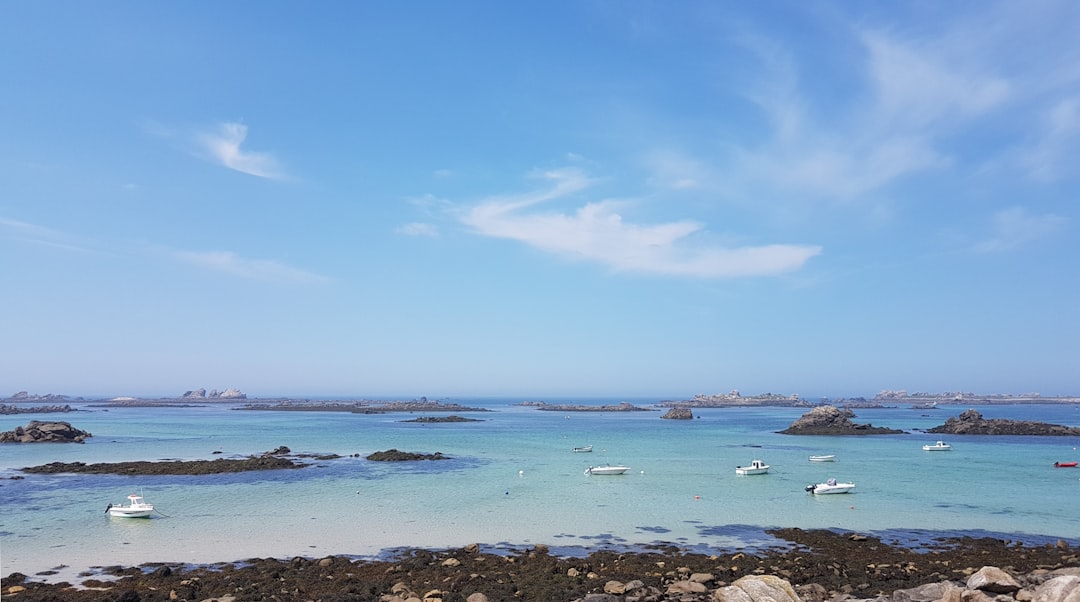
Île Vierge is a 6-hectare islet sitting just 1.5 kilometres off the north-west coast of Brittany, opposite the village of Lilia in the commune of Plouguerneau, Finistère. It is home to the tallest stone lighthouse in Europe — a 82.5-metre granite tower completed in 1902 — making it one of the most striking maritime landmarks on the Atlantic coast. The island is uninhabited except for lighthouse keepers, which means every visit feels like stepping into a working piece of 19th-century engineering history.
Top 3 Highlights at a Glance
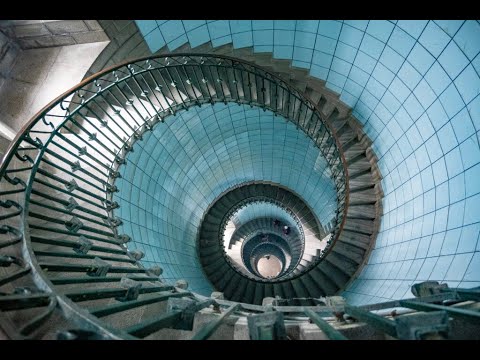
- Île Vierge Lighthouse — The tallest stone lighthouse in Europe at 82.5 metres — climb 365 steps for panoramic Atlantic views.
- Boat Crossing from Lilia — A 1.5-kilometre small-boat transfer from Lilia pier that frames the lighthouse dramatically from the sea.
- Wild Atlantic Shoreline — The islet’s rocky 6-hectare perimeter offers raw Breton coastal scenery found on no other French island.
Scroll down for our complete travel guide with tips on getting there, where to stay, costs and more.
Arrival & Airport
How do I get to Île Vierge?
You reach Île Vierge by small boat from Lilia pier in Plouguerneau — there is no bridge or ferry service. In my experience, the crossing takes roughly 15 minutes and boats depart seasonally, primarily June through September. The village of Lilia is 28 kilometres north of Brest, reachable by car via the D13. My tip: there is no public bus to Lilia itself, so without a rental car you will need a taxi from Brest or a pre-booked transfer. The honest caveat most guides omit is that boats can be cancelled at short notice due to Atlantic swells — always check with the operator the morning of your visit.
Which airport is closest to Île Vierge?
Brest Bretagne Airport (BES) is the closest airport, approximately 35 kilometres south of Lilia pier. In my experience, BES receives direct flights from Paris Charles de Gaulle, Paris Orly, and several European cities, with journey times from Paris of 1 hour 10 minutes. My tip: Rennes Airport (RNS) is a distant second at roughly 250 kilometres — only use it if fares are significantly cheaper and you plan a broader Brittany road trip. The trade-off with BES is that car hire at the airport is essential; public transport connections to the Plouguerneau area are virtually non-existent.
How long does the journey to Île Vierge take from major cities?
From Brest city centre the drive to Lilia pier takes 40 minutes via the D13. From Rennes, allow 3 hours 20 minutes by car on the N12 and D roads. From Paris, the fastest option is flying into BES and driving — total door-to-pier time is roughly 2 hours 30 minutes. What surprised me is how isolated the Plouguerneau peninsula feels once you leave the N12: the last 15 kilometres are narrow Breton lanes. My warning: GPS routing sometimes sends you through farm tracks — use the Lilia pier (Lieu-dit Lilia, Plouguerneau) as your exact destination to avoid this.
Do I need a car to visit Île Vierge?
Yes — a car is essentially mandatory to reach Île Vierge. Lilia has no train station and no scheduled bus service from Brest. In my experience, hiring a car at Brest BES Airport costs from €35 per day with Europcar or Hertz, which is the most practical option. The only car-free alternative is a guided day tour departing from Brest, which several local operators run for approximately €65 per person including the boat crossing. My honest caveat: if you plan to combine the island with other Finistère highlights like the Crozon Peninsula or Ouessant, a rental car across 3-4 days is far better value than relying on tours.
City Transport
What are the best areas to stay near Île Vierge?
Plouguerneau village is the closest base, just 4 kilometres from Lilia pier, and gives you the best chance of catching an early boat. Brest is the practical urban alternative — it has the widest hotel choice and all airport connections. My tip: staying in L’Aber Wrac’h, a sailing village 8 kilometres south of Lilia, strikes the best balance — it has charming waterfront gîtes, two good seafood restaurants, and a harbour atmosphere. I recommend against staying in Landéda specifically for lighthouse access; the road to Lilia from there adds unnecessary detour time.
What does accommodation cost near Île Vierge?
In Plouguerneau and L’Aber Wrac’h, expect to pay €70–€110 per night for a decent gîte or chambre d’hôte in peak season. Brest hotels run €85–€140 per night for a three-star property near the city centre. What surprised me is that self-catering cottages in the Plouguerneau area often work out cheaper than hotels — a weekly gîte rental in July can average €80 per night per couple including kitchen facilities. My warning: do not expect boutique hotels directly in Lilia — it is a hamlet of fewer than 200 people, so options there are minimal.
How far in advance should I book accommodation for Île Vierge in high season?
Book at least 3 months ahead for July and August if you want gîtes in Plouguerneau or L’Aber Wrac’h. In my experience, the best waterfront properties in L’Aber Wrac’h sell out by April for peak summer weeks. Brest hotels are more flexible — you can often book 4–6 weeks in advance for a decent room. My honest caveat: if you are visiting specifically to climb the lighthouse, confirm boat departures are running for your dates before committing to accommodation — the season typically runs mid-June to mid-September, and some years opening is delayed by lighthouse maintenance.
Are there special or unique accommodation types near Île Vierge?
Yes — the most distinctive option is staying in a traditional Breton longère (long stone farmhouse), several of which are available as holiday rentals within 5 kilometres of Lilia via Gîtes de France. In my experience, a well-restored longère sleeps 4–6 and costs €900–€1,400 per week in July. L’Aber Wrac’h also has a well-regarded sailing club that rents cabins to non-members during summer. My tip: the Hôtel de la Baie des Anges in L’Aber Wrac’h offers sea-view rooms from €95 per night and is the closest thing to a genuine waterfront hotel within easy reach of the island crossing.
Accommodation & Neighbourhoods
What are the must-sees on and around Île Vierge?
The lighthouse itself is the undisputed centrepiece — climbing all 365 steps to the lantern room at 82.5 metres takes about 20 minutes and the Atlantic panorama stretches to Ouessant Island on a clear day. Back on the mainland, the Aber Wrac’h estuary at low tide exposes dramatic sandbanks worth photographing. The Menhir de Kervéatous standing stone near Plouguerneau is a neglected Neolithic site most visitors skip entirely. In my experience, combining the lighthouse visit with a walk along the GR34 coastal path between Lilia and L’Aber Wrac’h — roughly 8 kilometres — turns a half-day trip into a genuinely memorable full day.
What can I experience for free around Île Vierge?
The GR34 coastal footpath along the Plouguerneau shoreline is completely free and arguably the most scenic walking in Finistère nord. The Musée des Goémoniers (seaweed harvesting museum) in Plouguerneau charges only €4 and is one of the most genuinely unusual regional museums I have visited in France. The beach at Corn ar Gazel, 2 kilometres from Lilia, is free and rarely crowded even in August. My honest tip: the exterior view of Île Vierge lighthouse from Lilia pier at sunset costs nothing and is photographically stunning — you do not need to pay for the boat crossing just to appreciate the structure.
Which day trips from Île Vierge are possible?
Brest is 35 kilometres south and warrants a half-day for its Oceanopolis aquarium (€22 entry) and the old Recouvrance quarter. Ouessant Island (Ushant) is reachable by ferry from Brest in 2 hours 15 minutes and offers dramatic cliff scenery and two working lighthouses — a full-day excursion. The Crozon Peninsula, 80 kilometres south, is Finistère’s most spectacular coastline and easily done as a long day drive. My tip: Landévennec Abbey on the Crozon road is a free Romanesque ruin that almost no visitors combining it with the Île Vierge area bother to stop at — it takes only 30 minutes and is exceptional.
What local specialities should I try near Île Vierge?
This corner of Finistère is prime ground for palourdes (clams) and coques (cockles) harvested from the Aber Wrac’h estuary — order them steamed with butter at Le Comptoir des Abres in L’Aber Wrac’h for around €14 per portion. Breton kouign-amann (caramelised butter cake) is essential — the bakery in Plouguerneau village makes one of the best I have tasted in the region. What surprised me: the Plouguerneau area is one of the last places in France where goémon (seaweed) is still commercially harvested, and local producers sell dried seaweed condiments directly — a unique edible souvenir for under €5.
Highlights & Must-Sees
What makes Île Vierge unique compared to other French destinations?
Île Vierge holds a record no other lighthouse destination in France can claim: it is the tallest traditional lighthouse in the world at 82.5 metres, built entirely from local Kersanton stone. In my experience, what truly sets it apart is the combination of genuine working isolation — the island remains an active aid-to-navigation station — and the accessibility of the crossing from mainland Brittany. Most European lighthouse islands require long ferry journeys; here you are on the island in 15 minutes. My honest caveat: the island itself is tiny at just 6 hectares, so visitors expecting a beach day or cafes will be disappointed — this is purely a lighthouse pilgrimage destination.
How many days should I spend visiting Île Vierge?
One full day is sufficient for the island itself — the lighthouse visit takes 2–3 hours including crossing time. I recommend budgeting 3 days total to do the area justice: one day for the island, one day walking the GR34 coastal path, and one day for a day trip to Brest or Ouessant. In my experience, travellers who allocate only a half-day feel rushed and miss the atmosphere of the wider Plouguerneau coastline. My tip: 3 nights based in L’Aber Wrac’h or Plouguerneau is the sweet spot — long enough to feel immersed in Breton coastal life without overstaying what is ultimately a small rural area.
When is the best time to visit Île Vierge?
June through September are the best months — boat services to the lighthouse run, days are long, and Atlantic light is exceptional for photography. July and August offer the most reliable weather but are the busiest periods. In my experience, mid-June and September are the sweet spots: boats still run, crowds are thinner, and accommodation costs drop by roughly 20% compared to peak July. My honest warning: outside this window the island is effectively inaccessible to tourists — the lighthouse closes to visitors and boat operators suspend service, so an October or April visit will leave you stranded on the mainland photographing from the shore.
Are there local festivals near Île Vierge worth attending?
Plouguerneau holds its annual Fête des Goémoniers (seaweed harvesters’ festival) typically in late July, celebrating the area’s unique seaweed-harvesting tradition with boat processions, traditional music, and local food stalls — entry is free. Brest hosts the enormous Brest Maritime Festival every 4 years (next edition 2028), drawing hundreds of tall ships to the harbour. In the interim years, the smaller Douarnenez Maritime Festival in southern Finistère is worth the 80-kilometre drive. My tip: the Goémoniers festival is genuinely local and almost entirely free of international tourists — it is the most authentic cultural experience in the immediate Île Vierge area.
Food & Drink
How does the weather affect activities around Île Vierge?
Atlantic winds are the critical factor — the Plouguerneau coast is one of the windiest in metropolitan France, and sustained gusts above force 6 will cancel boat crossings. In my experience, at least 1 in 5 July or August days sees conditions too rough for the small boats used for the lighthouse crossing. Always have a backup plan — the GR34 walk and Plouguerneau museum work in any weather. Rain is possible in any month; pack a waterproof jacket regardless of the forecast. My tip: book the lighthouse crossing for the morning, when sea conditions are statistically calmer than afternoon along this exposed Atlantic coast.
How crowded does Île Vierge get in peak season?
The boat capacity limits crowds naturally — most operators use vessels carrying 12–20 passengers per trip, so the island never feels overwhelmed in the way that Mont Saint-Michel or Étretat do. In my experience, peak queuing at Lilia pier happens on sunny Saturday mornings in August — arrive before 10:00 to secure your place on an early boat. The lighthouse interior can feel cramped with a full group on the narrow spiral staircase. My honest caveat: the small boat scale is a feature, not a bug — it preserves the atmosphere — but it also means you can be turned away on busy days if you arrive late, so booking ahead with the operator is essential in July and August.
How safe is Île Vierge for visitors?
The island and surrounding area are very safe — petty crime in rural Plouguerneau is virtually non-existent. The main risks are maritime: Atlantic swells, slippery granite rocks on the islet, and the lighthouse staircase which is steep and uneven. Children under 1 metre 20 are typically not permitted to climb to the top. In my experience, the boat crossing is well-managed by local operators who cancel without hesitation in unsafe conditions. My tip: wear rubber-soled shoes — the granite landing rocks at Île Vierge are perpetually wet and seaweed-covered. The nearest hospital is in Brest, approximately 40 minutes by car from Lilia.
Is English widely spoken around Île Vierge?
In short: not reliably outside Brest. In my experience, lighthouse boat operators in Lilia conduct tours primarily in French, with no guaranteed English commentary. Brest city has English speakers in hotels and tourist offices. The chambre d’hôte owners in Plouguerneau typically speak French only. My honest tip: learn 10 key French phrases before arriving — even basic efforts are warmly received in rural Brittany. Download Google Translate with the French offline pack before you leave; it handles menus, signs, and boat operator texts reliably. What surprised me: Breton-language signs are common here, adding a third layer — do not confuse Breton with French on road signs.
Practical Tips
What is the daily budget for visiting Île Vierge?
Budget €80–€110 per person per day covering accommodation, food, and the lighthouse crossing. The boat crossing costs approximately €12–€15 per person return. A sit-down seafood lunch in L’Aber Wrac’h runs €18–€28. Accommodation in a gîte or chambre d’hôte averages €35–€55 per person sharing a double room. My tip: if you self-cater for one meal using produce from the Plouguerneau market (Thursday mornings), you can bring the daily total down to €65. Car hire adds roughly €35–€45 per day which, split between two people, is manageable. The biggest unexpected cost is fuel — the Finistère nord road network means significant driving distances.
How does public transport work around Île Vierge?
Public transport to the Île Vierge area is genuinely poor. Brest has good internal buses and a tram line, but regional connections to Plouguerneau are limited to Viaoo29 bus line 29, which runs 3–4 times daily from Brest to Plouguerneau village and takes approximately 1 hour. There is no bus onward from Plouguerneau village to Lilia pier — that final 4-kilometre leg requires a taxi or car. In my experience, the bus is only practical if you are doing a day trip from Brest without a car and can arrange a local taxi for the Lilia connection. My honest recommendation: for any trip longer than a single day in this area, hire a car.
Which apps do you recommend for visiting Île Vierge?
Windy.com is essential — it gives you 72-hour wind and wave forecasts specific to the Plouguerneau coast so you can judge whether boat crossings will run. Géoportail (the French government mapping app) is far better than Google Maps for navigating Finistère’s rural lanes and shows the GR34 footpath accurately. SNCF Connect handles any train travel to Brest. Gîtes de France app is the most reliable source for rural accommodation bookings in the area. My tip: download offline Google Maps for the Finistère nord area before leaving Brest — mobile signal drops out on the coast road to Lilia and navigation becomes unreliable without a cached map.
More Destinations in Europe
Explore our complete travel guides for more Europe destinations: Tours Travel Guide (2026), Tours Travel Guide (2026), Rouen Travel Guide (2026), Aveyron Travel Guide (2026), Pamplona Travel Guide (2026).
Useful Resources for Planning Your Trip to Île Vierge
- Wikipedia: Île Vierge — history, geography and background
- Lonely Planet: Île Vierge — itineraries and travel inspiration
- TripAdvisor: Île Vierge — hotels, restaurants and traveller reviews
🎥 Île Vierge Travel Videos
Light Hearted episode 333 – Valeria Araúz Molina, Île Vierge …
U.S. Lighthouse Society
You are currently viewing a placeholder content from Vimeo. To access the actual content, click the button below. Please note that doing so will share data with third-party providers.
More InformationYou are currently viewing a placeholder content from YouTube. To access the actual content, click the button below. Please note that doing so will share data with third-party providers.
More InformationYou need to load content from reCAPTCHA to submit the form. Please note that doing so will share data with third-party providers.
More InformationYou are currently viewing a placeholder content from GetYourGuide. To access the actual content, click the button below. Please note that doing so will share data with third-party providers.
More Information