
Pamplona: The Complete Travel Guide (2026)
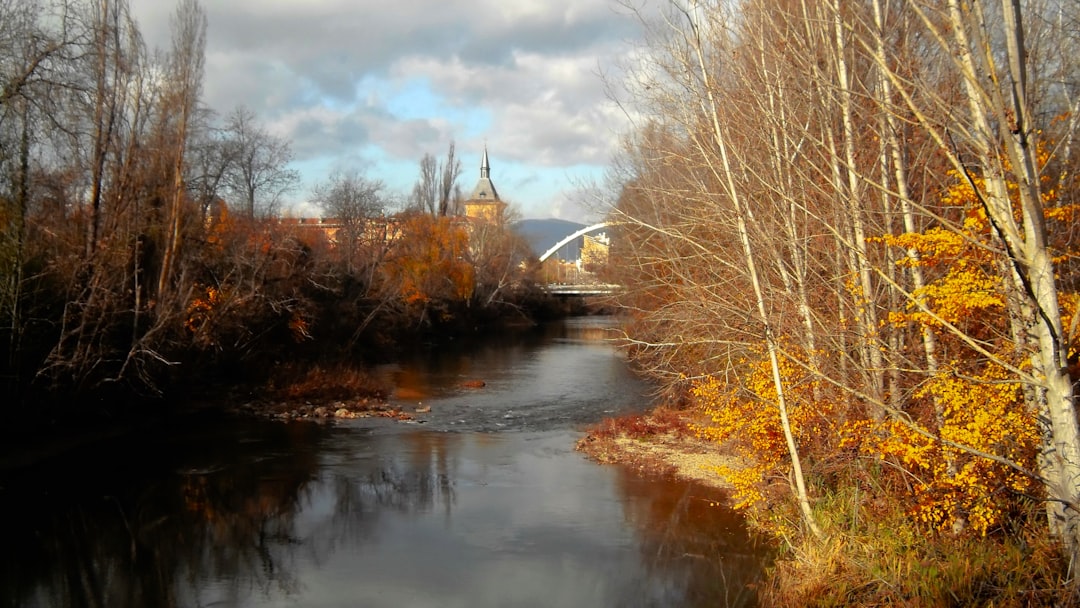
Last reviewed: October 2026 · key facts checked against Wikidata
Pamplona Travel Guide: Everything You Need to Know (2026)
Pamplona, the 1,900-year-old capital of Navarre, sits at 450 metres above sea level and is home to 209,094 residents who live in one of Spain’s most distinct cultural capitals. Founded by the Roman general Pompey around 74 BC, the city became globally famous through Hemingway’s 1926 novel ‘The Sun Also Rises’ and its annual San Fermín festival, which draws over 1 million visitors in just 9 days. Pamplona is compact, walkable, and dramatically underrated outside of July.
Top 3 Highlights at a Glance
- Running of the Bulls (Encierro) — The world’s most iconic street race — 825 metres of adrenaline through medieval streets every morning from July 7–14.
- Ciudadela de Pamplona — A perfectly preserved 16th-century star-shaped fortress now converted into a public park with free entry year-round.
- Old Town (Casco Antiguo) — Eight medieval neighbourhoods packed into a walkable core, anchored by the Gothic Cathedral begun in 1387.
Scroll down for our complete travel guide with tips on getting there, where to stay, costs and more.
Arrival & Airport
How do I get to Pamplona — by train, bus, or plane?
Fly into Pamplona Airport (PNA), just 7 km from the city centre, or take the bus from Madrid. In my experience, the bus from Madrid’s Estación Sur with ALSA is the smartest option — it costs around $18–22 and takes 5 hours, which beats flying once you factor in airport check-in time. Direct trains from Madrid via Renfe also exist but require a connection in Zaragoza and take 3.5–4 hours. My tip: book ALSA at least 3 days ahead during San Fermín week or prices spike 300%. What surprised me: PNA has very limited international routes — most European travellers land in Bilbao (BIO), 155 km away, and rent a car or take a connecting bus.
Which airport is closest to Pamplona?
Pamplona Airport (PNA) is the closest, at just 7 km from the city centre — a taxi costs around $15 and takes 10 minutes. In my experience, however, PNA serves mostly domestic Spanish routes and a handful of seasonal European connections, so don’t count on direct flights from outside Spain. Bilbao Airport (BIO) at 155 km and Zaragoza Airport (ZAZ) at 170 km are realistic alternatives with more international options. My tip: check Vueling and Iberia for domestic connections into PNA from Barcelona or Madrid. The honest caveat most guides skip: Pamplona’s airport has no public bus to the city centre — it’s taxi or rental car only.
How long does the journey from Madrid to Pamplona take?
By ALSA bus from Madrid, expect 5 hours; by train via Zaragoza, around 3.5–4 hours. Flying from Madrid takes about 1 hour in the air but adds 3+ hours of airport logistics, making it pointless. I recommend the ALSA night bus if you want to save a hotel night — it departs around 11 PM and arrives by 4 AM. What surprised me: there is no direct high-speed AVE train to Pamplona as of 2026, despite long-standing promises — the rail infrastructure here is still a genuine weak point in northern Spain. My tip: book any form of transport at least 2 weeks ahead if travelling during San Fermín (July 6–14).
Do I need a rental car in Pamplona?
No — Pamplona’s Casco Antiguo is entirely walkable within a 2 km radius. In my experience, a car is a liability here, especially during San Fermín when roads are closed and parking is near impossible. Local buses run by TCC (Transporte Colectivo Comarcal) cost $1.35 per ride and cover the full city. The honest trade-off: if you plan day trips to Sierra de Aralar or the Bardenas Reales desert (80 km east), a rental car becomes genuinely useful — those areas have zero public transport. Europcar and Sixt both operate from PNA airport. For city-only visits of 3–4 days, skip the car entirely.
City Transport
What are the best areas to stay in Pamplona?
Stay in the Casco Antiguo (Old Town) — specifically the Navarrería or San Nicolás neighbourhoods — to walk everywhere within 10 minutes. In my experience, San Nicolás has the best density of pintxos bars and boutique hotels without the maximum noise of the festival zone. Ensanche, the 19th-century expansion district south of the old walls, is quieter, slightly cheaper, and still a 15-minute walk from the main sights. I recommend Ensanche for light sleepers visiting during San Fermín, as Old Town noise levels make sleep genuinely difficult before midnight. What surprised me: accommodation directly on Calle Estafeta (the bull-run street) is memorable but loud every single night of the festival.
What does accommodation cost per night in Pamplona?
Outside of San Fermín, a solid 3-star hotel in the Casco Antiguo runs $70–110 per night. Boutique options like Hotel Maisonnave or Hotel Europa sit at $110–160. In my experience, Pamplona offers excellent value compared to Madrid or Barcelona at the same quality tier. The brutal caveat: during San Fermín (July 6–14), prices multiply by 3–5x — a room that costs $90 in June hits $350–500 in that week, and minimum-stay requirements of 7 nights are common. Budget travellers use Albergue de Jesús y María in the Old Town at around $25 per bed. Book San Fermín accommodation at least 12 months in advance — I am not exaggerating.
How far in advance should I book accommodation in Pamplona during high season?
For San Fermín week (July 6–14), book at least 12 months ahead — this is the single most booked-out festival in Spain. In my experience, by October of the previous year, most Old Town hotels are already full or holding rooms at premium rates. Outside San Fermín, 2–4 weeks ahead is fine for July and August. What surprised me: many Pamplona residents rent out their entire apartments during San Fermín and leave the city — check Airbnb in Ensanche or Txantrea neighbourhoods for last-minute options that hotels can’t offer. My tip: if you miss hotel availability, search within 30 km radius — towns like Noáin and Cizur Menor have guesthouses used by festival-goers.
Are there special or unique accommodation types in Pamplona?
Yes — casas rurales (rural guesthouses) on the outskirts of Pamplona offer a Navarrese farmhouse experience for $60–90 per night, a genuinely different stay from standard hotels. In my experience, Parador de Olite, located 42 km south in a medieval castle, is one of Spain’s most spectacular Parador properties and worth the short drive. Within the city, several pilgrim-grade albergues line the Camino de Santiago route through Pamplona, offering beds from $20–30 — open to all, not just pilgrims. The honest trade-off: albergues have shared bathrooms, 10 PM curfews in some cases, and six-bed dorms. My tip: Hotel Castillo de Gorraiz just outside the city offers golf, spa, and city access for under $130 most of the year.
Accommodation & Neighbourhoods
What are the absolute must-sees in Pamplona?
Three non-negotiables: first, the Ciudadela (Citadel) — a UNESCO-listed 16th-century star fortress with free entry and excellent city views; second, Catedral de Santa María la Real, a Gothic cathedral built between 1387 and 1530 with a $7 entry fee covering the cloister; and third, the Encierro route — even outside July, walking the 825-metre bull-run street from Calle Santo Domingo to Plaza del Toro is viscerally powerful. In my experience, the Museo de Navarra at $3 entry is one of Spain’s most underrated regional museums, covering 2,000 years from Roman mosaics to Goya. My tip: climb the Taconera Park bastions at sunset for a free panoramic view most visitors walk straight past.
What can I experience for free in Pamplona?
Quite a lot — the Ciudadela park, Taconera Park, and all 11 km of city walls are free to walk and offer excellent views of the Pyrenees on clear days. In my experience, the best free experience is simply wandering Navarrería at 7 PM when locals fill the pintxos bars for the evening ritual — observe the culture without spending a cent on entry fees. The Encierro route is free to walk any day of the year. Every Sunday, Museo de Navarra offers free admission. My tip: the Plaza del Castillo, Pamplona’s grand central square, is the social heart of the city and entirely free — sit at a café terrace for $2–3 and watch Navarrese life unfold. What surprised me: Pamplona has 45 free public fountains with drinking water throughout the city.
Which day trips from Pamplona are most worthwhile?
Three stand out clearly: Olite (42 km south, 45 minutes by bus) has a fairy-tale medieval castle and excellent local wine — budget $15 for entry and lunch. Bardenas Reales (80 km southeast) is a badlands desert inside Spain that looks like Utah and costs $0 to enter — you need a car or organised tour. Roncesvalles (48 km north, 1 hour) is where the Camino de Santiago crosses the Pyrenees and the monastery hospitality is genuinely moving. In my experience, Olite delivers the highest reward-to-effort ratio of any day trip from Pamplona. The caveat: Bardenas Reales is impossible without a rental car or a guided 4WD tour from Pamplona (around $45 per person).
What local specialities should I eat in Pamplona?
Order pintxos on Calle Estafeta and Calle San Nicolás — Pamplona’s pintxos culture is distinct from San Sebastián, heavier and more meat-forward. Must-try dishes: bacalao al ajoarriero (salt cod with garlic and peppers), chistorra (thin cured sausage, chargrilled), and pimientos del piquillo rellenos (Navarrese stuffed peppers). In my experience, Bar Gaucho on Calle Espoz y Mina serves the best single pintxo in the city — their mushroom and foie toast runs $2.50. For a sit-down meal, txuleta (bone-in ribeye) from Navarrese cattle is the regional luxury — budget $35–45 for two at a mid-range restaurant. My tip: the Mercado de Santo Domingo sells local produce including Roncal cheese and Navarrese white asparagus — the finest in Spain.
Highlights & Must-Sees
What makes Pamplona unique compared to other Spanish cities?
Pamplona is the only major Spanish city where a medieval street festival — San Fermín — literally shuts down and transforms the entire urban core for 9 days every July. But beyond the bulls, Pamplona sits on the Camino Francés, the main pilgrimage route to Santiago, meaning thousands of pilgrims pass through daily and the city has an international, open-hearted energy unlike closed Castilian cities. In my experience, Pamplona feels culturally Basque-Navarrese rather than generically Spanish — you hear Euskara (Basque) spoken on the streets, regional identity is fierce, and the food culture is elite. What surprised me: Pamplona was named a UNESCO Creative City of Gastronomy in 2023, a fact almost zero guidebooks mention yet.
How many days do I need to see Pamplona properly?
3 days covers the city comprehensively; 4–5 days allows for 1–2 day trips. In my experience, day 1 should focus entirely on the Casco Antiguo — cathedral, Ciudadela, city walls; day 2 on pintxos culture, Mercado de Santo Domingo, and Museo de Navarra; day 3 on the Encierro route, Taconera Park, and Ensanche architecture. If you add a fourth day, take the bus to Olite. The honest trade-off: Pamplona is compact enough that some travellers exhaust the core sights in 2 days — if your threshold for café-sitting and bar-hopping is low, 3 days may feel like 1 day too many. My tip: during San Fermín, plan a minimum of 5 nights — the festival has a daily rhythm that takes 2 days just to understand.
When is the best time to visit Pamplona?
Climate data points to July and August as the best months. July delivers the unmissable San Fermín festival (July 6–14), with temperatures around 25–28°C and almost zero rain. August is warm, quieter after the festival, and ideal for combining Pamplona with the Pyrenees just 60 km north. In my experience, late September and October is an underrated sweet spot — temperatures drop to 18–22°C, crowds vanish, and Navarrese wine harvest events begin in the Ribera region. The honest trade-off: visiting outside July means you miss San Fermín entirely, which is either a relief or a disappointment depending on your tolerance for crowds. February through April brings cold and rain with little tourist infrastructure active — I would avoid it.
What are the major local festivals in Pamplona worth attending?
San Fermín (July 6–14) is the headline — 9 days of encierro (bull runs at 8 AM), fireworks, live music, and processions dating to 1591. The opening Chupinazo rocket ceremony on July 6 at noon in Plaza Consistorial is extraordinary and free. Beyond San Fermín, the Día de San Francisco Javier on December 3 brings Navarrese pilgrimage culture to the streets — low-key but authentically local. In my experience, Carnavales in February in Pamplona are rowdier than expected for a northern Spanish city — worth catching if you’re already there. My tip: the Navarra wine harvest festivals in Olite in September (42 km away) pair perfectly with a Pamplona base and cost virtually nothing to attend beyond transport.
Food & Drink
How does weather in Pamplona affect what I can do there?
At 450 metres elevation, Pamplona is noticeably cooler than coastal Spain — winters average 4–8°C with occasional snow, and even July evenings can drop to 14°C. In my experience, the outdoor pintxos-bar crawl culture that defines Pamplona social life only really works from May through October — outside those months, terraces close and the city feels introverted. Summer heat peaks at 28–30°C in July, which is comfortable for walking but can feel intense during San Fermín’s non-stop outdoor activity. My tip: pack a light jacket even in August — evening temperatures at altitude surprise travellers coming from Seville or Madrid. The honest caveat: spring (March–May) brings 120–150 mm of monthly rainfall, making it the worst season for the open-air Camino walks through the city.
How crowded does Pamplona get during San Fermín peak season?
Extremely — over 1 million visitors descend on a city of 209,094 residents during the 9-day San Fermín festival. The Encierro route fills to capacity by 6:30 AM each morning; arrive after 7 AM and you won’t get a viewing spot on the barriers. In my experience, the Plaza del Castillo becomes impassable by 10 PM each night and the noise level makes sleeping before 3 AM nearly impossible anywhere in the Old Town. Outside San Fermín, Pamplona handles tourism easily — it is not overcrowded in June, August, or any other period. My tip: if you want San Fermín atmosphere without maximum chaos, arrive on July 5 (pre-festival) and leave by July 10, skipping the final frenetic days when sleep deprivation among visitors creates genuinely unsafe behaviour.
How safe is Pamplona for travellers?
Pamplona is one of Spain’s safest mid-sized cities year-round. Violent crime is rare, and daytime street safety in the Casco Antiguo and Ensanche is excellent. In my experience, the only real safety concern is during San Fermín — not crime, but the physical danger of the encierro itself (4–6 runners are typically injured annually, occasionally fatally) and alcohol-related incidents in the crowds after midnight. My tip: if you run the bulls, wear white clothing with a red sash, study the route in advance, and never stop running to take a photo. The honest warning most guides omit: sexual harassment incidents spike during San Fermín — solo female travellers should use the Safe Point network operated by Pamplona City Council at 4 fixed locations throughout the festival zone.
Is English widely spoken in Pamplona?
In tourist areas, yes — hotels, major restaurants, and the tourist office on Calle Eslava all operate confidently in English. In my experience, however, Pamplona is notably more Spanish-language-first than Madrid or Barcelona — locals in neighbourhood pintxos bars typically speak Spanish or Basque, not English. Learning 10 basic Spanish phrases makes a measurable difference to how locals respond to you here. What surprised me: many Pamplona residents also speak Euskara (Basque), and some menus in the Old Town are written in Basque before Spanish — Google Translate handles this well. My tip: the Pamplona Tourism App offers English-language audio guides to the Encierro route and Cathedral that replace the need for a human guide entirely.
Practical Tips
What is the daily budget for travelling in Pamplona?
Budget travellers spending carefully can manage on $60–75 per day (hostel bed at $25, pintxos lunches at $12, museum entry at $3–7, local bus at $1.35). A comfortable mid-range day — 3-star hotel, two sit-down meals, one attraction — runs $130–170 per person. In my experience, food is the biggest variable: a cheap local meal costs $12, while a mid-range dinner for two is around $25 — dramatically cheaper than San Sebastián or Madrid at comparable quality. The hidden cost most budgets miss: during San Fermín, every price category inflates — hostel beds hit $50–80, restaurant covers add $5–10, and even street food vendors charge festival premiums. My tip: buy pintxos at the Mercado de Santo Domingo food stalls rather than restaurant terraces to save 40% on identical quality.
How does public transport work in Pamplona?
The city bus network run by TCC (Transporte Colectivo Comarcal) covers all neighbourhoods with a flat fare of $1.35 per ride. In my experience, for a city of this size, you rarely need the bus — the Casco Antiguo to Ciudadela walk is 12 minutes, and end-to-end city distances rarely exceed 25 minutes on foot. The bus matters most for reaching the train station (Estación de Autobuses) from the Old Town, a 20-minute walk or 8-minute bus ride. My tip: download the Moovit app for real-time TCC bus tracking — it works reliably in Pamplona. The honest caveat: during San Fermín, several central bus routes are suspended due to road closures — the city becomes walk-only within the festival perimeter, which covers most of the Old Town.
Which apps do you recommend for visiting Pamplona?
Five apps cover everything: Moovit for real-time TCC bus routes ($0, works offline); ALSA for booking intercity buses to Madrid and Bilbao; Wikiloc for walking the Camino de Santiago route through Pamplona’s city section (free tier sufficient); Pamplona Turismo for official audio guides to the Encierro route and Cathedral in English; and TheFork (El Tenedor) for restaurant reservations with up to 30% discounts at mid-range Pamplona restaurants. In my experience, Google Maps navigates Pamplona’s medieval streets accurately, which isn’t always the case in Spanish old towns. My tip: download Organic Maps as an offline backup — the Casco Antiguo alleyways sometimes have poor GPS signal and you’ll want a cached map during festival chaos.
More Destinations in Europe
Explore our complete travel guides for more Europe destinations: León Travel Guide (2026), Île Tristan Travel Guide (2026), Amsterdam Travel Guide (2026), Burgund Travel Guide (2026), Cuenca Travel Guide (2026).
Pamplona at a Glance
| Population | 209,094 |
|---|---|
| Currency | EUR (€) |
| Official language | Spanish, Basque |
| Time zone | UTC+01:00 |
Source: Wikidata, retrieved October 2026.
Useful Resources for Planning Your Trip to Pamplona
- Wikipedia: Pamplona — history, geography and background
- Lonely Planet: Pamplona — itineraries and travel inspiration
- TripAdvisor: Pamplona — hotels, restaurants and traveller reviews
🎥 Pamplona Travel Videos
15 Things to Know Before Going to Pamplona Travel Guide for …
CORR Travel
7 things to do in Pamplona, Spain | Quazy Rides Kingdom of …
Quazy Rides

Pamplona Walking Tour | Beyond the Running of the Bulls …
My Barrio My Mundo
You are currently viewing a placeholder content from Vimeo. To access the actual content, click the button below. Please note that doing so will share data with third-party providers.
More InformationYou are currently viewing a placeholder content from YouTube. To access the actual content, click the button below. Please note that doing so will share data with third-party providers.
More InformationYou need to load content from reCAPTCHA to submit the form. Please note that doing so will share data with third-party providers.
More InformationYou are currently viewing a placeholder content from GetYourGuide. To access the actual content, click the button below. Please note that doing so will share data with third-party providers.
More Information