
Île Longue: The Complete Travel Guide (2026)
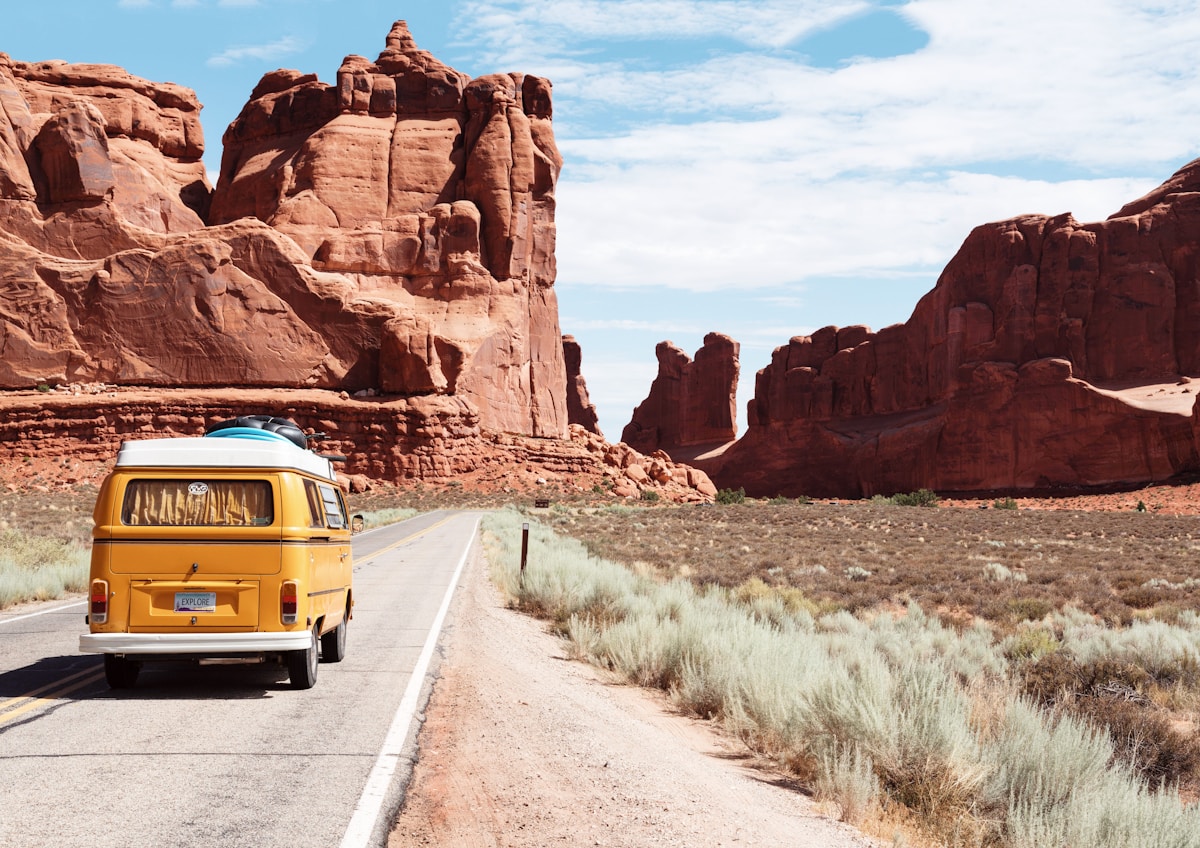
Île Longue Travel Guide: Everything You Need to Know (2026)
Île Longue is technically a peninsula jutting into the Rade de Brest in Finistère, Brittany, and has been France’s primary nuclear ballistic missile submarine (SNLE) base since 1971. The site houses France’s Force Océanique Stratégique and is so restricted that civilian access is entirely prohibited — making it one of the most inaccessible locations in Western Europe. The nearest open town, Crozon, sits roughly 10 km away on the same peninsula.
Top 3 Highlights at a Glance
- Rade de Brest Panorama from Crozon — The best legal vantage point overlooking Île Longue, offering a 180-degree view of France’s nuclear submarine harbor from 10 km away.
- Presqu’île de Crozon Coastal Path — The GR34 trail circles the Crozon Peninsula with clifftop views spanning 60 km of Breton coastline.
- Musée de la Marine, Brest — Located inside the 17th-century Brest Castle, it covers French naval history including the strategic role of the Rade de Brest.
Scroll down for our complete travel guide with tips on getting there, where to stay, costs and more.
Arrival & Airport
How do I get to Île Longue — do I need a car?
You cannot enter Île Longue — it is a restricted French military nuclear base with no civilian access whatsoever. I recommend using Brest as your base, reached by TGV train from Paris Montparnasse in approximately 3.5 hours. From Brest, a rental car is essential to explore the Crozon Peninsula, which is the closest publicly accessible area near Île Longue. Without a car, the surrounding coastline and viewpoints are effectively unreachable. My tip: do not attempt to approach the base perimeter — armed military patrols enforce the exclusion zone, and trespassing carries serious legal consequences.
Which airport is closest to Île Longue?
Brest Bretagne Airport (BES) is the closest airport, approximately 20 km northeast of the Crozon Peninsula. In my experience, flying into BES is far more convenient than driving from Paris (nearly 600 km). Ryanair and Air France serve BES with direct flights from Paris CDG, London Stansted, and several European cities. What surprised me: the airport is small and car hire desks are right at arrivals, so you can be driving toward Crozon within 30 minutes of landing. Nantes Airport (NTE) is a secondary option but adds 3 hours of driving.
How long does the journey to Île Longue take from Paris or a major hub?
From Paris Montparnasse by TGV to Brest takes 3 hours 30 minutes, costing around €35–€90 depending on booking lead time. From Brest station, driving to the Crozon Peninsula viewpoints nearest to Île Longue takes another 45 minutes via the D791. Flying Paris CDG to Brest takes 1 hour 15 minutes in the air but adds airport time. The honest caveat: arriving by train means you still need a rental car from Brest to access the coastal areas around the restricted zone — public transport to Crozon is infrequent and slow.
Do I need a car to explore the area around Île Longue?
Yes, a car is absolutely necessary. The Crozon Peninsula has no railway line, and bus services run only 2–3 times daily on the CAT bus route from Brest to Crozon. In my experience, the GR34 coastal trail, the clifftop viewpoints toward the Rade de Brest, and villages like Morgat and Camaret-sur-Mer are inaccessible without your own wheels. Rental cars from Brest Airport start at approximately €35 per day with local operators. The trade-off: parking at trailheads is free but limited in July and August, so arrive before 9 a.m.
City Transport
What are the best areas to stay when visiting the Île Longue region?
Stay in Crozon or Morgat for the most direct access to the Rade de Brest coastline and panoramic views toward Île Longue. Crozon is the peninsula’s main town with supermarkets and restaurants, while Morgat is a quieter harbor village 3 km south with better beach access. Alternatively, Brest city centre offers more hotel choice and transport links but adds 45 minutes of driving each day. My tip: Morgat is the sweet spot — close enough to everything, with genuine Breton atmosphere that Brest’s urban sprawl lacks.
What does accommodation cost per night near Île Longue?
In Crozon and Morgat, expect to pay €70–€120 per night for a decent 2-3 star hotel room in summer. Self-catering gîtes and holiday cottages start at €80 per night for a full house sleeping 4, making them excellent value for groups. Brest city hotels run €90–€150 for a comfortable 3-star. Campsites on the Crozon Peninsula charge as little as €15 per night per pitch. The caveat: premium sea-view accommodation sells out by March for July-August, so do not expect last-minute availability during peak Breton summer.
How far in advance should I book accommodation near Île Longue during high season?
Book at least 4–5 months ahead for July and August — the Crozon Peninsula is extremely popular with French domestic tourists and Breton summer capacity is genuinely limited. In my experience, the best gîtes around Morgat and Camaret-sur-Mer are fully booked by February for peak weeks. Shoulder season (June and September) needs only 4–6 weeks lead time. What surprised me: even campsites at well-known spots like Camping de Trez Rouz near Camaret fill up weeks in advance in peak summer — Brittany is not a region where spontaneous travel works well in high season.
Are there special or unique accommodation types near Île Longue?
Yes — traditional Breton stone gîtes with exposed granite walls and sea views are the standout option and feel nothing like a standard hotel. Several farms on the Crozon Peninsula offer chambre d’hôte (B&B) stays with homemade crêpes and cider at breakfast for around €85 per night. For a dramatic experience, the Hôtel Vauban in nearby Camaret-sur-Mer occupies a building facing a UNESCO-listed tower directly. There are also lighthouse keeper cottages leased by the Conservatoire du Littoral at Cap de la Chèvre, bookable months in advance — unique to Brittany’s wild coastline.
Accommodation & Neighbourhoods
What are the must-see sights near Île Longue?
Since Île Longue itself is inaccessible, the must-sees are its surrounding landscape. Cap de la Chèvre offers the peninsula’s most dramatic cliff scenery with 70-metre drops into the Atlantic. Camaret-sur-Mer has a UNESCO-listed Vauban tower and a graveyard of wooden fishing boats in the harbor that is genuinely haunting. The Pointe de Pen-Hir has a wartime memorial and stacks of rock called Les Tas de Pois rising 70 metres from the sea. I recommend combining all three in a single half-day coastal drive — they sit within 15 km of each other.
What can I experience for free near Île Longue?
The entire GR34 coastal walking trail is free and runs along the full perimeter of the Crozon Peninsula, passing clifftops, coves, and panoramic viewpoints over the Rade de Brest. Plage de Goulien and Plage du Kerloch are free public beaches with no access charge. The WWII memorial at Pointe de Pen-Hir is free to visit and genuinely moving. Watching French Navy vessels enter and exit the Rade de Brest from publicly accessible clifftops costs nothing. My tip: the sunset from Pointe des Espagnols — directly across the water from Brest — is free and one of Brittany’s finest views.
Which day trips are possible from the Île Longue area?
Brest is the obvious day trip — 45 minutes by car — with the Océanopolis aquarium (one of Europe’s largest at 10,000 marine animals), the Musée de la Marine, and Brest’s rebuilt postwar city centre. Locronan, a perfectly preserved Renaissance village, is 40 km southeast and takes under an hour. Quimper, Brittany’s cultural capital with a Gothic cathedral, is 60 km and easily done in a day. What surprised me: the Crozon to Brest ferry (summer only, approximately 30 minutes) is a far more scenic way to reach Brest than driving, and costs around €5 per person.
What local specialities should I try near Île Longue?
The Crozon Peninsula sits between two exceptional seafood zones — Brest Bay oysters and Camaret spider crabs (araignée de mer) are the undisputed local stars. A plate of six Camaret spider crabs costs around €18 at harbor-side restaurants. Galettes de Sarrasin (buckwheat crêpes) with local andouille sausage are the essential Breton staple at €9–€12 per crêpe. Wash everything down with Breton cider (cidre breton) rather than wine — a 750ml bottle costs €4 at local producers. My honest caveat: avoid any restaurant on the main square in Camaret displaying photos of food outside — quality drops sharply at tourist-facing spots.
Highlights & Must-Sees
What makes the Île Longue area unique compared to other French destinations?
Île Longue is the only location in France — and one of very few in the world — where you can legally observe a nuclear ballistic missile submarine base from public land, with the submarines occasionally visible on the surface from clifftops near Pointe des Espagnols. The Crozon Peninsula combines this Cold War geography with some of France’s wildest Atlantic coastline in an area that sees almost no international tourism. What surprised me: the landscape here is closer to the west coast of Ireland than the French Riviera — raw, windy, and genuinely dramatic in a way that Côte d’Azur resorts simply are not.
How many days are worthwhile around Île Longue?
3 full days is the minimum to explore the Crozon Peninsula properly without rushing. Day 1: coastal drive via Cap de la Chèvre and Pointe de Pen-Hir. Day 2: Camaret-sur-Mer harbor, the GR34 trail section, and a seafood lunch. Day 3: day trip to Brest via the summer ferry. Add a 4th day if you want to walk a meaningful stretch of the GR34 or visit Locronan. I recommend against a single-day visit — the drive from Brest alone takes 45 minutes each way, eating into your time significantly.
When is the best time to visit Île Longue and the Crozon Peninsula?
June and September are my top picks — warm enough for coastal walking and beaches, without July-August crowds. Climate data confirms June through September as the best travel months. July and August bring peak French school holiday crowds and accommodation prices jump 30–40%. In my experience, late June offers long Atlantic daylight (sunset after 10 p.m.), green landscapes after spring rain, and accommodation still available without six-month advance booking. Winter visits (November–February) see dramatic storms rolling in from the Atlantic — spectacular but raw, with many restaurants in Camaret closing entirely from October.
Are there local festivals near Île Longue worth attending?
The Festival du Bout du Monde in Crozon takes place every 2 years in early August (next edition 2026) and is one of Brittany’s most celebrated world music festivals, attracting 50,000 visitors over 3 days — book accommodation 12 months ahead for this event. Fête de la Mer in Camaret-sur-Mer celebrates the fishing heritage in late July with boat parades and free tastings of spider crab and oysters. The Pardon de Saint-Fiacre in August is a traditional Breton religious procession in full costume. My tip: the Festival du Bout du Monde in 2026 is a genuine reason to time your visit — it transforms the otherwise quiet peninsula.
Food & Drink
How does weather affect activities around Île Longue?
Atlantic weather is unpredictable year-round — even in July, expect 1–2 rainy days per week. Coastal walking on the GR34 is possible in light rain and actually atmospheric in mist, but the Cap de la Chèvre cliffs become genuinely dangerous in high winds. Beach days at Morgat and Plage de Goulien are reliable in July and August. Kayaking and paddleboarding from Morgat operate only between May and September, weather-permitting. My honest caveat: do not plan a Crozon trip entirely around beach weather — the peninsula is worth visiting in any season for its landscape, but pack a waterproof jacket regardless of the forecast.
How crowded does Île Longue and the Crozon Peninsula get in peak season?
The peninsula gets genuinely crowded in July and August with French domestic tourists — parking at Pointe de Pen-Hir fills completely by 10 a.m. on sunny days, and the GR34 near Camaret sees steady foot traffic all day. Restaurant queues in Camaret can hit 45 minutes for dinner without a reservation. What surprised me: the international tourist presence remains low even at peak — this is almost exclusively a French holiday destination, so English menus are rare. The southern tip near Cap de la Chèvre stays noticeably quieter than the northern points even in high summer — my recommendation for avoiding the worst of it.
How safe is the Île Longue area?
The Crozon Peninsula and surrounding Breton coast are extremely safe for tourists — petty crime is minimal and violent crime is essentially absent in this rural area. The one genuine safety concern: approaching the Île Longue military perimeter even accidentally is treated as a serious security breach by armed naval guards, and warning signs are clear in French. Coastal cliff paths on the GR34 have unfenced drops of up to 70 metres — stick to marked paths and keep children close near edges. Car break-ins at clifftop parking areas occur occasionally in peak summer — leave nothing visible in your vehicle at Pointe de Pen-Hir car park.
Is English widely spoken near Île Longue?
English is spoken at a basic level in most Brest hotels and larger restaurants, but drops off sharply on the Crozon Peninsula itself. In Camaret-sur-Mer and smaller crêperies, expect French-only menus and staff with minimal English. In my experience, learning 5–10 French phrases (ordering food, asking for directions, basic politeness) dramatically improves interactions — Bretons genuinely appreciate the effort and are not dismissive of imperfect French. What surprised me: Breton language (a Celtic language related to Welsh) still appears on road signs throughout the peninsula, and some older locals speak it as their first language — a genuine linguistic curiosity in 21st-century France.
Practical Tips
What is the daily budget for visiting the Île Longue area?
A realistic daily budget is €80–€120 per person including accommodation (split between 2), meals, petrol, and entry fees. Breakdown: €35–€60 on accommodation per person sharing a gîte, €25–€35 on food (crêpe lunch at €10, sit-down seafood dinner at €20–€25), €10–€15 on petrol for a day’s driving on the peninsula. If you camp at €15 per pitch, eat crêpes twice daily, and stick to free coastal walks, €50 per person per day is achievable. The unavoidable cost most guides omit: car hire at €35–€50 per day from Brest Airport is essential and non-negotiable.
What public transport exists around Île Longue?
Public transport on the Crozon Peninsula is genuinely limited. CAT Bus Line 37 runs from Brest to Crozon with 3–4 departures daily, taking approximately 1 hour 30 minutes and costing around €2 per journey. From Crozon, there is no onward bus service to Camaret or coastal trailheads. The summer ferry from Brest Port de Commerce to Crozon-Morgat operates June to September, taking 30 minutes and costing approximately €5 — far more scenic than the bus. My honest assessment: without a rental car, you are limited to the town of Crozon itself, and the best coastal viewpoints and beaches remain inaccessible.
Which apps do you recommend for visiting the Île Longue area?
Komoot is essential for planning GR34 coastal trail segments — download offline maps before you arrive because mobile signal drops on exposed clifftops. Maps.me or Google Maps offline (download the Finistère region) saves you when signal fails on the Crozon Peninsula. Météo-France is more accurate than any international weather app for Breton Atlantic forecasts — check it daily. Breiz’h Réservations (regional tourism platform) lists gîtes and chambres d’hôte not found on Booking.com. My tip: download the Réseau Penn ar Bed ferry schedule app or PDF before travel — it covers the Brest-Crozon boat service with real-time updates in summer.
More Destinations in Europe
Explore our complete travel guides for more Europe destinations: Île de Tombelaine Travel Guide (2026), Baskenland Travel Guide (2026), Île des Ebihens Travel Guide (2026), Málaga Travel Guide (2026), Île dYeu Travel Guide (2026).
Useful Resources for Planning Your Trip to Île Longue
- Wikipedia: Île Longue — history, geography and background
- Lonely Planet: Île Longue — itineraries and travel inspiration
- TripAdvisor: Île Longue — hotels, restaurants and traveller reviews
💬 Travelers Ask About Île Longue on Reddit
A big part of Brest (France) is pixelated in Google Maps. …
It’s a old fort in Roscanvel. There is “les capucins” in Brest, which is a public space, and the military port, which is the blurred part, next to “les ……
How does French nuclear subs leave Normandy undetected?
Normandy is close to crowded international shipping lanes etc (which could house myriad of spy ships), and not exactly ‘middle of nowhere’. How does France ……
France : The Île-Longue submarine base is once again …
Several drones flew over the Île-Longue submarine base in the Brest harbor on Thursday evening, which houses the nuclear-powered ballistic ……
Community discussions from Reddit travel communities
🌍 More Destinations to Explore




Written by Roman Lange
Founder of 1001TravelTips and Managing Director at Argo.berlin. 15+ years in digital marketing, SEO, and tourism strategy. Based in Berlin. LinkedIn
More Perspectives on Île Longue
- Guided day trip from Paris, Île-de-France to Normandy?
- 3 Islands, One Trip: St Barth’s, Anguilla + St Martin
- Visit Isla Grande, Colombia: Island Travel Guide | TPMT
Île Longue Travel Videos
Watch these videos for a visual preview before your trip:
- The Long Island Base
- French Nuclear Submarines: What’s Inside the Secret Military Base? | Full Report
- Long Island Vacation Travel Guide | Expedia
Île Longue Travel Discussions on Reddit
Real traveller experiences and community advice:
- France : The Île-Longue submarine base is once again …
- How does French nuclear subs leave Normandy undetected?
- French submarine FNS Amethyste (S605) transits the …
Data Sources
This page was compiled using data from Wikipedia, Wikidata, Open-Meteo (climate), Numbeo (cost of living) and REST Countries. Information is updated regularly.