
Mostar: The Complete Travel Guide (2026)
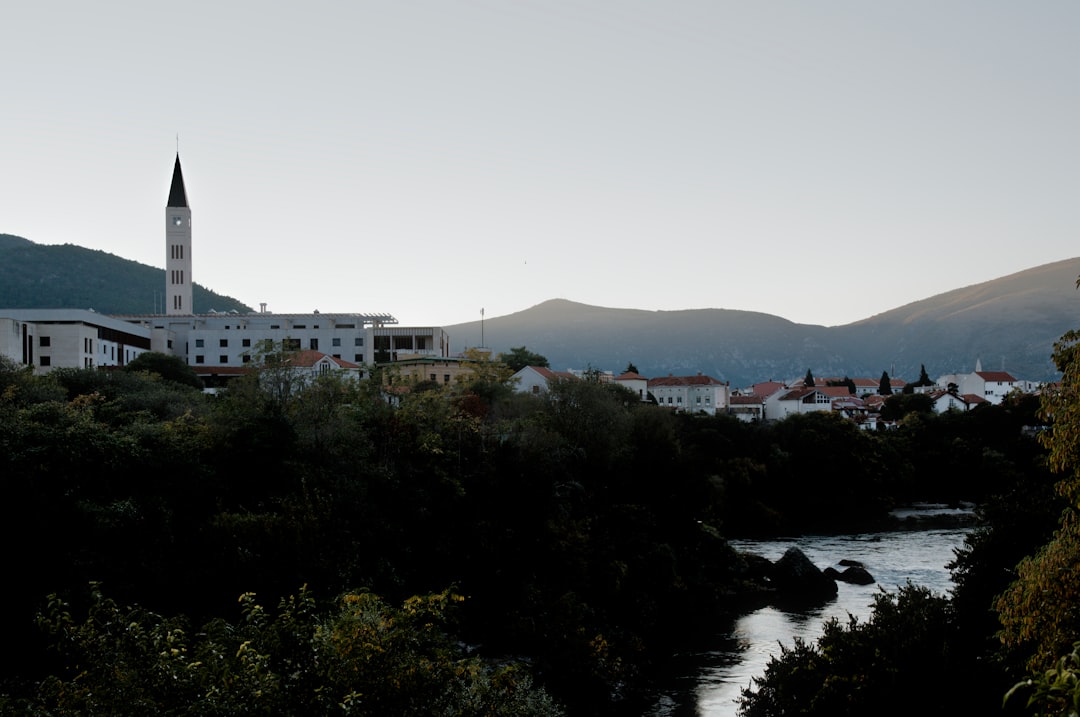
Last reviewed: September 2026 · key facts checked against Wikidata
Mostar Travel Guide: Everything You Need to Know (2026)
Mostar, the historical capital of Herzegovina and home to 105,448 residents, sits at 60 metres above sea level along the emerald-green Neretva River. Founded during Ottoman rule in the 15th century, the city is famous for the iconic Stari Most bridge, a UNESCO World Heritage Site rebuilt in 2004 after its destruction in 1993. Positioned roughly 130 km south of Sarajevo, Mostar is one of the most visually striking cities in the entire Balkans.
Three Things Not to Miss in Mostar
- Stari Most (Old Bridge) — The 16th-century Ottoman bridge rises 21 metres above the Neretva — divers still leap from it in summer.
- Kujundžiluk Bazaar — The oldest surviving Ottoman coppersmith street in Bosnia, lined with craftsmen selling hand-beaten copper work.
- Blagaj Tekke — A 16th-century Dervish monastery built directly into a cliff face above a 4,300-litre-per-second karst spring.
Scroll down for our complete travel guide with tips on getting there, where to stay, costs and more.
Getting to Mostar from the Airport
How do I get to Mostar?
Fly into Sarajevo International Airport (SJJ), then travel 130 km south by bus or car. In my experience, the FlixBus or Autoprevoz bus from Sarajevo’s main station takes roughly 2.5 hours and costs around BAD 15–20 one way — the most practical option without a car. A direct train also runs, but the scenic journey takes 3.5 hours and schedules are limited to 2 departures daily. What surprised me: there is a small Mostar Airport (OMO) with seasonal charter flights from a handful of European cities in summer, which can save significant travel time — check Ryanair and Wizz Air seasonal routes for 2026. The honest caveat: bus schedules thin out after 18:00, so arriving late means planning ahead or paying for a taxi from Sarajevo (~BAD 150–200).
Which airport is closest to Mostar?
Mostar Airport (OMO) is the closest, sitting just 8 km south of the city centre. My tip: OMO operates seasonal flights — primarily summer charter routes — so it is not a reliable year-round option. For 2026, check Croatian Airlines and seasonal low-cost operators. Sarajevo Airport (SJJ) at 130 km is the most consistent international gateway with year-round connections to major European hubs. Split Airport (SPU) in Croatia is another strong alternative at roughly 160 km west, particularly useful if you plan to combine Mostar with Dalmatia — the road via Čapljina is scenic and straightforward. The trade-off with Split: you cross an international border, adding passport checks and potential delays of 20–40 minutes.
How long does the journey to Mostar take from major hubs?
From Sarajevo, count 2.5 hours by bus or 3.5 hours by train. From Split, the drive takes roughly 2 hours 30 minutes via the E73 highway, while a bus from Split’s main station runs in 3 hours and costs approximately BAD 25–35. From Dubrovnik, it is a 2.5-hour drive — one of the most popular day-trip routes in the region. In my experience, the Dubrovnik–Mostar day-trip feels slightly rushed; I recommend spending at least one night. What most guides omit: the E73 from Sarajevo south passes through the Neretva Canyon, one of the most dramatic gorge drives in Europe, so departing by daylight is strongly advisable.
Do I need a rental car in Mostar?
No — the Old Town (Stari Grad) is entirely walkable within a 20-minute radius. Local transport costs just $1.11 per ride, and the city’s key attractions cluster tightly around the Stari Most bridge. My tip: skip the car for the city itself, but hire one for day trips — Kravice Waterfalls (40 km), Blagaj (12 km), and Počitelj (25 km) are all poorly served by public buses. Budget around BAD 60–90 per day for a compact rental from agencies near the bus station. The honest caveat: parking in the old town area is chaotic and streets are cobblestoned — a car becomes a liability in the historic core, not an asset.
Moving Around Mostar
What are the best areas to stay in Mostar?
I recommend the Stari Grad (Old Town) neighbourhood for first-time visitors — waking up at the bridge before the day-trip crowds arrive at 09:00 is genuinely magical. The Lučki Most area on the east bank is slightly quieter and has excellent guesthouses at lower prices. For a more local feel, Bulevar — the former wartime front line now lined with cafés and hostels — offers affordable beds and authentic atmosphere. Avoid staying at chain hotels near the bus station on Trg Ivana Krndelja unless you prioritise parking over atmosphere. In my experience, a guesthouse or pansion within a 5-minute walk of Stari Most delivers the best value and the most memorable stay.
What does accommodation cost per night in Mostar?
Budget travellers pay BAD 25–45 per night for a hostel dorm in Stari Grad. A private room in a well-rated guesthouse like Pansion Aldi or Villa Anri runs BAD 70–120. Boutique hotels with Neretva views — such as Hotel Kriva Ćuprija — charge BAD 150–220 per night in high season. In my experience, mid-range guesthouses here offer exceptional value compared to Split or Dubrovnik for equivalent quality. The honest trade-off: the cheapest places are often on the east bank up narrow alleys with no elevator — charming, but impractical with heavy luggage. Prices drop by roughly 30–40% outside July and August.
How far in advance should I book accommodation in Mostar during high season?
Book at least 6–8 weeks ahead for July and August — quality guesthouses within walking distance of Stari Most sell out fast. What surprised me: Mostar is a major day-trip destination for Dubrovnik and Split package tourists, so even if you arrive without a booking, you may find rooms — but the best-value spots near the bridge will be gone. For the Mostar Summer Festival (usually late July), push that to 3 months in advance. My tip: if you book via Booking.com, filter specifically for properties in Stari Grad — the map view is essential because a 10-minute walk separates an atmospheric stay from a forgettable one. Shoulder months like May and September need only 2–3 weeks advance notice.
Are there special or unique accommodation types in Mostar?
Yes — Ottoman-era stone houses converted into guesthouses are Mostar’s most distinctive accommodation type. Several properties along the Radobolja stream near Kujundžiluk Bazaar have original carved wooden ceilings, interior courtyards, and direct bridge views. Pansion Čardak is one authentic example. In my experience, these stone-house pensions are genuinely unlike anything you find in Western Europe — thick walls keep them cool without air-conditioning even in 38°C July heat. The honest caveat: original Ottoman interiors often mean uneven floors, low doorframes, and modest bathroom fittings — they reward travellers who value character over corporate comfort. Glamping options have also emerged near Kravice Waterfalls, ideal if you want a nature base.
Choosing a Neighbourhood in Mostar
What are the must-see sights in Mostar?
Stari Most is non-negotiable — the 16th-century Ottoman bridge rebuilt in 2004 after wartime destruction is one of Europe’s most emotionally charged monuments. Kujundžiluk Bazaar beside it is the oldest surviving Ottoman trading street in Bosnia. Koski Mehmed Pasha Mosque offers rooftop minaret access with panoramic Neretva views for about BAD 8. Outside the old town, Blagaj Tekke (12 km) — a Dervish lodge built into a cliff above a turquoise spring — is unmissable. Počitelj, a fortified hilltop village 25 km south, is the most atmospheric medieval settlement in Herzegovina. In my experience, the view of Stari Most from the Helebija Tower at dusk beats any postcard you have ever seen of this city.
What can I experience for free in Mostar?
Walking the Stari Grad cobblestone streets costs nothing, and the view of Stari Most from the riverbanks is completely free. The Spanish Square (Španski Trg) is a lively open-air gathering point at no cost. Swimming in the Neretva River at the base of the bridge — locals do it all summer — is free and genuinely refreshing. The War Photo Exhibition at the Museum of Herzegovina charges a small entry fee, but the wartime murals along Bulevar are an outdoor, free open-air history lesson. My tip: attending the late-afternoon call to prayer from Koski Mehmed Pasha Mosque costs nothing and is one of the most affecting sensory moments in the city. Watching the Mostari divers practice from the bridge parapet is also free, though tipping BAD 5–10 is customary if they perform a full dive.
Which day trips from Mostar are worth doing?
Blagaj (12 km, 20 minutes by car or taxi ~BAD 15) pairs the Dervish tekke with a swimming hole — do it on any trip. Kravice Waterfalls (40 km) rival anything in Croatia and entry costs only BAD 10; arrive before 10:00 in summer or face serious overcrowding. Počitelj (25 km south) is a 30-minute stop that feels like stepping into a medieval Balkan film set — no entry fee for the village. Trebinje in Republika Srpska (60 km) is a charming city with a completely different Orthodox cultural atmosphere. For an ambitious full-day, Sarajevo is reachable in 2.5 hours and makes a rewarding contrast. My honest warning: doing Kravice and Blagaj in the same day trip is doable but exhausting — I recommend splitting them.
What local specialities should I try in Mostar?
Ćevapi — small grilled minced-meat sausages served in a hand-torn flatbread called somun — is the Bosnian street staple; a portion of 10 with kajmak (clotted cream) costs around BAD 8–10 at Tima-Irma near the old town. Burek (flaky pastry with meat or cheese) from a local pekara costs under BAD 3. Begova čorba (Bey’s soup with chicken and vegetables) is the refined Ottoman-era classic. Herzegovina is also wine country — the Žilavka white grape is grown almost exclusively in this region and produces a dry, mineral wine you genuinely cannot find outside Bosnia. In my experience, sitting in a ćilim-covered riverside kafana drinking Žilavka while watching the Neretva is the single most pleasurable afternoon in Herzegovina.
Top Sights in Mostar
What makes Mostar unique compared to other Balkan cities?
Mostar is the only city in Europe where Ottoman, Austro-Hungarian, and post-Yugoslav war architecture coexist in visible, unresolved tension within a single city block. The Stari Most reconstruction is not just a bridge — it is an act of deliberate cultural reconciliation carried out in 2004, using identical Ottoman stone-cutting techniques. What surprised me most: the east and west banks of the Neretva still carry distinct Bosniak and Croat cultural identities — different cafés, different radio stations, different street signs. Herzegovina’s microclimate produces Mediterranean warmth at just 60 metres altitude, so figs, pomegranates, and citrus grow within sight of Balkan mountains. No other city of 105,448 people in Europe delivers this density of historical, political, and natural drama.
How many days do I need in Mostar?
2 full days covers the city itself well. 3–4 days is ideal if you add day trips to Blagaj, Kravice, and Počitelj. In my experience, one night is simply too short — the old town transforms completely after the day-trippers leave at 18:00, and that quieter evening atmosphere is the best version of Mostar. A common mistake is arriving on a day trip from Dubrovnik and thinking you have seen it — you have seen Stari Most and Kujundžiluk in crowds, but not the city. My tip: spend your first evening eating ćevapi at Tima-Irma, walk the bridge at dusk, and leave the museums and mosque climb for day two. If combining with Sarajevo and the Dalmatian coast, a 5–6 day Herzegovina circuit is the most rewarding regional itinerary.
When is the best time to visit Mostar?
Late May, June, and September are my personal recommendations, not the peak of July — despite climate data confirming July as the warmest month. July brings 38°C heat and enormous day-trip bus convoys that make Kujundžiluk Bazaar genuinely uncomfortable by midday. May offers temperatures around 22–25°C, full river levels for swimming, and dramatically fewer crowds. September is arguably perfect: harvest season for Herzegovina wine grapes, Neretva still warm enough to swim, and tourist volumes drop by roughly 40% compared to August. If July is your only option, arrive at Stari Most before 08:30 to experience it in near-solitude before the tour buses from the coast arrive. Winter (December–February) is cold and atmospheric but many guesthouses reduce services.
Are there local festivals in Mostar worth attending?
The Mostar Bridge Diving Competition (Skokovi sa Starog Mosta) held every last Sunday of July is the city’s most iconic event — trained divers leap 21 metres into the Neretva in a tradition dating to 1664. Book accommodation 3 months ahead for this weekend. The Mostar Summer Festival runs throughout July with outdoor concerts, theatre, and exhibitions around Špansi Trg. In my experience, the diving competition draws enormous crowds but remains genuinely thrilling rather than touristy — the divers train year-round and the atmosphere is electric. Orthodox Christmas (January 7) in the eastern districts and Ramadan evenings in Stari Grad are both deeply atmospheric if you visit at those times. The Herzegovina Wine Festival in autumn (typically October) in nearby Čitluk is worth combining with a Mostar visit.
Where to Eat in Mostar
How does weather affect activities in Mostar throughout the year?
Summer heat above 35°C in July and August makes midday sightseeing genuinely unpleasant — I recommend the old town before 10:00 and after 17:00, with a long lunch break in shade. The Neretva River is swimmable from mid-June through mid-September, which is the city’s best natural feature in heat. Spring May–June is ideal for hiking to Hum Hill (the cross-topped hill above the city) and visiting Blagaj with full spring flows from the karst source. Autumn September–October delivers warm days around 20–25°C and no crowds. Winter brings occasional snow and temperatures near 0°C — most riverside café terraces close, but the old town stonework looks extraordinary under frost. The honest warning: the Balkans can produce surprise heavy rain in May — pack a light waterproof regardless.
How crowded does Mostar get in peak season?
July and August transform Kujundžiluk Bazaar into a shoulder-to-shoulder experience by 11:00, with up to 10 tour buses at a time parked on the western approach. The bridge itself sees photo queues. In my experience, the crowds are most extreme between 10:00 and 16:00 on weekdays — Mostar absorbs enormous day-trip volumes from the Dalmatian coast, roughly 200 km away. My tip: if you are staying overnight, walk to Stari Most at 07:00 — you will have it almost entirely to yourself. Blagaj and Kravice are similarly overwhelmed by midday. The genuinely quiet alternative within the city is the Roznamedži Ibrahim Effendi Mosque and the backstreets east of Koski Mehmed Pasha Mosque, which almost no day-tripper bothers to find.
How safe is Mostar for travellers in 2026?
Mostar is safe for tourists — petty crime rates are low and violent crime against visitors is extremely rare. In my experience walking both the east and west banks at night, the main risk is uneven cobblestones and the occasional aggressive souvenir seller in Kujundžiluk. The political divide between the Bosniak east and Croat west is real but presents no safety concern for visitors. My honest caveat: war-damage bullet holes and shell-scarred buildings are visible throughout the city — this is not a post-conflict sensitivity warning but context: do not treat these sites as Instagram backdrops without awareness. Driving in the outskirts at night on unlit mountain roads carries genuine risk — use GPS and drive cautiously. Emergency number is 122 (police) and 124 (ambulance).
Is English widely spoken in Mostar?
In the tourist zones around Stari Most and Kujundžiluk, English is spoken confidently by most restaurant and hotel staff under 40. In my experience, guesthouse owners — particularly those running family-run pansions — often speak excellent English acquired through years of hosting international travellers. Outside the old town, in bakeries, local markets, and the bus station, German is more commonly spoken than English among older residents — a legacy of Yugoslav-era labour migration to Germany and Austria. My tip: learning three Bosnian phrases — ”Hvala” (thank you), ”Molim” (please), and ”Koliko košta?” (how much does it cost?) — generates enormous goodwill and often results in an unlisted discount or a free rakija.
Before You Go to Mostar
What is the daily budget for travelling in Mostar?
A budget traveller spending BAD 70–90 per day covers a hostel dorm, ćevapi meals, local transport at $1.11 per ride, and basic entry fees. A mid-range budget of BAD 150–200 per day gets you a private guesthouse room, two restaurant meals with Žilavka wine, and a taxi day trip to Blagaj. In my experience, Mostar is 40–50% cheaper than Split or Dubrovnik for equivalent comfort — one of the best value cities in southern Europe. The honest caveat: souvenir shopping on Kujundžiluk inflates budgets fast — hand-beaten copper work, embroidered textiles, and jewellery are beautiful but priced for tourist wallets. Budget BAD 20–30 if you want to bring home something genuinely craft-made rather than imported.
How does public transport work in Mostar?
City buses run on 4 main routes covering the wider urban area for just $1.11 per ride — the most relevant for tourists is the route connecting the bus station on Trg Ivana Krndelja with the western approaches to Stari Grad. Within the old town itself, all movement is on foot — no buses penetrate the cobblestone core. Taxis are metered and a cross-city ride costs BAD 5–8; use Boing or Mostar Taxi apps to avoid unmetered drivers. Regional buses to Sarajevo, Dubrovnik, Split, and Počitelj depart from the main bus station — schedules are posted on autobusni-kolodvor-mostar.ba. My honest warning: there is no ride-sharing app equivalent to Uber operating reliably in Mostar as of 2025 — confirmed local taxi dispatchers are the safer option.
Which apps do you recommend for visiting Mostar?
Maps.me with the Bosnia offline map downloaded is essential — Google Maps has coverage gaps on smaller Herzegovina roads. Boing is the local taxi dispatch app for Mostar and works reliably. Booking.com remains the best accommodation platform for Mostar specifically, with wider local inventory than Airbnb. Revolut or Wise for currency conversion is critical — Bosnia uses the Bosnian Convertible Mark (BAM), not the euro, and ATM conversion fees at airport machines are punishing. My tip: download the Autobusni red vožnje app for intercity bus schedules — it covers Bosnia and regional connections to Croatia and Serbia. WhatsApp is the universal communication tool here; guesthouse owners almost universally prefer it over email for booking confirmations and late-arrival notices.
Mostar at a Glance
| Population | 105,448 |
|---|---|
| Currency | Bosnia and Herzegovina dinar (BAD) |
| Official language | Bosnian, Croatian, Serbian |
| Time zone | Central European Time |
Source: Wikidata, retrieved September 2026.
Bosnia and Herzegovina › Mostar
Essential Resources for Planning Your Trip to Mostar
- How to plan a 2-day trip to Mostar, Bosnia and Herzegovina — official visitor information, passes & events
- Wikipedia: Mostar — history, geography & background
- Wikivoyage: Mostar — community travel guide & practical tips
- Mostar travel – Bosnia & Hercegovina, Europe — expert itineraries & travel inspiration
- THE 15 BEST Things to Do in Mostar (2026) — hotels, restaurants & traveller reviews
- Wrapping Up Our Time In Mostar (Bosnia & Herzegovina) — how to get around
- Numbeo: Cost of Living in Mostar — current prices & cost comparison
- Timeanddate: Mostar Weather & Climate — forecasts & climate statistics
- Supporting local tourism in the Old City of Mostar, Bosnia …
More Perspectives on Mostar
- A Detailed Guide To Mostar, Bosnia & Herzegovina
- Mostar: what to do in the most charming town in Bosnia …
- Mostar
Mostar Travel Videos
Watch these videos for a visual preview before your trip:
- Top Things to Do in Mostar, Bosnia & Herzegovina
- FULL MOSTAR BOSNIA GUIDE: Budget Travel, Best Views & Authentic Experiences
- How To Plan A Trip To Mostar, Bosnia and Herzegovina | Mostar Travel Guide
Mostar Travel Discussions on Reddit
Real traveller experiences and community advice:
- r/travel – Mostar, Bosnia
- Is Mostar worth visiting? : r/solotravel
- My visit to Mostar, Bosnia-Herzegovina is something I’ll …
Data Sources
This page was compiled using data from Wikipedia, Wikidata, Open-Meteo (climate), Numbeo (cost of living) and REST Countries. Information is updated regularly.