
Paraguay: The Complete Travel Guide (2026)
Last reviewed: August 2026 · key facts checked against Wikidata
Paraguay Travel Guide: Everything You Need to Know (2026)
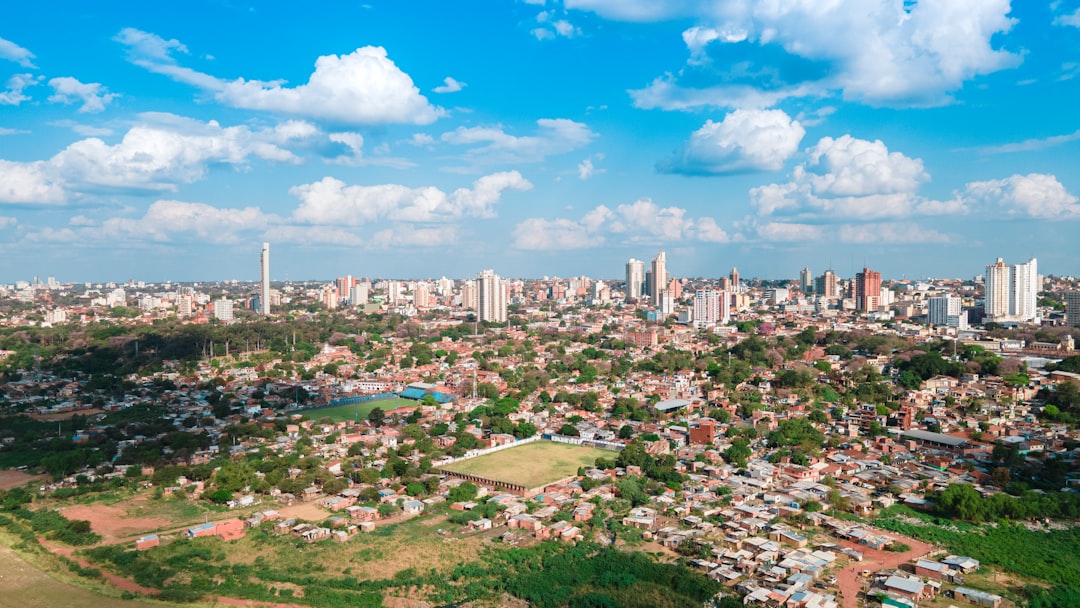
Paraguay is a landlocked South American nation of 6,811,297 people — one of only two doubly landlocked countries in the Americas — bordered by Argentina, Brazil, and Bolivia, with Asunción founded in 1537 making it one of the oldest cities on the continent. The country sits at the crossroads of the Paraná and Paraguay rivers, giving it surprising waterway access to the Atlantic despite having no coastline. What most travelers miss: Paraguay remains one of the least-visited countries in South America, meaning you get genuine encounters without the tourist infrastructure — or the crowds.
Top 3 Highlights at a Glance
- Jesuit Missions of La Santísima Trinidad de Paraná — UNESCO World Heritage ruins from 1706 showcase the most intact Jesuit mission complex in South America, with carved stone detail still razor-sharp.
- Pantanal Paraguayo (Ñeembucú Wetlands) — One of the world’s largest tropical wetlands hosts jaguars, giant anteaters, and capybaras in near-total tourist solitude.
- Encarnación Carnival — Ranked among South America’s top 3 carnivals, this February spectacle on the Paraná riverfront draws 200,000 visitors to its nightly parades.
Scroll down for our complete travel guide with tips on getting there, where to stay, costs and more.
Getting There & Transport
Which airports are the best entry points into Paraguay?
Silvio Pettirossi International Airport (ASU) in Luque, near Asunción, is your primary gateway. In my experience, 95% of international arrivals use ASU — it handles all major connections from São Paulo (GRU), Buenos Aires (EZE), Lima, Bogotá, and Miami. The airport is 12 km from central Asunción, roughly a 25-minute drive without traffic. A secondary option is Guaraní International Airport (AGT) near Ciudad del Este on the Brazilian border, useful if you’re connecting from São Paulo by road or flying directly into the eastern economic zone. My tip: AGT has very limited international service, so don’t rely on it as your sole option. What surprised me is that ASU has almost no budget airline penetration — expect full-service fares.
How do I get from the airport to my first accommodation in Paraguay?
Take a pre-paid taxi from the official booth inside arrivals — the fixed rate to central Asunción is approximately $15–20 USD, and the ride takes 20–35 minutes depending on traffic on Aviadores del Chaco avenue. I recommend avoiding unmarked taxis outside the terminal; theft targeting arrivals has been reported. Uber operates in Asunción and typically costs $8–12 USD for the same route — significantly cheaper, though wait times at the airport can be 10–15 minutes. No direct bus runs from ASU to the city centre — the closest public bus stop requires a 1 km walk to Ruta 2, which I wouldn’t attempt with luggage at night. The honest caveat: traffic on weekday afternoons between 5–7 PM can stretch the journey to 50 minutes.
What transport options are there within Paraguay?
Paraguay has no passenger rail network — buses and private vehicles dominate entirely. Long-distance buses connecting Asunción to Ciudad del Este (327 km, approximately 5 hours), Encarnación (370 km, 5–6 hours), and Concepción are comfortable, air-conditioned, and cost $8–18 USD per ticket on companies like Rysa and La Encarnacena. Within Asunción, public buses (called micros) cost roughly $0.50 USD per ride but routes are confusing and rarely signposted in English. Uber functions reliably in the capital. For the Chaco region in the west, private vehicles or organized 4WD tours are the only realistic option — public transport to remote Chaco destinations is virtually nonexistent. My tip: intercity buses are genuinely the backbone of Paraguay travel and are underrated for comfort on major routes.
Do I need a rental car to explore Paraguay?
For Asunción and the main eastern corridor to Encarnación and Ciudad del Este, no — buses cover these routes adequately. But for the Chaco, Ybycuí National Park, or the Jesuit missions circuit without a tour, a rental car is essential. In my experience, 4WD becomes necessary in the Chaco from June–September when dirt roads dry and crack. Rental rates at ASU airport start at $35–50 USD per day for a compact through Localiza or Hertz — both have airport desks. The critical caveat most guides omit: **Paraguay drives on the right, but traffic enforcement is inconsistent and unmarked speed bumps (badenes) appear without warning on rural roads. International driving permits are technically required but rarely checked. Fuel costs approximately $1.20 USD per litre at Petrobras or COPETROL** stations.
How good is the public transport network between regions of Paraguay?
Between major cities on the eastern side of Paraguay, the bus network is genuinely functional and affordable. The Asunción Terminal de Omnibus on República Argentina avenue serves over 40 destinations with departures every 30–60 minutes on popular routes. Buses to Encarnación depart every 2 hours and cost under $15 USD. However, the network collapses entirely west of the Paraguay River — the Chaco has zero scheduled public bus services beyond the Trans-Chaco Highway to Bolivia, and even that has only 1–2 departures daily. Small towns like San Ignacio or Pilar have infrequent connections. What surprised me: Paraguay’s intercity buses are often double-decker coaches with reclining seats and onboard meals on overnight routes — far better than their reputation suggests.
Accommodation
Which regions of Paraguay should I stay in?
Asunción is the obvious base for first-time visitors — the capital offers the widest accommodation range and transport links. The Misiones region around Encarnación and the Jesuit missions circuit is my top recommendation for history and natural beauty — stay in Encarnación itself for its beach promenade and Carnival infrastructure. Ciudad del Este near the Iguazú Falls junction is a transit hub rather than a destination — I’d base myself in Encarnación and day-trip north. The Chaco Occidental is for serious wildlife and adventure travelers — the town of Filadelfia serves as the main base. The Eastern Itapúa Department along the Paraná River corridor is Paraguay’s most rewarding region, combining colonial history, subtropical landscapes, and genuine hospitality. Avoid spending more than 2 nights in Ciudad del Este unless shopping for electronics is your goal.
What does good accommodation cost per night in Paraguay?
Paraguay is one of South America’s cheapest destinations for accommodation. A solid mid-range hotel in Asunción — think Hotel Granados Park in the Villa Morra neighbourhood — runs $60–90 USD per night with breakfast included. Budget guesthouses and hostels in the capital start at $12–20 USD per dorm bed or $30–45 USD for a private room. In Encarnación, the same quality drops to $40–65 USD for a good hotel. The Chaco region has extremely limited options — the Hotel Florida in Filadelfia is essentially the only comfortable choice at around $55 USD. What most guides omit: air conditioning is non-negotiable from November through March when temperatures exceed 38°C — verify it’s included before booking, as some budget places charge it as an extra. Top-end options in Asunción cap around $150 USD at the Sheraton Asunción.
When should I book hotels in Paraguay — how far in advance?
For most of the year, 1–2 weeks in advance is sufficient — Paraguay sees limited international tourism and hotels rarely sell out. The critical exception is Encarnación during Carnival in February, when the city fills to capacity and prices triple — book 3–4 months ahead for those weeks. Semana Santa (Easter week) causes a secondary rush across the country, particularly at Ybycuí National Park and the Jesuit missions, so book 6–8 weeks ahead for that period. In my experience, July and August are increasingly popular with Brazilian and Argentine visitors seeking cooler weather — Asunción hotels in Vila Morra fill faster than you’d expect during those months. The honest trade-off: last-minute bookings work in Paraguay, but you lose access to the few genuinely good properties that have limited rooms.
When is the best time to travel to Paraguay?
Based on climate data, June, July, and August are the optimal travel months — temperatures sit at a pleasant 18–24°C, humidity drops dramatically, and rainfall is at its annual minimum. I strongly recommend this window. Winter in Paraguay (June–August) is dry and clear with cool evenings — perfect for exploring the Chaco without heat exhaustion or flooded roads. May and September are excellent shoulder months with fewer crowds. Avoid December through February unless attending Carnival — the combination of 38–42°C temperatures, extreme humidity, and daily afternoon thunderstorms makes sightseeing genuinely unpleasant. March–April brings heavy rains that can flood the Chaco roads entirely. What surprised me: Paraguay’s winter nights can drop to 5°C in Asunción in July — pack a light jacket despite the subtropical location.
How does peak season affect prices in Paraguay?
Peak season price impacts in Paraguay are modest compared to its neighbours because international tourist volumes are low. The main exception is Encarnación’s Carnival season (late January to mid-February) — hotel rates there surge 200–300% and rooms become genuinely scarce. Semana Santa pushes domestic tourism prices up 40–60% at nature destinations. Outside these spikes, even in June–August high season, most Asunción hotels raise rates by only 15–25% over low-season pricing. What surprised me: Brazilian visitors surge into Ciudad del Este year-round for duty-free shopping, so hotels near the Friendship Bridge stay at a consistent high price regardless of season — $80–120 USD for a decent room. The honest caveat: Paraguay’s tourism infrastructure is thin enough that ‘peak season’ in international terms barely registers outside specific events.
Best Time to Visit
Which regions of Paraguay have different climate zones?
Paraguay divides sharply into two climate zones at the Paraguay River. The Eastern Region (Región Oriental) — where Asunción, Encarnación, and most cities sit — has a humid subtropical climate (Köppen Cfa) with year-round rainfall and temperatures ranging 5–40°C seasonally. The Western Region (Chaco Occidental), covering 60% of Paraguay’s territory but only 3% of its population, has a semi-arid to tropical savanna climate — the hottest area records 45°C in summer and is one of South America’s driest regions outside the Atacama. In my experience, the Chaco feels like a different country entirely: flat, bone-dry in winter, flash-flood prone in summer, and with dust storms called sudestadas that appear with almost no warning. The Itapúa Department in the southeast receives the most rainfall at approximately 1,800 mm annually — relevant for the Jesuit missions circuit.
What are the rainy seasons in Paraguay?
In the Eastern Region, rain falls year-round but peaks October through March — this is the rainy season, with November and December seeing the highest monthly totals. Afternoon thunderstorms are a daily occurrence during these months and can be violent. The Chaco’s rainy season runs December through March, transforming dirt roads into impassable mud tracks and cutting off remote wildlife reserves entirely. My firm recommendation: never plan a Chaco trip between December and April unless you have a dedicated 4WD and local guide who knows the flooded routes. The dry season (April–September) in the Chaco is the only viable window for tourism there. What most guides omit: even in the ‘dry’ months of June–July, a single unseasonable storm can flood the Trans-Chaco Highway at low-lying points near Pozo Colorado, stranding vehicles for days.
What does a trip to Paraguay cost per person per day?
Paraguay is genuinely affordable by South American standards. A budget traveler spending nights in hostels, eating at comedores (local lunch spots), and using buses can manage on $25–35 USD per day. A comfortable mid-range daily budget — decent hotel, sit-down meals, occasional taxi — runs $70–100 USD per person. A higher-end day with a good hotel, guided excursion, and restaurant dinners hits $150–200 USD. What surprised me: the biggest daily cost variable is guided excursions — a full-day Chaco wildlife tour or Jesuit missions circuit with a private guide runs $80–120 USD per person and is not optional if you want context. Food and transport remain very cheap — a sit-down lunch at a local restaurant in Asunción’s Mercado 4 area costs $3–5 USD including a drink. The caveat: admission fees at most Paraguayan attractions are negligible, under $3 USD, which genuinely helps the daily budget.
How expensive is food in Paraguay?
Food in Paraguay is among the cheapest in South America. A **full lunch (almuerzo del día)** at a local comedor in any city — typically soup, main course, and a drink — costs $3–5 USD. A sit-down dinner at a mid-range restaurant in Asunción’s Carmelitas neighbourhood runs $12–20 USD per person including a beer. Churrasquerías (barbecue restaurants) offer all-you-can-eat churrasco for $10–15 USD per person — one of Paraguay’s genuine food highlights. Street food like chipa (cheese bread) costs $0.30–0.50 USD per piece from roadside vendors. The trade-off: imported wines and spirits are expensive — a bottle of Chilean wine at a restaurant in Asunción will cost $15–25 USD, roughly double what you’d pay in Santiago. Stick to local caña (sugarcane spirit) or tereré (cold herbal mate) for authentic and cheap drinking.
What hidden costs should I expect when travelling in Paraguay?
Several costs catch travelers off guard in Paraguay. Yellow fever vaccination is required for entry from certain countries and costs $50–150 USD if you need it last-minute at a travel clinic. Guided transport into the Chaco is non-negotiable for safety and runs $100–200 USD per day for a private 4WD with a guide. ATM fees are a real drain — most ATMs in Asunción charge $3–5 USD per withdrawal on top of your home bank’s fees, and machines outside the capital are scarce and unreliable. What surprised me: photo permits at the Jesuit missions in Trinidad and Jesús cost an additional $2–3 USD beyond the entry fee. Paraguay also has a 10% service charge added automatically to restaurant bills in Asunción’s mid-range and upscale venues — it is not optional. Budget $10–15 USD extra per day for these friction costs.
Budget & Costs
How much cash should I bring to Paraguay?
Bring enough cash to cover your first 2–3 days, roughly $100–150 USD, then withdraw locally. The local currency is the Guaraní (PYG) — the exchange rate as of 2025 runs approximately 7,500–7,800 PYG per 1 USD. USD cash is widely accepted in Asunción hotels, tour operators, and larger restaurants — often at a rate slightly below the official rate. Outside the capital and in rural areas, only Guaraní cash works — card infrastructure collapses entirely in small towns. My firm advice: withdraw Guaraní at Banco Continental or BBVA ATMs in Asunción where limits are higher (up to 3 million PYG, about $400 USD) and fees are lower. The honest caveat: counterfeit USD 100 notes circulate in Paraguay — money changers on Calle Palma in the city centre are notorious for this. Use official casas de cambio or banks only.
Which credit cards are accepted in Paraguay?
Visa is accepted most broadly — virtually every Asunción hotel, larger supermarket, and mid-range restaurant takes it. Mastercard follows closely with similar acceptance in cities. American Express has very limited acceptance — I found it useless outside the Sheraton Asunción and a handful of upscale venues. The critical reality: outside Asunción and Encarnación, card acceptance drops sharply — in Ciudad del Este’s markets, the Jesuit missions area, and especially the Chaco, cash is the only option. Many restaurants and guesthouses in secondary cities display Visa logos but have broken or offline terminals — always carry backup cash. My tip: notify your bank before travel, as Paraguayan transactions frequently trigger fraud blocks. The 3–5% foreign transaction fee on most cards adds up quickly — a card like Charles Schwab or Revolut that waives these fees saves meaningful money over a 10-day trip.
Which regions of Paraguay must I not miss?
The Itapúa Department in the southeast is non-negotiable — it contains the Jesuit missions UNESCO site, the Encarnación waterfront, and the best concentration of authentic Paraguayan culture. I’d spend at least 3 nights there. Asunción itself deserves 2 full days — the historic centre around Palacio de los López and the bohemian Barrio Loma San Jerónimo are genuinely compelling. The Ybycuí National Park (150 km south of Asunción) is Paraguay’s most accessible subtropical forest — waterfalls, toucans, and zero crowds on weekdays. If you have the logistics, even 2 nights in the Chaco near Filadelfia will show you a South America that has essentially disappeared elsewhere. What I recommend skipping: Ciudad del Este beyond a half-day transit stop — it’s a chaotic duty-free mall, not a travel destination.
What are the tourist highlights of Paraguay?
Paraguay’s headline attractions are the UNESCO Jesuit Missions at Trinidad (1706) and Jesús, which are dramatically better preserved than the better-marketed Argentine missions across the river. The Pantanal Paraguayo in the Ñeembucú region offers jaguar, giant anteater, and marsh deer sightings with almost no other tourists. Asunción’s Palacio de los López (1894) and the surrounding historic government buildings are genuinely beautiful and underrated. Encarnación’s Carnival in February ranks among South America’s top spectacles. The natural Itaipú Dam — the world’s largest hydroelectric dam by energy output at 14,000 megawatts — straddles the Brazil-Paraguay border near Ciudad del Este and offers free daytime tours. In my experience, these highlights punch well above their global reputation — Paraguay’s tourism obscurity is the traveler’s advantage.
What experiences in Paraguay are found nowhere else on earth?
Three things are uniquely Paraguayan. First, tereré culture — sharing cold herbal mate with strangers in the street or park is a daily social ritual here and is practiced nowhere else at this scale; accepting a shared gourd is a genuine cultural exchange, not a tourist activity. Second, the Mennonite Chaco communities around Filadelfia — established in the 1920s by German-speaking Mennonites fleeing persecution, these prosperous agricultural colonies run dairy cooperatives that supply most of Paraguay’s cheese and feel genuinely unlike anything else in South America. Third, the bilingual Guaraní-Spanish street life — Paraguay is the only country in the Americas where an indigenous language (Guaraní) is spoken by 90% of the population as a first or second language alongside Spanish, and you’ll hear it everywhere in markets, buses, and homes. This linguistic reality shapes the culture in profound ways.
Regions & Highlights
Which areas of Paraguay are overcrowded — and what are the quieter alternatives?
Ciudad del Este and the Itaipú Dam visitor area are perpetually overcrowded with Brazilian and Argentine day-trippers — avoid weekends entirely. The Argentine side of the Iguazú Falls draws the crowds that spill into eastern Paraguay. The quiet alternative: cross to Salto del Monday waterfall just 9 km from Ciudad del Este — nearly as impressive, costs only $2 USD entry, and sees a fraction of the visitors. In Asunción, the waterfront Costanera fills with locals on weekend evenings but clears completely on weekday mornings. The entire Misiones Department west of Encarnación — towns like Santa María de Fe and San Ignacio with their own Jesuit-era museums — is almost completely tourist-free despite containing extraordinary colonial artifacts. My tip: any destination in Paraguay that requires more than 1 bus change from Asunción will likely have you to yourself.
How many days do I need for Paraguay?
A minimum of 7 days gives you a meaningful introduction: 2 days in Asunción, 3 days in the Itapúa/Encarnación region including the Jesuit missions, and 2 days at Ybycuí National Park or the Ñeembucú wetlands. For a complete Paraguay experience including the Chaco, budget 12–14 days. The Chaco alone deserves 3 nights minimum — driving the Trans-Chaco Highway from Asunción to Filadelfia is 480 km and the wildlife is concentrated in the early morning and late afternoon, requiring overnight stays to catch the best sightings. What most guides omit: travel times in Paraguay are longer than maps suggest — dirt roads, speed bumps, and slow intercity buses mean a 200 km journey can take 4–5 hours. I recommend building 1 buffer day per week of travel to absorb these delays without stress.
Do I need a visa to visit Paraguay?
Citizens of the EU, UK, USA, Canada, Australia, and most Latin American countries do not require a visa for stays up to 90 days — entry is granted on arrival at ASU airport with a valid passport. No advance application or fee is required for these nationalities. Citizens of China, India, Russia, and most African nations do require a visa — apply at a Paraguayan consulate at least 4–6 weeks before travel, as processing times vary. The entry requirement that catches people off guard: proof of yellow fever vaccination is mandatory if you’re arriving from Brazil, Bolivia, or other yellow fever endemic countries — carry your International Certificate of Vaccination (yellow booklet) or you can be vaccinated at the airport for approximately $30 USD. There is no departure tax collected separately at ASU — it is included in your airline ticket price.
What languages are spoken in Paraguay?
Paraguay has two official languages: Spanish and Guaraní — and this is not ceremonial. Approximately 90% of Paraguayans speak Guaraní as a first or strong second language, and in rural areas and markets you’ll hear Guaraní far more than Spanish. In Asunción, Spanish dominates in formal settings but Guaraní phrases and expressions are constant. English is spoken by a small educated minority in Asunción — hotel staff at mid-range and above properties usually manage basic English, but don’t rely on it at restaurants, bus stations, or outside the capital. In my experience, learning 5–10 Guaraní phrases — mba’éichapa (how are you?), aguyje (thank you) — generates extraordinary warmth from locals who are genuinely surprised and delighted that a foreigner tried. Download Google Translate with Spanish offline before you arrive; it’s essential outside Asunción.
What cultural rules do I need to know before visiting Paraguay?
Tereré sharing is sacred — if someone offers you their shared drinking gourd, accept it. Refusing is a significant social slight. The ritual of passing the guampa (cup) and bombilla (metal straw) around a group is Paraguay’s primary social bonding mechanism. Punctuality is relaxed — a dinner invitation for 8 PM means 9–9:30 PM; adapt or you’ll wait alone. Dress modestly in churches and the Jesuit missions — shoulders and knees covered is expected. What surprised me: Paraguayans are intensely proud of their history of resistance, particularly the devastating War of the Triple Alliance (1864–70) that killed an estimated 60–70% of the male population — this historical trauma is still deeply felt, and casual comments about Paraguay’s neighbours require sensitivity. Sunday is genuinely quiet — most shops, attractions, and restaurants outside Asunción close completely; plan provisions accordingly.
Practical Tips
How safe is Paraguay for travellers?
Paraguay is safer than its reputation suggests for standard tourists. Asunción has pockets of genuine danger — avoid the Chacarita neighbourhood, the Mercado 4 surroundings after dark, and all areas immediately east of the historic centre at night. **Bag snatching from motorbikes (motochorros)** is the primary crime risk in the capital — don’t use your phone on the street and keep bags on your lap in taxis. Encarnación and the Jesuit missions circuit are very safe — I felt no threat whatsoever there. Ciudad del Este has higher theft risk in the market district — keep valuables secured and don’t flash cameras. The Chaco is physically dangerous in a different way: heat stroke, dehydration, and road accidents on unpaved roads are realistic risks. My clear advice: use Uber over street taxis in Asunción at night, and never walk the historic centre alone after 10 PM.
What health precautions should I take before visiting Paraguay?
Yellow fever vaccination is mandatory if arriving from an endemic country and strongly recommended regardless — get it at least 10 days before departure as it requires time to activate. Hepatitis A and Typhoid vaccinations are recommended by the CDC for all Paraguay visitors — food and water hygiene standards vary outside top restaurants. Dengue fever is endemic year-round, with peaks in the rainy season (November–March) — use DEET repellent (30%+ concentration) and cover exposed skin at dawn and dusk. Do not drink tap water anywhere in Paraguay — bottled water costs $0.50–1 USD per 1.5-litre bottle and is universally available. Malaria risk exists in the Chaco region — consult your travel doctor about prophylaxis if visiting remote Chaco areas. What most guides omit: Paraguay’s heat stress in summer is a serious medical risk — people hospitalise for heat exhaustion in Asunción in January at temperatures exceeding 42°C. Carry oral rehydration salts.
What SIM card or eSIM options are available in Paraguay?
Three carriers dominate: Tigo (best coverage), Personal, and Claro. My recommendation is Tigo — it has the widest 4G network including partial coverage in the eastern Chaco along the Trans-Chaco Highway. A Tigo prepaid SIM with 10 GB of data costs approximately $8–12 USD and is available at the Tigo shop in ASU arrivals — buy it before you leave the airport. Bring your unlocked phone; locked devices cannot use local SIMs. eSIM options through Airalo or Holafly work in Paraguay and cost approximately $15–20 USD for 5 GB — convenient if you don’t want to swap physical SIMs. The honest caveat: in the deep Chaco beyond Filadelfia and in rural Misiones, all carriers lose signal entirely — download maps.me offline maps covering Paraguay before you depart. WhatsApp is the universal communication platform — get your local contacts on it immediately.
Which apps do you recommend for travelling Paraguay?
These 6 apps are essential for Paraguay: Uber (works in Asunción, far safer and cheaper than street taxis); maps.me (download Paraguay offline — OpenStreetMap data is surprisingly detailed for rural areas and the Chaco); Google Translate with Spanish offline (non-negotiable outside Asunción); WhatsApp (local guesthouses, tour operators, and even some restaurants only communicate via WhatsApp); Banco Continental app (if opening a local account — otherwise useful for finding their ATMs, which have the best withdrawal limits at 3 million PYG); and Windy (weather and wind forecasting — critical for Chaco travel planning where afternoon storms appear with minimal warning). What surprised me: no Paraguay-specific taxi or transport app exists outside Uber — Asunción’s public bus routes are not mapped in Google Maps accurately as of 2025, so ask hotel staff for specific route numbers rather than relying on the app.
What are the most common traveller mistakes in Paraguay?
Five mistakes I see repeatedly: First, underestimating distances and road quality — a route that looks like 3 hours on Google Maps takes 5–6 hours on actual Paraguayan roads with badenes and road construction. Second, arriving in Asunción without Guaraní cash — ATMs at the airport have unreliable availability; withdraw at Banco Continental’s city branch on Avenida España first. Third, skipping the Jesuit missions because Ciudad del Este seems more convenient — the missions at Trinidad are 8 km from Encarnación and are among South America’s most extraordinary sites. Fourth, visiting the Chaco without a local guide or fixed accommodation — the flat featureless landscape and unmarked tracks disorient experienced travelers; I know people who have been stranded. Fifth, confusing Paraguay with neighbouring countries culturally — Paraguay is not a mini-Brazil or mini-Argentina; it has a distinct Guaraní-rooted identity that rewards genuine curiosity and punishes assumptions.
Paraguay at a Glance
| Population | 6,811,297 |
|---|---|
| Currency | Paraguayan guaraní (₲) |
| Official language | Spanish, Guarani |
| Time zone | UTC−04:00 |
Source: Wikidata, retrieved August 2026.
Essential Resources for Planning Your Trip to Paraguay
- Travels through Paraguay: Tips for tourism and … — official visitor information, passes & events
- Wikipedia: Paraguay — history, geography & background
- Wikivoyage: Paraguay — community travel guide & practical tips
- Paraguay travel – Lonely Planet | South America — expert itineraries & travel inspiration
- THE 15 BEST Things to Do in Paraguay (2026) — hotels, restaurants & traveller reviews
- Travels through Paraguay: Tips for tourism and … — how to get around
- Numbeo: Cost of Living in Paraguay — current prices & cost comparison
- Timeanddate: Paraguay Weather & Climate — forecasts & climate statistics
- December 2 to 7, 2024
More Perspectives on Paraguay
- Paraguay Travel Guide
- Paraguay Travel Information and Guide
- Paraguay Travel Guide PDF | Download Now
Paraguay Travel Videos
Watch these videos for a visual preview before your trip:
- Your Ultimate Paraguay Travel Guide 🇵🇾
- 10 MOST AMAZING Places in Paraguay – Travel Guide
- Paraguay Travel Guide – 8 Best Tourist Attractions In Paraguay To Visit In 2023
Paraguay Travel Discussions on Reddit
Real traveller experiences and community advice:
- Can we talk about Paraguay? : r/asklatinamerica
- Is Paraguay worth it? : r/asklatinamerica
- Thoughts on Paraguay? : r/travel
Data Sources
This page was compiled using data from Wikipedia, Wikidata, Open-Meteo (climate), Numbeo (cost of living) and REST Countries. Information is updated regularly.