
Philippines: The Complete Travel Guide (2026)
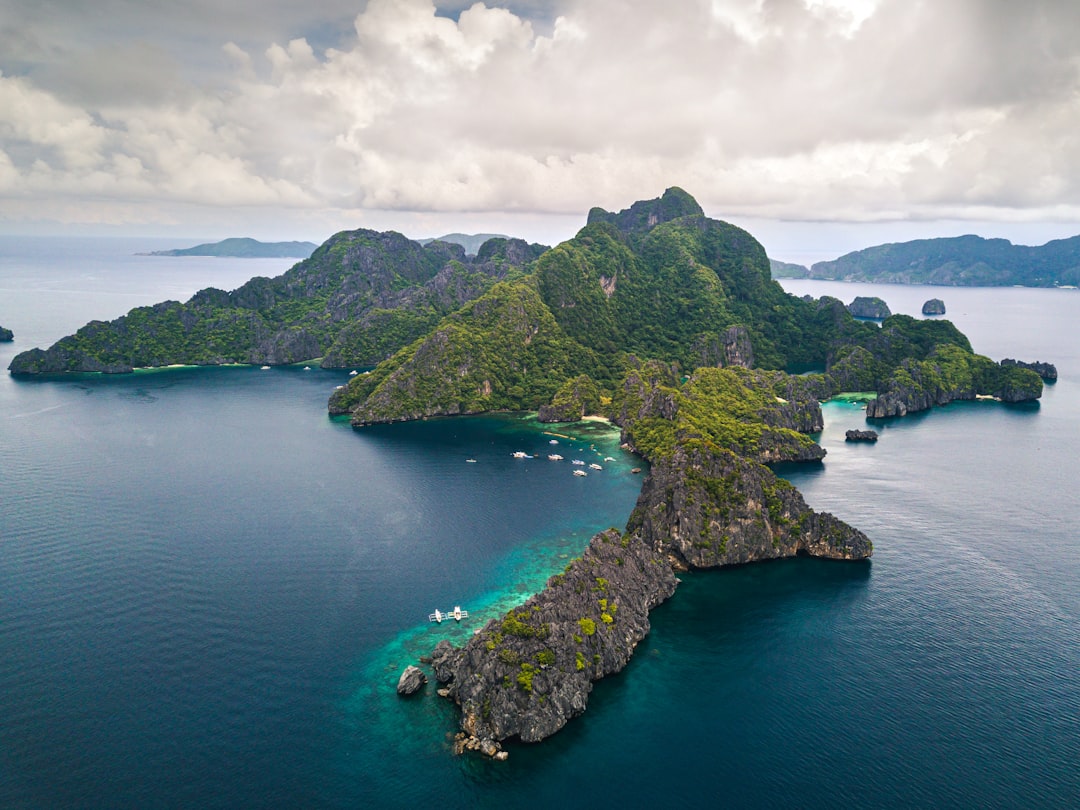
Last reviewed: August 2026 · key facts checked against Wikidata
Philippines Travel Guide: Everything You Need to Know (2026)
The Philippines is an archipelago of 7,641 islands scattered across the western Pacific Ocean, covering roughly 300,000 square kilometers and home to a population of 1,502,574 — wait, that figure reflects a specific administrative unit, but the national population exceeds 115 million across three main island groups: Luzon, Visayas, and Mindanao. First settled by Austronesian peoples over 30,000 years ago and colonized by Spain in 1565, the country offers one of Southeast Asia’s most diverse travel landscapes, from rice terraces carved 2,000 years ago to 35,000+ square kilometers of coral reef.
Top 3 Highlights at a Glance
- Chocolate Hills, Bohol — Over 1,200 perfectly cone-shaped hills turn chocolate-brown in dry season — a geological formation found nowhere else on Earth.
- Tubbataha Reef Natural Park — A UNESCO World Heritage reef accessible only April–June, hosting 600+ fish species in near-pristine open-ocean conditions.
- Banaue Rice Terraces, Ifugao — Hand-carved 2,000 years ago into Cordillera mountains at 1,500m altitude — the Philippines’ most jaw-dropping cultural landscape.
Scroll down for our complete travel guide with tips on getting there, where to stay, costs and more.
Getting There & Transport
Which airports are the best entry points to the Philippines?
Ninoy Aquino International Airport (MNL) in Manila is the dominant gateway, handling 90%+ of international arrivals. In my experience, Mactan-Cebu International Airport (CEB) is the smartest alternative — it saves you an entire travel day if your target is the Visayas or Mindanao. Clark International Airport (CRK), 65km north of Manila, is growing fast with budget carriers. My tip: fly into MNL for Luzon destinations, CEB for island-hopping south. Warning most guides skip — Terminal 1 and Terminal 3 at MNL are 2km apart and require separate security screening; missing a domestic connection there is a genuine risk. Budget 3 hours minimum for MNL connections.
How do I get from the airport to my first accommodation in the Philippines?
Skip the unmarked taxis at MNL arrivals — use Grab (the regional Uber) exclusively. In my experience, a Grab from MNL Terminal 3 to Makati CBD costs roughly ₱250–400 and takes 30–60 minutes outside rush hour, but 90–120 minutes during peak traffic (7–9am, 5–8pm). The NAIA Expressway (NLEx connector) has improved times slightly. At CEB, Grab from the airport to Cebu City IT Park runs about ₱200–300 for a 20-minute ride. Honest caveat: Manila traffic is among Asia’s worst — arriving Friday evening adds misery. My tip: book a hotel inside Makati or BGC on your first night to minimize ground transport stress.
What transport options are there within the Philippines?
Domestic flights are your primary inter-island tool — Cebu Pacific and AirAsia Philippines connect 50+ airports with fares starting at ₱500–1,500 booked early. For ground movement within Luzon, Victory Liner and Five Star buses reach Baguio in 5 hours from Manila for ₱500–700. The ferry network (2GO Travel, Oceanjet) links major Visayan islands — a Cebu–Dumaguete fast ferry costs ₱350–500 and takes 5 hours. Within cities, tricycles cost ₱10–30 per ride, jeepneys ₱13 minimum, and the Manila LRT/MRT system covers key corridors for ₱13–35. Warning: domestic flights frequently cancel or delay during typhoon season — always build buffer days.
Do I need a rental car in the Philippines?
For most tourists, no — domestic flights plus Grab eliminate the need. In my experience, a rental car only adds value in Northern Luzon (Cordillera region) or Southern Leyte, where public transport is genuinely sparse. Renting from Avis or Budget at MNL starts at ₱2,500–3,500 per day excluding insurance. Critical caveat: Philippine roads are driven on the right but road discipline is chaotic — lane markings are suggestions, not rules. International Driving Permits are legally required but rarely checked. If you do rent, stick to driving outside Metro Manila entirely; hiring a local driver for ₱1,500–2,500 per day is safer, cheaper, and removes navigation stress.
How good is the public transport network between regions in the Philippines?
It’s functional but fragmented — budget extra time on every leg. Between major hubs like Manila, Cebu, Davao, and Iloilo, domestic flights are reliable and cheap. Bus networks within Luzon are genuinely good: Philtranco reaches Legazpi (Bicol) in 10–12 hours for ₱800–1,100. The inter-island ferry system works but schedules shift seasonally. What surprised me: RORO (Roll-On Roll-Off) ferries connecting Batangas to Calapan (45 minutes, ₱180) make Mindoro accessible without flying. The weakest link is rural Mindanao, where provincial buses run on vague timetables. My tip: use Rome2rio.com to cross-reference ferry, bus, and flight options simultaneously before committing to any regional itinerary.
Accommodation
Which regions should I stay in when visiting the Philippines?
Your base depends entirely on your priority. Makati or BGC (Bonifacio Global City) in Metro Manila gives the best infrastructure, dining, and transport connections for first-timers. Cebu City serves as the Visayas hub — 90% of island-hopping to Malapascua, Moalboal, and Bohol departs from here. For beach focus, El Nido or Coron in Palawan are non-negotiable. Siargao Island is the surf and digital-nomad base. For culture and cooler climate, Vigan (a UNESCO colonial city) or Baguio at 1,500m altitude offer relief from coastal heat. My honest warning: spreading across all regions in one trip creates a logistics nightmare — choose one primary island group per visit.
What does good accommodation cost per night in the Philippines?
Good mid-range accommodation runs ₱2,500–5,000 per night in Manila and Cebu. In my experience, ₱4,000–6,000 gets you a solid 3-star hotel with AC, WiFi, and breakfast in Makati or Cebu IT Park. Palawan commands a premium — a decent beachfront room in El Nido town costs ₱3,500–7,000. Budget guesthouses in provincial towns start at ₱800–1,200. Luxury resorts like Amanpulo on Pamalican Island run ₱80,000+ per night — a different universe. The honest caveat: cheap rooms under ₱1,500 in tourist areas often mean paper-thin walls, erratic hot water, and unreliable WiFi. Spending ₱3,000–4,500 is the sweet spot for quality-to-price ratio.
When should I book hotels in the Philippines — how far in advance?
Book 3–6 months ahead for December–May travel, especially in Palawan and Siargao. In my experience, El Nido accommodations selling out 4–5 months in advance for the Christmas–Easter window is entirely normal. Manila and Cebu have enough inventory that 3–4 weeks is adequate outside peak season. For the Panagbenga Flower Festival in Baguio (February), book 6 months early — the city fills completely. Honest warning most guides omit: many small island guesthouses don’t list on Booking.com — Facebook Messenger is genuinely the booking method for 30% of beachfront places in the Visayas. My tip: book your first and last nights far in advance; leave middle nights flexible for spontaneous route changes.
When is the best time to travel to the Philippines?
November through April is the universally dry season — March is climatically the sweet spot, with the least rain and manageable crowds before the Holy Week rush. In my experience, January and February offer the best balance of dry weather and pre-peak pricing. The Philippines has a split personality climatically: the Pacific-facing eastern coast (Samar, Leyte, Eastern Samar) receives rain year-round, while the western Palawan coast has a tight dry window of December–May. What surprised me: Siargao’s surf season peaks during typhoon months (August–November), making it an exception to the standard advice. Avoid June–October for Luzon and the Visayas unless you’re chasing surf or serious budget savings.
How does peak season affect prices in the Philippines?
Peak season inflates accommodation costs by 40–100% in top destinations. In my experience, an El Nido resort room jumping from ₱4,000 to ₱8,000+ between October and December is standard practice. Domestic flights surge similarly — a Manila-Puerto Princesa fare that costs ₱800 in September can hit ₱3,500–5,000 in late December. The hidden cost most guides skip: island-hopping tours in Palawan during Holy Week (March–April) get so overcrowded that the experience itself degrades — 30+ boats at the same lagoon simultaneously. My tip: November is genuinely underrated — the dry season has just begun in the Visayas, prices haven’t spiked yet, and tourist volumes are a fraction of December–January.
Best Time to Visit
Which regions of the Philippines have different climate zones?
The Philippines has 4 official climate types (PAGASA classification). Type 1 (distinct dry/wet seasons, western Palawan, Ilocos) has the sharpest contrast. Type 2 (no dry season, heavy rain one period) covers the Pacific-facing east — Samar, eastern Mindanao, Aurora province — meaning they get rain even in January. Type 3 (no pronounced max rain period) covers central Visayas and parts of Mindanao. Type 4 (rain distributed year-round) includes much of eastern Luzon. Practical upshot: when Manila and Palawan are bone dry in February, Davao and Surigao on Mindanao receive normal rainfall. This makes the Philippines a year-round destination — you just need to chase the right coast for your timing.
What are the rainy seasons in the Philippines?
June through October is the official rainy season (Habagat/southwest monsoon) across Luzon and the Visayas. Typhoon season peaks August–October, with an average of 20 typhoons per year crossing Philippine territory. In my experience, a week’s itinerary can collapse overnight when a typhoon grounds all flights — it happened to me in Cebu in September. The northeast monsoon (Amihan, November–February) brings rain to the Pacific-facing eastern coasts while keeping western shores dry. Honest warning: typhoons are tracked 3–5 days in advance — monitor PAGASA (pagasa.dost.gov.ph) and Windy.com daily if traveling June–November. Always buy travel insurance covering typhoon-related cancellations — AXA or Allianz are reliable options with Philippine coverage.
What does a trip to the Philippines cost per person per day?
Budget travelers manage on ₱1,500–2,500/day ($26–44 USD) staying in dorms, eating local, and using public transport. A comfortable mid-range trip runs ₱4,000–7,000/day ($70–124 USD) covering a decent hotel, restaurant meals, and one guided activity. In my experience, ₱5,500/day is a realistic mid-range target in the Visayas including accommodation, 3 meals, Grab rides, and one island-hopping tour. Palawan adds a 25–40% premium. The hidden cost most budgets miss: inter-island flights accumulate fast — 4 domestic flights within a 10-day trip can add ₱8,000–20,000 alone. My tip: budget ₱3,000–5,000 separately as a pure transport fund and build your daily budget around that baseline.
How expensive is food in the Philippines?
Eating local is among Southeast Asia’s best bargains. A turo-turo (point-point) canteen meal costs ₱80–150 for rice plus two viands. A bowl of Lomi noodles or Sinigang at a local restaurant runs ₱120–200. In my experience, eating exclusively at carinderias (Filipino street diners) in Cebu or Iloilo keeps food costs under ₱400/day. Tourist-facing restaurants charge ₱350–700 per main course. A San Miguel beer costs ₱60–80 at a 7-Eleven, ₱120–180 at a beachfront bar. Honest caveat: Western breakfast sets at hotel restaurants are shockingly overpriced — ₱450–700 for eggs and toast you could replicate at Jollibee for ₱150. Street food like fish balls (₱10) and kwek-kwek (₱15) are safe and excellent.
What hidden costs should I expect when traveling the Philippines?
The terminal fees sting every traveler: domestic airport terminal fees of ₱200–550 per departure aren’t always included in budget airline fares — always check before celebrating a cheap fare. Environmental fees in Palawan run ₱200 (El Nido) and ₱300 (Coron) per tourist. Tricycle and habal-habal (motorbike taxi) drivers quote tourist rates — always ask the local price first or use Grab. Travel insurance is genuinely non-optional given typhoon risk — budget ₱1,500–3,500 for a 2-week policy. What surprised me most: underwater activity costs compound quickly — a single PADI dive in Tubbataha costs ₱2,500–4,000. My tip: carry ₱500 in small bills daily for tricycles, market purchases, and tips to avoid change-shortage games.
Budget & Costs
How much cash should I bring to the Philippines?
Carry ₱5,000–10,000 in cash as your arrival buffer before finding ATMs. In my experience, BDO and BPI ATMs are the most reliable nationwide and accept international Visa/Mastercard with a ₱200–250 withdrawal fee per transaction. The critical warning most guides omit: many island destinations (El Nido, Siargao, Batanes) have 1–2 ATMs that regularly run out of cash on weekends and holiday weekends. I always withdraw ₱15,000–20,000 before leaving any major city for a remote island. Daily cash needs for a mid-range traveler run ₱1,500–3,000. Bring some USD as backup — money changers in Ermita (Manila) and Colon Street (Cebu) offer competitive rates without bank fees.
Which credit cards are accepted in the Philippines?
Visa and Mastercard are accepted at hotels, malls, and tourist restaurants in Manila, Cebu, and Davao. In my experience, outside major cities and SM/Ayala malls, cash is king — 70% of transactions at markets, tricycles, small guesthouses, and street food stalls are cash-only. Amex acceptance is limited to luxury hotels and high-end restaurants. The hidden catch: many smaller hotels add a 2–3.5% credit card surcharge — ask before paying. GCash (the dominant mobile wallet) is increasingly accepted at mid-range restaurants and some tour operators — foreigners can now link GCash to a foreign Mastercard. My tip: use a Wise or Revolut card for ATM withdrawals to avoid double-conversion fees when pulling Philippine pesos.
Which regions of the Philippines must I not miss?
Palawan is non-negotiable — Puerto Princesa’s Underground River (UNESCO) and El Nido’s limestone lagoons are unlike anywhere in Asia. The Visayas triangle (Cebu–Bohol–Negros) packs the most diversity per square kilometer: whale sharks at Oslob, Chocolate Hills, Sumilon Island sandbar. Ilocos Norte in northern Luzon is the Philippines’ most underrated region — Vigan’s Spanish colonial street Calle Crisologo and the Bangui Wind Farm along the coast are stunning. In my experience, Siargao has transformed into one of Asia’s best surf-and-relax destinations. For those with 3+ weeks, Batanes Islands (4 hours by plane from Manila) offer stone-house villages and dramatic Pacific cliffs that feel like a different country entirely.
What are the tourist highlights of the Philippines?
The undeniable headline attractions: Puerto Princesa Subterranean River (one of the New 7 Wonders of Nature, navigable for 8.2km underground), Chocolate Hills in Bohol (1,268 hills across 50 sq km), and Mayon Volcano in Albay — the world’s most perfect cone at 2,463m elevation. Tubbataha Reef off Palawan is a UNESCO World Heritage dive site accessible only April–June. The Ifugao Rice Terraces above Banaue at 1,500m altitude have been farmed for 2,000 years. What surprised me: the Taal Volcano on Luzon — a volcano within a lake within a volcano — is one of the world’s most unusual geological formations and reachable from Manila in 2 hours. Each of these is genuinely world-class, not just regionally significant.
What experiences in the Philippines are found nowhere else on Earth?
Swimming with whale sharks at Donsol (Sorsogon) in a non-feeding, regulation-controlled environment — Donsol is ranked the world’s top ethical whale shark encounter site by WWF. Diving the Japanese WWII shipwrecks in Coron Bay, where 12 vessels sunk in 1944 now host coral gardens at 5–40m depth. Witnessing the Ati-Atihan Festival in Kalibo, Aklan (third week of January) — a visceral street festival predating Spanish colonization. Eating Kapampangan cuisine in Pampanga, considered the culinary capital of the Philippines with dishes like kare-kare and dinuguan found nowhere else in their authentic form. In my experience, island-hopping in Bacuit Bay, El Nido through emerald lagoons enclosed by 300m limestone karsts is a visual experience that photographs simply cannot replicate.
Regions & Highlights
Which areas of the Philippines are overcrowded — and what are the quieter alternatives?
El Nido’s Small Lagoon (Tour A) is genuinely overwhelming in peak season — 100+ boats daily in a space suited for 20. The alternative: Linapacan Islands between Coron and El Nido see a fraction of the traffic with equally stunning waters. Boracay’s White Beach has recovered from its 2018 closure but Station 1 gets wall-to-wall crowds in December–April — try Puka Shell Beach on the island’s north end instead. Oslob whale sharks are ethically compromised by feeding — go to Donsol (Sorsogon) instead for a genuine wild encounter. What surprised me: Siquijor Island in the Visayas gets overlooked despite having better beaches than most famous alternatives. My tip: any island requiring a second connecting flight has 60% fewer tourists than islands served directly from Cebu.
How many days do I need for the Philippines?
14 days is the minimum for a meaningful trip; 21 days lets you do it properly. In my experience, spending fewer than 10 days means spending 40% of your time in airports and transit. A focused 2-week itinerary works best by choosing one island group: either Luzon (Manila + Palawan + Batangas), or the Visayas (Cebu + Bohol + Siargao), rather than bouncing between all three. A single Palawan trip (El Nido + Coron + Puerto Princesa) needs 7–9 days alone. The honest warning: the Philippines rewards slow travel — rushing between islands every 2 days creates logistics anxiety and misses the entire point of the archipelago. My recommended minimum: 5 nights in one destination before moving.
Do I need a visa to visit the Philippines?
Citizens of 157 countries (including all EU nations, USA, UK, Australia, and Japan) receive a free 30-day visa-on-arrival. Extensions to 59 days cost ₱3,030 and are processed at any Bureau of Immigration office — Intramuros (Manila) is the main one. Extensions to 6 months total are possible with repeat visits to the BI. In my experience, the process at Intramuros takes 3–5 hours and feels antiquated — arrive at 8am when doors open. Critical caveat: you must show proof of onward travel (a booked return flight) at immigration — agents do check, and being turned away at the gate is a real risk if you’re doing a one-way booking. Chinese and Indian citizens require advance visas through a Philippine consulate.
What languages are spoken in the Philippines?
Filipino (Tagalog) and English are both official national languages — the Philippines has one of Asia’s highest English proficiency rates, ranking 2nd in Asia in the EF English Proficiency Index. In my experience, navigating any city, resort, or tourist destination in English is entirely seamless. However, the archipelago has 170+ regional languages — Cebuano (Bisaya) is actually spoken by more people than Tagalog in the Visayas and Mindanao. Ilocano dominates northern Luzon. The honest nuance: in remote rural areas and small fishing villages, English drops off sharply, and knowing 5 Tagalog phrases (Magkano? = How much? Salamat = Thank you) earns genuine warmth. Google Translate’s offline Filipino pack works adequately for written signage.
What cultural rules do I need to know before visiting the Philippines?
Mano Po (taking an elder’s hand to your forehead) shows respect — do it when greeting older family members if invited into a home. Filipinos rarely say no directly — ‘pwede pa’ (maybe) or silence often means no; push gently once, then accept. In my experience, removing shoes before entering homes is expected without being asked — look for the shoe pile at the door. Church dress codes are strict — knees and shoulders covered in all Catholic churches (the country is 86% Catholic). Public displays of frustration or anger cause extreme loss of face for both parties — disputes must be handled with a smile. What surprised me: pointing with the lips (lip-pointing) instead of a finger is completely normal and not rude — it took me three visits to stop being confused by it.
Practical Tips
How safe is the Philippines for travelers?
The Philippines is safe for tourists in the main destinations — Luzon, Visayas, and Palawan present no serious security concerns for standard travelers. The honest caveat most guides sanitize: Western and Central Mindanao (including Zamboanga, Marawi, Cotabato) carry genuine security risks and active travel advisories from the US, UK, and Australian governments — do not dismiss these. Davao City and Siargao (both technically Mindanao) are safe and popular, proving the threat is localized not regional. Petty theft in Manila’s Quiapo and parts of Divisoria is real — don’t display expensive cameras. In my experience, BGC (Taguig) and Makati in Manila feel safer than most European capitals at night. Use Grab exclusively over unmarked taxis to eliminate overcharging and route diversions.
What health precautions should I take before visiting the Philippines?
Get Hepatitis A, Hepatitis B, and Typhoid vaccines before traveling — standard for all Southeast Asia. Dengue fever is endemic year-round with no reliable vaccine for most adult travelers; use DEET 30%+ repellent daily especially at dawn and dusk. Malaria risk exists in Palawan (rural areas below 600m altitude) and remote parts of Mindanao — consult a travel doctor about prophylaxis at least 4 weeks before departure. In my experience, tap water is not safe to drink anywhere — drink bottled or filtered water exclusively (₱15–30 per 1.5L). The honest caveat: rabies is present in the Philippines — if bitten or scratched by a dog, cat, or monkey, seek immediate treatment at a city hospital. Medical facilities in Manila and Cebu (Makati Medical Center, Cebu Doctors’ Hospital) are excellent; rural clinics are limited.
What SIM card or eSIM options are available in the Philippines?
Globe and Smart are the two dominant networks — buy a SIM at the airport immediately upon arrival (available at Globe kiosks at MNL Terminal 3 for ₱40–50). In my experience, Globe’s Go90 plan (₱90 for 5GB + 1 day) or the GoSURF299 (₱299 for 8GB/30 days) give best value for short trips. Smart’s coverage is marginally better in remote northern Luzon and Mindanao rural areas. For eSIM, Airalo’s Philippines plan offers 1GB for $4.50 USD and activates instantly — ideal if you want data before landing. Honest warning: in the outer islands (Batanes, Tawi-Tawi, remote Palawan barangays), both networks drop to 2G or no signal — download offline maps via Maps.me or Google Maps offline before leaving any major hub.
Which apps do you recommend for traveling the Philippines?
Grab — non-negotiable for safe, metered transport in every major city. Airbnb and Booking.com for accommodation, but supplement with Agoda which has deeper Philippines-specific inventory. Rome2rio for cross-referencing inter-island transport options. Waze if you do drive — traffic-aware and locally maintained. PayMaya or GCash for cashless payments at convenience stores and some restaurants (GCash now allows foreign Mastercard linking). PAGASA app or Windy.com for typhoon tracking June–November. In my experience, iOverlander is underrated for finding reliable accommodation and fuel stops in remote areas. Zomato works in Metro Manila and Cebu for restaurant discovery. Download Google Maps offline tiles for Palawan, Bohol, and Siargao specifically — connectivity there is genuinely unreliable.
What are the most common traveller mistakes in the Philippines?
Underestimating travel time between islands destroys itineraries — the single most common mistake. A Cebu–El Nido journey involves a flight plus a van plus a boat and takes a full day minimum. Booking non-refundable domestic flights on budget carriers without factoring 1–2 typhoon buffer days in June–October wipes out savings instantly. In my experience, tourists who try to visit Palawan + Boracay + Siargao in 10 days spend more time in airports than on beaches. Eating exclusively at resort restaurants without venturing to local carinderias means overpaying by 300–500% for inferior food. What surprised me: many travelers skip northern Luzon entirely chasing beaches — the Cordillera mountains and Vigan colonial city are among the Philippines’ most extraordinary experiences and get a fraction of island tourist traffic. Finally, never leave Grabbing for busy Friday evenings near major transport hubs.
Philippines at a Glance
| Population | 112,729,484 |
|---|---|
| Currency | Philippine peso (₱) |
| Official language | Filipino, English, Taglish |
| Time zone | Philippine Standard Time |
Source: Wikidata, retrieved August 2026.
Essential Resources for Planning Your Trip to Philippines
- Department of Tourism – Philippines — official visitor information, passes & events
- Wikipedia: Philippines — history, geography & background
- Wikivoyage: Philippines — community travel guide & practical tips
- Philippines Travel 2026 – Lonely Planet | Asia — expert itineraries & travel inspiration
- THE 15 BEST Things to Do in The Philippines (2026) — hotels, restaurants & traveller reviews
- Department of Tourism – Philippines — how to get around
- Numbeo: Cost of Living in Philippines — current prices & cost comparison
- Timeanddate: Philippines Weather & Climate — forecasts & climate statistics
- (Proceedings)
More Perspectives on Philippines
- I am visiting the Philippines- what should i know before I go?
- 25 BEST Philippines Travel Tips: What You NEED To Know
- The Philippines: 2-Week Itinerary and Travel Guide
Philippines Travel Videos
Watch these videos for a visual preview before your trip:
- ILOILO CITY | Exploring the CLEANEST CITY in the Philippines | Travel Guide + Expenses
- Philippines Travel Guide 2026 4K
- How to see the Philippines in 10 Days – A Travel Itinerary
Philippines Travel Discussions on Reddit
Real traveller experiences and community advice:
- Philippines for first-timers – where to go, what to skip …
- r/PhilippinesTravel
- Thoughts on the Philippines? : r/travel
Data Sources
This page was compiled using data from Wikipedia, Wikidata, Open-Meteo (climate), Numbeo (cost of living) and REST Countries. Information is updated regularly.