
Ponta Delgada: The Complete Travel Guide (2026)
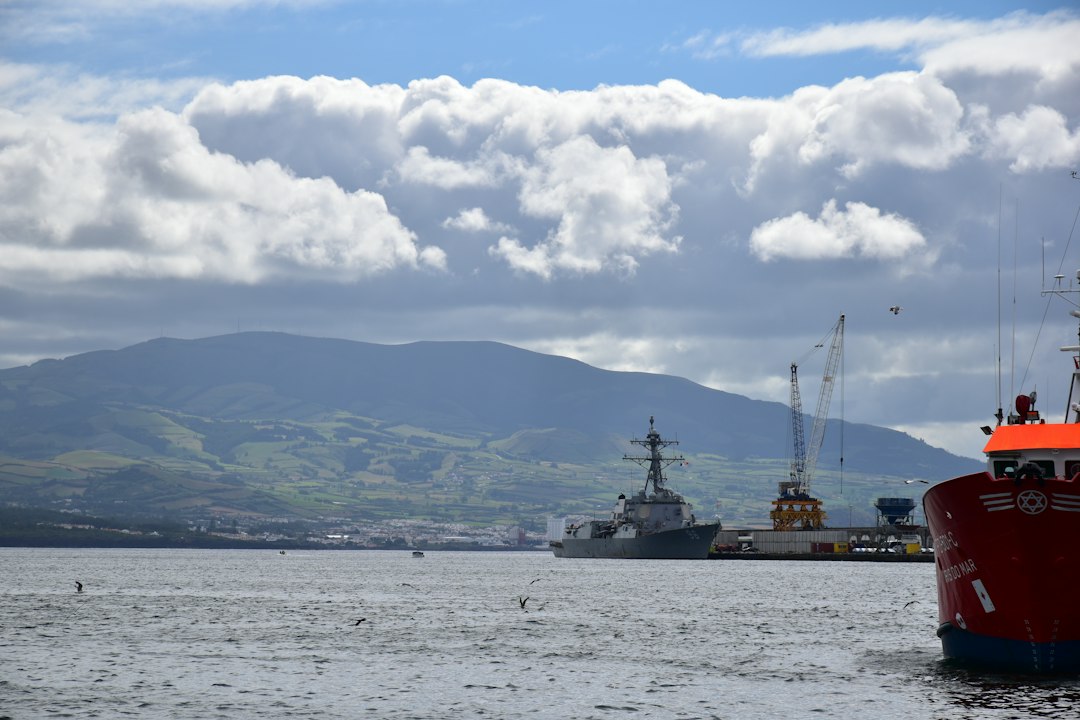
Last reviewed: September 2026 · key facts checked against Wikidata
Ponta Delgada Travel Guide: Everything You Need to Know (2026)
Ponta Delgada is the executive capital of the Azores, a Portuguese autonomous region sitting 1,500 km west of Lisbon in the Atlantic Ocean, with a municipal population of 68,809 spread across 232.99 square kilometres on São Miguel Island. Founded in the 15th century and elevated to city status in 1546, it serves as the archipelago’s main hub for international flights, government, and commerce. What surprises most visitors is how much genuine Azorean culture survives here despite being the region’s largest urban centre.
Three Things Not to Miss in Ponta Delgada
- Portas da Cidade — The iconic 18th-century baroque triumphal arch is Ponta Delgada’s most photographed landmark, framing the harbour perfectly.
- Sete Cidades Twin Lakes — A 40-minute drive delivers one of the world’s most dramatic calderas — two lakes of distinct colours inside a volcanic crater.
- Terra Nostra Garden, Furnas — A 200-year-old botanical garden with a thermal iron-rich pool you can swim in, unique to São Miguel Island.
Scroll down for our complete travel guide with tips on getting there, where to stay, costs and more.
Arriving in Ponta Delgada: Airport & Transfers
How do I get to Ponta Delgada?
Fly directly into João Paulo II Airport (PDL) — your only realistic option. In my experience, TAP Air Portugal from Lisbon takes 2 hours 15 minutes, and Ryanair now operates seasonal routes from London Stansted and several European cities, often for as little as €40–€80 one way if booked 3–4 months ahead. Transatlantic connections exist from Boston and Toronto via SATA/Azores Airlines, making this genuinely accessible from North America. My tip: avoid layovers in Lisbon during summer — delays cascade badly across the archipelago, and rebooking flights to the Azores is notoriously difficult compared to mainland Europe routes.
Which airport is closest to Ponta Delgada?
João Paulo II Airport (PDL) is the answer — it sits just 3 km from Ponta Delgada’s city centre, making it one of Portugal’s most conveniently located airports. In my experience, you can walk out arrivals and be at your hotel in under 15 minutes by taxi. The airport handles both domestic inter-island flights and international routes. What surprised me is how small the terminal feels given the volume of summer traffic — arrivals in July and August can feel chaotic, and luggage carousels back up badly. I recommend keeping carry-on only if you’re island-hopping via SATA inter-island connections.
How long does the journey from the airport to Ponta Delgada city centre take?
The journey takes under 10 minutes by taxi and costs roughly €7–€10. There is no dedicated airport bus, which catches many first-time visitors off guard. My tip: Uber operates in Ponta Delgada and is typically 20–30% cheaper than taxis — have the app ready before landing. The road from PDL airport into the Largo Manuel de Arriaga waterfront area is direct and flat. The honest caveat most guides omit: if you arrive on a summer weekend evening when cruise ships are also in port, the 3-km road into the centre can see unusual congestion and taxi queues stretch to 20-minute waits.
Do I need a car in Ponta Delgada?
For the city itself, no — the historic centre around Rua Marquês da Praia e Monforte is entirely walkable within 20 minutes end to end. But for São Miguel Island’s best experiences — Sete Cidades, Furnas, Nordeste — a rental car is essential. I recommend booking through Autatlantis or Ilha Verde Rent a Car, local companies that undercut multinationals by 30–40%. Expect to pay €35–€55 per day in July–August. The honest warning: island roads are narrow, often fog-covered at elevation, and Portuguese driving habits are aggressive on mountain bends. If you’re uncomfortable with winding highland roads, book a half-day jeep tour instead.
Getting Around Ponta Delgada
What are the best areas to stay in Ponta Delgada?
Stay in the Centro Histórico — the blocks between the waterfront Avenida Infante Dom Henrique and Igreja Matriz de São Sebastião. This puts whale-watching operators, the ferry terminal, and the best restaurants within a 10-minute walk. My tip: the streets immediately behind Portas da Cidade have charming guesthouses in restored Azorean townhouses at mid-range prices. Avoid booking in the Arrifes or Fajã de Baixo outer districts unless you have a rental car — they feel suburban and disconnected. What surprised me is how quiet even the central streets become by 10pm, making it genuinely restful compared to mainland Portuguese cities.
What does accommodation cost per night in Ponta Delgada?
Budget well: a solid mid-range hotel in the Centro Histórico runs €90–€140 per night in peak season (July–September). I recommend Solar de São João or similar boutique guesthouses for €80–€110, which deliver far more character than chain hotels. The Grand Hotel Açores Atlântico on the waterfront sits at €150–€220 and is worth it for harbour-view rooms. The honest caveat: Ponta Delgada’s accommodation market is undersized for summer demand, so prices spike sharply — the same room that costs €75 in November can hit €160 in August. Budget travellers should target hostels near Rua de São João at €25–€35 per dorm bed.
How far in advance should I book accommodation in Ponta Delgada during high season?
Book at least 3 months ahead for July and August — this is non-negotiable. In my experience, quality mid-range rooms in the Centro Histórico sell out by April for peak summer weeks, particularly around the Festas do Senhor Santo Cristo dos Milagres in May, which draws pilgrims and tourists island-wide. What most guides omit: the Semana Cultural dos Açores festival in June also fills the city fast. For September and October — my preferred travel window — 6 weeks ahead is sufficient. Outside summer, same-week bookings are entirely possible, and you’ll find prices 30–50% lower with genuine availability.
What special accommodation types exist in Ponta Delgada?
The most distinctive option is staying in a Casas Açorianas — restored traditional stone townhouses converted into holiday rentals, typically featuring black basalt facades and azulejo tile interiors. Several operate around Rua da Misericórdia and offer self-catering with authentic local character for €70–€100 per night. I also recommend considering rural tourism quintas just outside the city in Pico da Pedra or Rabo de Peixe — working farms where you breakfast on local cheese and chouriço for €60–€90. The honest caveat: these rural options genuinely require a rental car and lack the convenience of the waterfront hotel strip.
Where to Stay in Ponta Delgada
What are the must-sees in Ponta Delgada?
Three experiences are non-negotiable. First, Portas da Cidade and the adjacent Igreja de São Sebastião — the 18th-century baroque gateway and church that define the city’s skyline. Second, a whale-watching trip departing from Marina de Ponta Delgada — São Miguel sits on one of the world’s richest cetacean corridors, with sperm whales present year-round and blue whales passing April through June. Book with Futurismo for the most reliable operation at €65 per adult. Third, the Mercado da Graça — the city’s covered market where local farmers sell chouriça de ossos, queijo São Jorge, and ananás dos Açores (local pineapple) that you cannot find this fresh anywhere else.
What can I experience for free in Ponta Delgada?
More than most Atlantic island capitals offer. The Jardim António Borges — a 19th-century romantic garden with grottos and exotic trees — is free and bizarrely overlooked by tourists. Walking the Avenida Infante Dom Henrique waterfront at sunrise costs nothing and delivers the city at its most photogenic. The Igreja do Colégio (Jesuit church on Largo da Matriz) is free to enter and architecturally outstanding. My honest caveat: Ponta Delgada’s free offerings are concentrated in a small radius — for the island’s genuinely jaw-dropping landscapes like Sete Cidades or Caldeira das Furnas, you will need to spend money on transport or a tour. The free stuff alone does not justify more than a half-day.
Which day trips from Ponta Delgada are possible?
Furnas Valley is the essential day trip — 40 km east, roughly 50 minutes by car, featuring geothermal fumaroles, the Lagoa das Furnas, and the extraordinary Terra Nostra Park with its thermal swimming pool (entry €10). Sete Cidades is 20 km west and offers the twin-crater lakes hike — the Vista do Rei viewpoint alone justifies the drive. For something less visited, Nordeste at the island’s northeastern tip takes 1 hour 15 minutes but rewards with dramatic sea cliffs and zero tourist crowds. What most guides omit: the road to Sete Cidades regularly closes in thick fog between November and March, ruining day trips planned without weather-checking.
What local specialities should I try in Ponta Delgada?
Start with caldo de peixe — a robust Azorean fish stew served at Tasca do Lagoa on Rua do Canal for around €9 a bowl. The alcatra (beef stew braised in wine and spices, technically from Terceira Island but served island-wide) is outstanding. Ananás dos Açores — the locally grown pineapple cultivated in Fajã de Baixo greenhouses — is unlike anything sold on the mainland: smaller, sweeter, almost floral. Try it fresh at Mercado da Graça for €3–€4 per fruit. The honest caveat: restaurant quality varies wildly in Ponta Delgada — tourist-facing places around the marina are overpriced; walk two blocks inland for the same food at half the price.
Ponta Delgada Highlights & Must-Sees
What makes Ponta Delgada unique compared to other Portuguese cities?
Three things that genuinely exist nowhere else in Portugal. First, year-round whale watching — the deep Atlantic trench just offshore means sperm whales live here permanently, not seasonally. Second, the geothermal landscape is 40 minutes from a functioning city: you can eat lunch in a restaurant and swim in a volcanic crater lake before dinner. Third, the Azorean food identity — queijo do Pico, manteiga dos Açores, and the greenhouse pineapple are products of this specific Mid-Atlantic microclimate and legal designation. What surprised me most is how un-touristy the city still feels in its daily rhythms — locals shop at Mercado da Graça, not supermarkets, and café culture remains genuinely local rather than performative.
How many days should I spend in Ponta Delgada?
Use Ponta Delgada as a 5–7 day base for São Miguel Island, not as a standalone city destination. The city itself is satisfying for 1 full day — the historic centre, waterfront, and market can be covered thoroughly. Days 2–3: Furnas and Nordeste on a full loop. Day 4: Sete Cidades and the western coast. Day 5–6: whale watching plus a relaxed afternoon at Piscinas Naturais in Mosteiros. If you have fewer than 4 days total, I’d still choose Ponta Delgada as your only base and do focused day trips. The honest caveat: 2-day visitors consistently feel they’ve barely scratched São Miguel — the island demands more time than its small size suggests.
When is the best time to visit Ponta Delgada?
July through October is optimal based on verified climate data. My personal recommendation is September — crowds thin noticeably after mid-August, prices drop by 20–30%, sea temperatures peak around 22°C for swimming, and the landscape turns dramatically lush after summer rain. July and August are peak whale-watching months for multiple species simultaneously. Avoid January–March for outdoor activities: the island sees persistent rain, fog closes mountain roads regularly, and many boat tours suspend operations. The honest caveat most guides omit: the Azores micro-climate means you can experience 4 seasons in one day year-round — always pack a waterproof layer regardless of month.
Are there local festivals in Ponta Delgada worth attending?
Festas do Senhor Santo Cristo dos Milagres in May is the most important — a 5-day Catholic festival that transforms Ponta Delgada with processions, street food, and live music around Igreja de Nossa Senhora da Esperança. It draws over 100,000 attendees island-wide and is the Azores’ largest annual celebration. In my experience, booking accommodation 4–5 months ahead for this week is essential. Semana Cultural dos Açores in June brings free concerts to the waterfront promenade nightly. The honest caveat: Santo Cristo week means the city is genuinely packed, taxi availability collapses, and restaurant waits stretch to 90 minutes — beautiful but logistically challenging for first-time visitors.
Eating & Drinking in Ponta Delgada
How does the weather in Ponta Delgada affect activities?
Weather dictates everything on São Miguel, more than most Atlantic destinations. The Azores sit on the boundary of Atlantic weather systems, meaning Sete Cidades can be crystal clear when Furnas is fogged in — literally within the same hour. My firm rule: check the IPMA Azores forecast the night before any day trip and have a backup plan. Whale watching cancellations run at roughly 15–20% of departures between November and February due to sea state. What surprised me: August can see fog on the island’s interior highlands even during the driest month — the crater lakes at Sete Cidades disappear entirely into cloud by mid-morning on humid days, so aim for an 8am start for the best views.
How crowded does Ponta Delgada get in peak season?
July and August bring genuine overcrowding at key viewpoints and whale-watching queues. The Vista do Rei overlook at Sete Cidades sees tour bus convoys arriving between 10am and 2pm — go at 7am or after 4pm to have it to yourself. The Marina area in Ponta Delgada fills with cruise ship passengers on port days, which can mean 2,000–3,000 extra people flooding the historic centre for 6 hours. In my experience, the city handles this reasonably well except at the Mercado da Graça, where crowds make shopping unpleasant. The honest caveat: despite growth, Ponta Delgada remains far less overwhelmed than Madeira’s Funchal or mainland Algarve resorts at equivalent dates.
How safe is Ponta Delgada?
Ponta Delgada is genuinely one of Portugal’s safest cities — petty crime is rare, and violent crime is almost unheard of. In my experience, walking alone at midnight around Largo Manuel de Arriaga feels completely relaxed. The main honest caveat: road safety is a real concern — local drivers are fast on narrow island roads, and rental car accidents involving tourists are disproportionately common, particularly on the EN1-1A road toward Furnas after dark. Keep headlights on in mountain tunnels and watch for cattle on rural roads. The hospital in Ponta Delgada (Hospital do Divino Espírito Santo) provides solid emergency care, but specialist treatment for serious incidents requires evacuation to Lisbon.
Is English widely spoken in Ponta Delgada?
Yes, better than most provincial Portuguese cities — primarily because of strong historical ties with the Azorean-American diaspora in New Bedford and Fall River, Massachusetts. Hotel staff, tour operators, and most restaurants in the Centro Histórico speak functional to excellent English. My tip: at Mercado da Graça and in local neighbourhood cafés, Portuguese is expected — carrying Google Translate offline is useful for ordering from handwritten daily menus. The honest caveat: outside Ponta Delgada in villages like Mosteiros or Nordeste, English proficiency drops sharply, and older residents may speak only Portuguese or a distinctive Azorean dialect that even mainland Portuguese speakers find challenging.
Practical Tips for Ponta Delgada
What is the daily budget for visiting Ponta Delgada?
Budget realistically: €80–€100 per person per day covers a mid-range guesthouse, 2 sit-down meals, entry to 1 attraction, and local transport. A tight backpacker budget runs €45–€55 using hostels and supermarket lunches. A comfortable traveller spending on whale watching (€65), a rental car (€40–€55), and a decent dinner will hit €130–€160 easily on active days. What most guides omit: whale-watching and car hire days blow any budget significantly — plan your weekly spend around those fixed costs first, then fill remaining days with free hiking and market meals. Food and coffee remain genuinely cheaper than mainland Lisbon — an espresso costs €0.80 in any local café.
How does public transport work in Ponta Delgada?
Within the city, Rede de Transportes Interurbanos (R.T.I.) buses cover the main corridors for €1.50–€2 per journey. The city centre is compact enough that buses are rarely necessary for sightseeing. For island-wide travel, the bus network is honest about its limitations: Furnas has 2 daily departures from Rodoviária de Ponta Delgada, taking 1 hour 20 minutes and costing €4. Sete Cidades is similarly served but with even fewer departures. My firm recommendation: public transport works adequately for Furnas as a day trip if you time it carefully, but for any flexibility — including spontaneous stops at viewpoints — a rental car is irreplaceable. Ride-hailing via Uber fills urban gaps effectively.
Which apps do you recommend for visiting Ponta Delgada?
Five apps I actively used: Uber for city transport (far more reliable than flagging taxis); IPMA (Portugal’s official meteorology app — essential for the Azores’ volatile weather forecasting); Komoot for hiking route navigation on trails like Sete Cidades Lagoon Circuit; Tripadvisor filtered to local restaurants, not the marina strip; and Google Translate with Portuguese downloaded offline for market interactions. My tip: download offline maps via Maps.me or Google Maps before leaving the city — mobile coverage drops in volcanic highland areas near Caldeira do Vulcão and parts of Nordeste. The Visit Azores official app has event listings but is slow — treat it as a secondary reference only.
Ponta Delgada at a Glance
| Population | 68,809 |
|---|---|
| Currency | EUR (€) |
| Official language | Portuguese |
| Time zone | UTC±00:00 |
Source: Wikidata, retrieved September 2026.
Portugal › Ponta Delgada
More Destinations in Portugal
Essential Resources for Planning Your Trip to Ponta Delgada
- Travel and tourism services — official visitor information, passes & events
- Wikipedia: Ponta Delgada — history, geography & background
- Wikivoyage: Ponta Delgada — community travel guide & practical tips
- Why São Miguel is the perfect island for discovering … — expert itineraries & travel inspiration
- Ponta Delgada, Portugal: All You Must Know Before … — hotels, restaurants & traveller reviews
- Getting to city from Ponta Delgada airport? — how to get around
- Numbeo: Cost of Living in Ponta Delgada — current prices & cost comparison
- Timeanddate: Ponta Delgada Weather & Climate — forecasts & climate statistics
More Perspectives on Ponta Delgada
- Insider’s Guide to Ponta Delgada – Sao Miguel’s Capital
- Things to Do in Ponta Delgada (Sao Miguel, Azores)
- Is Ponta Delgada Worth Visiting? Here’s When It Is (and …
Ponta Delgada Travel Videos
Watch these videos for a visual preview before your trip:
- Ponta Delgada Portugal: 8 BEST Things To Do In 2025 (Travel Guide)
- Sao Miguel Azores Travel Guide: 14 BEST Things To Do In São Miguel, Portugal (Ponta Delgada)
- The Ultimate Azores Travel Guide 2025
Ponta Delgada Travel Discussions on Reddit
Real traveller experiences and community advice:
- Spending 4 days in the city of Ponta Delgada. What is there …
- Sao Miguel/Ponta Delgada Recommendations : r/azores
- Travelling to Ponta Delgada as a Solo female traveler
Data Sources
This page was compiled using data from Wikipedia, Wikidata, Open-Meteo (climate), Numbeo (cost of living) and REST Countries. Information is updated regularly.