
Agadir: The Complete Travel Guide (2026)
Last reviewed: September 2026 · key facts checked against Wikidata
Agadir Travel Guide: Everything You Need to Know (2026)
Agadir is Morocco’s premier Atlantic beach city, home to 538,000 residents and sitting at just 74 metres above sea level on the Souss-Massa coastline, roughly 509 km south of Casablanca. Rebuilt entirely after a catastrophic 1960 earthquake that killed 15,000 people, it is unlike any other Moroccan medina city — wide boulevards, modern hotels, and a 10 km beach define its character. The Souss River meets the Atlantic right at its doorstep, making the surrounding national park one of Morocco’s richest birdwatching corridors.
Three Things Not to Miss in Agadir
- Agadir Beach (Plage d’Agadir) — A 10 km uninterrupted Atlantic strand with lifeguards, consistent surf, and golden sand — Morocco’s best urban beach.
- Agadir Oufella Ruins — The hilltop kasbah ruins at 236 m offer a panoramic view of the entire bay and coastline.
- Souk El Had — One of Morocco’s largest permanent markets with over 6,000 stalls selling spices, argan oil, and fresh produce.
Scroll down for our complete travel guide with tips on getting there, where to stay, costs and more.
Arriving in Agadir: Airport & Transfers
How do I get to Agadir — by plane, train, or bus?
Fly directly into Al Massira Airport (AGA), the only practical gateway. In my experience, flying is the only sensible option for most international visitors — trains do not reach Agadir at all, and the bus from Casablanca takes 9–10 hours. Ryanair, easyJet, and Royal Air Maroc operate direct flights from major European hubs, with off-peak fares from around DH 500–800 each way. The honest caveat most guides skip: charter flight schedules from northern Europe dominate winter, so independent travellers may find limited non-stop options in summer without paying a premium.
Which airport serves Agadir and how close is it?
Al Massira Airport (AGA) is the gateway — it sits 25 km east of the city centre. My tip: the airport is modern and immigration queues move faster than Marrakech or Casablanca, typically 20–30 minutes on arrival. A taxi to the city costs a fixed DH 200–250 — always agree on the price before you get in. What surprised me: there is a bus (Line 22) that runs for only DH 6, but departures are infrequent and the journey takes over an hour, making it impractical with luggage.
How long does the journey from the airport to central Agadir take?
By taxi, the drive from Al Massira Airport to the Talborjt or beachfront hotel strip takes 25–35 minutes in normal traffic. I recommend booking a petit taxi directly from the official rank outside arrivals — the fixed zone fare is DH 200–250. Grand taxis (shared) are cheaper at around DH 50 per seat but require waiting for a full car. The caveat: Friday afternoon and Sunday evening traffic near Avenue Hassan II can add 15–20 minutes during peak hours, so plan your transfer accordingly.
Do I need a rental car in Agadir?
For the city itself, no — but for the wider region, absolutely yes. In my experience, Agadir’s beachfront, marina, and Souk El Had are all walkable or reachable by cheap petit taxis at DH 7–15 per trip. However, to reach Souss-Massa National Park (45 km south), the Paradise Valley gorge (60 km northeast), or Tiznit (90 km south), a rental car transforms your trip. Rates start at DH 200–300 per day from local agencies near the marina. The honest warning: Moroccan roads outside the city have no lighting, and driving at night in rural areas is genuinely risky — plan day trips only.
Getting Around Agadir
What are the best areas to stay in Agadir?
Stay on or directly behind the beachfront boulevard, Avenue Mohammed V, for the best access to the 10 km beach. The Talborjt neighbourhood is slightly inland and 20–30% cheaper while remaining walkable. I recommend avoiding Inezgane, the gritty working-class suburb 10 km south — it is confusingly listed as ‘Agadir’ on some booking platforms but has no beach access. For families, the northern end near Secteur Touristique concentrates pool hotels and is pedestrian-friendly. My tip: the marina district has newer restaurants and a pleasant promenade, making it ideal for couples.
What does accommodation cost per night in Agadir?
Budget guesthouses in Talborjt start at DH 150–250 per night. A solid mid-range hotel on the beachfront — think Riu Tikida Beach or similar — runs DH 700–1,200. Five-star all-inclusive resorts along Avenue Mohammed V climb to DH 2,500–4,500, particularly in winter when northern Europeans flood the city. In my experience, Agadir offers Morocco’s best value beach-hotel ratio compared to Essaouira or Marrakech. The caveat most booking sites omit: many cheaper hotels quote room-only rates, but breakfast adds DH 80–120 per person — always check inclusions before booking.
How far in advance should I book accommodation in Agadir during high season?
Book at least 8–12 weeks ahead for December through February — this is Agadir’s European winter-sun peak, and beachfront hotels sell out fast. In my experience, the fortnight around Christmas and New Year is the single tightest window, with some resorts fully committed to tour operators by October. Shoulder months like April and October give you 3–4 weeks of booking lead time comfortably. My tip: booking directly with hotels often unlocks a 10–15% discount over third-party platforms, and several marina hotels offer free airport transfers for direct bookers — always call and ask.
Are there special or unusual accommodation types in Agadir?
Agadir is less medina-riad and more resort-hotel in character, but a few standouts exist. Riads in the Talborjt quarter offer a more authentic Moroccan feel at DH 300–500 per night — far cheaper than Marrakech equivalents. The Kasbah Tamadot style eco-lodges appear in the nearby Atlas foothills within a 90-minute drive. What surprised me: Agadir has a growing stock of beachfront apartment rentals through local agencies — a 2-bedroom flat sleeping 4 near the marina can cost DH 600–900 per night, making it genuinely good value for families compared to two hotel rooms.
Where to Stay in Agadir
What are the absolute must-sees in Agadir?
Three experiences are non-negotiable. First, walk the entire 10 km Agadir beach at least once at sunset — the light on the bay is extraordinary. Second, climb to the Oufella Kasbah ruins at 236 m for a panoramic view that contextualises the whole rebuilt city. Third, dedicate a half-day to Souk El Had, Morocco’s largest fixed market with over 6,000 stalls — arrive before 10:00 to avoid the heat and the tour groups. My honest caveat: unlike Fès or Marrakech, Agadir has no historic medina — the 1960 earthquake erased it — so expectations of labyrinthine old quarters will go unmet.
What can I experience for free in Agadir?
Quite a lot, actually. The beach itself is entirely free — no lounger fees unless you use a private hotel section. The corniche promenade stretching from the marina north past the surf schools costs nothing and is one of Morocco’s best oceanfront walks. Oufella Kasbah has no entry fee — just a steep 20-minute walk or a DH 40 taxi ride to the top. The fishing harbour (Port de Pêche) is free to wander at dawn when the trawlers unload. What surprised me: the new Agadir Crocoparc botanical gardens cost DH 100, but the surrounding argan forest trails are completely free to explore.
Which day trips from Agadir are most worthwhile?
Paradise Valley (60 km northeast) is my top pick — a stunning palm-lined gorge with natural pools where you can swim; hire a taxi for around DH 300 return. Taroudant (80 km east) is called ‘little Marrakech’ and has a superb intact 16th-century medina without the crowds — reachable by grand taxi for DH 40 per seat. Souss-Massa National Park (45 km south) is essential for birdwatchers — northern bald ibis nest here, one of the rarest birds on Earth. The honest warning: Marrakech day trips (240 km) are sold everywhere but leave you exhausted — I’d only do it if you’re extending your trip there.
What are Agadir’s local food specialities?
In my experience, Agadir’s standout dish is fresh grilled fish and seafood — the fishing harbour lands massive Atlantic catches daily. Order grilled dorade or sole at the port-side fish restaurants for as little as DH 50–80 per plate. Argan oil from the surrounding Souss valley is world-class — use it on bread or in amlou, a paste of almonds, honey, and argan that is unique to this region. Mrouzia tagine (lamb with honey and almonds) reflects Berber Amazigh heritage. My tip: the Talborjt neighbourhood has local hole-in-the-wall restaurants serving a full harira soup and bread for DH 15 — skip the tourist menus near the beach.
Agadir Highlights & Must-Sees
What makes Agadir unique compared to other Moroccan cities?
Agadir is the only major Moroccan city with a purpose-built Atlantic beach resort infrastructure — no historic medina, no labyrinthine souks, no minarets dominating the skyline. It was rebuilt from zero after the 1960 earthquake and designed for modern living. This makes it more accessible and less disorienting for first-time Morocco visitors while still sitting at the gateway to genuine Amazigh Berber culture. What surprised me: Agadir is the argan oil capital of the world — the surrounding UNESCO-listed argan forest covers over 800,000 hectares and produces 80% of global supply. No other city on Earth sits inside that landscape.
How many days do I need to properly explore Agadir?
3 days covers the city comfortably; 5 days lets you add two quality day trips. I recommend: Day 1 — beach, corniche, marina; Day 2 — Oufella ruins morning, Souk El Had afternoon; Day 3 — Paradise Valley or Souss-Massa National Park. If you have 5 days, add Taroudant on Day 4 and a surf lesson or hammam on Day 5. The honest caveat: Agadir has less urban sightseeing density than Marrakech or Fès — after 4 days without day trips, most culturally curious travellers start feeling restless. It rewards beach lovers and active travellers far more than pure history enthusiasts.
When is the best time to visit Agadir?
Based on climate data, March through June and September through November are the optimal windows. In my experience, April and October are the sweet spots — temperatures sit around 22–26°C, the Atlantic is swimmable, and European package-holiday crowds are thinner. December through February brings reliable sunshine at 18–22°C, which is why northern Europeans dominate — but hotel prices spike 30–40%. July and August are hot and very crowded, with the beach packed by Moroccan domestic tourists from Casablanca and Marrakech. My tip: mid-May specifically offers warm sea temperatures, low humidity, and accommodation rates 20% below peak winter prices.
Are there local festivals in Agadir worth attending?
Timitar Festival is Agadir’s signature event — a massive world music and Amazigh cultural festival held every July (typically 4 days) drawing over 300,000 attendees across free outdoor stages. It is one of North Africa’s most important music events and largely unknown to European tourists. Moussem of Sidi Ahmed ou Moussa in nearby Tafraout (160 km) celebrates Amazigh acrobatic tradition each January — genuinely extraordinary. The honest caveat: Ramadan timing shifts annually — during Ramadan, restaurant hours shorten and daytime food options for non-fasting visitors are limited mostly to tourist hotels, so check the calendar before booking.
Eating & Drinking in Agadir
How does Agadir’s weather affect what I can actually do there?
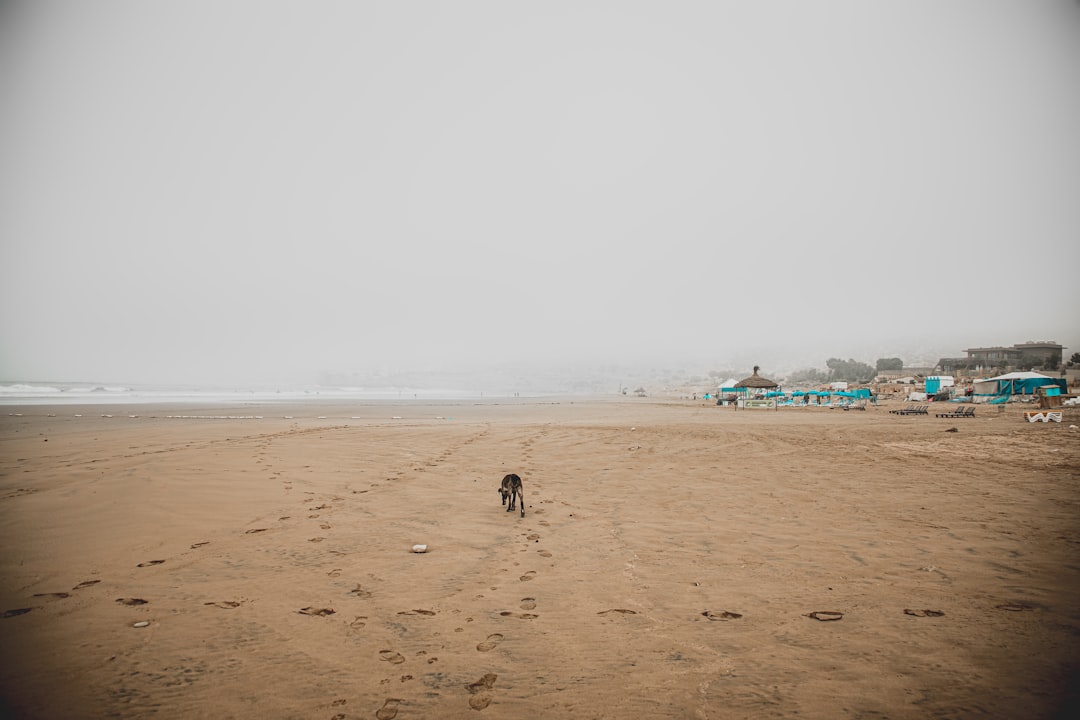
Agadir’s Atlantic location means wind is a constant factor — the bay funnels northerly swells that make it excellent for surfing year-round but can make beach days choppy from November to February. In my experience, morning hours (08:00–12:00) are almost always calmer than afternoons regardless of month. Summer heat rarely exceeds 30°C due to the ocean breeze, unlike inland Marrakech. The honest warning: fog and low cloud (‘morning grey’) occurs regularly from June to August — Agadir can look overcast until noon before clearing to full sun, which alarms visitors who expected constant blue skies but is perfectly normal for this Atlantic coast microclimate.
How crowded does Agadir get in peak season?
December through February is the European package-holiday peak — the beach boulevard and marina are noticeably busy, and restaurants near Avenue du Prince Moulay Abdallah fill by 19:30. August is the domestic Moroccan peak — families from Casablanca, Marrakech, and Rabat arrive in force, and the beach becomes genuinely packed between 10:00 and 17:00. In my experience, the crowds in Agadir are still lighter and more spread out than Marrakech’s medina at peak times. My tip: walk 2 km north of the main hotel cluster toward Cap Ghir direction and the beach thins out dramatically even in August — most tourists cluster near their hotel access points.
How safe is Agadir for tourists?
Agadir is Morocco’s safest city for tourists by most measures — petty crime is low compared to Marrakech or Casablanca. In my experience, the beach, marina, and Secteur Touristique feel genuinely relaxed at night. The honest warning most guides skip: false guides and aggressive touts operate near Souk El Had and around the marina — they will claim the souk is closed or your hotel has changed and offer to ‘help’. Simply ignore them and keep walking. Solo female travellers report Agadir as one of Morocco’s more comfortable cities, though the bus station area and Inezgane suburb after dark deserve standard urban caution.
Is English widely spoken in Agadir?
In the tourist zone, yes — English is the third working language after Arabic and French in hotels, restaurants, and tour agencies. In my experience, staff at any beachfront hotel or marina restaurant will handle English without difficulty. Outside the tourist belt — in Talborjt, local markets, or suburban areas — French is far more useful than English, and a handful of Arabic or Amazigh Tamazight phrases earns immediate goodwill. My tip: download Google Translate with Arabic offline before you arrive — menus and street signs outside tourist areas are Arabic-only, and the ability to photograph text and translate it instantly saves significant frustration.
Practical Tips for Agadir
What does a daily budget look like in Agadir?
Budget travellers staying in Talborjt guesthouses can manage on DH 300–400 per day including accommodation, local meals, and petit taxis. A comfortable mid-range day — beachfront hotel, two restaurant meals, one activity — runs DH 900–1,400. Verified Numbeo data puts a cheap meal at approximately DH 54 (around $5.37) and local transport at around DH 5 ($0.50) per trip. The hidden cost most visitors underestimate: day trip taxis to Paradise Valley or Taroudant add DH 250–400 per excursion. My tip: buying fruit, bread, and olives from Souk El Had and eating lunch at the port drops your food spend to under DH 80 per day without sacrificing quality.
How does public transport work within Agadir?
Petit taxis (small beige city cabs) are the backbone of urban transport — metered fares run DH 7–20 for most in-city journeys. In my experience, they are reliable, cheap, and drivers are generally honest about using the meter in Agadir compared to other Moroccan cities. City bus Line 22 connects the airport to the centre and costs only DH 6, but runs infrequently. Grand taxis (shared long-distance Mercedes) depart from the Inezgane bus hub for regional destinations. The honest caveat: there is no city metro or tram system, and buses have no English signage or real-time tracking — for anything beyond your immediate neighbourhood, a petit taxi at DH 15 is the practical answer.
Which apps do you recommend for getting around and exploring Agadir?
I recommend four specifically. Google Maps works well for Agadir’s grid-layout streets and gives walking distances accurately — download the offline map before arrival. inDrive operates in Agadir and lets you negotiate taxi fares directly with drivers via the app, bypassing meter disputes entirely. Booking.com has the widest inventory of Agadir’s mid-range hotels. Google Translate with Arabic camera mode is indispensable outside the tourist zone. The honest warning: Uber does not operate in Morocco — do not waste time looking for it. Careem had limited Agadir presence as of 2025, so inDrive is the practical ride-hailing backup when street taxis are scarce at night.
Agadir at a Glance
| Population | 538,000 |
|---|---|
| Currency | Moroccan dirham (DH) |
| Official language | Arabic |
| Time zone | UTC+01:00 |
Source: Wikidata, retrieved September 2026.
Morocco › Agadir
More Destinations in Atlantic Coast
More Destinations in Morocco
Essential Resources for Planning Your Trip to Agadir
- Travel info – Getting around Morocco — official visitor information, passes & events
- Wikipedia: Agadir — history, geography & background
- Wikivoyage: Agadir — community travel guide & practical tips
- Agadir travel – Morocco — expert itineraries & travel inspiration
- THE 15 BEST Things to Do in Agadir (2026) — hotels, restaurants & traveller reviews
- Travel info – Getting around Morocco — how to get around
- Numbeo: Cost of Living in Agadir — current prices & cost comparison
- Timeanddate: Agadir Weather & Climate — forecasts & climate statistics
More Perspectives on Agadir
- Best things to do in Agadir, Morocco (+ map & travel tips)
- Is Agadir Worth Visiting? Honest Travel Review + Local Tips
- Agadir Travel Guide | What to do in Agadir
Agadir Travel Videos
Watch these videos for a visual preview before your trip:
- 5 Things You NEED to Know Before Visiting Agadir (Morocco 2026)
- TOP 10 Things To Do In AGADIR 🌊 Agadir Travel Guide
- Complete Guide to Agadir-Morocco
Agadir Travel Discussions on Reddit
Real traveller experiences and community advice:
- Agadir: what to expect? : r/travel
- Looking for itinerary advice for Agadir area, Morocco!
- Full Travel Guide to Morocco’s Most Underrated Coastal City
Data Sources
This page was compiled using data from Wikipedia, Wikidata, Open-Meteo (climate), Numbeo (cost of living) and REST Countries. Information is updated regularly.