
Shkodra: The Complete Travel Guide (2026)
Last reviewed: September 2026 · key facts checked against Wikidata
Shkodra Travel Guide: Everything You Need to Know (2026)
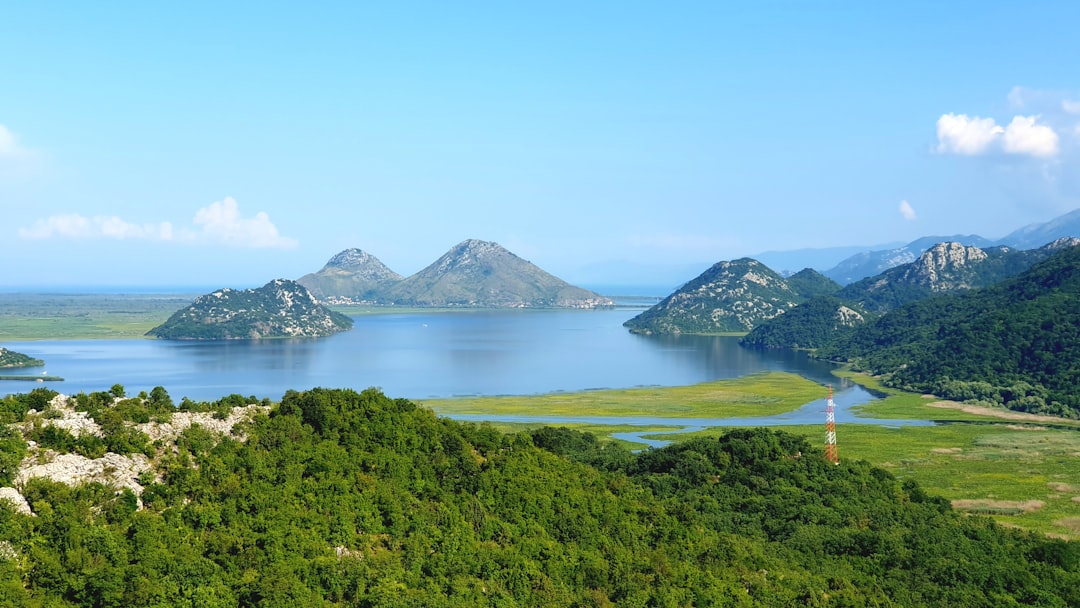
Shkodra is Albania’s fourth-largest city with a population of 61,633, sitting at just 13 metres above sea level between Lake Shkodër — the largest lake in Southern Europe at 368 km² — and the foothills of the Albanian Alps. The city has been continuously inhabited since the Early Bronze Age and carries over 2,200 years of recorded history, making it one of the oldest urban centres in the Balkans. In my experience, it punches far above its weight for culture, cycling infrastructure, and sheer authenticity compared to Tirana or Berat.
Three Things Not to Miss in Shkodra
- Rozafa Castle — A 2,500-year-old hilltop fortress with panoramic views over Lake Shkodër and three converging rivers — unmissable at sunset.
- Shkodra Historical Museum — Six floors tracing Illyrian, Ottoman, and Communist eras — admission costs just L200 and takes 2 hours to explore properly.
- Lake Shkodër Cycling Trail — A flat 30 km lakeside cycling route past reed beds and fishing villages that no guidebook has yet overrun with tour groups.
Scroll down for our complete travel guide with tips on getting there, where to stay, costs and more.
How to Reach Shkodra
How do I get to Shkodra?
Fly into Tirana’s Tirana International Airport Nënë Tereza (TIA), then take a direct furgon (shared minibus) to Shkodra — the journey covers roughly 110 km and takes 1.5 to 2 hours. Furgons depart from near the airport’s outer parking area or from Tirana’s northern bus terminal at Sheshi Shkodër. The fare is approximately L400–500 (around $4–5). My tip: avoid arriving late evening because furgons stop running by around 18:00 and a private taxi then costs L6,000–8,000. There is no direct rail connection in 2026, and the old Tirana–Shkodra train line remains suspended. What surprised me was how smooth and frequent the furgon service actually is — departures every 30–45 minutes during daylight.
Which airport is closest to Shkodra?
Tirana International Airport (TIA) is the closest and only practical option, sitting approximately 105 km south of Shkodra. In my experience, no other regional airport is realistically useful — Podgorica Airport in Montenegro is technically about 80 km away but crossing the border adds bureaucratic delay and unreliable onward transport. TIA handles all major European low-cost carriers including Wizz Air and Ryanair, giving Shkodra solid indirect connectivity. The honest caveat: TIA can feel chaotic on summer weekends — budget an extra 30 minutes for baggage claim. Pre-booking your furgon connection or arranging a Hotel Kaduku pickup is worth the small surcharge.
How long does the journey from Tirana to Shkodra take?
Door to door from Tirana city centre to Shkodra’s Pedestrian Boulevard, the journey takes 1 hour 45 minutes to 2 hours 30 minutes depending on traffic. The SH1 highway is in decent condition for Albania but the stretch through Lezhë always slows in summer. From TIA directly, add another 25 minutes to reach the Tirana furgon terminal. I recommend taking the 09:00 or 10:00 departure from Tirana to arrive in Shkodra with a full afternoon. The warning most guides omit: Friday afternoons are brutal — locals travelling north for the weekend can add 45 minutes to the journey. Budget 2.5 hours as a safe planning figure every time.
Do I need a car to explore Shkodra?
No — Shkodra’s centre is entirely walkable and its flat terrain makes it the most bike-friendly city in Albania. In my experience, a rental car is only necessary if you want to drive into the Albanian Alps (Prokletijë) toward Theth or Valbona independently. The city itself measures roughly 3 km across at its widest point, and the main sights cluster within 1.5 km. Renting a bicycle from Shkodra Cycling on the Pedestrian Boulevard costs L400–600 per day. The honest caveat: Albanian mountain roads toward Theth are unpaved and require a high-clearance 4WD — a standard rental car will leave you stranded and most rental contracts prohibit unpaved roads anyway.
Shkodra Public Transport Explained
What are the best areas to stay in Shkodra?
Stay on or within two blocks of the Pedestrian Boulevard (Bulevardi Skënderbej) — this is Shkodra’s social spine and puts you within 15 minutes’ walk of Rozafa Castle, the Historical Museum, and the lake cycling trail. The Parrucë neighbourhood just north of the boulevard offers quieter guesthouses with courtyard gardens. Avoid booking anything described as being near the old bus terminal area — it is noisy and poorly lit at night. My tip: properties with a Rozafa Castle view charge a 20–30% premium but the sunset from your terrace genuinely justifies it. The Rus neighbourhood south of centre has cheaper options but adds a 25-minute walk to everything.
What does accommodation cost in Shkodra?
Budget guesthouses start at L2,500–3,500 per night ($25–35) for a clean double room with breakfast. Mid-range options — think Wanderers Hostel’s private rooms or Hotel Tradita Geg & Tosk — run L5,000–8,000 ($50–80). A boutique hotel with castle views and air conditioning tops out around L10,000–12,000 ($100–120). What surprised me: Hotel Tradita includes a traditional Albanian multi-course dinner for two in some packages, making the higher price genuinely good value. The honest warning: budget beds that advertise under L1,500 almost always means a shared bathroom down the hall and no window — inspect photos carefully. Breakfast is often included even at lower price points, which matters when local café options open late.
How far in advance should I book accommodation in Shkodra during high season?
Book at least 6–8 weeks ahead for July and August. Shkodra has become a hub for Theth and Valbona hikers since 2022, and good-value guesthouses near the boulevard sell out by June for peak summer. In my experience, September — one of the two statistically best travel months — gives you 2–3 weeks of lead time comfortably. The caveat most guides omit: Shkodra hosts the Shkodra Jazz Festival annually in late September, and the entire accommodation stock within walking distance of the main square fills within days of the programme announcement. Track that date specifically. For October through May, booking 1–2 weeks ahead is plenty and you will find the same rooms at 10–20% lower rates.
Are there special or unique accommodation types in Shkodra?
Yes — traditional Albanian guesthouses (bujtina) built around interior courtyards with carved wooden balconies are the genuine local experience. Hotel Tradita Geg & Tosk is the most famous, designed to reflect the cultural divide between northern Geg and southern Tosk Albanian heritage within a single property. Several family-run guesthouses in the Parrucë neighbourhood offer rooms in Ottoman-era townhouses with original stone floors and kilim rugs — these cost L3,500–5,500 per night and provide far more character than any chain property. My tip: ask specifically for a room in the original historic wing rather than a newer extension. Lake-view glamping near Shiroka village, 5 km from centre, is an emerging option for L4,500–6,000 per night in summer.
Neighbourhoods of Shkodra
What are the must-see sights in Shkodra?
Rozafa Castle is non-negotiable — the Illyrian fortress dates to at least the 4th century BC, admission costs L200, and the views over the convergence of the Drin, Buna, and Kiri rivers are unlike anything else in Albania. The Shkodra Historical Museum in the former Italian consulate covers 6 floors and costs L200 — budget 2 hours minimum. The Ebu Beker Mosque and adjacent Cathedral of Saint Stephen standing within 200 metres of each other perfectly illustrate Shkodra’s religious coexistence. In my experience, people underestimate the Marubi National Museum of Photography, which holds over 500,000 glass-plate negatives documenting Balkan life from 1856 onward — entry is L300 and it is the finest photography archive in the western Balkans.
What can I experience for free in Shkodra?
The Pedestrian Boulevard evening promenade — the xhiro — costs nothing and is the most authentically Albanian social ritual I have encountered anywhere in the country. Join locals from 18:00 to 21:00 for the nightly walk from the clock tower to the old bazaar area. The lakeside cycling trail itself is free — only the bike rental costs L400–600. Cycling through Shiroka fishing village on the lake shore is free and genuinely beautiful. The exterior of Rozafa Castle grounds and the lower terrace viewpoints are accessible without paying the L200 museum entry. What surprised me: the old Lead Mosque (Xhamia e Plumbit), currently under restoration, can be viewed from outside at no cost and is architecturally more striking than many paid attractions.
Which day trips from Shkodra are worth it?
Theth National Park is the standout — a 2.5-hour drive (or organised jeep transfer for L2,500–3,500 per person) into the Albanian Alps delivers one of Europe’s last untouched mountain villages at 800 metres elevation with the Grunas Waterfall and Blood Feud Tower as highlights. Valbona Valley is another full-day option via the Komani Lake ferry — the lake crossing alone through canyon scenery justifies the L800 ferry fare. For something shorter, Lezhë is 45 minutes south and holds Skanderbeg’s Mausoleum inside a converted mosque — entry is L150. The honest caveat: Theth road conditions in early June can still be poor — confirm with your guesthouse before booking a non-4WD transfer.
What are the local specialities to try in Shkodra?
Shkodra’s signature dish is tavë kosi me mish keci — baked goat meat in yoghurt sauce, a northern Albanian recipe that tastes categorically different from the Tirana version. Order it at Restorant Traditional Zgara near the bazaar for around L700–900. Flia — a layered crepe-like pastry cooked under an iron lid with embers — is the ceremonial food of northern Albania and almost impossible to find in the south. A generous portion costs L400–600. Local Shkodran beer is less celebrated than the food but Korca beer on draft is everywhere for L150–200 per half litre. My tip: the morning byrek (cheese or spinach pastry) from a dedicated byrektore on the boulevard costs L100–150 and is the best breakfast value in Albania.
What to See in Shkodra
What makes Shkodra unique compared to other Albanian cities?
Shkodra is the cultural capital of northern Albanian Geg identity — the language, music, and traditions here are measurably distinct from southern Albanian Tosk culture in ways that even short-term visitors notice. It is also the cycling capital of Albania, with more bicycles per capita than any other Albanian city, a fact that shapes the street life completely. The 2,200 years of continuous recorded history produce a tangible layering — Illyrian, Roman, Venetian, Ottoman, and Communist-era architecture all coexist within a 1 km radius. What surprised me most: Shkodra has a Catholic majority in the northern quarters despite being in a Muslim-majority country, creating a unique religious mosaic that the city wears proudly and without tension.
How many days should I spend in Shkodra?
3 full days covers the city itself thoroughly — Rozafa Castle and the Historical Museum on day one, the Marubi Photography Museum and lake cycling on day two, and the bazaar, mosques, and cathedral on day three. Add 2 more days if you want to do the Komani Lake to Valbona ferry route as a day trip or overnight. In my experience, travellers who give Shkodra only 1 day as a stop between Tirana and Montenegro always leave wishing they had stayed longer. The honest caveat: if you plan to hike in Theth, base yourself there for at least 2 nights rather than day-tripping — the road in alone takes 2.5 hours and you will waste the best hiking hours on transport. Total with Alps excursions: 5–6 days is ideal.
When is the best time to visit Shkodra?
July and September are the statistically best months based on climate analysis — July for maximum sunshine and lake swimming at Shiroka, September for cooler temperatures, harvest festivals, and the Shkodra Jazz Festival. In my experience, September is the superior choice for most travellers: crowds thin after mid-August, guesthouse prices drop by 15–20%, the Alps hiking trails are in peak condition, and the Komani Lake colours are at their most dramatic. Avoid November through February unless you specifically want an atmospheric, nearly empty city — rainfall increases significantly and some lake-facing restaurants close entirely. May and June are underrated shoulder months with wildflower-covered Alpine meadows and mild temperatures around 20–23°C.
Are there local festivals in Shkodra worth attending?
The Shkodra Jazz Festival in late September is the most internationally recognised event — 3 days of free outdoor concerts on the Pedestrian Boulevard drawing musicians from across the Balkans and Europe. Attendance is free but book accommodation 8–10 weeks ahead as the city fills completely. Karnival i Shkodrës in late February or early March is the oldest carnival tradition in Albania, dating to the Venetian period — a genuinely local event that attracts almost no international tourists and costs nothing to attend. The Feast of Saint Stephen on December 26th is celebrated with unusual public fervour given the Catholic majority in northern quarters. My tip: the jazz festival evening sessions near Café Tradita have the best acoustic atmosphere — arrive 30 minutes early for a table.
Shkodra Food Scene
How does the weather in Shkodra affect activities?
Shkodra sits at just 13 metres elevation in a river plain, which means summer heat is genuine and humid — July and August regularly reach 34–37°C by midday. Plan outdoor sightseeing and cycling before 10:00 or after 17:00 in peak summer. Rozafa Castle has almost no shade on the upper ramparts — bring 1.5 litres of water minimum for a summer visit. The lake cycling trail benefits from afternoon breezes off Lake Shkodër. Winter months bring significant rainfall and occasional fog across the plain, making the castle and lakeside trail less rewarding. September strikes the best balance: temperatures drop to a comfortable 24–27°C, the lake is still warm enough for swimming at Shiroka, and mountain transfer roads to Theth remain fully passable.
How crowded does Shkodra get in peak season?
Shkodra is not overrun by mass tourism but July and August do bring noticeable crowds, primarily Albanians from Tirana, diaspora returning from Italy and Germany, and backpackers using the city as an Alps gateway. The Pedestrian Boulevard is genuinely packed during the evening xhiro — which is part of the experience rather than a problem. Rozafa Castle gets busy between 10:00 and 14:00 daily in July — arrive at 08:30 when the gates open and you will have the ramparts largely to yourself. The Komani Lake ferry books out 3–5 days ahead in peak season — reserve online or through your guesthouse. What surprised me: even at maximum summer capacity, Shkodra never approaches the suffocating crowds of Berat’s Mangalem quarter or Gjirokastër’s castle — it absorbs visitors without losing its character.
How safe is Shkodra for travellers?
Shkodra is safe for independent travellers including solo women — petty crime is low and violent crime targeting tourists is essentially unrecorded in recent years. The historic centre and boulevard area are well-lit and populated until midnight in summer. The honest caveat that most guides omit: Shkodra was historically the heartland of the Kanun blood feud code, and while this has no practical relevance for tourists today, driving in remote northern villages requires awareness that inter-family disputes occasionally flare in rural areas — stay on marked roads. The Rus neighbourhood after dark is not dangerous but is poorly lit and best navigated by taxi for L300–400. Albanian hospitality culture means locals will actively assist lost tourists — I have never felt unwatched or unsupported in Shkodra.
Is English widely spoken in Shkodra?
English is spoken adequately in tourist-facing businesses — guesthouses, bike rental shops, the Marubi Museum, and Rozafa Castle ticket desk all have at least one English speaker. In my experience, the under-35 population in Shkodra has solid English from Italian television exposure and school curricula. However, older residents and market vendors typically speak only Albanian and often Italian, which is the city’s dominant second language due to decades of Italian television broadcasting and emigrant remittances. My tip: downloading the Google Translate Albanian offline pack (18 MB) before arrival solves 95% of communication gaps. The honest caveat: menus in traditional restaurants beyond the boulevard are frequently Albanian-only — point-and-order is a perfectly functional strategy and locals find it charming rather than rude.
Local Know-How for Shkodra
What is the daily budget for travelling in Shkodra?
A comfortable mid-range day in Shkodra costs L5,500–8,000 ($55–80) per person including a guesthouse double room, three meals, bicycle hire, and two museum entries. A tight backpacker budget — hostel dorm, byrek breakfasts, self-catering lunch, one restaurant dinner — runs L2,500–3,500 ($25–35). A generous day with a castle-view hotel room, a traditional dinner at Tradita, and a guided lake tour reaches L12,000–15,000 ($120–150). What surprised me: Shkodra is 15–20% cheaper than Berat or Gjirokastër for equivalent quality accommodation. The hidden cost most budgets miss is the jeep transfer to Theth — at L2,500–3,500 per person each way, it doubles your daily spend on that specific day. Factor it as a separate line item, not part of your base daily budget.
How does public transport work in and around Shkodra?
Within Shkodra city, urban buses (linja) run on 4 routes for a flat fare of L40 per ride — useful mainly to reach the southern residential suburbs. The centre itself is compact enough that buses are irrelevant for sightseeing. Between cities, furgons (shared minibuses) depart from Sheshi Demokracia (Democracy Square) for Tirana hourly until approximately 17:00 at L400–500 per seat. The Komani Lake ferry departs from Koman village, 40 km east — reach it by private transfer or an organised tour since no public bus serves that route. The honest caveat: Albania has no functional intercity rail in 2026 and bus timetables are aspirational rather than precise — build 30-minute buffers into all connection plans. For Montenegro border crossings, shared taxis from Shkodra to Ulcinj cost L1,500–2,000.
Which apps do you recommend for visiting Shkodra?
Maps.me with Albania downloaded offline is more reliable than Google Maps for rural roads and mountain tracks around Shkodra — OSM data for the Albanian Alps is surprisingly detailed. WhatsApp is the universal contact method for guesthouses, bike rentals, and jeep transfer drivers — have it installed and working before you land. Revolut or Wise with Albanian lek withdrawal capability saves significant exchange rate losses at airport bureau de change desks. For the Komani Lake ferry, Komani Ferry has a basic booking interface but WhatsApp confirmation with the operator is still the reliable method in 2026. My tip: XE Currency with offline lek rates is worth having since international ATMs sometimes quote unfavourable dynamic conversion rates — knowing the real rate prevents you being overcharged by 8–12% at some machines.
Shkodra at a Glance
| Population | 61,633 |
|---|---|
| Currency | Albanian lek (L) |
| Official language | Albanian |
| Time zone | UTC+01:00 |
Source: Wikidata, retrieved September 2026.
Albania › Shkodra
More Destinations in Albania
Essential Resources for Planning Your Trip to Shkodra
- How to Visit Shkodër Albania: Airport Taxi, Old Town & Rozafa … — official visitor information, passes & events
- Wikipedia: Shkodra — history, geography & background
- Wikivoyage: Shkodra — community travel guide & practical tips
- Shkodra travel – Lonely Planet | Albania, Europe — expert itineraries & travel inspiration
- THE 15 BEST Things to Do in Shkoder (2026) — hotels, restaurants & traveller reviews
- How to Visit Shkodër Albania: Airport Taxi, Old Town & Rozafa … — how to get around
- Numbeo: Cost of Living in Shkodra — current prices & cost comparison
- Timeanddate: Shkodra Weather & Climate — forecasts & climate statistics
More Perspectives on Shkodra
- The Backpacker’s Complete Guide to Shkoder, Albania
- A Guide to Shkodër, Albania | 11 Wonderful Things To Do
- 7 Perfect Things to Do in Shkoder, Albania
Shkodra Travel Videos
Watch these videos for a visual preview before your trip:
- 10 AMAZING Things To Do In Shkoder Albania! | Shkoder Albania Travel Guide
- The Quiet Magic of Shkodra: Albania Travel Guide
- SHKODRA – THE NUMBER ONE CITY OF ALBANIA!! (Cultural Travel Guide)
Shkodra Travel Discussions on Reddit
Real traveller experiences and community advice:
- Is Shkodra , Albania safe? : r/AskBalkans
- Would Shkodra, Albania be a decent place for a long stay?
- Shkoder, Albania & SE Europe? : r/solotravel
Data Sources
This page was compiled using data from Wikipedia, Wikidata, Open-Meteo (climate), Numbeo (cost of living) and REST Countries. Information is updated regularly.