
Ukraine: The Complete Travel Guide (2026)
Last reviewed: August 2026 · key facts checked against Wikidata
Ukraine Travel Guide: Everything You Need to Know (2026)
Ukraine is Europe’s second-largest country by area at 603,550 km², home to 42,800,501 people and a civilization stretching back over 1,000 years to the founding of Kyiv in 482 AD. In 2026, travel to Ukraine remains possible but requires serious pre-trip planning given the ongoing war with Russia — certain western regions like Lviv operate relatively normally while eastern and southern areas are active conflict zones. The Carpathian Mountains in the west reach 2,061 m at Hoverla, and the country’s cultural depth — from UNESCO-listed ancient churches to one of Europe’s most vibrant food scenes — makes it extraordinary for those who travel with full situational awareness.
Top 3 Highlights at a Glance
- Kyiv’s Kyiv-Pechersk Lavra (Monastery of the Caves) — A UNESCO World Heritage site with 11th-century underground cave monasteries housing mummified monks — nothing else in Europe compares.
- Lviv Old Town — A UNESCO-listed medieval city center with over 2,000 architectural monuments and Europe’s most concentrated cafe culture per square kilometer.
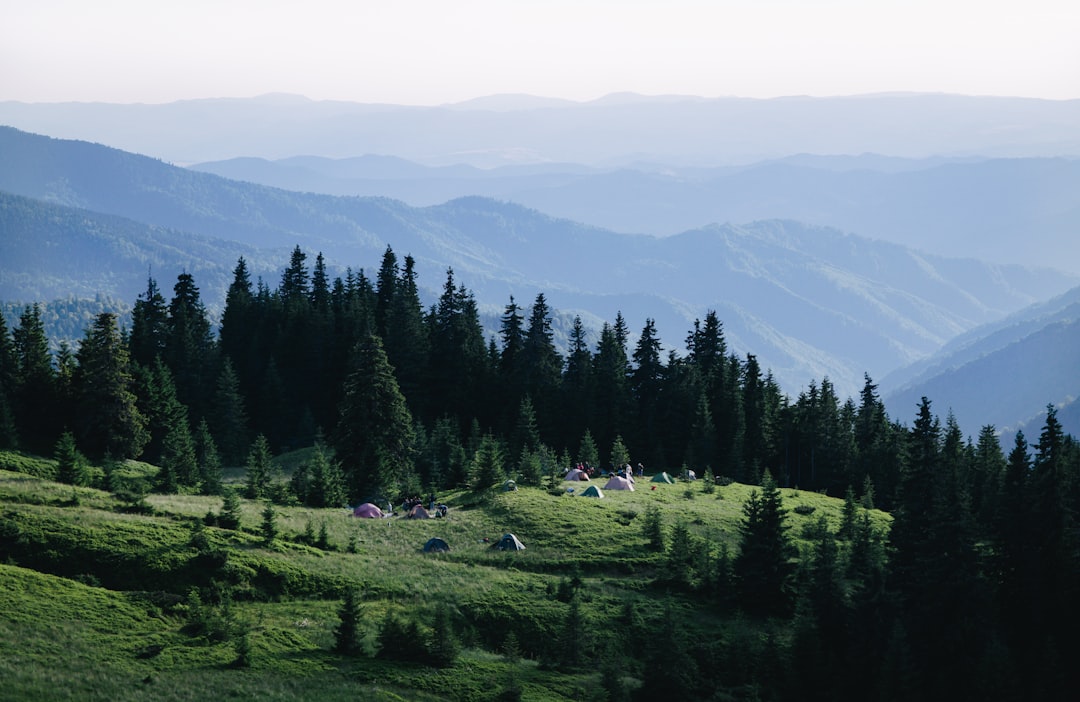
- Carpathian National Nature Park — Ukraine’s alpine wilderness covers 50,303 hectares with hiking trails to Hoverla peak at 2,061 m — largely untouched by mass tourism.
Scroll down for our complete travel guide with tips on getting there, where to stay, costs and more.
Getting There & Transport
Which airports are the best entry points into Ukraine in 2026?
Boryspil International Airport (KBP) near Kyiv and Danylo Halytskyi International Airport (LWO) in Lviv are the two primary entry points. In my experience, Lviv (LWO) is the safer and more practical choice for most 2026 travelers — it sits in western Ukraine, far from active conflict zones, and receives flights from Warsaw, Kraków, Vienna, and Riga. Boryspil handles more routes but Kyiv carries elevated risk from aerial bombardment. Many travelers enter overland from Poland via the Medyka-Shehyni or Korczowa-Krakovets border crossings — these are functional but wait times can reach 3-6 hours. Always check IATA operational status and your government’s travel advisory within 48 hours of departure.
How do I get from the airport to my first accommodation in Ukraine?
From Lviv Danylo Halytskyi Airport, the city center is just 6 km away — a taxi via the Uklon app costs roughly UAH 150-250 (about $4-6 USD) and takes 15 minutes. In my experience, avoid unmarked taxis outside the terminal — overcharging tourists is common. The trolleybus No. 9 runs from the airport to the city center for under UAH 20 but it’s slow. From Boryspil (KBP), the SkyBus express takes 45 minutes to central Kyiv’s Kharkivska metro station and costs UAH 170. My tip: download Uklon before you land — it’s Ukraine’s dominant ride-hailing app and far cheaper than flagging a cab. Caveat: Boryspil schedules fluctuate with alert conditions, so confirm your flight’s arrival status the morning you travel.
What transport options are there within Ukraine in 2026?
Ukrzaliznytsia (Ukrainian Railways) is the backbone of domestic travel and remains operational across western and central Ukraine — overnight sleeper trains between Lviv and Kyiv cost UAH 350-900 ($9-23 USD) depending on class. In my experience, the Intercity+ trains are fast and comfortable, covering Lviv-Kyiv in 5.5 hours. Buses operated by Ukrbus and FlixBus fill gaps on shorter regional routes. Domestic flights are largely suspended in 2026 due to airspace restrictions. Ride-hailing via Uklon or Bolt works well in cities. My honest warning: eastern rail lines are disrupted or closed entirely — never plan train journeys east of Dnipro without real-time verification. Marshrutky (shared minibuses) are cheap at UAH 30-80 but uncomfortable for long hauls.
Do I need a rental car to travel Ukraine properly in 2026?
For western Ukraine — Lviv, the Carpathians, Kamianets-Podilskyi — a rental car is genuinely useful and gives you freedom. Rentals start at UAH 900-1,500 per day ($23-38 USD) from agencies like Europcar Lviv or local operator AutoHercules. My tip: fuel is widely available in the west at roughly UAH 55-60 per liter. The honest caveat most guides skip: you must not drive into active conflict areas and many international rental agreements explicitly prohibit travel to Ukraine entirely in 2026 — read the small print before booking. If your insurer won’t cover Ukraine, you’re driving uninsured. For a Lviv-based trip with Carpathian day trips, a car is worth it. For Kyiv alone, public transport and Uklon are completely sufficient.
How good is the public transport network between regions of Ukraine?
Western and central Ukraine have a functional and affordable inter-regional network. Ukrzaliznytsia trains connect Lviv, Kyiv, Chernivtsi, Uzhhorod, and Ivano-Frankivsk reliably — book tickets on the Ukrzaliznytsia app or at station kiosks. Lviv to Ivano-Frankivsk costs UAH 150-200 and takes 2.5 hours by regional train. What surprised me: Ukrainian trains are genuinely punctual by Eastern European standards. The trade-off is that southern and eastern lines — to Odesa, Kharkiv, Zaporizhzhia — are either suspended or carry serious risk as of 2026. Bus networks cover smaller Carpathian villages that trains miss. Inter-city transport in western Ukraine functions well enough that a car is optional — trains and buses can get you to 90% of worthwhile western destinations.
Accommodation
Which regions of Ukraine should I stay in as a 2026 traveler?
Stay in western Ukraine — full stop. Lviv Oblast is the cultural heart and safest base, with excellent infrastructure and a thriving hospitality scene. Ivano-Frankivsk Oblast gives you access to the Carpathian Mountains and Hutsul culture. Zakarpattia Oblast (Uzhhorod) is a charming multi-ethnic region bordering Hungary and Slovakia, and the most culturally distinct corner of Ukraine. Khmelnytskyi Oblast — particularly Kamianets-Podilskyi with its 14th-century fortress — is reachable and spectacular. Kyiv is accessible and many residents live normally there, but it receives missile and drone strikes regularly — this is a real risk you must accept consciously. Avoid Kharkiv, Zaporizhzhia, Kherson, Mykolaiv, and all of eastern Ukraine categorically. The Odesa region, while culturally magnetic, sits in a risk zone in 2026.
What does good accommodation cost per night in Ukraine in 2026?
Ukraine remains one of Europe’s most affordable destinations for accommodation. In Lviv, a solid 3-star hotel like Hotel Vintage or Panorama Hotel runs UAH 1,200-2,000 per night ($30-50 USD). Boutique guesthouses in the Old Town cost UAH 1,500-2,800 ($38-70 USD). In my experience, Airbnb and Booking.com offer well-furnished apartments in Lviv’s center for UAH 800-1,400 ($20-35 USD) — exceptional value. Kyiv’s mid-range hotels (for those who choose to stay there) run $35-80 USD. The caveat: some properties have inconsistent hot water or heating due to energy infrastructure damage — always check recent guest reviews from the past 60 days, not older ratings. Hostels in Lviv are available from UAH 300-500 ($8-13 USD) per bed.
How far in advance should I book hotels in Ukraine for 2026?
Book 4-8 weeks ahead for western Ukraine during summer — demand has concentrated dramatically into safe western regions, and Lviv’s best boutique hotels sell out. For travel during Lviv’s high season of June-September, I recommend booking 2-3 months ahead. What surprised me: because of the war, last-minute deals do exist outside peak summer — you can often find rooms 1-2 weeks ahead in shoulder months. The honest caveat: cancellation flexibility matters enormously in 2026 — book only with free cancellation policies, since travel advisories can change overnight. Christmas and New Year in Lviv (celebrated January 6-7 in the Orthodox calendar) also fills up fast — book 3 months ahead for that window. Always have a backup option confirmed before you travel.
When is the best time to travel to Ukraine in 2026?
Based on climate data and real conditions, June, August, and September are the optimal months. June brings long days, green Carpathian landscapes, and temperatures around 22-25°C in Lviv without peak crowds. August is the warmest month with lively outdoor cafe culture across western Ukraine. September is my personal favorite — the Carpathians turn golden, crowds thin, and the weather holds at 17-21°C. In my experience, May is also excellent with blooming orchards and fewer tourists than summer. Winter (December-February) is dramatic and atmospheric in Lviv — snow-covered cobblestones, Christmas markets — but temperatures drop to -5°C and energy supply issues make heating in some accommodations unreliable. March and November are grey and wet — the least rewarding months for a first visit.
How does peak season affect prices in Ukraine in 2026?
Peak season in western Ukraine runs June through August, and prices for accommodation rise 30-50% compared to shoulder months. A Lviv boutique hotel costing UAH 1,500 in April may hit UAH 2,200-2,500 in July. Restaurant prices stay largely flat year-round — food is cheap enough that seasonal markup is negligible. What surprised me: Ukraine doesn’t experience the extreme seasonal price spikes of Western European destinations — even at peak, Lviv remains under $60 USD per night for solid accommodation. The honest trade-off: peak summer also brings Lviv’s busiest festival period, which is genuinely worth the slight price premium. Airfare from Warsaw or Vienna — the main hubs connecting to Lviv — can spike 40-60% in July-August, so book flights early even if you leave hotels for later.
Best Time to Visit
Which regions of Ukraine have different climate zones?
Ukraine spans multiple distinct climate zones across its enormous 603,550 km² area. Western Ukraine (Lviv, Carpathians) has a temperate continental climate with cold winters and mild, wet summers — the Carpathians at altitude receive heavy snowfall from November through March, making Bukovel ski resort viable with 120+ km of pistes. Central Ukraine (Kyiv) experiences harsher continental extremes — winters hit -10°C to -15°C regularly. The southern steppe regions around Mykolaiv and pre-war Kherson were hot and dry, exceeding 35°C in summer. Zakarpattia in the far southwest has the mildest winters in Ukraine, influenced by Central European air patterns — often 5-8°C warmer than Lviv in January. The Crimean peninsula had a Mediterranean microclimate but remains inaccessible and under Russian occupation.
What are the rainy seasons in Ukraine?
Ukraine doesn’t have a defined monsoon-style rainy season, but June and July bring the highest rainfall in western Ukraine — Lviv averages its wettest period during these months with frequent afternoon thunderstorms. November through January brings persistent grey drizzle in Kyiv and Lviv, occasionally turning to snow. In my experience, June rain in Lviv is rarely a day-long event — it’s typically a 30-60 minute afternoon storm after which the sun returns. My tip: pack a compact waterproof jacket regardless of month — the Carpathians can produce rain any time of year at altitude. The driest and most stable months are August and September, which is another reason they rank as top travel windows. Spring (April-May) brings unpredictable rain but also spectacular greenery in the mountains.
What does a trip to Ukraine cost per person per day in 2026?
Ukraine is one of Europe’s most affordable destinations even accounting for war-related logistical costs. A budget traveler in Lviv can manage on $25-35 USD per day covering a hostel bed, local meals, and public transport. A mid-range traveler spending on a boutique hotel, restaurant lunches and dinners, and museum entries should budget $55-80 USD per day. I traveled comfortably in Lviv for around $65 USD per day including a private apartment, meals at good restaurants, and a day trip to the Carpathians. The hidden cost to factor: travel insurance for conflict zones adds roughly $15-25 USD per day to your budget — this is non-negotiable in 2026. Craft beer in Lviv costs UAH 80-150 ($2-4 USD), a restaurant main course UAH 150-350 ($4-9 USD).
How expensive is food in Ukraine compared to Western Europe?
Food in Ukraine is dramatically cheaper than Western Europe. In my experience, a full sit-down lunch at a traditional Ukrainian restaurant — borsch, varenyky, meat main, tea — costs UAH 200-350 ($5-9 USD) in Lviv. Street food like a shashlyk skewer runs UAH 80-120 ($2-3 USD). A coffee at Lviv’s famous Kava v’Tsegelnyi or Leopolis cafes costs UAH 60-90 ($1.50-2.30 USD) — roughly a quarter of Vienna prices. A sit-down dinner with wine at a mid-tier Lviv restaurant costs UAH 500-900 ($13-23 USD) per person. The honest caveat: tourist-facing restaurants in Lviv’s Market Square charge a 20-30% premium over identical food one block away — walk off the main square and quality-to-price ratio improves immediately. Supermarkets like Silpo are excellent for self-catering.
What hidden costs should I expect when traveling Ukraine in 2026?
The biggest hidden cost is specialized travel insurance — standard policies exclude active conflict zones, and Ukraine-specific coverage from providers like BATTLEFACE or World Nomads’ conflict add-on runs $20-40 USD per day. Don’t skip this. Border crossing delays can mean unexpected accommodation nights in Polish border towns — budget $50-80 USD as contingency. ATM withdrawal fees add up: Ukrainian ATMs charge UAH 50-100 per transaction plus your bank’s foreign fee. I recommend withdrawing larger amounts at Oschadbank or PrivatBank ATMs, which have the widest networks. Last-minute transport rerouting if advisories change is a real cost — keep $150-200 USD liquid for contingency transport. Also: bringing USD or EUR cash to exchange at Lviv’s licensed exchange booths gets better rates than airport exchanges by 5-8%.
Budget & Costs
How much cash should I bring to Ukraine in 2026?
Bring $200-300 USD or EUR in cash to exchange on arrival — Ukrainian hryvnia cannot be purchased abroad, and airport exchange rates are poor. In my experience, Lviv’s licensed exchange kiosks (look for boards displaying UAH rates openly) give excellent rates, often UAH 38-41 per USD. Card payments via Visa and Mastercard work smoothly in Lviv’s restaurants, hotels, and supermarkets — Ukraine has remarkable contactless payment penetration. The honest warning: in smaller Carpathian villages and rural markets, cash is still king — carry at least UAH 500-1,000 in small notes when venturing outside cities. PrivatBank ATMs are the most reliable network. Avoid exchanging money with individuals on the street — it’s illegal and you’ll receive counterfeits or short counts. Keep emergency $100 USD separate from your main wallet at all times.
Which credit cards are accepted in Ukraine?
Visa and Mastercard are accepted at the overwhelming majority of hotels, restaurants, and larger shops in Lviv, Kyiv, Ivano-Frankivsk, and Uzhhorod. What surprised me: Ukraine has one of the highest contactless payment rates in Europe — Google Pay and Apple Pay linked to Mastercard work at most terminals. American Express is not accepted almost anywhere — don’t rely on it. The critical 2026 caveat: international card processing can be inconsistent due to sanctions-related banking complications — some Ukrainian merchants can only process domestically issued cards. Always carry backup cash. Revolut and Wise cards with no foreign transaction fees work well here and I recommend them strongly. Avoid Visa cards issued by Russian-linked banks — they may face processing issues due to the geopolitical situation in 2026.
Which regions of Ukraine must I not miss in 2026?
In 2026, the accessible and essential regions are: Lviv Oblast — the undisputed cultural capital of western Ukraine with its UNESCO Old Town, coffee culture, and proximity to Carpathian day trips. Ivano-Frankivsk Oblast — gateway to the Carpathian National Nature Park and Hutsul folk culture, with the charming small city of Ivano-Frankivsk as base. Zakarpattia Oblast — Uzhhorod’s castle, vineyards, and a Central European atmosphere unlike anywhere else in Ukraine. Khmelnytskyi Oblast for Kamianets-Podilskyi, home to a 14th-century island fortress that is genuinely jaw-dropping. For those accepting elevated risk: Kyiv — the capital’s monastery caves, Maidan, and Podil neighborhood are extraordinary. Skip Kharkiv, Mykolaiv, Zaporizhzhia, and Kherson oblasts entirely in 2026 — they are active or recently active conflict zones.
What are the top tourist highlights of Ukraine?
Ukraine’s headline attractions include: Kyiv-Pechersk Lavra (Monastery of the Caves) — an 11th-century UNESCO site with underground cave networks holding mummified Orthodox monks, one of the most otherworldly experiences in Europe. Lviv Old Town — a UNESCO-listed baroque and gothic cityscape with 2,000+ architectural monuments that survived WWII largely intact. Kamianets-Podilskyi Fortress — a 14th-century castle on a river canyon island that appears literally out of a fairy tale. Chernivtsi University — a UNESCO-listed palace of learning so beautiful it’s nicknamed ‘the little Vienna.’ In my experience, the wooden churches of the Carpathian region — several UNESCO-listed — are chronically undervisited and breathtaking. The pre-war Odesa Opera House and Potemkin Steps were world-class; their current accessibility should be verified in 2026.
What experiences in Ukraine are found nowhere else on Earth?
Three experiences are genuinely unreplicable: First, descending into the cave monasteries of Kyiv-Pechersk Lavra by candlelight, where mummified 11th-century monks lie in glass-topped coffins — no other site in Europe offers this. Second, a banya (steam bath) session followed by craft Ukrainian horilka at a traditional Hutsul guesthouse in the Carpathian village of Kryvorivnia — the combination of folk tradition, mountain setting, and hospitality is extraordinary. Third, Lviv’s underground bar scene — the city has 100+ unique themed bars in medieval cellars, including a pharmacy bar serving drinks from test tubes and a masonic lodge bar with hidden doors. What surprised me most was Ukrainian contemporary art and graffiti in Kyiv’s Podil district — some of the most charged, relevant public art in the world given the context of 2026.
Regions & Highlights
Which areas of Ukraine are overcrowded — and what are the quieter alternatives?
Lviv’s Market Square (Rynok Square) and the Lviv-Pechersk Lavra in Kyiv get genuinely crowded from June to August — queues of 30-45 minutes are common at peak times. My alternative: in Lviv, explore Lychakiv Cemetery — a hauntingly beautiful 19th-century necropolis almost as architecturally stunning as the Old Town but visited by a fraction of tourists. Instead of fighting Rynok Square crowds, base yourself in the Franківський district one tram stop from center. For Carpathian hikers, Bukovel resort draws large summer crowds — hike instead from Vorokhta or Yaremche, quieter trailheads with the same mountain scenery. Chernivtsi receives a fraction of Lviv’s visitors despite its UNESCO university and well-preserved multicultural architecture — it’s one of Ukraine’s most underrated cities and I’d choose it over Lviv for a second trip.
How many days do I need to properly see Ukraine in 2026?
For a focused western Ukraine trip, 10-14 days gives you depth without rushing. My recommended structure: 3-4 days in Lviv (Old Town, coffee houses, Lychakiv Cemetery, day trip to Olesko Castle). 2-3 days in the Carpathians (base in Yaremche or Ivano-Frankivsk, hike Hoverla or visit Hutsul villages). 1-2 days in Kamianets-Podilskyi (the fortress alone justifies a night). 1-2 days in Chernivtsi. 2-3 days in Kyiv for those accepting the risk. A 7-day trip covering just Lviv and the Carpathians is also deeply satisfying. The honest caveat: build in 1-2 buffer days — border crossing delays, transport disruptions, and air raid alerts can consume time you didn’t plan for. In 2026, rigid itineraries in Ukraine are a mistake.
Do I need a visa to travel to Ukraine in 2026?
Citizens of EU countries, the UK, USA, Canada, Australia, and Japan can enter Ukraine visa-free for up to 90 days within a 180-day period. In my experience, the process is straightforward — present your passport at the border crossing with no prior application required. However, entry via land borders from Poland (the practical 2026 route for most western travelers) requires patience — border officials conduct thorough checks and processing takes 1-3 hours on average. Males aged 18-60 from certain nationalities should be aware that Ukrainian border authorities occasionally ask about your purpose of travel with additional scrutiny. Carry a printed copy of your accommodation bookings and return transport — digital-only documentation has caused delays I’ve witnessed firsthand. Check your specific nationality’s current status on Ukraine’s Ministry of Foreign Affairs website 2 weeks before travel.
What languages are spoken in Ukraine — will I get by with English?
Ukrainian is the official and dominant language, with Russian widely understood but politically sensitive to speak in 2026 — avoid defaulting to Russian with locals even if you know it. In Lviv, English proficiency among under-35 locals is genuinely high — hospitality staff, café workers, and most young Ukrainians speak functional to fluent English. In my experience, Google Translate with Ukrainian downloaded for offline use solves 95% of communication situations outside cities. Smaller Carpathian villages have minimal English — Polish or German can occasionally bridge gaps in western border regions. What surprised me: since 2022, many Ukrainians who previously spoke Russian daily have switched to Ukrainian exclusively — respecting this is culturally important. Learn 5-10 basic Ukrainian phrases (dyakuyu = thank you, dobryy den = good day) — locals respond with genuine warmth to any effort.
What cultural rules do I need to know before traveling Ukraine in 2026?
Most critically: never minimize or debate the war — Ukrainians have lived through unimaginable loss and casual political opinions from foreign visitors cause real offense. In my experience, listening is more appropriate than commenting. Remove shoes when entering private homes — always. Ukrainian hospitality means you will be offered food and drink repeatedly — refusing multiple times is impolite; accept at least once. Tipping 10% in restaurants is standard and appreciated given the economic pressure on service workers. Orthodox churches require women to cover their heads and shoulders — scarves are provided at major sites like Kyiv-Pechersk Lavra. During air raid alert sirens, follow locals to the nearest shelter — treat every alert seriously, not as background noise. Photography of military checkpoints, soldiers, or damaged infrastructure is prohibited and can result in detention. Carry your passport original (not a copy) at all times.
Practical Tips
How safe is Ukraine for travelers in 2026?
I’ll be direct: western Ukraine is manageable but not risk-free; eastern Ukraine is genuinely dangerous. Lviv, Ivano-Frankivsk, and the Carpathians experience minimal frontline activity but receive occasional long-range missile or drone strikes — 2-4 significant nationwide alert episodes per month in early 2026. During alerts, descend to hotel basements or designated shelters immediately. The UK FCDO and US State Department advise against all travel to eastern regions and advise against all but essential travel to most of Ukraine — read your government’s current advisory the week before departure. Crime targeting tourists is low — Lviv is safer than most Western European capitals for pickpocketing and street crime. Travel insurance covering evacuation and conflict zones is non-negotiable — budget $300-600 USD for a 2-week policy from a specialist provider like BATTLEFACE. Register with your embassy on arrival.
What health precautions should I take before traveling to Ukraine in 2026?
Ensure routine vaccinations are current — tetanus, hepatitis A, and hepatitis B are recommended by the WHO and CDC for Ukraine. Hepatitis A is particularly relevant given variable water quality in rural areas. Drink only bottled water outside major city hotels — tap water in Lviv is technically treated but I wouldn’t drink it in 2026 given infrastructure stress. The honest warning most travel health guides omit: Ukrainian hospitals in frontline-adjacent areas are overwhelmed — have comprehensive evacuation insurance and know the location of the nearest Lviv Regional Hospital or Medicom clinic before you need it. Mental health preparation matters too — witnessing a country at war, even from a safe western city, is emotionally heavier than standard travel. Prescription medications should be brought in full supply — availability of specific drugs cannot be guaranteed. No malaria risk exists in Ukraine.
What SIM card or eSIM options are available in Ukraine in 2026?
Kyivstar, Vodafone Ukraine, and lifecell are the three main carriers — all sell SIMs at airport counters and urban phone shops. A Kyivstar tourist SIM with 20GB data costs UAH 150-250 ($4-6 USD) and includes calls — it’s the best coverage network reaching into Carpathian valleys. In my experience, buy your SIM at Lviv airport or the Kyivstar shop on Shevchenka Avenue in central Lviv rather than online pre-departure — Ukrainian operators don’t sell internationally. eSIM options via Airalo or Holafly work in Ukraine and can be activated before you board — expect to pay $8-15 USD for 5-10GB for 30 days. The caveat: eSIM signals can be weaker in mountain areas than a local physical SIM — for Carpathian hiking, I’d choose a Kyivstar physical SIM. Coverage in Zakarpattia near the Hungarian border sometimes roams onto Hungarian networks, incurring unexpected charges.
Which apps do you recommend for traveling Ukraine in 2026?
My essential Ukraine app stack: Ukrzaliznytsia — buy train tickets directly, check schedules, seat maps. Uklon — Ukraine’s dominant ride-hailing app, cheaper and more reliable than taxis in cities. PrivatBank app — check UAH exchange rates and find ATMs. Alarm Map (Карта тривог) — real-time air raid alert tracker by oblast, absolutely essential; enable notifications. Google Maps offline — download Lviv, Ivano-Frankivsk, and Carpathian maps before crossing the border. Airbnb and Booking.com — both work seamlessly in Ukraine. DeepL or Google Translate with Ukrainian offline pack downloaded. The one app most travelers miss: Diia — Ukraine’s official government app that locals use for digital documents; as a foreigner you won’t need it but understanding it helps when officials reference it. Ensure your VPN is installed before arrival in case of any internet filtering.
What are the most common traveler mistakes in Ukraine in 2026?
The biggest mistake: treating Ukraine like a normal peacetime destination — not having evacuation insurance, not downloading the Alarm Map app, not registering with your embassy. Second: underestimating border crossing time — plan 4-6 hours for the Medyka-Shehyni crossing in summer, not the 45 minutes shown on Google Maps. Third: only visiting Lviv — the city is magnificent but travelers who add Kamianets-Podilskyi or Chernivtsi have dramatically richer experiences. Fourth: exchanging money at the airport — lose 8-12% compared to Lviv’s city center exchange kiosks. Fifth: ignoring air raid alerts as just noise — every alert is real and sheltering is legally required in many municipalities. Sixth: photographing military infrastructure, checkpoints, or uniformed personnel — this has resulted in phone confiscation and detention. My final warning: don’t over-romanticize ‘war tourism’ — approach Ukraine with humility, not adventurism.
Ukraine at a Glance
| Population | 41,167,335 |
|---|---|
| Currency | hryvnia (₴) |
| Official language | Ukrainian |
| Time zone | UTC+02:00 |
Source: Wikidata, retrieved August 2026.
Essential Resources for Planning Your Trip to Ukraine
- Wikipedia: Ukraine — history, geography & background
- Wikivoyage: Ukraine — community travel guide & practical tips
- Ukraine — Lonely Planet — expert itineraries & travel inspiration
- Ukraine — TripAdvisor — hotels, restaurants & traveller reviews
- Numbeo: Cost of Living in Ukraine — current prices & cost comparison
- Timeanddate: Ukraine Weather & Climate — forecasts & climate statistics
Data Sources
This page was compiled using data from Wikipedia, Wikidata, Open-Meteo (climate), Numbeo (cost of living) and REST Countries. Information is updated regularly.
More Perspectives on Ukraine
- Useful tips and how to travel to Ukraine (2026)
- Ukraine Travel Advice & Safety
- Travel advice and advisories for Ukraine
Ukraine Travel Videos
Watch these videos for a visual preview before your trip:
- Top 10 Places To Visit In Ukraine – 4K Travel Guide
- Welcome to Ukraine – Ukraine Travel Video
- Ukraine Travel Guide
Ukraine Travel Discussions on Reddit
Real traveller experiences and community advice: