
Armenia: The Complete Travel Guide (2026)
Last reviewed: August 2026 · key facts checked against Wikidata
Armenia Travel Guide: Everything You Need to Know (2026)
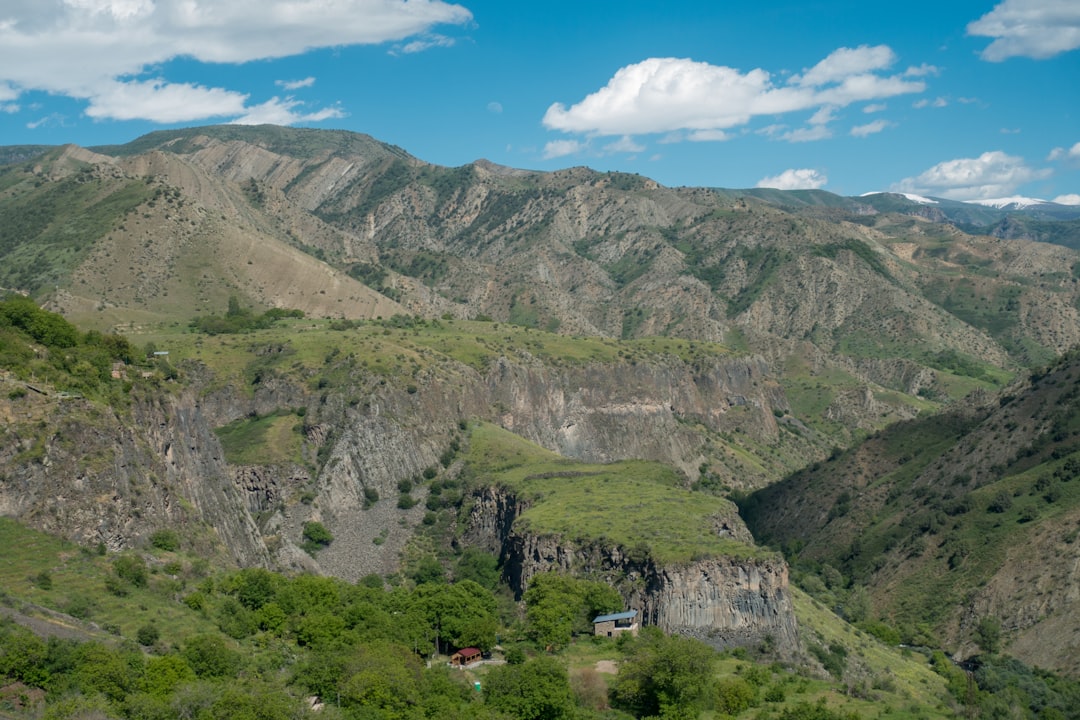
Armenia is a landlocked country in the South Caucasus with a population of 1,867,396, making it one of the smallest nations in West Asia by population. Founded as one of the world’s oldest Christian states in 301 AD, it sits at altitudes ranging from 400 to over 4,000 metres, with the iconic Mount Ararat visible from the capital Yerevan despite lying across the border in Turkey. From ancient monasteries carved into gorges to a vibrant café culture in Yerevan, Armenia packs extraordinary density of experience into a country smaller than the state of Georgia.
Top 3 Highlights at a Glance
- Geghard Monastery — A UNESCO-listed rock-cut monastery from the 4th century, partially carved directly into a cliff face at 1,700 metres altitude.
- Tatev Monastery & Wings of Tatev Ropeway — Reached via the world’s longest non-stop reversible aerial tramway at 5.7 km, with breathtaking Vorotan Gorge views.
- Yerevan’s Cascade Complex — A giant staircase monument housing a modern art museum with free outdoor sculptures and direct views of Mount Ararat on clear days.
Scroll down for our complete travel guide with tips on getting there, where to stay, costs and more.
Getting There & Transport
Which airports are the best entry points into Armenia?
Zvartnots International Airport (EVN) in Yerevan is Armenia’s only major international airport and your only realistic entry point by air. In my experience, flying into EVN covers 99% of traveller needs — it handles direct flights from Moscow, Dubai, Paris, Vienna, Frankfurt, and Tbilisi. The airport sits 12 km west of central Yerevan. A secondary airport exists in Gyumri (LWN), but international service there is extremely limited and largely seasonal from Russian cities — I would not rely on it for trip planning. What surprised me: budget carriers like Wizz Air and Ryanair have added EVN routes since 2022, making European connections significantly cheaper.
How do I get from Zvartnots Airport to my first accommodation in Armenia?
Take Bus 201 from the airport exit — it costs AMD 100 (roughly $0.26 USD) and runs to central Yerevan’s Sayat-Nova Avenue in about 40 minutes depending on traffic. My tip: this is genuinely one of the cheapest airport buses in the world. A licensed taxi costs AMD 2,500–4,000 ($6.50–$10.50 USD) and takes 20–30 minutes — book through the GG Taxi app rather than accepting offers from touts at arrivals. The honest caveat most guides skip: traffic on the Yerevan Ring Road during evening rush hour (5–8 PM) can double journey times, so factor this in if you land late afternoon.
What transport options are there within Armenia?
Within Armenia, your realistic options are shared minibuses called marshrutkas, taxis via the GG app, and rental cars. Marshrutkas connect Yerevan’s Kilikia Bus Station to almost every town for AMD 500–2,500 ($1.30–$6.50 USD). In my experience, they are reliable for major destinations like Gyumri, Dilijan, and Goris, but depart only when full, so morning departures are best. There is no passenger rail network worth using for tourists — the single active train line runs Yerevan–Gyumri taking 2.5 hours versus 1.5 hours by marshrutka. The honest warning: transport to remote monasteries like Noravank or Tatev requires a car or organised tour — public access simply does not exist.
Do I need a rental car in Armenia?
Yes, I strongly recommend renting a car for Armenia if you want to reach the country’s best sights. A compact car from Sixt or local agency Siunik Rent costs $25–45 USD per day including basic insurance. Roads between major towns are paved and manageable, but routes into the Lori and Syunik regions involve serious mountain driving with hairpin bends. The honest caveat: Google Maps routing in Armenia is unreliable on rural roads — download maps.me with offline Armenia maps before you leave Yerevan. Without a car, you will miss Khndzoresk cave village, Noravank, and the Debed Canyon monasteries entirely unless you join overpriced group tours.
How good is the public transport network between regions of Armenia?
For a country of Armenia’s size, inter-regional marshrutka coverage is decent but comes with real limitations. Kilikia Bus Station in Yerevan serves Gyumri (AMD 1,200, 1.5 hours), Vanadzor (AMD 1,000, 1.5 hours), and Goris (AMD 2,500, 5 hours). In my experience, northern Armenia via the Debed Canyon corridor is reasonably accessible by public transport, but southern Syunik province requires patience — buses to Meghri run once daily. What surprises most travellers: there is zero direct public transport between regions like Jermuk and Tatev — you must return to Yerevan and restart. For a proper multi-region itinerary, a rental car saves 30–40% of total travel time.
Accommodation
Which regions of Armenia should I stay in?
Base yourself in Yerevan for at least 3 nights — it anchors day trips to Geghard, Khor Virap, and Garni within 30–45 minutes. For northern Armenia, Dilijan is the standout base: a small spa town inside a national park, 100 km from Yerevan, with access to Haghartsin and Goshavank monasteries. For southern Syunik, Goris is essential — a town of stone-carved cave dwellings, 350 km from Yerevan, and the gateway to Tatev and the Iranian border crossing at Meghri. My tip: Gyumri, Armenia’s second city, deserves an overnight stay for its Black Fortress and café culture — most tourists skip it as a day trip and miss the atmosphere entirely.
What does good accommodation cost per night in Armenia?
In Yerevan, a solid 3-star hotel or boutique guesthouse in the Kentron district costs $40–70 USD per night. A genuinely good 4-star property like Tufenkian Historic Yerevan Hotel runs $90–130 USD. Outside the capital, prices drop sharply: a comfortable guesthouse in Dilijan or Goris costs $20–40 USD per night, often including breakfast. Budget travellers in hostels like Envoy Hostel Yerevan pay around $12–18 USD per dorm bed. The honest caveat: Airbnb availability in Armenia outside Yerevan is thin and quality inconsistent — book via Booking.com for regional guesthouses where reviews are more reliable and cancellation policies clearer.
When should I book hotels in Armenia — how far in advance?
For travel in June, July, or September — Armenia’s peak months — book Yerevan accommodation at least 6–8 weeks ahead. Quality boutique hotels in the Kentron and Arabkir neighbourhoods fill up fast, particularly around the Vardavar festival in July and Republic Day on May 28. In my experience, guesthouses in Dilijan and Tatev have limited inventory — 10–15 rooms is typical — so book these 2–3 months ahead for summer. The honest trade-off: last-minute deals in October–November are genuinely available and I have found 4-star rooms in Yerevan for under $55 USD by booking 48 hours out during the shoulder season.
When is the best time to travel to Armenia?
Based on verified climate data, June, July, and September are the best months to visit Armenia. June offers warm temperatures, wildflowers across the Aragats plateau, and fewer crowds than peak July. September is my personal favourite — grape harvest season is underway in the Ararat Valley, temperatures sit around 24–26°C in Yerevan, and the light for photography is extraordinary. July is peak summer with Yerevan hitting 35°C+, which is uncomfortable for hiking but perfect for Lake Sevan. The honest caveat: August brings intense heat in the lowlands and Yerevan’s city centre feels noticeably crowded and expensive — September delivers 80% of the experience at 70% of the cost.
How does peak season affect prices in Armenia?
Peak season — July and August — inflates Yerevan hotel prices by 30–50% versus October rates. A hotel room costing $65 USD in October will list at $90–100 USD in July. Rental car prices spike similarly: expect $45–60 USD per day in peak versus $28–35 USD in April or November. In my experience, the real impact is availability, not just price — the Wings of Tatev ropeway runs queues of 45+ minutes in August, and popular restaurants on Abovyan Street in Yerevan fill by 7:30 PM. My tip: the Dilijan and Lori regions are 15–20% cheaper than Yerevan year-round and barely feel the peak-season price surge.
Best Time to Visit
Which regions of Armenia have different climate zones?
Armenia’s compact geography contains dramatically different climates. Yerevan and the Ararat Valley sit at around 900 metres in a semi-arid zone with hot dry summers and mild winters — snow is rare. Dilijan and the Lori region in the north sit at 1,500 metres in a humid continental zone: lush, forested, and up to 10°C cooler than Yerevan in summer. The Syunik plateau around Goris reaches 2,000 metres — winters are harsh and the road to Tatev can close with snow from November to March. What surprised me most: Lake Sevan at 1,900 metres stays refreshingly cool even in July at around 20°C water temperature, making it dramatically different from sweltering Yerevan just 60 km away.
What are the rainy seasons in Armenia?
Armenia’s wettest months are April, May, and October–November, with spring rainfall being the more significant for travellers. May brings heavy afternoon thunderstorms across highland areas, occasionally making mountain roads in the Lori and Gegharkunik regions temporarily impassable. In my experience, rain rarely lasts all day — mornings are typically clear, making early starts essential for hiking and monastery visits in spring. Yerevan receives only 250–300 mm of rain annually, making it one of the driest capitals in the region. The honest warning: if visiting Khosrov Forest Reserve or the Debed Canyon in May, pack waterproof layers — the trails become muddy and some river crossings are genuinely dangerous after heavy rain.
What does a trip to Armenia cost per person per day?
Budget travellers spending deliberately can manage $35–50 USD per day covering a hostel dorm, local food, marshrutkas, and free monastery visits. A comfortable mid-range daily budget — boutique guesthouse, sit-down meals, occasional taxi, and one paid attraction — runs $80–120 USD per day. Add a rental car and that rises to $110–160 USD per day split between two people. In my experience, Armenia is one of the most affordable destinations in the Caucasus region — a full restaurant meal with wine in a good Yerevan Kentron restaurant costs around $15–25 USD per person. The honest hidden cost: organised day tours to Tatev or Khor Virap from Yerevan run $30–50 USD per person and are hard to avoid without a car.
How expensive is food in Armenia?
Food in Armenia is genuinely affordable. A lavash, khorovats (BBQ), and local beer lunch at a non-tourist restaurant costs $5–9 USD per person. A full dinner with wine at a quality Yerevan restaurant on Saryan Street — the city’s food and wine hub — runs $18–28 USD per person. Street food like gata pastry or lahmajoun flatbread costs under $1 USD. Local Armenian wine is outstanding and priced at $8–15 USD per bottle in restaurants. The honest caveat: restaurants on Republic Square in Yerevan charge a 25–40% tourist premium for identical food you can get 3 blocks away on Abovyan Street for standard prices — the ambience is not worth the markup.
What hidden costs should I expect when travelling in Armenia?
The costs that catch travellers off guard in Armenia: car rental insurance excess is typically not covered by basic packages — full coverage adds $8–15 USD per day but is worth it on mountain roads. Entry to most monasteries is free, but Geghard charges AMD 1,000 ($2.60 USD) and the Wings of Tatev ropeway costs AMD 7,000 ($18.20 USD) round trip. SIM cards cost $5–8 USD for a tourist data package but airport kiosks charge double — buy in Yerevan’s Kentron district. What surprised me: tipping is not mandatory but expected at 10% in Yerevan restaurants, and guides at monasteries who speak English will expect AMD 2,000–3,000 ($5–8 USD) for impromptu explanations.
Budget & Costs
How much cash should I bring to Armenia?
Bring enough cash to cover your first 2–3 days — roughly $100–150 USD converted to Armenian drams (AMD) on arrival. ATMs in Yerevan are reliable and widespread around Abovyan Street and Northern Avenue, dispensing AMD at fair rates. Outside Yerevan, cash becomes increasingly essential: guesthouses in Dilijan, Goris, and Tatev rarely accept cards, and roadside petrol stations in rural areas are cash-only. My tip: convert USD or EUR to AMD at exchange booths in Yerevan’s Vernissage Market area for rates 3–5% better than airport kiosks. The honest warning: do not bring Turkish lira or Azerbaijani manat — both are culturally and practically unacceptable given Armenia’s political context with those neighbours.
Which credit cards are accepted in Armenia?
Visa and Mastercard are accepted at Yerevan hotels, larger supermarkets like SAS Supermarket chain, and most restaurants on Saryan and Abovyan Streets. American Express is accepted at fewer than 20% of card-accepting businesses — do not rely on it. In my experience, card acceptance drops sharply outside Yerevan: in Gyumri, roughly half of restaurants are cash-only, and in Syunik province villages, cards are essentially non-functional. Contactless payments work well at Yerevan Yerevan City supermarkets and Dalma Garden Mall. The critical warning: Russian Mir cards, widely used by Russian visitors, are not accepted at international payment terminals — this causes confusion at some Yerevan businesses that display conflicting signage.
Which regions of Armenia must I not miss?
Three regions are non-negotiable. Yerevan and the Ararat Plain — the capital plus Khor Virap monastery with its view of Mount Ararat and the Garni Temple — requires a minimum 3 nights. The Lori and Debed Canyon corridor in the north contains the Haghpat and Sanahin UNESCO monasteries within 5 km of each other near Alaverdi and represents Armenia at its most atmospheric and least visited. Southern Syunik province — Goris, Tatev, and the Zorats Karer megalithic complex near Sisian — is the country’s most dramatic landscape. What surprised me: the Dilijan National Park corridor connecting north to Lake Sevan is criminally undervisited and takes only a half-day to drive through with stops at Haghartsin Monastery.
What are the tourist highlights of Armenia?
Armenia’s unmissable highlights are dense and accessible. Geghard Monastery (UNESCO, 4th century, carved into cliff) and Garni Pagan Temple (1st century Hellenistic, the only pre-Christian structure in Armenia) are 30 minutes apart east of Yerevan. Khor Virap monastery delivers the country’s iconic photograph: ancient walls against Mount Ararat, 45 km south of Yerevan. Lake Sevan, the largest high-altitude lake in the Caucasus at 1,900 metres, is worth an afternoon. The Wings of Tatev ropeway at 5.7 km is a genuine engineering spectacle. In Yerevan itself, the Matenadaran Manuscript Museum holds over 23,000 ancient manuscripts — it is one of the world’s great collections and admission costs only AMD 3,500 ($9 USD).
What experiences in Armenia are found nowhere else on earth?
Three experiences exist exclusively in Armenia. Lavash-baking — watching women slap dough onto the inner walls of a tonir (clay oven) and pull out the paper-thin bread that is now UNESCO Intangible Heritage — you can do this at farmhouses near Vagharshapat (Etchmiadzin). The Khndzoresk swing bridge crosses a gorge above a village where Armenians lived in natural caves until the 1950s — 3 km from Goris. And the Vardavar festival in July: strangers drench each other with water across the entire country — it originated as a pre-Christian fertility ritual and nothing in my 10 years of travel compares to experiencing it on the streets of Yerevan’s Mashtots Avenue. Entry to all three is free or costs under AMD 500.
Regions & Highlights
Which areas of Armenia are overcrowded — and what are the quieter alternatives?
Geghard Monastery is mobbed by tour buses between 10 AM and 2 PM in July and August — arrive before 9 AM or after 3 PM and you may have it nearly to yourself. Lake Sevan’s northern shore near Sevanavank draws enormous crowds on weekends — the eastern shore near Ddmashen village offers identical scenery with dramatically fewer visitors. The Cascade Complex in Yerevan is always busy, but walking 10 minutes uphill past the cascade top to Victory Park loses 80% of the crowd. My honest recommendation: the entire Tavush region around Ijevan, 165 km north of Yerevan, receives a fraction of the visitors that Dilijan does and has equivalent monastery density and forest scenery — I have walked the trails near Goshavank with literally no other tourists present.
How many days do I need for Armenia?
A minimum of 7 days is needed to cover Armenia’s essential experiences without rushing. A 10-day itinerary is ideal: 3 nights Yerevan (Cascade, Matenadaran, Vernissage Market, Khor Virap day trip), 2 nights Dilijan (Haghartsin, Haghpat, Debed Canyon), 2 nights Goris (Tatev ropeway, Khndzoresk), and 1 night back in Yerevan. What most guides skip: Gyumri deserves 1 dedicated night, not just a day trip — the city’s Black Fortress and Kumayri historic district feel completely different after the tour groups leave at 5 PM. With only 5 days, prioritise Yerevan, Geghard-Garni, and a single overnight in Dilijan — do not attempt Syunik province in under a week.
Do I need a visa for Armenia?
Citizens of over 60 countries — including the USA, EU member states, UK, Australia, Canada, and Japan — can enter Armenia visa-free for 180 days. Russian and Iranian citizens also enter visa-free. If your nationality requires a visa, Armenia offers an e-Visa system at evisa.mfa.am costing $6 USD for 21 days or $31 USD for 120 days, approved typically within 3 business days. The honest warning: Armenian border crossing from Georgia at Bagratashen/Sadakhlo is straightforward, but the Iranian border at Meghri requires advance planning and Iranian visa separately. There is no land border crossing with Turkey or Azerbaijan — both borders are closed and have been since the early 1990s.
What languages are spoken in Armenia?
Armenian is the sole official language and uses a unique alphabet created in 405 AD by Mesrop Mashtots — expect to recognise zero letters on street signs initially. Russian is widely spoken by people over 40 and functions as a practical second language across the country, including in Gyumri where it is nearly universal. English is increasingly spoken in Yerevan, particularly in the Kentron district among people under 35, in tourist-facing businesses, and at monasteries with guided experiences. My experience: in Syunik and Lori provinces, English is rare and Russian helps enormously. Download the Armenian phrasebook on Google Translate with offline capability — even attempting 3 words of Armenian generates extraordinary warmth from locals.
What cultural rules do I need to know before visiting Armenia?
Inside Armenian Apostolic churches and monasteries, women must cover their heads — scarves are usually provided at entrances but bringing your own is respectful. Both men and women should cover shoulders and knees at active religious sites like Etchmiadzin Cathedral. The Armenian Genocide of 1915 is a deeply painful and defining national subject — acknowledge it with respect if raised; never be dismissive. Photographing people requires consent — Armenians are welcoming but privacy is valued. In my experience, refusing food or drink offered by a host is considered rude — accepting even symbolically is the correct response. What surprises travellers: Armenians do not identify as Middle Eastern — referring to Armenia as part of the Middle East will cause offence; the preferred framing is South Caucasus.
Practical Tips
How safe is Armenia for travellers?
Armenia is very safe for travellers — Yerevan ranks among the lowest-crime capitals in the region. Petty theft and scams targeting tourists are genuinely rare compared to neighbouring Georgia or Turkey. Solo women travellers consistently report feeling safe walking Yerevan’s Kentron district at midnight. The honest geopolitical caveat: the border region with Azerbaijan in eastern Syunik and Gegharkunik provinces remains sensitive following the 2020–2023 Karabakh conflict — do not approach military checkpoints or travel within 5 km of the Azerbaijani border without local guidance. The Turkish border is closed and impassable. Standard travel insurance covering medical evacuation is essential — the nearest high-quality hospital for serious trauma is in Yerevan’s Erebouni Medical Center.
What health precautions should I take before travelling to Armenia?
No vaccinations are legally required to enter Armenia, but the WHO recommends being current on Hepatitis A, Typhoid, and standard routine vaccines. Tap water in Yerevan is technically safe and locals drink it — in my experience, rural areas like Lori and Syunik provinces warrant bottled water as pipe infrastructure is older. Armenia’s high altitude areas (Aragats plateau at 4,090 metres) can cause mild altitude sickness in travellers ascending quickly — acclimatise in Yerevan first. Pharmacies (Pharmayan chain) are well-stocked in Yerevan but rural options are limited. Sunburn is severe at altitude — SPF 50+ is essential for any monastery hiking in summer. Travel insurance covering medical repatriation is genuinely necessary given the regional context.
What SIM card or eSIM options are available in Armenia?
Armenia has 3 main carriers: Ucom, VivaCell-MTS, and Beeline Armenia. Ucom offers the best data coverage in rural areas including Syunik province — buy a tourist SIM in Yerevan’s Kentron district for AMD 2,000–3,500 ($5–9 USD) including 5–10 GB data valid for 30 days. Airport kiosks sell the same SIM for AMD 4,000–5,000 — overpaying is avoidable. eSIM options via Airalo work in Armenia from $4.50 USD for 1 GB and can be activated before departure — I recommend this for short visits. The honest coverage warning: deep in the Debed Canyon near Alaverdi and on the road to Tatev, signal drops to zero or 2G regardless of carrier — download offline maps and books before entering these corridors.
Which apps do you recommend for travelling in Armenia?
These 6 apps are essential for Armenia. GG Taxi — Armenia’s dominant ride-hailing app, far cheaper and more reliable than street hails in Yerevan, with English interface. Maps.me — download the Armenia offline map; it outperforms Google Maps on rural roads by a significant margin. Google Translate — Armenian offline pack for monastery visits and menus. Booking.com — better regional guesthouse inventory than any alternative for outside-Yerevan stays. Airbnb — useful for Yerevan apartments only. XE Currency — for live AMD conversion, as exchange rates fluctuate. My tip: WhatsApp is the dominant communication platform for Armenian guesthouse owners and tour operators — contact accommodation via WhatsApp for faster responses than email, which many rural hosts check only weekly.
What are the most common traveller mistakes in Armenia?
The 5 mistakes I see repeatedly in Armenia. First: underestimating distances — Goris looks close on a map but is a 5-hour drive from Yerevan on mountain roads. Second: visiting Geghard between 10 AM and 2 PM in summer — arrive before 9 AM or forfeit the atmosphere to tour groups. Third: skipping Gyumri as a day trip rather than overnight — the city’s character is invisible on a 3-hour bus excursion. Fourth: exchanging currency at Zvartnots Airport and losing 5–8% on the rate versus city exchange booths. Fifth: assuming the Tatev ropeway operates in bad weather — it closes in high winds with no advance notice, making a dedicated trip wasted unless you have flexibility to wait a day in Goris, which is genuinely worth building into your schedule.
Armenia at a Glance
| Population | 2,930,450 |
|---|---|
| Currency | Armenian dram (֏) |
| Official language | Armenian |
| Time zone | UTC+04:00 |
Source: Wikidata, retrieved August 2026.
Essential Resources for Planning Your Trip to Armenia
- Wikipedia: Armenia — history, geography & background
- Wikivoyage: Armenia — community travel guide & practical tips
- Armenia — Lonely Planet — expert itineraries & travel inspiration
- Armenia — TripAdvisor — hotels, restaurants & traveller reviews
- Numbeo: Cost of Living in Armenia — current prices & cost comparison
- Timeanddate: Armenia Weather & Climate — forecasts & climate statistics
Data Sources
This page was compiled using data from Wikipedia, Wikidata, Open-Meteo (climate), Numbeo (cost of living) and REST Countries. Information is updated regularly.
More Perspectives on Armenia
- The Ultimate Armenia Travel Guide // An Essential Break …
- Armenia travel guide
- Armenia Travel Guide: Plan Your Trip to Armenia
Armenia Travel Videos
Watch these videos for a visual preview before your trip:
- Armenia Travel Guide: Best Things to do in Armenia
- How To Spend 3 Days In YEREVAN Armenia | Travel Itinerary
- 8 Best Things to do in Yerevan, Armenia – Travel Guide
Armenia Travel Discussions on Reddit
Real traveller experiences and community advice: