
Savoyen: The Complete Travel Guide (2026)
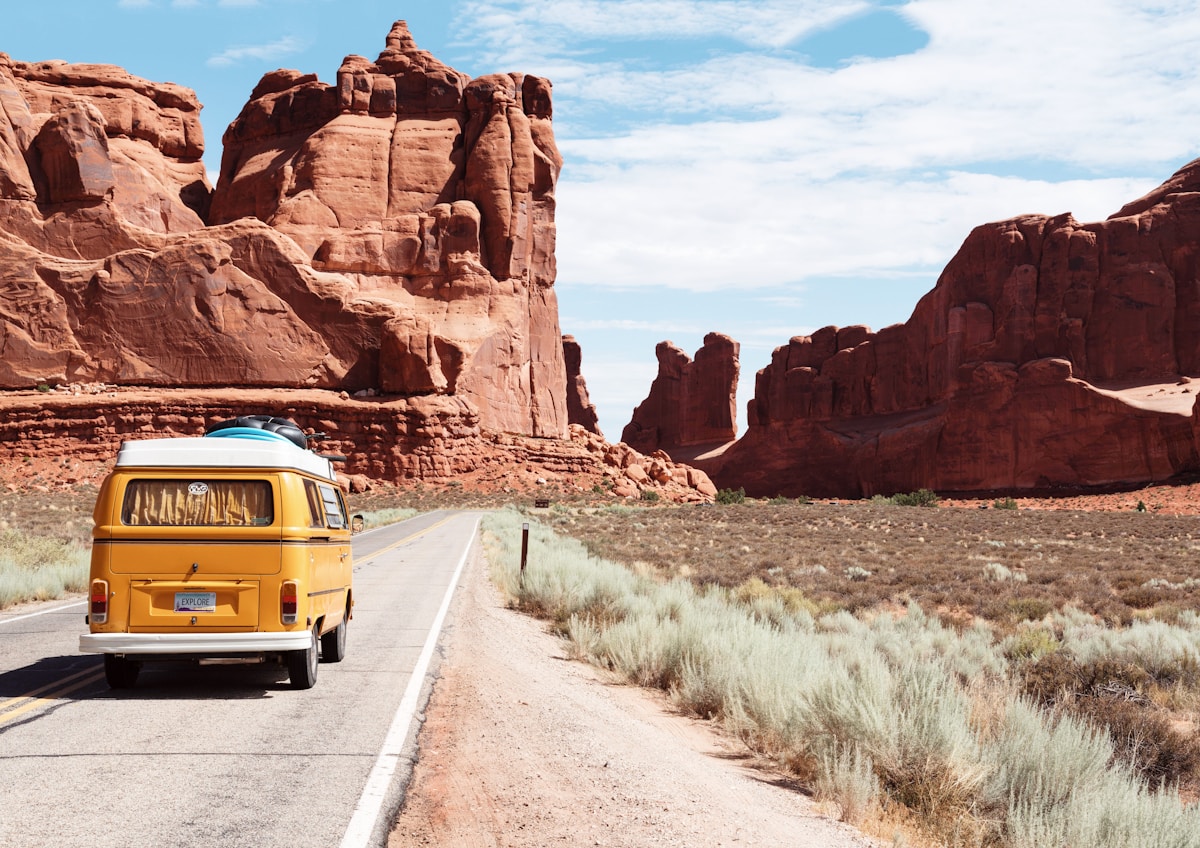
Savoyen Travel Guide: Everything You Need to Know (2026)
Savoie (Savoyen) in the French Alps covers two departments — Savoie (73) and Haute-Savoie (74) — spanning roughly 10,400 km² and reaching altitudes above 4,800 metres at Mont Blanc, Europe’s highest peak. The region joined France only in 1860 after a referendum, and today hosts over 100 ski resorts making it the largest ski area concentration on the continent. From Lake Geneva’s 73 km shoreline to the glaciers of the Vanoise National Park, Savoyen rewards travellers across every season.
Top 3 Highlights at a Glance
- Mont Blanc Massif — Standing at 4,808 m, Europe’s highest peak offers cable car access via Aiguille du Midi with vertiginous 360-degree glacier views.
- Annecy Old Town & Lake — The turquoise Lac d’Annecy is officially the cleanest natural lake in Europe, framed by medieval canals and 12th-century castle walls.
- Vanoise National Park — France’s oldest national park protects 534 km² of high-alpine wilderness and Europe’s largest ibex population — over 2,000 animals.
Scroll down for our complete travel guide with tips on getting there, where to stay, costs and more.
Getting There
How do I best reach Savoyen?
Fly into Geneva or Lyon, then take a direct coach or train into Savoyen — both options are fast and reliable. Geneva Airport (GVA) is my top pick: it sits only 40 km from Annecy and has direct bus services to resorts like Chamonix in under 2 hours. Lyon Saint-Exupéry (LYS) is better for southern Savoie destinations like Chambéry and Val d’Isère. From Paris, the TGV reaches Chambéry in 2 hours and Annecy in 3 hours 20 minutes. My tip: the caveat most travellers miss is that winter road access above 1,800 m requires snow chains — rental companies often don’t warn you until check-in.
Which airport is closest to Savoyen?
Geneva Airport (GVA) is the closest major international hub, sitting about 40 km from Annecy and 85 km from Chamonix. Chambéry Airport (CMF) is technically inside the region and the most convenient for central Savoie ski resorts like Les Arcs and La Plagne, but it operates primarily seasonal charter flights in winter, so flight choice is limited. Lyon Saint-Exupéry (LYS) is 150 km southwest and better for year-round scheduled flights. In my experience, Geneva beats all others for flexibility, price competition, and direct onward coach connections operated by Ouibus and Flixbus into the valleys.
How long is the journey from a major city to Savoyen?
From Paris Gare de Lyon, the TGV reaches Chambéry in 2 hours and Annecy in 3 hours 20 minutes — genuinely fast. From Lyon Part-Dieu, regional trains reach Chambéry in 1 hour and Annecy in 2 hours. From Geneva, coaches reach Chamonix in 1 hour 20 minutes and Annecy in 45 minutes. The honest trade-off: in winter, road journeys into high mountain valleys like Val Thorens or Tignes add 1 to 2 hours beyond the train station due to switchback mountain roads and traffic at resort entry points on Saturday changeover days. I always recommend taking the train to Moûtiers and then a shuttle.
Are there direct bus connections into Savoyen?
Yes — direct coaches connect Savoyen to major cities reliably. Flixbus and BlaBlaBus run direct services from Paris, Lyon, and Geneva to Annecy and Chambéry year-round, with fares starting at €9 if booked early. For ski resorts, specialist operators like Altibus and Snowbus run direct shuttles from Geneva Airport and Lyon Airport to over 40 resorts including Méribel, Les Menuires, and Courchevel, costing €25–€45 one way. What surprised me: these resort shuttles must be booked at least 48 hours in advance in peak winter weekends or they sell out completely, leaving travellers stranded at arrivals.
Is a rental car necessary in Savoyen?
It depends heavily on where you’re going — but for most mountain resorts, a car is not necessary and often a liability. Annecy, Chambéry, and Aix-les-Bains are fully manageable without a car using trains and local buses. High-altitude resorts like Val d’Isère, Tignes, and Les Gets are served by shuttle buses from rail hubs like Bourg-Saint-Maurice and Cluses. However, if you want to explore rural valleys like Beaufortain or Maurienne on your own schedule, renting a car in Chambéry (cheapest rates, roughly €35–€60 per day) is worthwhile. My warning: parking at ski resorts costs €15–€25 per day and is scarce on peak Saturdays.
Accommodation
Which towns in Savoyen make good bases?
Annecy is my top recommendation for first-time visitors — it has the lake, the medieval old town, good rail connections, and acts as a launchpad for alpine day trips within a 50 km radius. Chambéry suits travellers who want a genuine French city experience with fewer tourists and access to Vanoise and Chartreuse regional parks. Chamonix is essential for serious mountain lovers — it’s built around alpinism culture at 1,035 m altitude. Megève offers luxury skiing with Michelin-starred restaurants in a charming village setting. My caveat: avoid basing yourself in large purpose-built resorts like Les Menuires in summer — they’re ghost towns with almost nothing open.
Where should I stay in Savoyen?
In Annecy, stay in or within walking distance of the Vieille Ville (old town) for canal views and restaurant access — the Bonlieu neighbourhood is my pick. In Chamonix, the area around Avenue Michel Croz puts you close to the Aiguille du Midi cable car and the main pedestrian zone. For ski holidays, Méribel centre and Courchevel 1650 offer better value than Courchevel 1850, which is the most expensive ski village in France. In summer, lakeside villages like Talloires on Lac d’Annecy give you a quieter, more authentic stay than the town itself. My tip: chambres d’hôtes (B&Bs) in the Aravis valley offer exceptional value at €70–€110 per night with breakfast included.
What does accommodation cost in Savoyen?
Budget €80–€130 per night for a solid mid-range hotel in Annecy or Chambéry. In Chamonix, expect €120–€200 for a decent 3-star in summer, rising to €200–€400 in peak winter ski weeks. Luxury chalets in Megève or Courchevel 1850 start at €500 per night for a double room. The honest trade-off: self-catering apartments in Bourg-Saint-Maurice or Moûtiers cost €60–€90 per night and include a kitchen, saving significantly on food. In my experience, the best value-for-money accommodation in all of Savoyen is the Club Alpin Français mountain huts (refuges) at roughly €25–€40 for a dorm bed with dinner and breakfast — extraordinary experiences at tiny prices.
How far in advance should I book accommodation in Savoyen?
For winter ski weeks (Christmas, February half-term, and Easter), book 6–9 months ahead without exception — prime chalets in Courchevel and Val d’Isère are fully reserved by April for the following December. For summer in Annecy, book 3–4 months ahead for July and August, when the lakeside fills with French holidaymakers. Shoulder season — May, June, October — gives you real availability with 2–4 weeks’ notice and often 20–30% lower rates. My warning: the Annecy Lake Festival fireworks in August is the single most booked weekend of the year — accommodation within 15 km of Annecy sells out nearly a year in advance for that specific date.
When is the best time to visit Savoyen?
Based on climate data, June through September are the optimal travel months for hiking, cycling, and lake activities. July and August deliver the warmest temperatures — valley floors reach 25–28°C while alpine trails above 2,000 m stay pleasantly cool at 12–18°C. January and February are peak ski season with reliable snow above 1,800 m. In my experience, mid-June is my personal favourite — wildflowers cover the alpine meadows, the refuges have just reopened, crowds are 40–50% lighter than August, and prices are noticeably lower. The honest caveat: May and November are genuine dead seasons — many restaurants and hotels in ski resorts close entirely for 6–8 weeks.
Best Time to Visit
How does the weather affect activities in Savoyen?
Weather in Savoyen changes fast and varies dramatically by altitude — what’s sunny at Annecy (448 m) can be a whiteout at Aiguille du Midi (3,842 m) simultaneously. Summer afternoon thunderstorms are common above 2,000 m from late July — always start alpine hikes by 7 AM and descend before 2 PM. In winter, the north-facing slopes of Tignes and Val d’Isère hold snow best through April. The Foehn effect — a warm, dry wind — can raise valley temperatures by 10°C in hours and trigger avalanche risk. My tip: always check météo-montagne.fr (mountain-specific forecast) rather than general weather apps, which are useless for predicting alpine conditions.
Are there local festivals in Savoyen worth attending?
Absolutely — Savoyen’s festival calendar is underrated. The Annecy International Animation Film Festival in June is the world’s most prestigious animation event, attracting 15,000 industry professionals and free open-air screenings in the old town. La Fête du Lac in Annecy (first Saturday of August) features Europe’s largest fireworks display over the lake — genuinely spectacular and free to watch from the shore. Megève’s Fooding des Neiges in January brings Michelin-starred pop-up restaurants to the ski slopes. The Fête de la Transhumance in Beaufortain in June — where herders drive cattle to summer pastures — is one of the most authentic rural traditions in the French Alps and costs nothing to watch.
When does Savoyen get crowded?
August is the absolute peak for summer tourism — Annecy’s old town becomes nearly impassable on weekends, and lakeside parking disappears by 9 AM. Christmas week and February school holidays are peak winter crunch points — expect queues of 45–90 minutes at popular ski lifts in Les Trois Vallées resorts. Easter week combines school holidays with late-season skiing and creates a secondary rush. What surprised me: mid-July is noticeably quieter than August in most resorts, and early September offers warm weather, fully open restaurants, and crowd levels that are roughly 60% lower than peak August — my strongest recommendation for first-time summer visitors wanting comfort without compromise.
What does a daily budget cost in Savoyen?
Budget travellers can manage on €70–€90 per day using refuges or hostels, picnic lunches with local cheese and charcuterie, and free hiking trails. A mid-range daily budget runs €150–€220 covering a 3-star hotel, one sit-down lunch, one dinner, and a cable car or activity. Luxury ski holidays cost €400–€800+ per day per person once you factor in accommodation, lift passes (€55–€65 per day in Les Trois Vallées), ski hire (€30–€45), and meals on the slopes. In my experience, self-catering an apartment and buying groceries at Carrefour in Moûtiers or Albertville cuts daily costs by 30–40% compared to eating every meal in resort.
Is Savoyen cheaper or more expensive than other French regions?
Savoyen is significantly more expensive than most French regions outside Paris — comparable to the Côte d’Azur in peak season. Ski resort prices in Courchevel 1850 and Val d’Isère rival Alpine competitors in Switzerland, with a simple mountain restaurant lunch costing €22–€35 per person. However, Chambéry is genuinely affordable — a weekday lunch menu costs €13–€16 and a glass of local Apremont wine €3.50. The honest trade-off: the same hiking trails and mountain scenery accessible from €0 in summer cost €400+ per day with ski equipment in winter. Summer Savoyen offers extraordinary value compared to the ski season — it’s a fundamentally different price economy.
Budget
What free highlights does Savoyen offer?
More than most visitors expect. The GR5 long-distance trail through Savoyen is entirely free and passes through some of Europe’s most dramatic alpine scenery. Lac d’Annecy swimming is free at public beaches like Plage d’Albigny. The old towns of Annecy and Chambéry are free to wander, including the exterior of Château d’Annecy and Chambéry’s Fontaine des Éléphants. The Annecy Animation Festival open-air screenings in June are free. Watching the Fête de la Transhumance cattle drives in Beaufortain costs nothing. In my experience, the single most stunning free experience in Savoyen is hiking to Lac Blanc above Chamonix — a 3.5-hour round trip from Les Praz with full Mont Blanc views and zero entry fee.
What do local specialities cost in Savoyen?
Savoyard cuisine is rich, filling, and priced very differently depending on where you eat. A fondue Savoyarde (Beaufort, Comté, Emmental) for two costs €28–€45 in a tourist restaurant in Annecy, but €18–€24 in a local brasserie in Chambéry or Albertville. A tartiflette (Reblochon, potato, bacon) runs €14–€18 as a main course. A wedge of Beaufort AOP — the region’s finest aged mountain cheese — costs €3–€5 per 100g at markets in Beaufort-sur-Doron. A glass of Apremont or Roussette de Savoie white wine is €3–€5 in a local bar. My tip: buy charcuterie and cheese at the Saturday market in Annecy — far cheaper than restaurant prices and dramatically better quality.
Which route do you recommend for 5–7 days in Savoyen?
I recommend this clockwise loop starting and ending in Annecy. Day 1: Arrive Annecy, walk the old town, swim at Plage d’Albigny. Day 2: Drive or bus to Chamonix (1 hour 15 minutes), take the Aiguille du Midi cable car (book ahead at €67), afternoon in Chamonix village. Day 3: Hike Lac Blanc above Chamonix — 3.5 hours, stunning. Day 4: Drive through Col des Aravis to Beaufort-sur-Doron, visit a Beaufort cheese cooperative, overnight in Beaufortain. Day 5: Vanoise National Park day hike from Pralognan-la-Vanoise, ibex spotting. Day 6: Chambéry — cathedral, Fontaine des Éléphants, wine tasting. Day 7: Return to Annecy via Lac du Bourget (France’s largest natural lake at 18 km long).
What are the must-see sights in Savoyen?
The Aiguille du Midi cable car above Chamonix reaching 3,842 m is non-negotiable — the views across the Mont Blanc massif are the finest in the Alps. Annecy’s old town and lake offer the most photogenic townscape in France outside Paris. Vanoise National Park is essential for wildlife and high-altitude hiking. Lac du Bourget — France’s largest natural lake at 44 km² — and the Abbaye de Hautecombe monastery on its shore are underrated gems. The Gorges de l’Ardèche border region and Chartreuse Massif above Chambéry round out the range. My honest warning: don’t waste a day queuing for the Mer de Glace rack railway in Chamonix — the glacier retreat is depressing and the experience costs €38 for disappointment.
What natural highlights does Savoyen offer?
Savoyen is one of Europe’s richest regions for natural spectacle. Mont Blanc at 4,808 m dominates the skyline and is accessible to non-climbers via the Aiguille du Midi (3,842 m). Vanoise National Park protects France’s largest ibex herd and 534 km² of glaciated alpine terrain with 500 km of marked trails. Lac d’Annecy — the cleanest lake in Europe — is crystal clear enough to see 10 metres deep. The Cascade du Rouget near Sixt-Fer-à-Cheval is a 60-metre waterfall in a UNESCO-protected glacial cirque. The Grand Massif above Samoëns offers some of Haute-Savoie’s most accessible high-altitude terrain, reachable by gondola and free to hike in summer.
Routes & Highlights
What local specialities should I try in Savoyen?
Start with fondue Savoyarde — made strictly with Beaufort, Abondance, and Emmental de Savoie cheeses, never processed blends. Tartiflette with genuine Reblochon AOP cheese from the Aravis valley is the definitive après-ski dish. Diots au vin blanc (Savoyard pork sausages simmered in local white wine) are served in every traditional bistrot and cost €12–€15 as a main. Génépi — a herbal alpine liqueur made from Artemisia plants above 2,000 m — is the region’s signature digestif. Beaufort AOP is arguably France’s finest mountain cheese, best bought at Coopérative Laitière de Beaufort for authenticity. In my experience, the most overlooked wine is Roussette de Savoie — crisp, mineral, and pairs perfectly with lake fish like omble chevalier (Arctic char).
What activities are available in Savoyen?
The activity range is exceptional across seasons. Winter (December–April): Skiing across Les Trois Vallées (the world’s largest linked ski area with 600 km of pistes), snowshoeing, ice climbing in Vallée Blanche. Summer (June–September): Long-distance hiking on GR5 and Tour du Mont Blanc (170 km, 10–12 days), trail running, mountain biking at Les Gets bike park, paragliding above Annecy (tandem flights from €120), kayaking on Lac d’Annecy. Year-round: Via ferrata routes — the Via Ferrata des Aravis above La Clusaz is one of France’s finest. White-water rafting on the Isère River near Bourg-Saint-Maurice runs from €35 per person.
What distinguishes Savoyen from other French regions?
Savoyen is the only French region that functions as two entirely different destinations depending on season — a world-class ski destination in winter and an alpine wilderness hiking region in summer, with the same mountains serving both. It has Europe’s highest peak (Mont Blanc, 4,808 m), the world’s largest linked ski area (Les Trois Vallées, 600 km), and Europe’s cleanest lake (Lac d’Annecy) within a single administrative region. Unlike Provence or Brittany, Savoyen only joined France in 1860 — the regional identity, dialect (Francoprovençal), cuisine, and architecture remain distinctly Alpine rather than generically French. In my experience, nowhere else in France combines this scale of mountain grandeur with a functioning year-round economy and excellent infrastructure.
Which day trips are possible from Savoyen’s main bases?
From Annecy: Geneva (45 minutes by train) for a half-day Swiss city experience; Chamonix (1 hour 15 minutes by car) for Mont Blanc views; Aix-les-Bains (30 minutes by train) for its lakeside promenade and Abbaye de Hautecombe. From Chambéry: Grenoble (1 hour by train) with its impressive Musée de Grenoble; Col du Galibier (2 hours by car) — a legendary Tour de France mountain pass at 2,642 m; Chartreuse Massif for a half-day limestone canyon hike. From Chamonix: Cross the border into Courmayeur, Italy (20 minutes via Mont Blanc Tunnel) for superior pasta and espresso at a fraction of French resort prices — my favourite day trip in the entire Alps.
Are there language barriers in Savoyen?
French is the working language everywhere in Savoyen, and English fluency varies sharply by location. In Chamonix, Megève, and Annecy, English is widely spoken — these towns attract international visitors year-round and staff in hotels, restaurants, and ski schools are almost universally bilingual. In smaller villages like Beaufort-sur-Doron, Pralognan, or Séez, English drops off significantly — a basic French greeting and patience go a long way. My tip: learn these 5 words before arriving: fondue, tartiflette, piste (ski run), sentier (trail), refuges (mountain huts) — they’re your entire mountain vocabulary. The honest caveat: ski patrol and emergency services operate in French — download Google Translate with the French offline pack before heading into the backcountry.
Practical Tips
Which apps do you recommend for travelling in Savoyen?
These are the apps I actually use in Savoyen. Komoot — the best hiking navigation app, with detailed trail maps covering every marked path in the Alps, including winter snowshoe routes. Météo-France — essential for accurate mountain weather forecasts; do not rely on generic apps above 1,500 m. SNCF Connect — for all French train bookings including TGV from Paris. Outdooractive — for real-time avalanche and trail condition reports. Maps.me — offline maps for valleys with no phone signal. Ouibus/Flixbus — for intercity coach bookings. My warning: Apple Maps and Google Maps both give dangerously wrong routing on mountain roads — they regularly route cars over passes like Col de l’Iseran that are closed by snow from October to June.
Are there medical facilities in Savoyen?
Major towns have good hospital infrastructure — Centre Hospitalier d’Annecy is the region’s primary facility and handles alpine emergencies with specialist trauma care. Chambéry Hospital and Sallanches Hospital (near Chamonix) are well-equipped. The honest caveat: in high-altitude resorts, emergency helicopter evacuation is the standard rescue method — and it is not always covered by basic European health insurance (EHIC). A helicopter evacuation from the Mont Blanc massif can cost €3,000–€8,000 if insurance doesn’t cover mountain rescue. My strong recommendation: buy dedicated mountain rescue insurance — FFCAM membership (€35/year) covers mountain rescue in France including helicopter evacuation, making it the single best-value insurance purchase for any Savoyen visitor planning outdoor activities.
How safe is Savoyen?
Savoyen is extremely safe by all conventional crime metrics — petty theft and violent crime are very rare even in busy tourist areas like Annecy old town. The primary safety risks are environmental, not criminal. Avalanche danger is the most serious risk in winter — stick to marked pistes and always check avalanche.fr before off-piste skiing. Mountain weather changes can be life-threatening above 3,000 m — afternoon thunderstorms in summer arrive fast. Mountain road driving on passes like Col de la Forclaz or Col de l’Iseran requires experience and appropriate tyres. In my experience, the most common incidents involving tourists are altitude sickness above 3,500 m and underestimating trail difficulty — both entirely preventable with proper preparation.
What are common traveller mistakes in Savoyen?
The mistakes I see most often are predictable and avoidable. Mistake 1: Visiting Annecy in August without booking 4+ months ahead — accommodation disappears and prices spike 40–60% above June rates. Mistake 2: Taking a car into Chamonix in summer — the town centre is pedestrianised and parking is €3 per hour, while the free Mont Blanc Express train from Servoz takes 12 minutes and drops you in the centre. Mistake 3: Booking a ski week in a purpose-built resort (Les Menuires, Tignes le Lac) expecting village charm — these are functional concrete blocks with no authentic atmosphere. Mistake 4: Underestimating the Tour du Mont Blanc — it’s 170 km with 10,000 m elevation gain, not a casual week’s walk. Book refuges 6+ months ahead for July and August sections.
Which accommodation types suit Savoyen best?
The accommodation type should match your travel purpose precisely. Chalets (self-catering) in villages like Les Gets or Morzine are the best value for ski groups of 4–8 people — split costs make them cheaper per person than hotels. Refuges (mountain huts) run by the Club Alpin Français cost €25–€45 per person with dinner and breakfast included — essential for multi-day hiking. Chambres d’hôtes (B&Bs) in the Aravis and Bauges valleys offer the most authentic Savoyard experience with home-cooked breakfasts for €70–€110 per room. Boutique hotels in Annecy’s Vieille Ville and Megève centre deliver genuine Alpine charm. My honest advice: avoid large 4-star chain hotels in Chambéry — they’re priced for business travel and completely lack the mountain character that defines a Savoyen stay.
More Destinations in Europe
Explore our complete travel guides for more Europe destinations: Tarragona Travel Guide (2026), Pyrenäen Travel Guide (2026), Jaén Travel Guide (2026), Caen Travel Guide (2026), Montpellier Travel Guide (2026).
Savoyen at a Glance
| Currency | EUR (€) |
|---|---|
| Official language | French |
| Time zone | UTC+01:00 |
Source: Wikidata, retrieved August 2026.
Useful Resources for Planning Your Trip to Savoyen
- Wikipedia: Savoyen — history, geography and background
- Lonely Planet: Savoyen — itineraries and travel inspiration
- TripAdvisor: Savoyen — hotels, restaurants and traveller reviews
🎥 Savoyen Travel Videos
Austria Trend Hotel Savoyen Vienna | Travel With Priyanshi
Travel With Priyanshi
Austria trend hotel Savoyen and botanical garden and …
Robbie Holiday
You are currently viewing a placeholder content from Vimeo. To access the actual content, click the button below. Please note that doing so will share data with third-party providers.
More InformationYou are currently viewing a placeholder content from YouTube. To access the actual content, click the button below. Please note that doing so will share data with third-party providers.
More InformationYou need to load content from reCAPTCHA to submit the form. Please note that doing so will share data with third-party providers.
More InformationYou are currently viewing a placeholder content from GetYourGuide. To access the actual content, click the button below. Please note that doing so will share data with third-party providers.
More Information