
Montpellier: The Complete Travel Guide (2026)
Last reviewed: September 2026 · key facts checked against Wikidata
Montpellier Travel Guide: Everything You Need to Know (2026)
Montpellier, founded in 985 AD, sits just 10 km from the Mediterranean coast in southern France and is home to 310,240 residents in the city proper. It ranks as France’s third-largest city in the Occitania region, with a metropolitan area of over 310,240 people. The city’s medical university, founded in 1220, is one of the oldest still-operating medical schools in the world.
Top 3 Highlights at a Glance
- Place de la Comédie — Montpellier’s grand 19th-century opera house anchors this massive pedestrian square, the social heart of the city.
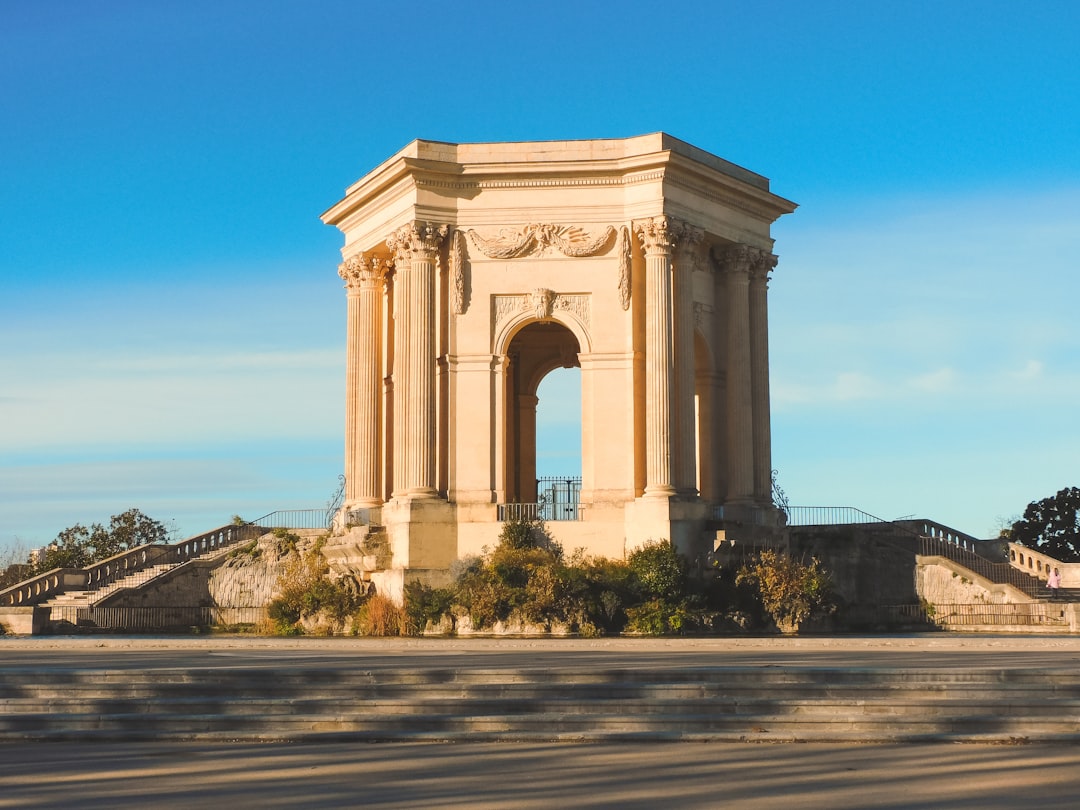
- Promenade du Peyrou — A royal esplanade built in 1689 with a triumphal arch and aqueduct, offering panoramic views toward the Pyrenees.
- Écusson Historic Quarter — A labyrinth of medieval lanes hiding 17th-century hôtels particuliers, just 15 minutes on foot from the tram.
Scroll down for our complete travel guide with tips on getting there, where to stay, costs and more.
Arrival & Airport
How do I best get to Montpellier?
Fly into Montpellier–Méditerranée Airport (MPL), 7 km southeast of the city centre, or take the TGV train. In my experience, the TGV from Paris Gare de Lyon is the superior option — it takes just 3 hours 20 minutes and drops you at Gare de Montpellier Saint-Roch, walkable to the Écusson quarter. Budget airlines including Ryanair serve MPL from multiple European cities. The honest caveat: MPL has limited international connections, so if you’re flying long-haul, routing through Marseille Provence Airport (MRS) or Paris CDG then catching the TGV is more reliable than hoping for a direct flight.
Which airport is closest to Montpellier?
Montpellier–Méditerranée Airport (MPL) is the closest, sitting 7 km southeast of the city centre. My tip: the tram line 1 does not reach the airport directly — you’ll need the navette aéroport shuttle bus, which costs around €1.60 and connects to the Odysseum tram stop in about 20 minutes. A taxi to the centre runs roughly €20–25. What surprised me: the airport is compact and easy to navigate, but car hire desks are limited, so book your vehicle well in advance if you plan to explore the Hérault countryside. For travellers arriving late, tram service ends around midnight.
How long does the journey from the airport to Montpellier city centre take?
By shuttle bus and tram combined, plan 35–45 minutes to the city centre. By taxi or rideshare, it’s roughly 15–20 minutes depending on traffic, costing around €20. I recommend the shuttle-plus-tram combo during the day — it’s cheap at €1.60 and gives you an immediate feel for the city. The trade-off: with luggage during rush hour between 17:00–19:00, the tram gets genuinely packed. If you’re arriving with a large bag and checking into a hotel in the Écusson district, a taxi is worth the extra cost to avoid wrestling cobblestones and crowds.
Do I need a car to get around Montpellier?
No — Montpellier’s centre is entirely walkable and the tram network is excellent. The 4-line tram system (T1–T4) covers the city comprehensively, with a single ticket costing €1.60. I managed every key sight without a car: the Écusson quarter, Promenade du Peyrou, the Fabre Museum, and Place de la Comédie are all within a 20-minute walk of each other. The honest caveat: if you want to reach Pic Saint-Loup (20 km north), the Camargue wetlands, or the wine villages of the Hérault, a rental car opens up the region dramatically. For a pure city trip, skip the car entirely.
City Transport
What are the best areas to stay in Montpellier?
Stay in the Écusson quarter if this is your first visit — it’s the medieval core, walkable to everything, and full of character. Gambetta and Antigone are solid alternatives with easier parking and slightly lower hotel prices. In my experience, Antigone — the postmodern quarter designed by Ricardo Bofill in 1979 — feels underrated and sits directly on tram line T1. I recommend avoiding hotels around the main train station, Gare Saint-Roch, as that pocket can feel rough after dark. For a boutique feel, the streets around Rue de l’Ancien Courrier in the Écusson hide some excellent small hotels.
What does accommodation cost per night in Montpellier?
Economy hotels run around €75 per night based on verified Numbeo data. A solid mid-range 3-star hotel in the Écusson district costs €100–€140 per night. Boutique options in the historic quarter push to €160–€200. My tip: apartments on Airbnb in the Gambetta neighbourhood offer better value for stays of 3+ nights, often landing at €60–€90 per night for a full studio. The caveat most guides skip: Montpellier has a large student population (over 65,000 students at its universities), which means budget accommodation gets booked fast during graduation weeks in June and orientation in September.
How far in advance should I book accommodation in Montpellier during high season?
Book at least 6–8 weeks ahead for July and August, which are the best travel months based on verified climate data. What surprised me: Montpellier hosts the Festival de Radio France in July, which fills quality hotels across the city for 10 days. During that window, book 3 months out or expect to stay in outlying suburbs. For shoulder months like May, June, September, booking 3–4 weeks ahead is usually sufficient. The honest warning: Montpellier attracts both beach tourists and business travellers year-round due to its tech and pharma industry presence, so even off-season weekends can sell out faster than you’d expect.
Are there special or unique accommodation types in Montpellier?
Yes — Montpellier has chambres d’hôtes (French B&Bs) housed inside 17th and 18th-century hôtels particuliers in the Écusson, some with original stone staircases and courtyard gardens. These typically run €90–€130 per night and offer a genuinely different experience from chain hotels. My tip: search for properties on Gîtes de France rather than just the major booking platforms — you’ll find options invisible elsewhere. The caveat: these historic buildings rarely have lifts, and some rooms lack air conditioning, which matters in August when temperatures in Montpellier regularly exceed 35°C. Always confirm AC before booking if you’re visiting in summer.
Accommodation & Neighbourhoods
What are the must-sees in Montpellier?
The Musée Fabre is unmissable — one of France’s finest fine arts museums with a collection of over 800 works, and entry costs just €8. The Promenade du Peyrou and its 1689 triumphal arch are free and offer the best elevated view in the city. The Écusson quarter’s medieval lanes reward slow walking, especially around Rue de la Friperie. Don’t skip the Jardin des Plantes, France’s oldest botanical garden, founded in 1593 — free entry and genuinely beautiful in spring. In my experience, visitors who rush to the beach at Palavas-les-Flots (10 km south) skip the city’s best assets entirely.
What can I experience for free in Montpellier?
Quite a lot. The Jardin des Plantes (founded 1593, free entry) is an hour well spent. The Promenade du Peyrou with its 18th-century water tower and sweeping views costs nothing. Every Sunday, the Marché du Lez on the banks of the Lez river is free to browse and full of local producers, vintage dealers, and street food. The Écusson quarter itself rewards free wandering — look up at the façades along Rue Foch for carved stone details most visitors walk past. My tip: the contemporary art scene around the MOCO museum hosts free opening nights several times a year — check their calendar before you go.
Which day trips are possible from Montpellier?
Sète (30 minutes by regional train, €7 each way) is my top pick — a canal-port city built on a narrow strip between the Étang de Thau lagoon and the sea, with an exceptional oyster and seafood scene. Nîmes (30 minutes by TGV, €15) has a better-preserved Roman amphitheatre than Rome’s Colosseum, and entry costs €10. Aigues-Mortes (45 minutes by car) is a perfectly intact 13th-century walled city surrounded by salt flats. The caveat: without a car, several of these destinations — especially Pic Saint-Loup and the Gorges de l’Hérault — require awkward bus connections. Renting a car for just one day at around €35–€50 unlocks the best of the Hérault.
What are the local specialities to eat in Montpellier?
Montpellier sits at the crossroads of Languedoc and Catalan cooking traditions. Tielle sétoise (octopus pie from nearby Sète) appears on many menus and costs around €5–7 per slice. The Hérault oysters served raw at the Marché du Lez or in restaurants near Place Jean-Jaurès are exceptional and cheap — €8–12 per dozen. Look for brandade de morue (salt cod purée) and petits farcis (stuffed vegetables) in traditional brasseries. My tip: the wine to order is Pic Saint-Loup AOC, a red from the hills 20 km north of the city — it’s rarely exported and costs €4–6 per glass locally.
Highlights & Must-Sees
What makes Montpellier unique compared to other French cities?
Montpellier was never the Roman city that Nîmes or Arles were — it was founded in 985 AD as a medieval trading town, giving it a distinct urban DNA without a Roman grid. Its medical university, established in 1220, is one of the world’s oldest still operating, and that academic identity still shapes the city today — 65,000+ students create a dynamic, young energy unusual in a city this size. What surprised me: it’s one of France’s fastest-growing cities over the past 30 years. The Antigone quarter, a 1980s postmodern masterpiece by Catalan architect Ricardo Bofill, is unlike anything else in France and worth an hour purely as an architectural experience.
How many days should I spend in Montpellier?
3 full days is the sweet spot for the city itself. Day 1: Écusson quarter, Musée Fabre, Promenade du Peyrou. Day 2: Antigone, Marché du Lez, evening in Rue de la Loge restaurants. Day 3: day trip to Sète or the beach at Palavas-les-Flots (10 km south by tram line T3). Add a 4th day if you want to drive into the Hérault backcountry toward Saint-Guilhem-le-Désert, one of the most beautiful medieval villages in France. The caveat most itineraries miss: Montpellier’s nightlife centres around Rue de la Loge and Place Jean-Jaurès — budget at least one evening to sit, drink local wine, and watch the city move.
What is the best time of year to visit Montpellier?
July and August are the best months based on verified climate analysis — long sunny days, warm evenings, and full beach access at Palavas-les-Flots. My honest preference, however, is May and June: temperatures are comfortable at 20–25°C, the Jardin des Plantes is in full bloom, and crowds are thinner. September is excellent for wine harvest events in the Hérault valleys. The trade-off: July brings the Festival de Radio France, which is wonderful but pushes hotel prices up sharply. Winter (December–February) is mild by northern European standards at 8–12°C, but the beach towns close and some restaurants in the Écusson reduce their hours significantly.
Are there local festivals in Montpellier worth attending?
The Festival de Radio France Montpellier (July, 10 days) is the headline event — classical, jazz, and world music concerts, many free in Place de la Comédie. Cinemed (October) is one of France’s leading Mediterranean film festivals, centred at the Cinéma Nestor Burma and surrounding venues. The Fête de la Musique on June 21st turns every street in the Écusson into a free concert stage. My tip: the Arabesques Festival (March/April) focuses on Arab and Mediterranean arts and is consistently excellent — book accommodation early as it draws a dedicated international crowd. The honest caveat: parking and tram capacity during festival periods is genuinely painful.
Food & Drink
How does the weather affect activities in Montpellier throughout the year?
Montpellier has a classic Mediterranean climate — hot, dry summers and mild, wetter winters. The Tramontane wind can arrive suddenly and make outdoor dining uncomfortable, even in summer. Beach access at Palavas-les-Flots is best from June to September; outside that window, the water is cold and facilities are limited. The Pic Saint-Loup hiking trails are most pleasant in April–June and September–October — summer heat above 35°C makes midday hiking genuinely dangerous. In my experience: November is underrated for city sightseeing — 14°C, minimal crowds, and the Musée Fabre is practically empty. The caveat: heavy rainfall in October and November can cause the Lez river to flood low-lying areas near the Marché du Lez.
How crowded does Montpellier get in peak season?
The Écusson quarter and Place de la Comédie get noticeably crowded in July and August, especially on weekends when beach day-trippers from surrounding towns converge. Palavas-les-Flots beach (10 km south on tram T3) is genuinely packed — expect to share your towel space in August. What surprised me: Montpellier doesn’t suffer the extreme tourist saturation of Barcelona or Nice — it remains a real working city even in peak season. My tip: visit the Jardin des Plantes and Musée Fabre on weekday mornings to avoid the school and tour groups. Book evening restaurant tables in the Écusson at least 2 days in advance during July–August.
How safe is Montpellier for travellers?
Montpellier is broadly safe for tourists, but some caveats apply. The area around Gare Saint-Roch (the main train station) can feel edgy after 22:00 and petty theft is reported there. The Paillade and La Mosson districts in the northwest are residential areas with higher crime rates — there’s no tourist reason to go there. In my experience, the Écusson quarter and Place de la Comédie feel safe at all hours, with good foot traffic and lit streets. Standard city precautions apply: keep bags zipped on tram T1, which crosses the busiest zones. The emergency number in France is 112 and English-speaking operators are available.
Is English widely spoken in Montpellier?
More than in most French cities, thanks to 65,000+ university students and a significant international academic community. In the Écusson quarter, tourist restaurants and hotels have English-speaking staff as the rule, not the exception. The honest caveat: venture into local boulangeries, the covered Halles Castellane market, or neighbourhood tabacs and you’ll encounter French-only service. My tip: even a few words of French — ’Bonjour,’ ‘S’il vous plaît,’ ‘Merci’ — dramatically improves your reception in shops and markets. The MOCO contemporary art museum has bilingual English-French signage throughout, making it unusually accessible for non-French speakers exploring local art.
Practical Tips
What is a realistic daily budget for Montpellier?
Budget travellers can manage on €60–€75 per day — a dorm bed at around €25, a cheap meal at ~€15 (verified Numbeo figure), and tram travel at €1.60 per trip. A comfortable mid-range day runs €120–€160 per person: a 3-star hotel share at €75, one sit-down lunch, one dinner for two at ~€25 each (Numbeo verified), a museum entry at €8, and a glass of Pic Saint-Loup wine at €5. My tip: buy a 10-trip tram carnet (approximately €14) rather than single tickets to save meaningfully over a 3-day stay. The hidden cost most travellers miss: resort fees and tourist taxes (taxe de séjour) of €1–€3 per person per night, always charged separately.
How does Montpellier’s public transport network work?
Montpellier runs 4 tram lines (T1–T4) plus a network of bus lines, all operated by TaM (Transports de l’Agglomération de Montpellier). A single ticket costs €1.60 and is valid for 60 minutes with transfers between tram and bus. The T1 line is the backbone, running from Mosson in the northwest through Place de la Comédie to Odysseum in the east — it covers most tourist needs. My tip: download the TaM Mobilités app for real-time schedules. The honest caveat: trams run from approximately 05:00 to 00:30, but frequency drops sharply after 21:00 on weekdays. For the beach at Palavas-les-Flots, take tram T3 from Place de l’Europe — it’s a 25-minute ride.
Which apps do you recommend for navigating and enjoying Montpellier?
TaM Mobilités (official tram/bus app) is essential — it provides real-time arrivals and lets you plan connections across the network. Citymapper works well in Montpellier and is more intuitive for first-time visitors than Google Maps transit mode. For restaurants, TheFork (LaFourchette) is widely used locally and offers genuine discounts of 20–50% at participating Montpellier restaurants on off-peak bookings. Météo-France is more accurate for local conditions than international weather apps — the Tramontane wind forecasts in particular are far better. My tip: Too Good To Go is popular in Montpellier with bakeries and restaurants offering surplus food from €3–€5, a genuine budget hack for breakfast.
More Destinations in Europe
Explore our complete travel guides for more Europe destinations: Villeurbanne Travel Guide (2026), Lleida Travel Guide (2026), Île de Batz Travel Guide (2026), Nantes Travel Guide (2026), Santiago de Compostela Travel Guide (2026).
Montpellier at a Glance
| Population | 310,240 |
|---|---|
| Currency | EUR (€) |
| Official language | French |
| Time zone | UTC+01:00 |
Source: Wikidata, retrieved September 2026.
Useful Resources for Planning Your Trip to Montpellier
- Wikipedia: Montpellier — history, geography and background
- Lonely Planet: Montpellier — itineraries and travel inspiration
- TripAdvisor: Montpellier — hotels, restaurants and traveller reviews
🎥 Montpellier Travel Videos
Best Things To Do In Montpellier France | Travel Guide 2025
Easy Travel Dude

MONTPELLIER FRANCE Walking Tour / FIRST IMPRESSIONS
Kristina Houwer
You are currently viewing a placeholder content from Vimeo. To access the actual content, click the button below. Please note that doing so will share data with third-party providers.
More InformationYou are currently viewing a placeholder content from YouTube. To access the actual content, click the button below. Please note that doing so will share data with third-party providers.
More InformationYou need to load content from reCAPTCHA to submit the form. Please note that doing so will share data with third-party providers.
More InformationYou are currently viewing a placeholder content from GetYourGuide. To access the actual content, click the button below. Please note that doing so will share data with third-party providers.
More Information