
Mont Saint-Michel: The Complete Travel Guide (2026)
Last reviewed: October 2026 · key facts checked against Wikidata
Mont Saint-Michel Travel Guide: Everything You Need to Know (2026)
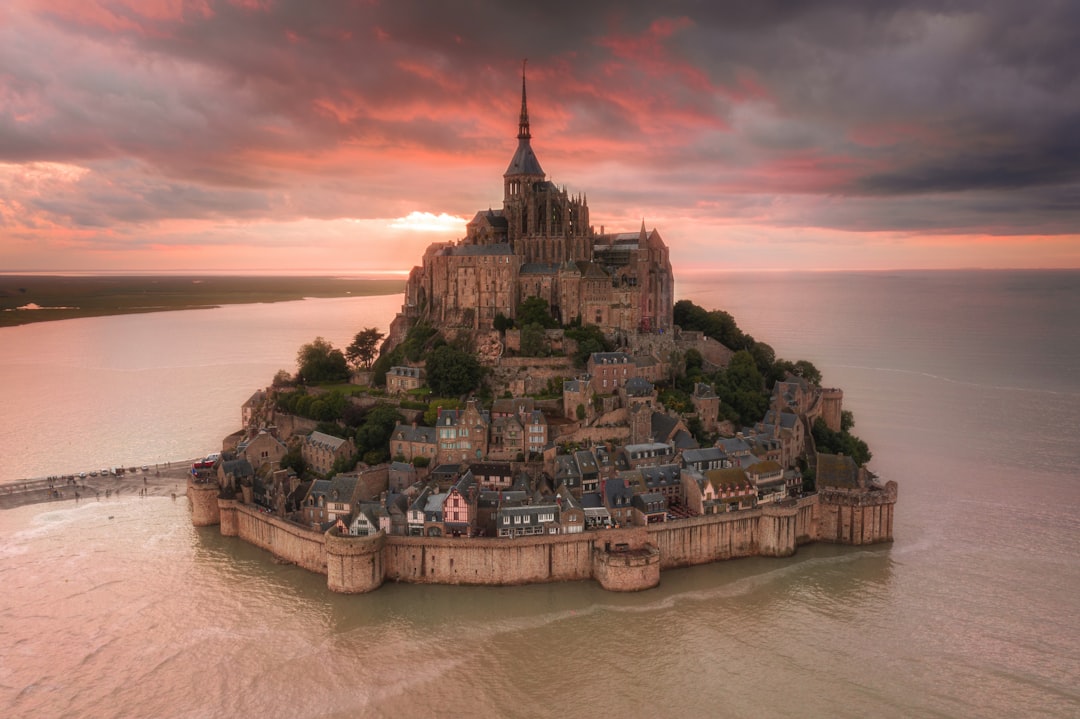
Mont-Saint-Michel is a tidal island commune in Normandy, France, sitting just 5 metres above sea level and home to only 41 permanent residents — one of the smallest communes in France. The abbey crowning the island was founded in 708 AD by Bishop Aubert of Avranches, and the surrounding bay sees tidal ranges of up to 15 metres, among the largest in Europe. Despite its minuscule population, Mont-Saint-Michel draws over 3 million visitors annually, making it France’s third most visited monument.
Top 3 Highlights at a Glance
- Abbaye du Mont-Saint-Michel — A Gothic abbey perched 80 metres above the bay, continuously occupied since 966 AD — breathtaking at any hour.
- Tidal Bay Walk with a Guide — Cross the quicksand-riddled bay on foot with a certified guide — tides here move at 4 km/h, faster than walking pace.
- La Mère Poulard Omelette — The legendary hand-beaten omelette served here since 1888 — a culinary ritual unique to Mont-Saint-Michel.
Scroll down for our complete travel guide with tips on getting there, where to stay, costs and more.
Getting There
How do I best reach Mont-Saint-Michel?
By car from Paris via the A13/A84 is the most practical option, taking 3.5 hours. From Paris Gare Montparnasse, trains to Pontorson or Rennes connect to shuttle buses that drop you at the causeway in under 1 hour. In my experience, driving gives you the most flexibility, especially if you want to arrive at dawn or dusk for the best light. The caveat most guides skip: parking at P1 Les Grèves fills completely by 9 AM in July and August, so arriving before 8 AM or after 6 PM is non-negotiable. I recommend combining the train-to-bus option if you’re coming from Paris for a single-day visit.
Which airport is closest to Mont-Saint-Michel?
Rennes Airport (RNS) is the closest major airport, approximately 65 km southeast of Mont-Saint-Michel. Caen Airport (CFR) is roughly 120 km to the northeast. In my experience, neither airport is a hub for international long-haul flights, so most visitors fly into Paris Charles de Gaulle (CDG) and travel by TGV train to Rennes or Pontorson. My tip: CDG to Rennes by TGV takes 1 hour 30 minutes and costs around €40–80 depending on booking timing. What surprised me is how few visitors use Rennes Airport — it’s genuinely the most underrated entry point for this region if you’re flying from London or Dublin on budget carriers.
How long is the journey to Mont-Saint-Michel from Paris?
By car the drive is 3.5 hours (approximately 360 km) via the A13 and A84 motorways. By train-and-bus combination from Paris Gare Montparnasse to Pontorson plus a 15-minute shuttle it’s around 4 hours total. In my experience, the train option is less stressful because parking stress at Mont-Saint-Michel is real — pay car parks cost €15.90 per day and still fill by mid-morning in peak summer. My honest caveat: there is no direct train to Mont-Saint-Michel itself; the nearest station is Pontorson, 9 km away, and taxi availability there is extremely limited outside of summer weekends.
Are there direct bus connections to Mont-Saint-Michel?
Yes — Keolis operates the official shuttle bus (called the Navette Gratuite) connecting the mainland car parks to the island gate, running every 10–15 minutes. From Rennes, Courriers Bretons runs a direct regional bus to Mont-Saint-Michel taking about 1 hour 15 minutes for approximately €10–15 one way. From Saint-Malo, Keolis buses cover the 60 km in around 1 hour 30 minutes. What most guides don’t mention: the free island shuttle does NOT run during extreme high tides — roughly 10–15 days per year — and you must walk the 2 km causeway instead, which is actually a magnificent experience if the weather cooperates.
Is a rental car necessary to explore around Mont-Saint-Michel?
A rental car is genuinely useful if you plan to explore the broader Normandy or Brittany coast beyond the island. For Mont-Saint-Michel alone, no — the free shuttle bus and walking cover everything. My tip: renting from Rennes city centre gives the best prices, typically €35–55 per day for a compact car including insurance. The honest trade-off: driving to Mont-Saint-Michel means you’re locked into paying the €15.90 parking fee and fighting peak-hour traffic on the single-lane causeway approach road. If your itinerary includes Bayeux, Saint-Malo, and the D-Day beaches, a rental car for 4–5 days is absolutely worth it.
Accommodation
Which towns make good bases near Mont-Saint-Michel?
Pontorson (9 km south) is the most practical and affordable base — a genuine market town with supermarkets, restaurants, and a train station. Saint-Malo (60 km west) is my personal favourite base, offering stunning walled city atmosphere and easy day-trip access. Avranches (25 km north) has an excellent museum holding the original manuscripts from the Mont-Saint-Michel abbey and great views of the bay. What most guides omit: staying on the island itself — inside the walls at places like Hôtel Le Mouton Blanc — is logistically complicated because all luggage must be carried by hand up steep cobblestone lanes, but the dawn-to-dusk experience of having the island to yourself after day-trippers leave is truly unforgettable.
Where should I stay when visiting Mont-Saint-Michel?
Staying on the island at hotels like Hôtel Le Mouton Blanc or Hôtel du Guesclin gives you access to Mont-Saint-Michel at magical off-hours — before 9 AM and after 7 PM when day-trippers are gone. For budget travellers, Pontorson has gîtes and B&Bs from €55–80 per night. In my experience, the single most underrated sleeping option is a chambres d’hôtes (farmhouse B&B) in the villages around Beauvoir or Ardevon, just 3–4 km from the causeway entrance, giving a genuine Normandy rural experience. The caveat: on-island hotels book out 8–10 months in advance for July and August — treat this like booking a Paris hotel during Fashion Week.
What does accommodation cost near Mont-Saint-Michel?
On the island itself, expect €150–280 per night for a double room in peak summer at places like Hôtel La Mère Poulard. In Pontorson, budget hotels like Hôtel de l’Arrivée run €65–95 per night. Rural chambres d’hôtes around Beauvoir average €70–100 per night including breakfast. My tip: booking directly with smaller properties saves 10–15% versus booking platforms. What most guides don’t warn you about: on-island accommodation prices inflate by 30–40% in July and August compared to May or October, and cancellation policies are often strict with no refunds inside 14 days of arrival — read the small print.
How far in advance should I book accommodation near Mont-Saint-Michel?
For July and August, book on-island hotels at least 8 months in advance — I am not exaggerating. Hôtel La Mère Poulard and Hôtel Le Mouton Blanc typically show zero availability from June by the preceding November. For mainland bases like Pontorson or Saint-Malo, 2–3 months ahead is sufficient in high season. In my experience, the sweet spot is the June shoulder period — you get excellent weather, the island is busy but manageable, and you can secure good rates with just 6 weeks notice. My honest warning: do not assume you can book on arrival in summer — the entire Mont-Saint-Michel accommodation ecosystem operates at full capacity from mid-June to late August.
When is the best time to visit Mont-Saint-Michel?
June is the optimal month based on climate data — reliable sunshine, average temperatures around 17–19°C, and crowds noticeably thinner than July or August. My personal recommendation is the first two weeks of June or the entirety of September, when the tourist flow drops by roughly 30% but the weather remains excellent. In my experience, visiting in October offers dramatic skies and low crowds, though some smaller restaurants inside the walls close on weekdays. The trade-off nobody mentions: May can bring surprise cold snaps and Atlantic rain from the Breton coast, so pack a waterproof layer regardless of forecast. February and March offer the most spectacular equinoctial tides — worth considering for photography even in cool weather.
Best Time to Visit
How does the weather affect activities at Mont-Saint-Michel?
High winds and rain make the exposed rampart walk dangerous and unpleasant — winds above 60 km/h are common in winter. The abbey’s interior is always accessible regardless of weather, making it a reliable 2–3 hour wet-weather activity. Bay walks with guides are cancelled when tidal conditions or fog make navigation unsafe — this happens roughly 20 days per year. In my experience, even a grey misty day gives Mont-Saint-Michel an atmospheric Gothic quality that clear-sky days can’t match. My tip: check the Mont Saint-Michel tides calendar (available free online) before booking any bay walk — the most spectacular tidal surges happen during full and new moon cycles roughly 36–48 hours after the moon peaks.
Are there local festivals worth attending near Mont-Saint-Michel?
The Fête de la Saint-Michel on September 29th is the island’s patron saint feast day — one of the most authentic local events, with a pilgrim procession, special evening access to the abbey, and a festive atmosphere that is entirely different from the tourist-day experience. In July, Avranches (25 km north) hosts a medieval market weekend that recreates the abbey’s medieval history with remarkable authenticity. Cancale (40 km west) holds an oyster festival in August where fresh Breton oysters cost as little as €1 per piece directly from fishing boats. My honest caveat: the Fête de la Saint-Michel does attract a surge in visitors — accommodation in the Pontorson area books out 4–5 months ahead for that specific weekend.
When does Mont-Saint-Michel get crowded?
Peak crowding occurs mid-July to mid-August when 15,000–20,000 day-trippers can arrive on a single weekend day, creating queues of 45–60 minutes just to enter the abbey. The Grand Rue (main street) becomes genuinely shoulder-to-shoulder impassable between 10 AM and 5 PM in high season. In my experience, arriving before 8 AM or after 6 PM on any summer day gives you a completely different — and magical — experience of the island. My tip that most travel guides omit: French school holidays (last week of October, two weeks at Christmas, two weeks in February) create secondary crowd surges that rival peak summer, with primarily French domestic visitors who are not tracked in international tourist statistics.
What does a daily budget cost at Mont-Saint-Michel?
A realistic daily budget including abbey entry (€13 adults), a sit-down lunch, and a bay walk guide (€12–15 per person) comes to €60–80 per person excluding accommodation. Add €70–150 for a mid-range hotel and your total daily spend is €130–230. Budget travellers who picnic, skip guided tours, and stay in Pontorson can manage €80–100 per day total. What surprises most visitors: the car park fee of €15.90 is unavoidable if you drive, and the free shuttle from the car park to the island gate is included. My tip: buy abbey tickets online in advance at €13 — on-site prices are identical but the queue to buy them in person costs you 30–45 minutes of your visit time.
Is Mont-Saint-Michel cheaper or more expensive than other Normandy regions?
Mont-Saint-Michel is 30–40% more expensive than inland Normandy towns like Bayeux or Caen for equivalent accommodation. Restaurant prices on the island itself are tourist-premium — a basic crêpe costs €8–12 versus €4–6 in Pontorson. The abbey at €13 entry is reasonable compared to similar French monuments. In my experience, the best value strategy is to sleep in Pontorson or Saint-Malo, eat breakfast at your accommodation, picnic at lunchtime on the causeway or mainland, and reserve your restaurant budget for a single memorable dinner. The honest trade-off: you genuinely do pay a premium for the on-island experience, but spending one night on the island — even at €200 — is an experience I consider worth the cost.
Budget
What free highlights does Mont-Saint-Michel offer?
Walking the 2 km causeway on foot at low tide is completely free and gives the best panoramic photographs of the island. The exterior rampart walk (partially accessible without abbey ticket) offers dramatic bay views at no cost. The village streets inside the walls — the Grand Rue and side lanes — are free to wander, though every shop targets your wallet. In my experience, the single best free experience is arriving at dawn and watching the island emerge from morning mist — no ticket required, no queues, just the island and its 41 permanent residents starting their day. My tip: the beach south of the causeway at low tide is a free and crowd-free spot where you can experience the extraordinary scale of the bay without paying anything.
What do local specialities cost at Mont-Saint-Michel?
The iconic La Mère Poulard omelette costs €35–45 per person as a full meal at the original restaurant — expensive but a genuine bucket-list experience dating to 1888. A simpler version exists at smaller island restaurants for €18–22. Agneau de pré-salé (salt marsh lamb from the bay) costs €22–32 as a main course. In the mainland town of Pontorson, a three-course dinner with wine runs €22–30 per person. My honest caveat: Cancale oysters sold at the causeway entrance kiosk cost €6–8 for a half dozen — fresh, local, and the best-value food experience in the entire area. I recommend skipping the tourist crêpe stands inside the walls entirely and saving your appetite for a proper meal on the mainland.
Which route do you recommend for 5-7 days around Mont-Saint-Michel?
Day 1: Arrive Saint-Malo, walk the ramparts, eat moules-frites at a port brasserie. Day 2: Drive 40 km to Cancale for oysters, then continue to Mont-Saint-Michel — arrive by 5 PM when crowds thin, walk the causeway at dusk. Day 3: Pre-dawn start to explore the island alone, abbey visit by 9 AM (€13), afternoon guided bay walk (€12–15). Day 4: Drive 25 km to Avranches (abbey manuscript museum), then head into Normandy toward Bayeux. Day 5: D-Day beaches and Bayeux Tapestry — plan a full 8-hour day. Days 6–7: Caen and return. My tip: this loop is entirely doable without backtracking if you collect your rental car in Saint-Malo and drop it in Caen.
What are the must-see sights at and around Mont-Saint-Michel?
The Abbaye du Mont-Saint-Michel (open daily, €13 entry) is the non-negotiable centerpiece — allow minimum 2.5 hours inside. The Merveille (Marvel) — the three-story Gothic monastic complex on the north side — is the architectural highlight most visitors rush past. The Scriptorial d’Avranches in Avranches (25 km north) houses the original 8th-12th century illuminated manuscripts from the abbey and is dramatically undervisited (€8 entry). In my experience, the Tombeline islet viewpoint — visible from the south beach at low tide — gives the most dramatic perspective of the Mont and is visited by almost no one. My tip: the abbey’s cloister at 8 AM before bus-tour groups arrive is one of the most serene medieval spaces in France.
What natural highlights does the Mont-Saint-Michel region offer?
The Baie du Mont-Saint-Michel is a UNESCO World Heritage site in its own right — 500 km² of tidal flats, salt marshes, and migrating bird colonies. The equinoctial tides (March and September) produce the highest tidal surges in continental Europe, reaching up to 15 metres and advancing at 4 km/h — genuinely faster than a brisk walk. The Couesnon River estuary, which historically shifted enough to strand the Mont in Normandy rather than Brittany, is fascinating to explore at low tide. In my experience, the salt marsh trails south of the causeway between Ardevon and Beauvoir are visited by almost no tourists but offer superb birdwatching — 200+ species use the bay as a migration corridor annually.
Routes & Highlights
What local specialities should I try near Mont-Saint-Michel?
Agneau de pré-salé — lamb raised on the salt marshes surrounding the bay — is the definitive local dish, with a uniquely mineral flavour from the halophyte grasses the animals graze on. Cancale oysters, farmed in the Breton waters 40 km west, are among France’s finest and cost €1–1.50 each at the market. La Mère Poulard omelette — beaten tableside in a long-handled copper pan over an open fire — is theatrical and delicious. Norman Calvados apple brandy and Camembert from the Pays d’Auge (80 km east) are regional staples worth buying directly from farm shops. My honest caveat: most food sold inside Mont-Saint-Michel’s walls is tourist-grade and overpriced — I always eat my best meals in Pontorson or Saint-Malo.
What activities are available at Mont-Saint-Michel?
Guided bay walks (€12–15, departing from Genêts village on the south shore) are the standout activity — walking across the tidal flats with a certified guide is genuinely thrilling and unavailable anywhere else in France. The abbey offers evening illuminated visits in summer (July–August, €13, 9 PM start) that are arguably better than daytime visits. Kayaking on the Couesnon River is available from Pontorson (€25–35 for 2 hours). Horseback riding across the bay is offered by one operator in Genêts and books out weeks in advance in summer. In my experience, the combination of a 5 AM causeway walk at low tide followed by abbey opening at 9 AM is the single best activity sequence available at Mont-Saint-Michel — and costs only the €13 abbey ticket.
What distinguishes Mont-Saint-Michel from other Normandy regions?
Mont-Saint-Michel is unique in all of France: an 8th-century abbey on a tidal island, connected to the mainland by a causeway that was deliberately redesigned in 2014 to restore natural tidal flushing after decades of silting. No other monument in France combines extreme tidal dynamics with living medieval architecture and an active monastic community — Benedictine monks and nuns from the Fraternités Monastiques de Jérusalem still celebrate daily mass in the abbey at 12:15 PM, which visitors may attend free of charge. What most guides miss: this is not just a day-trip monument but a working spiritual community of 41 permanent residents maintaining a tradition unbroken since 966 AD.
Which day trips are possible from Mont-Saint-Michel?
Saint-Malo (60 km, 1 hour by car) is the finest day trip — the walled corsair city, Breton oysters, and the island of Grand Bé (where Chateaubriand is buried, accessible on foot at low tide) fill a full day beautifully. Cancale (40 km, 45 minutes) for the oyster market is a half-day trip. Bayeux (80 km, 1 hour 15 minutes) for the Tapestry and D-Day beach access is an excellent full-day excursion. In my experience, Avranches (25 km, 30 minutes) is the most overlooked day trip — the Scriptorial museum, formal gardens, and panoramic bay viewpoint deserve a 4-hour visit minimum. My tip: combine Saint-Malo and Cancale in a single day by driving the D355 coastal road between them.
Are there language barriers at Mont-Saint-Michel?
English is widely spoken throughout Mont-Saint-Michel itself — abbey staff, hotel receptions, and most restaurant servers on the island are English-fluent given the international visitor base. In Pontorson and rural surrounding villages, English proficiency drops significantly and basic French phrases make a genuine difference. In my experience, learning five French sentences — greetings, ordering food, asking for the bill, buying tickets, and saying thank you — transforms interactions in mainland Normandy towns. My honest observation: the abbey’s audio guide is available in 10 languages including English, Japanese, and German (€5), and it’s genuinely excellent — far better than many European monument guides I’ve used. French menus rarely have English translations outside the island’s main tourist strip.
Practical Tips
Which apps do you recommend for visiting Mont-Saint-Michel?
Marees.fr (or the English equivalent Tides Near Me) is essential — showing tidal height predictions that determine whether the bay walk is possible and when the causeway is most photogenic. SNCF Connect handles all French train bookings and shows real-time delays for the Pontorson connection. Maps.me downloaded offline covers the bay trails and surrounding villages where cellular signal drops to zero. Google Translate with the camera function handles French menus and signs. In my experience, the official Mont-Saint-Michel abbey app is surprisingly good for a French monument — self-guided tours work well offline. My tip: download the Normandie Tourisme app for regional event calendars and festival dates that don’t appear on standard travel sites.
Are there medical facilities near Mont-Saint-Michel?
There are no medical facilities on the island itself — the 41 permanent residents rely on mainland services. The nearest hospital with emergency care is in Avranches (25 km north), the Centre Hospitalier d’Avranches-Granville, reachable in 30 minutes by car. In Pontorson (9 km south), there is a pharmacy and a general practitioner who operates limited hours. In my experience, the most common visitor medical issues are twisted ankles from the cobblestone streets and overheating in peak summer — neither life-threatening but both preventable with proper footwear and water. My serious warning: if you join a guided bay walk, never separate from the guide — the quicksand zones in the bay are genuine and have required emergency rescues. The SAMU emergency number in France is 15.
How safe is Mont-Saint-Michel?
The island itself is extremely safe — petty crime is nearly nonexistent given the high visitor density and regular police presence. The primary safety risk is entirely natural: the bay tides advance at 4 km/h and have been responsible for deaths among tourists who venture onto the flats without a certified guide. The Couesnon River channels are dangerously deep in sections at mid-tide. In my experience, the cobblestone streets become treacherously slippery after rain — I’ve watched multiple visitors fall on the Grand Rue’s wet medieval paving. My essential warning: ignore any local who offers to guide you across the bay without an official certification badge — licensed guides are issued by the Maison de la Baie and always carry visible identification. The French emergency number is 112.
What are common traveller mistakes at Mont-Saint-Michel?
The single most common mistake is arriving at 10 AM on a summer Saturday — you’re walking into 15,000 people on an island designed for hundreds. Second: wearing inappropriate footwear — high heels or smooth-soled shoes on wet medieval cobblestones cause injuries daily. Third: skipping the abbey’s upper terraces and cloister because the ground-floor nave looks complete — the best architecture is on floors two and three. Fourth: not checking the tide schedule and missing the dramatic high-tide surge that transforms the island. In my experience, the biggest wasted opportunity is leaving before sunset — the island between 7 PM and 9 PM in summer is a completely different and incomparably beautiful place. My practical tip: buy abbey tickets online at least 3 days ahead to skip the 30-minute ticket queue entirely.
Which accommodation types suit Mont-Saint-Michel best?
On-island historic hotels (like Hôtel La Mère Poulard at €200–300/night) suit travellers who prioritise atmosphere over budget and want the dawn-to-dusk island experience. Rural chambres d’hôtes in farm buildings around Beauvoir and Ardevon (€70–100/night including breakfast) suit travellers who want authentic Normandy rural life within 5 km of the causeway. Budget hotels in Pontorson (€55–80/night) suit cost-conscious travellers who want town amenities and a train connection. In my experience, the absolute best value is a gîte (self-catering cottage) booked for 3–4 nights near Genêts village on the south bay shore — you’re positioned perfectly for morning bay walks and have the extraordinary privilege of watching the Mont change colour at sunrise from your own terrace.
More Destinations in Europe
Explore our complete travel guides for more Europe destinations: Menorca Travel Guide (2026), Caen Travel Guide (2026), Colmar Travel Guide (2026), Nice Travel Guide (2026), Cannes Travel Guide (2026).
Mont Saint-Michel at a Glance
| Population | 23 |
|---|---|
| Currency | EUR (€) |
| Official language | French |
| Time zone | UTC+01:00 |
Source: Wikidata, retrieved October 2026.
Useful Resources for Planning Your Trip to Mont Saint-Michel
- Wikipedia: Mont Saint-Michel — history, geography and background
- Lonely Planet: Mont Saint-Michel — itineraries and travel inspiration
- TripAdvisor: Mont Saint-Michel — hotels, restaurants and traveller reviews
🎥 Mont Saint Travel Videos
Best Things to Do in Mont-Saint-Michel, France | Perfect 1-Day …
Worthy Travels
Don’t Visit Mont Saint-Michel Until You Watch This!
Johlene Orton
You are currently viewing a placeholder content from Vimeo. To access the actual content, click the button below. Please note that doing so will share data with third-party providers.
More InformationYou are currently viewing a placeholder content from YouTube. To access the actual content, click the button below. Please note that doing so will share data with third-party providers.
More InformationYou need to load content from reCAPTCHA to submit the form. Please note that doing so will share data with third-party providers.
More InformationYou are currently viewing a placeholder content from GetYourGuide. To access the actual content, click the button below. Please note that doing so will share data with third-party providers.
More Information