
Chamonix-Mont-Blanc: The Complete Travel Guide (2026)
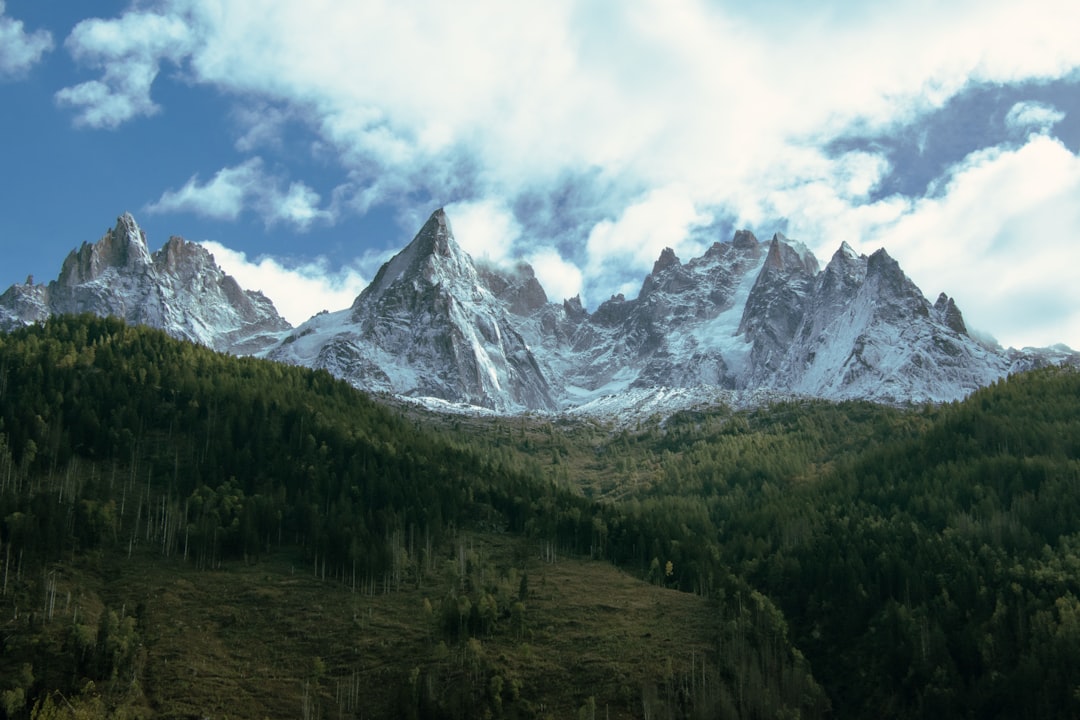
Chamonix-Mont-Blanc Travel Guide: Everything You Need to Know (2026)
Chamonix-Mont-Blanc sits at 1,030m elevation in the French Alps, population 8,897, and hosted the very first Winter Olympics in 1924 — a legacy that shaped it into one of Europe’s premier mountain destinations. The town anchors a valley stretching 24km beneath Mont Blanc, Western Europe’s highest peak at 4,808m. Whether you arrive in July for trail running or January for off-piste skiing, the scale of the landscape here is genuinely humbling.
Top 3 Highlights at a Glance
- Aiguille du Midi Cable Car — Rockets you to 3,842m in under 20 minutes, delivering a face-to-face view of Mont Blanc’s summit ridge.
- Mer de Glace Glacier — France’s largest glacier at 7km long, accessible by a historic rack railway built in 1908.
- Tour du Mont Blanc (TMB) — The world’s most iconic long-distance hike circles the massif across France, Italy, and Switzerland in roughly 11 days.
Scroll down for our complete travel guide with tips on getting there, where to stay, costs and more.
Getting There
How do I best reach Chamonix-Mont-Blanc?
Fly into Geneva Airport (GVA), then take a direct transfer — it’s the sharpest route in. Geneva is 90km away, making it the standard gateway. I recommend pre-booking the Mont Blanc Express shuttle or a shared transfer with Alpybus (around €30–40 per person), which drops you right in Chamonix centre. Driving is equally practical if you’re coming from Lyon (220km, roughly 2.5 hours) or Paris (600km, around 6 hours). What most guides skip: the Mont Blanc Tunnel from Courmayeur, Italy, is an alternative entry point if you’re touring the Alps, but tunnel tolls run €50 round trip for a car.
Which airport is closest to Chamonix-Mont-Blanc?
Geneva Airport (GVA) is the closest major hub, 87km away — about 75 minutes by road. In my experience, it handles connections far better than the alternatives. Lyon Saint-Exupéry (LYS) is 220km south and works if you find a better fare, but adds 90 minutes to your transfer. Turin Airport (TRN) in Italy is 160km away via the Mont Blanc Tunnel, feasible but often overlooked. My tip: book flights into GVA first — it has the most direct European connections, and the transfer infrastructure to Chamonix is excellent, with shuttles running almost hourly in peak season.
How long is the journey from major cities to Chamonix-Mont-Blanc?
From Geneva Airport it’s 75–90 minutes by road, making it a genuinely easy same-day arrival. From Paris by car expect 6 hours; by TGV to Bellegarde or Geneva then transfer, budget 4.5–5 hours total. Lyon to Chamonix is 2.5 hours by car. What surprised me: there’s no direct train into Chamonix from Geneva — you must change at Martigny in Switzerland onto the Mont Blanc Express narrow-gauge train, which is scenic but adds time. Total rail journey from Geneva station runs around 3 hours. For speed, a shared shuttle wins every time.
Are there direct bus connections to Chamonix-Mont-Blanc?
Yes — direct buses exist but with caveats. Flixbus runs from Geneva to Chamonix, taking around 2 hours and costing as little as €15 if booked early. Alpybus and Mountain Drop-offs run dedicated shared shuttles from Geneva Airport year-round, priced at €35–45 per person each way. From Paris, there’s no practical direct bus — it’s a 9-hour ride. My honest caveat: bus schedules thin out dramatically in the shoulder months of October and May, so always check frequency before relying on them. I recommend booking shuttle seats at least 2 weeks ahead during school holiday periods.
Is a rental car necessary in Chamonix-Mont-Blanc?
No — a rental car is not necessary if you stay in Chamonix town itself. The Mont Blanc Express train links Chamonix to Les Houches, Argentière, and Vallorcine along the valley, and it’s free with most ski passes in winter. The town centre is walkable in under 15 minutes end to end. However, if you plan to explore the Col des Montets, drive to Courmayeur, or ski multiple resorts like Megève or Les Contamines, a car genuinely helps. Winter driving requires snow tyres — it’s mandatory in Haute-Savoie — and rental companies charge a supplement of around €10–15 per day for them.
Accommodation
Which towns make good bases in Chamonix-Mont-Blanc valley?
Chamonix town centre is the obvious base — everything is walkable and the Aiguille du Midi cable car departs right here. For a quieter experience, Argentière (8km north) gives direct access to the Grands Montets ski area and a genuinely village-like atmosphere with fewer tourists. Les Houches at the valley entrance suits families — it’s calmer, slightly cheaper for accommodation, and links to the TMB trail. What most guides omit: Servoz, 5km west of Les Houches, is a tiny hamlet with almost no tourists and a handful of gîtes — perfect if you want solitude and don’t mind cycling or taking the train into Chamonix.
Where should I stay in Chamonix-Mont-Blanc?
Stay in Chamonix Centre for maximum convenience — you’re steps from restaurants, the valley train, and the Aiguille du Midi gondola base. The streets around Rue du Dr Paccard and Place Balmat are the heart of the action. For hikers doing the TMB, the Les Pèlerins area near the Les Houches trailhead is strategic. Skiers targeting off-piste should base in Argentière for Grands Montets access. My honest warning: chalets and apartments along the Route des Pèlerins look appealing on maps but involve a 20-minute walk into town — check whether there’s a shuttle or you’ll exhaust yourself before the mountain.
What does accommodation cost in Chamonix-Mont-Blanc?
Budget €120–180 per night for a clean 3-star hotel in Chamonix centre during peak summer or ski season. Midrange apartments for two run €150–250 per night in high season. I’ve found the Hôtel Le Faucigny area near the centre offers solid value around €130–160. Budget travellers should look at the Chamonix Hostel on Route de la Frasse — dorm beds start at €35–45 per night. Luxury chalets with Mont Blanc views run €500–1,200+ per night. The honest caveat: prices in Chamonix run 20–30% higher than comparable Alpine towns like Les Gets or Morzine, purely due to the Mont Blanc brand.
How far in advance should I book accommodation in Chamonix-Mont-Blanc?
Book 3–6 months ahead for July, August, and the Christmas-New Year ski week — these fill completely. In my experience, the Ultra Trail du Mont Blanc (UTMB) race week in late August is the single hardest time to find a room; book 6–9 months out or accept staying in Sallanches, 30km away. February half-term and Easter week require 4–5 months advance booking. Shoulder season — October, November, May — you can often book 2–3 weeks ahead. My tip: apartments on Chamonix Booking or direct with local agencies often hold better cancellation terms than large OTAs, which is worth the extra admin.
When is the best time to visit Chamonix-Mont-Blanc?
Based on climate data, June through September delivers the best conditions. July and August offer long daylight hours, full operation of mountain lifts, and reliable hiking weather. June is my personal favourite — snow is still on the high peaks, wildflowers are peak, and crowds haven’t fully arrived. For skiing, January and February give the most reliable snowpack above 2,000m. What most guides skip: late September is spectacular — the summer crowds evaporate, the larch forests turn gold, and the Aiguille du Midi still operates. Avoid mid-January if you hate queues on lifts but hate paying August prices equally — it’s the busiest ski week.
Best Time to Visit
How does the weather affect activities in Chamonix-Mont-Blanc?
Chamonix’s 1,030m elevation means weather shifts fast — morning sunshine can become afternoon thunderstorm within 2 hours in summer. I recommend scheduling high-altitude activities like the Aiguille du Midi for early morning, departing by 8:00am before cloud builds. The Mer de Glace is more sheltered and works in most conditions. In winter, heavy snowfall can close the Mont Blanc Tunnel and Route Blanche temporarily. My honest warning: don’t book a non-refundable cable car ticket the day before you plan to go — check the Chamonix Météo app morning-of and be flexible. Wind closures of summit lifts happen even in clear sky conditions.
Are there local festivals worth attending in Chamonix-Mont-Blanc?
Absolutely — UTMB (Ultra Trail du Mont Blanc) in late August is unmissable even if you’re not running. The start and finish in Place du Triangle de l’Amitié draws 10,000+ spectators and the town atmosphere is electric for 5 days straight. Fête des Guides in mid-August celebrates Chamonix’s guiding heritage with mountain parades and ceremonies — deeply local. The Cosmo Jazz Festival in July brings quality jazz acts to outdoor venues at altitude. What most guides omit: the Fête du Soleil in spring when lifts reopen has a relaxed locals-first vibe with discounted activities — far cheaper than peak-week pricing.
When does Chamonix-Mont-Blanc get most crowded?
August is the absolute peak — specifically UTMB week (last week of August) when every room within 40km fills. July school holidays see the Aiguille du Midi queue stretching 45–90 minutes without advance booking. Christmas week and February half-term are the ski-season equivalents. My tip: arriving on a Tuesday or Wednesday in high season rather than a Sunday dramatically reduces cable car queues. The single most crowded single day I’ve witnessed in Chamonix was a clear Saturday in mid-August — the Aiguille du Midi queue was 3 hours long. Book the 7:30am first gondola slot online to sidestep it entirely.
What does a daily budget cost in Chamonix-Mont-Blanc?
Budget €100–130 per person per day for a midrange experience — this covers accommodation (split), one cable car, meals, and a drink. Backpackers staying in the hostel and self-catering can manage €60–75 per day. A comfort traveller with a 3-star hotel, restaurant lunches, and daily lift access should budget €200–280. Luxury days with a private guide and fine dining hit €500+ easily. The hidden cost most miss: ski lift passes run €65–75 per day in peak winter. In my experience, grocery shopping at Super U on Route de la Frasse for breakfast and lunch cuts daily spend by €25–35 without sacrificing anything meaningful.
Is Chamonix-Mont-Blanc cheaper or more expensive than other Alpine regions?
Chamonix is 15–25% more expensive than comparable French ski towns like Les Gets or Megève for accommodation. However, the Chamonix Multipass (summer) and Mont Blanc Unlimited ski pass offer exceptional value per lift accessed. Restaurant prices match Courchevel for the top end but the mid-market here — a plat du jour at €16–18 — is more reasonable than Méribel. Compared to Swiss resorts like Zermatt or Verbier, Chamonix is genuinely 30–40% cheaper in everyday costs. My honest caveat: activity costs (guides, ski school, equipment rental) are premium regardless — a half-day ski lesson at the École du Ski Français runs €55–75 per person.
Budget
What free highlights are there in Chamonix-Mont-Blanc?
The Arve riverfront walk through town is spectacular and costs nothing. The Parc de Merlet wildlife reserve costs €12, but hiking up to it on the Le Brévent footpath is free and gives views that rival the cable car. The Chamonix Alpine Museum (Musée Alpin) charges only €5 and is genuinely worth it. I recommend the free Plan de l’Aiguille viewpoint trail — you hike up rather than paying the gondola. The town’s Cimetière du Bois where alpine heroes are buried is quietly moving and free. What surprised me: the Aiguille du Midi Panoramic Terrace free zone (before the paid summit section) still delivers jaw-dropping Mont Blanc views.
What do local specialities cost in Chamonix-Mont-Blanc?
A proper fondue savoyarde for two at a mid-range restaurant like Munchie or Restaurant La Maison Carrier runs €28–38 per person including a carafe of local wine. A tartiflette (potato, reblochon, lardons) as a main costs €18–24. A raclette dinner for two hits €50–70 with drinks. Budget lunch: a croque-monsieur and coffee at a boulangerie-café runs €8–11. The best-value meal in the valley in my experience is the Midi-Raclette planche at Pizzeria des Moulins — generous, filling, €16. Avoid ordering fondue at terrace restaurants directly on the main square — identical quality costs 30–40% more for the view.
Which 5–7 day route do you recommend for Chamonix-Mont-Blanc?
Day 1: Arrive, walk the town, evening in Chamonix Centre. Day 2: Aiguille du Midi first thing (book the 7:30am slot), afternoon Mer de Glace by Montenvers Railway. Day 3: Brévent–Flégère traverse hike — full-day ridge walk with continuous Mont Blanc views. Day 4: Day trip to Courmayeur, Italy via Mont Blanc Tunnel for lunch and Italian Alps perspective. Day 5: Hike the Lac Blanc trail from La Flégère — 4 hours, arguably the best day hike in the valley. Day 6: Argentière glacier viewpoint hike, afternoon rest. Day 7: Morning at the Chamonix Alpine Museum, farewell lunch, departure. This covers the essential 1,030m valley without feeling rushed.
What are the must-see sights in Chamonix-Mont-Blanc?
The Aiguille du Midi at 3,842m is non-negotiable — the summit views of Mont Blanc, the Matterhorn, and the Grand Combin simultaneously is one of Europe’s great viewpoints. The Mer de Glace, accessed by the 1908 Montenvers rack railway, shows both beauty and climate crisis (the ice has retreated dramatically). Lac Blanc at 2,352m is the hike I recommend to every fit visitor — the reflection of the Mont Blanc massif in the lake is genuinely iconic. Don’t skip the Musée Alpin for context on the valley’s climbing history, and walk the Chemin de la Jonction moraines for glacier geology up close.
What natural highlights does Chamonix-Mont-Blanc offer?
The Mont Blanc massif itself — 4,808m, the roof of Western Europe — dominates everything. The Glacier des Bossons tumbles almost to valley level, unusually accessible for a glacier of its size. Aiguilles Rouges Nature Reserve across the valley offers marmot sightings and chamois encounters on virtually every hike. The Arve river gorge at Les Gaillands is a 10-minute walk from town and a favourite of local climbers. What most visitors miss: Plan de l’Aiguille (2,317m), accessible by the first gondola section, gives high-alpine meadow walking without the summit crowds. The paragliding launch from Planpraz at 2,000m is legal and spectacular.
Routes & Highlights
What local specialities should I try in Chamonix-Mont-Blanc?
Fondue savoyarde with Beaufort and Abondance cheese is the essential dish — different from Swiss fondue and nuttier in flavour. Tartiflette (reblochon, potatoes, lardons) is the mountain comfort classic. Try diots — Savoyard pork sausages simmered in white wine, served with polenta, found at La Calèche restaurant on Rue Moulins. Génépi is the local herbal liqueur distilled from alpine flowers — buy a bottle at any épicerie for €15–20 rather than paying bar prices. What surprised me: the Chamonix farmers’ market on Saturday mornings in Place du Mont Blanc sells local honey, Beaufort wheels, and charcuterie at prices well below restaurant mark-up.
What activities are available in Chamonix-Mont-Blanc?
In summer: hiking (350km of marked trails), paragliding from Planpraz (tandem flights from €110), via ferrata on the Roche à l’Oiseau route, mountain biking at Les Planards, white-water rafting on the Arve. In winter: skiing across 10 linked ski areas on the Chamonix Pass, off-piste with a guide in Vallée Blanche (20km descent, unmissable), ice climbing, snowshoeing. Year-round: guided Mont Blanc summit attempts (€800–1,200 for a 2-day guided ascent), glacier trekking, and rock climbing on the Gaillands crag. My tip: book a Vallée Blanche off-piste descent in January — it’s the single most dramatic mountain experience I’ve had in 10 years of Alpine travel.
What distinguishes Chamonix-Mont-Blanc from other Alpine regions?
The vertical scale is unmatched — 3,778m of vertical drop from the Aiguille du Midi to valley floor is greater than any other cable car system in Europe. Chamonix is a town built entirely around elite mountaineering, not skiing first — that DNA gives it a raw, expert-facing character that resorts like Megève or Courchevel lack entirely. The history is tangible: climbers have been attempting Mont Blanc since 1786, and the guiding tradition is still alive. What truly distinguishes it: Chamonix is functional year-round with a permanent community of 8,897 people — it’s not a purpose-built ski resort ghost town in summer. The cosmopolitan mix of British, French, and international alpinists in the bars gives it energy unlike anywhere else in the Alps.
Which day trips are possible from Chamonix-Mont-Blanc?
Courmayeur, Italy is 45 minutes via the Mont Blanc Tunnel — completely different culture, cuisine, and a quieter ski resort worth a lunch trip. Annecy is 95km south (1.5 hours) — the Old Town canals and lake are stunning and worth a full day. Geneva is 90km away for those wanting a city fix. Verbier, Switzerland is 80km via the Great St Bernard Pass (seasonal). Megève is just 30km and makes a pleasant half-day for foodies. My honest caveat: Chamonix itself is so activity-dense that most visitors find they never need a day trip — budget at least 5 days before planning excursions out of the valley.
Are there language barriers in Chamonix-Mont-Blanc?
Minimal — Chamonix is one of the most English-friendly towns in France. The British and Australian expat community is so embedded that many restaurants and mountain guide services operate primarily in English. French is still the language in government offices, pharmacies, and local markets. In my experience, speaking even 10 words of French (bonjour, merci, s’il vous plaît) at the Saturday market or boulangeries generates disproportionate goodwill. The honest caveat: locals in Argentière and Les Houches are less anglicised — if you’re heading off the main tourist trail, a translation app helps. The Google Translate camera feature handles menus and signs instantly.
Practical Tips
Which apps do you recommend for Chamonix-Mont-Blanc?
Chamonix Météo is the single most important app — hyperlocal weather forecasting for each lift zone, updated hourly. Komoot for trail navigation with offline maps (download the Haute-Savoie pack before arrival). Mont Blanc Unlimited app tracks your ski pass usage and lift wait times in real time. Outdooractive for TMB route planning with elevation profiles. Trainline for Mont Blanc Express bookings. My tip: download what3words — mountain rescue services in France now accept what3words coordinates, and it could genuinely save your life if you’re injured on a trail. Also install Météo France as a backup — its mountain-specific forecasts go to 5-day accuracy at altitude.
Are there medical facilities in Chamonix-Mont-Blanc?
Yes — Centre Hospitalier de la Vallée de Chamonix on Route de la Frasse handles emergency and routine care, including mountain rescue coordination. For minor injuries, there are 3 pharmacies in the town centre open 7 days a week. The PGHM (Peloton de Gendarmerie de Haute Montagne) is Europe’s elite mountain rescue unit, based in Chamonix — response times are typically under 45 minutes even to high-altitude zones. My critical warning: EU travellers should carry their EHIC/GHIC card but be aware that helicopter rescue — common here — can cost €5,000–15,000 and isn’t always covered. Travel insurance with specific mountain rescue cover is non-negotiable in Chamonix.
How safe is Chamonix-Mont-Blanc for travellers?
The town itself is extremely safe — petty crime is rare and violent crime essentially nonexistent in a community of 8,897 permanent residents. The real safety risk is mountain-related: Chamonix’s terrain is genuinely serious, and an average of 20–30 fatalities occur annually in the massif. For hiking above 2,500m, always check avalanche risk via data.avalanche.org in winter, carry a whistle and basic first aid, and tell someone your route. I recommend hiring a Compagnie des Guides de Chamonix guide for anything above Plan de l’Aiguille if you lack alpine experience. Never attempt Vallée Blanche or off-piste routes without a certified guide — this is where experience truly matters.
What are common traveller mistakes in Chamonix-Mont-Blanc?
Booking the Aiguille du Midi without checking weather — I’ve seen visitors pay €67 for a cloud-white box. Always check Chamonix Météo the morning of, then book. Underestimating hike distances: trails that look short on a map involve 1,000m+ of elevation gain — the Lac Blanc hike is 14km but takes 5 hours. Packing cotton clothing for mountain days — it kills your warmth when wet; wear merino or synthetic. Eating every meal on the main tourist drag (Place de l’Église area) where prices run 20% higher for identical quality. Finally: assuming ski-pass queues are short — the Grands Montets chair on a powder day can be 90 minutes without arriving by 8:30am.
Which accommodation types suit Chamonix-Mont-Blanc best?
Self-catering apartments are the smartest choice for stays of 4+ nights — a kitchen slashes daily costs by €30–40 and most Chamonix apartments have direct Mont Blanc views. Chalets suit groups of 6–12 and come with catered or self-catered options; booking through Peak Retreats or Ski Amis gets better rates than direct. Boutique hotels like Hôtel les Aiglons on Route des Pèlerins balance comfort and value at €150–200 per night. For solo travellers and budget hikers, the Chamonix Hostel is genuinely sociable and central. What most guides skip: mountain refuges (refuges de montagne) like Refuge du Plan de l’Aiguille offer bed-and-breakfast at €45–60 with an atmosphere no hotel can replicate.
More Destinations in Europe
Explore our complete travel guides for more Europe destinations: Madrid Travel Guide (2026), Soria Travel Guide (2026), San Sebastián Travel Guide (2026), Chartres Travel Guide (2026), Barcelona Travel Guide (2026).
Chamonix-Mont-Blanc at a Glance
| Population | 8,705 |
|---|---|
| Currency | EUR (€) |
| Official language | French |
| Time zone | UTC+01:00 |
Source: Wikidata, retrieved August 2026.
Useful Resources for Planning Your Trip to Chamonix-Mont-Blanc
- Wikipedia: Chamonix-Mont-Blanc — history, geography and background
- Lonely Planet: Chamonix-Mont-Blanc — itineraries and travel inspiration
- TripAdvisor: Chamonix-Mont-Blanc — hotels, restaurants and traveller reviews
🎥 Chamonix Travel Videos
2025 NEW Top Travel Tips You Must Know Before Travelling …
Charlie Kodak
What To Do in Chamonix | Alpenwild
Alpenwild
Watch Before You Travel To Chamonix France!
BensbergFilms
You are currently viewing a placeholder content from Vimeo. To access the actual content, click the button below. Please note that doing so will share data with third-party providers.
More InformationYou are currently viewing a placeholder content from YouTube. To access the actual content, click the button below. Please note that doing so will share data with third-party providers.
More InformationYou need to load content from reCAPTCHA to submit the form. Please note that doing so will share data with third-party providers.
More InformationYou are currently viewing a placeholder content from GetYourGuide. To access the actual content, click the button below. Please note that doing so will share data with third-party providers.
More Information