
South Sudan: The Complete Travel Guide (2026)
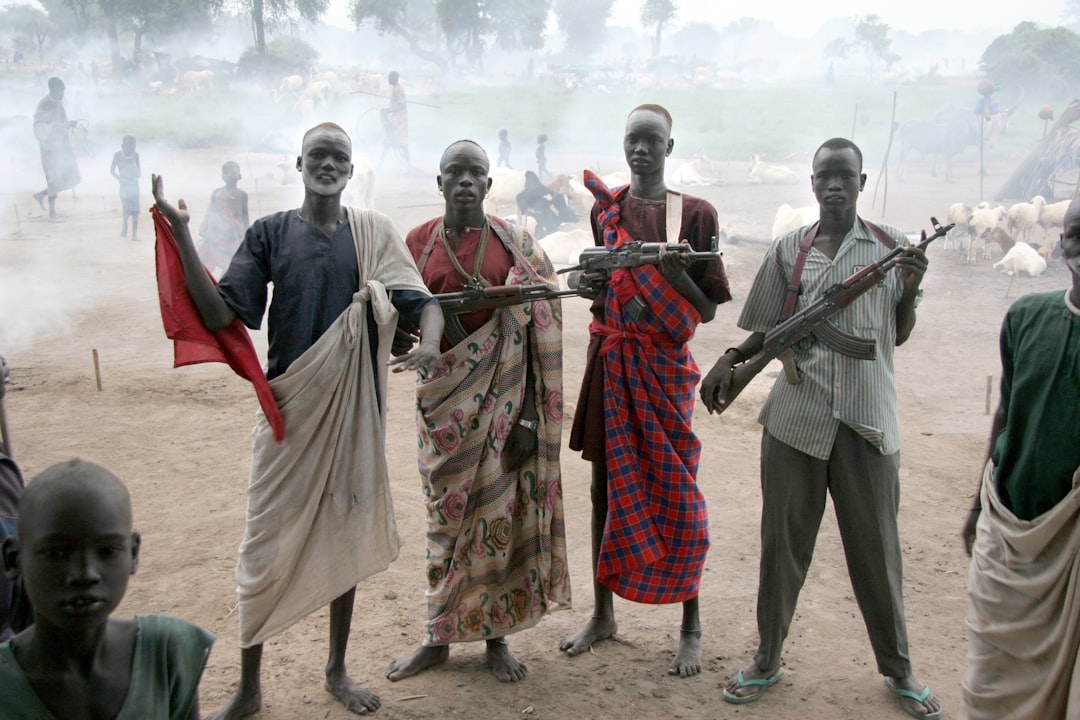
South Sudan Travel Guide: Everything You Need to Know (2026)
South Sudan, home to 12,340,000 people, is the world’s youngest nation, having gained independence on 9 July 2011 after decades of civil conflict. Landlocked in East Africa and bordered by six countries including Uganda and Ethiopia, it encompasses the vast Sudd wetland — one of the largest freshwater ecosystems on Earth, covering over 30,000 square kilometres. Juba, the capital, sits on the White Nile and serves as the sole practical gateway for the rare adventurous traveller willing to explore one of the planet’s least-visited countries.
Top 3 Highlights at a Glance
- Sudd Wetland — The world’s largest tropical wetland at 30,000+ km² hosts shoebill storks and Nile lechwe found almost nowhere else.
- Boma National Park — Hosts Africa’s second-largest wildlife migration — 1.3 million white-eared kob crossing annually, rivalling the Serengeti.
- Juba’s White Nile Waterfront — Sunset boat rides on the Nile cost under $10 and offer a raw, unfiltered view of South Sudan’s daily riverside life.
Scroll down for our complete travel guide with tips on getting there, where to stay, costs and more.
Getting There & Transport
Which airports are the best entry points into South Sudan?
**Juba International Airport (JUB)** is the only realistic entry point for South Sudan. In my experience, there are no other functioning commercial airports with regular international service. **Ethiopian Airlines** operates the most reliable connections via **Addis Ababa**, with flights running daily. Kenya Airways connects through **Nairobi**, and flydubai occasionally routes through **Dubai**. Flight prices typically start around **$400–600 return** from East African hubs. What most guides omit: JUB has extremely limited ground infrastructure — expect long waits, irregular baggage handling, and occasional runway closures. Always build a **24-hour buffer** before onward travel. I recommend arriving in daylight only.
How do I get from Juba airport to my first accommodation in South Sudan?
Take a pre-arranged hotel transfer — it is the safest and only reliably organized option in Juba. **Juba International Airport** sits roughly **5 km from the city centre**, a journey that takes **15–30 minutes** depending on traffic and road conditions. Official taxis exist but are unmetered; negotiate firmly before entering and expect to pay **$10–20** for the ride. My tip: contact your hotel — typically the **Juba Regency or Kuajok Guest House** — before arrival and arrange a pickup. There are no ride-hailing apps functioning reliably here. Warning most guides omit: road checkpoints between the airport and centre are common; keep your passport and visa immediately accessible at all times.
What transport options are there within South Sudan?
Road, air charter, and river are your three options — and all carry significant limitations. **Paved roads cover less than 200 km** of the entire country outside Juba, making overland travel brutal and often impossible during rains. **UNHAS (UN Humanitarian Air Service)** operates internal flights to locations like **Malakal, Wau, and Bor**, but these are restricted to NGO workers and accredited journalists — not tourists. Private air charters from Juba cost **$1,500–3,000 per flight segment**. River travel on the **White Nile** is possible but extremely slow. In my experience, independent overland travel between regions is not realistically safe or logistically feasible without a professionally organised expedition team.
Do I need a rental car in South Sudan?
Yes — but not a standard rental car. You need a **4WD vehicle with a driver**, ideally a Toyota Land Cruiser, arranged through a specialist operator in **Juba**. No international car rental companies like Hertz or Avis operate here. Local fixers and NGO logistics companies can arrange vehicle hire starting at **$150–250 per day** including driver. My honest warning: self-driving is dangerous, not just due to road conditions but because navigating checkpoints, armed actors, and unmarked territory without local knowledge is genuinely life-threatening. I strongly recommend using operators who have established security protocols. For movement within Juba city itself, hired taxis suffice and cost **$5–15 per journey**.
How good is the public transport network between regions in South Sudan?
Bluntly: South Sudan has no functional intercity public transport network for tourists. **Matatus (shared minibuses)** and trucks operate on the few usable roads out of Juba toward towns like **Nimule** on the Ugandan border — a **195 km journey** taking 4–8 hours depending on road conditions and season. Buses to **Yei or Torit** exist but schedules are informal and security risks are real. What surprises most travellers: the rainy season (May–October) renders many dirt roads physically impassable for weeks. I recommend against attempting independent intercity travel. The only reliable passenger route I’d consider is the **Juba–Nimule road**, which is partially paved and used by cross-border traders daily.
Accommodation
Which regions of South Sudan should I stay in?
Stay in **Juba and its immediate surroundings** — this is the only region with guesthouse infrastructure, reliable (if limited) medical access, and a degree of predictable security. The **Equatoria region** in the south, particularly around **Nimule** near the Ugandan border, is the most accessible green area and hosts **Nimule National Park** with hippos and elephants. **Eastern Equatoria** around Torit has cultural interest with the Acholi and Lotuko peoples. My honest caveat: **Upper Nile, Jonglei, and Unity states** remain areas of active conflict risk as of 2026 and should not be visited without a security briefing from an accredited source like **OSAC or ACLED**. Always verify conditions within 48 hours of travel.
What does good accommodation cost per night in South Sudan?
Good accommodation in South Sudan costs **$80–180 per night** in Juba for anything approaching international guesthouse standards. The **Juba Regency Hotel** and **Crown Hotel** sit at the upper end around $150–180 and offer reliable generators, air conditioning, and security. Mid-range guesthouses in areas like **Gudele or Hai Malakal neighbourhoods** run $60–100. Budget lodging exists below $40 but involves shared bathrooms, irregular water supply, and minimal security. What most travellers don’t expect: prices are quoted in **USD** and are non-negotiable at reputable properties. Outside Juba, accommodation drops to basic tukul-style guesthouses at $20–40 where they exist at all.
When should I book hotels in South Sudan — how far in advance?
Book **at least 4–6 weeks in advance** for any stay in Juba. South Sudan has a tiny pool of quality accommodation, and NGO workers, diplomats, and journalists permanently occupy a large percentage of rooms. **December and January** — the dry season peak — see the highest occupancy. My tip: email properties directly rather than relying on booking platforms; most South Sudan hotels are not fully listed on Booking.com or Expedia. The **Juba Regency** and **Crown Hotel** maintain direct booking contacts. What surprises travellers: even in low season, popular guesthouses fill up when UN summits, diplomatic events, or IGAD meetings occur in Juba — check the diplomatic calendar before assuming availability.
When is the best time to travel to South Sudan?
Travel during **February, March, April, or May** — these are the optimal months based on climate data. The **dry season (December–April)** offers the most accessible roads, lower disease burden, and the best wildlife conditions in parks like **Boma National Park**. February and March hit the sweet spot: roads are firm, temperatures are hot but manageable at around **32–36°C**, and the Nile is at navigable levels. My experience: March specifically is ideal for the **White Nile wildlife areas** south of Juba. Avoid June through October when the rainy season transforms roads into mud traps. December and January are also dry but attract the highest number of NGO visitors, making accommodation scarcer.
How does peak season affect prices in South Sudan?
Peak season (December–March) pushes hotel prices up **20–40%** compared to mid-year rates, primarily because NGO staff return from leave and diplomatic activity intensifies. A room at the **Crown Hotel** that costs $120 in September can hit $170 in January. Flight prices from **Nairobi or Addis Ababa** also spike by $80–150 during December. My honest observation: South Sudan’s pricing is less driven by tourism demand and more by institutional demand — UN missions, oil companies, and aid organizations dominate the accommodation market. This means even in the rainy season, Juba never becomes cheap. The only genuine budget window is **June–August**, when institutional travel dips and guesthouses offer negotiable rates.
Best Time to Visit
Which regions of South Sudan have different climate zones?
South Sudan spans **three distinct climate zones**. The southern **Equatoria region** (including Juba) has a tropical savannah climate with reliable rains and temperatures averaging **28–35°C** year-round — the greenest and most accessible zone. **The Sudd wetland** in central South Sudan around **Malakal and Bentiu** experiences extreme flooding from May–October when the Nile and its tributaries overflow, creating a vast inland sea. The **northern regions** bordering Sudan — **Upper Nile and parts of Jonglei** — are more arid, with hotter, drier conditions and temperatures exceeding **40°C** in March-April. My tip: pack for heat and humidity regardless of season, but add a rain layer from April onward even in Equatoria.
What are the rainy seasons in South Sudan?
South Sudan’s main rainy season runs **May through October**, with peak intensity in **July and August**. Juba receives most of its annual rainfall during this window, and roads outside paved city areas become impassable. The **Sudd wetland** floods dramatically during this period, expanding to over **90,000 km²** at peak inundation. What surprises most visitors: even Juba’s urban streets flood severely during heavy downpours, disrupting transport for hours. April is a transitional month — rains begin but roads remain mostly passable. In my experience, **October** brings the tail end of rains with dramatically greener landscapes and fewer tourists, making it an underrated shoulder month if you can tolerate occasional road delays and heightened malaria risk.
What does a trip to South Sudan cost per person per day?
Budget a minimum of **$150–200 per day** for a basic but safe independent visit to South Sudan. This covers mid-range accommodation ($80–100), meals ($20–30), local transport ($20–40), and contingency. A comfortable trip with a hired 4WD and driver runs **$250–350 per day**. Organised expeditions through specialist operators like **Wild Frontiers or Asilia Africa** cost $400–600 per day all-inclusive. What most travel budgets miss: the **visa fee ($100), yellow fever certificate requirement, and travel insurance with medical evacuation coverage** (typically $200–400 for a 2-week policy) add significant upfront costs. I recommend budgeting a $500 emergency reserve on top of your daily spend for unexpected evacuation or medical needs.
How expensive is food in South Sudan?
Food costs vary sharply between local and expat-oriented establishments. A meal at a local **street market in Konyo Konyo market, Juba** costs **$2–5** — rice, beans, and goat stew are staples. Mid-range restaurants in the **Juba Regency or Logali House** area charge **$12–25 per main course**. Expat-oriented spots catering to NGO workers can hit **$30–40 for a full meal with drinks**. My tip: the best value food in Juba is at Ethiopian-run restaurants near **Atlabara district** where a full injera spread costs $6–10. What surprises visitors: supermarket prices are extremely high due to import costs — a 1.5L bottle of water costs $1.50–2, and basic groceries run **2–3 times Nairobi prices**.
What hidden costs should I expect when travelling in South Sudan?
Expect to spend an extra **$200–400** on costs most travellers don’t anticipate. Security briefings from organisations like **UNDSS** are free but recommended — however, hiring a local fixer or security consultant costs **$50–100 per day** and is genuinely advisable. Photography permits are required for many sites and cost **$20–50**. Checkpoint ‘facilitation fees’ — essentially unofficial tolls at roadblocks — are a real cash drain of **$5–20 per checkpoint**, and you may pass 10–20 checkpoints on a single day’s journey. My honest warning: medical evacuation insurance is non-negotiable; a medevac flight to **Nairobi** costs upward of **$15,000** without coverage. Power outages mean generator fuel surcharges at hotels are common at $10–20 per night.
Budget & Costs
How much cash should I bring to South Sudan?
Bring **$800–1,200 in USD cash** for a 7-day trip, in small bills ($1, $5, $10, $20). The **South Sudanese Pound (SSP)** is the official currency but USD is universally accepted and preferred for larger transactions. ATMs in Juba are unreliable — the few that exist around **Juba Town or Hai Malakal** frequently run out of cash or malfunction. No ATM network operates outside the capital. My experience: $50 and $100 bills are sometimes refused due to counterfeiting concerns — bring a mix of denominations. Currency exchange at the informal markets near **Konyo Konyo** offers better rates than banks but carries risk. Never carry all your cash in one place; use a hidden money belt.
Which credit cards are accepted in South Sudan?
Credit card acceptance in South Sudan is minimal — plan for **95% cash transactions**. The **Juba Regency Hotel**, **Crown Hotel**, and a small number of upscale restaurants accept **Visa** and occasionally **Mastercard**, but even these properties experience terminal failures due to unreliable internet. No Amex or Diners Club acceptance exists. My honest warning: do not rely on cards as a backup — they are not a safety net here. Bring all the USD cash you need for your entire trip. The only reliable card transactions I’ve seen work consistently are at **Equity Bank Juba** for cash advances, charging a **3–5% fee**. Mobile money via **M-Pesa** has limited cross-border functionality and is not yet traveller-friendly in South Sudan.
Which regions of South Sudan must I not miss?
**Equatoria** is the most accessible and rewarding region — specifically the area between Juba and the **Ugandan border at Nimule**. **Nimule National Park**, just **185 km from Juba**, is South Sudan’s most visitor-accessible wildlife area with hippos on the Nile and elephant herds. The **Boma National Park** in eastern Jonglei state hosts the legendary white-eared kob migration but requires a charter flight and experienced guide. **Juba itself** — the White Nile waterfront, **Juba Market**, and the nearby **Rajaf Hills** — offers genuine cultural immersion. My honest caveat: the stunning **Imatong Mountains** in Eastern Equatoria are spectacular but require current security clearance — their accessibility fluctuates with local conditions throughout 2026.
What are the tourist highlights of South Sudan?
South Sudan’s headline attractions are **Boma National Park** (Africa’s second-largest wildlife migration), the **Sudd wetland** (shoebill stork habitat covering 30,000+ km²), and **Nimule National Park** on the Ugandan border. The **White Nile** through Juba offers sunset boat rides for under $10. Culturally, the **Mundari cattle camp communities** near Terekeka — about **50 km north of Juba** — offer one of Africa’s most extraordinary human experiences: a tribe that lives entirely alongside their Ankole cattle, using ash for hygiene and sleeping among the herd. My tip: a half-day visit to **Mundari** with a local guide is the single most memorable thing I’ve done in South Sudan and costs around **$50–80 including transport**.
What experiences in South Sudan are found nowhere else on Earth?
Two experiences are genuinely unique to South Sudan. First, the **Mundari cattle camp** near Terekeka — watching men cover themselves and their Ankole cattle in ash at dawn on the **White Nile banks** is an image found nowhere else in Africa. Second, witnessing the **white-eared kob migration** in **Boma National Park** — 1.3 million animals moving in a spectacle that rivals the Serengeti but with zero other tourists. What surprised me most: you can be the only visitor present at either experience. The **Sudd’s shoebill stork**, reachable by boat from the **Malakal area**, is another genuine bucket-list sighting — birders travel to Uganda for weeks hoping to see one; South Sudan’s Sudd has concentrations impossible elsewhere.
Regions & Highlights
Which areas of South Sudan are overcrowded — and what are the quieter alternatives?
Overcrowding is not a concern in South Sudan — the country receives under **5,000 leisure tourists annually**, making it one of the least-visited nations on Earth. The closest thing to a ‘crowded’ spot is the **Juba waterfront on Sunday afternoons** when locals gather, and the **Konyo Konyo market** which is dense but not tourist-overcrowded. My honest observation: the real challenge is the inverse — infrastructure is so underdeveloped that ‘off the beaten track’ simply means ‘no track at all.’ If you want the most authentic experience away from NGO-heavy Juba, the **Rajaf Hills 15 km south of the city** or the drive to **Terekeka** offer genuine local immersion without any tourist infrastructure to navigate around.
How many days do I need to see South Sudan properly?
Allocate a minimum of **7 days**, with **10–14 days** ideal to reach beyond Juba. A 7-day itinerary covers Juba (3 days), **Mundari cattle camps** day trip, **Nimule National Park** overnight (2 days), and a return day. **10 days** allows adding a charter flight to **Boma National Park** for the kob migration. 14 days opens access to the **Imatong Mountains** or a Sudd wetland boat expedition from Malakal. My experience: factor in **1–2 buffer days** for flight delays and road complications — these are not exceptional events in South Sudan, they are standard. Trying to rush South Sudan into a 4-day trip is a mistake; logistics alone consume half your time even on a well-planned itinerary.
Do I need a visa to enter South Sudan?
Yes — all nationalities require a visa in advance for South Sudan. There is **no visa on arrival** as of 2026. Apply through the **South Sudan Embassy** in your country or, if none exists, through the embassy in **Nairobi, Kampala, or Addis Ababa**. The standard tourist visa costs **$100** and takes **5–15 business days** to process. My honest warning: the process is bureaucratic and inconsistent — apply at least **6 weeks in advance**. A **letter of invitation** from a local contact, hotel, or registered organisation significantly improves approval chances. Yellow fever vaccination is **mandatory** and your certificate will be checked at **Juba Airport**. Photography permits for certain sites require a separate government application through the **Ministry of Information**.
What languages are spoken in South Sudan?
**English is the official language** and is widely spoken by educated South Sudanese in Juba, government offices, hotels, and NGO circles. Outside the capital, **Arabic (Juba Arabic)** — a local creole distinct from Sudanese Arabic — functions as the main trade and street language. Over **60 indigenous languages** are spoken nationally, including Dinka, Nuer, Bari, and Zande. In my experience, English gets you through Juba comfortably; beyond the capital, Juba Arabic is more useful. My tip: learn 5–10 basic phrases in **Juba Arabic** (‘Salam alaikum’, ‘Shukran’, ‘Kam?’ for ‘How much?’) — it generates enormous goodwill at checkpoints and markets. Hiring a local guide who speaks Dinka or Nuer is essential for visits to **Mundari or Bor communities**.
What cultural rules do I need to know before visiting South Sudan?
Photographing people, military installations, government buildings, bridges, and the **White Nile Bridge in Juba** without explicit permission is illegal and can result in detention. Always ask before photographing individuals — particularly **Mundari or Dinka people** who may expect payment of **$1–5**. Dress modestly outside Juba’s expat areas; women should cover shoulders and knees in rural communities. My honest caveat: **tribal dynamics are complex** — casual comments about Dinka-Nuer relations or the civil war can cause serious offence. Avoid all political discussion with locals you’ve just met. Friday is the Islamic day of rest and some businesses close; Sunday closes Christian-owned businesses. Greetings are taken seriously — always greet before conducting business or asking questions.
Practical Tips
How safe is South Sudan for travellers in 2026?
South Sudan carries a **Level 3 or Level 4 travel advisory** from most Western governments as of 2026 — ‘reconsider travel’ to ‘do not travel’ for many regions. Juba itself is relatively stable but experiences periodic inter-communal violence and armed robbery after dark. **Never move on foot at night** in any part of Juba. Roads outside the capital carry risks of armed actors, particularly in **Jonglei, Unity, and Upper Nile states**. My honest assessment: South Sudan is manageable for experienced, risk-aware travellers who work with established local operators, register with their embassy’s STEP program, and subscribe to **ACLED security alerts**. It is absolutely not suitable for first-time Africa travellers or those unwilling to adapt rapidly to changing conditions.
What health precautions should I take before travelling to South Sudan?
**Malaria prophylaxis is non-negotiable** — South Sudan has one of the world’s highest malaria transmission rates year-round. Take **doxycycline or Malarone** starting before departure. **Yellow fever vaccination is mandatory** — carry your physical certificate. I also recommend vaccinations for **typhoid, hepatitis A and B, meningitis, and rabies** given limited medical infrastructure. Cholera outbreaks are documented, particularly near the **Sudd region** — drink only bottled or purified water exclusively. The nearest reliable medical facility for serious emergencies is **Nairobi — a 1.5-hour flight away**. Medical evacuation insurance covering at least **$250,000** is essential, not optional. Bring a comprehensive personal medical kit including antibiotics, rehydration salts, and a broad-spectrum antifungal — pharmacies in Juba are unreliable.
What SIM card or eSIM options are available in South Sudan?
Buy a local SIM card on arrival at **Juba International Airport** or from street vendors in **Juba Town centre**. The two main operators are **MTN South Sudan** and **Zain South Sudan** — MTN has the more reliable 3G/4G network in Juba. A SIM with **5GB data costs approximately $5–10**. Coverage outside Juba is extremely patchy; expect no signal in most rural areas including roads toward **Nimule or Terekeka**. My honest warning: international eSIMs (Airalo, Holafly) have very limited compatibility with South Sudan’s networks as of 2026 — check before relying on one. I recommend MTN for calls and data in Juba, plus a **satellite communicator (Garmin inReach)** for any travel outside the capital given the total absence of mobile coverage in the field.
Which apps do you recommend for travelling in South Sudan?
Download **Maps.me or OsmAnd** with offline South Sudan maps before arrival — Google Maps has extremely limited coverage outside Juba. **WhatsApp** is the universal communication platform for local contacts, hotel staff, and guides. **ACLED (Armed Conflict Location and Event Data)** — access via browser — provides real-time security incident mapping by region. **XE Currency** for tracking the USD/SSP exchange rate. My tip: download the **UNHCR and OCHA South Sudan situation reports** as PDFs for offline reading — they contain the most accurate ground-level information on access and security conditions. **Offline Wikipedia** via Kiwix is useful when internet is unavailable. Avoid relying on any app requiring constant connectivity — Juba’s internet is slow (often under **2 Mbps**) and rural areas have none.
What are the most common traveller mistakes made in South Sudan?
The biggest mistake is **arriving without a confirmed local contact or specialist operator**. South Sudan is not improvise-on-arrival travel — without a fixer or vetted guide, you will be stranded, overcharged, or worse within hours. Second mistake: **underestimating cash needs** — running out of USD in Juba with broken ATMs is a serious crisis. Third: **photographing anything near a checkpoint or military presence** without explicit permission, which has resulted in camera confiscation and detention for multiple travellers. My experience: travellers who skip the **STEP registration with their embassy** have zero backup if they disappear. Fourth mistake: trusting outdated guidebooks — conditions in South Sudan change within **weeks**, not years. Always verify current access, road conditions, and security within **72 hours of departure** using local operator contacts or UNDSS advisories.
South Sudan at a Glance
| Population | 12,575,714 |
|---|---|
| Currency | South Sudanese pound (Db) |
| Official language | English |
| Time zone | UTC+02:00 |
Source: Wikidata, retrieved August 2026.
Essential Resources for Planning Your Trip to South Sudan
- Wikipedia: South Sudan — history, geography & background
- Wikivoyage: South Sudan — community travel guide & practical tips
- South Sudan — Lonely Planet — expert itineraries & travel inspiration
- South Sudan — TripAdvisor — hotels, restaurants & traveller reviews
- Numbeo: Cost of Living in South Sudan — current prices & cost comparison
- Timeanddate: South Sudan Weather & Climate — forecasts & climate statistics
Data Sources
This page was compiled using data from Wikipedia, Wikidata, Open-Meteo (climate), Numbeo (cost of living) and REST Countries. Information is updated regularly.
More Perspectives on South Sudan
- South Sudan Travel Advisory | Travel.State.gov
- A guide for traveling to Sudan: Itinerary + Travel tips
- South Sudan Travel Guide
South Sudan Travel Videos
Watch these videos for a visual preview before your trip:
- 10 Best Places to Visit in South Sudan | Travel Video | Travel Guide | SKY Travel
- Inside South Sudan – The World’s Newest Country
- Walking the streets of South Sudan (Worlds Most Dangerous Country)
South Sudan Travel Discussions on Reddit
Real traveller experiences and community advice: