
Burundi: The Complete Travel Guide (2026)
Last reviewed: August 2026 · key facts checked against Wikidata
Burundi Travel Guide: Everything You Need to Know (2026)
Burundi is a landlocked East African nation of 14 million people, sitting at altitudes between 772m and 2,670m in the Great Rift Valley, bordering Rwanda, Tanzania, and the DRC. Founded as a kingdom centuries before European colonization, it gained independence from Belgian trusteeship on July 1, 1962. Lake Tanganyika — the world’s second-deepest lake at 1,471m — forms its entire western border, making Burundi one of the continent’s most geographically dramatic yet least-visited destinations.
Three Things Not to Miss in Burundi
- Lake Tanganyika Shoreline — The world’s second-deepest lake at 1,471m offers swimming, fishing, and sunsets that no photo does justice.
- Kibira National Park — Burundi’s largest park covers 400 km² of montane rainforest with chimpanzees and rare Albertine Rift birds.
- Gitega Royal Drum Sanctuary — The sacred royal drums of the Burundian kingdom are UNESCO-listed and performed only in this single location.
Scroll down for our complete travel guide with tips on getting there, where to stay, costs and more.
How to Reach Burundi
Which airports are the best entry points into Burundi?
Bujumbura International Airport (BJM) is Burundi’s only international airport — full stop. In my experience, nearly all travelers arrive here, as it sits just 11 km from the city center. Ethiopian Airlines, Kenya Airways, and RwandAir operate the most reliable connections, with Nairobi (NBO) and Addis Ababa (ADD) being the most practical hubs. My tip: book through Nairobi if flexibility matters — Ethiopian’s Addis hub often has better onward connections but longer layovers. What surprised me: there is no functioning railway entry point, and land border crossings from DRC at Gatumba are frequently closed or dangerous — do not plan your trip around them.
How do I get from Bujumbura airport to my first accommodation in Burundi?
A taxi from BJM Airport to central Bujumbura costs roughly $10–$15 USD and takes under 20 minutes. In my experience, official airport taxis parked outside arrivals are safe but always negotiate the fare before getting in — meters are essentially nonexistent here. My tip: your hotel can often arrange a pickup for $15–$20 USD, which removes all negotiation stress on arrival. There is no airport shuttle or reliable ride-hailing app operating from the terminal. What most guides omit: arriving after dark increases your vulnerability significantly — book an evening arrival only if someone is meeting you.
What transport options are there within Burundi?
Within Burundi, your realistic options are minibus taxis (taxi-brousse), private hire cars, and motorcycle taxis called bodaboda. Minibuses connect major towns like Gitega, Ngozi, and Rumonge for under $3 USD per journey. I recommend hiring a private driver with a 4WD for any journey outside Bujumbura — roads in the interior are severely rutted and frequently washed out. Bodabodas are ubiquitous in towns and cost $0.50–$2 USD for short trips. What most guides omit: road conditions deteriorate sharply after rain, and night driving anywhere outside the capital carries real security and road-quality risks — plan all journeys for daylight hours.
Do I need a rental car to travel around Burundi?
A self-drive rental car is not recommended in Burundi — hire a driver instead. In my experience, road signage is poor, checkpoints are frequent, and a local driver navigates both issues far more efficiently. Formal car rental agencies are almost nonexistent; Bujumbura hotels or guesthouses can arrange trusted drivers with 4WD vehicles for roughly $80–$120 USD per day including fuel. That price sounds steep but covers a full day of transport across difficult terrain. The honest caveat: if you insist on self-drive, no international chains operate here, and vehicle quality from informal operators is unpredictable — mechanical breakdowns on remote roads are a serious risk.
How good is the public transport network between regions in Burundi?
Burundi’s inter-regional public transport is functional but slow and uncomfortable. Taxi-brousse minibuses depart from Bujumbura’s central market area and reach Gitega (the political capital, 85 km east) in roughly 2–3 hours for about $2 USD. Northern towns like Ngozi take 3–4 hours. What surprised me: buses only leave when full, so early morning departure (before 7am) is essential to avoid waiting hours. My tip: the Lake Tanganyika route south toward Rumonge is scenic and worth taking at least one way. The honest trade-off: public transport exposes you to long delays, cramped conditions, and potential security stops — private hire eliminates all three.
Finding a Base in Burundi
Which regions of Burundi should I stay in?
Bujumbura is the only practical base for most travelers — it has the widest accommodation choice and Lake Tanganyika access. Gitega, 110 km east at higher altitude, is worth an overnight for the Royal Drum Sanctuary and cooler temperatures. Kibira National Park in the northwest requires staying in basic guesthouses in Ngozi or nearby lodges. My tip: the Ijenda highlands offer stunning scenery and almost zero other tourists — a genuine off-grid experience. What most guides omit: accommodation quality outside Bujumbura drops sharply, electricity is intermittent, and hot water is rare — mentally prepare for basic conditions before leaving the capital.
What does good accommodation cost per night in Burundi?
Good accommodation in Bujumbura costs $60–$120 USD per night for a clean, secure guesthouse or mid-range hotel. The Kiriri Garden Hotel and Club du Lac Tanganyika represent the upper tier at around $100–$150 USD. Budget guesthouses run $20–$40 USD but security and reliability vary enormously. Outside the capital, expect to pay $15–$30 USD for basic but acceptable rooms in Gitega or Ngozi. In my experience, the Lake Tanganyika-facing properties justify their premium for the view and swimming access alone. The honest caveat: prices here are high relative to service quality compared to regional competitors like Rwanda — value for money is Burundi’s weak point.
When should I book hotels in Burundi — how far in advance?
Book Bujumbura hotels at least 4–6 weeks in advance, particularly the handful of quality properties near Lake Tanganyika. The city has fewer than 20 hotels meeting basic international standards, so demand from NGO workers, business travelers, and diplomats keeps occupancy consistently high year-round. My tip: email properties directly — online booking platforms have patchy coverage of Burundian hotels and rooms shown as available online are sometimes already taken. What most guides omit: humanitarian and diplomatic missions frequently block-book quality rooms for months at a time, especially around July–August and October — these months require the most lead time.
When is the best time to travel to Burundi?
The best months to visit Burundi are May, June, July, August, and October based on climate data. In my experience, June through August offer the most reliable dry conditions with cooler highland temperatures around 18–22°C — ideal for hiking Kibira National Park and exploring Gitega. October is a strong secondary window before the short rains return. My tip: July is arguably the single best month — roads are at their firmest and lake conditions for swimming and fishing are excellent. What most guides omit: even the dry season sees brief afternoon showers in the highlands — pack a lightweight rain layer regardless of when you travel.
How does peak season affect prices in Burundi?
Peak season in Burundi (June–August) raises hotel rates by roughly 20–30% at quality properties in Bujumbura. However, Burundi receives so few leisure tourists that price inflation is nowhere near as dramatic as in neighboring Rwanda. What surprised me: NGO and diplomatic travel — not tourism — drives the real pricing pressure here, and that demand is year-round. My tip: traveling in October hits the sweet spot — good weather, slightly lower accommodation rates, and roads still passable after the dry season. The honest trade-off: flying into BJM shows minimal seasonal airfare variation because Burundi simply lacks the tourist volume to trigger airline pricing surges.
When to Travel to Burundi
Which regions of Burundi have different climate zones?
Burundi divides into three distinct climate zones. The Imbo lowlands along Lake Tanganyika (including Bujumbura at 772m) are hot and humid, regularly hitting 30°C+. The central plateau around Gitega sits at 1,600m with mild temperatures of 20–24°C year-round. The Kibira highlands in the northwest reach 2,600m and feel genuinely cold — temperatures drop below 10°C at night. In my experience, travelers underestimate the highland chill entirely and arrive with only coastal packing. My tip: if you plan to visit Kibira National Park, bring a fleece and waterproof layer even in July — the mist rolls in fast and stays.
What are the rainy seasons in Burundi?
Burundi has two rainy seasons: the long rains run from February through May and the short rains from October into December. The long rains are heavier and can make interior roads genuinely impassable, particularly routes into Kibira National Park and the northern highlands around Ngozi. In my experience, February and March are the worst months for road travel — potholes become craters and landslides are a real risk on mountain routes. My tip: if you must travel during the rains, stick to Bujumbura and the Lake Tanganyika shore — this corridor remains more accessible. June through September is the reliable dry window; plan your interior exploration entirely within it.
What does a trip to Burundi cost per person per day?
Budget $80–$120 USD per person per day for a comfortable, independent trip to Burundi. This covers a mid-range guesthouse ($60–$80 USD), meals ($15–$25 USD), local transport ($5–$15 USD), and incidentals. Backpacker-style travel on $40–$60 USD is possible but requires accepting very basic accommodation and local food only. A private-driver itinerary covering multiple regions realistically runs $150–$200 USD per day per person. What surprised me: Burundi is expensive relative to its development level — infrastructure costs, import prices, and the NGO economy inflate everything. My tip: eating at Bujumbura’s local market stalls dramatically cuts food costs without sacrificing quality.
How expensive is food in Burundi?
Food in Burundi ranges from very affordable to surprisingly expensive depending on where you eat. A local meal of brochettes (grilled meat skewers), ugali, and beans at a market stall costs $2–$4 USD. A restaurant meal in Bujumbura’s Quartier Asiatique dining area runs $10–$20 USD per person. Fresh Lake Tanganyika fish — particularly mukeke and ndagala — is the culinary highlight and costs $5–$10 USD at lakeside restaurants in Bujumbura. In my experience, the Source du Nil restaurant offers the best value for quality fish dishes. The honest caveat: imported products like wine or cheese are extremely expensive due to landlocked logistics — stick to local food and local Primus beer.
What hidden costs should I expect in Burundi?
Several costs catch travelers off guard in Burundi. Visa fees run $90 USD for most nationalities at arrival. Photography permits are required at some sites — budget $10–$20 USD. Private driver hire ($80–$120 USD/day) is effectively unavoidable for interior travel. ATM withdrawal fees at Interbank Burundi machines typically add $3–$5 USD per transaction. In my experience, checkpoint ‘facilitation’ requests from police — while officially illegal — do occur on remote roads, especially at night; having small bills ready prevents delays. My tip: factor in $200–$300 USD in fixed entry and logistics costs on top of your daily budget before calculating your total trip spend.
Daily Costs in Burundi
How much cash should I bring to Burundi?
Bring $300–$500 USD in cash as a buffer — ATMs in Bujumbura are unreliable and frequently out of service or empty. The local currency is the Burundian Franc (BIF), and you will need it for market purchases, bodabodas, and small guesthouses. USD is widely accepted at hotels and larger restaurants in Bujumbura. My tip: exchange money at Bujumbura’s central exchange bureaus rather than hotels — you will get a meaningfully better rate. What most guides omit: there are essentially no functioning ATMs or exchange facilities outside the capital, so arrive in Bujumbura with all the cash you need for your entire trip already sorted.
Which credit cards are accepted in Burundi?
Credit card acceptance in Burundi is extremely limited. Visa is accepted at a handful of upmarket hotels in Bujumbura — Mastercard coverage is even thinner. In my experience, assume cash-only for 90% of your transactions. Interbank Burundi and Ecobank ATMs in central Bujumbura occasionally accept foreign Visa cards, but failures are common. My tip: notify your bank before travel and carry a Wise or Revolut card as a backup — they sometimes work where standard bank cards fail. The honest trade-off: this is fundamentally a cash economy for travelers, and no amount of preparation fully eliminates the inconvenience — build your entire budget around physical cash.
Which regions of Burundi must I not miss?
Three regions are non-negotiable. Bujumbura and Lake Tanganyika’s shoreline is your anchor — swimming in the world’s second-deepest lake is an experience with no equivalent. Gitega and the surrounding central plateau show you the cultural and historical heart of the country, including the UNESCO-recognized royal drums. Kibira National Park in the northwest is East Africa’s most undervisited chimpanzee habitat — 400 km² of montane forest with almost no other tourists. In my experience, the drive between Bujumbura and Gitega through terraced hillsides is itself one of Burundi’s great visual rewards. My tip: add the southern lakeshore road toward Rumonge — it is breathtaking and sees almost no visitor traffic.
What are the tourist highlights of Burundi?
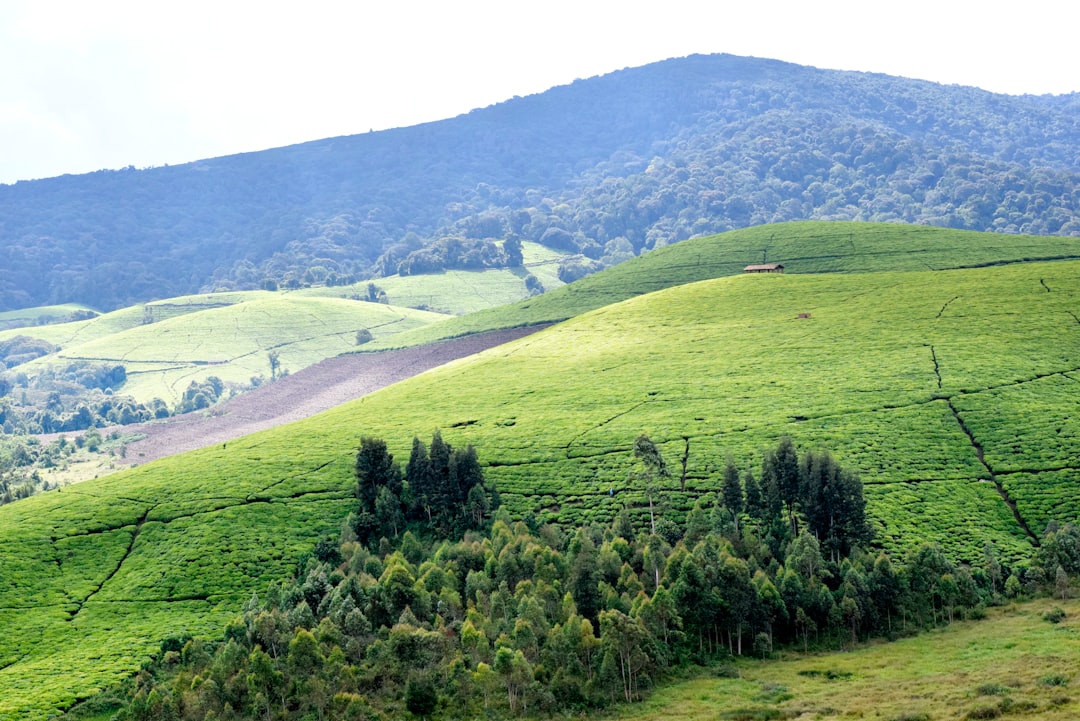
Burundi’s highlights are genuinely distinctive. Lake Tanganyika offers swimming, traditional pirogue fishing trips, and extraordinary sunsets from Bujumbura’s beaches. The Gitega National Museum houses the sacred royal drums — a UNESCO Intangible Cultural Heritage. Kibira National Park provides chimpanzee tracking in near-total solitude. The Source of the Nile monument near Rutovu marks the southernmost source of the world’s longest river. In my experience, the Saga Beach area just south of Bujumbura offers the most relaxed lake access. What surprised me: Burundi’s terraced hillside landscapes — sometimes called the Switzerland of Africa — rival anything in the region for raw scenic beauty.
What experiences in Burundi are found nowhere else on earth?
Three experiences exist only in Burundi. The Ingoma royal drum performance at Gishora near Gitega — UNESCO-listed and performed by a hereditary caste of drummers — is a living tradition maintained for centuries and witnessed by almost no foreign visitors. Swimming in Lake Tanganyika is not unique to Burundi, but doing it from an empty beach with fishing pirogues passing at dawn absolutely is. Standing at the Source of the Nile near Rutovu — the southernmost confirmed tributary of the world’s longest river — delivers a genuinely rare geographical bragging right. In my experience, the drum ceremony alone justifies the logistical effort of reaching Burundi.
Burundi Region by Region
Which areas of Burundi are overcrowded, and what are the quieter alternatives?
Burundi has essentially zero overcrowding by any global standard — it receives fewer than 200,000 international visitors annually. Saga Beach near Bujumbura gets busy with local families on weekends; the quieter alternative is the lakeshore 10–15 km south toward Rumonge, where beaches are empty on most days. Gitega sees the most domestic tourists due to its capital status; the surrounding villages and the Ruvubu National Park to the east are far quieter. In my experience, the real challenge in Burundi is not crowds but infrastructure — the ‘alternatives’ are quieter because facilities are even more basic. My tip: embrace that reality and you will have East African landscapes almost entirely to yourself.
How many days do I need for Burundi?
Plan a minimum of 7 days to experience Burundi meaningfully. Days 1–3 in and around Bujumbura cover Lake Tanganyika, the city market, and beach time. Day 4 is a full-day drive to Gitega (85 km, but allow 2.5 hours) for the drum sanctuary and museum. Days 5–6 cover Kibira National Park for chimpanzee tracking. Day 7 returns via the northern highlands. In my experience, 10 days is the sweet spot — it allows the Source of the Nile detour near Rutovu without feeling rushed. The honest caveat: road conditions and unexpected checkpoint delays routinely add 30–60 minutes to any planned journey.
Do I need a visa for Burundi?
Most nationalities require a visa for Burundi, costing $90 USD obtainable on arrival at Bujumbura International Airport (BJM). East African Community citizens — Rwanda, Tanzania, Uganda, Kenya — enter visa-free. In my experience, the arrival visa process takes 20–40 minutes and requires a passport valid for at least 6 months, a yellow fever vaccination certificate (mandatory), and proof of onward travel. My tip: have exact USD cash ready — card payments are not accepted at the visa desk. What most guides omit: visa regulations for Burundi change with limited notice due to the country’s political situation — verify with the Burundian Embassy or official government source within 4 weeks of travel.
What languages are spoken in Burundi?
Burundi has three official languages: Kirundi, French, and English. Kirundi is the mother tongue of virtually the entire population of 14 million — learning even 5 words of Kirundi generates extraordinary goodwill. French is the administrative and business language and is widely spoken in Bujumbura, government offices, and hotels. English was added as an official language in 2014 and is understood by younger educated Burundians in the capital, but do not rely on it outside Bujumbura. In my experience, French is your most useful tool after Kirundi basics. My tip: download a French-Kirundi phrasebook offline — connectivity is too unreliable to depend on real-time translation apps in the interior.
What cultural rules do I need to know before visiting Burundi?
Several cultural expectations matter in Burundi. Photographing military installations, government buildings, the airport, or police checkpoints is strictly prohibited and has resulted in camera confiscation and detention — ask before pointing any camera. Dress conservatively outside Bujumbura’s beach areas — shorts and sleeveless tops draw negative attention in markets and rural areas. Greetings matter enormously: always shake hands and exchange pleasantries before any request or transaction. In my experience, patience at checkpoints (there are many) is non-negotiable — frustration makes everything slower. My tip: the royal drum ceremony at Gishora requires respectful behavior and modest dress — treat it with the same reverence as a religious site.
Local Know-How for Burundi
How safe is Burundi for travelers?
Burundi carries genuine security risks that require honest assessment. The UK, US, and Australian governments all issue elevated travel advisories citing political instability, crime, and occasional grenade attacks in Bujumbura. In my experience, informed travelers who avoid political gatherings, travel only in daylight, and stay in vetted accommodations navigate Burundi without incident. Bujumbura’s Rohero and Kiriri neighborhoods are the safest residential and hotel zones. The border regions with DRC — particularly around Gatumba — are genuinely dangerous and should be avoided entirely. My tip: register with your embassy before arrival and check security updates daily via a service like OSAC. This is not a destination for inexperienced independent travelers.
What health precautions should I take before visiting Burundi?
A yellow fever vaccination certificate is mandatory for entry — no exceptions at BJM Airport. Malaria is endemic throughout Burundi, including Bujumbura — begin prophylaxis (Malarone or Doxycycline) at least 2 days before arrival and carry DEET-based repellent. Typhoid, Hepatitis A, and rabies vaccinations are strongly recommended. In my experience, the healthcare infrastructure in Burundi is critically underdeveloped — the best facility is Clinique Prince Louis Rwagasore in Bujumbura, but for anything serious, medical evacuation to Nairobi is the realistic plan. My tip: purchase comprehensive travel insurance with medical evacuation coverage covering at least $200,000 USD before departure — this is non-negotiable for Burundi.
What SIM card or eSIM options are available in Burundi?
Local SIM cards from Econet Leo or Smart Mobile are available at Bujumbura Airport and city center shops for roughly $2–$5 USD including a data bundle. A 1 GB data package costs approximately $3–$5 USD and covers basic navigation and messaging in the capital. In my experience, coverage drops sharply outside Bujumbura and the main highway corridors — expect no signal in Kibira National Park and patchy coverage in the northern highlands. eSIM options via Airalo or Holafly exist for Burundi but coverage limitations remain identical to local SIMs. My tip: download all offline maps, guides, and translation content before leaving Bujumbura — do not depend on data in the interior.
Which apps do you recommend for traveling in Burundi?
Six apps genuinely help in Burundi. Maps.me with offline Burundi maps downloaded in advance is essential — Google Maps coverage is poor in rural areas. WhatsApp is the universal communication tool — your hotel, driver, and local contacts will all use it. XE Currency for BIF/USD conversions works offline. iOverlander has user-submitted reports on road conditions and guesthouses that are more current than any guidebook. OSAC (Overseas Security Advisory Council) provides real-time security updates. Airalo for eSIM backup data. In my experience, downloading the Lonely Planet East Africa PDF offline is more reliable than any app for contextual information once you leave Bujumbura and connectivity disappears.
What are the most common traveller mistakes in Burundi?
Five mistakes consistently catch travelers out in Burundi. First: arriving without sufficient USD cash — ATMs are unreliable and you will run short. Second: planning tight road schedules — allow double your estimated drive time on any route outside the capital. Third: photographing anything near checkpoints or government buildings — confiscation is immediate. Fourth: traveling at night — even the Bujumbura–Gitega highway carries real risk after dark. Fifth: underestimating the cold in the highlands — arriving at Kibira in a T-shirt at 2,400m altitude at night is genuinely miserable. In my experience, the travelers who thrive in Burundi are those who build in massive schedule flexibility and treat every logistical estimate as approximate rather than fixed.
Burundi at a Glance
| Population | 13,689,450 |
|---|---|
| Currency | Burundian franc (FBu) |
| Official language | Kirundi, French, English |
| Time zone | UTC+02:00 |
Source: Wikidata, retrieved August 2026.
Essential Resources for Planning Your Trip to Burundi
- Burundi Travel Guide — Tourism, Cities & Investment — official visitor information, passes & events
- Wikipedia: Burundi — history, geography & background
- Wikivoyage: Burundi — community travel guide & practical tips
- Burundi travel – Africa — expert itineraries & travel inspiration
- THE 15 BEST Things to Do in Burundi (2026) — hotels, restaurants & traveller reviews
- Burundi Travel Guide — how to get around
- Numbeo: Cost of Living in Burundi — current prices & cost comparison
- Timeanddate: Burundi Weather & Climate — forecasts & climate statistics
More Perspectives on Burundi
- Burundi Travel Guide | Explore Hidden African Gems
- Burundi Travel Advice & Safety
- Which regions of Burundi are safe and of course, welcome …
Burundi Travel Videos
Watch these videos for a visual preview before your trip:
- Top 10 Places to visit in Burundi 🇧🇮 – 4k Travel Video
- Top 10 Best Things to Do in Burundi [Burundi Travel Guide 2024]
- World’s Poorest Country ‘Burundi’ (I can’t forget the things I saw)
Burundi Travel Discussions on Reddit
Real traveller experiences and community advice:
- Which regions of Burundi are safe and of course, welcome …
- Safe to travel in 2025? : r/Burundi
- How expensive and safe is Burundi?
Data Sources
This page was compiled using data from Wikipedia, Wikidata, Open-Meteo (climate), Numbeo (cost of living) and REST Countries. Information is updated regularly.