
Monaco: The Complete Travel Guide (2026)
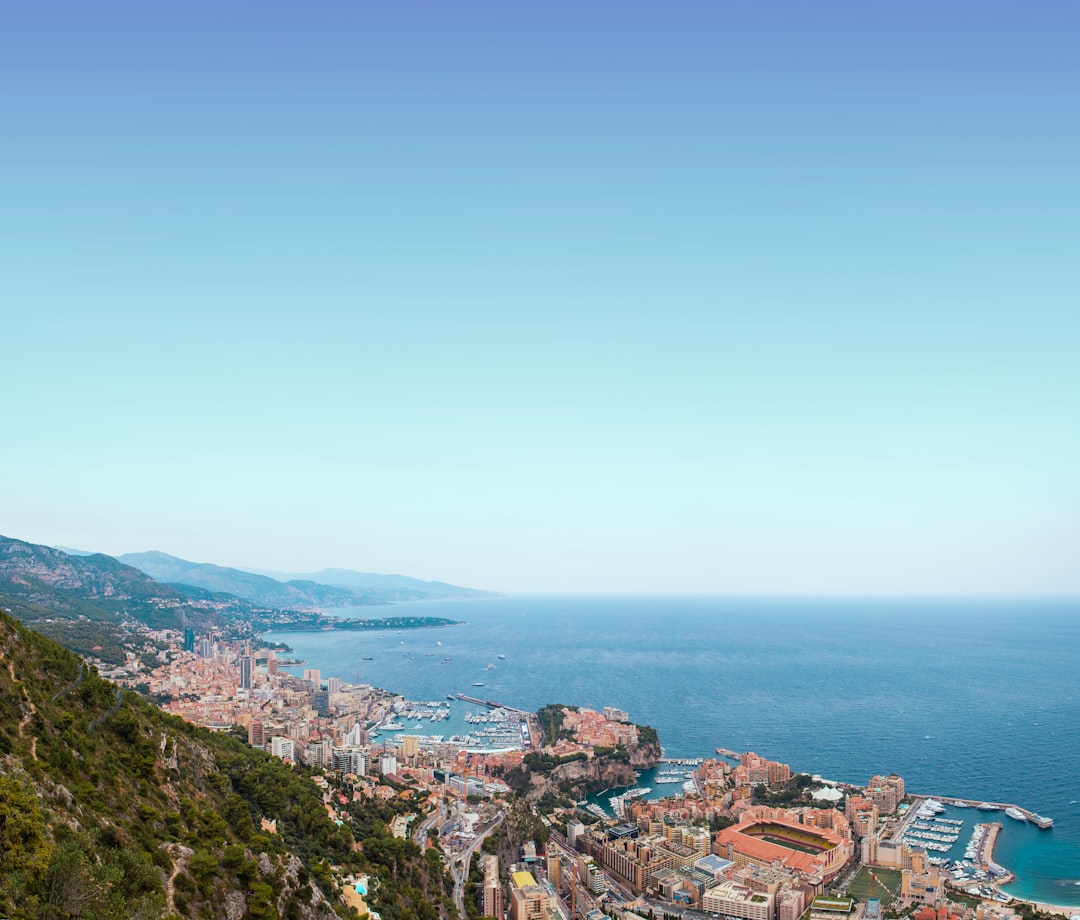
Monaco Travel Guide: Everything You Need to Know (2026)
Monaco is the world’s second-smallest sovereign state at just 2.08 km², yet it packs a registered population of 18,125 Monégasque nationals into one of the most densely settled territories on Earth. Founded as a Genoese colony in 1215 and perched on the French Riviera between France and the Italian border just 15 km away, it sits at sea level along one of Europe’s most expensive coastlines. With a GDP per capita among the highest globally and zero income tax for residents, Monaco is simultaneously a functioning microstate and the world’s most glamorous fiscal paradise.
Three Things Not to Miss in Monaco
- Casino de Monte-Carlo — Opened in 1863, this Belle Époque gambling palace is Monaco’s single most iconic landmark — entry starts at €17.
- Prince’s Palace of Monaco — A working royal residence since 1297 with a daily Changing of the Guard ceremony at exactly 11:55 AM.
- Circuit de Monaco (Grand Prix Street Circuit) — Walk the actual 3.337 km Formula 1 street circuit through Monte-Carlo — open to traffic outside race weekends.
Scroll down for our complete travel guide with tips on getting there, where to stay, costs and more.
Getting to Monaco & Getting Around
Which airports are the best entry points into Monaco?
Nice Côte d’Azur Airport (NCE) is your only realistic gateway, sitting **30 km west** of Monaco. In my experience, every other option adds unnecessary complexity. Nice handles over 14 million passengers annually with direct long-haul flights from New York, London, and Dubai. From NCE, a helicopter transfer with Héli Air Monaco takes **7 minutes** and costs around **€160 one-way** — genuinely worth it once. The honest caveat: Monaco has no airport of its own, so you are always dependent on French infrastructure, and NCE can experience delays during the summer peak that cascade into your Monaco arrival time.
How do I get from the airport to my first accommodation in Monaco?
The helicopter from **Nice NCE to Monaco Héliport** is the fastest at **7 minutes for roughly €160**. My tip: book it at least 48 hours ahead via Héli Air Monaco — it sells out during Grand Prix week entirely. The alternative is the **RCA airport bus line 110** from NCE Terminal 1, which costs **€22** and takes about **45 minutes** to the Monaco bus station. Taxis run **€80–120** depending on traffic on the A8. What most guides omit: the train from Nice-Ville station (not the airport itself — you need a **€1.50 tram** to reach it) takes **22 minutes** to Monaco-Monte-Carlo station and costs only **€4.10**. It is the best value option by far.
What transport options are there within Monaco?
Monaco spans just **2.08 km²**, so your feet cover most of it. That said, the terrain is brutally vertical — the difference between sea level at Fontvieille and the top of Monaco-Ville is about **60 metres** of near-constant climbing. I recommend the free public elevators and escalators embedded into the cliff face throughout Monte-Carlo and La Condamine — there are **six elevator towers** and they are genuinely transformative for navigating between districts. The **CAM bus network** runs six lines with a flat fare of **€2 per journey** or a 24-hour pass for **€5.50**. Taxis are available but expensive — a cross-Monaco ride rarely exceeds **€15** but feels steep for 10 minutes.
Do I need a rental car in Monaco?
No — a rental car in Monaco is a liability, not an asset. Parking costs **€4–6 per hour** in Monaco’s underground car parks, and the principality’s **2.08 km²** is genuinely walkable between its four main quartiers in under 30 minutes. In my experience, visitors who drive in spend more time parking than sightseeing. My tip: if you plan day trips into the French or Italian Riviera — say, to **Èze village (12 km)** or **San Remo (45 km)** — rent a car from **Nice or Menton** rather than Monaco itself. The honest trade-off: renting from **Hertz at Nice Airport** gives you far more flexibility for coastal exploration at roughly **€45–70 per day**.
How good is the public transport network between regions in and around Monaco?
Within Monaco itself, the **CAM bus network** is functional but limited by the microstate’s size. The real public transport strength is the **SNCF regional rail** connecting Monaco-Monte-Carlo station to **Nice in 22 minutes (€4.10)**, **Menton in 8 minutes (€2.20)**, and **Ventimiglia, Italy in 20 minutes (€4.50)**. Trains run roughly every 30 minutes. What most guides omit: the Monaco train station is entirely underground — it is beautiful and efficient but confusingly signed for first-time visitors. Bus line **100 to Nice** via the Grande Corniche costs **€1.50** and offers dramatically better coastal views than the train, though it takes **75 minutes**.
Where to Stay in Monaco
Which regions or neighbourhoods should I stay in when visiting Monaco?
Monaco has four distinct districts. **Monte-Carlo** is the glamour epicentre — Casino Square, luxury hotels, high-end dining — and the right base if budget is secondary. **La Condamine** around the port is more lived-in, with local bakeries and the market on **Place d’Armes**, and hotels here cost noticeably less. **Monaco-Ville** (the old town on the rock) has no hotels but is worth a morning’s exploration. **Fontvieille** is the industrial/residential district — quieter, cheaper, and honest about being unglamorous. In my experience, first-time visitors who base themselves in La Condamine get the best balance between authenticity and walkability to Monte-Carlo’s highlights.
What does good accommodation cost per night in Monaco?
Monaco is one of the most expensive places to sleep in Europe. A **4-star hotel in Monte-Carlo** runs **€350–600 per night** in shoulder season and doubles during Grand Prix week in May. The **Hôtel de Paris Monte-Carlo** charges upwards of **€1,000 per night** routinely. Budget travellers should know that there are no hostels in Monaco — the cheapest option is the **Columbus Monaco** in Fontvieille at around **€180–220** on a quiet weekend. My honest caveat: staying in **Menton (12 km east)** or **Beausoleil** — the French commune that literally shares a street with Monte-Carlo — cuts accommodation costs by **50–70%** while keeping you minutes from Monaco by foot or train.
When should I book hotels in Monaco — how far in advance?
Book **at least 3 months ahead** for any visit, and **6–12 months ahead** for the **Monaco Grand Prix (late May)**. I have seen people try to book Monte-Carlo hotels 6 weeks before the Grand Prix and find nothing available under **€2,000 per night** — that is not an exaggeration. For July and August, **2–3 months** is the minimum. The shoulder months of October and November allow **4–6 weeks** lead time without panic. My tip: the **Columbus Monaco** and smaller boutique options in La Condamine release cancellations regularly, so checking back 3–4 weeks out sometimes yields last-minute deals — but treat that as a bonus strategy, not a primary one.
When is the best time to travel to Monaco?
**July, August, and September** offer the best combination of reliable Mediterranean sunshine, warm sea temperatures of **24–26°C**, and fully operational restaurants and yacht-watching on Port Hercule. In my experience, **September is the sweet spot** — the Grand Prix chaos is gone, summer crowds thin from mid-August, and outdoor dining remains perfect through late October. **May** is spectacular for the Grand Prix atmosphere but prices triple and streets become impassable during race week. **April and October** are underrated for mild weather around **17–20°C** with far fewer visitors. Avoid February if you dislike grey skies — though the Monte-Carlo Rally in January adds genuine local energy.
How does peak season affect prices in Monaco?
Peak season pricing in Monaco is extreme even by Riviera standards. During the **Monaco Grand Prix in May**, hotel rates increase **300–500%** and restaurant reservation lead times stretch to months. July and August see consistent **40–80% premiums** on accommodation versus October. What surprised me: even restaurant prices fluctuate — during Grand Prix week, set menus that normally cost **€45** jump to **€120+**. The honest trade-off is stark: if you visit in October, you get the same **Casino de Monte-Carlo**, the same Palace, and the same coastline for dramatically less. My recommendation is September — full summer experience at roughly **20–30% lower** accommodation rates than August peak.
Best Time to Visit Monaco
Which regions of Monaco have different climate zones?
Monaco’s **2.08 km²** is too small to have meaningfully different climate zones — a single Mediterranean microclimate governs all four districts. However, there is a practical microclimate effect worth knowing: **Monaco-Ville** on the rock sits **60 metres above sea level** and catches noticeably more wind than the sheltered port area of **La Condamine** and **Monte-Carlo** below. On blustery spring days, the Rocher can feel genuinely cold while the Casino Square terrace is pleasant. The **Fontvieille** district sits in a partial rain shadow against the cliff and tends to feel slightly warmer and less exposed than the eastern waterfront. These are minor variations, but worth knowing for planning outdoor activities.
What are the rainy seasons in Monaco?
Monaco follows a classic **Mediterranean rainfall pattern** — the wettest months are **November, December, and January**, with October also seeing regular rain. Summer from **June through August** is essentially dry, with occasional dramatic thunderstorms in late August. In my experience, November rain in Monaco comes in intense short bursts rather than grey all-day drizzle — an afternoon downpour followed by clear evening skies is typical. The honest caveat: Monaco’s hillside terrain means rainfall runs off sharply and paths become slippery fast — the cliff-face staircases and stone streets around **Monaco-Ville** become genuinely treacherous within minutes of rain starting. Bring grip-soled shoes if visiting October through March.
What does a trip to Monaco cost per person per day?
A realistic **budget traveller** staying in **Beausoleil** across the French border, eating at the **Place d’Armes market**, and skipping the Casino can manage Monaco on **€80–120 per day** including day-trip transport. A **mid-range visitor** staying at Columbus Monaco, eating one restaurant lunch and one sit-down dinner in La Condamine, and doing the Palace tour spends **€300–450 per day**. A **luxury visitor** at Hôtel de Paris with Casino evening and tasting menus should budget **€1,500+ per day** without blinking. What most guides omit: Monaco has no VAT-free shopping advantage for tourists — prices reflect pure luxury positioning, not tax incentives. The Casino minimum bet at table games starts at **€5**.
How expensive is food in Monaco?
Food in Monaco ranges from manageable to stratospheric. A **socca or pissaladière snack** from the **Place d’Armes market** costs **€3–5**. A sit-down lunch at a La Condamine brasserie runs **€22–35 per person** with wine. Dinner at a mid-tier Monte-Carlo restaurant — say, **Le Café de Paris** on Casino Square — costs **€55–90 per person** including one drink. A Michelin-starred meal at **Louis XV-Alain Ducasse** runs **€350–500 per person** for dinner. My tip: the **Marché de la Condamine** on weekday mornings offers the most honest food prices in the principality — fresh bread, cheese, and olives from local vendors are priced for residents, not tourists.
What hidden costs should I expect in Monaco?
Service charges in Monaco restaurants are legally included but a **10–15% tip** is expected on top in upscale venues — staff will notice if you do not. **Casino entry** costs **€17** just to reach the gaming rooms, before you bet anything. **Sun loungers on the private beach clubs** like **Larvotto Beach** run **€25–40 per chair per day** — the public section of Larvotto is free but small. Parking costs **€4–6 per hour** in official car parks. What most guides omit: the **Monaco Oceanographic Museum entry is €20** — skippable if you have visited similar institutions. Cocktails at any Monte-Carlo bar start at **€18–25**; a glass of house wine in a tourist-facing café is rarely under **€12**.
What a Trip to Monaco Costs
How much cash should I bring to Monaco?
Bring **€100–200 in cash** as a practical reserve, but Monaco is heavily card-oriented. I have gone entire visits spending less than **€20 in cash** — market vendors on **Place d’Armes** are the main cash-only scenario you will actually encounter. The Casino accepts cash at the tables but also credit cards for buy-ins. ATMs are available at **BNP Paribas and Société Générale** branches in La Condamine and Monte-Carlo. The honest caveat: Monaco uses the **euro (€)** but is not an EU member — however, there is no practical difference for visitors using euros from France or other eurozone countries. Foreign currency exchange kiosks in Monaco charge poor rates; use your card instead.
Which credit cards are accepted in Monaco?
**Visa and Mastercard** are accepted universally across Monaco — hotels, restaurants, taxis, museums, and the Casino all take them without issue. **American Express** is accepted at all 4- and 5-star hotels and most upscale restaurants but occasionally refused at smaller La Condamine cafés. **Apple Pay and Google Pay** are widely functional. My tip: notify your bank before visiting — Monaco transactions sometimes trigger fraud alerts because the country code is different from France despite geographic adjacency. What surprised me: some vendors in **Fontvieille** and the **Place d’Armes market** are cash-only, so keeping **€50** on hand covers that scenario. There are no surcharges for foreign card use in Monaco under EU payment regulations.
Which regions of Monaco must I not miss?
All four districts deserve at least a walk-through, but **Monte-Carlo** and **Monaco-Ville** are non-negotiable. **Monte-Carlo** holds the Casino, the **Hôtel de Paris**, Café de Paris, and the Formula 1 circuit’s most dramatic corners — the **Fairmont Hairpin (Virage Anthony Noghès)** gives you the tightest bend on the F1 calendar at street level. **Monaco-Ville** on the Rock holds the **Prince’s Palace**, the Cathedral of Our Lady Immaculate (where Princess Grace is buried), and the **Oceanographic Museum** perched above the sea at **85 metres altitude**. La Condamine’s **Port Hercule** at golden hour with superyachts moored 20 metres away is a free spectacle that no other microstate on Earth replicates.
What are the tourist highlights of Monaco?
The **Casino de Monte-Carlo** (opened 1863, entry €17) is the centrepiece — even non-gamblers should see the Belle Époque interior. The **Prince’s Palace** charges **€10 admission** to the State Apartments (open April–October) and stages the Changing of the Guard daily at **11:55 AM** — arrive by 11:40 for a clear view. The **Musée Océanographique de Monaco**, founded by Prince Albert I in 1910, houses one of Europe’s finest marine collections at **€20 entry**. The **Formula 1 Grand Prix circuit** is walkable year-round — stand at **Sainte-Dévote corner** or the **tunnel exit** and picture the cars at 280 km/h. The **Jardin Exotique** at **65 metres altitude** has Mediterranean and succulent collections with panoramic views for **€7.20**.
What experiences in Monaco are found nowhere else on Earth?
Walking the **actual Formula 1 Monaco Grand Prix circuit** through living city streets — past apartment blocks, hotels, and the harbour — is uniquely Monaco. Nowhere else on the F1 calendar can you stand where cars hit **290 km/h** through a public tunnel and then walk to your dinner table. Watching **superyacht manoeuvring in Port Hercule** — vessels worth €50–200 million parking with centimetres to spare — is a daily spectacle with no admission charge. The **Casino de Monte-Carlo** has a specific historical gravity: it has operated continuously since **1863** and financed the Grimaldi dynasty. What surprised me: Monaco’s **11:55 AM Palace Guard change** uses a ceremonial protocol unchanged since the 18th century — and the square holds only about 200 people, giving it an intimacy impossible at larger national ceremonies.
Regions & Highlights of Monaco
Which areas of Monaco are overcrowded — and what are the quieter alternatives?
**Casino Square** and the immediate surrounds are relentlessly crowded from 10 AM to 10 PM in summer — selfie congestion makes the square genuinely unpleasant between noon and 3 PM. **Monaco-Ville** (the Rock) similarly bottlenecks near the Palace at midday. My tip: visit Casino Square at **8:30 AM** when morning light is perfect and crowds are absent — the Ferrari and Porsche parade that starts around 10 AM is part of the spectacle but adds chaos. The quieter alternative for authentic Monaco is **Fontvieille** — the industrial quarter has the **Musée de la Collection de Voitures de S.A.S.**, a **100-vintage-car collection charging €8**, almost no tourist queues, and actual Monégasque residents going about daily life.
How many days do I need to visit Monaco?
**2 full days** cover Monaco thoroughly; **3 days** allow day trips to the French and Italian Riviera. On **Day 1**: Monaco-Ville morning (Palace, Cathedral, Oceanographic Museum), Port Hercule afternoon, Casino Square at dusk. On **Day 2**: Jardin Exotique morning, walk the Grand Prix circuit, Fontvieille car museum, and a proper La Condamine dinner. A **third day** opens up Èze village (**12 km, 20-minute bus**), Antibes (**40 km by train**), or San Remo in Italy (**45 km, 30-minute train, €4.50**). What most guides omit: Monaco is genuinely exhausting to rush because of the vertical terrain — factor in that climbing from **Port Hercule to Monaco-Ville** takes about **15 minutes uphill** at a real pace.
Do I need a visa to visit Monaco?
Monaco applies the **same visa policy as the Schengen Area** in practice — if you can enter France, you can enter Monaco without any additional documentation. **EU, UK, US, Canadian, and Australian citizens** enter visa-free for stays up to **90 days** within any 180-day period. There are no passport controls at the France-Monaco border — you cross a street and are in a different sovereign state. The honest caveat: Monaco is **not an EU or Schengen member** but maintains a de facto open border through its 2002 customs agreement with France. Citizens of countries requiring a French Schengen visa need that same visa for Monaco — check the **French consulate requirements** in your home country, not a Monaco-specific list, as Monaco has no independent visa infrastructure.
What languages are spoken in Monaco?
**French is the official language** and the language of government, courts, and most daily interaction. English is extremely widely spoken in hotels, the Casino, restaurants, and tourist infrastructure — Monaco’s international resident population ensures English fluency is near-universal in service industries. **Monégasque** (a blend of Ligurian Italian and Provençal French) is a protected heritage language spoken by a small number of locals but you will rarely encounter it practically. **Italian** is commonly understood given the 15 km proximity to Liguria. In my experience, attempting even a basic **’Bonjour, merci, s’il vous plaît’** in French is warmly received — Monégasques distinguish polite visitors from those who treat the principality as a theme park.
What cultural rules do I need to know before visiting Monaco?
Dress codes matter in Monaco more than almost anywhere in Europe. The **Casino de Monte-Carlo** enforces smart dress after 8 PM — no shorts, no trainers, no sportswear in the main gaming rooms. **Monaco-Ville** church visits require covered shoulders. Beyond dress: Monaco has strict public behaviour ordinances — eating while walking on **Avenue Princess Grace** is technically a fineable offence, though enforcement is selective. Photography of the **Prince’s Palace guard positions** up close can draw a sharp rebuke. What surprised me: Monaco residents are genuinely proud of their microstate and bristle at visitors who treat it purely as a backdrop for wealth tourism. Acknowledging the **Grimaldi dynasty’s 700-year history** in conversation gets a noticeably warmer response from locals than questions about tax rates.
Practical Tips for Monaco
How safe is Monaco?
Monaco is among the **safest territories on Earth** — it has one of the highest police-to-resident ratios globally, with approximately **1 officer per 100 residents**, and CCTV coverage is near-total across all public spaces. Violent crime is essentially absent. Pickpocketing is the only realistic threat and it is rare — the **Place d’Armes market** and Casino Square in peak summer are the highest-risk spots simply due to crowd density. In my experience across multiple visits, I have never felt remotely unsafe at any hour. The honest caveat: Monaco’s safety partly reflects its extreme wealth concentration — the principality’s model of heavy policing and surveillance would be considered intrusive in most democratic states, but as a visitor, you benefit from it entirely.
What health precautions should I take before visiting Monaco?
Monaco requires no vaccinations and has no specific health risks for visitors from Western countries. The **Centre Hospitalier Princesse Grace (CHPG)** at **1 Avenue Pasteur** is a modern, fully-equipped hospital serving Monaco — it meets Western European standards completely. EU citizens should bring their **European Health Insurance Card (EHIC)** — Monaco has a bilateral healthcare agreement with France. Non-EU visitors need comprehensive **travel insurance**, as Monaco’s private medical costs are extremely high — a single emergency room visit can exceed **€500** without insurance. What most guides omit: Monaco’s extreme heat in July and August (**28–32°C**) combined with its vertical topography means heat exhaustion is a genuine risk for visitors climbing between districts — carry **500 ml of water minimum** and use the free elevator towers.
What SIM card or eSIM options are available in Monaco?
Monaco uses its own country code (**+377**) but French SIM cards from **Orange, SFR, and Bouygues** work seamlessly throughout the principality due to roaming agreements. In practice, I recommend buying a **French SIM or eSIM** rather than a Monaco-specific one — the coverage difference is zero and French plans are cheaper. **Airalo eSIM** for a France/Monaco data plan runs approximately **€8–12 for 5 GB**, activatable before you leave home. EU roaming rules technically do not apply in Monaco (it is not an EU member), so check your home EU carrier’s specific Monaco policy — some charge domestic rates, others add a small surcharge. **Free WiFi** is available at all hotels and most cafés without time limits.
Which apps do you recommend for visiting Monaco?
**Google Maps** works accurately throughout Monaco including indoor navigation in the train station. **CAM Monaco** is the official bus app with real-time departure information for Monaco’s 6 bus lines. **Visit Monaco** (official tourism app) has audio guides for the Rock and Grand Prix circuit — genuinely good content at no charge. For restaurant bookings, **TheFork (LaFourchette)** lists most Monaco restaurants with occasional 30–50% promotional discounts that are worth checking before any dinner reservation. **Héli Air Monaco** has its own booking app for helicopter transfers. What surprised me: **Waze** is widely used by local drivers and gives the most accurate routing on Monaco’s complex one-way system if you do drive in — Google Maps struggles with the underground car park entrances specifically.
What are the most common traveller mistakes in Monaco?
The biggest mistake is **arriving by car** — parking stress consumes time you should spend at the Palace or Casino. Second: **underestimating the terrain** — Monaco looks flat on maps but every district change involves serious climbing; comfortable walking shoes matter more here than in most flat European cities. Third: **paying Casino Square restaurant prices** for every meal — walking **3 minutes downhill to La Condamine** halves your food costs for identical quality. Fourth: **visiting only Monte-Carlo** and missing Monaco-Ville entirely — the Rock holds **700 years of Grimaldi history** that contextualises everything else. Fifth: attempting Monaco as a rushed **2-hour cruise ship stop** — the standard excursion format sees Casino Square for 40 minutes and leaves. Monaco rewards slow exploration across **at least one full day**.
Monaco at a Glance
| Population | 38,857 |
|---|---|
| Currency | EUR (€) |
| Official language | French |
| Time zone | UTC+01:00 |
Source: Wikidata, retrieved August 2026.
Essential Resources for Planning Your Trip to Monaco
- Getting around Monaco — official visitor information, passes & events
- Wikipedia: Monaco — history, geography & background
- Wikivoyage: Monaco — community travel guide & practical tips
- Monaco travel – Lonely Planet | Europe — expert itineraries & travel inspiration
- THE 15 BEST Things to Do in Monaco (2026) — hotels, restaurants & traveller reviews
- Getting around Monaco — how to get around
- Numbeo: Cost of Living in Monaco — current prices & cost comparison
- Timeanddate: Monaco Weather & Climate — forecasts & climate statistics
More Perspectives on Monaco
- Everything You Need to Know Before Visiting Monaco
- Monaco Travel Guide: Where to Stay, Eat, and Explore
- Monte Carlo Travel Guide
Monaco Travel Videos
Watch these videos for a visual preview before your trip:
- MONACO GUIDE / Monte Carlo in ONE DAY
- Monaco Vacation Travel Guide | Expedia
- Best Things To Do In Monaco Travel Guide 2026 4K
Monaco Travel Discussions on Reddit
Real traveller experiences and community advice:
- Visiting Monaco for the first time, what should I expect?
- To people who have visited the richest country in the world …
- Monaco/Monte Carlo worth it? : r/nicefrance
Data Sources
This page was compiled using data from Wikipedia, Wikidata, Open-Meteo (climate), Numbeo (cost of living) and REST Countries. Information is updated regularly.