
Antibes: The Complete Travel Guide (2026)
Last reviewed: September 2026 · key facts checked against Wikidata
Antibes Travel Guide: Everything You Need to Know (2026)
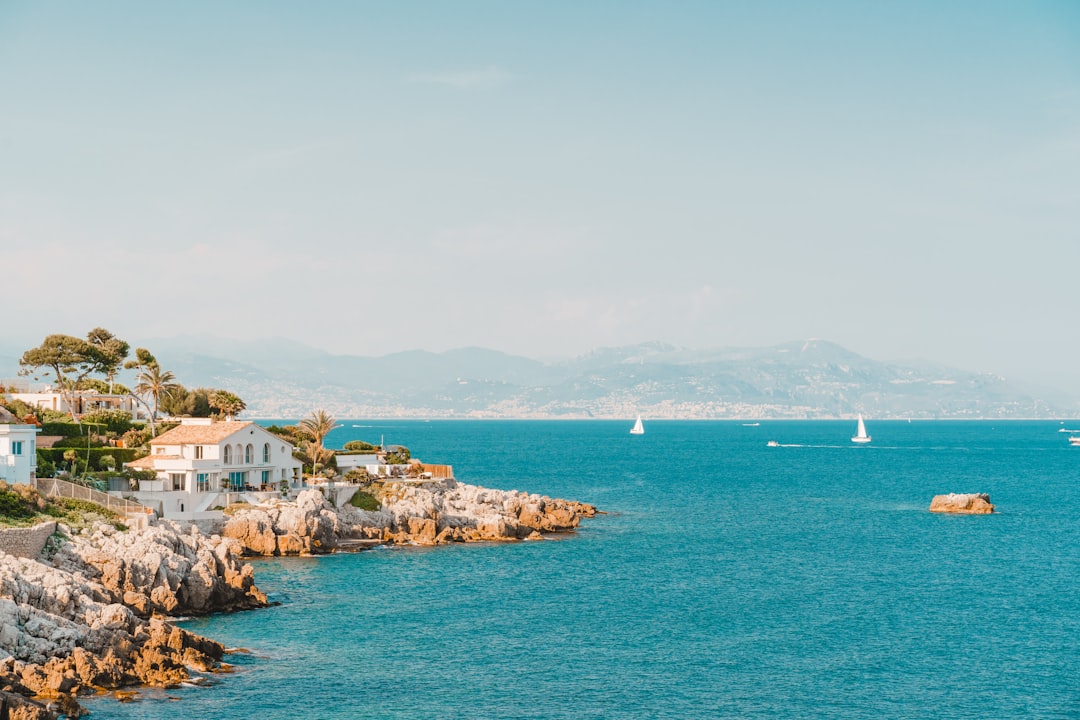
Antibes sits on the French Riviera between Cannes and Nice, home to 75,456 residents and the largest yachting harbour in Europe. Founded by the Greeks around 400 BC as Antipolis, it has evolved from ancient trading post to one of the Côte d’Azur’s most refined resort cities. The old town, Vieil Antibes, is perched on a rocky promontory jutting into the Mediterranean, making it visually distinct from every other Riviera town.
Top 3 Highlights at a Glance
- Port Vauban & Yacht Harbour — Europe’s largest yachting harbour with superyachts exceeding 100 metres docked just steps from a medieval rampart.
- Musée Picasso (Château Grimaldi) — Picasso lived and worked here in 1946, leaving 23 paintings and 44 drawings directly to the museum.
- Marché Provençal de la Place Nationale — A daily open-air market under centuries-old arcades selling socca, lavender, and fresh Niçoise olives every morning.
Scroll down for our complete travel guide with tips on getting there, where to stay, costs and more.
Arrival & Airport
How do I best get to Antibes?
By train from Nice or Cannes — it is the fastest and most practical option. Nice to Antibes takes roughly 25 minutes on the TER regional train, and Cannes to Antibes is just 12 minutes. Trains run every 20-30 minutes throughout the day. In my experience, the train drops you at Gare d’Antibes, a 10-minute walk from Vieil Antibes and Port Vauban. Driving is possible but honestly counterproductive in summer — parking in the old town area is scarce and expensive. If you’re arriving from Paris, the TGV connects to Antibes directly, with journey times around 5.5 hours.
Which airport is closest to Antibes?
Nice Côte d’Azur Airport (NCE) is your airport — it sits just 22 km west of Antibes. From the terminal, the quickest budget option is the train: take the airport’s dedicated tramway to Nice Saint-Augustin station, then board a TER toward Cannes and exit at Gare d’Antibes. Total journey is around 35-40 minutes for roughly €5. A taxi direct from NCE to Antibes costs €60-80 depending on traffic, which in summer can be brutal along the coastal N7. What surprised me: many visitors overlook the train and overpay for taxis unnecessarily.
How long does the journey from Nice or Paris take to Antibes?
From Nice, the TER train takes 25 minutes — genuinely one of the easiest intercity hops on the Riviera. From Cannes, it is just 12 minutes. From Paris Gare de Lyon, the direct TGV runs in approximately 5 hours 30 minutes with fares starting around €40 if booked well in advance. My tip: book TGV tickets on the SNCF Connect app at least 6 weeks ahead for the cheapest prices. The caveat most guides omit is that summer Saturday and Sunday trains are packed with beachgoers, so reserving a specific seat is worth the small extra fee.
Do I need a rental car to explore Antibes?
No — and I’d actively advise against it in July and August. Vieil Antibes, Cap d’Antibes, and Juan-les-Pins are all reachable by local bus, train, or on foot. The Lignes d’Azur bus network connects the main areas for around €1.50 per journey. That said, if you plan to explore inland villages like Valbonne or Mougins, a car becomes genuinely useful — those are poorly served by public transport. The honest trade-off: parking fees in Antibes centre can hit €4-5 per hour in peak season, and traffic on the coastal roads turns the 5 km drive to Cap d’Antibes into a 40-minute ordeal.
City Transport
What are the best areas to stay in Antibes?
Vieil Antibes is where I recommend most visitors base themselves — you’re inside the old town walls, within walking distance of the market, Picasso Museum, and port. Juan-les-Pins suits a younger, nightlife-focused crowd and sits directly on sandy beaches, unlike the mostly pebbled old town shore. Cap d’Antibes is the luxury enclave — quiet, green, and home to the legendary Hôtel du Cap-Eden-Roc, but requires a car or taxi for daily movement. My tip: for a balance of atmosphere, walking access, and price, target guesthouses and small hotels in the streets around Rue de la République in Vieil Antibes.
What does accommodation cost per night in Antibes?
Expect to pay €80-130 per night for a clean, well-located 3-star hotel in Vieil Antibes during shoulder season. In July and August, those same rooms jump to €150-220. Budget hostels in Juan-les-Pins offer dorm beds from around €30. Apartment rentals on platforms like Airbnb can undercut hotels by 20-30% for stays of 5 nights or more — especially useful for families. The caveat most guides omit: many Antibes hotels add a taxe de séjour (tourist tax) of €1-4 per person per night that rarely appears in the advertised rate — always check the total before booking.
How far in advance should I book accommodation in Antibes during high season?
For July and August, book at least 3-4 months ahead — the Riviera fills fast and cancellation of a late booking leaves you scrambling for overpriced last-minute rooms. The Juan-les-Pins Jazz Festival in July (running since 1960) alone fills beds across the entire area for its 2-week run. For September and June, 4-6 weeks is usually sufficient and prices are noticeably lower. In my experience, mid-September is the sweet spot — hotels drop rates by up to 30%, the sea is still 24°C, and the crowds thin dramatically. I never book August without a confirmed reservation at least 10 weeks out.
Are there special or unusual accommodation types in Antibes?
Yes — and the most distinctive option is staying aboard a yacht or sailing boat moored in Port Vauban, which several charter companies offer by the week. It’s a genuinely unique Riviera experience. For land-based character, look at the converted bastides (Provençal stone farmhouses) on the outskirts toward Biot — some operate as chambres d’hôtes with garden breakfasts. There are also a handful of belle-époque villas on Cap d’Antibes converted into boutique hotels. The honest caveat: liveaboard berths in Port Vauban book out 6 months ahead for summer and cost from €1,500 per week for a basic sailboat.
Accommodation & Neighbourhoods
What are the must-see sights in Antibes?
Three are non-negotiable. First, the Musée Picasso inside Château Grimaldi — Picasso lived here in 1946 and donated dozens of works directly to the museum; entry is €8. Second, Port Vauban at dusk when the superyacht owners emerge — it’s free and genuinely surreal. Third, Marché Provençal on Place Nationale, open every morning except Monday, where I ate the best socca (chickpea pancake) of my life for €3. Beyond those, the Musée d’Histoire et d’Archéologie inside the Bastion Saint-André holds Greek and Roman artefacts from Antipolis — underrated and rarely busy.
What can I experience for free in Antibes?
Quite a lot, honestly. Walking the Sentier du Littoral — the coastal path ringing Cap d’Antibes for 5 km — costs nothing and delivers views that rival anything in Monaco. The Remparts d’Antibes (the Vauban sea walls) are freely accessible and offer panoramic Riviera views toward Nice and the Alps. Plage de la Gravette inside the old town is free and one of the few sandy beaches directly accessible without a bus ride. The Marché Provençal itself is free to browse. What surprised me: the Jardin Thuret botanical garden on Cap d’Antibes, with 2,000 plant species, charges no entry fee and is almost always quiet.
Which day trips are possible from Antibes?
Nice is 25 minutes by train and deserves a full day — the Vieux-Nice market, Musée Matisse, and Promenade des Anglais alone fill 8 hours. Cannes is 12 minutes away and worth an afternoon for La Croisette and the Marché Forville. Inland, Mougins (a medieval hilltop village where Picasso spent his final years) is 20 minutes by car — no direct bus. Île Sainte-Marguerite, reachable by a 15-minute ferry from Cannes, held the Man in the Iron Mask and has an excellent fort museum. My recommendation: avoid day-tripping to Monaco from Antibes in July — the train becomes impossibly crowded and the round trip eats nearly €25 in fares.
What are the local specialities to eat and drink in Antibes?
The Riviera table is one of France’s most distinctive. Socca — a thin, crispy chickpea flour pancake — is the street food of this coast and costs €2-3 at the market. Pissaladière (caramelised onion and anchovy tart) is another local staple. For seafood, the bouillabaisse at waterfront restaurants in Vieil Antibes is exceptional but expect to pay €35-50 per portion for the real thing made with rockfish. The local rosé wines from Bellet AOC (produced in the Nice hinterland) are underrated and available by the glass from €6-8. I always finish with a tarte tropézienne from the boulangeries near the market.
Highlights & Must-Sees
What makes Antibes unique compared to other Riviera towns?
Three things set it apart from Nice and Cannes. First, Port Vauban is genuinely the largest yachting harbour in Europe — the concentration of superyachts is staggering and completely accessible on foot. Second, Antibes retains a lived-in, working French town character that Cannes has mostly lost — the Marché Provençal serves locals, not just tourists. Third, the Picasso connection is authentic, not manufactured — he lived and created here in 1946, and the museum holds work he personally donated. The honest caveat: Juan-les-Pins attached to the commune can feel generic and package-holiday in August, so stay in Vieil Antibes to access the real character.
How many days are worthwhile in Antibes?
2 full days cover Antibes comprehensively: one day for Vieil Antibes (market, Picasso Museum, ramparts, old port), one day for Cap d’Antibes (coastal path, Jardin Thuret, Villa Eilenroc gardens). Add a third day if you want Juan-les-Pins, a beach day at Plage de la Salis, or a boat trip. I’d stretch to 4-5 days if you’re using Antibes as a base for Riviera day trips to Nice, Cannes, and Grasse. The caveat: staying longer than 5 days without exploring the region can feel repetitive — Antibes itself is compact, roughly 1.5 km across at its widest point in the old town.
When is the best time to visit Antibes?
July and September are the optimal months based on climate data. July delivers the full Riviera summer experience with water temperatures above 24°C and the Juan-les-Pins Jazz Festival. September is my personal preference — the crowds drop by roughly 40% after the French school holidays end on September 1st, prices fall, and the light turns golden in a way that August never quite manages. June is also excellent — warm, lively, without the August crush. November through February brings cool, occasionally wet weather and many restaurants and beach clubs close, though the town itself never fully shuts down.
Are there local festivals in Antibes worth attending?
The Juan-les-Pins Jazz Festival (Jazz à Juan) is the headline event — held every July since 1960, it has hosted Miles Davis, Ray Charles, and more recently Norah Jones. Tickets range from €40-90 per concert. The Fête de la Mer in late June celebrates the town’s maritime heritage with boat processions and free waterfront events. In August, the Voiles d’Antibes classic yacht regatta fills Port Vauban with historic sailing vessels and is free to watch from the quayside. My tip: book Jazz à Juan tickets the moment they go on sale in March — the headline night sells out within days, even for seats priced at €70+.
Food & Drink
How does the weather affect activities in Antibes throughout the year?
The Mediterranean climate means 300+ days of sunshine annually, but the pattern matters. Summer (June-September) is reliably hot at 25-30°C with almost zero rain — ideal for beaches and the coastal path. The Mistral wind occasionally sweeps down from the north in spring and autumn, making outdoor dining and boat trips uncomfortable for 2-3 day stretches. October and November bring occasional heavy rainfall — the Riviera sees short, intense storms rather than prolonged grey drizzle. Winter is mild at 10-14°C but many Cap d’Antibes restaurants and all beach clubs close from November through March, limiting dining options significantly.
How crowded does Antibes get in peak season?
August is genuinely intense — Plage de la Salis and Plage de la Gravette are packed by 10 AM, the Marché Provençal becomes hard to navigate, and restaurant queues without reservations stretch to 45 minutes. The week of 14 July (Bastille Day) and the last week of August are the absolute peak. What most guides omit: the old town lanes themselves become uncomfortably crowded on weekend afternoons in August, with tour buses from Nice depositing groups every 30 minutes at Place de Gaulle. My honest advice: if August is your only option, arrive at the market before 8:30 AM and do the Picasso Museum on a Tuesday morning when it’s quietest.
How safe is Antibes for travellers?
Antibes is safe — I have walked it at midnight without concern. Vieil Antibes and the port area are well-lit and populated into the early hours in summer. The main risk is petty theft: pickpocketing at the Marché Provençal and on crowded trains between Nice and Cannes is reported regularly. Keep valuables in a front-facing bag. The Juan-les-Pins nightclub strip around Avenue Georges Gallice can get rowdy post-midnight in August but rarely turns threatening. There are no areas of Antibes I’d categorically avoid as a traveller, though the residential zones north of the train station toward La Fontonne have no tourist infrastructure and offer nothing of interest.
Is English widely spoken in Antibes?
Better than most of provincial France, but not as fluent as Nice. In Vieil Antibes, restaurant staff, hotel receptionists, and market vendors working tourist-facing roles generally manage serviceable English. At the Marché Provençal, some stalls are run by older vendors who speak only French — a few words of French go a long way and are always appreciated. My experience: speaking even basic French (bonjour, merci, s’il vous plaît) opens doors noticeably. Away from the tourist core, in supermarkets or local boulangeries, English is hit-and-miss. I’d install Google Translate with French downloaded for offline use before you arrive.
Practical Tips
What is the daily budget for visiting Antibes?
Budget travellers can manage on €80-100 per day — hostel dorm (€30), socca and a baguette lunch (€8), a mid-range dinner (€25-30 for two courses and a glass of wine), and free sights. Mid-range travellers spending €150-200 per day get a 3-star hotel room, sit-down lunches, museum entries, and a decent restaurant dinner. For context, verified prices show a cheap meal at roughly $15 (≈€14) and a mid-range dinner for two at $30 (≈€28). The unavoidable cost spike comes from drinks at waterfront restaurants — a glass of rosé on Quai des Millionnaires easily hits €12-15, triple what you’d pay at the market.
How does public transport work in and around Antibes?
Lignes d’Azur operates local buses across the Antibes commune for a flat €1.50 per journey. Bus No. 2 connects Antibes train station to Juan-les-Pins and the beaches along the way. The TER regional train links Antibes to Nice (€5, 25 min) and Cannes (€3, 12 min) with trains every 20-30 minutes. For Cap d’Antibes, Bus No. 2 runs along the coastal road but stops before the southern tip — the final stretch requires walking or a taxi. In my experience, the train is far more reliable than buses in summer when coastal traffic causes delays of 20-40 minutes on bus routes.
Which apps do you recommend for visiting Antibes?
Three are essential. SNCF Connect for booking and managing all train journeys — buy tickets in advance and load them to your phone to avoid queuing at station machines. Lignes d’Azur app gives real-time bus schedules for the local network covering Juan-les-Pins and Cap d’Antibes. Google Maps works well for navigation around Vieil Antibes but download the offline map for the Alpes-Maritimes region before arriving — roaming data can be spotty near the Cap. My extra tip: The Fork (LaFourchette) app is invaluable for restaurant reservations in Antibes — peak-season tables at good restaurants disappear days ahead, and the app sometimes offers 50% discounts on lunch menus at participating places.
More Destinations in Europe
Explore our complete travel guides for more Europe destinations: Camargue Travel Guide (2026), Strasbourg Travel Guide (2026), Tours Travel Guide (2026), Le Havre Travel Guide (2026), Île Rouzic Travel Guide (2026).
Antibes at a Glance
| Population | 77,637 |
|---|---|
| Currency | EUR (€) |
| Official language | French |
| Time zone | UTC+01:00 |
Source: Wikidata, retrieved September 2026.
Useful Resources for Planning Your Trip to Antibes
- Wikipedia: Antibes — history, geography and background
- Lonely Planet: Antibes — itineraries and travel inspiration
- TripAdvisor: Antibes — hotels, restaurants and traveller reviews
🎥 Antibes Travel Videos

What to Do in Antibes, France | French Riviera – Côte d’Azur …
Riviera Go!

Antibes, France: 10 Best Things to Do (The Ultimate Travel …
Riviera Go!

24 Hours in Antibes France Things to do, eat and hidden gems
Step Outside
You are currently viewing a placeholder content from Vimeo. To access the actual content, click the button below. Please note that doing so will share data with third-party providers.
More InformationYou are currently viewing a placeholder content from YouTube. To access the actual content, click the button below. Please note that doing so will share data with third-party providers.
More InformationYou need to load content from reCAPTCHA to submit the form. Please note that doing so will share data with third-party providers.
More InformationYou are currently viewing a placeholder content from GetYourGuide. To access the actual content, click the button below. Please note that doing so will share data with third-party providers.
More Information