
Kranjska Gora: The Complete Travel Guide (2026)
Kranjska Gora Travel Guide: Everything You Need to Know (2026)
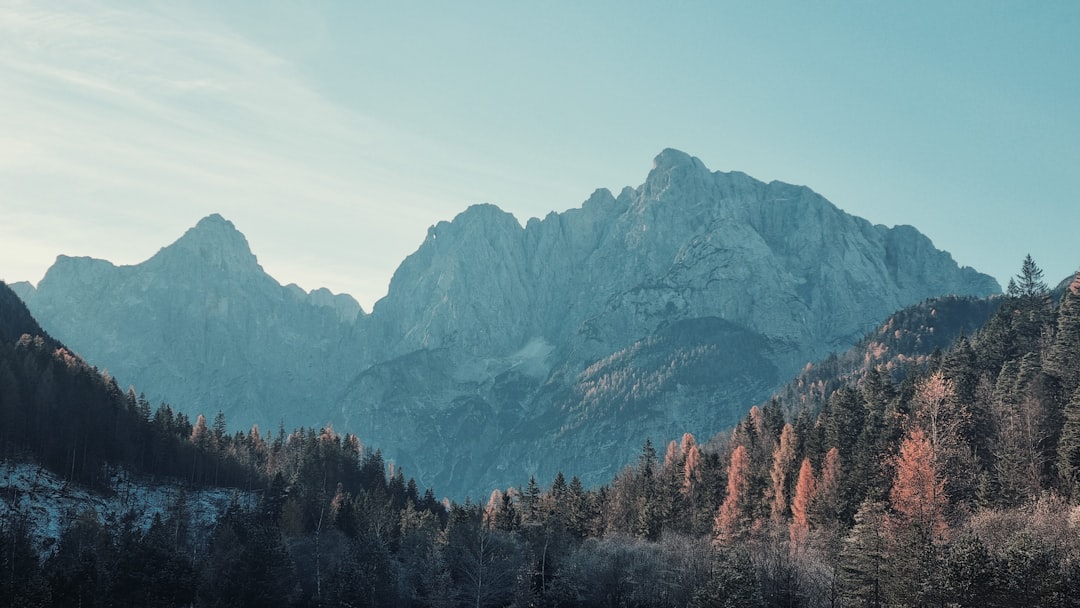
Kranjska Gora sits at 806 metres above sea level in Slovenia’s Upper Carniola region, wedged between Austria and Italy at one of Europe’s most dramatic Alpine tripoints. This compact mountain town of just 1,519 residents transforms seasonally into a world-class ski hub and summer hiking base, hosting the FIS Alpine Ski World Cup on the legendary Podkoren-3 Vitranc slope. The Austrian and Italian borders are literally within cycling distance, making this one of the most geographically privileged small towns in the entire Alps.
Three Things Not to Miss in Kranjska Gora
- Vitranc Ski Slopes — Home to the FIS World Cup slalom and giant slalom races, with 20 km of groomed pistes dropping from 1,600 m.
- Jasna Lake — A glacially fed turquoise lake just 1 km from the town centre, framed by the Prisank rock face at 2,547 m.
- Vršič Pass (1,611 m) — The highest mountain pass in Slovenia, featuring 50 hairpin bends and jaw-dropping Triglav National Park views.
Scroll down for our complete travel guide with tips on getting there, where to stay, costs and more.
Arriving in Kranjska Gora: Airport & Transfers
How do I best get to Kranjska Gora?
Fly into **Ljubljana Jože Pučnik Airport (LJU)**, then take a bus or hire a car — there is no direct train to Kranjska Gora. The road distance from Ljubljana is **roughly 85 km**, taking about **90 minutes by car** via the A2 motorway toward Jesenice, then the scenic Route 201. In my experience, a rental car is by far the most practical choice, since it opens up Vršič Pass and cross-border day trips into Austria and Italy. The honest caveat: winter driving on Route 201 requires snow chains or all-season tyres — rental companies in Ljubljana often charge extra for winter equipment, so confirm this when booking.
Which airport is closest to Kranjska Gora?
**Ljubljana Jože Pučnik Airport (LJU)** is the closest and most practical entry point, approximately **85 km** southeast of Kranjska Gora. A secondary option is **Klagenfurt Airport (KLU)** in Austria, roughly **70 km** to the north, which serves budget routes from several European cities — particularly useful if you find cheaper fares there. What surprised me: Trieste Airport (TRS) in Italy is also **under 100 km** away and worth checking for Ryanair connections. My tip: always compare all three airports, since the fare difference can easily exceed **€80** per person for popular summer travel dates.
How long does the journey to Kranjska Gora take from Ljubljana?
The drive from **Ljubljana city centre** to Kranjska Gora takes **90 to 100 minutes** under normal conditions — about 85 km via the A2 motorway to Jesenice, then the R201 regional road. The caveat most guides omit: the A2 motorway requires a **Slovenian vignette (€15 for a week)**, and you must buy it before the first toll gantry — fines for missing it start at **€300**. There is also a public bus run by **Arriva Slovenia** from Ljubljana’s main bus station, taking roughly **2 hours** and costing around **€8–€10** one way — perfectly adequate if you travel light and don’t need flexibility.
Do I need a rental car to explore Kranjska Gora?
Yes — a rental car is strongly recommended for getting the most out of the region. I recommend hiring one directly at **Ljubljana Airport (LJU)**, where all major operators have desks. Expect to pay **€35–€55 per day** for a compact car with full insurance in summer, rising to **€50–€70** in ski season. The honest trade-off: the town centre itself is walkable, and in ski season a **free shuttle bus (ski bus)** runs between accommodation zones and the Vitranc lifts. But without a car, Vršič Pass, Lake Fusine in Italy, and Triglav National Park trailheads are awkward to reach. My tip: book at least 3 weeks ahead for December and January.
Getting Around Kranjska Gora
What are the best areas to stay in Kranjska Gora?
Stay in the **town centre itself** — it is compact enough that nowhere is more than a 15-minute walk from the Vitranc lift base station. The **Borovška cesta** strip is the main accommodation corridor, lined with hotels, guesthouses, and apartments within easy walking distance of both the ski slopes and Jasna Lake. For more seclusion, the hamlet of **Podkoren**, just 3 km west, offers quieter guesthouses and direct access to the World Cup race piste. What surprised me: staying in **Mojstrana**, 12 km east, cuts prices by 20–30% while keeping Triglav National Park trailheads within easy reach — a smart budget move for summer hikers.
What does accommodation in Kranjska Gora cost per night?
Expect to pay **€80–€130 per night** for a solid 3-star hotel room in summer, and **€120–€200+** during the January FIS World Cup race weekend — when rooms book out months in advance. Budget guesthouses and private rooms (sobe) on **Borovška cesta** start at **€45–€65 per night** for a double. Self-catering apartments for two cost roughly **€60–€100 per night** and are excellent value if you plan to cook. The honest caveat: Kranjska Gora is not cheap by Slovenian standards — prices here sit closer to Austrian Tirol than to Ljubljana, driven by the resort’s international ski reputation and limited bed supply.
How far in advance should I book accommodation in Kranjska Gora during high season?
Book **at least 3–4 months ahead** for the FIS World Cup weekend in January and for the peak July–August hiking season. In my experience, the **Vitranc race weekend** (usually the first weekend of January) is the single tightest booking window in the entire region — quality rooms within walking distance of the finish area sell out before October of the previous year. For Christmas and New Year, **2–3 months** lead time is the minimum. Summer shoulder weeks in **June and September** can often be booked **4–6 weeks out**, but don’t count on last-minute deals in a town with only 1,519 permanent residents and a small total bed count.
Are there special or unique accommodation types in Kranjska Gora?
Yes — **mountain huts (planinske koče)** on the trails above town offer a genuinely Slovenian Alpine experience. The **Erjavčeva koča** hut at the foot of Vršič Pass is the most atmospheric option at about **€35–€45 per person** half-board, sitting right on the old Russian Road. Several farmhouse guesthouses (tourist farms) in the **Planica valley** offer rooms with homemade food for around **€55–€75** per night. What surprised me: a handful of glamping sites near **Jasna Lake** have opened in recent years, with canvas lodges for **€90–€140 per night** — they sell out fast in July. My tip: hut stays require advance booking through the **Alpine Association of Slovenia (PZS)** website.
Where to Stay in Kranjska Gora
What are the absolute must-sees in Kranjska Gora?
Three experiences stand above the rest. First, **Vršič Pass** (1,611 m) — drive or cycle the 50 hairpin bends into Triglav National Park; the views of Prisank and the Soča valley headwaters are staggering. Second, **Planica Nordic Centre**, just 4 km west, which hosts the FIS Ski Flying World Championship and lets you walk out onto the actual 240-metre ski jump ramp on a guided tour for **€5**. Third, **Jasna Lake** — arrive before 8 AM in summer to see the Triglav massif reflection without the Instagram crowds. In my experience, most visitors spend 90% of their time in the town centre and miss the full drama of the surrounding valley entirely.
What can I experience for free in Kranjska Gora?
Quite a lot. Walking the **Russian Road (Ruska cesta)** from Kranjska Gora up to Vršič Pass is free and one of the most historically layered hikes in Slovenia — built by Russian POWs in WWI. **Jasna Lake** has no entry fee and the 2 km lakeside path is open year-round. The **Planica valley floor walk** to the base of the ski jumps is free outside competition weekends. In winter, the **free ski bus** connecting accommodation zones to the Vitranc lifts saves **€5–€8** per day versus driving and parking. My honest warning: parking near Jasna Lake costs **€2–€5 per hour** in July and August — factor that in if you are driving to trailheads.
Which day trips from Kranjska Gora are most worthwhile?
My top pick is **Lake Bled**, just 40 km east — iconic, yes, but the drive via the Sava valley is genuinely beautiful and takes **45 minutes**. Cross the border into Italy for the **twin Fusine Lakes (Laghi di Fusine)**, only **15 km** from Kranjska Gora with free parking and far fewer crowds than Jasna. In Austria, **Villach** is **55 km** north and worth an afternoon for its old town and Wörthersee lake access. The honest caveat: **Lake Bohinj**, 50 km southeast, is less famous than Bled but far more serene — I recommend it over Bled for anyone who has already done the classic postcard shot.
What local specialities should I try in Kranjska Gora?
Start with **Kranjska klobasa** — the protected Carniolan sausage that carries the EU geographical indication, served with mustard and horseradish at virtually every local inn for **€6–€9**. Try **žganci**, a buckwheat porridge dish that is a genuine Gorenjska staple, often paired with soured milk. At **Gostilna pri Martinu** on Borovška cesta, the house-made **štruklji** (rolled dumplings, sweet or savoury) are excellent. In winter, local restaurants serve **jota**, a hearty bean and sauerkraut soup for **€4–€6** a bowl. What surprised me: the wine list in most restaurants focuses on Slovenian wines from the **Goriška Brda** region, just 80 km away — order a glass of Rebula rather than defaulting to Italian imports.
Kranjska Gora Highlights & Must-Sees
What makes Kranjska Gora unique compared to other Alpine towns?
Kranjska Gora sits at the junction of three countries — Slovenia, Austria, and Italy — within a single valley system, which is genuinely rare even in the Alps. The **Tripoint peak Dreiländereck/Peč** is reachable on foot and marks where all three borders converge. Unlike Zermatt or Chamonix, the town retains a village scale with only **1,519 permanent residents**, so it never feels like a manufactured resort. The **Planica ski flying hill**, the fastest in the world, is 4 km away. What no other Alpine town can offer: you can ski Slovenia in the morning, have lunch in Italy at the Fusine lakes, and cross into Austria for dinner — all without leaving the same valley.
How many days should I spend in Kranjska Gora?
**3 full days** is the sweet spot for a focused visit; **5 days** if you want to combine skiing or hiking with day trips. In my experience, day one covers the town, Jasna Lake, and an evening in the **Borovška cesta** restaurant strip. Day two is entirely for Vršič Pass and Planica valley. Day three is the cross-border day trip — either Fusine Lakes in Italy or Villach in Austria. The honest caveat: if you are a serious hiker targeting **Triglav (2,864 m)**, the mountain requires a 2-day commitment with an overnight at a summit hut — plan at least **6 nights** in the region for that ambition.
When is the best time to visit Kranjska Gora?
Based on 5-year climate analysis, **June through September** are the best travel months for hiking and outdoor activities — long daylight hours, stable weather, and the Vršič Pass road fully open. **January** is peak ski season, with the FIS World Cup adding a festive atmosphere but pushing prices to their annual maximum. I recommend **June** as the single best month: alpine meadows in full bloom, snow still on the Triglav massif for dramatic photography, and crowds at roughly 40% of August levels. The honest warning: **August** can bring afternoon thunderstorms that close high-altitude trails by 2 PM — start any summit hike before **7 AM**.
What are the best local festivals and events in Kranjska Gora?
The **FIS Alpine Ski World Cup on Vitranc** (usually first weekend of January) is the headline event — drawing tens of thousands of spectators and a genuine party atmosphere in the finish area. **Planica Flying Week** (mid-March) is the FIS Ski Flying World Championship at the Letalnica hill — arguably the most spectacular ski event on Earth, with jumps exceeding **200 metres** regularly. In summer, the **Mojstrana Mountain Marathon** in August uses trails directly above the valley. What surprised me: the **Vršič Pass Memorial Ceremony** in July commemorates the Russian POWs who built the road in WWI — it is a genuinely moving, low-key event that most foreign visitors have never heard of.
Eating & Drinking in Kranjska Gora
How does the weather affect activities in Kranjska Gora throughout the year?
Winter brings reliable snowfall above **900 m** from December through March, with ski lifts typically operating from **mid-December to late March**. The Vršič Pass road closes to general traffic from roughly **November to May**, cutting off the most scenic summer route. Summer afternoon thunderstorms are frequent from July to August — I recommend starting all ridge hikes before **7 AM** to be back below the treeline by 1 PM. Spring (April–May) is genuinely beautiful but wet, with the Sava Dolinka running high from snowmelt. The honest trade-off: **October** is underrated — crisp air, autumn colour on the valley larches, and virtually no crowds, though some restaurants begin closing for their between-season break.
How crowded does Kranjska Gora get in peak season?
Peak crowding hits two windows: **FIS World Cup weekend in January** and the **July–August hiking season**. During the race weekend, the town’s infrastructure is genuinely strained — parking is a chaos, and Borovška cesta is shoulder-to-shoulder. In August, **Jasna Lake** before 10 AM is pleasant; after 11 AM the lakeside path is packed with day-trippers from Ljubljana and Trieste. My tip: stay at least one valley over in **Podkoren** or **Mojstrana** to escape the worst of it. The honest caveat: Kranjska Gora is small enough that even moderate tourist numbers feel intense — **1,519 permanent residents** hosting thousands of visitors per summer weekend creates visible pressure on parking, restaurants, and trail access.
How safe is Kranjska Gora for tourists?
Kranjska Gora is extremely safe — petty crime is negligible and violent crime essentially non-existent in this town of **1,519 residents**. The primary safety risk is **mountain weather**: conditions on Vršič Pass and Triglav change with alarming speed, and underprepared hikers are rescued every season. In my experience, the **Mountain Rescue Service (GRZS)** is excellent but calling them costs nothing and deters no one — which unfortunately encourages risky behaviour. My honest warning: **afternoon thunderstorms in July and August** kill hikers on exposed ridges every year in Slovenia. Download the **ARSO weather app** and treat its red warnings as absolute stop signals, not suggestions.
Is English widely spoken in Kranjska Gora?
Yes — English is spoken confidently in virtually every hotel, restaurant, ski rental shop, and tourist office in Kranjska Gora. The town’s entire economy depends on international tourism, so even older staff at mountain huts manage functional English. German is almost equally prevalent given the heavy Austrian visitor base. Slovene is the official language and learning a few words — **’Hvala’** (thank you) and **’Dober dan’** (good day) — earns genuine warmth from locals. The honest caveat: in the hamlet of **Podkoren** or at farmhouse guesthouses, German often gets you further than English with the older generation, reflecting decades of Austrian cross-border connection.
Practical Tips for Kranjska Gora
What is a realistic daily budget for Kranjska Gora?
Budget traveller staying in a private room and self-catering: **€55–€75 per day**. Mid-range traveller in a 3-star hotel with restaurant meals: **€120–€170 per day**. Add ski passes at **€42–€52 per day** for the Vitranc–Kranjska Gora ski area in January, or guided hiking at **€35–€60 per person** in summer. Food at a local gostilna runs **€12–€18 for a two-course lunch**. The honest caveat: Kranjska Gora is noticeably more expensive than other Slovenian destinations — budget roughly **20–30% more** than you would for Ljubljana or Maribor. Coffee at a mountain café costs **€2.50–€3.50**, not the bargain some Alpine-adjacent destinations offer.
How does public transport work in and around Kranjska Gora?
**Arriva Slovenia** runs bus services connecting Kranjska Gora to Ljubljana (**€8–€10**, 2 hours) and Jesenice (**€2.50**, 25 minutes), where you can connect to the main Ljubljana–Salzburg rail line. Within the town, a **free seasonal ski bus** operates between accommodation zones and the Vitranc lift base in winter — check the current timetable at the tourist office on **Tičarjeva ulica**. No local bus serves Vršič Pass or Planica valley in summer — you walk, cycle, or drive. The honest trade-off: without a car, you are locked to the town corridor and lose access to the region’s best experiences. I recommend renting a car even for just **2 of your days** to unlock the valley properly.
Which apps do you recommend for visiting Kranjska Gora?
Install **ARSO** (Slovenian weather authority) — it gives the most accurate mountain forecasts for Triglav National Park and is far more reliable than generic weather apps for alpine conditions. **Hribi.net** is the definitive Slovenian hiking trail database with offline maps. **Karte.si** works like Google Maps but uses local OpenStreetMap data with better coverage of forest tracks and mountain roads. For public transport, **Arriva Slovenija** has a functional app for bus timetables. My tip: download **maps.me** or **OsmAnd** with the Slovenia map cached offline before you leave Ljubljana — mobile signal disappears in Planica valley and on Vršič Pass at exactly the moments you need navigation most.
Kranjska Gora at a Glance
| Population | 1,519 |
|---|---|
| Currency | EUR (€) |
| Official language | Slovene |
| Time zone | UTC+01:00 |
Source: Wikidata, retrieved September 2026.
Slovenia › Kranjska Gora
Essential Resources for Planning Your Trip to Kranjska Gora
- Wikipedia: Kranjska Gora — history, geography & background
- Wikivoyage: Kranjska Gora — community travel guide & practical tips
- Winter sports in Slovenia’s Julian Alps — expert itineraries & travel inspiration
- THE 15 BEST Things to Do in Kranjska Gora (2026) — hotels, restaurants & traveller reviews
- Getting around Kranjska Gora without a car for day trips — how to get around
- Numbeo: Cost of Living in Kranjska Gora — current prices & cost comparison
- Timeanddate: Kranjska Gora Weather & Climate — forecasts & climate statistics
More Perspectives on Kranjska Gora
- 9 Wonderful Things to Do in Kranjska Gora, Slovenia
- 7 Best Things to Do in Kranjska Gora in Summer, Slovenia
- Kranjska Gora Slovenia: Best Things to Do (+ Lodging and …
Kranjska Gora Travel Videos
Watch these videos for a visual preview before your trip:
- Slovenia’s Best Kept Secret: Kranjska Gora Travel Guide!
- What to see at KRANJSKA GORA – Lake JASNA – VRSIC – Russian Chapel – Slovenia 2020
- Top 25 Places To Visit in Slovenia – Travel Guide
Kranjska Gora Travel Discussions on Reddit
Real traveller experiences and community advice:
- Slovenia Travel Advice – Bovec? Bohinj? Kranjska Gora? …
- Slovenia Home Bases – Choose Kranjska Gora or Ljubljana?
- SLOVENIA: Advice needed for a 5 day trip : r/travel
Data Sources
This page was compiled using data from Wikipedia, Wikidata, Open-Meteo (climate), Numbeo (cost of living) and REST Countries. Information is updated regularly.