
Tavira: The Complete Travel Guide (2026)
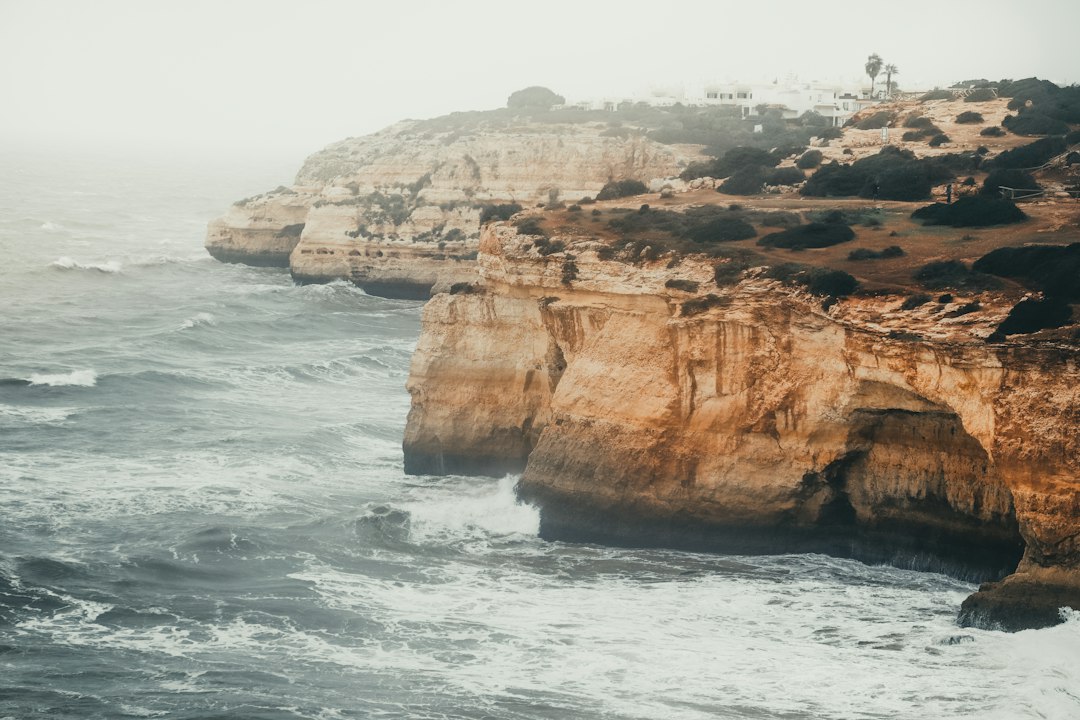
Tavira Travel Guide: Everything You Need to Know (2026)
Tavira is a small city of 26,167 residents on Portugal’s eastern Algarve coast, sitting 28 kilometres east of Faro on the banks of the Gilão River where it meets the Atlantic. Founded by the Moors and later a major tuna-fishing hub, Tavira preserves 37 churches within its historic core — more per capita than almost any Portuguese town. It consistently ranks as one of the Algarve’s most authentic escapes, yet remains far less commercialised than Albufeira or Lagos.
Three Things Not to Miss in Tavira
- Ilha de Tavira — A barrier island beach reachable by a 5-minute ferry, stretching 11 kilometres of undeveloped Atlantic sand.
- Castelo de Tavira — A Moorish castle with free entry offering panoramic rooftop views over Tavira’s terracotta-tiled old town.
- Mercado da Ribeira — A riverside covered market where local fishermen sell fresh catch daily from 7 am for under €5.
Scroll down for our complete travel guide with tips on getting there, where to stay, costs and more.
Getting to Tavira from the Airport
How do I get to Tavira?
Fly into **Faro Airport (FAO)**, then take the regional train directly to **Tavira station** — the journey is **35 minutes** and costs **€3.45**. Trains run roughly every hour. My tip: book your train ticket at the Faro Airport arrivals hall ticket machine immediately after landing — it saves queuing. A taxi from Faro to Tavira costs around **€40–€50**, which is only worth it if you’re travelling with heavy luggage or a group of four. What surprised me is how reliable the CP regional train is here compared to other Algarve routes — I have never missed a connection using it.
Which airport is closest to Tavira?
**Faro Airport (FAO)** is the closest airport, located **28 kilometres west** of Tavira’s city centre. In my experience, this is one of Portugal’s most straightforward airport-to-destination transfers — the train station sits just outside the terminal. The honest caveat: Faro Airport becomes severely congested in **July and August**, with baggage reclaim taking up to 60 minutes during peak arrivals. If you land late at night after **11 pm**, trains stop running and you’ll need a taxi or pre-booked transfer, which costs around **€45**. Seville Airport (SVQ) in Spain is a secondary option at **150 kilometres**, but it adds unnecessary complexity.
How long does the journey from Faro to Tavira take?
By regional train, the journey from **Faro station** to **Tavira station** takes exactly **35 minutes**. By car or taxi via the **A22 motorway**, it’s closer to **25 minutes** without traffic — but tolls add **€2.10** each way. In my experience, the train is the superior choice: Tavira’s historic centre is entirely walkable from the station, so you avoid parking headaches entirely. The single honest caveat is that the last train from Faro to Tavira runs around **10:30 pm**, so late-evening flights require a taxi. I recommend checking the **CP (Comboios de Portugal)** app for real-time schedules before you travel.
Do I need a car to explore Tavira?
No — Tavira’s historic centre is entirely walkable within **20 minutes end to end**. The ferry to **Ilha de Tavira** runs regularly from Quatro Águas, reachable on foot or by a short taxi ride. My tip: skip the car entirely if Tavira is your sole base. However, if you plan to visit **Cacela Velha**, **Alcoutim**, or the rural western Algarve, a rental car becomes genuinely useful. Rentals at **Faro Airport** start from **€25 per day** with a compact vehicle. The honest warning most guides omit: parking inside Tavira’s old town is genuinely scarce, and clamping enforcement is active — park at the **free lot near Aquasul** on the eastern edge instead.
Moving Around Tavira
What are the best areas to stay in Tavira?
Stay in the **historic centre (Zona Histórica)** — specifically the streets between the **Gilão River** and **Castelo de Tavira** — for the most atmospheric experience. You’re within walking distance of the market, restaurants, and ferry terminal. The **Quatro Águas** area, 2 kilometres east, suits travellers who want to be closer to the **Ilha de Tavira** ferry and prefer quieter surroundings with sea views. In my experience, avoid booking hotels on the main **Rua da Liberdade** pedestrian strip — the evening noise from bars runs until **2 am** and rooms facing the street sacrifice sleep for location. The residential **Santa Maria** neighbourhood offers excellent value with genuine local character.
What does accommodation cost per night in Tavira?
Budget travellers can find clean guesthouses in the historic centre from **€45–€65 per night**. Mid-range boutique hotels — my preferred option — run **€90–€140**, with properties like **Convento de Santo António** delivering exceptional converted-convent character. High-end options with river views or pools reach **€180–€250**. Self-catering apartments average **€80–€110** per night and offer excellent value for stays over 4 nights. What surprised me: Tavira prices are roughly **20–30% cheaper** than comparable Algarve towns like **Lagos** or **Albufeira** for equivalent quality. The honest caveat is that July and August rates spike by up to **60%** across all categories — book months ahead or accept paying peak prices.
How far in advance should I book accommodation in Tavira during high season?
For **July and August**, book at least **3–4 months in advance** — Tavira’s boutique inventory is small (the city has 26,167 residents) and quality rooms sell out fast. For **June and September**, 6–8 weeks ahead is usually sufficient. In my experience, **Easter week** is the most overlooked booking crunch: the town fills with Portuguese domestic tourists and prices jump to August levels. My tip: if you miss the window, search for rentals in the village of **Santa Luzia**, 4 kilometres west — it’s quieter, cheaper, and you’re only a **10-minute taxi** from central Tavira. Never book non-refundable rates in Tavira more than 6 months out; airline schedule changes affect the entire region.
Are there special or unique accommodation types in Tavira?
Yes — Tavira has an unusually strong stock of converted historic buildings. **Convento de Santo António**, an 18th-century convent turned guesthouse, offers rooms starting around **€120** with original azulejo tile walls. Several townhouse rental apartments occupy **17th-century merchant houses** along the Gilão riverfront, with private terraces overlooking the water. For the island experience, **camping on Ilha de Tavira** is permitted at the official **Camping Ilha de Tavira** site from around **€12 per person per night** — genuinely unique for sleeping metres from an undeveloped Atlantic beach. The honest warning: camping on the island means carrying all supplies over on the ferry, and strong **August winds** can make tent camping miserable.
Choosing a Neighbourhood in Tavira
What are the absolute must-sees in Tavira?
Three sights are genuinely non-negotiable. First, **Ilha de Tavira** — take the **5-minute ferry from Quatro Águas** (€1.80 return) to reach 11 kilometres of barrier island beach. Second, **Castelo de Tavira** — the Moorish castle with free entry and panoramic views over the rooftops. Third, **Igreja de Santa Maria do Castelo**, where seven of the Portuguese knights who reconquered Tavira in 1242 are buried — the tomb inscriptions alone are worth 30 minutes. My tip: combine all three in a single morning starting at **7 am** to beat the tour groups that arrive by **10 am**. What surprised me was how uncrowded the castle remains even in peak season — most visitors head straight to the beach.
What can I experience for free in Tavira?
Quite a lot is free in Tavira. **Castelo de Tavira** has no entry fee and delivers the best city panorama. Walking the **Roman Bridge (Ponte Romana)** — actually medieval, rebuilt on Roman foundations — costs nothing and is the city’s defining image. The **Mercado da Ribeira** riverside market is free to browse from **7 am daily**. The historic **Islamic Quarter (Mouraria)** between the castle and the river is a self-guided open-air walk through whitewashed alleyways. In my experience, the free **Sunday morning passear** (stroll) along the **Gilão riverfront promenade** between local families is a more authentic Tavira experience than any paid tour. Churches like **Igreja da Misericórdia** charge only **€1** and are often empty.
Which day trips from Tavira are worth doing?
**Cacela Velha** is my top recommendation — a tiny fortified cliff village just **12 kilometres east**, completely off the tourist trail, with a crumbling 18th-century fortress and lagoon views. It’s a **15-minute drive** or an ambitious cycle. **Alcoutim**, 50 kilometres north along the **Guadiana River**, is a medieval border village where you can zipline across to Spain for **€10**. **Castro Marim** with its enormous 14th-century castle sits **30 kilometres east** and is almost never crowded. The honest caveat: without a rental car, Cacela Velha and Alcoutim are very difficult — the bus service is infrequent. **Faro** works easily by the 35-minute regional train for urban contrast.
What local specialities should I eat in Tavira?
Tavira’s signature dish is **cataplana de lingueirão** — razor clams cooked in a copper cataplana pot with garlic, white wine, and coriander. A portion for two costs **€25–€35** at restaurants on **Rua Dr. Augusto Silva Carvalho**. The town’s historic tuna industry lives on in **atum de cebolada** (tuna with caramelised onions), served for around **€12** at local tascas. **Pastel de amêndoa** (almond tart) is the essential pastry — buy them from **Pastelaria Tavira** on **Rua da Liberdade** for under **€2** each. My tip: avoid any restaurant displaying laminated photo menus near the Roman Bridge — prices inflate by up to 40% and quality drops sharply compared to tascas one street back.
Top Sights in Tavira
What makes Tavira unique compared to other Algarve towns?
Tavira has preserved something nearly every other Algarve town sacrificed: **genuine architectural and cultural identity**. The city’s **37 churches**, Moorish street grid, and intact Roman-era bridge create a layered history that Albufeira or Vilamoura completely lack. Unlike the western Algarve, the **Ria Formosa Natural Park** lagoon system here produces world-class **clams, oysters, and octopus** eaten by Portuguese families, not just tourists. In my experience, Tavira on a Tuesday morning feels like an actual Portuguese city — women with shopping trolleys at the **Mercado da Ribeira**, men playing cards outside cafés — rather than a service economy built around foreign visitors. The barrier island beach is 11 kilometres long and still has stretches with zero infrastructure.
How many days do I need to properly see Tavira?
**3 full days** covers Tavira comprehensively. Day 1: historic centre, Castelo, churches, and riverside market. Day 2: full day on **Ilha de Tavira**, including the far western end of the beach that most visitors never reach. Day 3: day trip to **Cacela Velha** and **Castro Marim**. If you have a 4th day, the boat trip through **Ria Formosa lagoon** to spot flamingos and harvest fresh oysters is worth adding. The honest caveat: Tavira is best absorbed slowly — one of my worst travel mistakes was trying to combine it with **Faro** and **Olhão** in a single day. Each deserves independent time. A 2-night minimum makes the ferry logistics and beach day feel unhurried.
When is the best time to visit Tavira?
**May, June, and September** are the ideal months — temperatures reach **25–28°C**, the sea is warm enough for swimming, and crowds are manageable. July and August are technically fine weather-wise but bring significant tourist pressure and peak prices. April is increasingly strong: the **Algarve spring** delivers clear skies, wildflowers across the **Ria Formosa**, and empty beaches. My tip: the second week of September is my personal favourite — the summer crowds leave after the Portuguese school term starts, but beach conditions remain perfect. Winter (November to February) sees mild temperatures around **15–17°C**, virtually no tourists, and full restaurant availability — genuinely pleasant if you’re not focused on swimming.
Are there local festivals in Tavira worth attending?
**Festival Med** in late June is Tavira’s headline event — a world music festival held across the historic centre’s courtyards and streets, running for **4 days** with free and ticketed events (tickets from **€15**). It draws around 30,000 visitors and books the town’s accommodation solid. **Semana Santa (Holy Week)** before Easter is deeply atmospheric: candlelit processions pass through the Moorish alleyways in complete silence. The **Festa de Santa Luzia** in October celebrates the patron saint of the neighbouring village with traditional music and food stalls. My honest warning: if Festival Med falls during your trip, book accommodation **5–6 months** in advance — it transforms Tavira’s normally relaxed pace into something far more hectic than the town typically handles.
Where to Eat in Tavira
How does the weather in Tavira affect what activities are possible?
**April through October** covers beach and outdoor activities without restriction — the **Ilha de Tavira** ferry runs daily from April. The **Ria Formosa kayak tours** operate year-round but are most enjoyable between **May and October** when water temperatures reach **20–24°C**. Cycling around the lagoon paths is best in **April, May, and October** when the heat stays below **30°C** — July cycling is punishing, with temperatures regularly hitting **35°C** in the afternoon. In my experience, morning activities before **noon** in August are essential: the afternoon heat makes walking Tavira’s dark stone streets genuinely uncomfortable. Winter rain (November to January) is light and short-lived, typically clearing by afternoon — historic centre sightseeing continues uninterrupted.
How crowded does Tavira get during peak season?
Peak season (July–August) brings noticeable but not overwhelming crowds compared to **Albufeira** or **Vilamoura**. The **Ilha de Tavira ferry** queue at **Quatro Águas** can reach **45 minutes** on summer Saturday mornings — arrive before **9 am** to avoid it. The Roman Bridge fills with photographers at golden hour. However, because Tavira’s population is only **26,167**, the town lacks the infrastructure to absorb massive numbers, which naturally caps its tourist scale. Restaurant queues on the riverside peak at **8–9 pm** in August. My tip: visit the island on a weekday — weekend crowds come largely from Portuguese day-trippers from **Faro** and **Olhão**, not foreign tourists, and they clear out by Sunday evening.
How safe is Tavira for travellers?
Tavira is very safe — petty crime is minimal in the historic centre and I have never encountered anything concerning in multiple visits. The **Algarve region** consistently records some of Portugal’s lowest violent crime rates. The honest caveat most guides omit: **bag snatching from café chairs** does occur along the **Rua da Liberdade** pedestrian strip during peak season, particularly targeting phones left on table surfaces. Keep bags on your lap rather than hung over chair backs. The area around **Tavira train station** at night is quiet and slightly isolated — arrange taxis for late arrivals rather than walking unfamiliar streets with luggage. Emergency services respond quickly — the nearest hospital is **Hospital de Faro**, **28 kilometres away**.
Is English widely spoken in Tavira?
In tourist-facing businesses — hotels, restaurants, ferry operators — **English is spoken reliably**. Younger staff across the centre communicate confidently in English. The honest gap: at the **Mercado da Ribeira** and in older neighbourhood tascas, Portuguese is the only language and basic phrases matter. In my experience, learning four words — **”bom dia” (good morning), “obrigado/a” (thank you), “uma cerveja” (a beer), and “a conta” (the bill)** — generates dramatically warmer service at local establishments. Google Translate’s camera function handles written menus perfectly. The **CP train ticket machines** at Tavira station offer English-language menus, so navigation is never a real barrier for transport.
Before You Go to Tavira
What is the daily budget for travelling in Tavira?
Budget travellers spending carefully can manage **€60–€80 per day** covering a guesthouse bed, two meals at local tascas, the Ilha de Tavira ferry, and an espresso or two. Mid-range travellers in a boutique hotel with restaurant dinners and a day trip should plan for **€130–€170 per day**. A comfortable couple spending freely — good hotel, cataplana dinners, boat tours — will reach **€250–€300 per day combined**. The honest cost most guides ignore: the **Ilha de Tavira** becomes expensive if you eat and drink on the island — beachside restaurants charge **€18–€22 for a main course**. Pack a picnic from the **Mercado da Ribeira** instead and save €15 per person per beach day.
How does public transport work in and around Tavira?
The **CP regional train** linking Tavira to **Faro** (35 min, **€3.45**) and **Vila Real de Santo António** (20 min, **€2.60**) is the backbone of transport and genuinely reliable. Within Tavira, the town is small enough that walking covers everything — the historic centre is navigable in **20 minutes on foot**. The **Quatro Águas ferry to Ilha de Tavira** costs **€1.80 return** and runs roughly every **30 minutes** from April to October. The **EVA bus network** connects Tavira to **Faro**, **Olhão**, and **Albufeira** but runs infrequently. My honest caveat: the bus to **Cacela Velha** runs only **twice daily** in summer and disappears in winter — for anything beyond the train corridor, a rental car is the practical solution.
Which apps do you recommend for visiting Tavira?
The **CP (Comboios de Portugal) app** is essential — buy and store regional train tickets digitally without queuing. **Google Maps** works accurately throughout Tavira and importantly includes the **Ilha de Tavira walking paths** on the barrier island. **Booking.com** offers the widest accommodation inventory for Tavira’s small hotel stock. **Guia Ria Formosa** is a niche but genuinely useful app showing real-time boat tour departures and lagoon conditions. My tip: download **offline Google Maps** for the Tavira area before arrival — mobile data can be patchy on the **Ilha de Tavira** beach. For payments, **MB WAY** is Portugal’s dominant mobile payment system — ask your bank if your card supports it, as it’s widely accepted in local restaurants that don’t take international cards.
Tavira at a Glance
| Population | 26,167 |
|---|---|
| Currency | EUR (€) |
| Official language | Portuguese |
| Time zone | UTC±00:00 |
Source: Wikidata, retrieved September 2026.
Portugal › Tavira
More Destinations in Algarve
More Destinations in Portugal
Essential Resources for Planning Your Trip to Tavira
- Tavira Portugal: Suberb Mix of Tradition & Nature – — official visitor information, passes & events
- Wikipedia: Tavira — history, geography & background
- Wikivoyage: Tavira — community travel guide & practical tips
- Tavira travel – Lonely Planet | The Algarve, Portugal, Europe — expert itineraries & travel inspiration
- THE 15 BEST Things to Do in Tavira (2026) — hotels, restaurants & traveller reviews
- 2026 Tavira Travel Guide: must-see attractions, popular … — how to get around
- Numbeo: Cost of Living in Tavira — current prices & cost comparison
- Timeanddate: Tavira Weather & Climate — forecasts & climate statistics
More Perspectives on Tavira
- 40 things to do in Tavira, Algarve, Portugal
- 5 Things to do in Tavira, Portugal
- Tavira, Portugal: independent travel guide for 2026
Tavira Travel Videos
Watch these videos for a visual preview before your trip:
- Best Things To Do In Tavira Portugal | Travel Guide 2025
- Is TAVIRA the ALGARVE Destination For You? | Discover things to do in this beloved Portuguese Town
- 🇵🇹 Tavira Portugal Travel Guide 2026 | 10 Best Things to Do in Tavira, Portugal
Tavira Travel Discussions on Reddit
Real traveller experiences and community advice:
- My plan to spend 3-4 days in Tavira. Suggestions? : r/Algarve
- Tavira worth visiting? : r/Algarve
- Why I preferred staying in Tavira/Santa Luzia instead of …
Data Sources
This page was compiled using data from Wikipedia, Wikidata, Open-Meteo (climate), Numbeo (cost of living) and REST Countries. Information is updated regularly.