
Agdz: The Complete Travel Guide (2026)
Last reviewed: September 2026 · key facts checked against Wikidata
Agdz Travel Guide: Everything You Need to Know (2026)
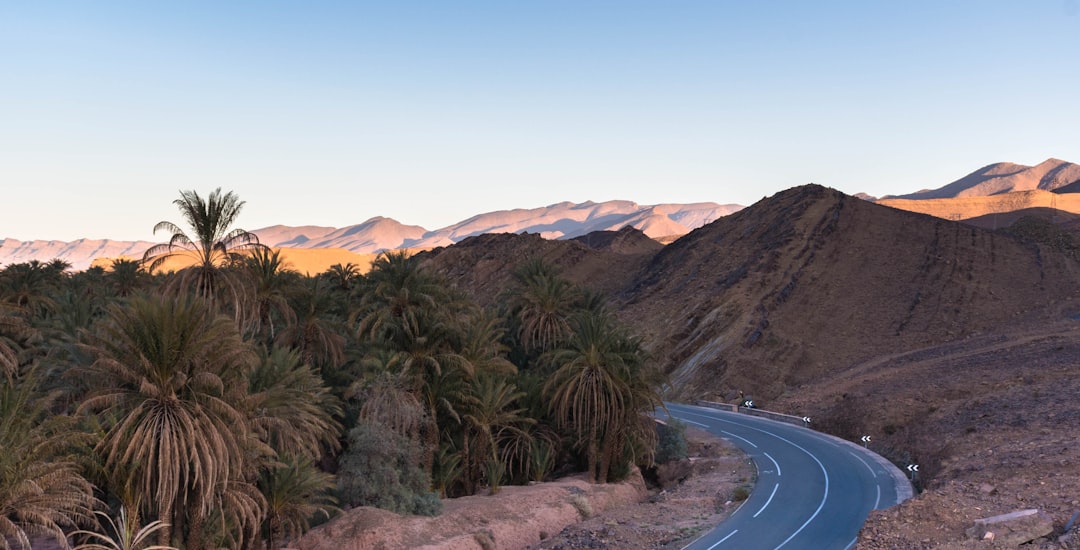
Agdz is a small Moroccan oasis town of 11,189 residents perched at 942m above sea level in the Draa Valley, roughly 70km north of Zagora on the N9 highway. Founded as a caravan staging post along one of the great trans-Saharan trade routes, it sits dramatically at the foot of Djebel Kissane where the Draa River begins its long southward journey. What surprised me most is how few international travellers stop here despite it being one of the most photogenic kasbah landscapes in all of southern Morocco.
Three Things Not to Miss in Agdz
- Kasbah Tamnougalt — A 17th-century fortified ksar just 6km from Agdz, arguably the best-preserved mud-brick kasbah complex in the entire Draa Valley.
- Djebel Kissane Sunrise Hike — A 2-hour ascent rewarding you with a panoramic view of 40km of palmery stretching south toward the Sahara.
- Draa River Palmery Walk — A flat 5km trail threading through date palms and Berber gardens that most Zagora-bound tourists drive straight past.
Scroll down for our complete travel guide with tips on getting there, where to stay, costs and more.
Getting to Agdz from the Airport
How do I get to Agdz from major Moroccan cities?
The fastest overland route to Agdz is by CTM bus or shared grand taxi from Ouarzazate, 70km to the north, taking roughly 1.5 hours. In my experience, the Ouarzazate bus station is your most practical hub — CTM runs at least 2 daily departures toward Zagora that stop in Agdz. From Marrakech the full journey is around 5 hours by CTM bus with a change in Ouarzazate, or 4 hours by private transfer. My tip: book a grand taxi from Ouarzazate for around DH 50–70 per seat — faster and more flexible than the bus. Warning most guides omit: the road through the Tizi n’Tinifift pass can be closed in winter snowfall.
Which airport is closest to Agdz?
The nearest functioning airport to Agdz is Ouarzazate Airport (OZZ), approximately 75km away — roughly a 1-hour drive on the N9 highway. In my experience, OZZ has limited direct international routes, mainly from Paris-Orly and Casablanca (CMN). If you are flying in from Europe, I recommend routing through Marrakech Menara Airport (RAK), around 280km away, which has vastly more connections and competitive pricing. From RAK, a private transfer to Agdz costs roughly DH 900–1,200 and takes 4 hours. What surprised me: Ouarzazate Airport is tiny — no luggage carousels, just a single belt — so arrivals are genuinely fast.
How long does the journey to Agdz take from major hubs?
From Ouarzazate the drive to Agdz takes 1 hour to 1.5 hours by road. From Marrakech by car via the Tizi n’Tichka pass, budget 4.5 to 5 hours for the full 280km journey. Grand taxi from Ouarzazate to Agdz runs around DH 50–70 per seat in a shared vehicle. My tip: if you are driving yourself, the N9 south of Ouarzazate is smooth tarmac with dramatic scenery — allow extra time because you will stop for photos. Honest caveat: CTM buses to Agdz do not always run on schedule in summer heat, so the Ouarzazate–Agdz grand taxi rank is the more reliable option for punctuality.
Do I need a rental car to explore Agdz and its surroundings?
For Agdz itself, no — the town centre is entirely walkable in 20 minutes. But I strongly recommend a car if you plan to explore the wider Draa Valley over 2 or more days. Key sites like Kasbah Tamnougalt (6km south), the ksar villages of Timiderte and Ait Issi are impractical without wheels. Rental cars in Ouarzazate start at around DH 300–400 per day for a basic Dacia Duster, which handles the piste roads. What most guides omit: fuel stations thin out dramatically south of Agdz, so fill up at the Total station on the N9 in town before heading off-road. A scooter rental from a local guesthouse costs around DH 150 per day for palmery loops.
Moving Around Agdz
What are the best areas to stay in Agdz?
Agdz has three practical accommodation zones. The town centre near the main souk square is best for budget travellers wanting café access and easy transport connections. The palmery edge, a 10-minute walk east of town, offers maisons d’hôtes surrounded by date palms — my personal favourite for atmosphere. For maximum authenticity, stay at a restored kasbah guesthouse in the village of Tamnougalt, 6km south, where you are literally sleeping inside a 17th-century fortified ksar. In my experience, the palmery-edge guesthouses strike the ideal balance between convenience and immersion. Avoid booking anything described as being ‘near the Zagora road’ — that strip is noisy with truck traffic on the N9 throughout the night.
What does accommodation cost per night in Agdz?
Budget guesthouses in Agdz town centre run DH 150–250 per night for a double room with breakfast. Mid-range maisons d’hôtes in the palmery charge DH 350–550, typically including a generous Berber breakfast with msemen flatbread and argan honey. The most atmospheric option, a room in Kasbah Tamnougalt or similar restored kasbah property, costs DH 600–900 per night. In my experience, the DH 400 sweet spot gets you a beautifully tiled en-suite room, a rooftop terrace with Djebel Kissane views, and breakfast. What surprised me: even the cheapest guesthouses in the palmery are genuinely charming — Agdz has not yet suffered the soulless hotel-block construction that hit Zagora 20km south.
How far in advance should I book accommodation in Agdz during high season?
In peak months — March, April, October, and November — book at least 4–6 weeks ahead, especially for kasbah guesthouses that have only 6–12 rooms. Popular properties like those in Tamnougalt village sell out surprisingly fast because overland travellers on the Marrakech–Zagora–Sahara circuit all funnel through on the same dates. Outside those months, booking 3–7 days ahead is usually fine. My tip: contact smaller riads directly by WhatsApp rather than Booking.com — you typically save DH 50–80 per night and get better room allocation. Honest caveat: cancellation policies at family-run guesthouses are strict — a no-show means losing your full deposit, which is normally 50% upfront.
Are there special or unique accommodation types in Agdz?
Yes — and this is where Agdz genuinely stands out. Several restored ksar guesthouses in Tamnougalt let you sleep inside rooms with original painted cedar ceilings and pisé mud walls dating to the 17th century. A handful of palmery guesthouses offer nomad tent camping in their date palm gardens for around DH 120 per person, including dinner. What surprised me: one family-run guesthouse near the Draa River bank offers overnight stays in a traditional Berber tent with a tajine dinner and stargazing at 942m altitude, where light pollution is virtually zero. I recommend booking these directly via local tourism offices rather than aggregator sites — the tent experiences rarely appear online. No luxury resorts exist here, which is exactly the point.
Choosing a Neighbourhood in Agdz
What are the absolute must-sees in Agdz?
Three experiences I consider non-negotiable. First, Kasbah Tamnougalt — walk or drive the 6km south along the palmery road and spend at least 2 hours exploring the labyrinthine alleys of this ksar, which appeared in multiple film productions. Second, the Djebel Kissane foothill trail starting directly behind the town — a 90-minute return walk yielding panoramic views of the entire Draa palmery. Third, the Tuesday souk held weekly in Agdz town centre, where Berber traders from surrounding villages sell dates, live animals, and hand-woven textiles. In my experience, the souk is the most authentic market experience between Ouarzazate and the Sahara — nothing is staged for tourists. Arrive before 9am to see it at full intensity.
What can I experience for free in and around Agdz?
Plenty. Walking the Draa River palmery trail east of town is completely free and takes 2–3 hours at a leisurely pace through date gardens and ancient irrigation channels called seguias. The Tuesday souk has no entry charge. Sunset from the Djebel Kissane foothills costs nothing but 45 minutes of uphill walking. In my experience, simply wandering the unpaved lanes of the old ksar quarter on the north edge of town — where mud-brick architecture is crumbling photogenically — is the most rewarding free activity in Agdz. Honest caveat: local children may offer to ‘guide’ you through the ksar and expect a tip of DH 10–20 — a fair exchange, and their knowledge of hidden courtyards is genuinely useful.
Which day trips are possible from Agdz?
Zagora, 100km south, is the obvious day trip — allow 2 hours each way by grand taxi (around DH 60 per seat) and you get access to the famous ‘Tombouctou 52 jours’ sign and camel market. Draa Valley ksar circuit — driving the N9 and stopping at Timiderte, Ait Issi, and Mezguita kasbahs — fills a full day and costs only fuel. Ouarzazate (70km north) pairs the day with visits to Kasbah Taourirt and the Atlas Film Studios. My tip: hire a local guide from Agdz for the ksar circuit at around DH 250–350 for a half-day — their access to private family kasbahs that are otherwise locked is worth every dirham. What most guides skip: the prehistoric rock engravings at Foum Larjam, just 30km north, are free and completely uncrowded.
What local specialities should I eat in Agdz?
Agdz sits in Morocco’s prime date-producing zone — the Medjool and Boufeggous varieties grown in the Draa palmery are among the finest in the country, and you can buy 1kg directly from farmers for DH 25–40. The signature dish at local guesthouses is mechoui (slow-roasted whole lamb over embers) ordered a day ahead for around DH 120 per person. Draa Valley date-and-almond stuffed pastilla is a regional variation you won’t find in Marrakech. In my experience, the best tajines in town come from the two unmarked cook-shops facing the main souk square — lamb with prunes and sesame costs DH 35–45 and is as good as anything I’ve eaten in a medina riad. Avoid ‘tourist menus’ at N9 roadside cafés — overpriced and mediocre.
Top Sights in Agdz
What makes Agdz unique compared to other Moroccan destinations?
Agdz occupies a rare position: it is genuinely on the beaten path (the main Sahara tourist route passes through) yet remains largely unaffected by mass tourism infrastructure. The combination of a 17th-century living ksar at Tamnougalt, one of the longest date palmeries in Morocco stretching over 150km southward, and the dramatic backdrop of Djebel Kissane at 942m elevation creates a visual density that Zagora — just 100km south — cannot match. In my experience, Agdz is the last town on the Draa circuit where you can eat at a locals-only café, pay local prices, and walk unmarked trails without meeting another foreigner. What surprised me most: there is a functioning weekly souk that has operated continuously for centuries and shows zero signs of touristification.
How many days are worthwhile in Agdz?
I recommend 2 full days minimum, 3 if you want to extend into surrounding ksar villages. Day 1: arrive by noon, walk the palmery trail, visit the souk quarter, and catch sunset from the Djebel Kissane foothills. Day 2: full morning at Kasbah Tamnougalt (6km south), afternoon exploring ksar villages along the N9 toward Zagora. Day 3 (optional): hire a local 4×4 guide for a piste detour through the Ait Issi hills to the east — terrain that sees almost no foreign visitors. What most guides get wrong: treating Agdz as a 30-minute photo stop between Ouarzazate and Zagora. Two nights here gives you an entirely different Morocco from anything you experience in a medina city. Total 3-day all-inclusive budget: roughly DH 1,200–1,800 per person.
When is the best time to visit Agdz?
Based on climate data, the best months for Agdz are March, April, May, September, October, and November. Spring (March–May) brings green palmery growth and temperatures between 22–30°C — ideal for walking. Autumn (September–November) coincides with the date harvest season, when the palmery is most active and local markets overflow with fresh Medjool dates. In my experience, October is the single best month — harvest energy in the souk, warm days, cool nights at 942m altitude, and golden light on the kasbahs that photographers dream about. Avoid July and August: daytime temperatures regularly exceed 42°C in the Draa Valley, making outdoor exploration between 10am and 5pm genuinely dangerous. December through February can be cold at night — bring a layer even if days are sunny.
Are there local festivals in Agdz worth attending?
The most important is the Draa Valley Date Festival, typically held in October in Zagora (100km south) but with satellite events and market activity spilling into Agdz for 3–4 days. During this period, the Agdz Tuesday souk swells to double its normal size with date merchants from across the region. In my experience, arriving in Agdz the week of the date harvest — when farmers are physically beating palm fronds with long poles and loading donkeys with golden clusters — is more viscerally memorable than the official festival. Local Berber Ahwash music and dance performances occasionally appear at guesthouses during Eid celebrations — ask your host a day ahead. No fixed international booking infrastructure exists for these events, so flexibility is essential.
Where to Eat in Agdz
How does weather affect activities in Agdz throughout the year?
At 942m elevation, Agdz is measurably cooler than the Saharan towns further south, but summer heat is still extreme. Hiking the Djebel Kissane trails is only practical before 9am or after 4pm in July and August. The palmery walk is pleasant year-round in early morning. The N9 mountain passes north toward Ouarzazate can briefly close in January–February snowfall — rare but real. Spring brings the risk of occasional sandstorms (chergui winds) in April, which can reduce visibility to near zero for 12–24 hours. In my experience, October afternoons deliver the most reliable conditions: 28–32°C at midday, dropping to a comfortable 15–18°C after sunset. Winter nights at this altitude can drop to 4–6°C, so pack a proper layer even for a March visit.
How crowded does Agdz get in peak season?
Compared to Merzouga, Chefchaouen, or Aït Benhaddou, Agdz remains remarkably uncrowded even in peak October–November. The main N9 road brings a steady flow of overland travellers and tour buses, but most stop for 20–30 minutes maximum at the palmery viewpoint and drive on. Accommodation pressure peaks in mid-October during the date harvest period — guesthouses with fewer than 10 rooms sell out. The Tuesday souk sees the largest local crowds of the week, but it is locals, not tourists, filling it. In my experience, even on the busiest October weekend I was one of only 4–5 foreign visitors actually staying overnight in town. What surprised me: tour groups that book day trips from Ouarzazate almost never walk the palmery trail or visit the old ksar — those spaces remain genuinely quiet.
How safe is Agdz for travellers?
Agdz is very safe — petty crime is minimal and violent crime against tourists is essentially unheard of. The main practical risks are road safety on the N9 highway (local drivers are fast and the road is shared with trucks and cyclists) and heat exhaustion in summer. Solo female travellers report feeling comfortable in Agdz’s guesthouses and souk, though conservative dress — shoulders and knees covered — is both respectful and practical. In my experience, the most intrusive situation you will encounter is persistent offers from young men near the palmery viewpoint offering ‘free’ guide services with tips expected — a polite but firm decline works every time. The Zagora Province police maintain a visible presence on the N9. Emergency number in Morocco is 19 (police) and 15 (medical).
Is English widely spoken in Agdz?
Less so than in Marrakech — plan accordingly. In Agdz, French is the primary tourist language and even basic French gets you far further than English. Guesthouse owners in the palmery zone typically speak functional English, especially those who list on international booking platforms. The souk, local cook-shops, and grand taxi drivers operate primarily in Moroccan Darija Arabic and Tamazight Berber. In my experience, learning 5 key phrases in Darija — including shukran (thank you) and bshhal (how much?) — visibly shifts interactions from transactional to warm. My tip: download the Google Translate Moroccan Arabic offline pack before you arrive — connectivity in Agdz can be patchy, and the camera translation feature is invaluable in the souk. Most guesthouses have at least one English speaker on staff by 2026 standards.
Before You Go to Agdz
What is the daily budget for travelling in Agdz?
A realistic daily budget in Agdz breaks down as follows. Budget traveller: DH 250–350 per day covering a dormitory or basic room (DH 150), two local tajine meals (DH 70 total), water and tea (DH 30), and one guided walk (DH 50). Mid-range traveller: DH 500–700 per day for a palmery guesthouse with breakfast included, a restaurant dinner, grand taxi day trip, and souvenir dates. Comfortable traveller staying in a kasbah guesthouse with private guide: DH 900–1,200 per day. In my experience, Agdz is significantly cheaper than Marrakech or Essaouira for equivalent comfort levels — your dirham stretches noticeably further. Hidden cost most guides skip: the grand taxi from Ouarzazate back to your onward destination adds DH 60–100 that is easy to forget in budget planning.
What public transport options are available in and around Agdz?
CTM and Supratours buses running the Ouarzazate–Zagora route stop at Agdz twice daily in each direction — confirm times locally as schedules shift seasonally. Grand taxis are the backbone of local transport: DH 50–70 per seat to Ouarzazate, DH 40–60 per seat to Zagora. Within Agdz town, everything is walkable in under 20 minutes — no local bus network exists. For outlying kasbahs, negotiate a petit taxi or motorbike hire from the main square for around DH 80–120 for a half-day. In my experience, the grand taxi rank on the N9 highway junction is operational from 6am to approximately 6pm — after that, transport options dry up entirely. My tip: confirm your departure taxi the evening before at your guesthouse to avoid being stranded.
Which apps do you recommend for visiting Agdz?
Maps.me with Morocco offline maps downloaded in advance is non-negotiable — Google Maps coverage of Agdz’s palmery trails and ksar lanes is patchy at best. WhatsApp is how every guesthouse, guide, and grand taxi driver in the Draa Valley communicates — have it ready. Google Translate with Arabic offline pack handles souk negotiations. For navigation on the N9, Waze works surprisingly well where data signal exists. In my experience, iOverlander is underrated for Agdz — it has crowd-sourced GPS pins for hidden viewpoints, reliable water sources, and unofficial camping spots in the palmery that no guidebook lists. Data signal in Agdz town centre is adequate with a Maroc Telecom SIM (around DH 40 for a starter pack with 10GB), but drops to zero on trail hikes above the valley floor.
Agdz at a Glance
| Population | 11,189 |
|---|---|
| Currency | Moroccan dirham (DH) |
| Official language | Arabic, Standard Moroccan Tamazight |
| Time zone | UTC+01:00 |
Source: Wikidata, retrieved September 2026.
Morocco › Agdz
More Destinations in Morocco
Essential Resources for Planning Your Trip to Agdz
- Travel info – Getting around Morocco — official visitor information, passes & events
- Wikipedia: Agdz — history, geography & background
- Wikivoyage: Agdz — community travel guide & practical tips
- Caïd’s Kasbah | Morocco | Attractions — expert itineraries & travel inspiration
- THE 5 BEST Things to Do in Agdz (2026) — hotels, restaurants & traveller reviews
- Travel info – Getting around Morocco — how to get around
- Numbeo: Cost of Living in Agdz — current prices & cost comparison
- Timeanddate: Agdz Weather & Climate — forecasts & climate statistics
More Perspectives on Agdz
- Agdz, Morocco – Family Travel Blog
- What to do in the Draa Valley? Morocco Travel Guide
- Agdz, Morocco – Saharan Road Trip
Agdz Travel Videos
Watch these videos for a visual preview before your trip:
- AGDZ Morocco, Draa Valley, Tamnougalt Bab El Oued Tajine, Moroccan Travel
- Kasbah’s in Agdz, Southern Morocco. Yep, that’s spelled correctly. Ep. 9.
- Complete Guide to Agadir-Morocco
Agdz Travel Discussions on Reddit
Real traveller experiences and community advice:
- informations about agdz : r/Morocco
- A rather large oasis at the foot of a mountain in Agdz, …
- how can I have the best experience in Morocco? : r/travel
Data Sources
This page was compiled using data from Wikipedia, Wikidata, Open-Meteo (climate), Numbeo (cost of living) and REST Countries. Information is updated regularly.