
Alexandroupolis: The Complete Travel Guide (2026)
Last reviewed: September 2026 · key facts checked against Wikidata
Alexandroupolis Travel Guide: Everything You Need to Know (2026)
Alexandroupolis is a port city of 71,751 residents on the Thracian coast of northeastern Greece, sitting just 40 km from the Turkish border and 350 km east of Thessaloniki. Founded in the 19th century as a small fishing settlement, it grew into the regional capital of the Evros unit and one of Northern Greece’s most important commercial harbors. What surprised me most: this city punches well above its weight for food, nightlife, and access to raw Thracian wilderness that almost no Western traveler has discovered yet.
Three Things Not to Miss in Alexandroupolis
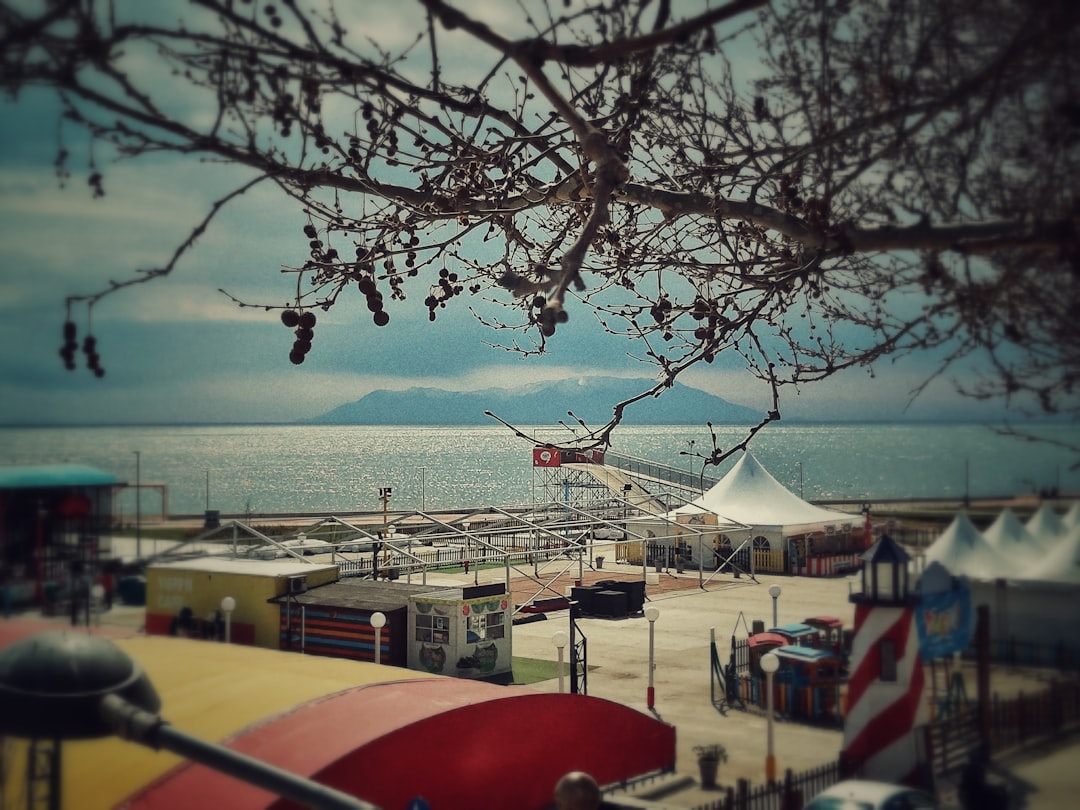
- Alexandroupolis Lighthouse — The city’s iconic 1880 landmark sits right on the waterfront promenade — a rare lighthouse you can stroll directly to.
- Dadia-Lefkimi-Soufli Forest National Park — One of Europe’s last strongholds for the Black Vulture, with over 36 raptor species nesting within 60 km of the city.
- Ethnological Museum of Thrace — Greece’s only dedicated Thracian culture museum, housing a rare collection of silk-weaving artifacts from nearby Soufli.
Scroll down for our complete travel guide with tips on getting there, where to stay, costs and more.
Arriving in Alexandroupolis: Airport & Transfers
How do I get to Alexandroupolis?
Fly directly into Alexandroupolis Democritus Airport (AXD), which is the simplest option. In my experience, direct flights from Athens on Aegean Airlines or Sky Express take roughly 55 minutes and cost €40–€100 one way if booked 4–6 weeks ahead. From Thessaloniki, the intercity train takes about 4 hours and costs around €15–€25, though frequency is limited to 2–3 departures daily. Driving from Thessaloniki on the Egnatia Odos motorway is a solid 3.5-hour journey. The honest caveat most guides skip: the Egnatia tolls add roughly €12 to your road trip budget each way.
Which airport is closest to Alexandroupolis?
Alexandroupolis Democritus Airport (AXD) is the closest airport, located just 7 km east of the city center — one of the most convenient airport-to-city ratios in all of Greece. In my experience, a taxi from AXD to the waterfront costs a flat €10–€14 and takes under 10 minutes. There is technically a local bus, but it runs infrequently and is unreliable for flight connections. My tip: if you cannot find affordable direct flights into AXD, Kavala Airport (KVD) is roughly 160 km west and opens up budget carrier options, though it then requires a 2-hour drive or bus connection.
How long does the journey to Alexandroupolis take from major Greek cities?
From Athens, the fastest option is a direct flight at 55 minutes; driving takes a brutal 9–10 hours. From Thessaloniki, the drive on the Egnatia Odos is 3.5 hours — this is the route I recommend most. The intercity train from Thessaloniki stops at Alexandroupolis Railway Station in the city center in roughly 4 hours. From Istanbul, the crossing via the land border at Kipoi is about 2.5 hours by car — a genuinely underrated entry point for travelers looping between Turkey and Greece. The caveat: border wait times can stretch to 45 minutes during summer weekends.
Do I need a rental car in Alexandroupolis?
For the city itself, no — the compact waterfront center is entirely walkable in 20 minutes end to end. But for exploring the wider Evros region, a rental car is essential. Dadia Forest, the Evros Delta (one of Europe’s top birding wetlands), and the village of Soufli are all within 70 km but have zero practical public transport connections. I recommend hiring at AXD airport through local operators like Europcar or Sixt, where a compact car runs €35–€50 per day in July–August. The honest warning: road signage in rural Thrace is often only in Greek script, so download offline Google Maps before you leave the city.
Getting Around Alexandroupolis
What are the best areas to stay in Alexandroupolis?
Stay in the waterfront district (Paralia) without hesitation — it puts you within a 5-minute walk of the lighthouse, the main restaurant strip, and the ferry terminal. The street Kyprou running parallel to the seafront is the sweet spot: quieter than the promenade itself but walkable to everything. I recommend avoiding the area immediately around the commercial port, which can be noisy and industrial after 06:00. For a slightly more local feel, the Nea Chili neighborhood to the east has cafes and tavernas used almost exclusively by residents, not tourists. In my experience, the Paralia area offers the best value-to-location ratio in the entire city.
What does accommodation cost per night in Alexandroupolis?
Budget travelers can find clean, central guesthouses for €40–€60 per night. Mid-range hotels in the Paralia waterfront area run €70–€110, and the best option at the top end is the Grecotel Egnatia Grand (formerly Astir), which hits €130–€180 in peak summer. What surprised me: Airbnb apartments in Alexandroupolis offer genuinely good value at €50–€80 per night for a full apartment — often cheaper than equivalent hotel rooms. The honest caveat: the overall hotel stock is limited and dated compared to island destinations, so managing expectations about design and amenities at mid-range price points is important.
How far in advance should I book accommodation in Alexandroupolis during high season?
Book at least 6–8 weeks ahead for July and August — the city’s limited hotel stock (fewer than 20 mid-range properties) fills up faster than most travelers expect. The Democritus University summer events and the Carnival of Alexandroupolis in February–March also create local demand spikes. In my experience, leaving it to 2 weeks before arrival in August means your only options are overpriced rooms near the commercial port. Shoulder months like May, June, and September require just 1–2 weeks notice. My tip: book directly with hotels via phone or email — many Alexandroupolis properties still offer a 5–10% discount over Booking.com rates for direct reservations.
Are there special or unique accommodation types in Alexandroupolis?
The most interesting option I found is staying in a converted tobacco merchant mansion in the city’s old quarter near Plateia Eleftherias — two family-run guesthouses occupy restored 1920s buildings with original wooden ceilings and courtyard gardens. For something more adventurous, the Dadia Ecotourism Lodge, roughly 60 km north, puts you inside the national park and is fully bookable as a base for raptor-watching at dawn — at around €55–€70 per night including breakfast, it’s exceptional value. The caveat most guides miss: the lodge has only 12 rooms and is booked solid between April and October, so reserve at least 3 months in advance.
Where to Stay in Alexandroupolis
What are the must-see sights in Alexandroupolis?
The Alexandroupolis Lighthouse (1880) on the waterfront is the city’s defining image and free to photograph at any hour — the golden hour shot from the pier is genuinely spectacular. The Ethnological Museum of Thrace on Leoforos Dimokratias charges just €3 entry and holds the finest collection of Thracian folk costumes and silk artifacts in Greece. Day trips to Dadia Forest National Park (60 km north) and the Evros Delta National Park (35 km south) are, in my experience, unmissable for anyone with even a casual interest in nature. The delta hosts over 300 bird species and sees almost no international tourists, which makes it feel like a genuine secret.
What can I experience for free in Alexandroupolis?
The seafront promenade (Paralia) is one of the longest and most pleasant in Northern Greece — a full 2.5 km walk from the lighthouse to the ferry terminal costs nothing and is best at sunset. The Municipal Park hosts free open-air cinema and concerts in summer. The Carnival parade in February–March is free to watch on the streets and is genuinely one of the more exuberant celebrations in Northern Greece. I recommend timing a morning visit to the central covered market near Odós Dragoumiou — watching the fish and produce trade is lively and completely authentic. The Makri archaeological site, 12 km west, has accessible ruins with no entry fee.
Which day trips from Alexandroupolis are worth doing?
Dadia Forest (60 km north, 1-hour drive) for Black Vulture sightings from the observation tower is my top pick — go at 08:00 when raptors ride the first thermals. Soufli (85 km north) is a silk-producing town with a dedicated Silk Museum at €2 entry and a charming Ottoman-era center. Samothraki island is reachable by ferry from the port in 2 hours and is one of the most dramatic and undervisited Greek islands — the ferry costs around €15–€20 one way. The honest warning: the Samothraki ferry is weather-dependent and can be cancelled at short notice due to Aegean winds, so build flexibility into your schedule.
What are the local food specialities of Alexandroupolis?
Thracian cuisine is distinct from standard Greek food and genuinely worth exploring. Soutzoukakia Smyrneika (spiced meatballs in tomato sauce) reflect the Asia Minor refugee heritage of many local families. Kavourmas — a cured, spiced pork preserve — appears in tavernas around Plateia Polytechniou and costs around €6–€8 as a meze. The seafood along the Paralia is exceptional: the Evros River estuary produces some of the finest river crayfish in Greece, typically €12–€16 per portion. My tip: skip the tourist-facing restaurants at the lighthouse end of the promenade and walk 10 minutes east to Nea Chili, where a full grilled fish dinner with wine runs €18–€22 per person.
Alexandroupolis Highlights & Must-Sees
What makes Alexandroupolis unique compared to other Greek cities?
It is the only Greek city sitting simultaneously at the crossroads of three worlds: Greek, Turkish, and Bulgarian cultural influence, a legacy visible in everything from the architecture to the food. The Evros River, forming the border with Turkey just 40 km east, creates a frontier atmosphere unlike anywhere else in Greece. What surprised me most: the city has a functioning petrochemical and energy hub identity alongside its port — a raw, working-city feel that stands in sharp contrast to the prettified tourism of the Aegean islands. For travelers tired of Instagram-saturated Greek destinations, Alexandroupolis offers genuine, unfiltered Balkan-meets-Mediterranean culture with almost no tourist crowds even in peak July.
How many days should I spend in Alexandroupolis?
3 full days is the sweet spot. Day 1: waterfront, lighthouse, Ethnological Museum, evening taverna in Nea Chili. Day 2: full-day rental car excursion to Dadia Forest and Soufli. Day 3: early Samothraki ferry for a day trip or the Evros Delta for birdwatching. Anything beyond 4 days requires a dedicated interest in rural Thrace or the Turkish border region. The honest caveat: if you are not interested in nature or regional history, the city’s compact center is fully covered in 1.5 days — it is not a metropolis with unlimited urban entertainment. I recommend pairing it with Kavala (160 km west) or a Samothraki overnight for a richer trip.
When is the best time to visit Alexandroupolis?
Based on verified climate data, July, August, September, and October are the best travel months. My personal preference is late September — the heat drops to a comfortable 24–26°C, the Samothraki ferry still runs reliably, Dadia Forest raptor activity peaks during migration season, and the waterfront restaurants are no longer packed. July and August are popular with Greek domestic tourists and can feel busy along the promenade, though never approaching the overcrowding of the islands. October is genuinely excellent for birdwatching in the Evros Delta as migratory species pass through. The honest warning: November through March can be raw, windy, and grey — this is a Thracian port city, not a winter sun destination.
What local festivals or events should I time my visit around in Alexandroupolis?
The Alexandroupolis Carnival (Apokries) in February–March is the most distinctive local event — the city takes it seriously and the parade through the Paralia draws crowds from across Thrace. The Democritus University Summer Festival runs through July and August with free open-air concerts in the Municipal Park. The Alexandroupolis International Folklore Festival in late August brings dance troupes from Balkan and Eastern European countries. My tip: the wine and gastronomy market held in the central square in October is a low-key, entirely local affair with Thracian producers offering tastings for €1–€2 per glass — the kind of event no guidebook lists but that I found genuinely memorable.
Eating & Drinking in Alexandroupolis
How does the weather in Alexandroupolis affect activities throughout the year?
Summer (June–August) delivers reliable sun and temperatures of 28–33°C — perfect for the seafront and day trips, though the Thracian wind (Vardaris) can kick up unexpectedly and cancel Samothraki ferry services. Spring (April–May) is ideal for Dadia Forest birdwatching as vultures begin nesting. Autumn rains start in November and can make rural driving on unpaved tracks in the Evros Delta muddy and difficult. What surprised me: even in peak summer, the city rarely feels suffocating because the sea breeze off the Thracian Sea keeps the waterfront pleasant until late evening. The caveat: winter northerly winds in January–February can be genuinely biting and uncomfortable for casual sightseeing.
How crowded does Alexandroupolis get in peak season?
Far less crowded than any comparable Greek coastal city. At peak August, the Paralia promenade fills up with Greek domestic tourists in the evening, but there is no meaningful international tourist mass tourism here. Restaurant wait times at the popular spots near Plateia Eleftherias max out at 20–30 minutes on a Saturday night — nothing like the queues in Santorini or Mykonos. The Samothraki ferry is the one genuine bottleneck: it runs just 1–2 crossings daily in summer and books out 2–3 weeks ahead in July–August. My honest assessment: if you have been avoiding Greece because of overtourism, Alexandroupolis is the city that will restore your faith in the country.
How safe is Alexandroupolis?
Alexandroupolis is very safe for everyday travel. In my experience walking the city at all hours, it has the relaxed security of a provincial Greek town where locals know each other. Petty theft is rare but not zero — the ferry terminal and the Paralia weekend market are the spots where bag awareness matters. The proximity to the Turkish border (40 km) occasionally generates military and border-police activity on the E85 road east, which can surprise first-time visitors but poses no risk to tourists. The one honest caveat: the Evros River border zone has seen irregular migrant crossings in recent years, and there is a visible police and military presence in villages within 20 km of the border — this is normal and non-threatening but worth knowing before you drive east.
Is English widely spoken in Alexandroupolis?
Adequately, not fluently. In hotels, the larger restaurants on the Paralia, and at Democritus Airport, English communication is smooth. At the central market, smaller tavernas in Nea Chili, and in villages like Soufli, you will encounter Greek only. In my experience, a downloaded Google Translate with Greek offline pack solves 90% of situations. The city’s significant university population (Democritus University of Thrace has over 15,000 students) means younger residents speak decent English. My tip: learn five words of Greek — “Efharisto” (thank you), “Kalimera” (good morning), and “Parakaló” (please) — and you will be received with warmth that goes well beyond what language alone explains.
Practical Tips for Alexandroupolis
What is the daily budget for traveling in Alexandroupolis?
A comfortable mid-range traveler should budget €80–€110 per day including accommodation, meals, and a local activity. Budget breakdown: mid-range hotel €70–€90, breakfast at a local kafeneio €4–€6, lunch meze at a taverna €10–€14, dinner with wine €18–€25, museum entry €3, and a day-trip fuel cost of €15–€20 if you have a rental car. Budget travelers staying in Airbnb apartments and eating at the central market can realistically manage €50–€60 per day. The honest caveat: the Samothraki day trip (ferry €30–€40 return plus food) will spike your daily spend by €50–€60 on that specific day, so factor it as a separate budget item.
How does public transport work in and around Alexandroupolis?
Within the city, the local bus network (operated by KTEL Evrou) covers the main neighborhoods for €1.20–€1.50 per journey, but routes are infrequent — every 30–40 minutes on main lines. The KTEL intercity bus terminal on Venizelou Street connects to Thessaloniki (4.5 hours, €25), Kavala (2.5 hours, €15), and Athens (10 hours, €45–€55) with reliable daily departures. The train station, also central, offers connections toward Thessaloniki and the Bulgarian border at Ormenio. The honest warning: for anything outside the city — Dadia, Soufli, the Evros Delta — public transport is either nonexistent or so infrequent that it is practically useless. A rental car is the only realistic option for regional exploration.
Which apps do you recommend for navigating Alexandroupolis?
Google Maps with offline Greece download is non-negotiable — GPS accuracy in rural Thrace is excellent but mobile data coverage drops in forested areas near Dadia. For ferry bookings to Samothraki, use ferriesingreece.com or the Saos Ferries website directly — no dedicated app, but the mobile site works well and allows advance booking. e-EFKA (the Greek social insurance app) is irrelevant for tourists, but Visit Greece (the official tourism app) has useful offline content about Evros regional sites. My tip: download iOverlander if you plan to drive into the Evros Delta — it has user-submitted GPS points for tracks and birding spots that no mainstream mapping app includes.
Alexandroupolis at a Glance
| Population | 71,751 |
|---|---|
| Currency | EUR (€) |
| Official language | Greek |
| Time zone | UTC+02:00 |
Source: Wikidata, retrieved September 2026.
Greece › Alexandroupolis
More Destinations in Greece
Essential Resources for Planning Your Trip to Alexandroupolis
- Alexandroupoli — official visitor information, passes & events
- Wikipedia: Alexandroupolis — history, geography & background
- Wikivoyage: Alexandroupolis — community travel guide & practical tips
- Driving Egnatia Odos, Greece’s modern ancient highway — expert itineraries & travel inspiration
- THE 15 BEST Things to Do in Alexandroupoli (2026) — hotels, restaurants & traveller reviews
- Alexandroupoli — how to get around
- Numbeo: Cost of Living in Alexandroupolis — current prices & cost comparison
- Timeanddate: Alexandroupolis Weather & Climate — forecasts & climate statistics
More Perspectives on Alexandroupolis
- Matt’s Guide to Alexandroupolis
- Alexandroupoli in September: Your Guide to a Bridge …
- Alexandroupolis Travel Guide 2026: Things to Do, …
Alexandroupolis Travel Videos
Watch these videos for a visual preview before your trip:
- 🇬🇷 Alexandroupoli Greece | Exotic beaches | Top places | Greek islands travel guide Samothrace
- Alexandroupoli, Greece | A Nice Little City You May Have Never Heard About
- Alexandroupoli, Greece 🇬🇷 | Walking Tour, Local Food & Travel Vlog
Alexandroupolis Travel Discussions on Reddit
Real traveller experiences and community advice:
- First time in Greece – Ideas for trips around Alexandroupoli
- Going on a trip in europe this summer, any way to get from …
- Igoumenitsa to Alexandroupoli : r/GreeceTravel
Data Sources
This page was compiled using data from Wikipedia, Wikidata, Open-Meteo (climate), Numbeo (cost of living) and REST Countries. Information is updated regularly.